Handwriting practice Alphabet Worksheets for Ages 5-7 - Page 2
55 filtered results
-
From - To
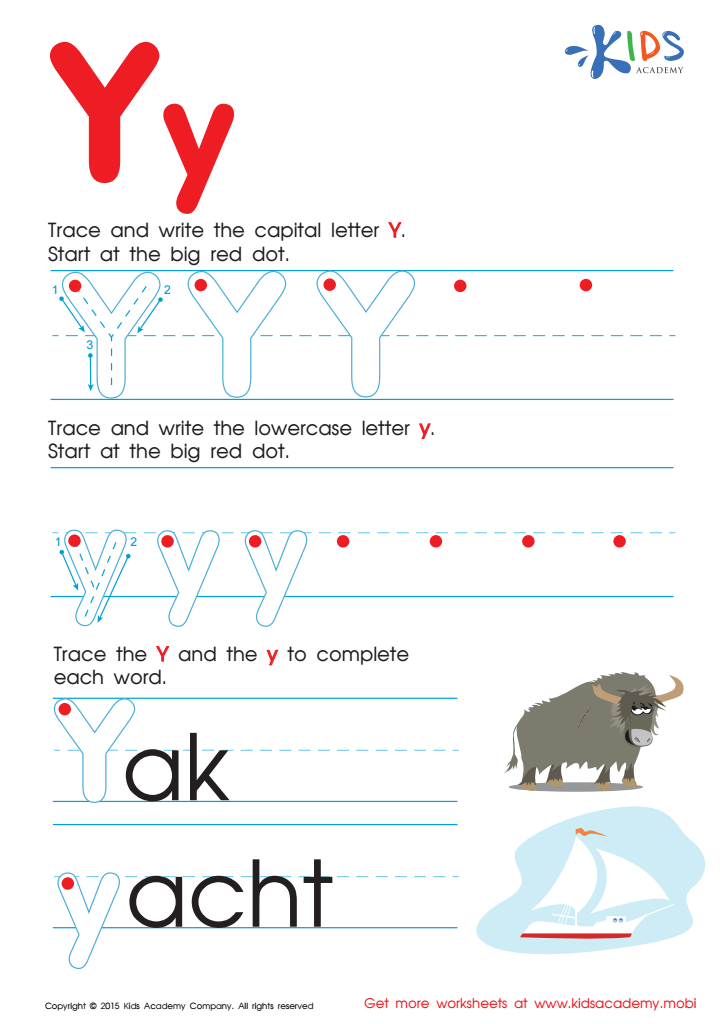
Letter Y Tracing Page
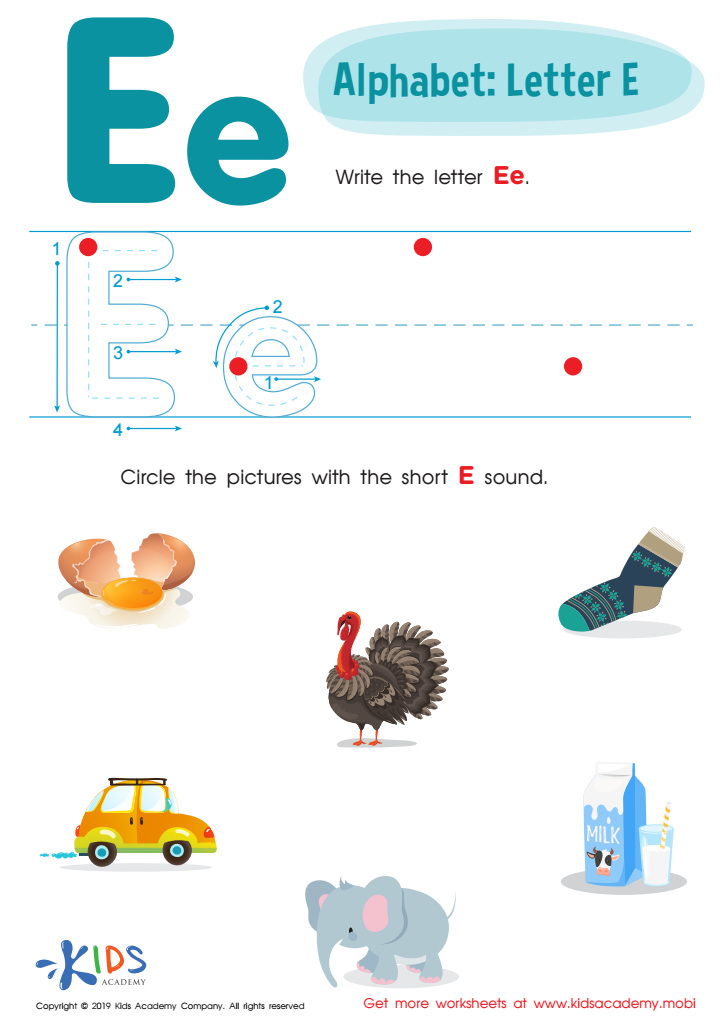
Letter E Tracing Worksheet
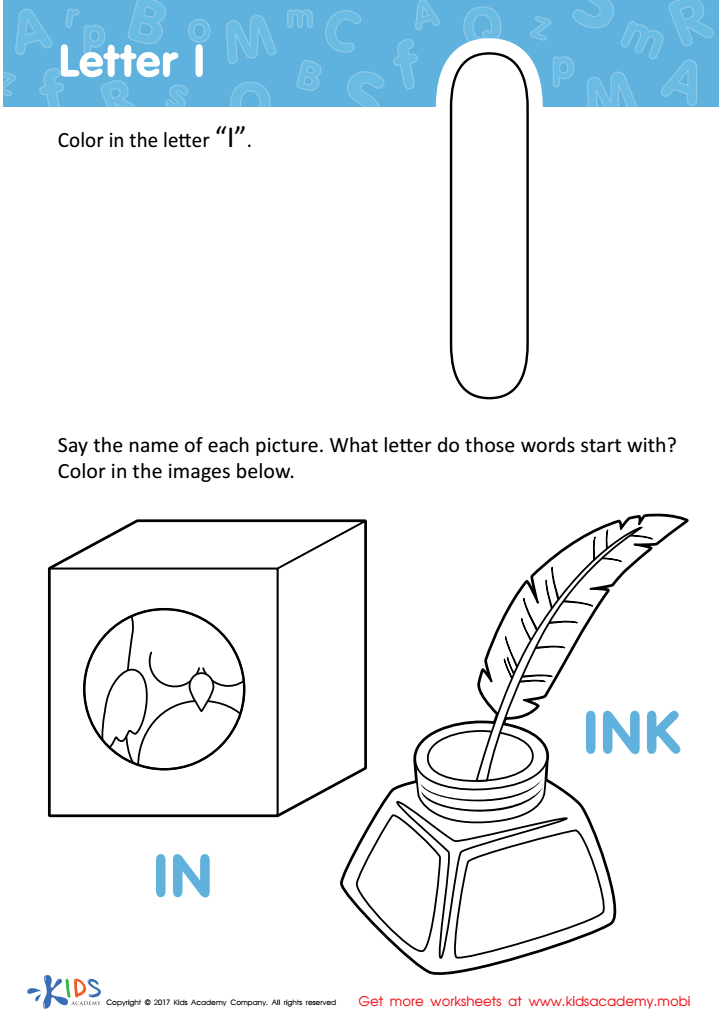
Letter I Coloring Sheet
 Assign to My Students
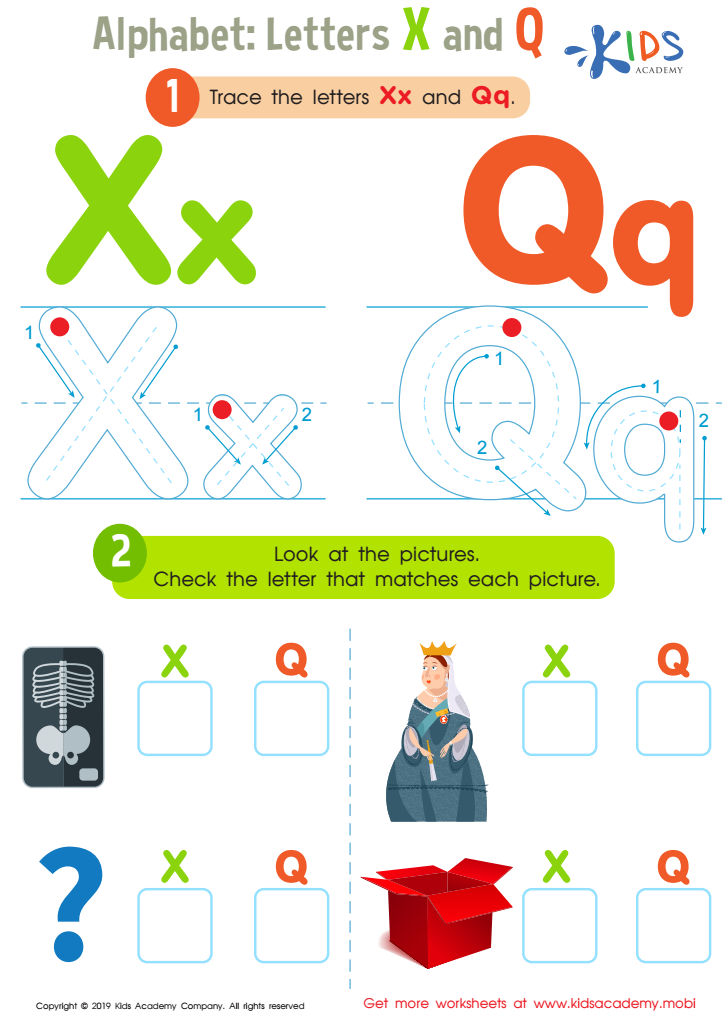
Letters X and Q Tracing Worksheet
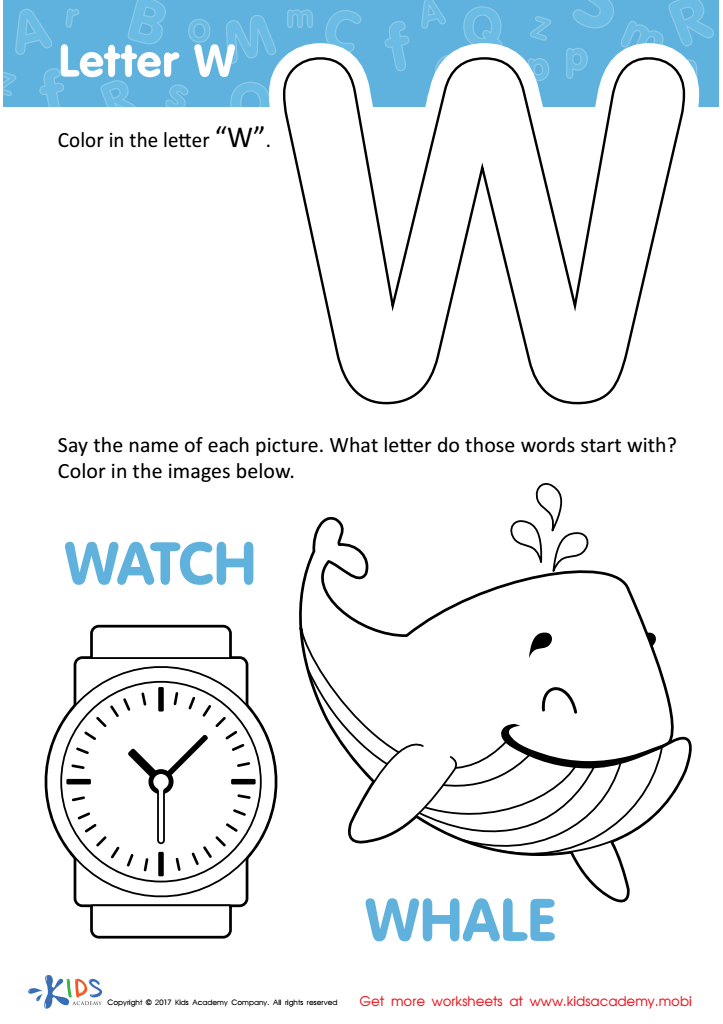
Letter W Coloring Sheet
Assign to My Students
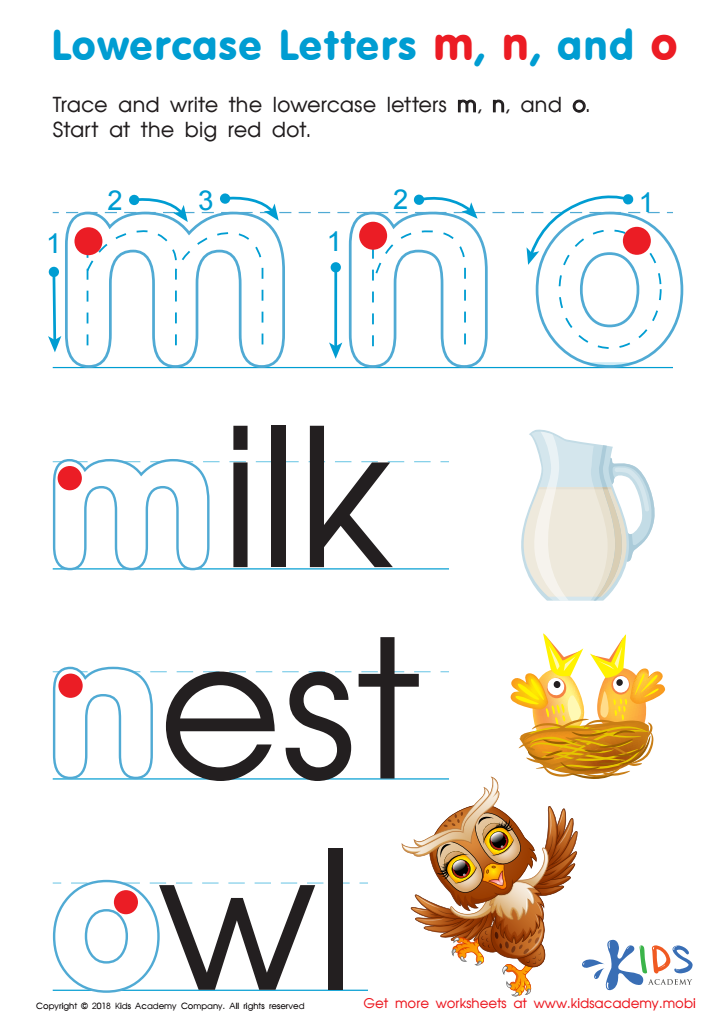
Lowercase Letters m n o Worksheet
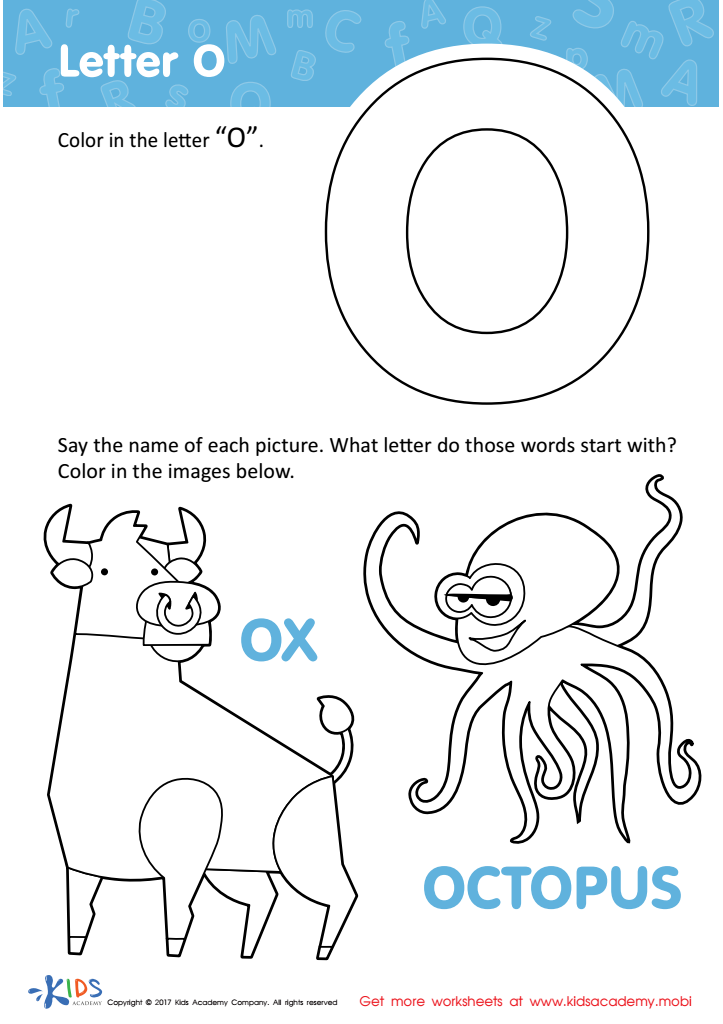
Letter O Coloring Sheet
Assign to My Students
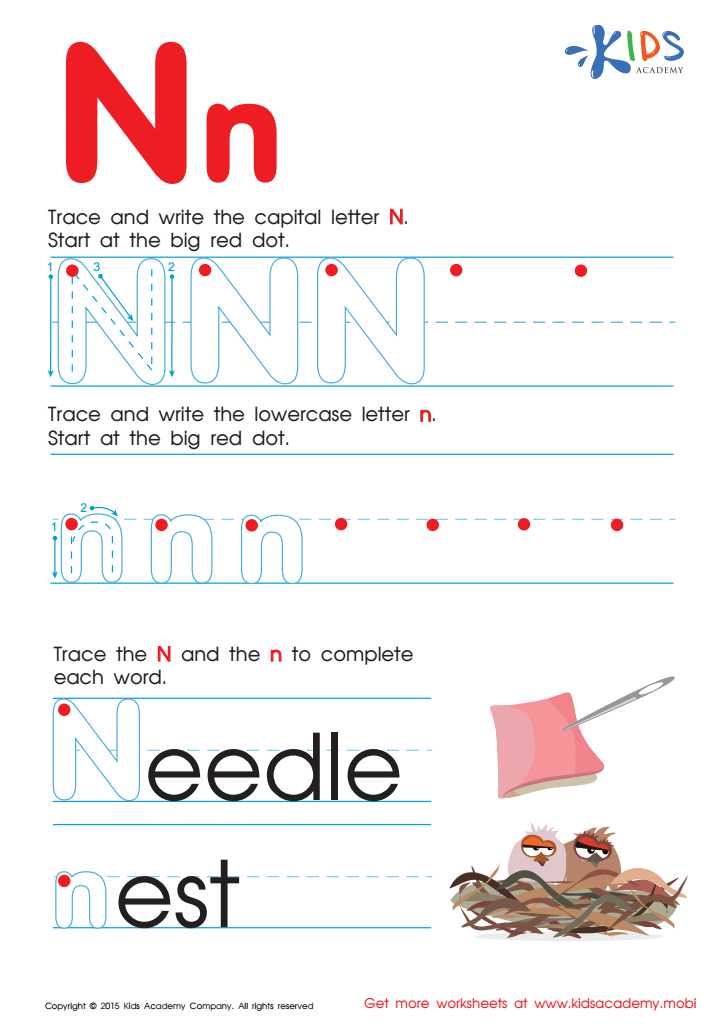
Letter N Tracing Page
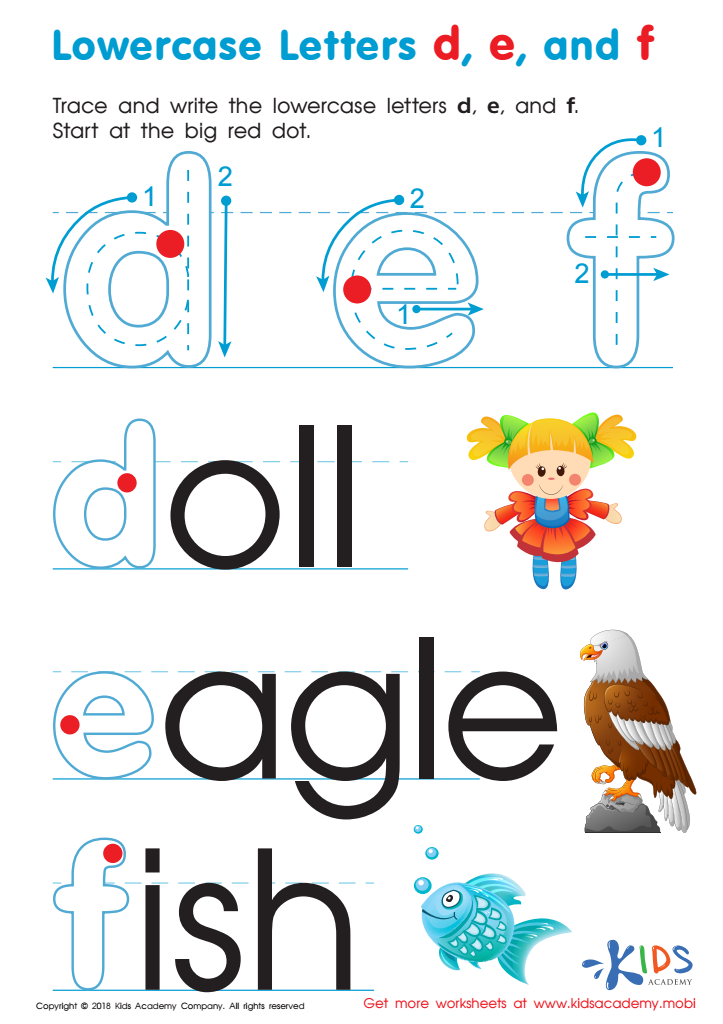
Lowercase Letters d e f Worksheet
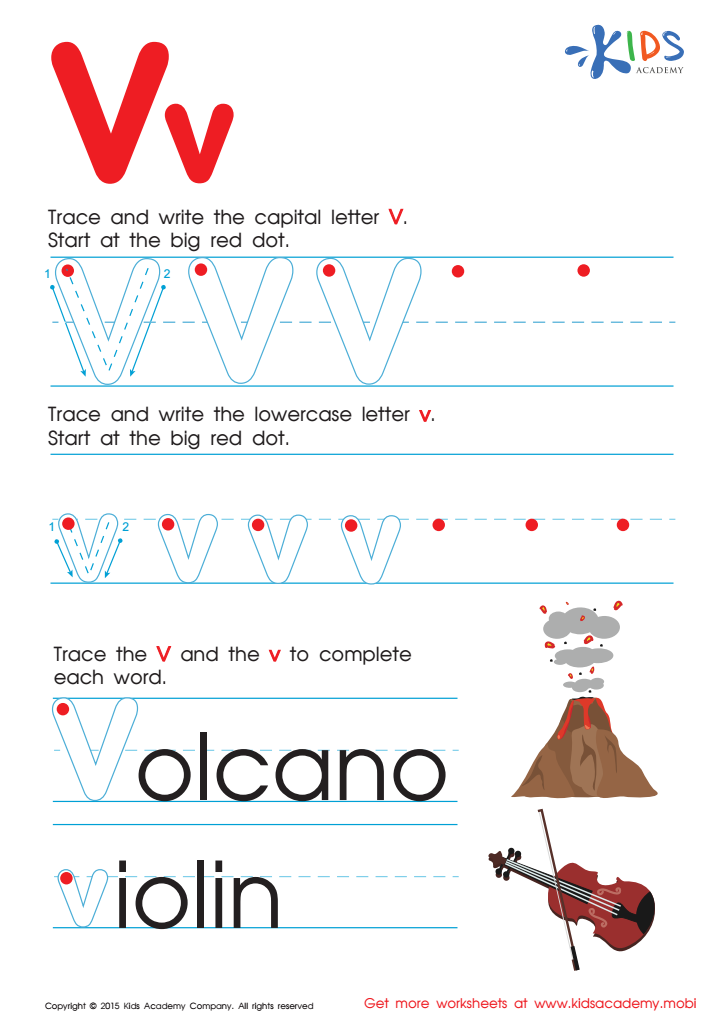
Letter V Tracing Page
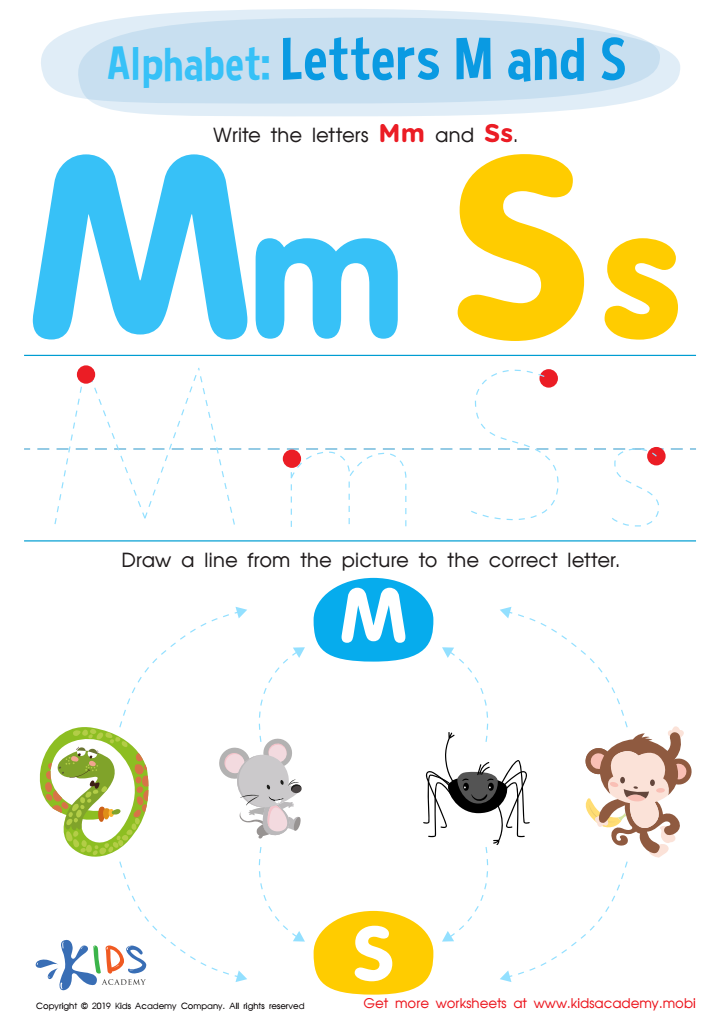
Letters M and S Tracing Worksheet
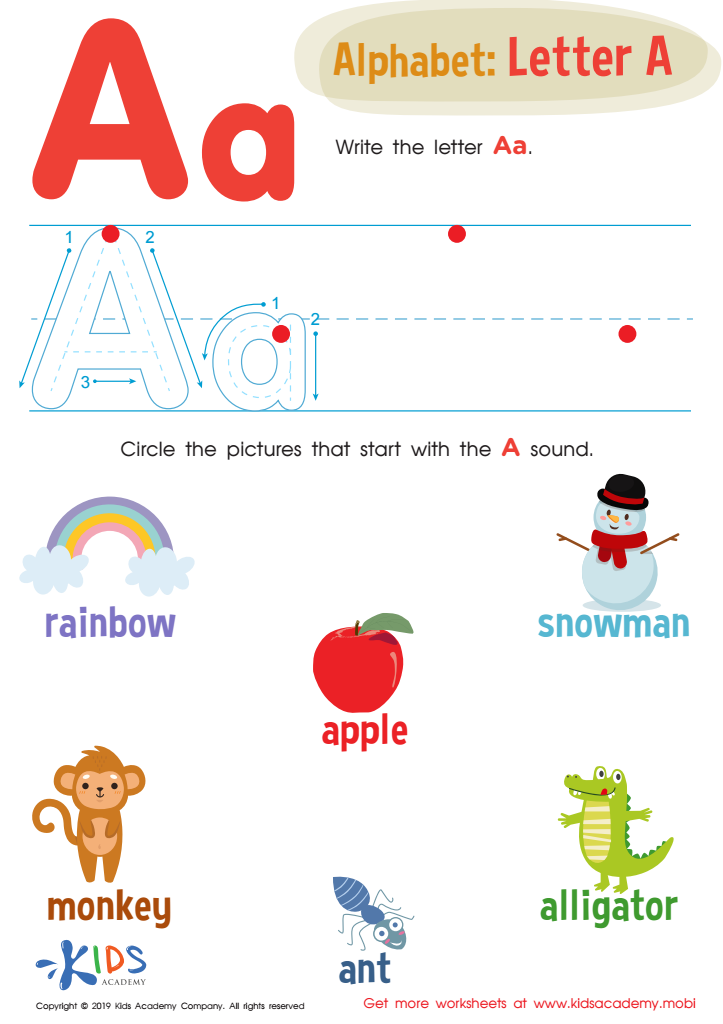
Letter A Tracing Worksheet
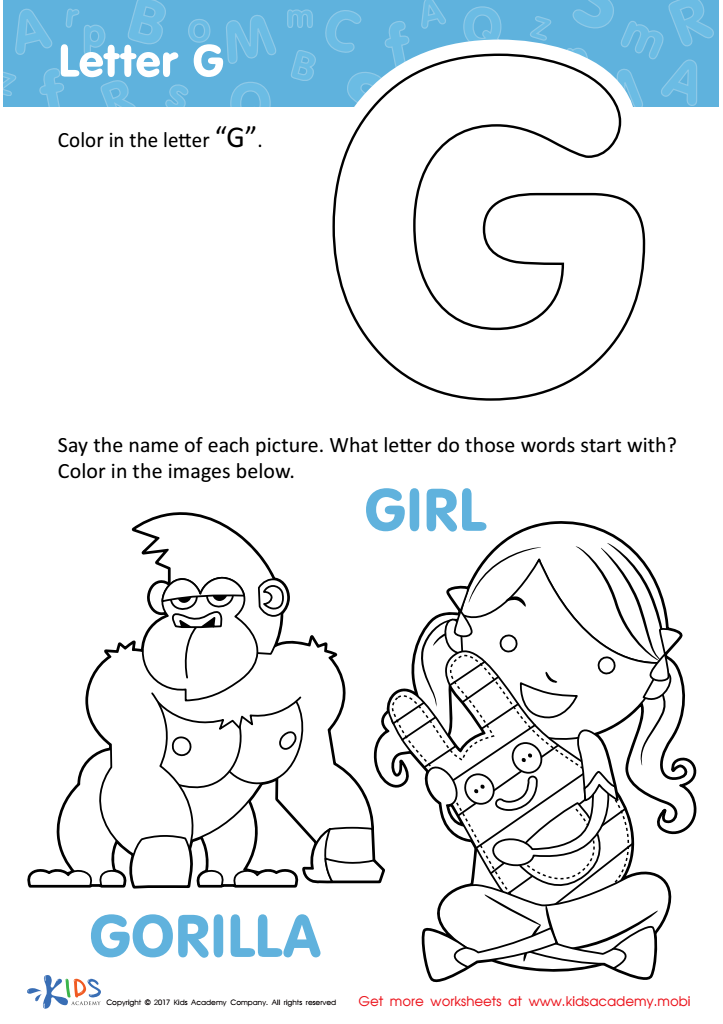
Letter G Coloring Sheet
Assign to My Students
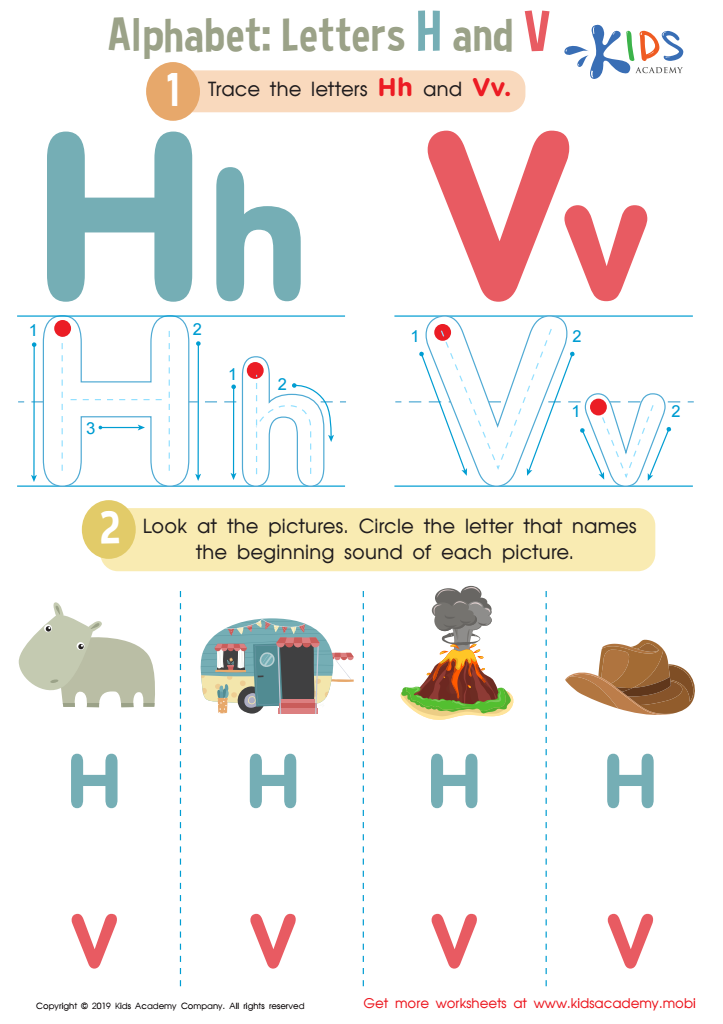
Letters H and V Tracing Worksheet
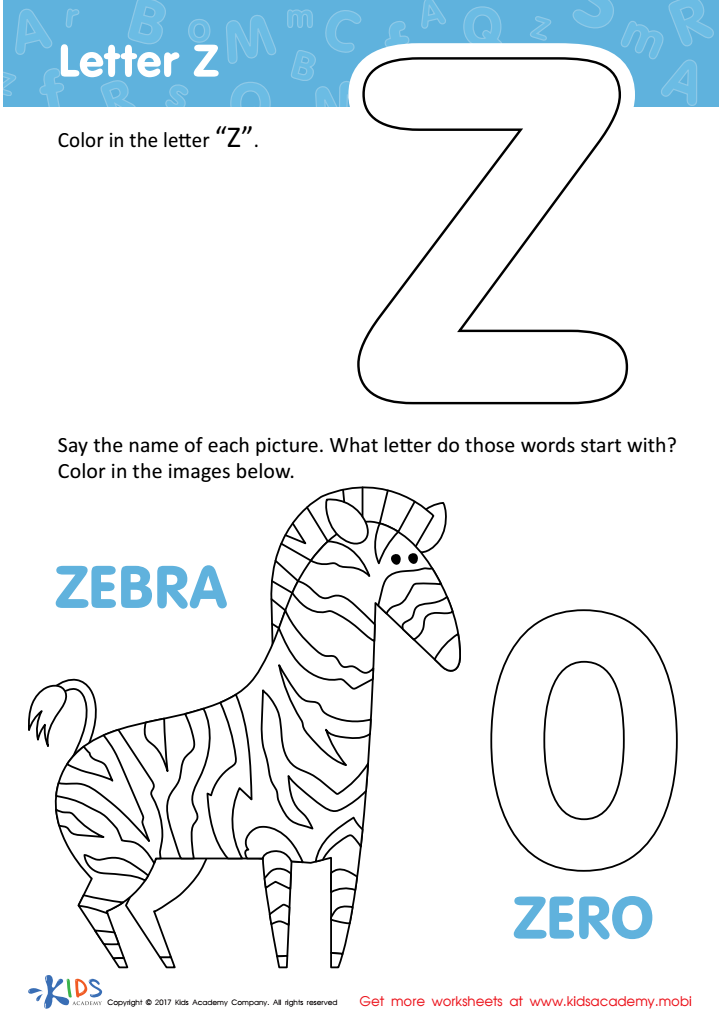
Letter Z Coloring Sheet
Assign to My Students
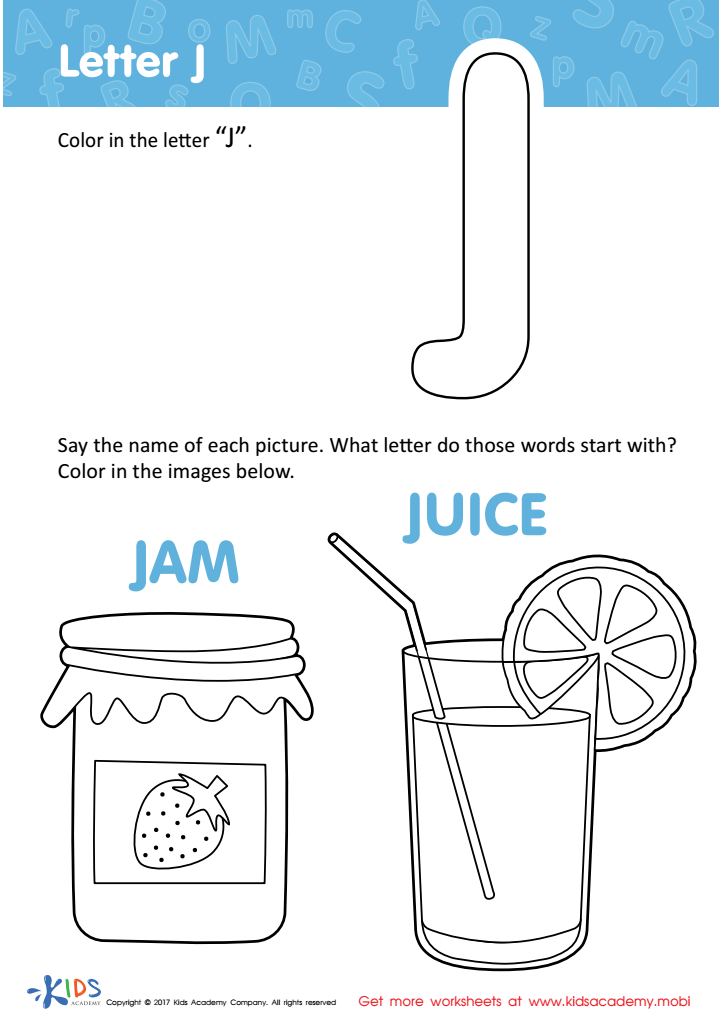
Letter J Coloring Sheet
Assign to My Students
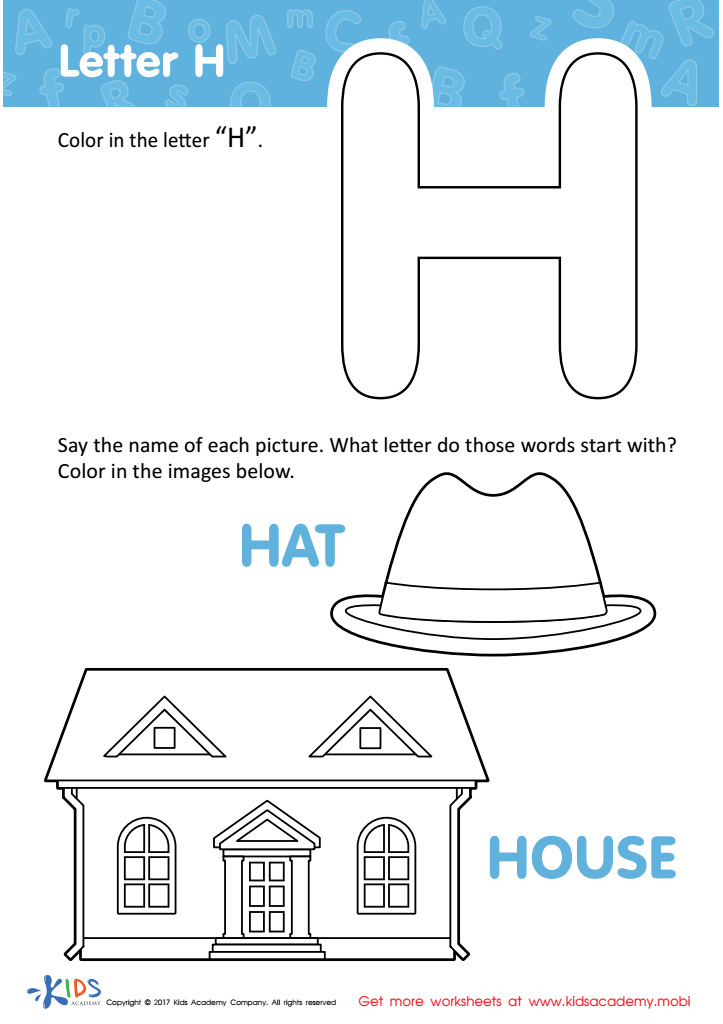
Letter H Coloring Sheet
Assign to My Students
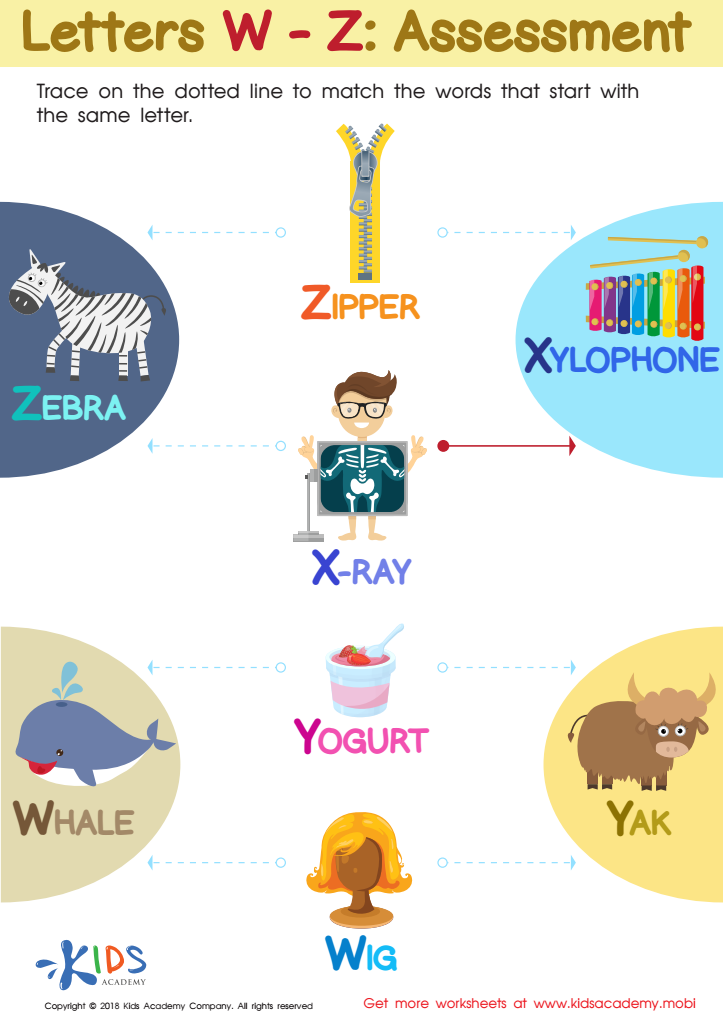
Letters W–Z Tracing Worksheet
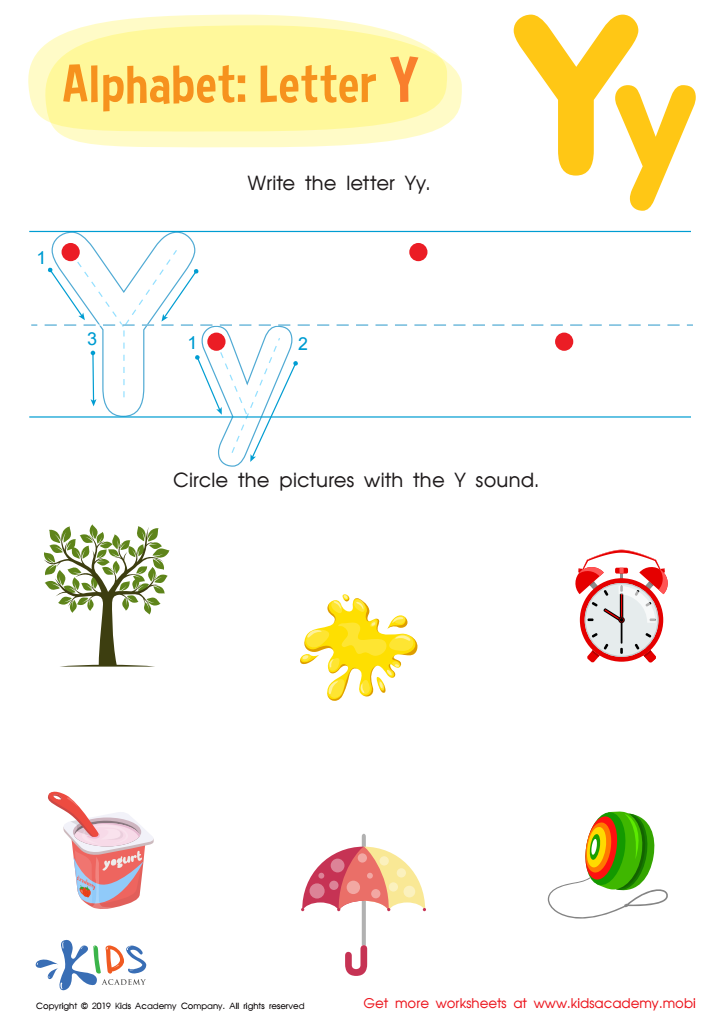
Letter Y Tracing Worksheet
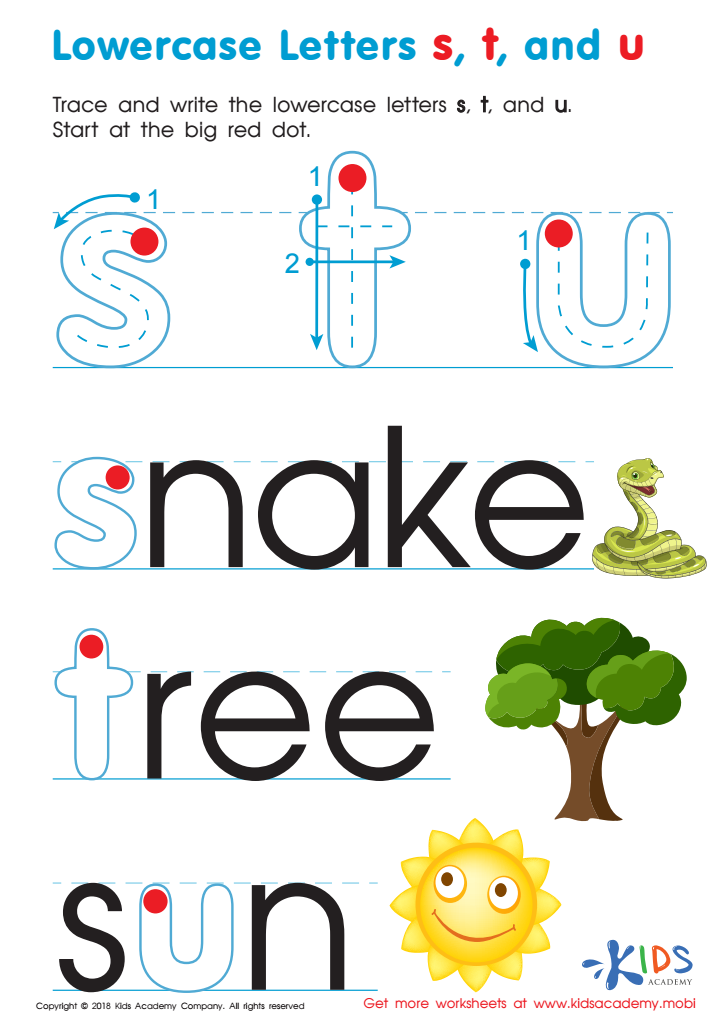
Lowercase Letters s t u Worksheet
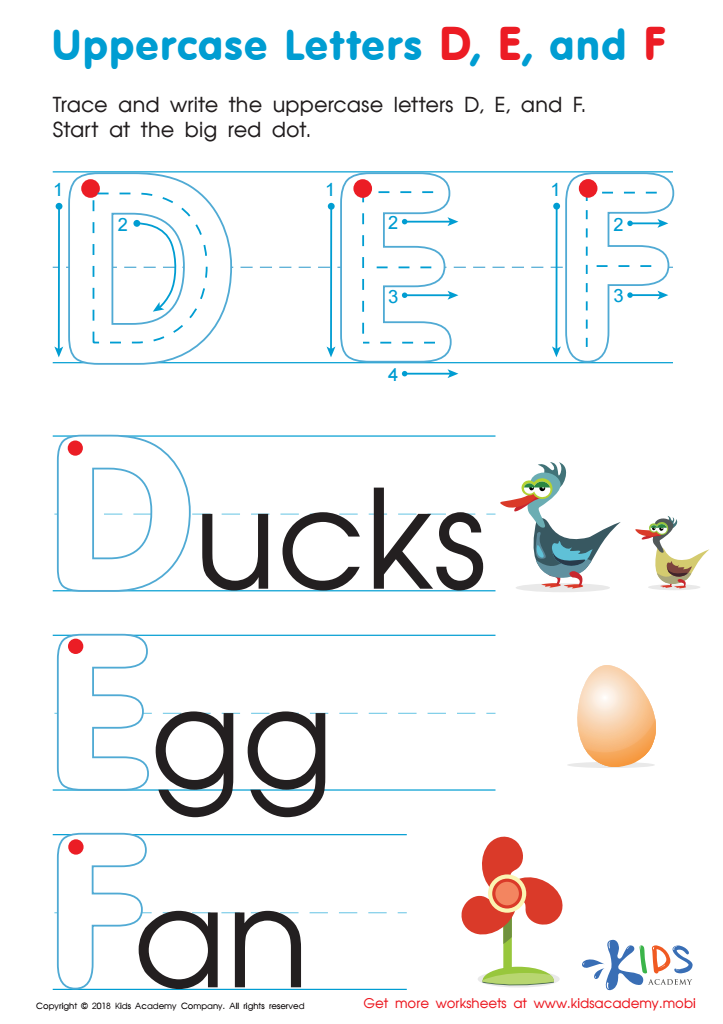
Uppercase Letters D, E, and F Worksheet
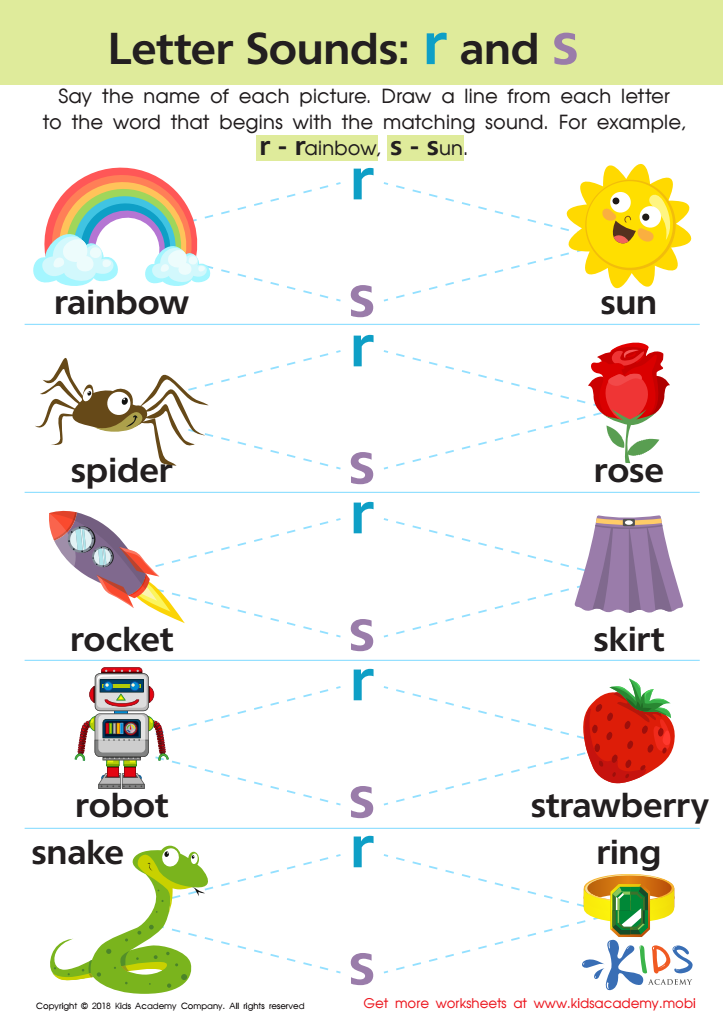
Letter R and S Sounds Worksheet
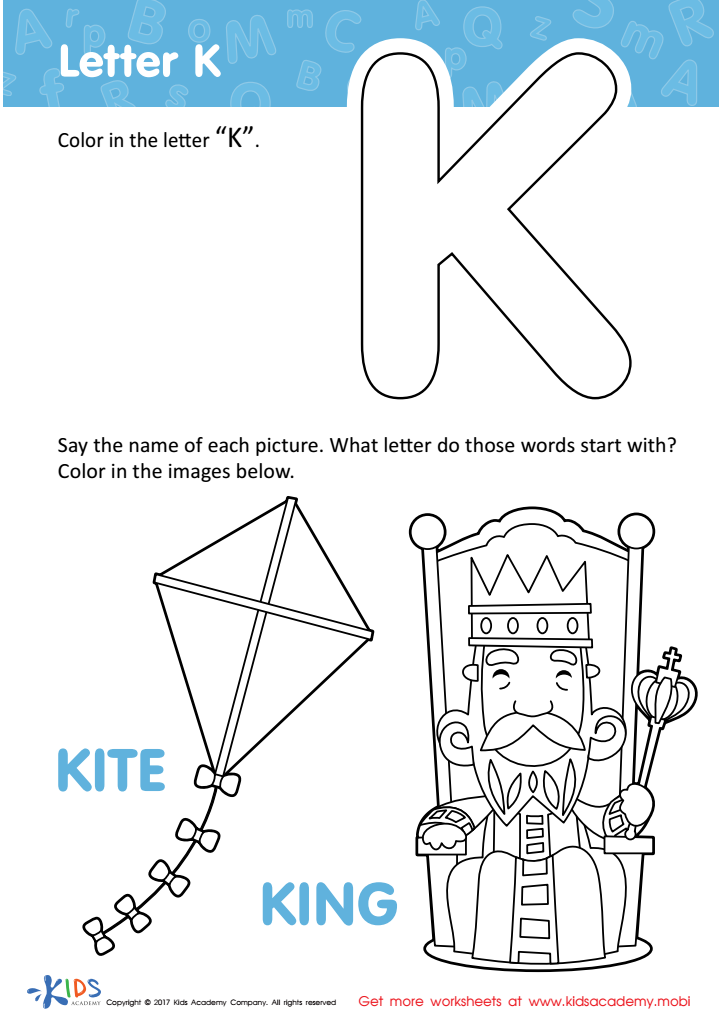
Letter K Coloring Sheet
Assign to My Students
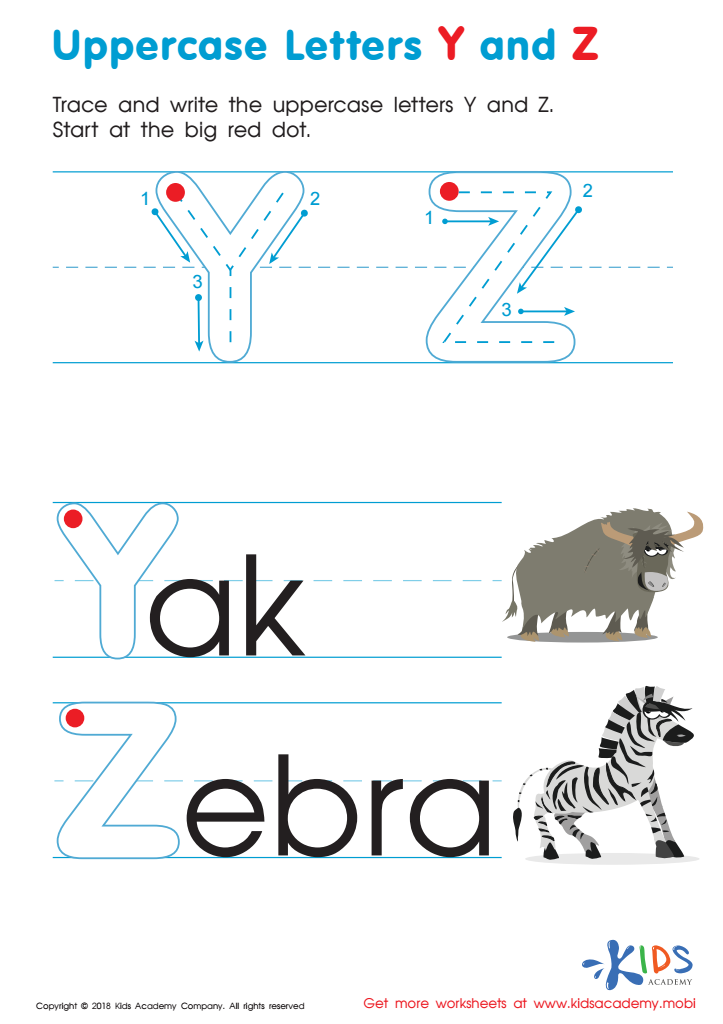
Uppercase Letters Y Z Worksheet








Handwriting practice for ages 5-7 plays a crucial role in the early development of children's literacy and fine motor skills. At this formative age, children are rapidly acquiring foundational skills that will support their educational journey. Engaging in regular handwriting practice helps young learners develop proper pencil grip, hand-eye coordination, and muscle memory, which are essential for efficient writing.
Proficiency in handwriting can significantly influence a child's academic success. Clear and legible writing allows students to express their ideas effectively, aiding in better communication with teachers and peers. This foundational skill also supports the overall learning process, making it easier for children to engage with other subjects such as reading and math.
In addition to the practical benefits, handwriting practice fosters patience and attention to detail. As students focus on forming each letter correctly, they build persistence and concentration, qualities that are valuable throughout their education and beyond. Furthermore, handwriting practice can be a calming activity that boosts self-confidence as children see their progress over time.
Thus, investing time in handwriting practice for young children not only enhances their current academic abilities but also lays a solid foundation for future learning, making it an essential component of early childhood education.







