Letter recognition Upper & Lowercase Letters Worksheets for Ages 5-7
23 filtered results
-
From - To
Discover our engaging "Letter Recognition Upper & Lowercase Letters Worksheets" designed for children aged 5-7! These interactive worksheets help young learners identify and differentiate between uppercase and lowercase letters, fostering essential literacy skills. Each page is crafted to enhance phonics and letter recognition through fun activities, including tracing, matching, and coloring. Perfect for classroom use or at-home learning, our resources cater to varying skill levels, ensuring every child can thrive. Encourage independent practice and boost confidence as your child discovers the exciting world of letters! Download now and make learning to read a joyful journey with our printable activities!
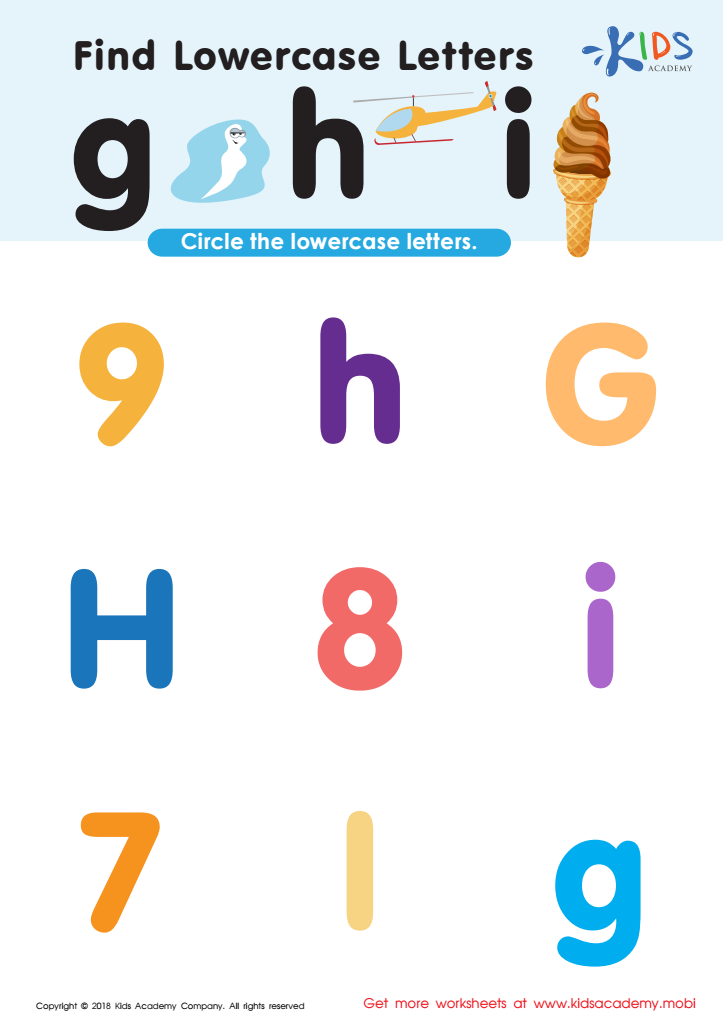
Find Lowercase Letters g h i Worksheet
 Assign to My Students
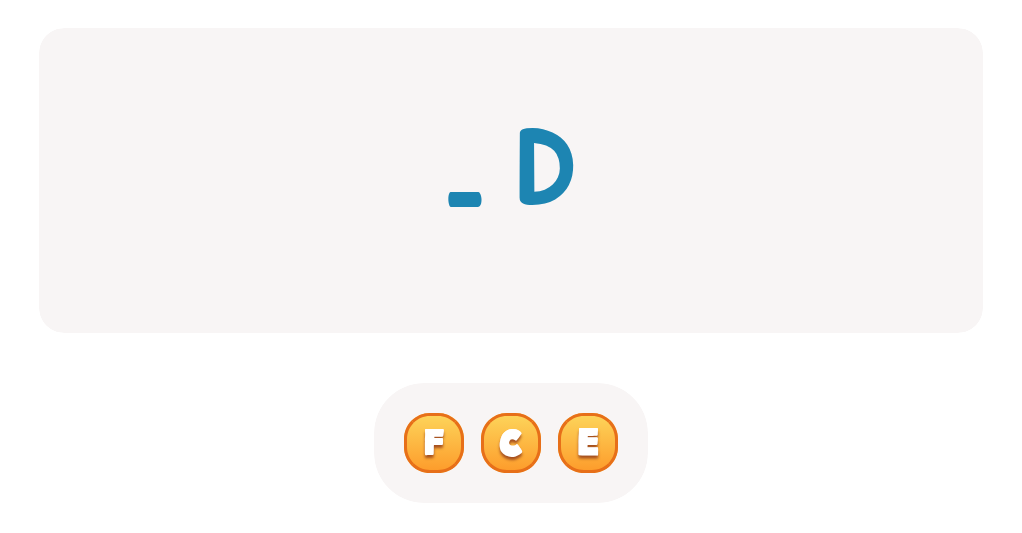

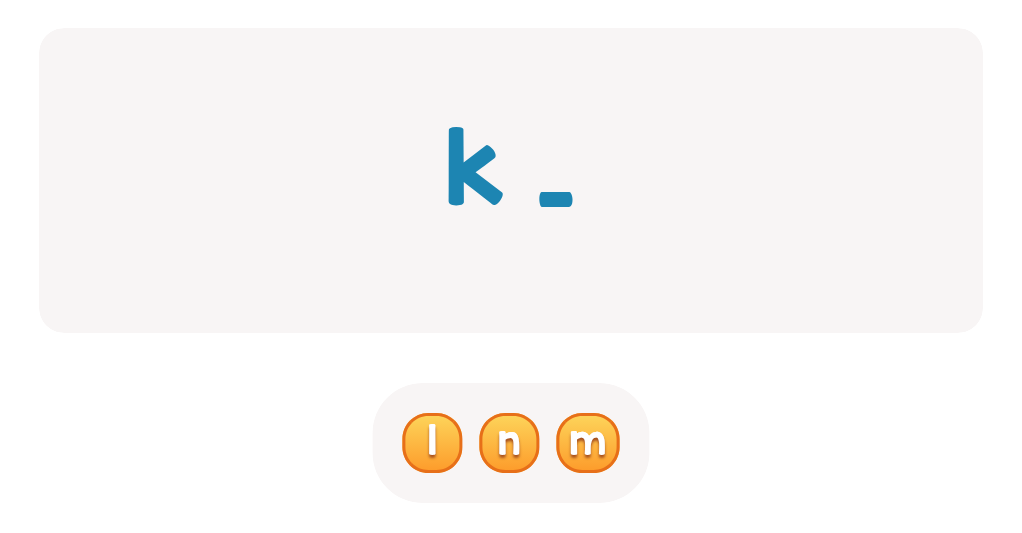
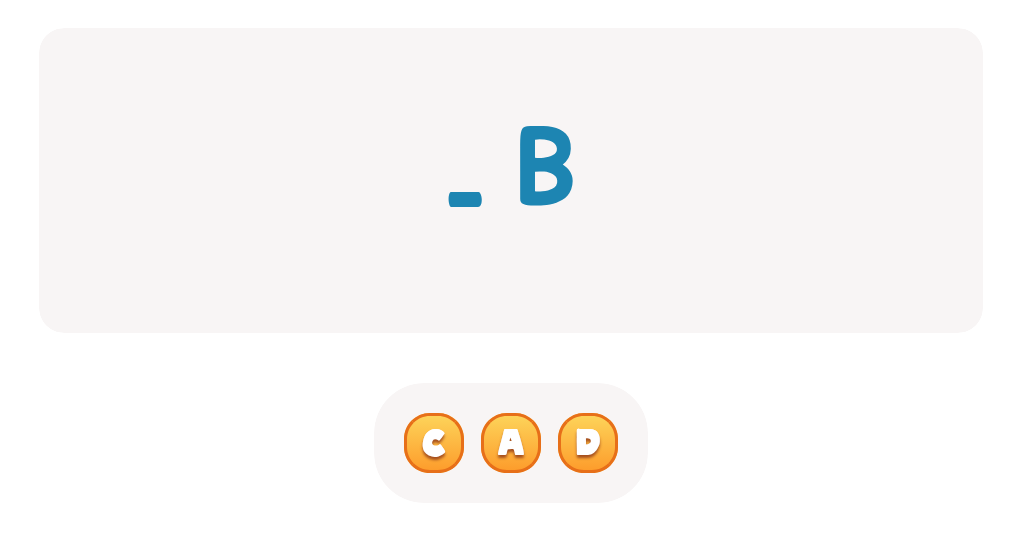
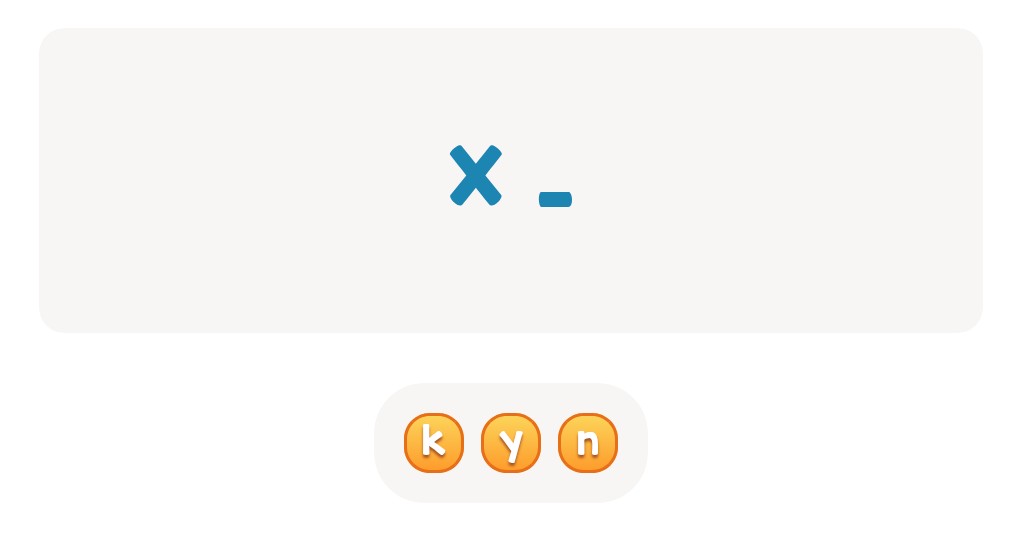
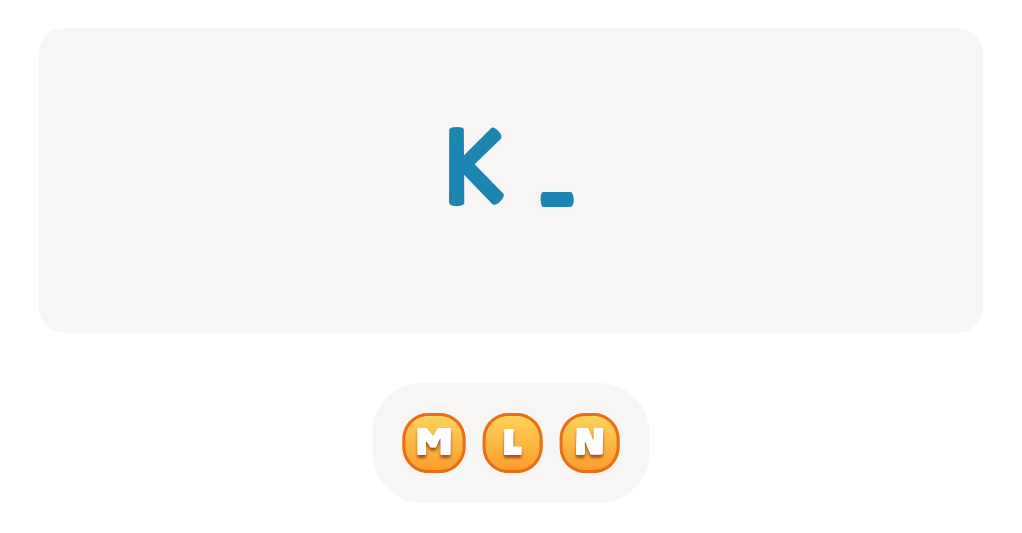
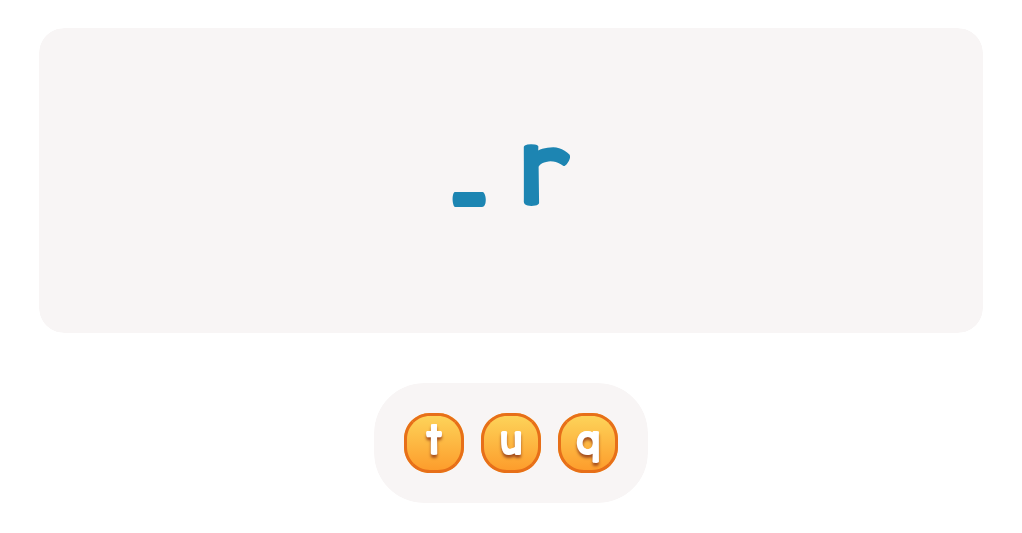
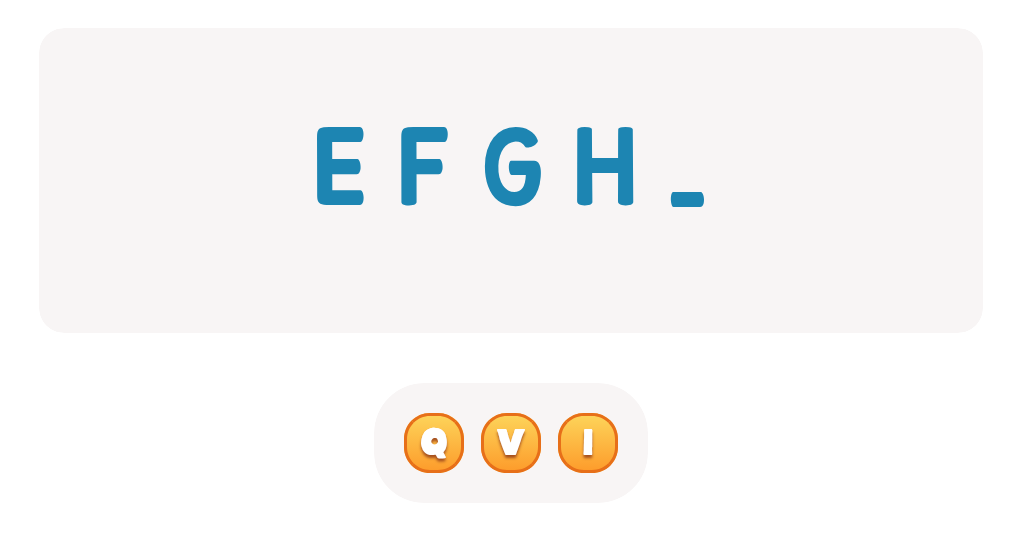
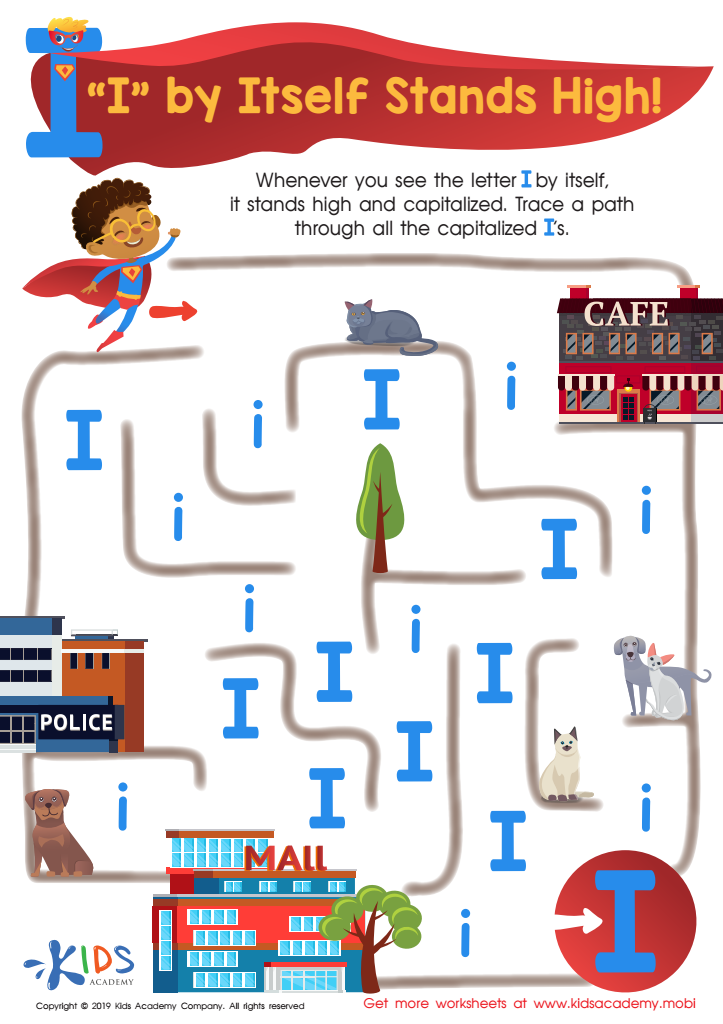
I Stands High Worksheet
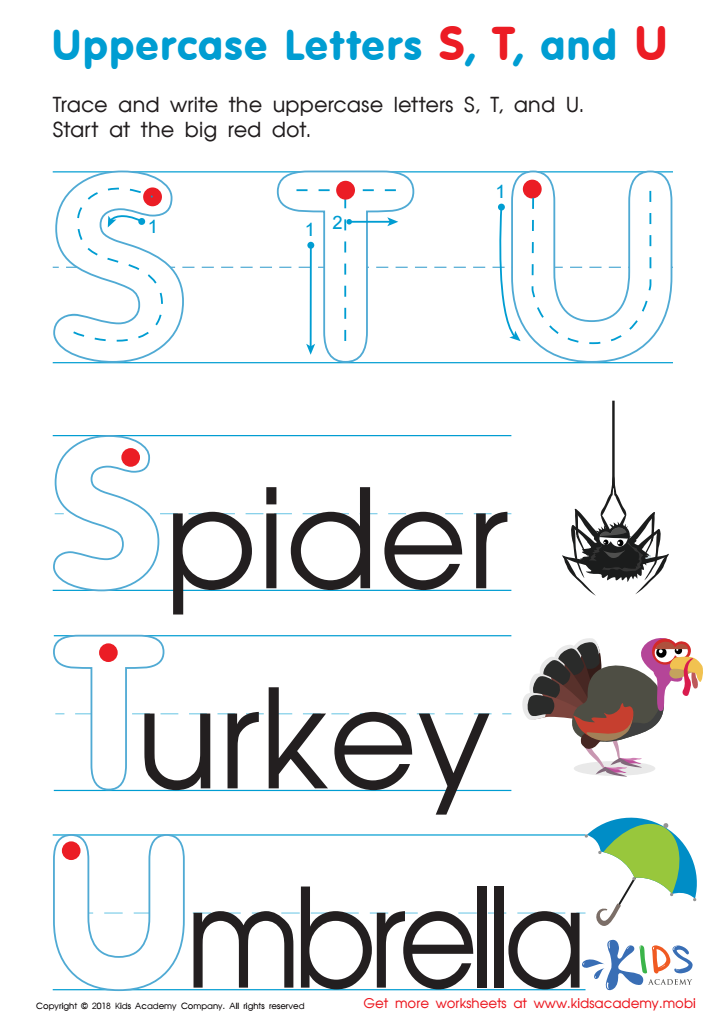
Uppercase Letters S, T, and U Worksheet
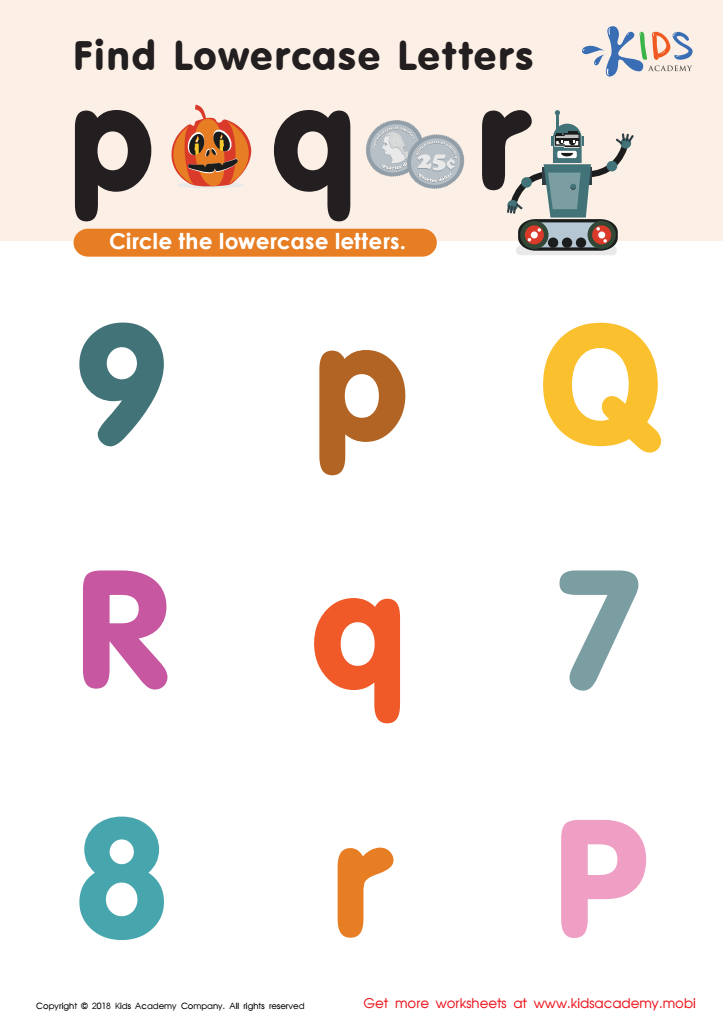
Find lowercase Letters p q r Worksheet
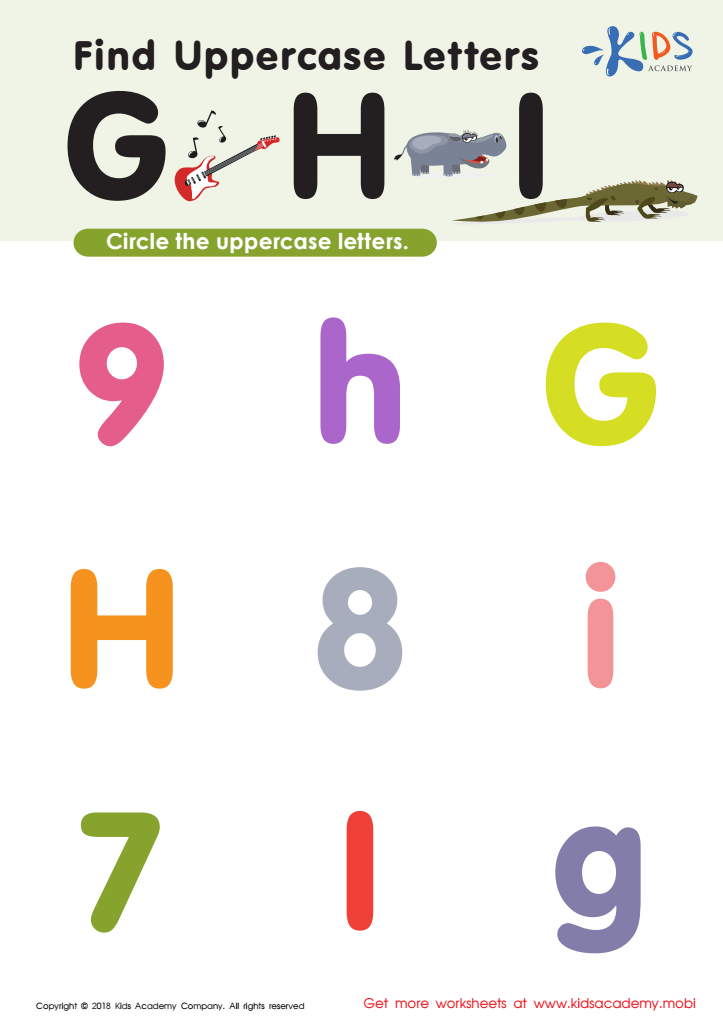
Find Uppercase Letters G, H, and I Worksheet
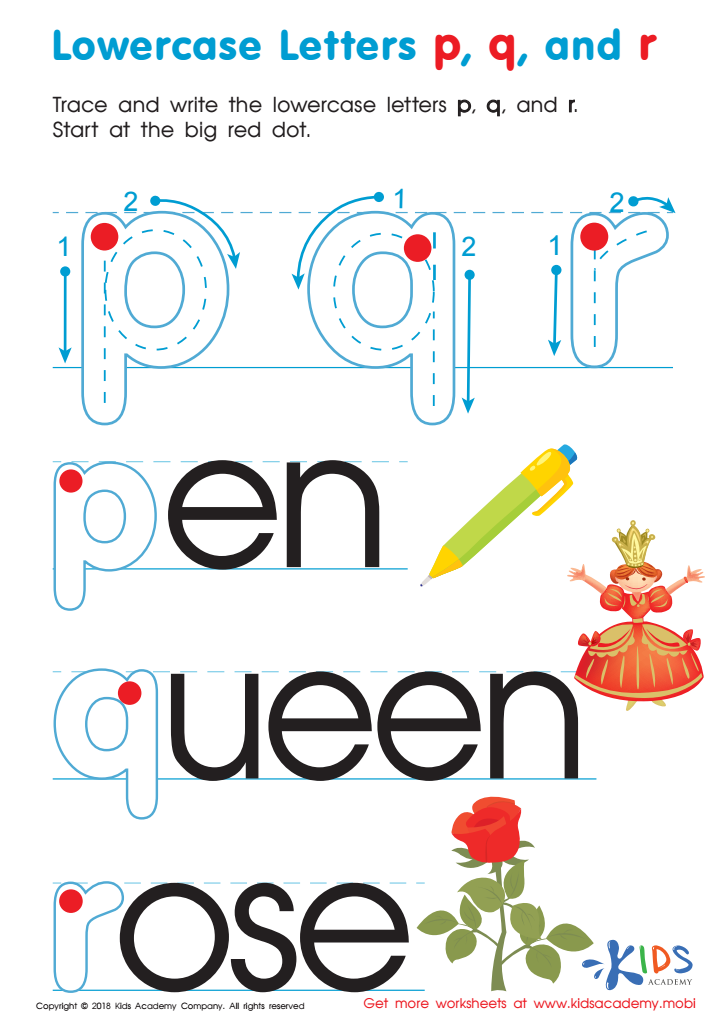
Lowercase Letters p q r Worksheet
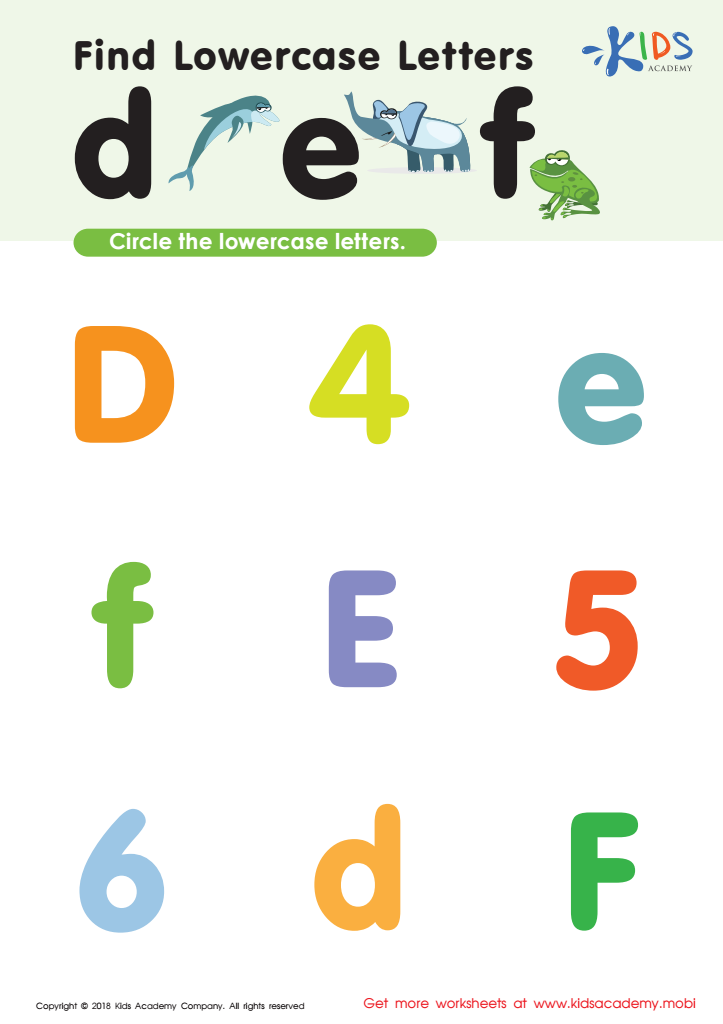
Find Lowercase Letters d e f Worksheet
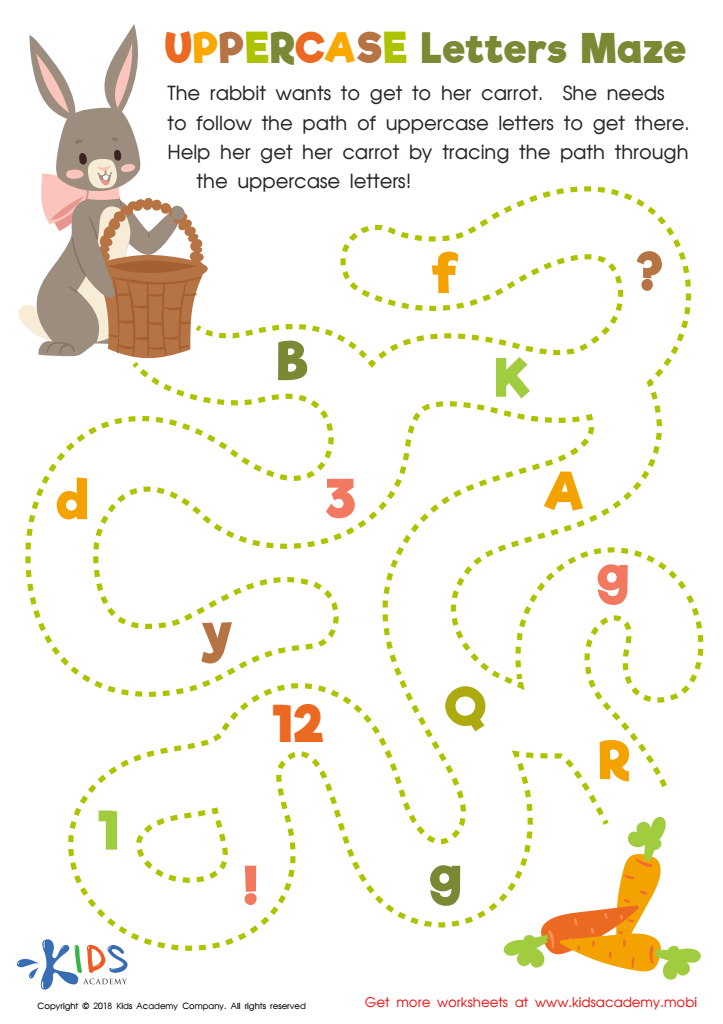
Uppercase Letters Maze Worksheet
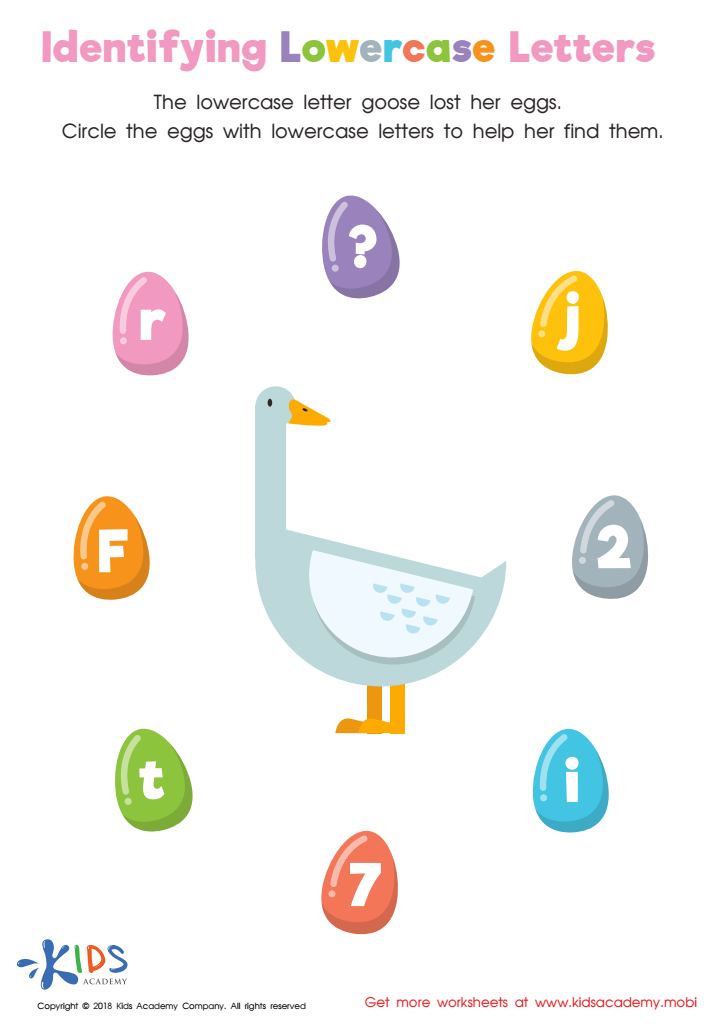
Identifying Lowercase Letters Worksheet
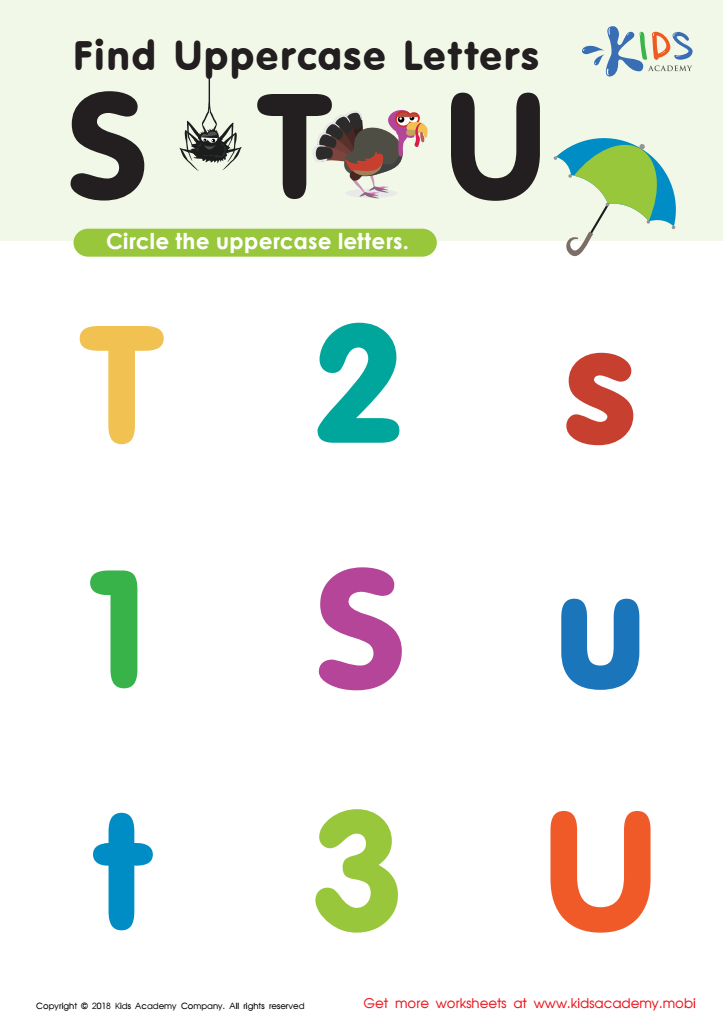
Find Uppercase Letters Worksheet
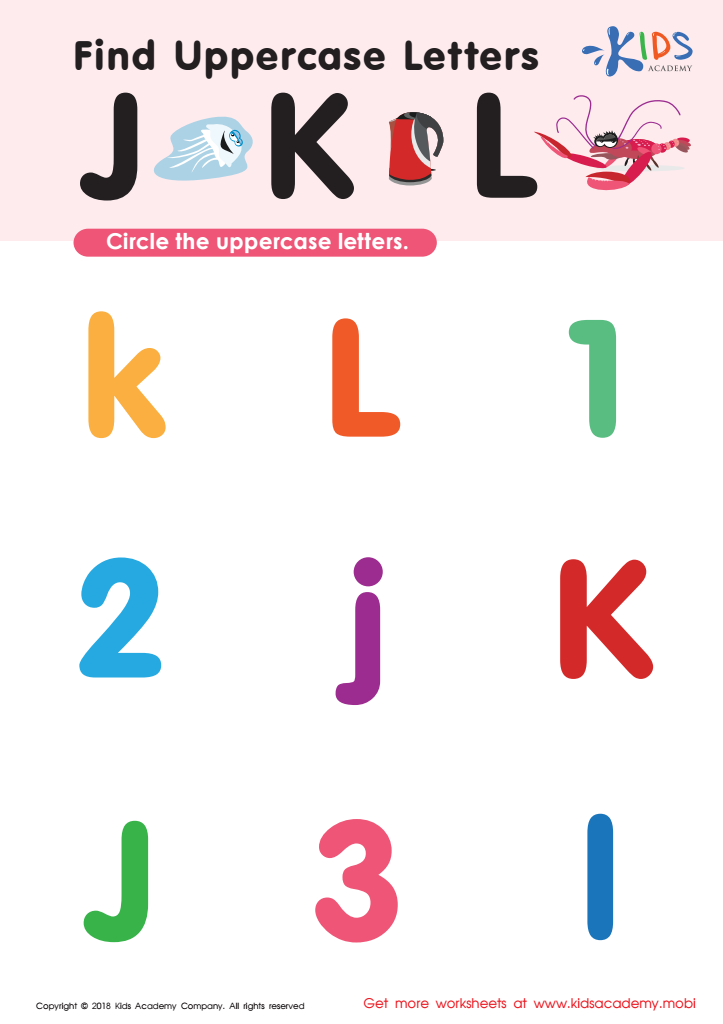
Find Uppercase Letters J, K, and L Worksheet
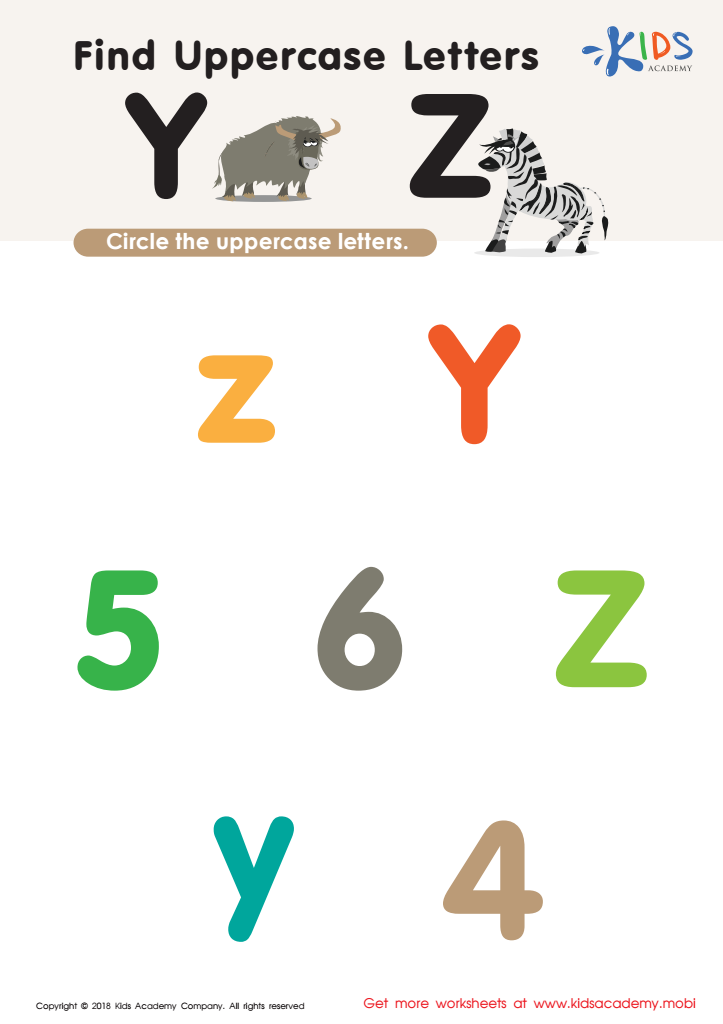
Find Uppercase Letters Y Z Worksheet
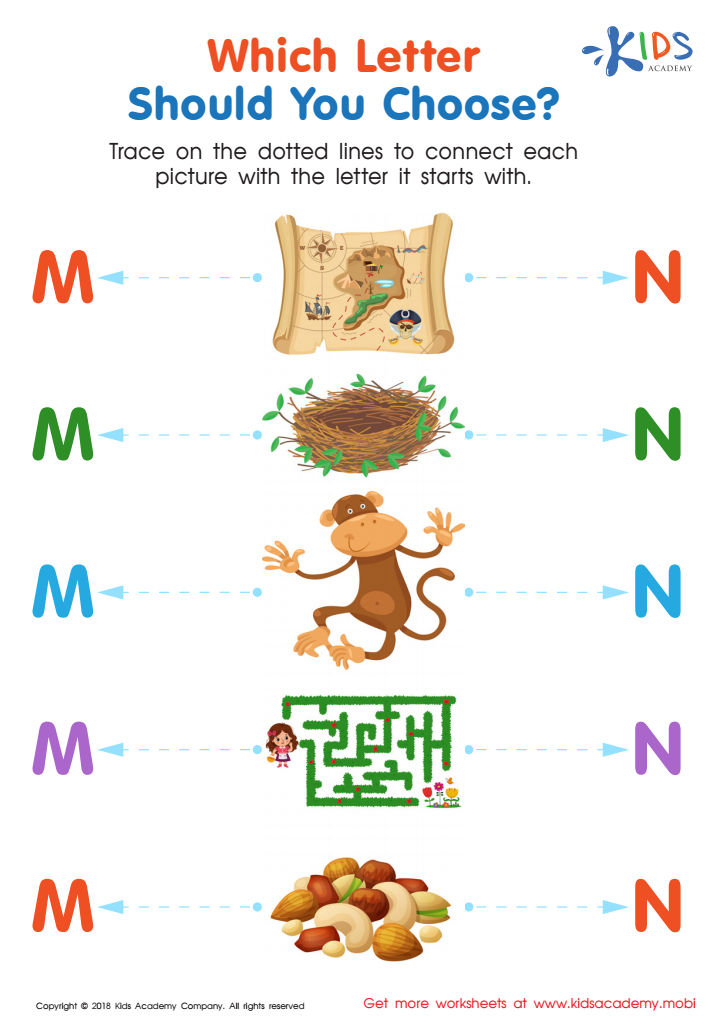
Which Letter Should you Choose? Worksheet
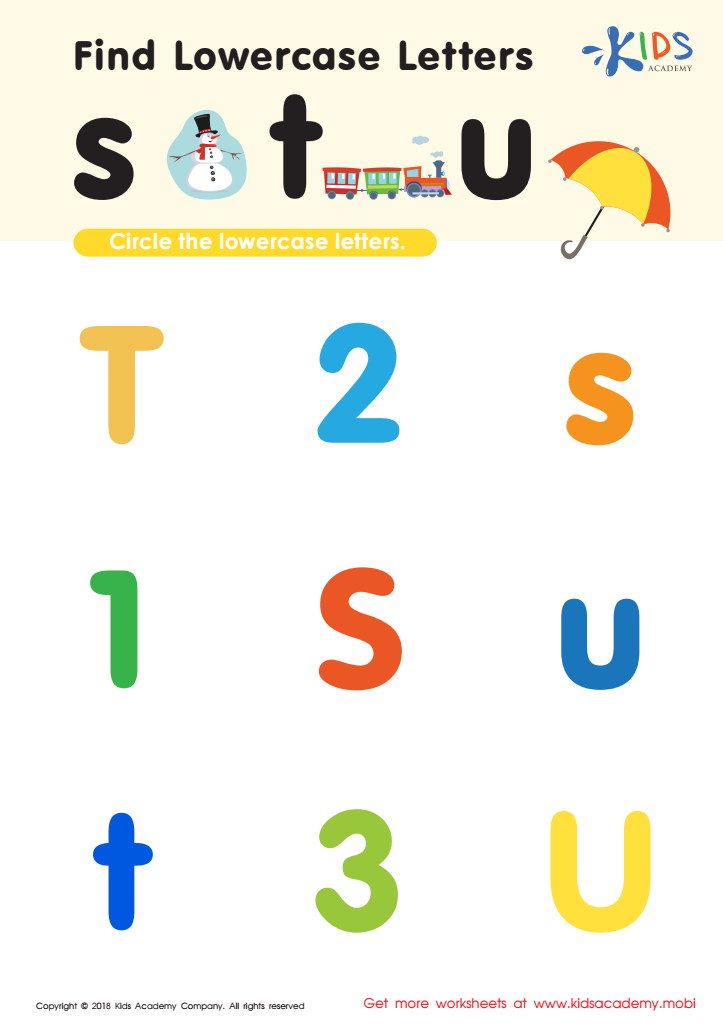
Find lowercase Letters s t u Worksheet
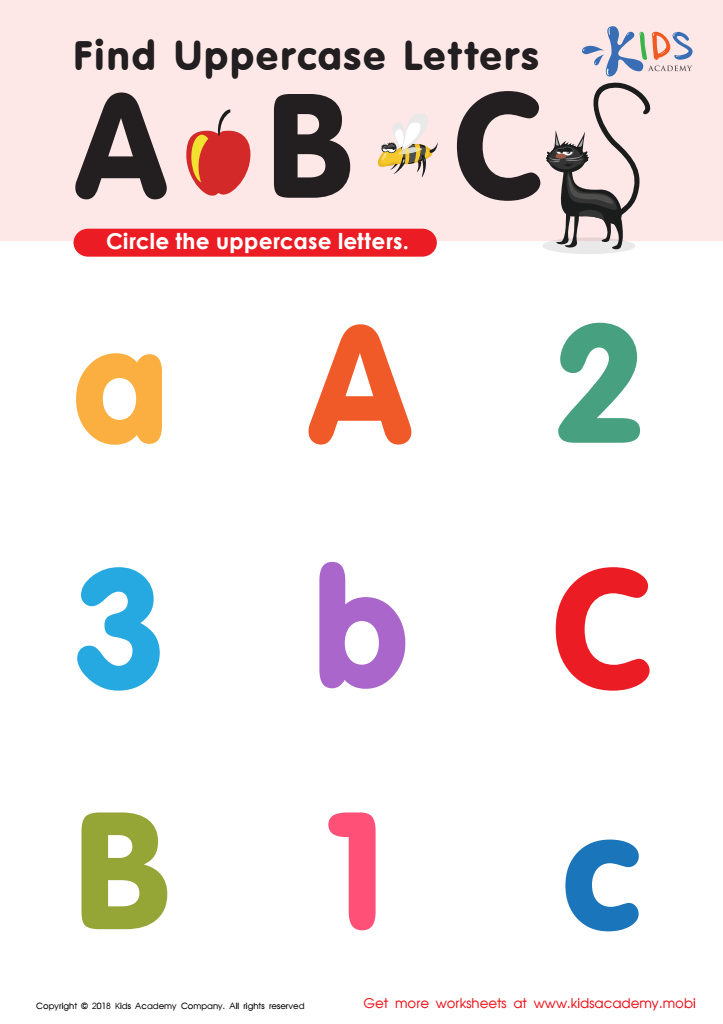
Find Uppercase Letters A, B, and C Worksheet
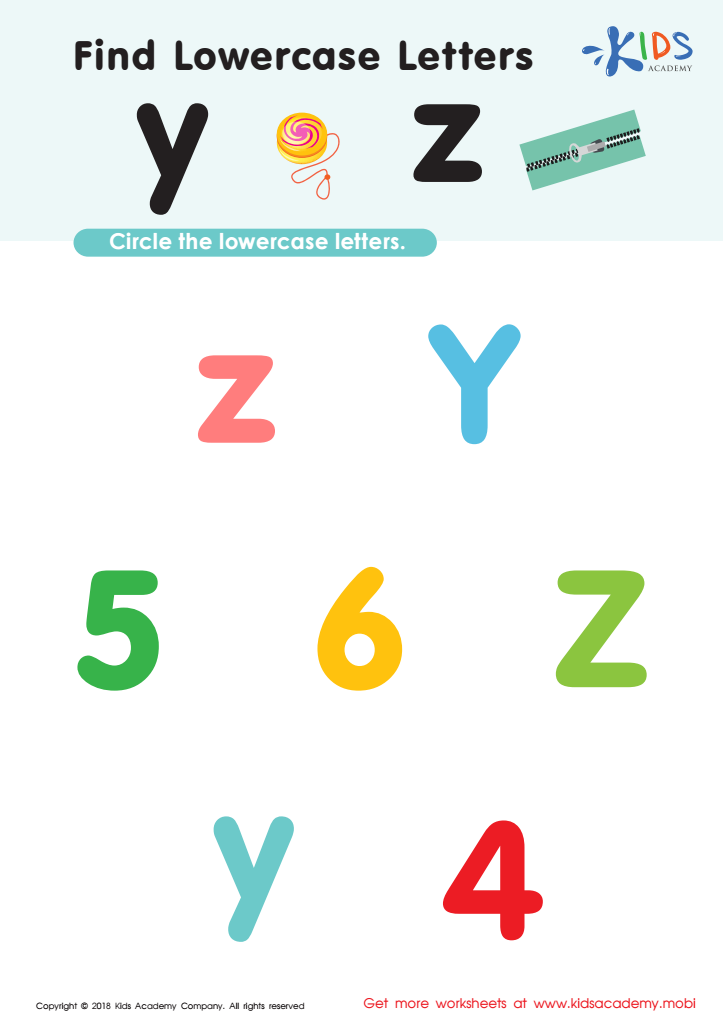
Find Lowercase Letters y z Worksheet
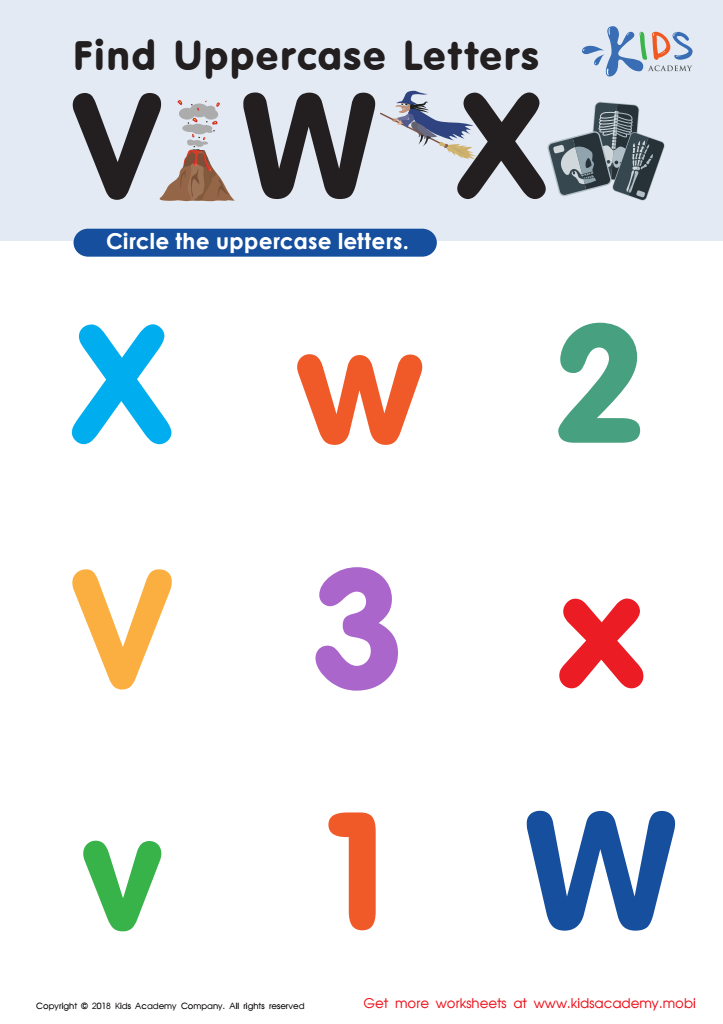
Find Uppercase Letters V, W, X Worksheet
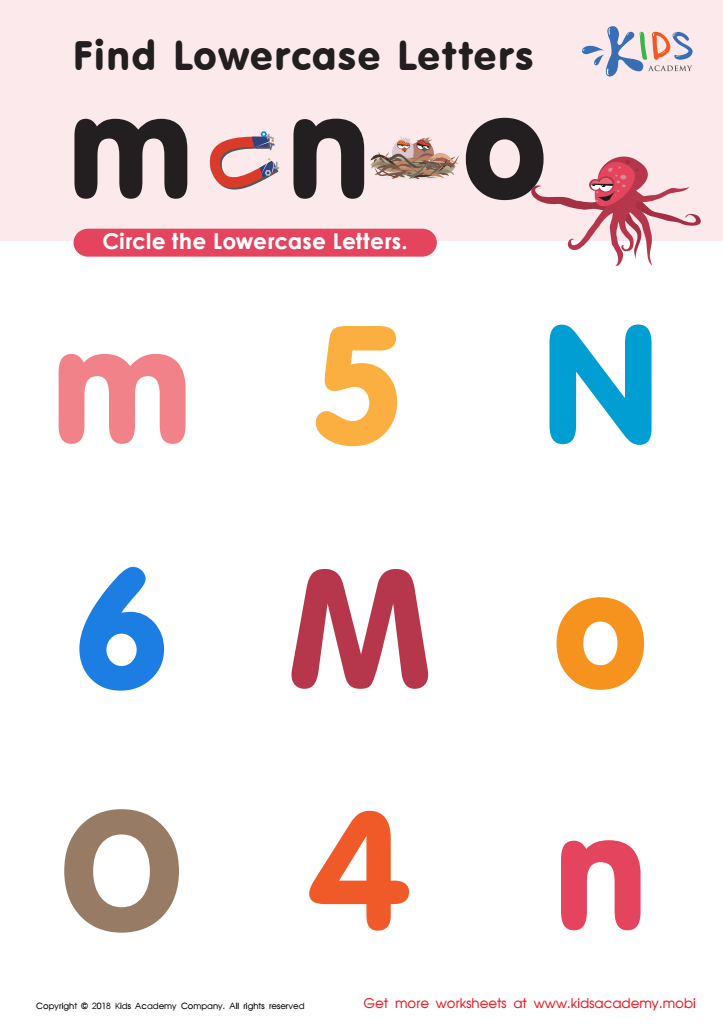
Find Lowercase Letters m n o Worksheet
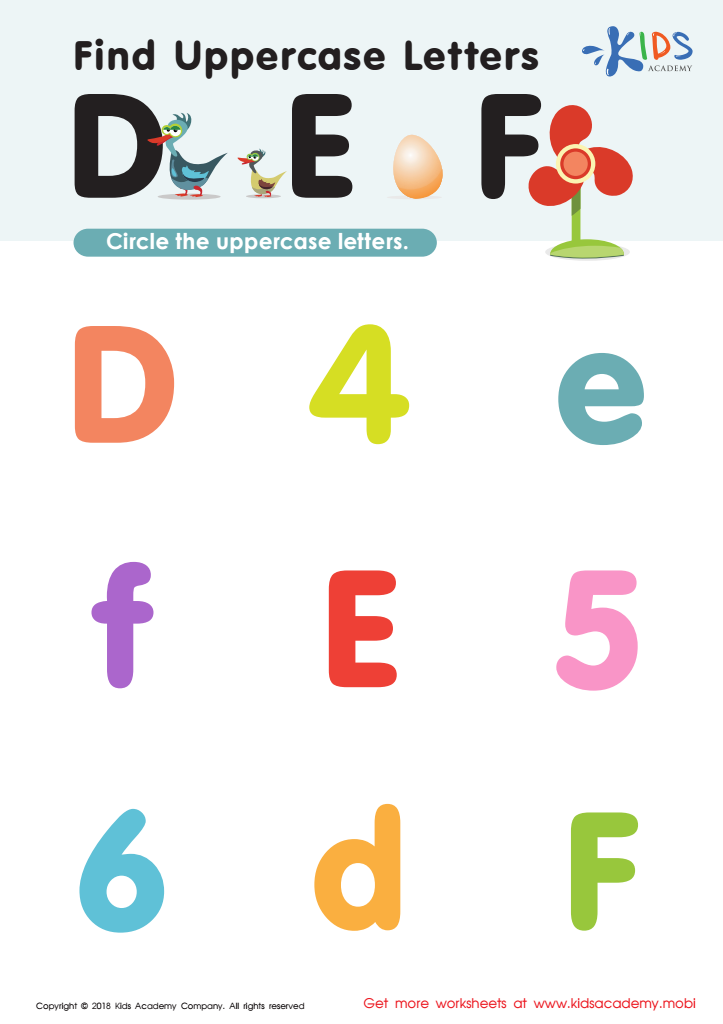
Find Uppercase Letters D, E, and F Worksheet
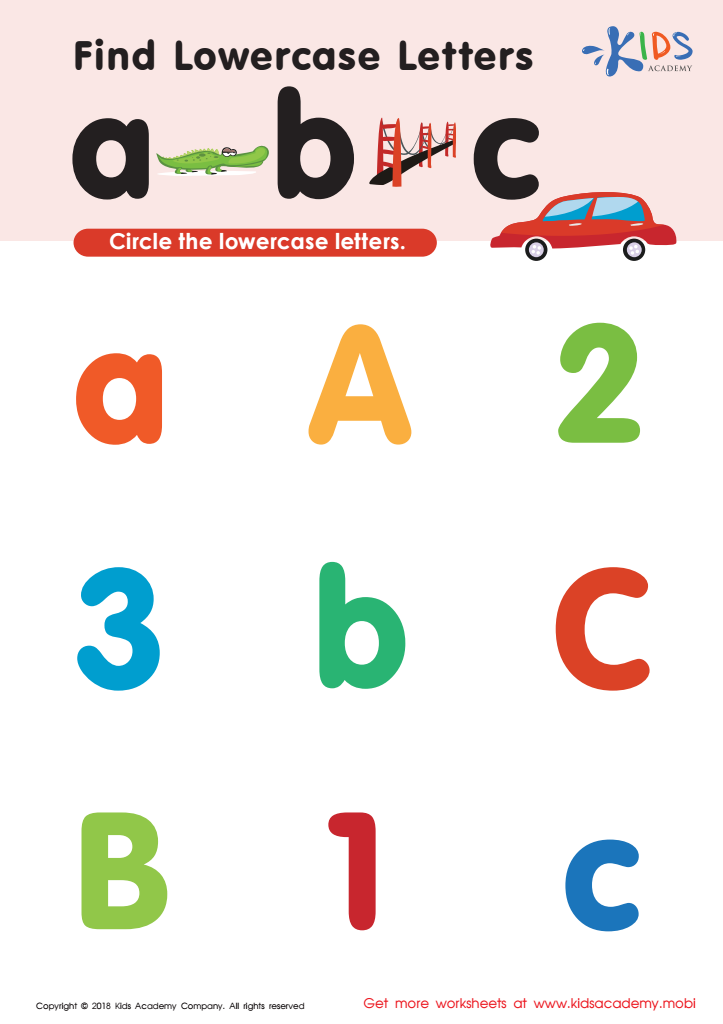
Find lowercase letters a b c Worksheet
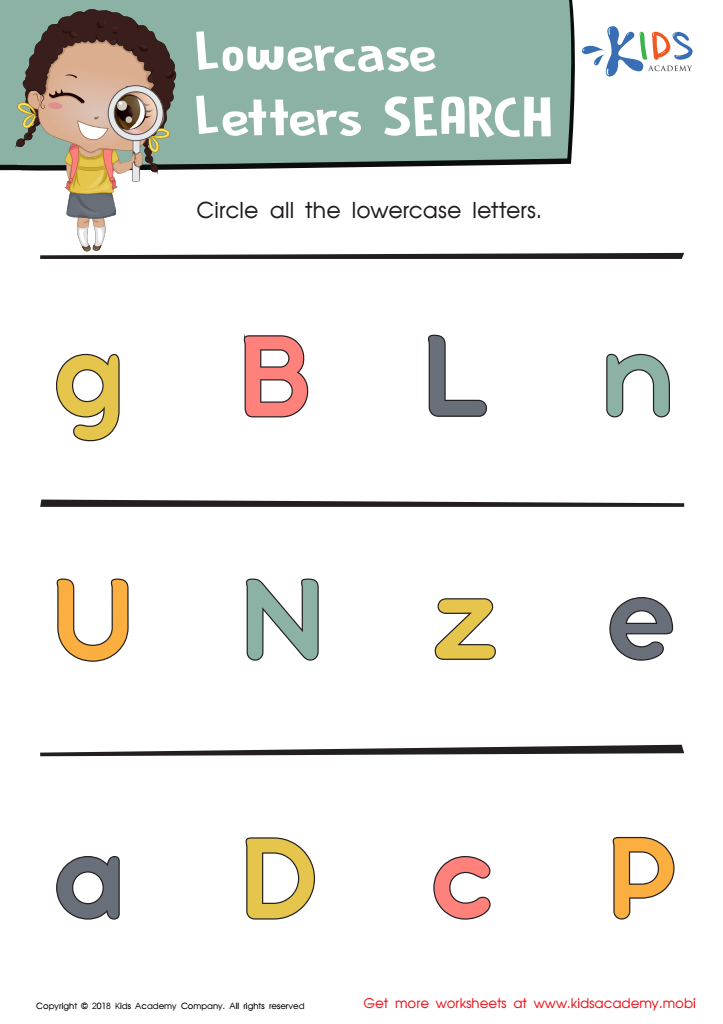
Lowercase Letters Search: Assessment Worksheet
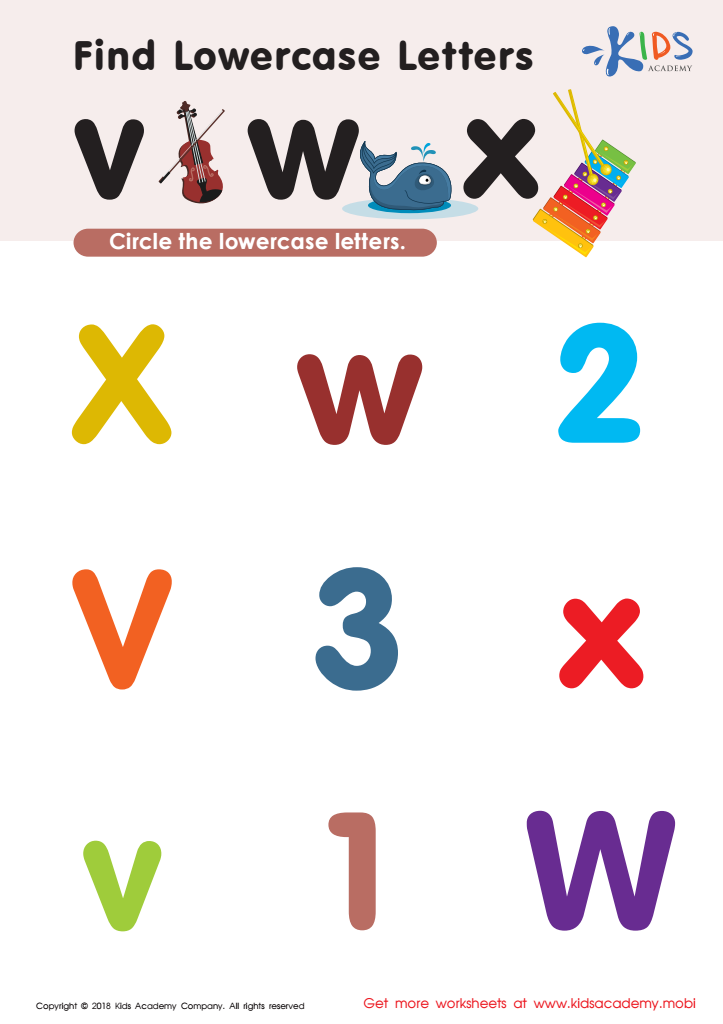
Find Lowercase Letters v w x Worksheet
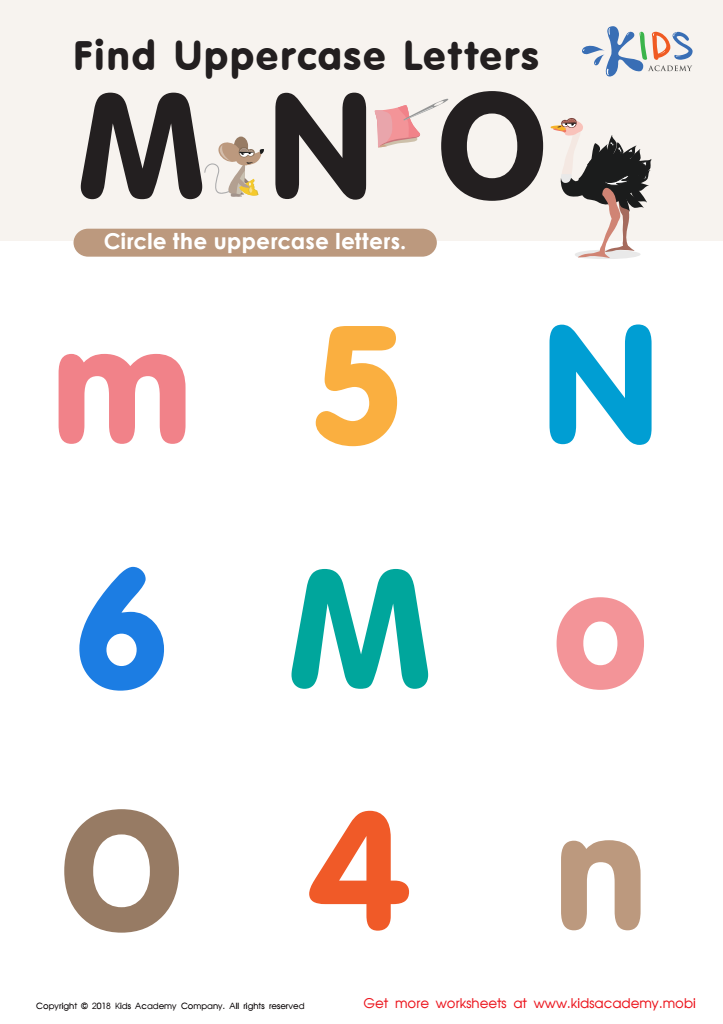
Find Uppercase Letters M, N, and O Worksheet






Letter recognition, both uppercase and lowercase, is a foundational skill critical for children's literacy development between the ages of 5-7. For parents and teachers, fostering this skill is essential for several reasons. First, recognizing letters is the first step in reading and writing; children must be able to identify letters before they can decode words or spell. Uppercase and lowercase letters often serve different functions in writing; for instance, uppercase letters signal the beginnings of sentences or proper nouns, while lowercase letters constitute the majority of text children will encounter.
Moreover, strong letter recognition contributes to a child's confidence. Mastery of letters empowers young learners to engage more fully in reading activities, enhance their vocabulary, and improve their spelling skills. This knowledge allows them to feel competent as they begin to read independently.
Additionally, activities that promote letter recognition, such as engaging games and audio-visual aids, foster not just academic growth but also social interaction and critical thinking skills. By prioritizing letter recognition, parents and teachers set a solid groundwork for a child's successful journey in literacy, enriched learning experiences, and a lifelong love for reading and writing. This investment in early education pays dividends as children progress academically and develop their communication skills.







