Animal identification Worksheets for Ages 5-7 - Page 2
50 filtered results
-
From - To
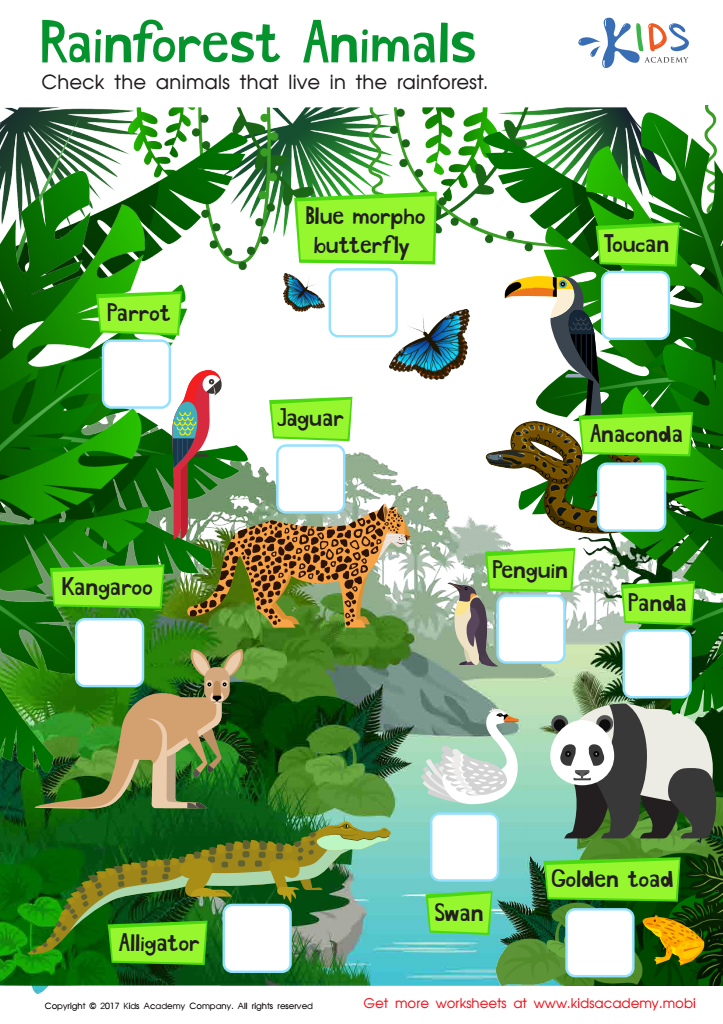
Rainforest Animals Worksheet
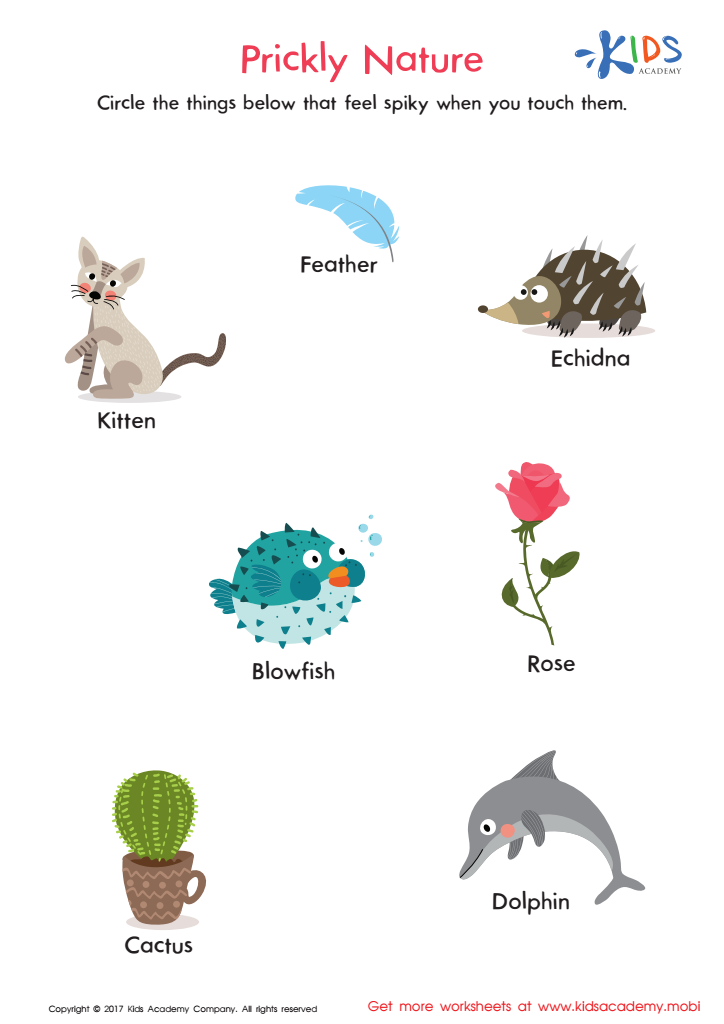
Prickly Nature Worksheet
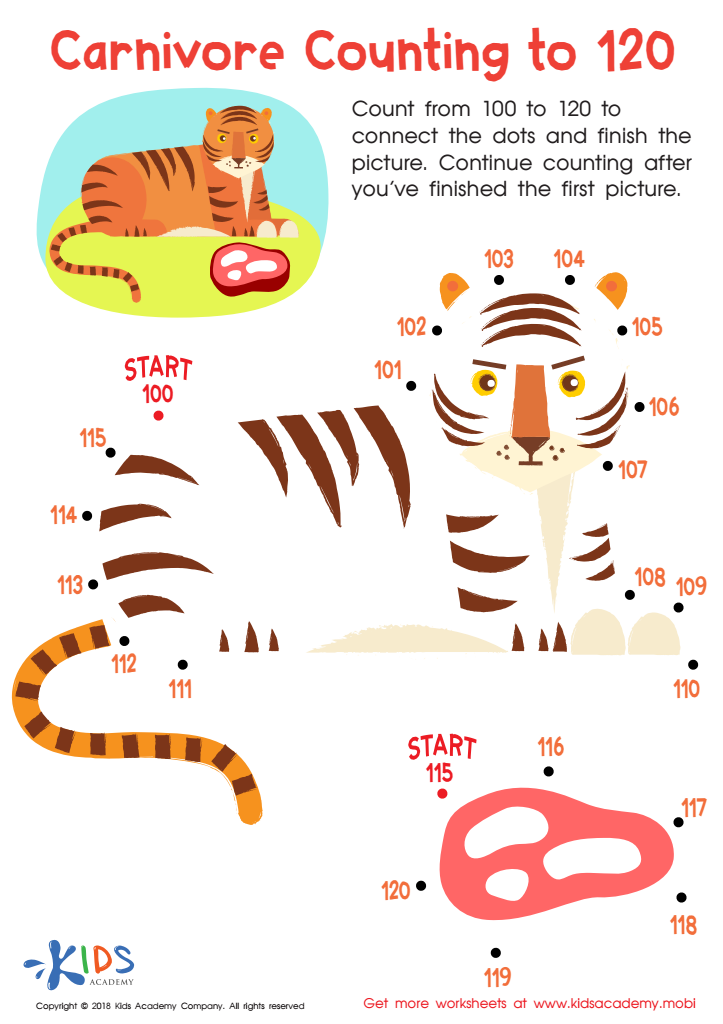
Carnivore Counting to 120 Worksheet
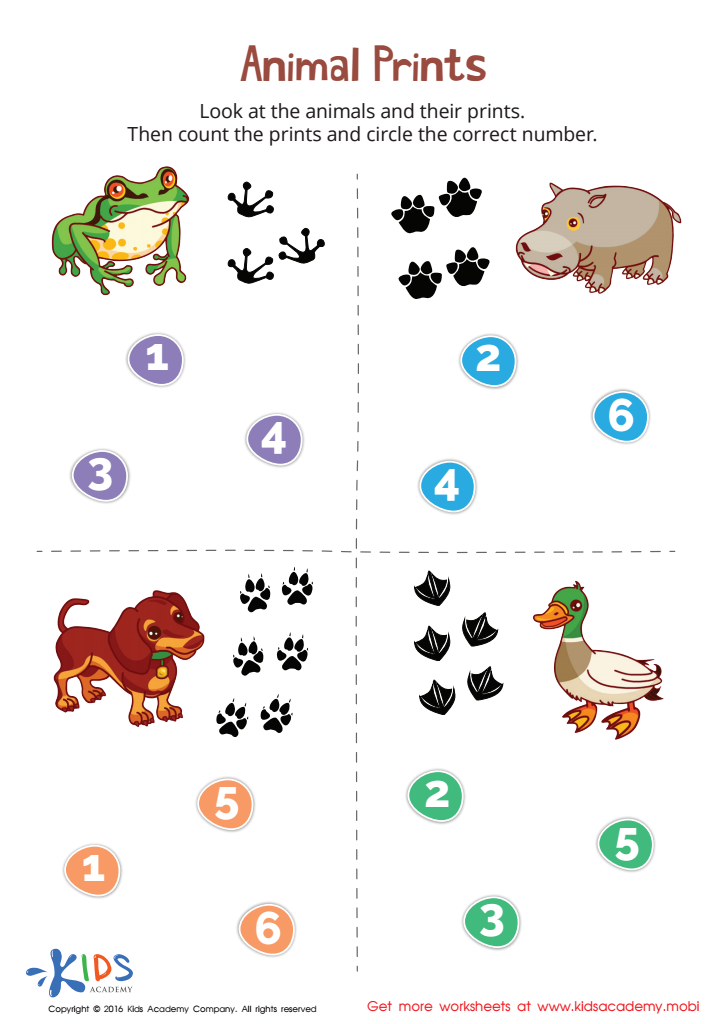
Animal Prints Match-Up Worksheet
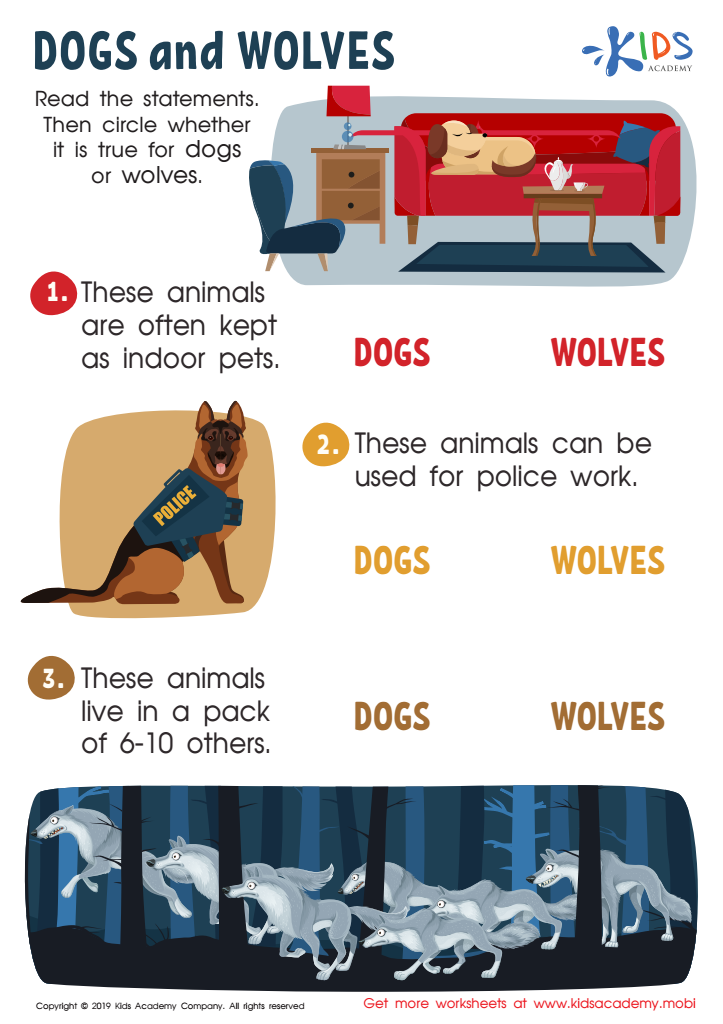
Dogs and Wolves Worksheet
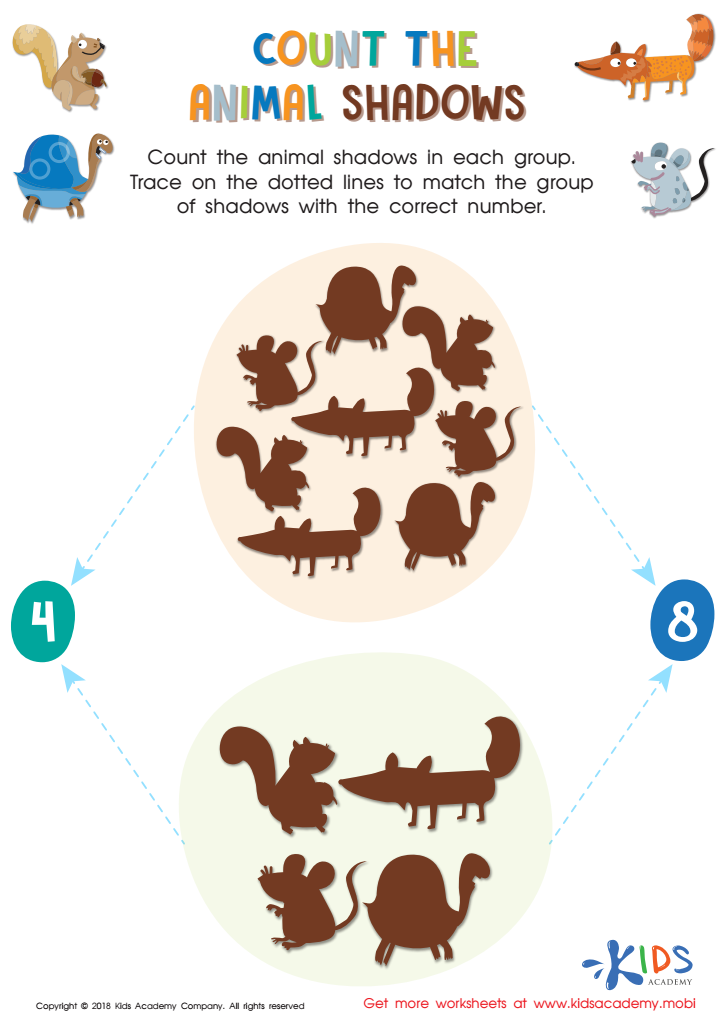
Count the Animal Shadows Worksheet
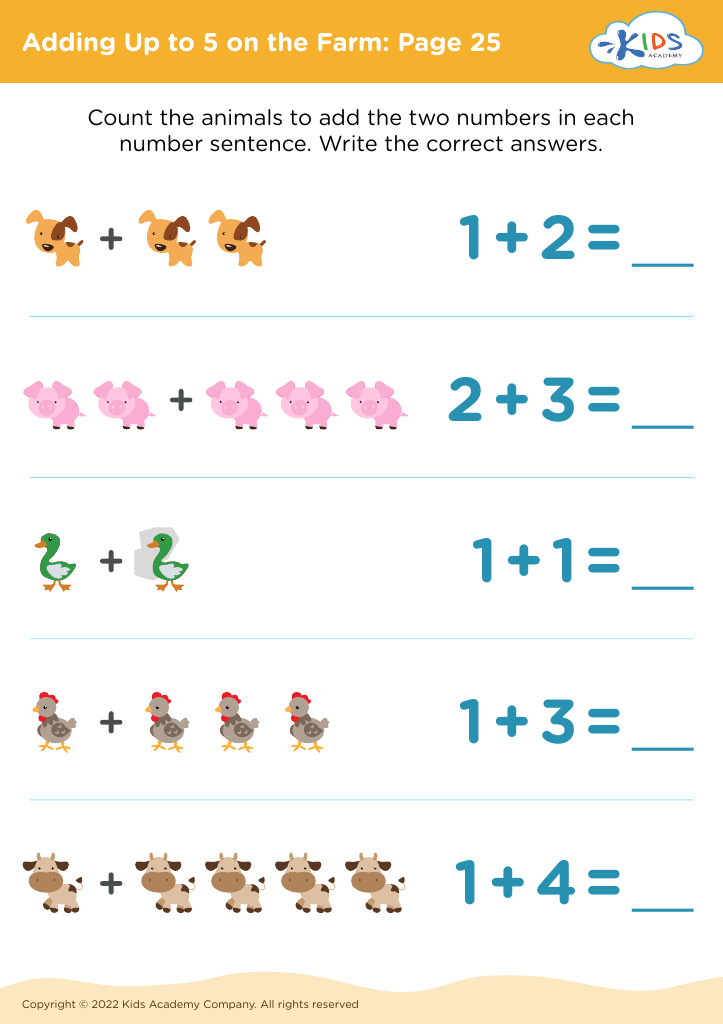
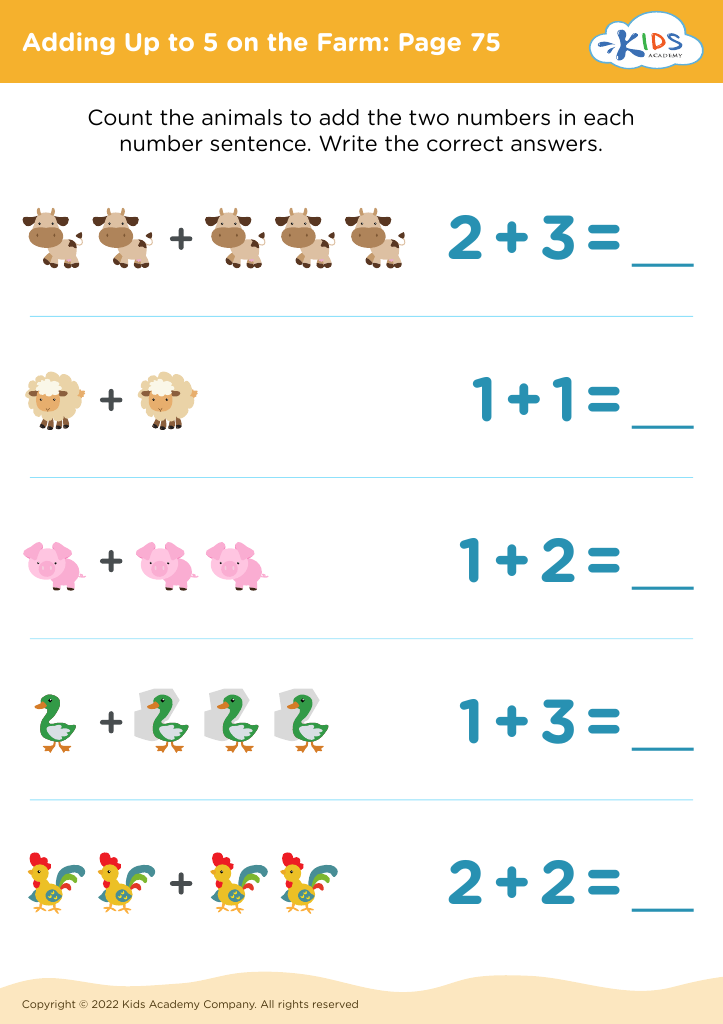
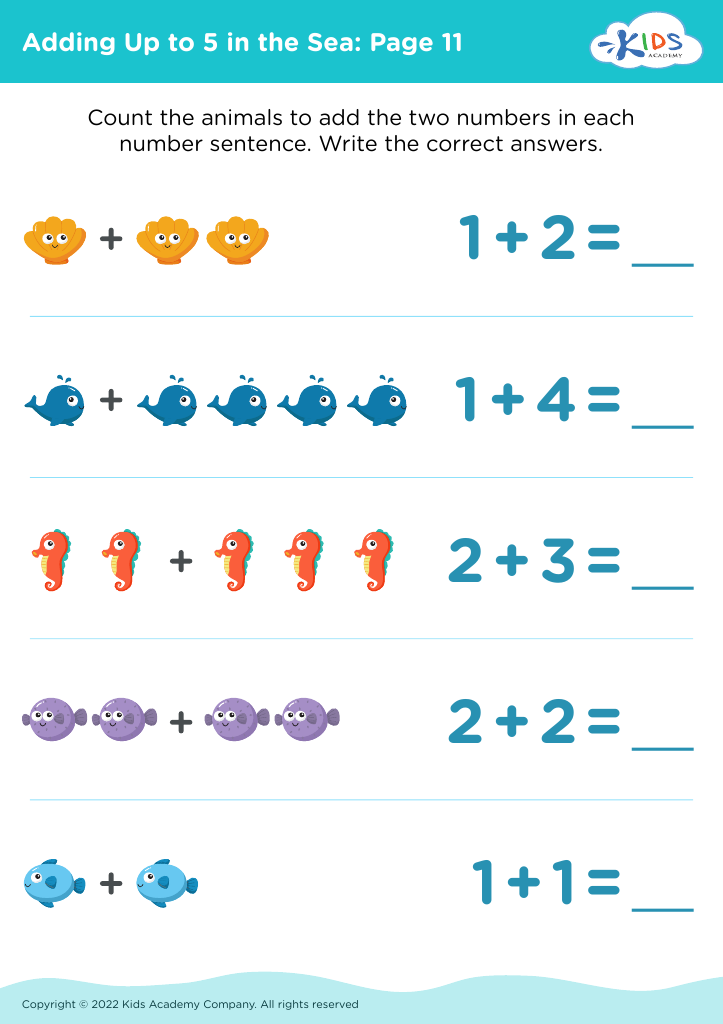
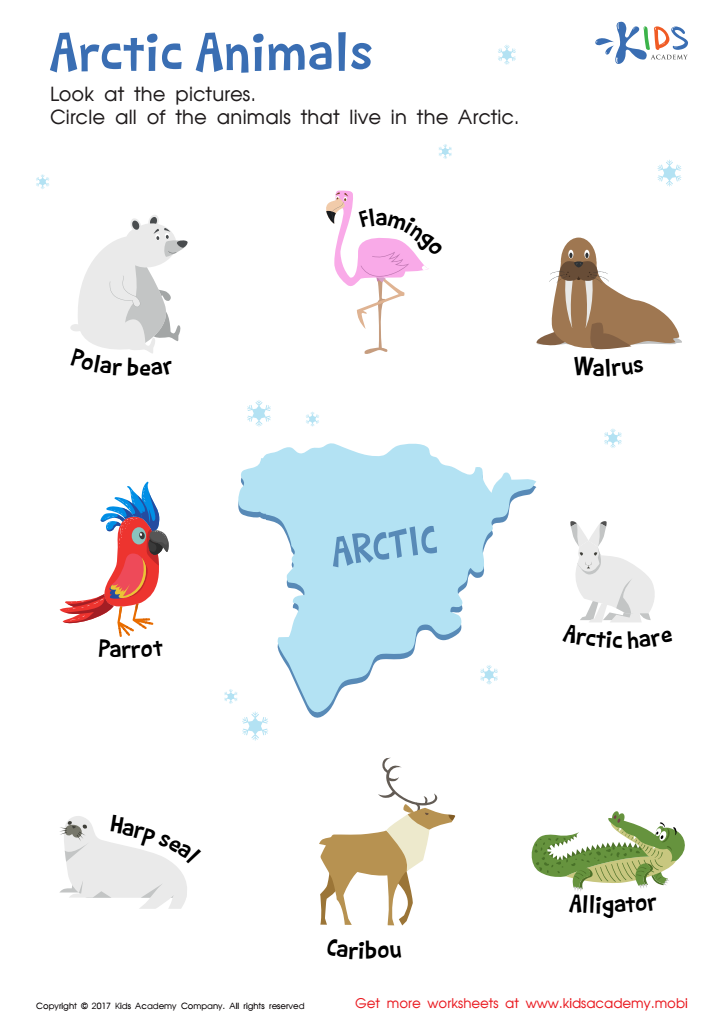
Arctic Animals Worksheet
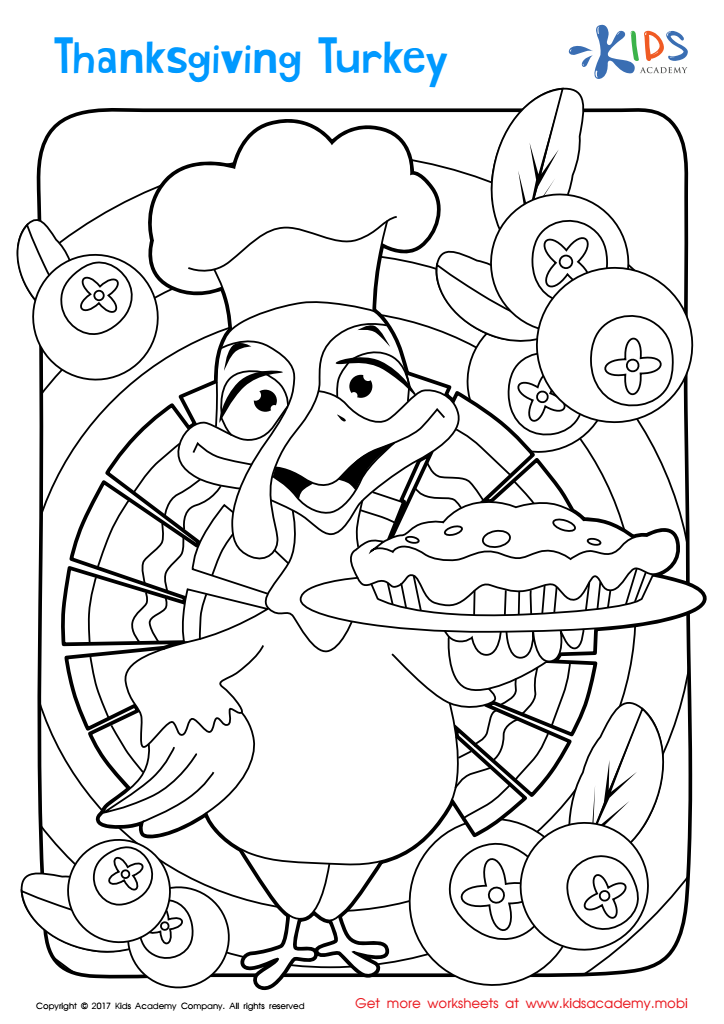
Turkey Thanksgiving Day Worksheet
 Assign to My Students
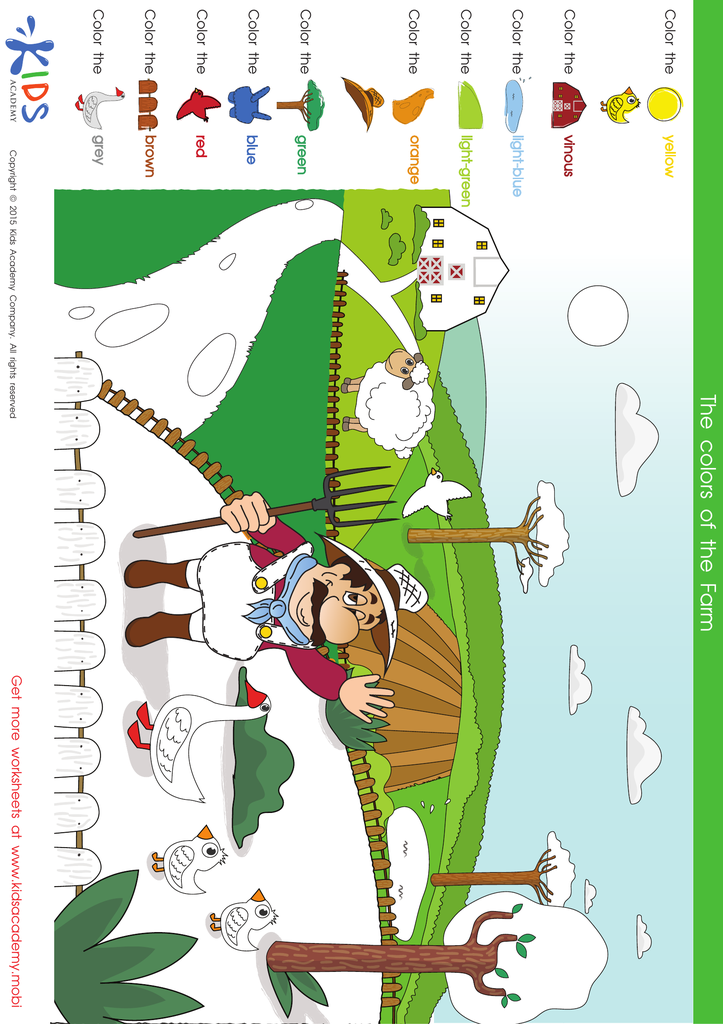
Color the Farmer and His Geese Coloring Pages
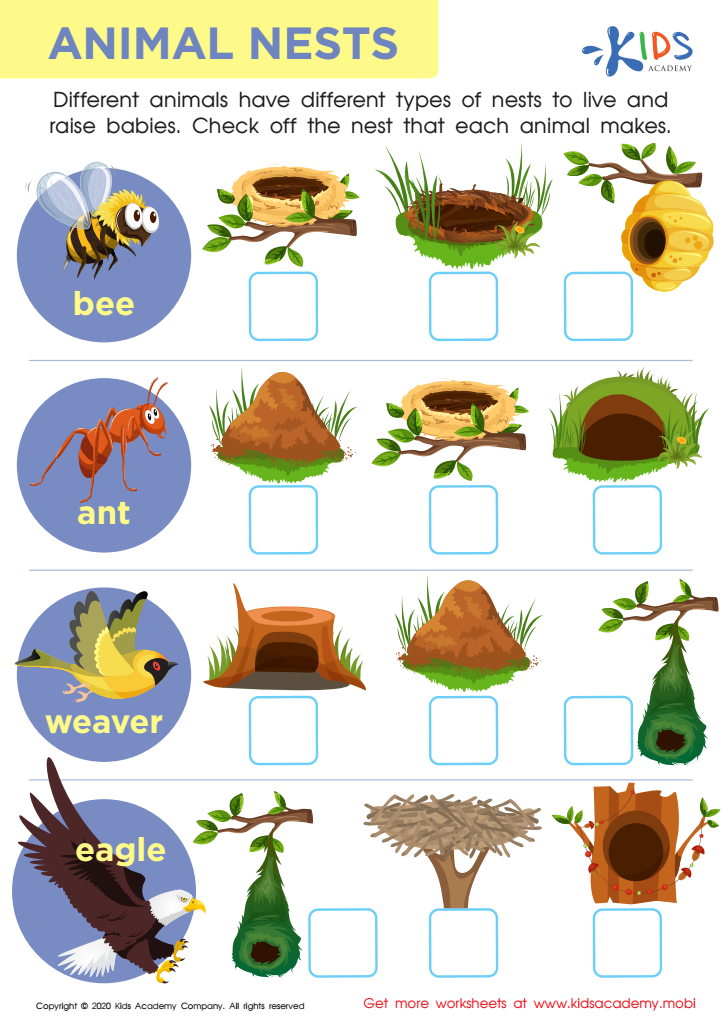
Animal Nests Worksheet
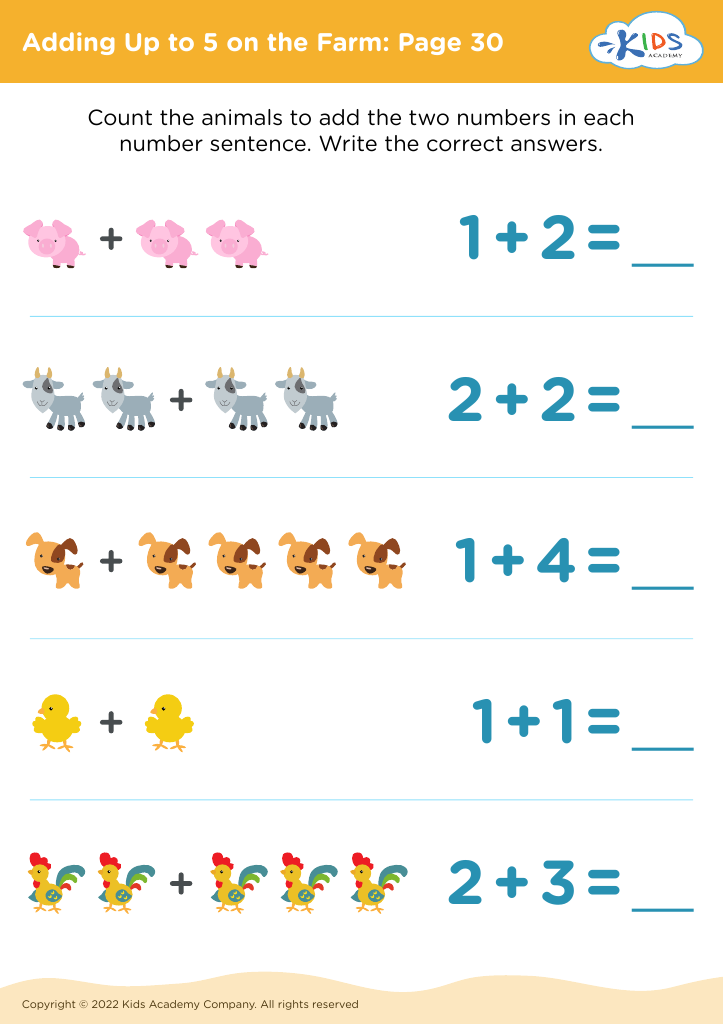
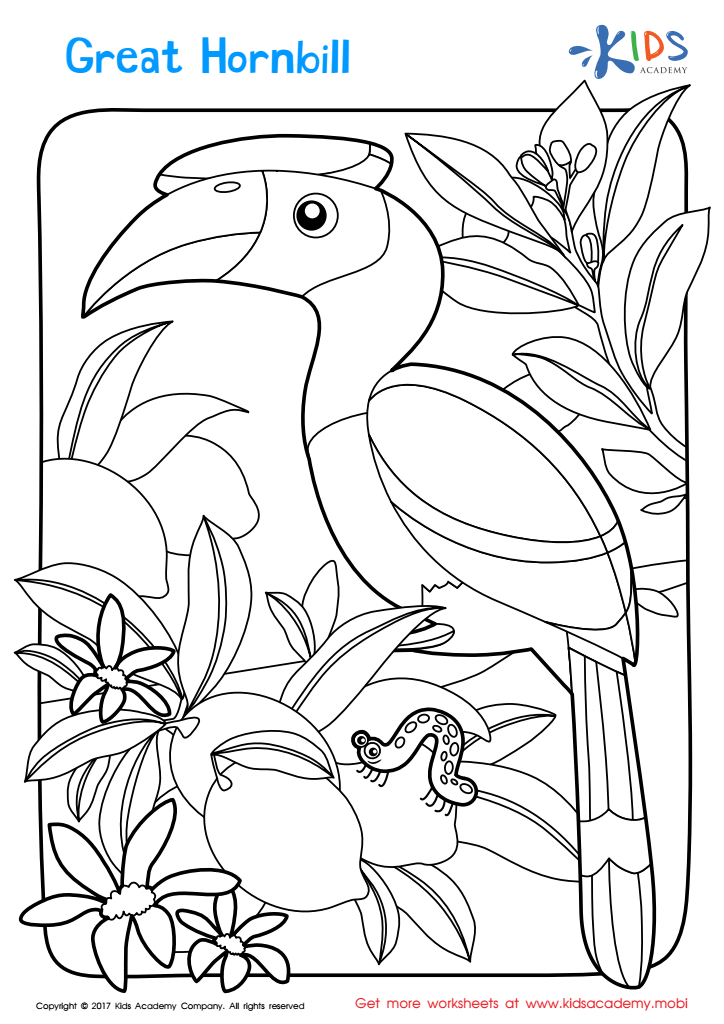
Great Hornbill Worksheet
Assign to My Students
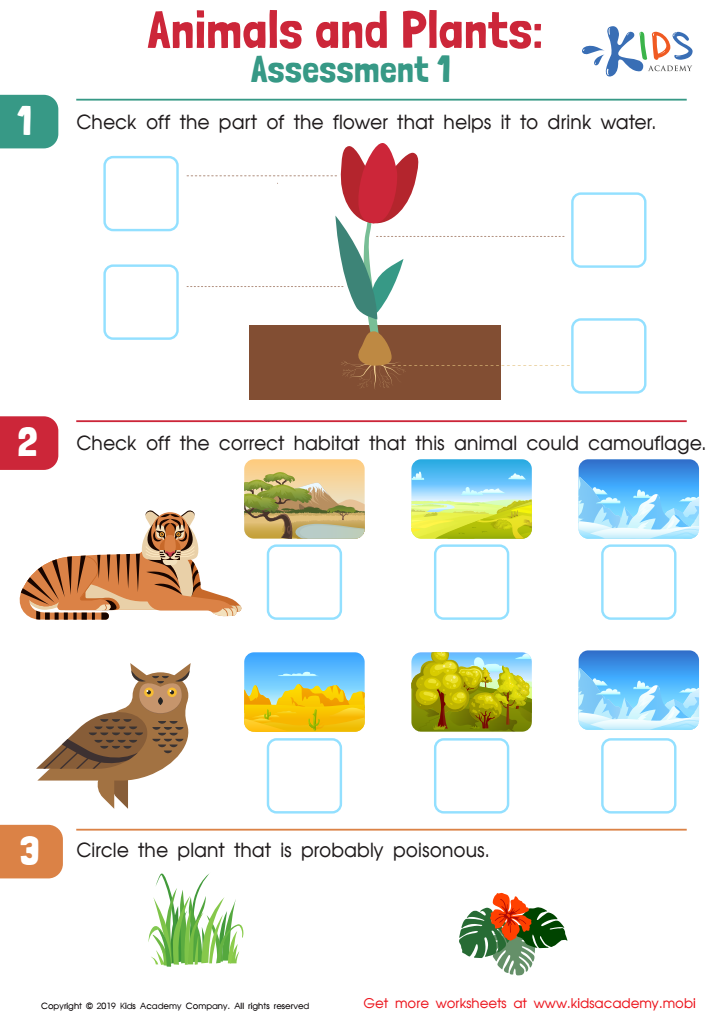
Animals and Plants: Assessment 1 Worksheet
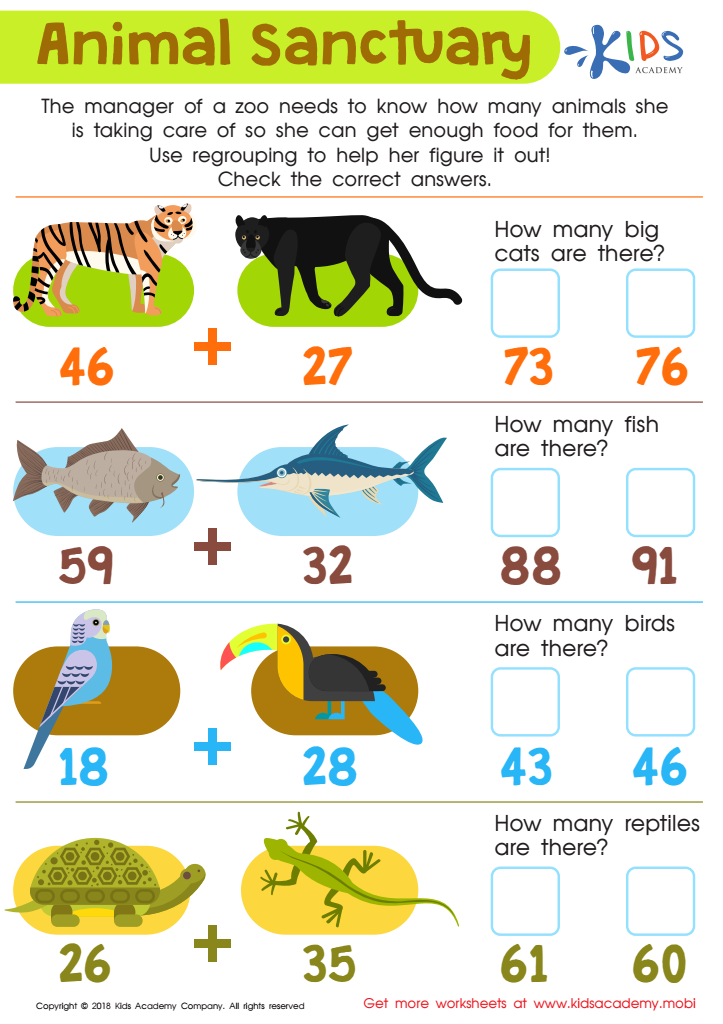
Animal Sanctuary Worksheet








Animal identification is an essential educational focus for young children aged 5-7, as it fosters critical thinking, curiosity, and a sense of responsibility towards living creatures. Understanding different animals helps ignite children's imagination and enhances their observational skills. It allows them to classify animals based on characteristics such as habitat, diet, and behavioral traits.
For parents and teachers, early exposure to animal identification not only enhances knowledge but also cultivates empathy and respect for wildlife. It teaches children about the diversity of life, the importance of ecosystems, and encourages them to be stewards of the environment. Recognizing animals by sight and sound can also be a fun, interactive learning experience, whether in the classroom or at home.
Additionally, incorporating animal identification into activities can boost social skills as children engage in discussions, share findings, and collaborate on projects. This builds community and teamwork. Ultimately, encouraging an appreciation for animals prepares children for more advanced science concepts in the future and fosters a lifelong interest in nature and preservation. Caring about animal identification equips children with valuable skills and attitudes that will benefit them and the planet in the longer term.








