Check out this FREE "Comparing Fractions" Trial Lesson for age 5-7!

Exactly the Same, or Not

Favorites
With answer key
Interactive
  • 5-7
  • Comparing Fractions
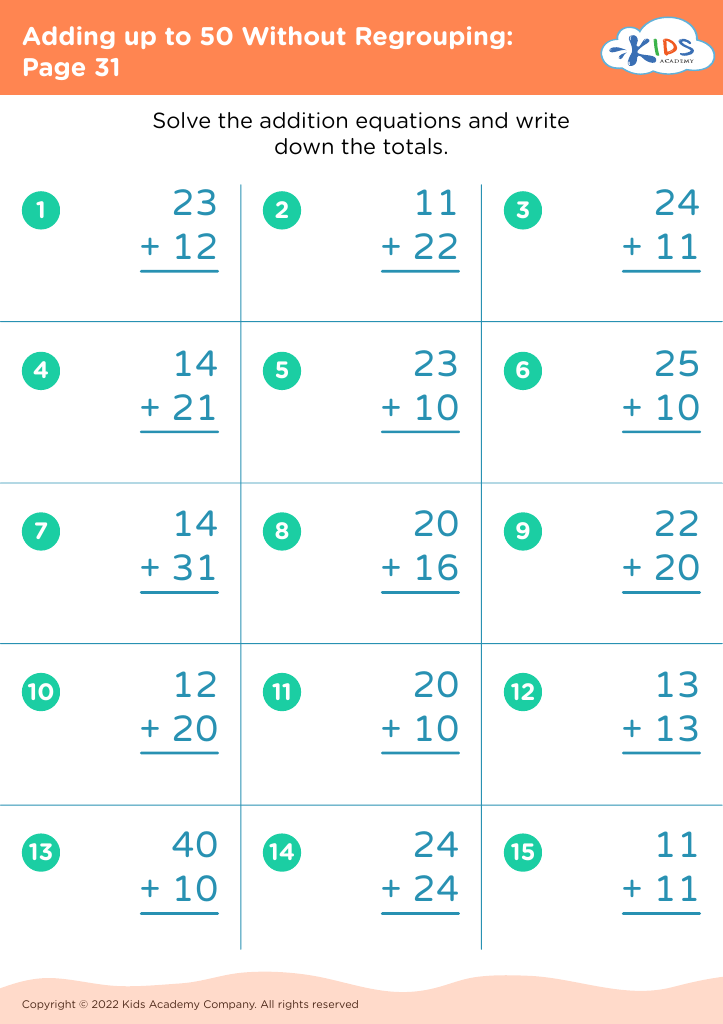
Adding up to 50 Without Regrouping: Page 31
Worksheet
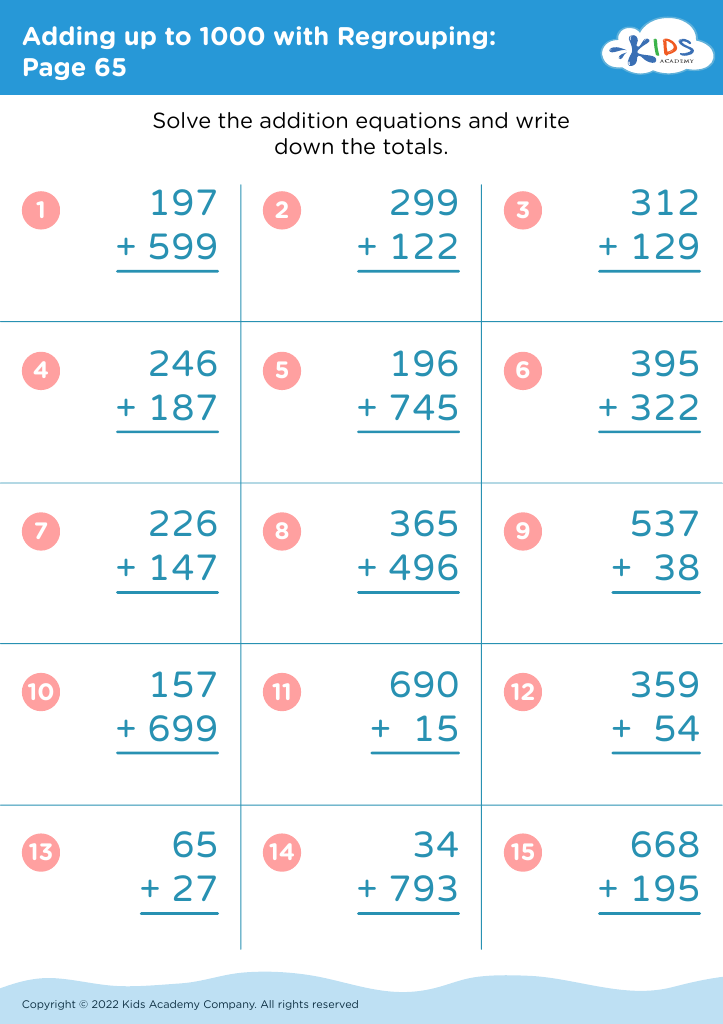
Adding up to 1000 with Regrouping: Page 65
Worksheet
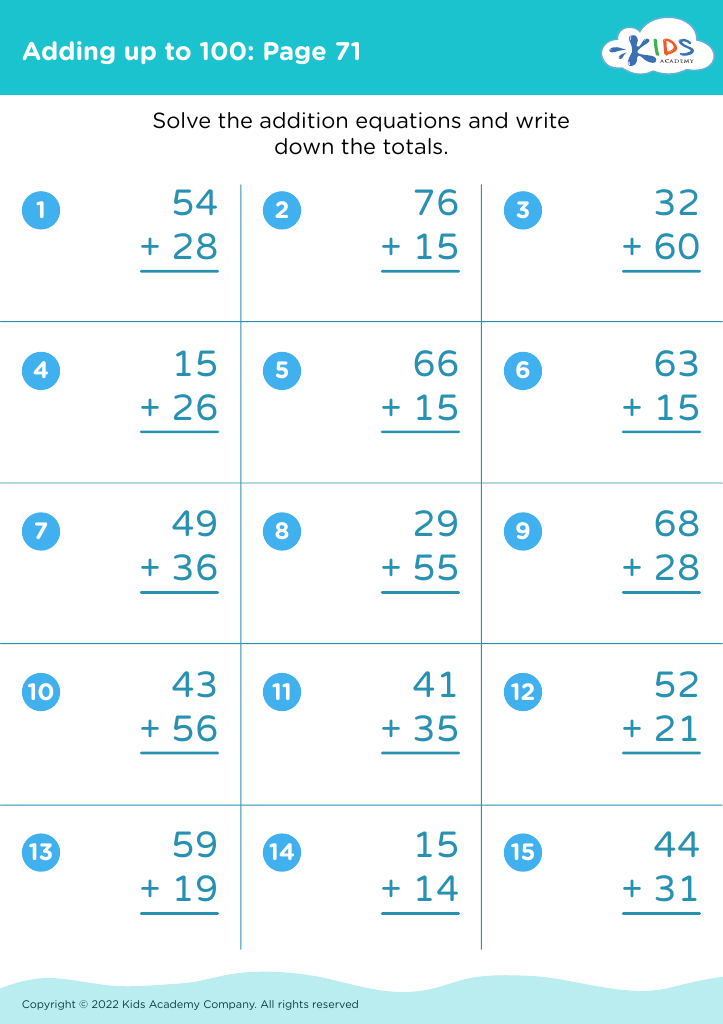
Adding up to 100: Page 71

Adding up to 100: Page 71

Adding up to 100: Page 71
Worksheet
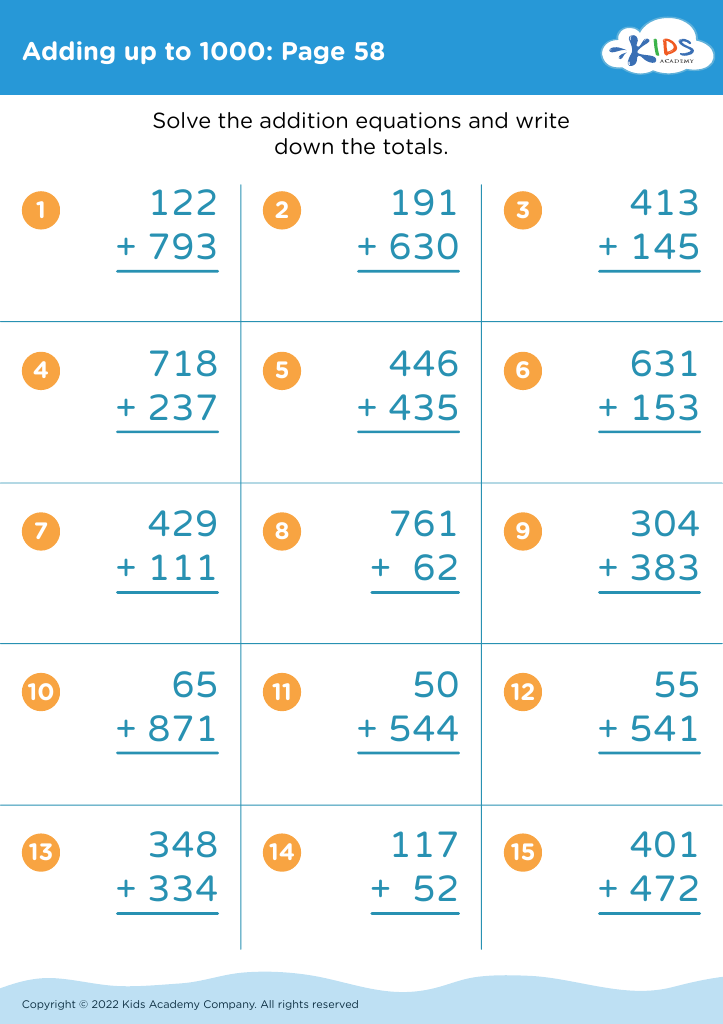
Adding up to 1000: Page 58

Adding up to 1000: Page 58

Adding up to 1000: Page 58
Worksheet
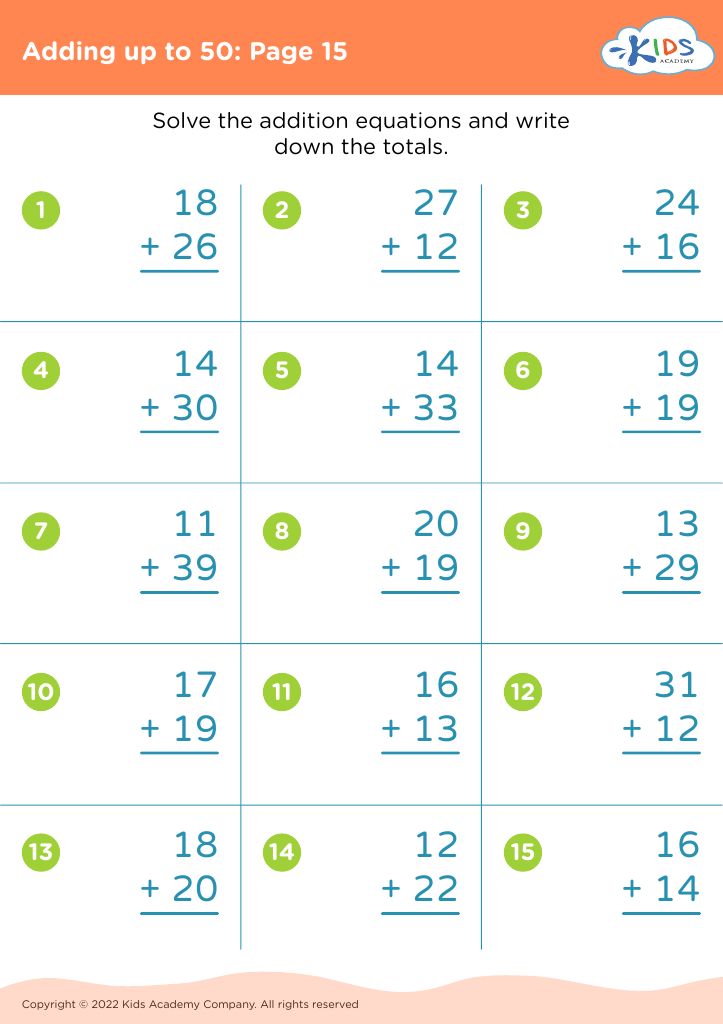
Adding up to 50: Page 15

Adding up to 50: Page 15

Adding up to 50: Page 15
Worksheet
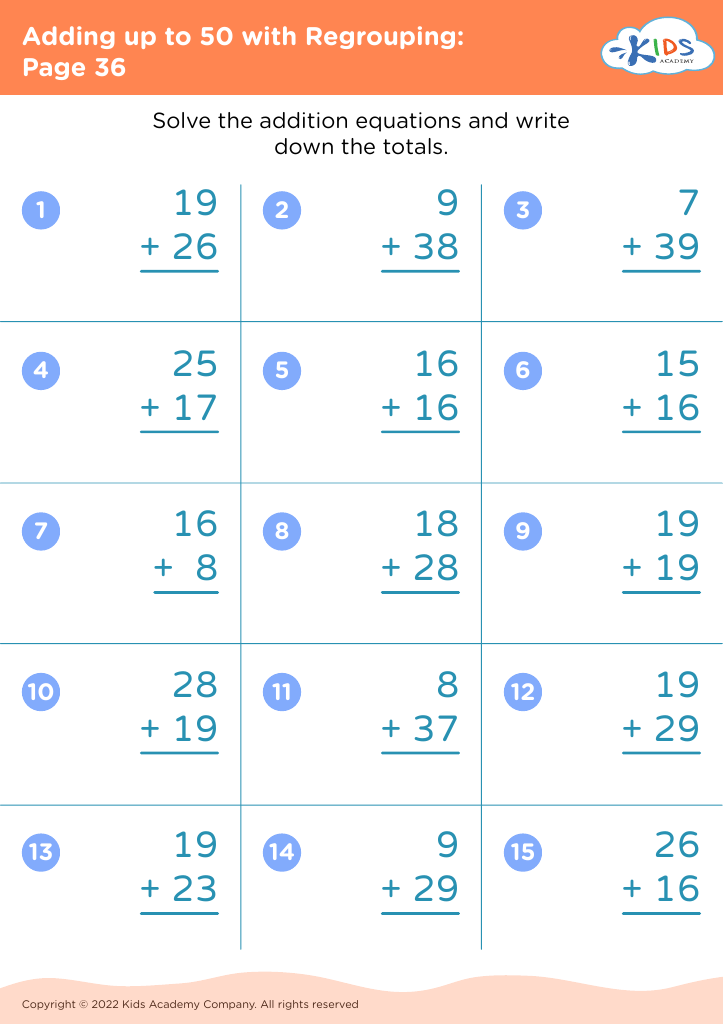
Adding up to 50 with Regrouping: Page 36
Worksheet
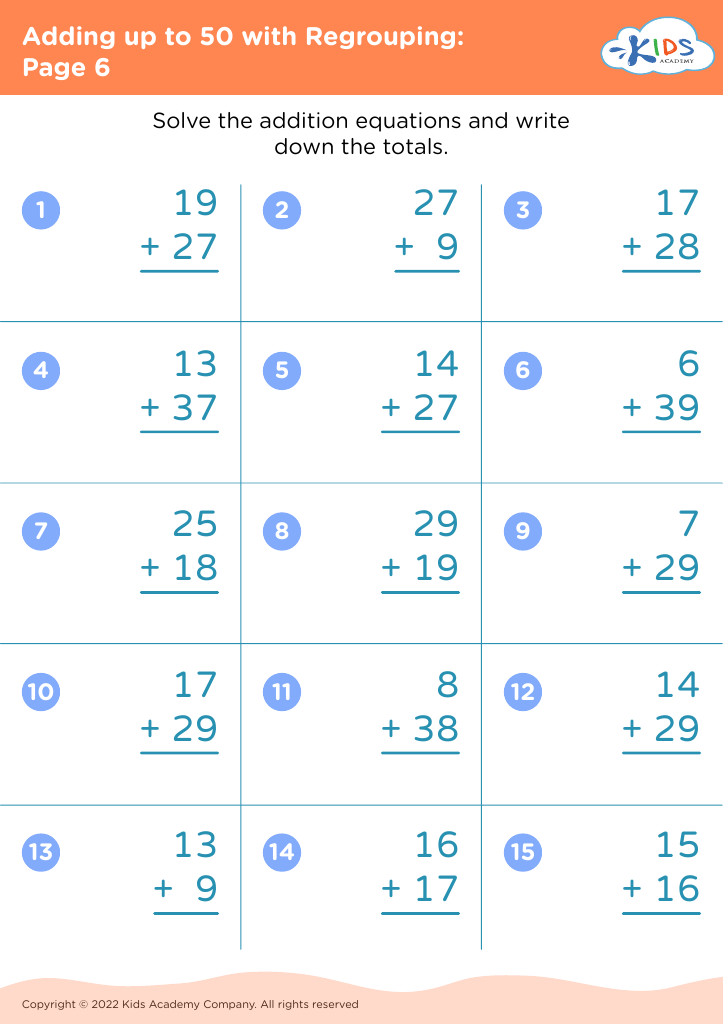
Adding up to 50 with Regrouping: Page 6
Worksheet
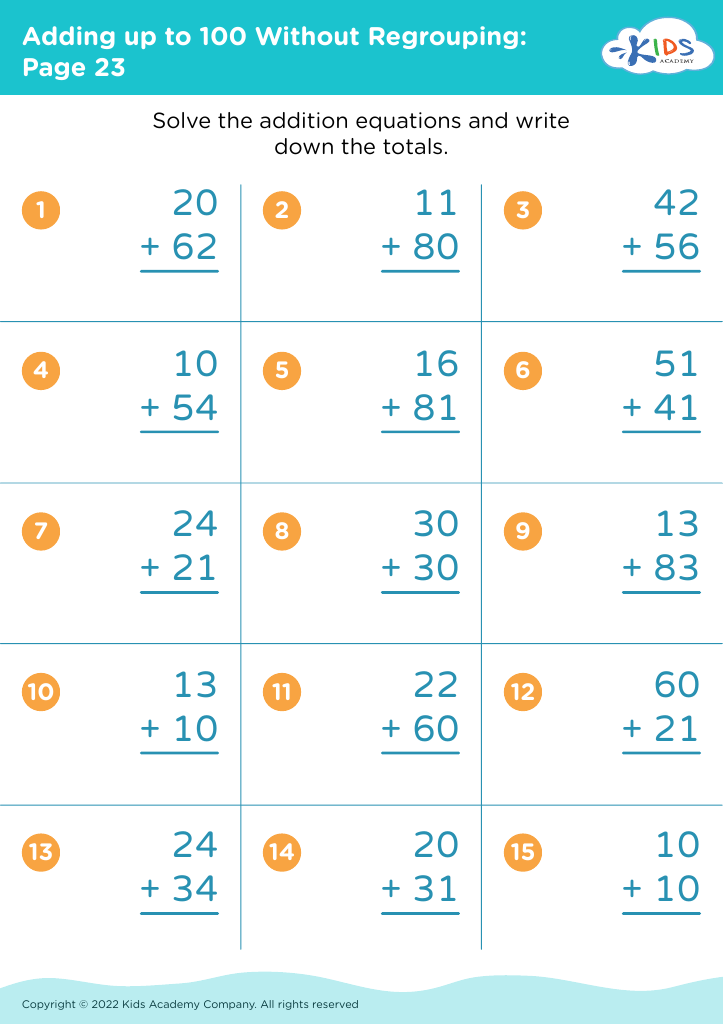
Adding up to 100 Without Regrouping: Page 23
Worksheet
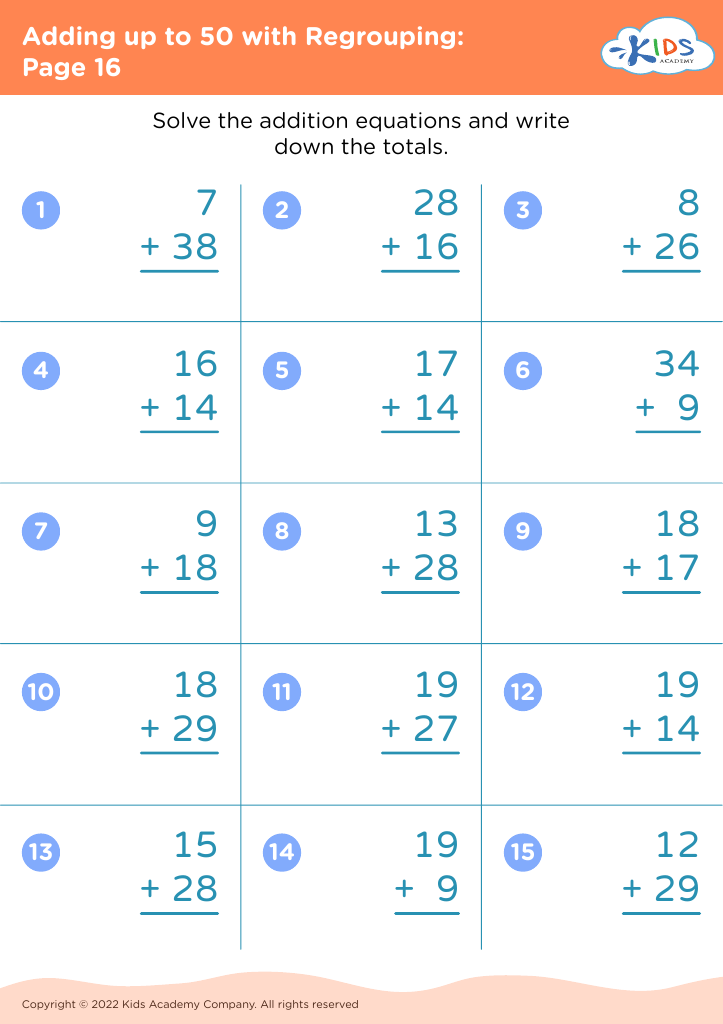
Adding up to 50 with Regrouping: Page 16
Worksheet
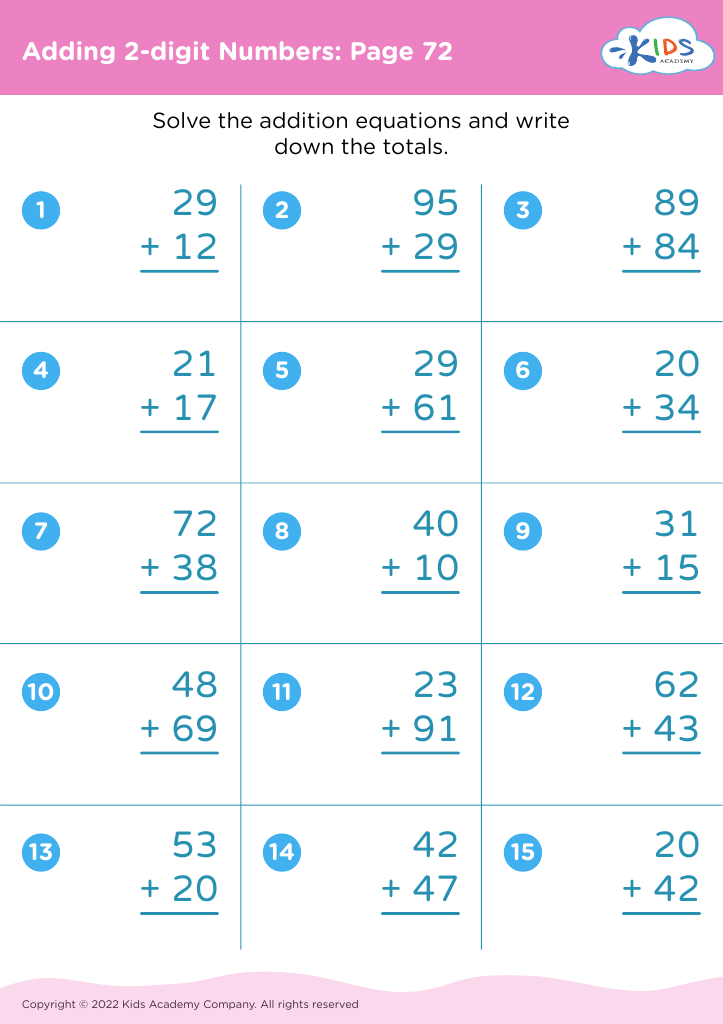
Adding 2-digit Numbers: Page 72

Adding 2-digit Numbers: Page 72

Adding 2-digit Numbers: Page 72
Worksheet
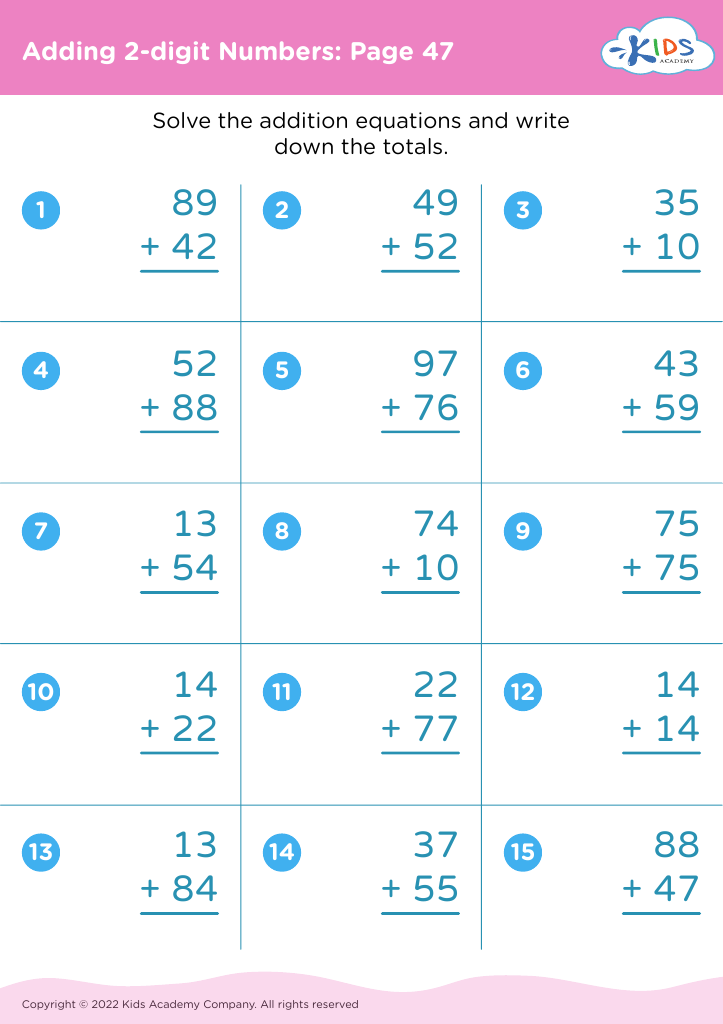
Adding 2-digit Numbers: Page 47

Adding 2-digit Numbers: Page 47

Adding 2-digit Numbers: Page 47
Worksheet
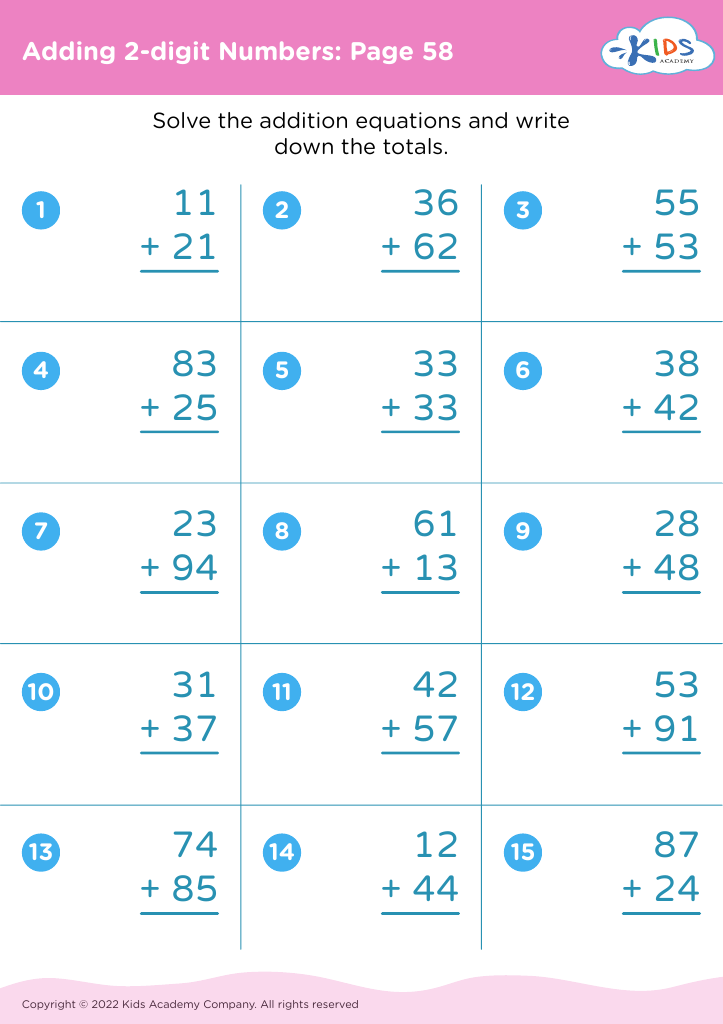
Adding 2-digit Numbers: Page 58

Adding 2-digit Numbers: Page 58

Adding 2-digit Numbers: Page 58
Worksheet
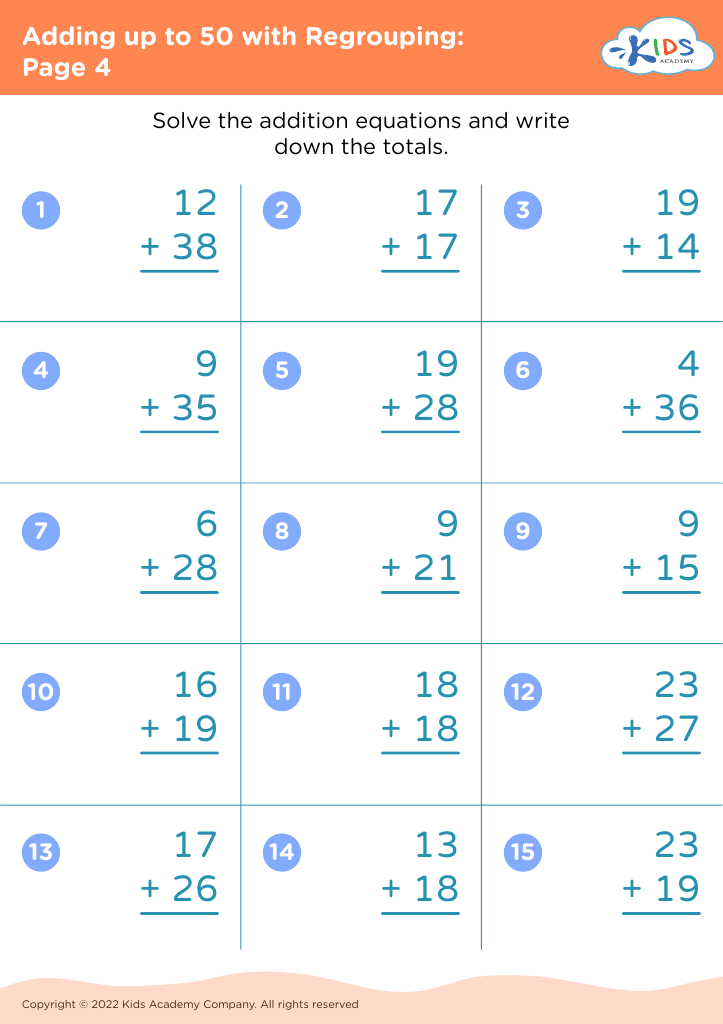
Adding up to 50 with Regrouping: Page 4
Worksheet
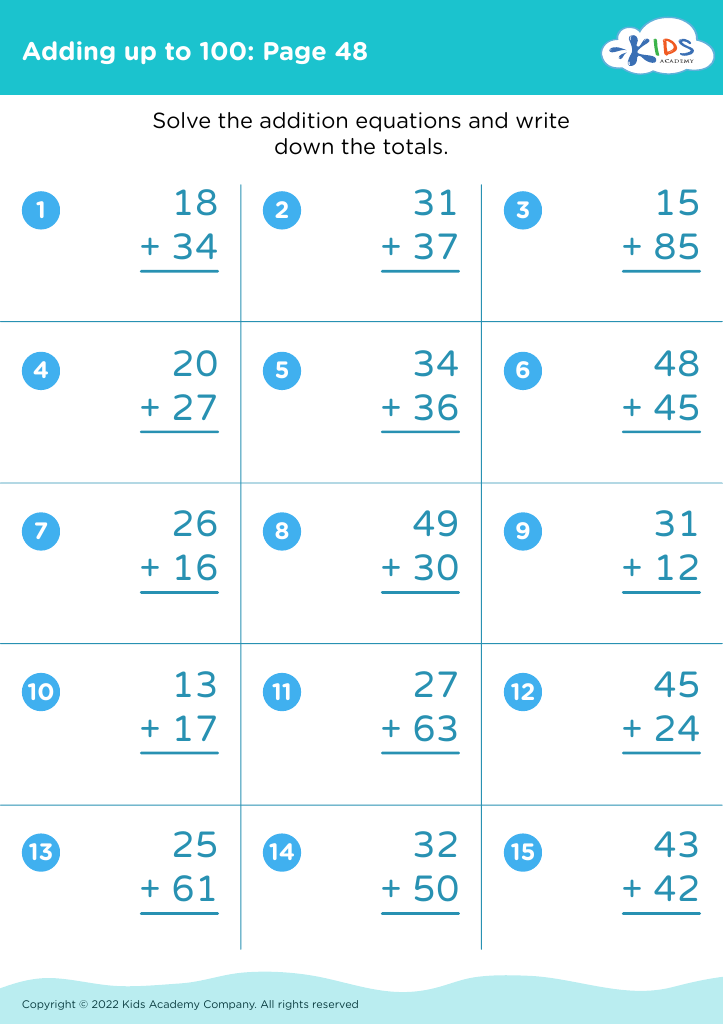
Adding up to 100: Page 48

Adding up to 100: Page 48

Adding up to 100: Page 48
Worksheet
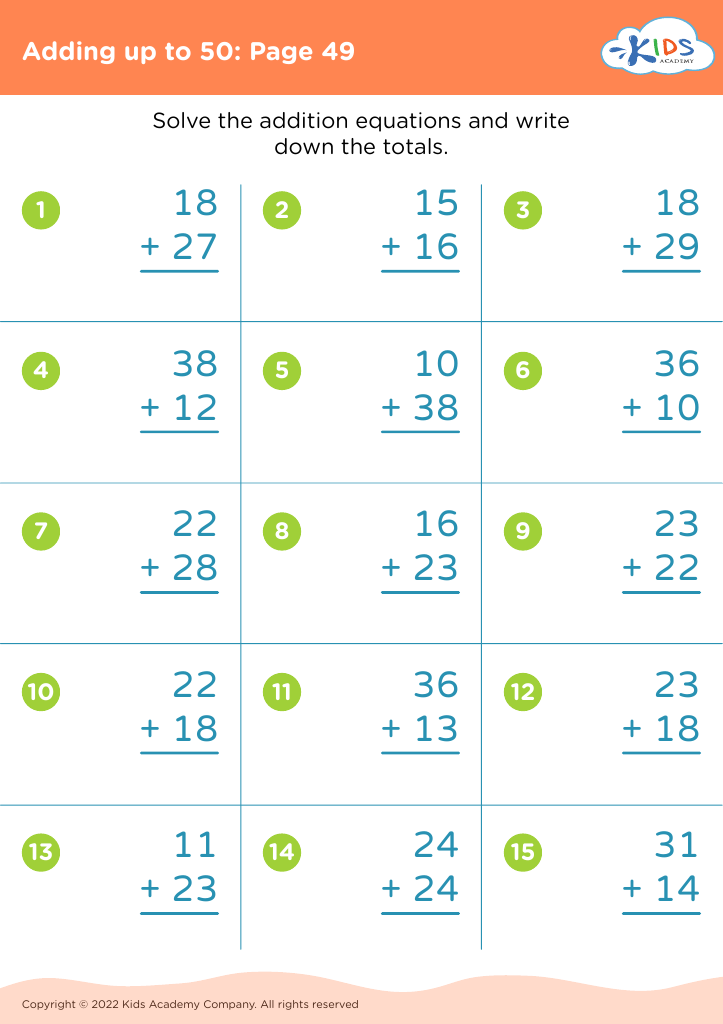
Adding up to 50: Page 49

Adding up to 50: Page 49

Adding up to 50: Page 49
Worksheet
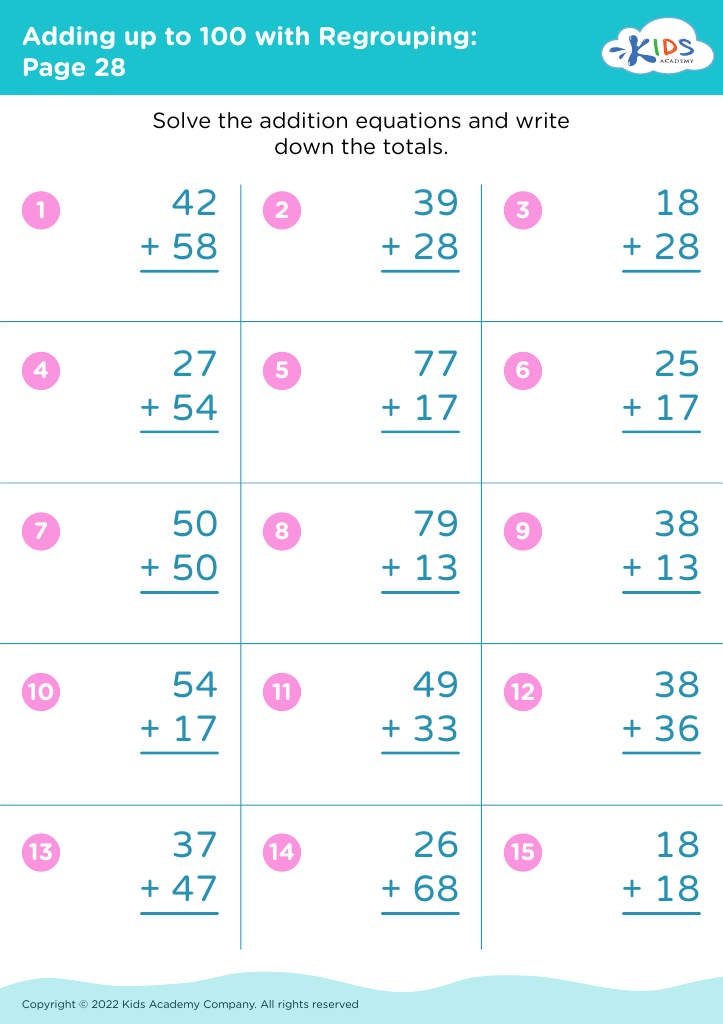
Adding up to 100 with Regrouping: Page 28
Worksheet
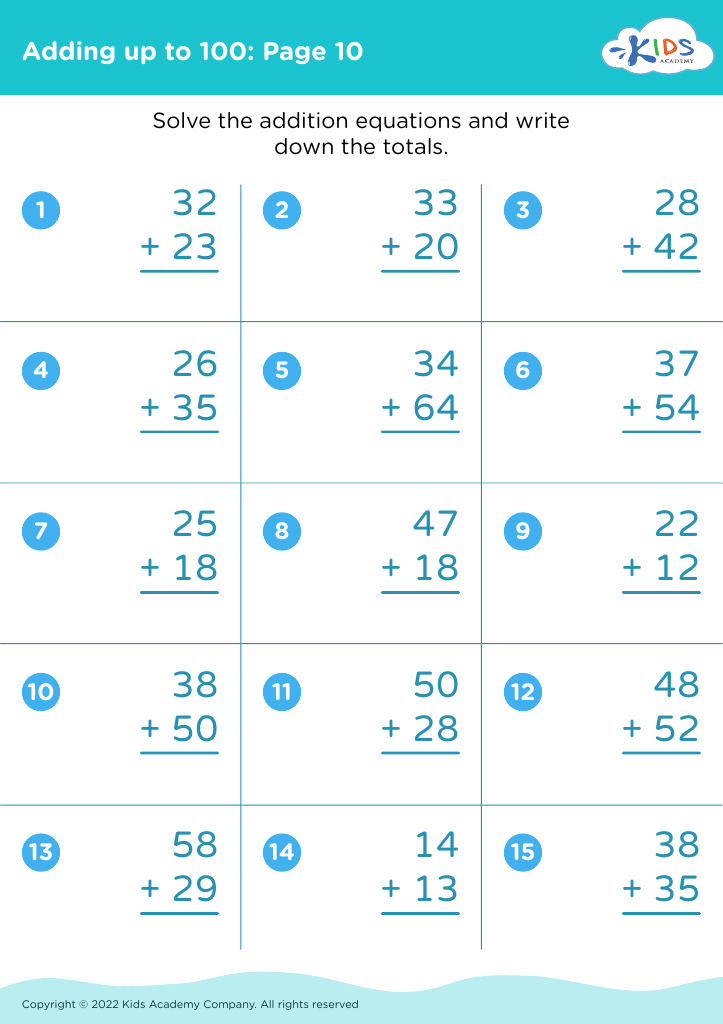
Adding up to 100: Page 10

Adding up to 100: Page 10

Adding up to 100: Page 10
Worksheet
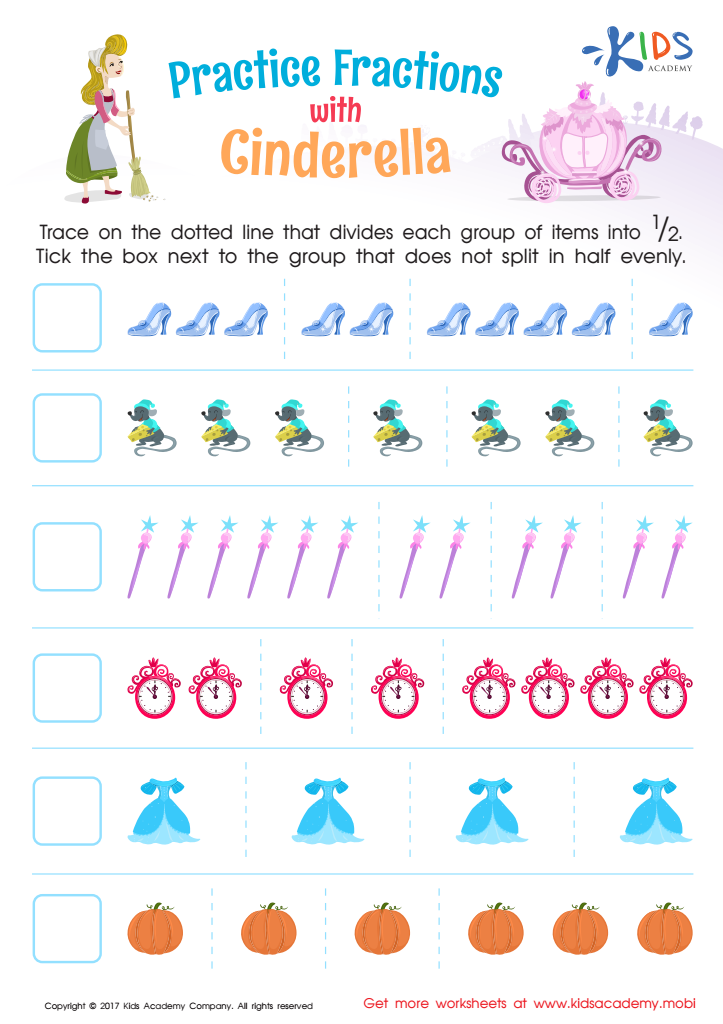
Cinderella Fraction Practice

Fractions: Cinderella Printable

Cinderella and ½ are the perfect pair to excite your child about learning fractions.
Fractions: Cinderella Printable
Worksheet
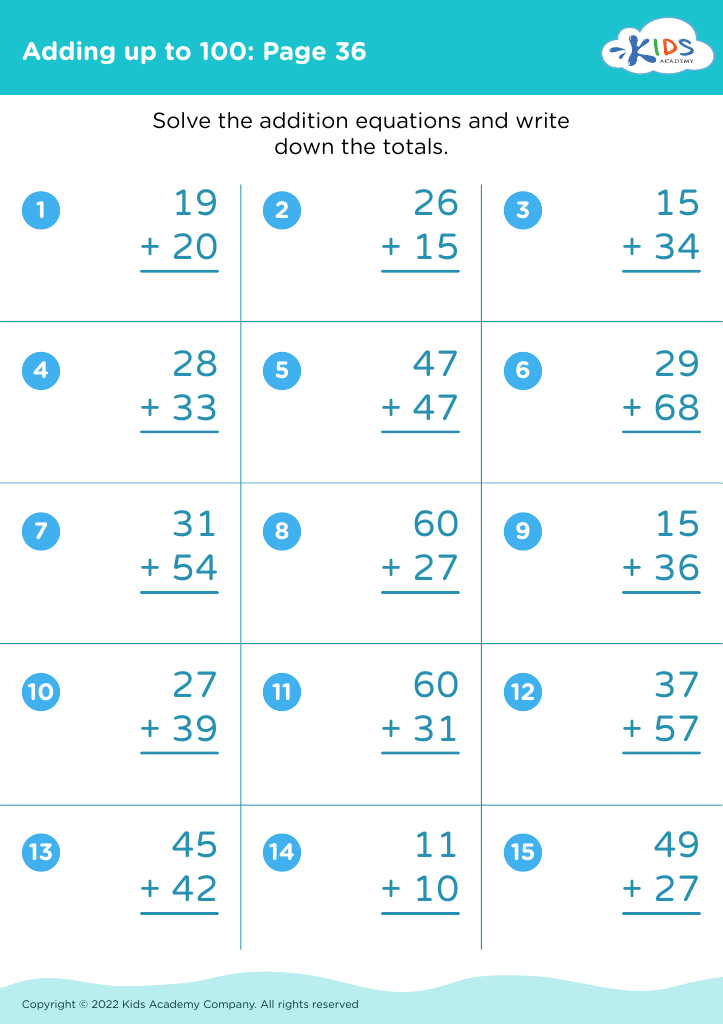
Adding up to 100: Page 36

Adding up to 100: Page 36

Adding up to 100: Page 36
Worksheet
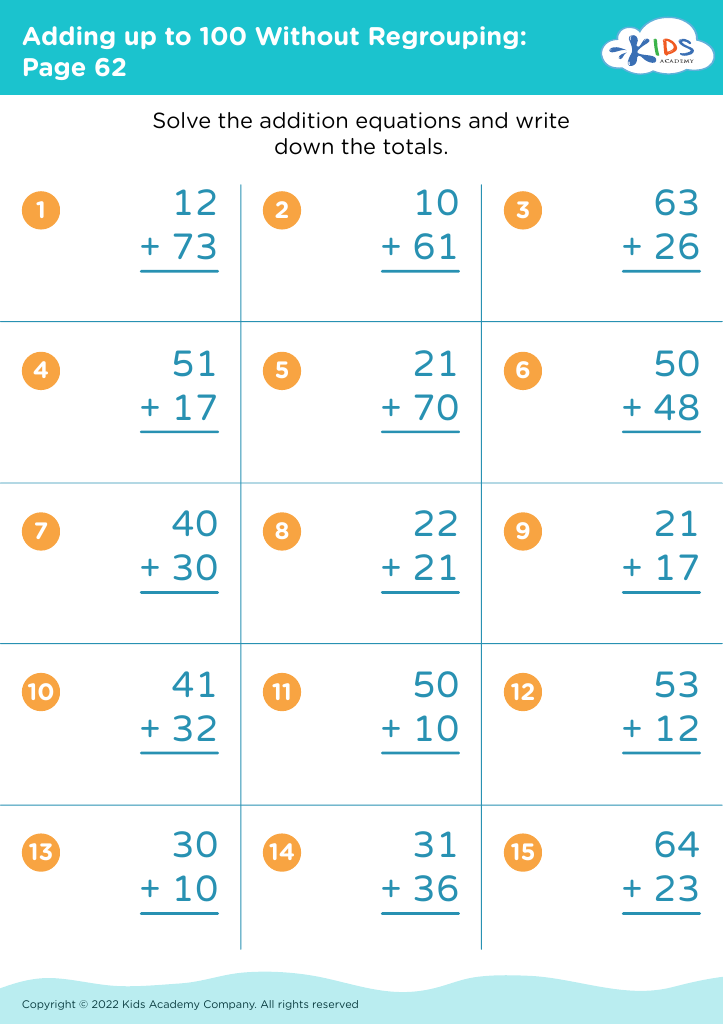
Adding up to 100 Without Regrouping: Page 62
Worksheet
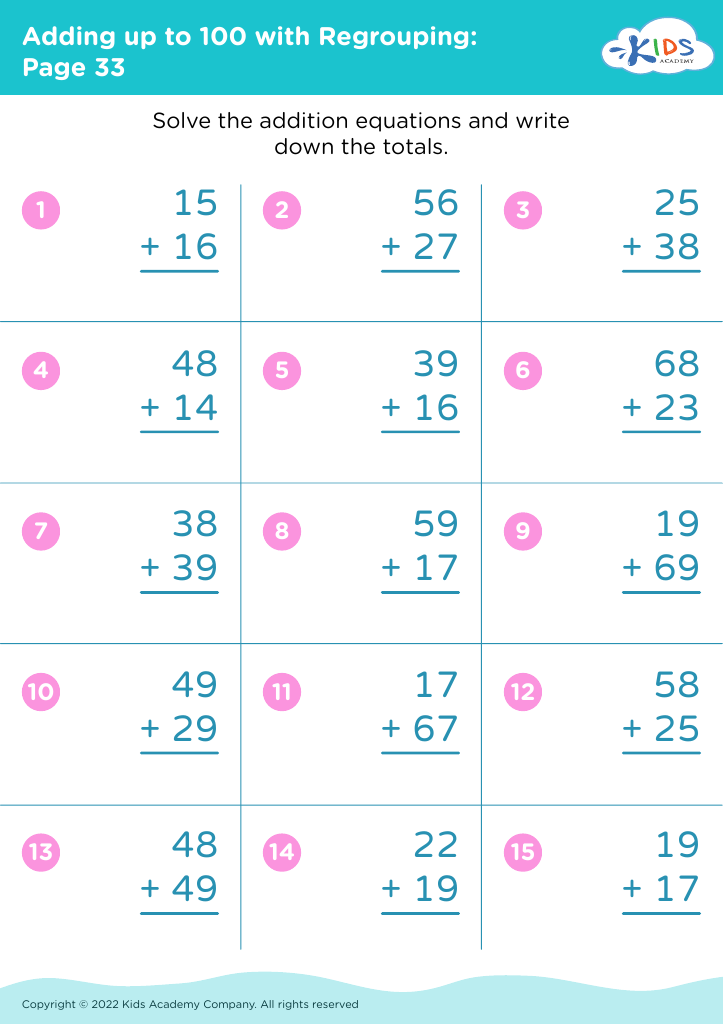
Adding up to 100 with Regrouping: Page 33
Worksheet
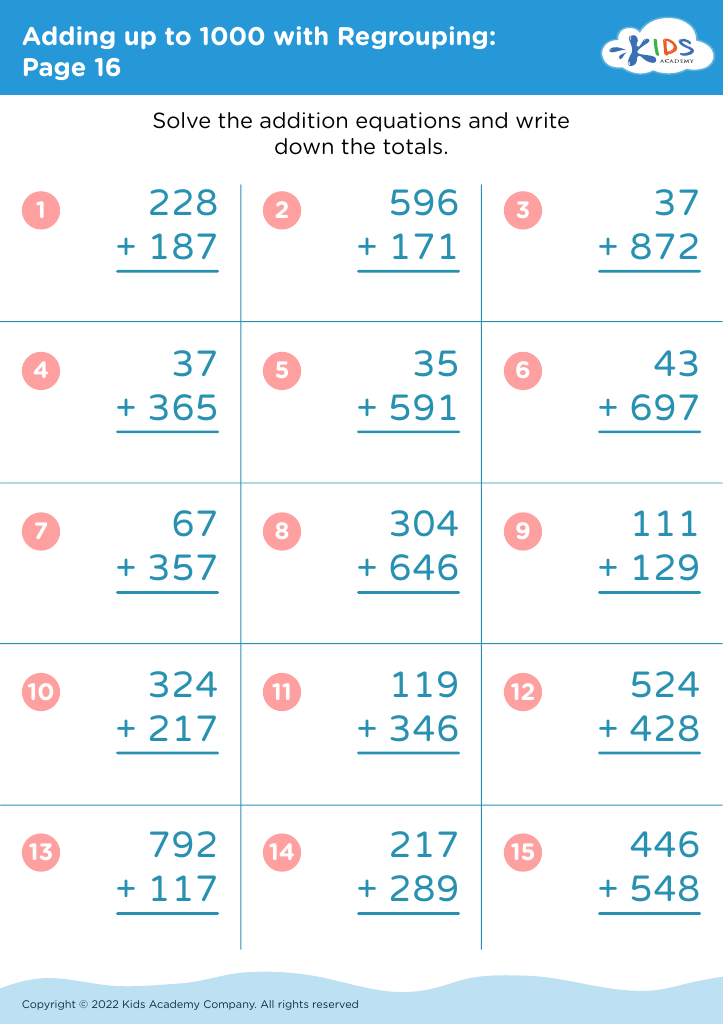
Adding up to 1000 with Regrouping: Page 16
Worksheet
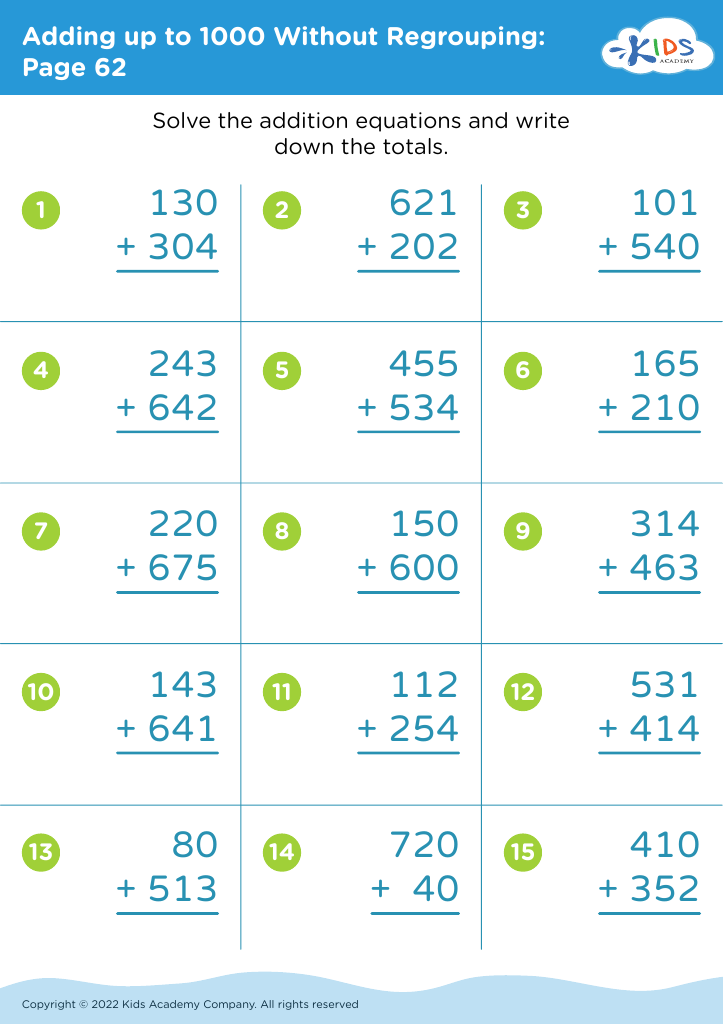
Adding up to 1000 Without Regrouping: Page 62
Worksheet
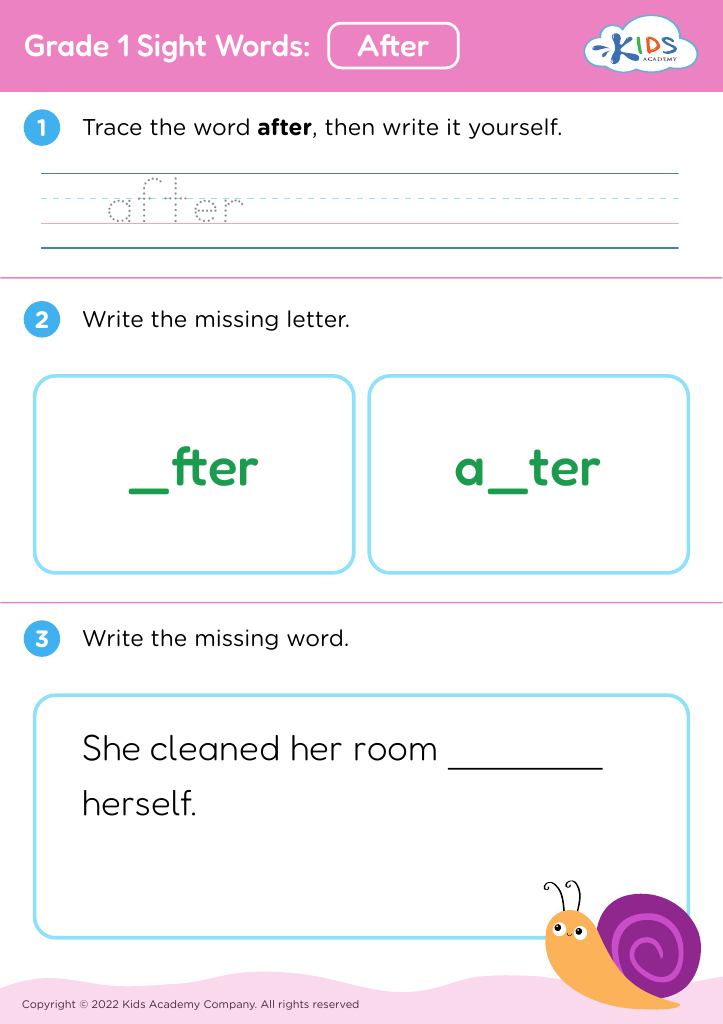
Grade 1 Sight Words: After

Grade 1 Sight Words: After

Grade 1 Sight Words: After
Worksheet


Parents and teachers should prioritize teaching children ages 5-7 about comparing fractions because it establishes foundational math skills essential for future learning. At this age, children begin to develop their numeric understanding, and comparing fractions engages early critical thinking and problem-solving abilities. This skill also fosters a deeper comprehension of part-whole relationships, which is crucial in everyday life activities, such as cooking or sharing food.

Furthermore, learning to compare fractions helps children strengthen their understanding of numeric properties, as they explore concepts like equivalence, greater than, less than, and the importance of whole units. Using visual aids like pie charts or fraction bars makes these abstract concepts more tangible, enhancing their learning experience.

Moreover, grasping fractions at an early stage supports their transition into more complex mathematical concepts, including addition, subtraction, and even early algebra, as they progress in their educational journey. It encourages a positive relationship with math, reducing anxiety and fostering confidence. As future problem solvers, these skills can help children navigate various situations in academics and daily life, making them valuable not just in math class, but in fostering logical reasoning that extends beyond the classroom. Investing in these early skills is an investment in their overall educational growth.