Mazes Worksheets for Ages 5-7
10 filtered results
-
From - To
Discover our exciting Mazes Worksheets designed specifically for children aged 5-7! These engaging activities help young learners develop critical thinking, fine motor skills, and problem-solving abilities through fun and interactive maze challenges. Perfect for honing hand-eye coordination, our printable worksheets offer a variety of themes and difficulty levels to keep kids entertained while enhancing their understanding of early math concepts. Ideal for classroom use or home learning, these mazes encourage both independent practice and collaborative play. Dive into a world of exploration and creativity with our Mazes Worksheets, where learning becomes an adventure that sparks curiosity and joy!
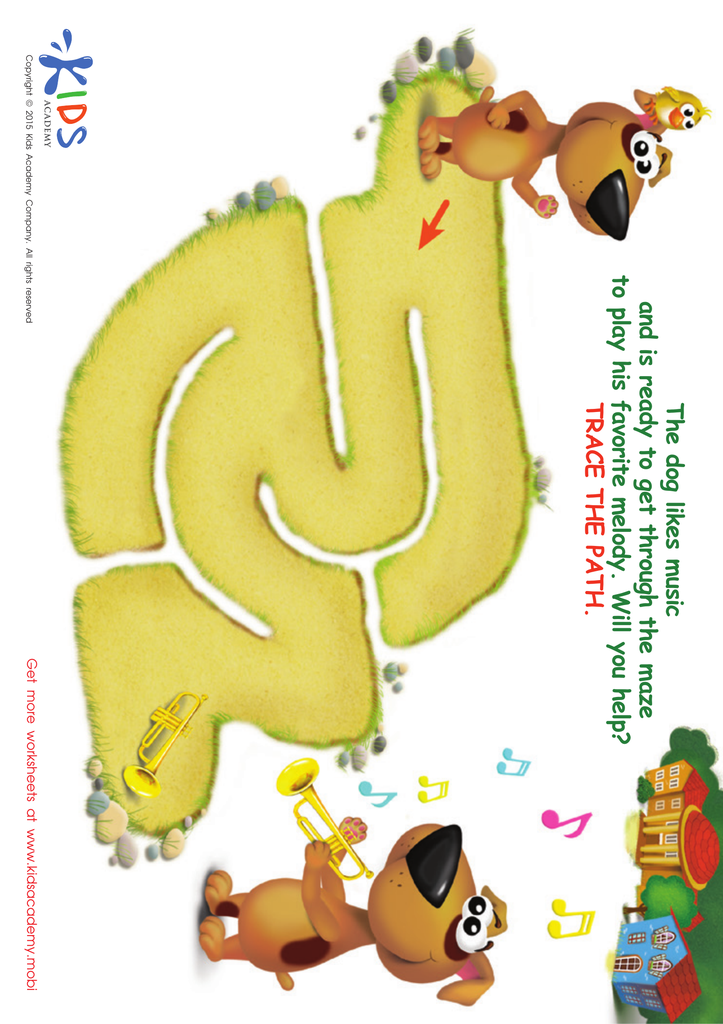
Trumpeter Maze Worksheet
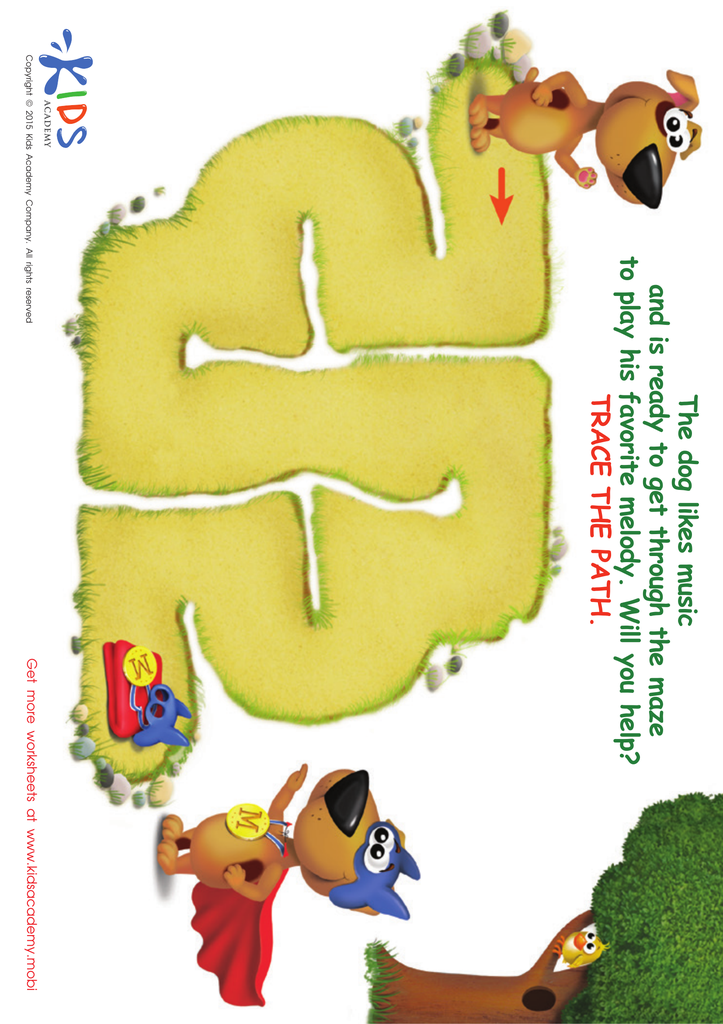
Superman Maze Worksheet
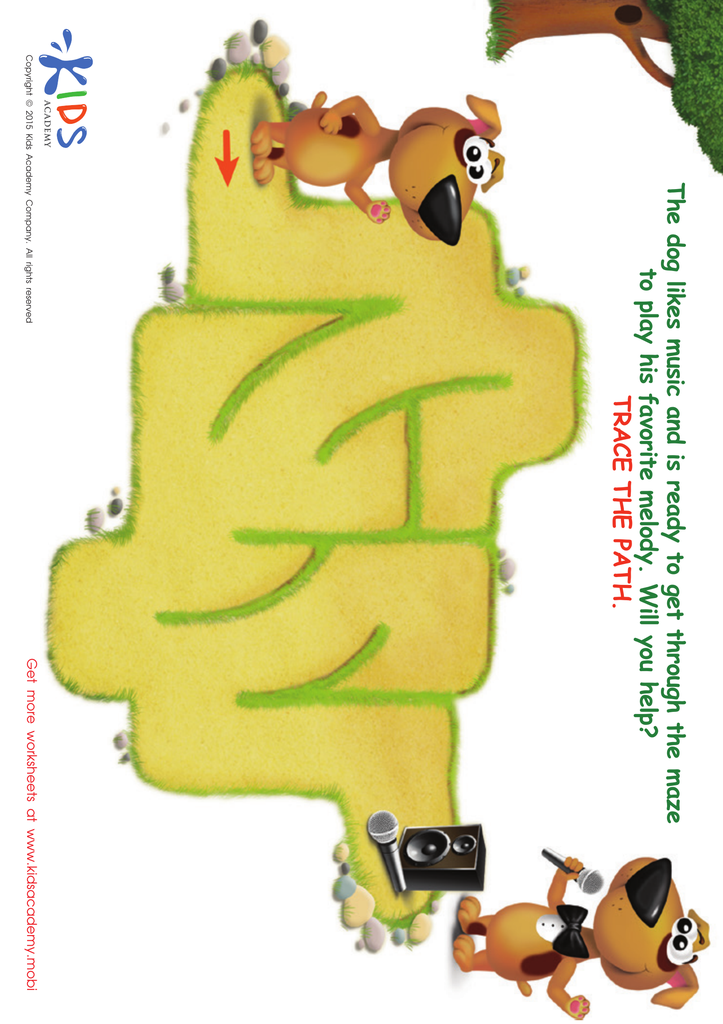
Singer Maze Worksheet
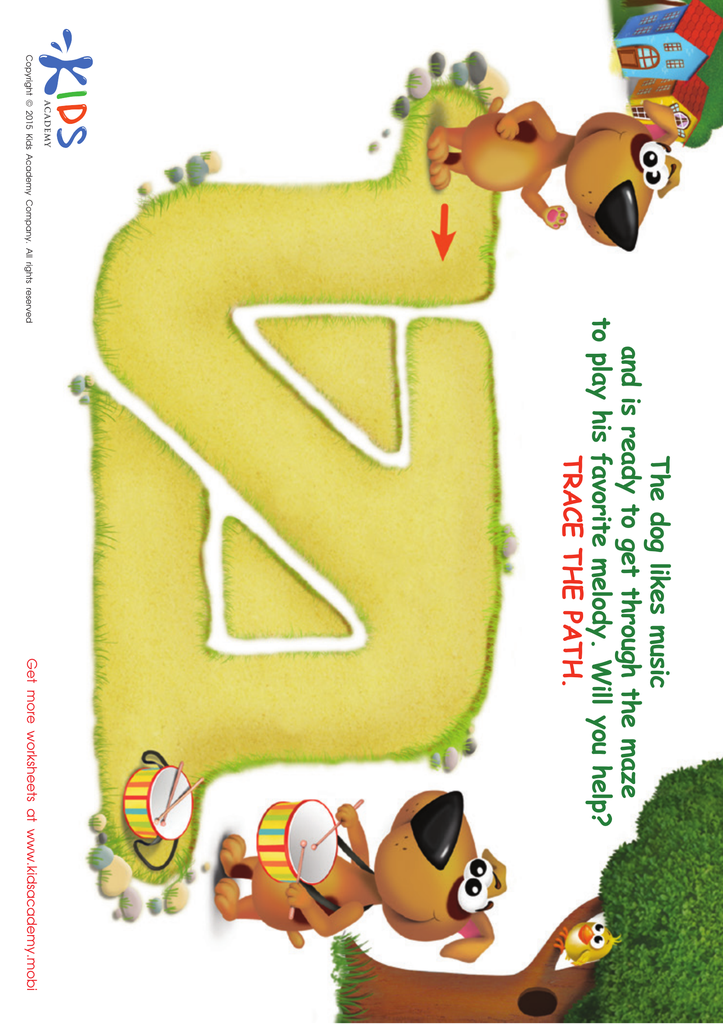
Drummer Maze Worksheet
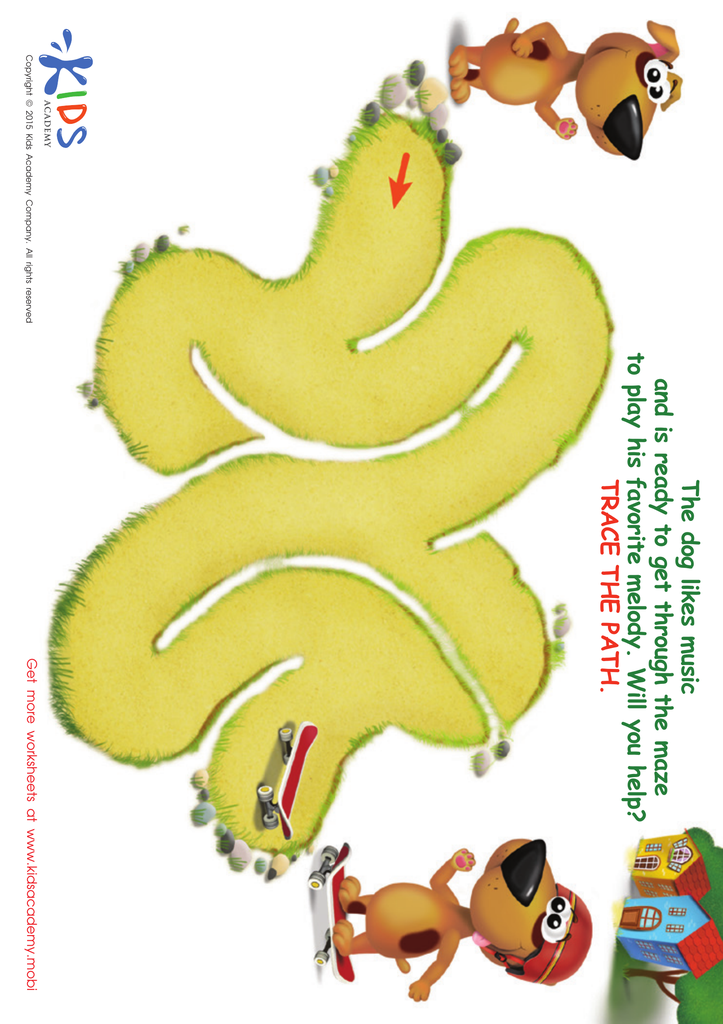
Skater Maze Worksheet
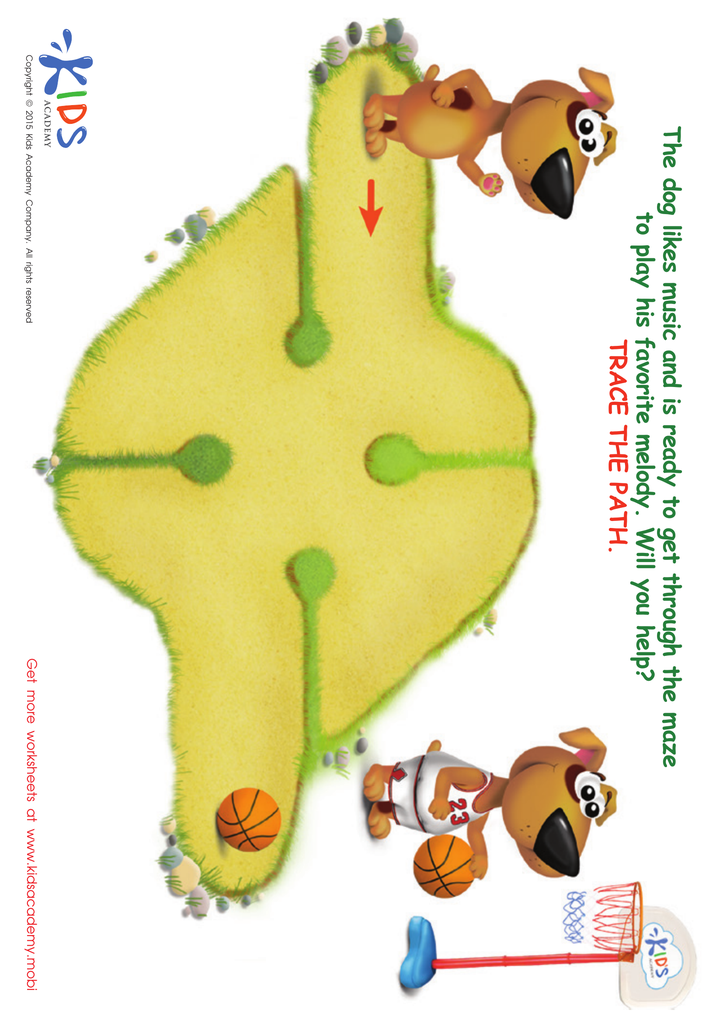
Basketball Player Maze Worksheet
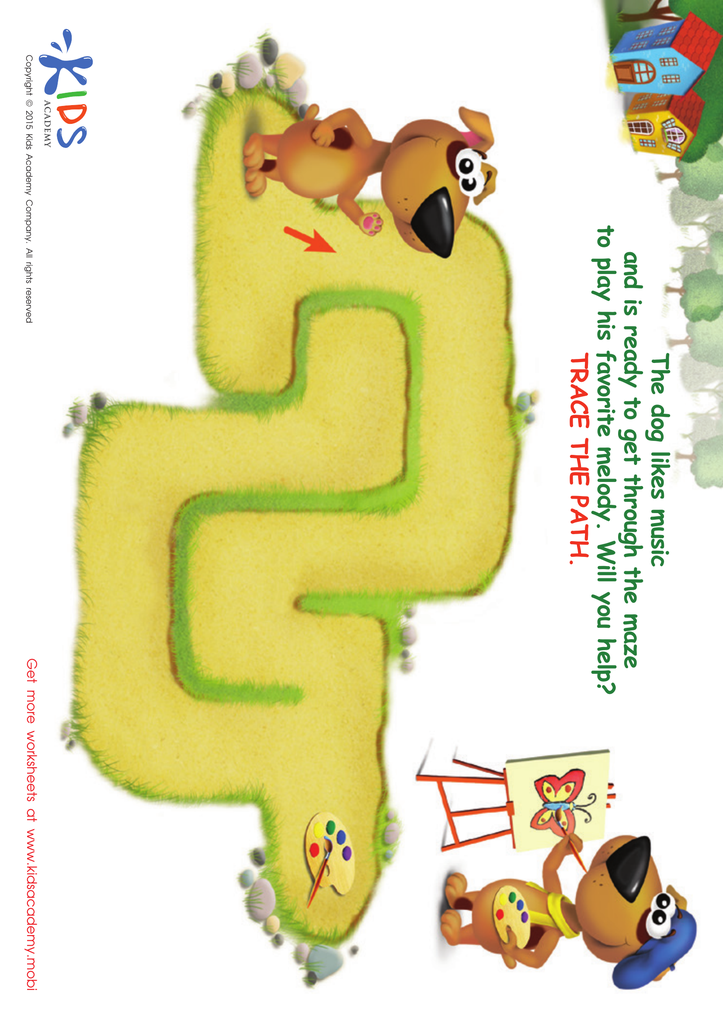
Artist Maze Worksheet
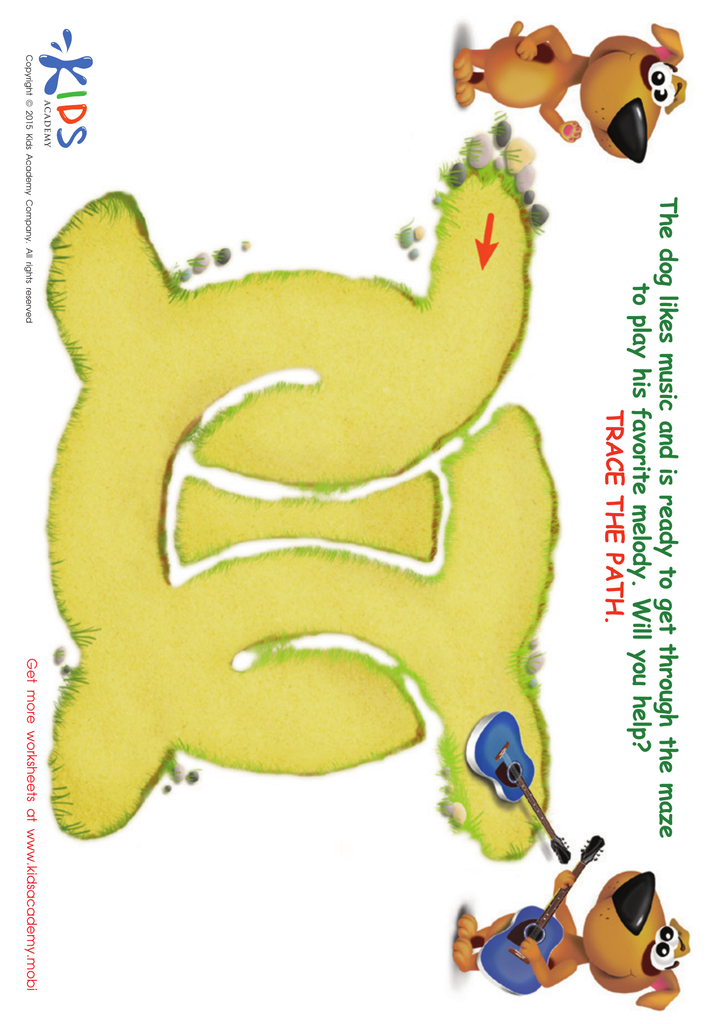
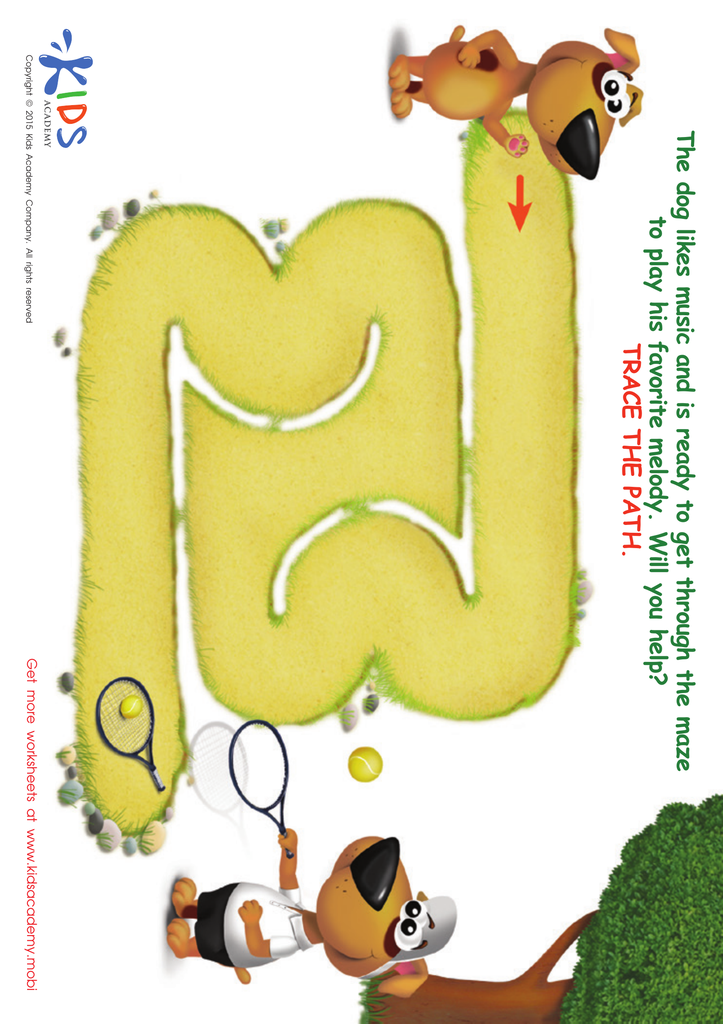
Tennis Player Maze Worksheet
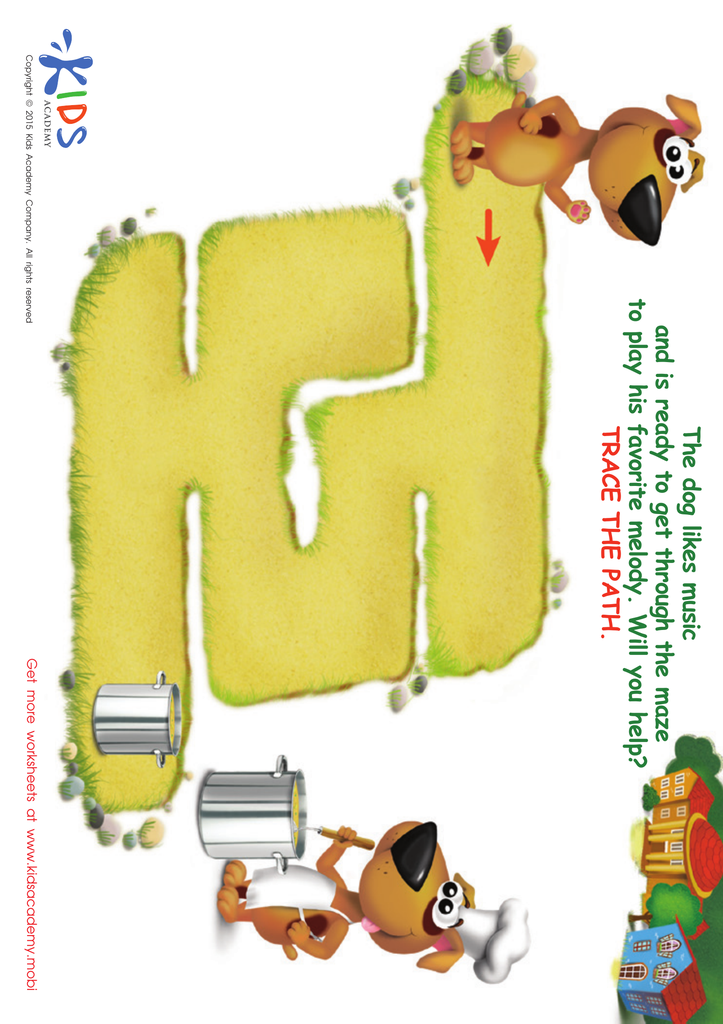
Cook Maze Worksheet


Mazes are an engaging and interactive activity that offers numerous developmental benefits for children aged 5-7. Parents and teachers should care about incorporating mazes into learning activities for several reasons.
Firstly, mazes enhance critical thinking and problem-solving skills. As children navigate their way through a maze, they learn to plan their routes, evaluate choices, and adapt to challenges—all valuable skills that lay the foundation for future academic success.
Secondly, mazes promote fine motor skills. Tracing their paths requires coordination and control, helping to strengthen hand-eye coordination and pencil grip, which are essential for writing and other detailed tasks.
Mazes also encourage focus and concentration. Completing a maze requires sustained attention and patience, teaching children to persevere and stay dedicated to a task, qualities that are crucial for learning.
Finally, mazes can be fun and motivate students to engage with learning. They can be designed around various themes, tying in subjects like math or reading, making the learning experience enjoyable.
In summary, integrating mazes into educational settings supports cognitive, motor, and social-emotional development, providing a well-rounded approach to learning for young children. Thus, parents and teachers should recognize their value as effective teaching tools.








