Recognizing shapes Addition Worksheets for Ages 5-7
28 filtered results
-
From - To
Explore our engaging "Recognizing Shapes Addition Worksheets" designed for children aged 5-7! These fun and interactive worksheets combine shape recognition with basic addition skills, making learning enjoyable for young minds. Each activity encourages kids to identify various shapes while solving simple addition problems, developing both their math skills and visual perception. Tailored for early learners, our worksheets help build a strong foundation in mathematics through playful and stimulating exercises. Perfect for classroom use or at-home practice, these worksheets foster confidence and creativity in budding mathematicians. Start your child's educational journey today with our vibrant and effective resources!
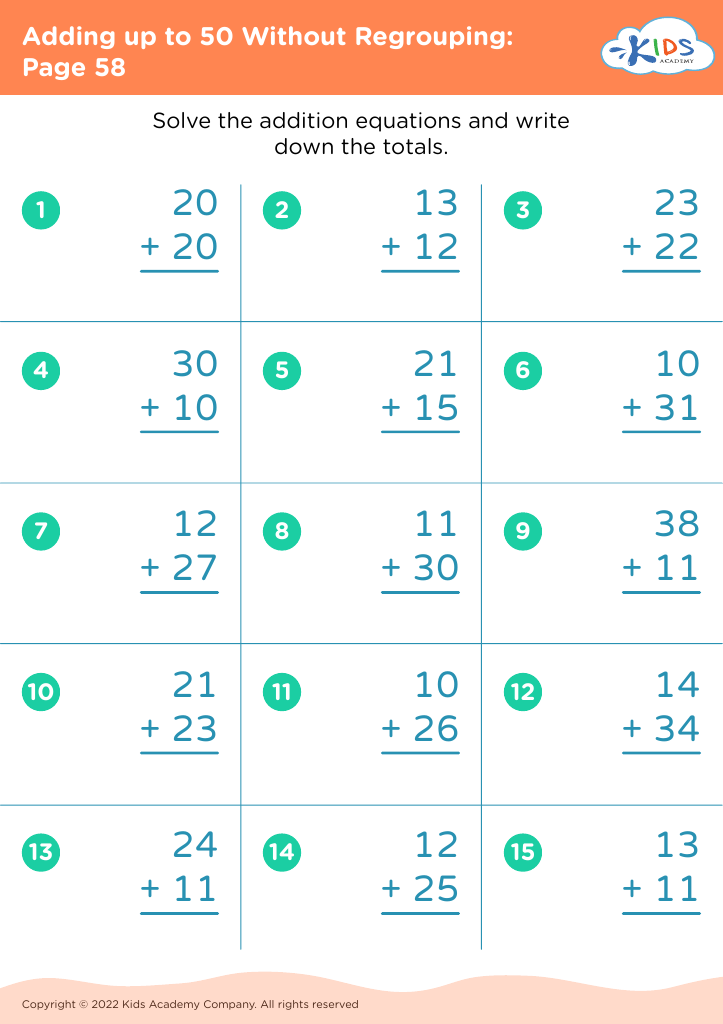
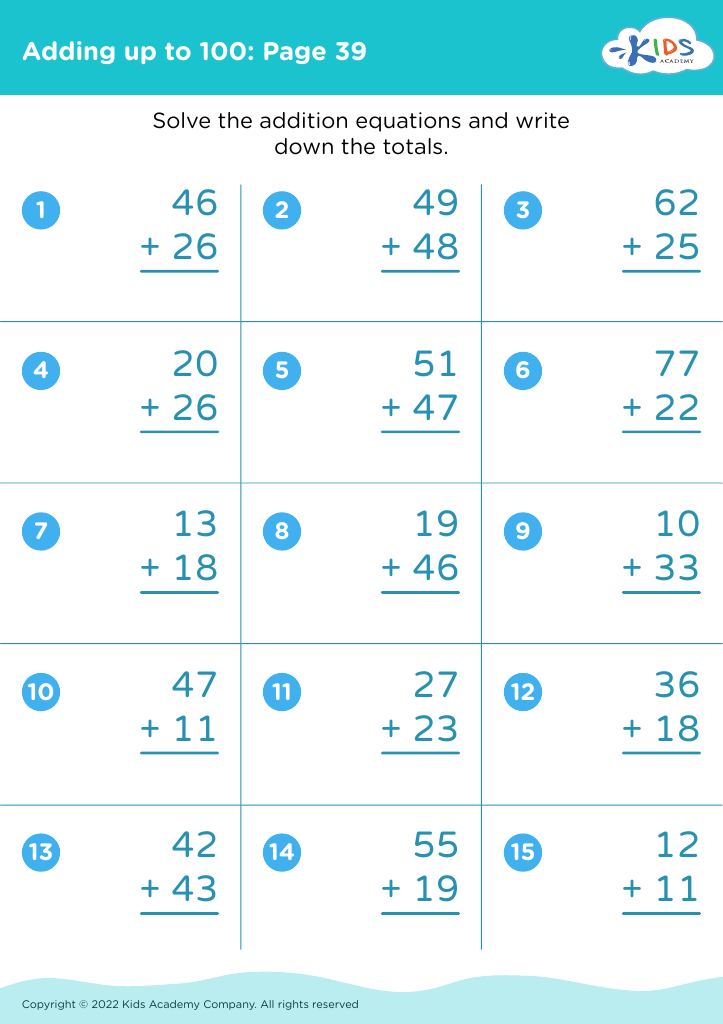
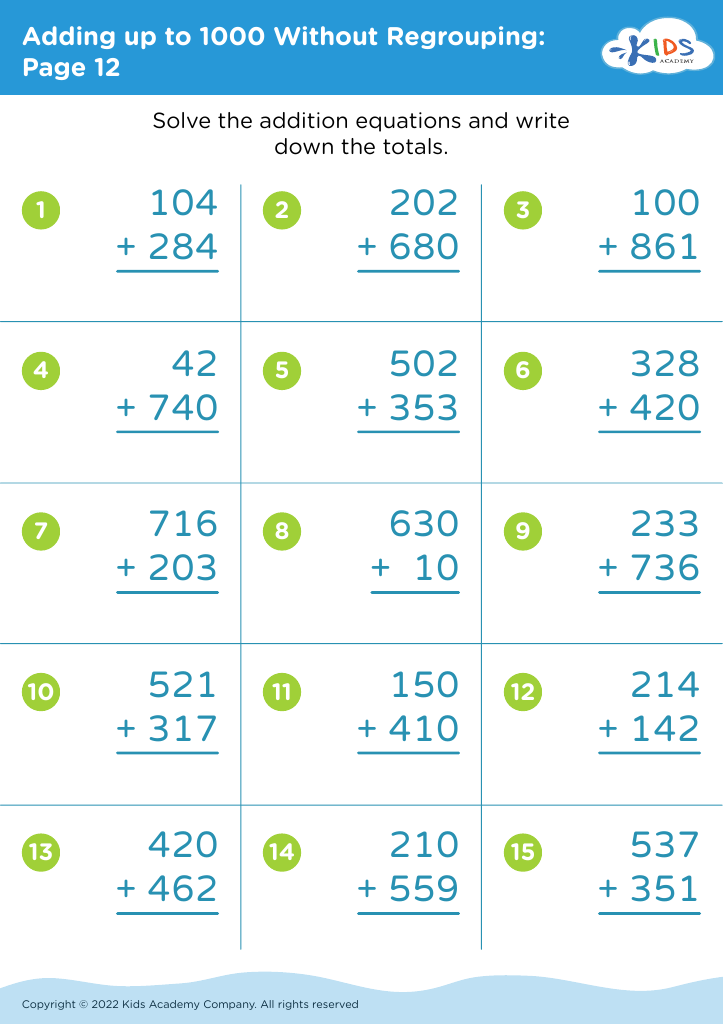
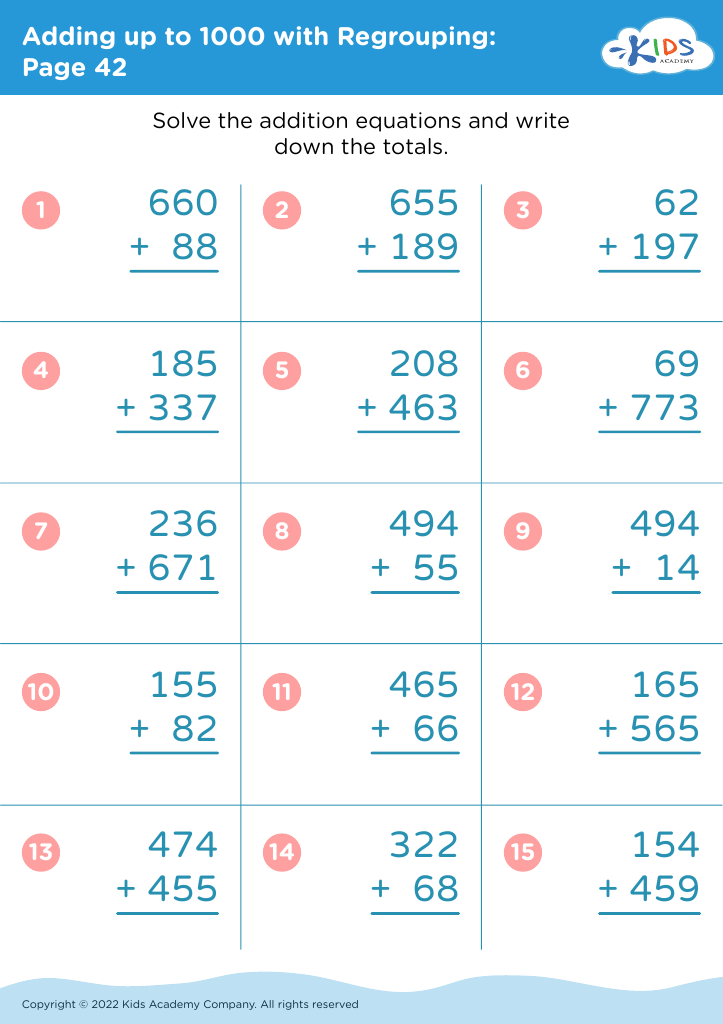
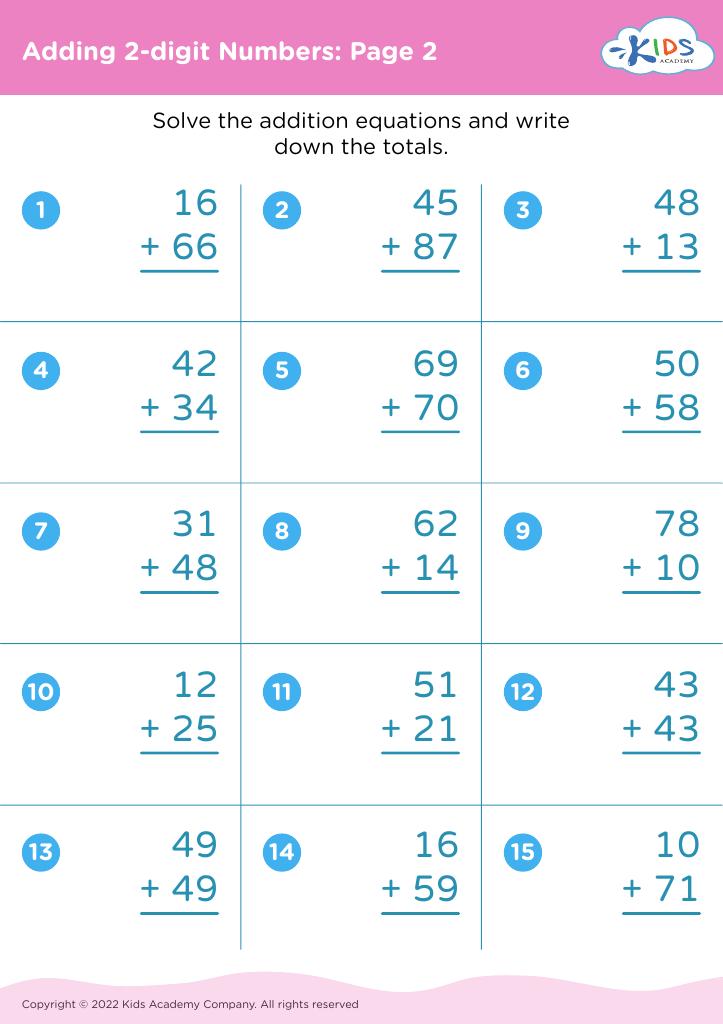
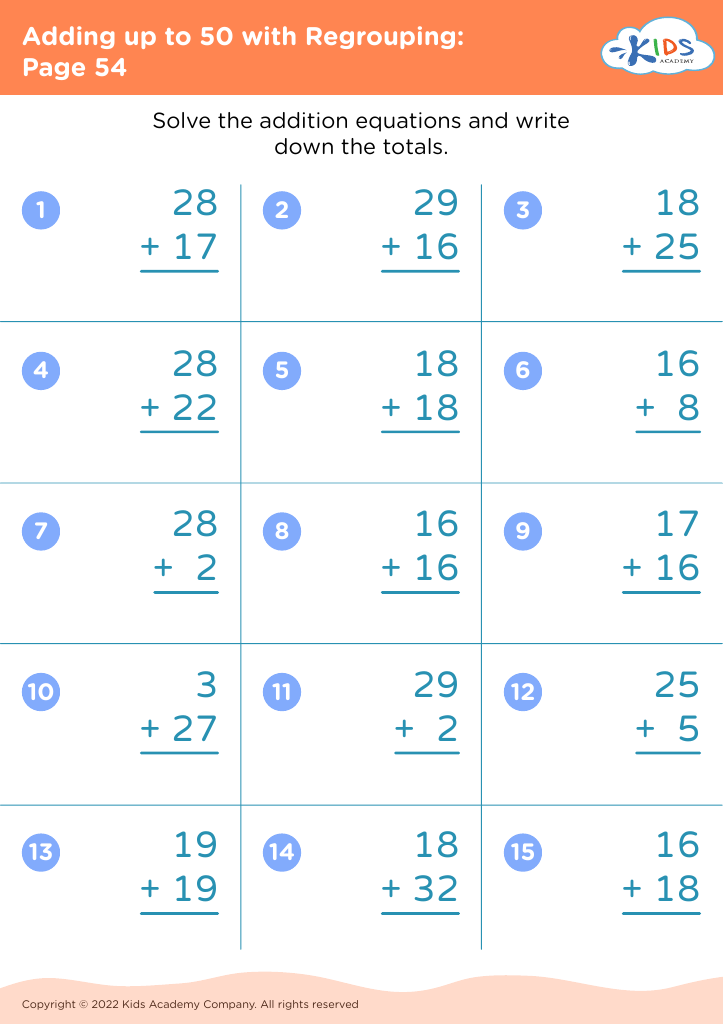
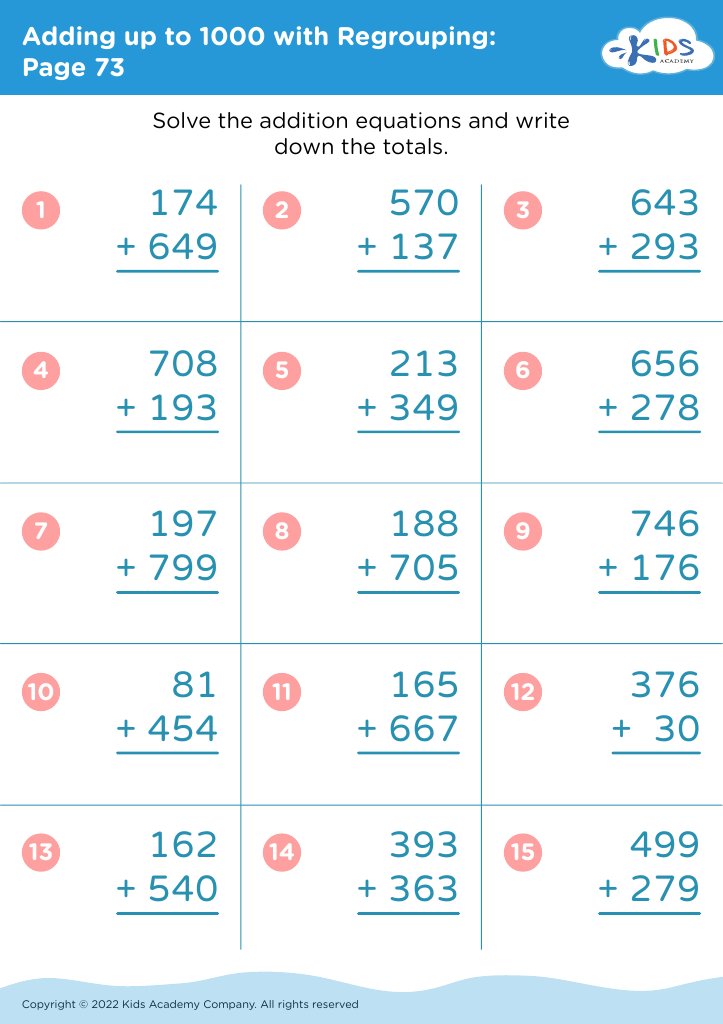
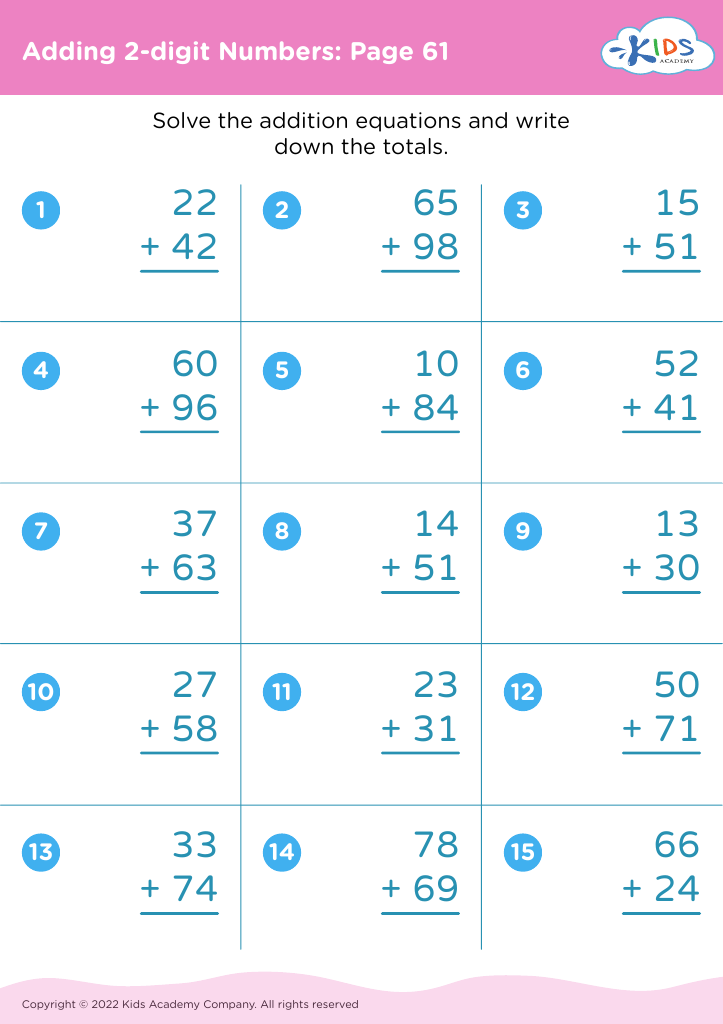
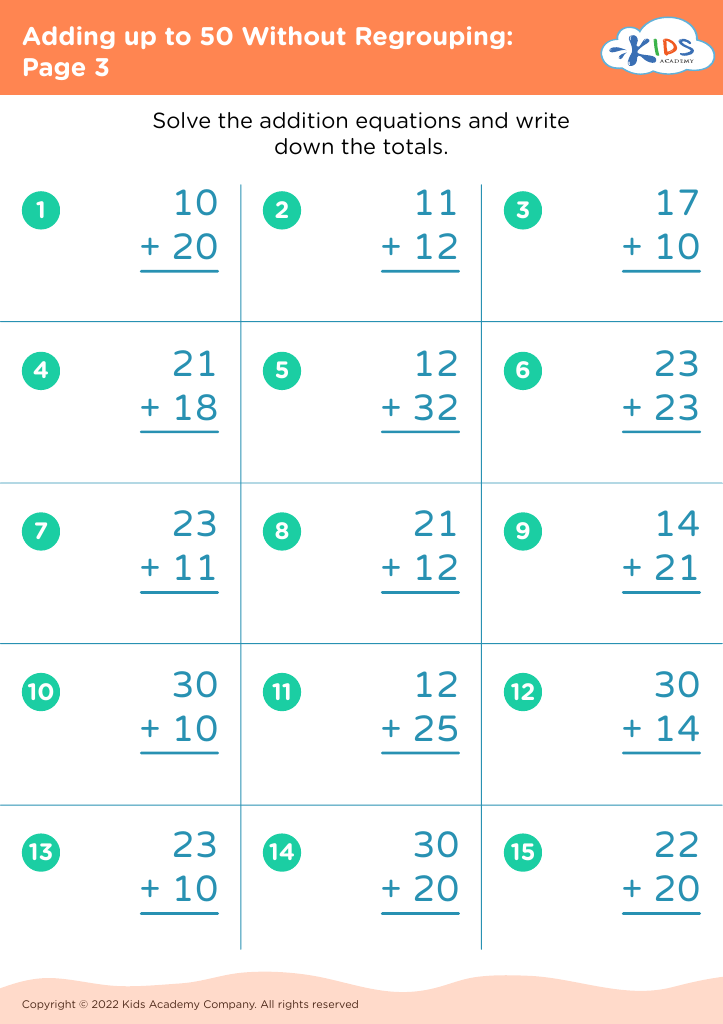
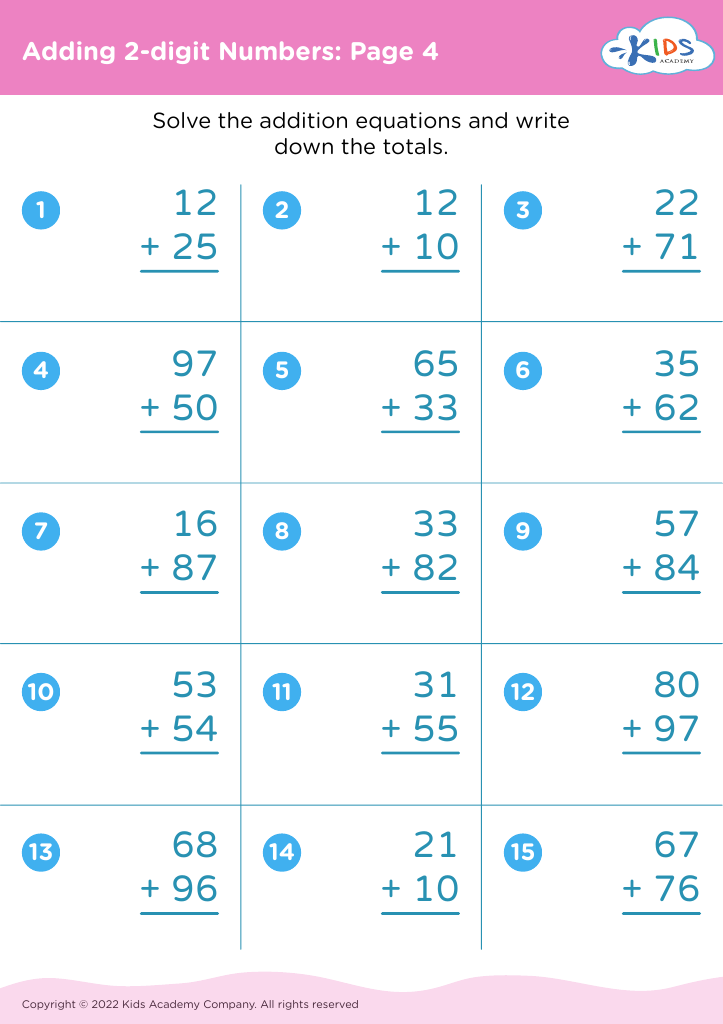
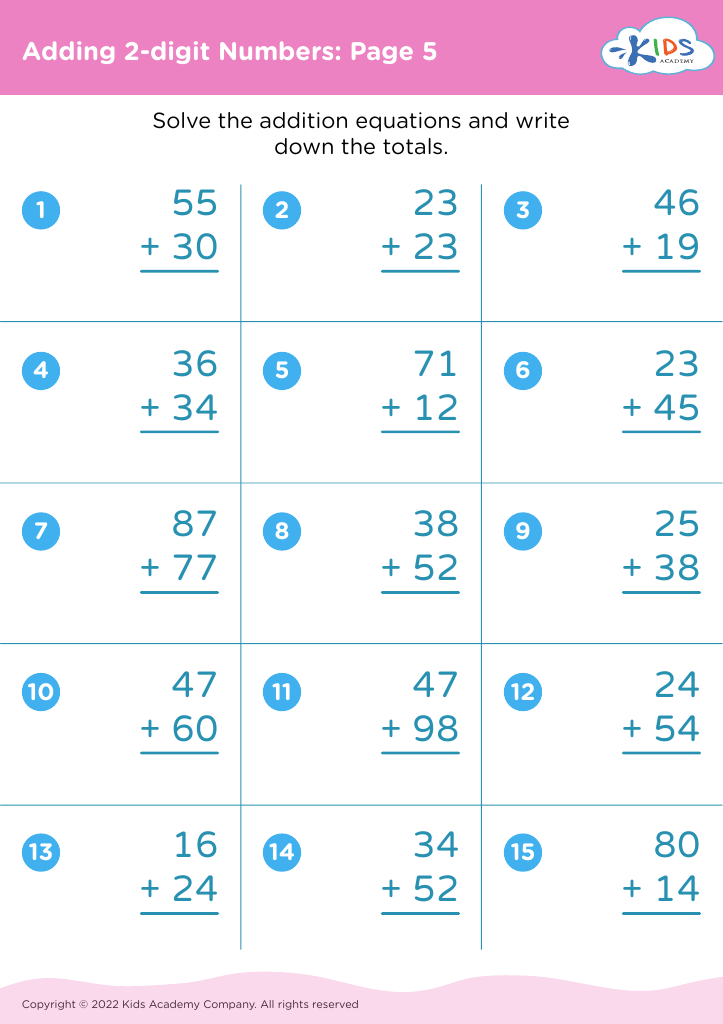
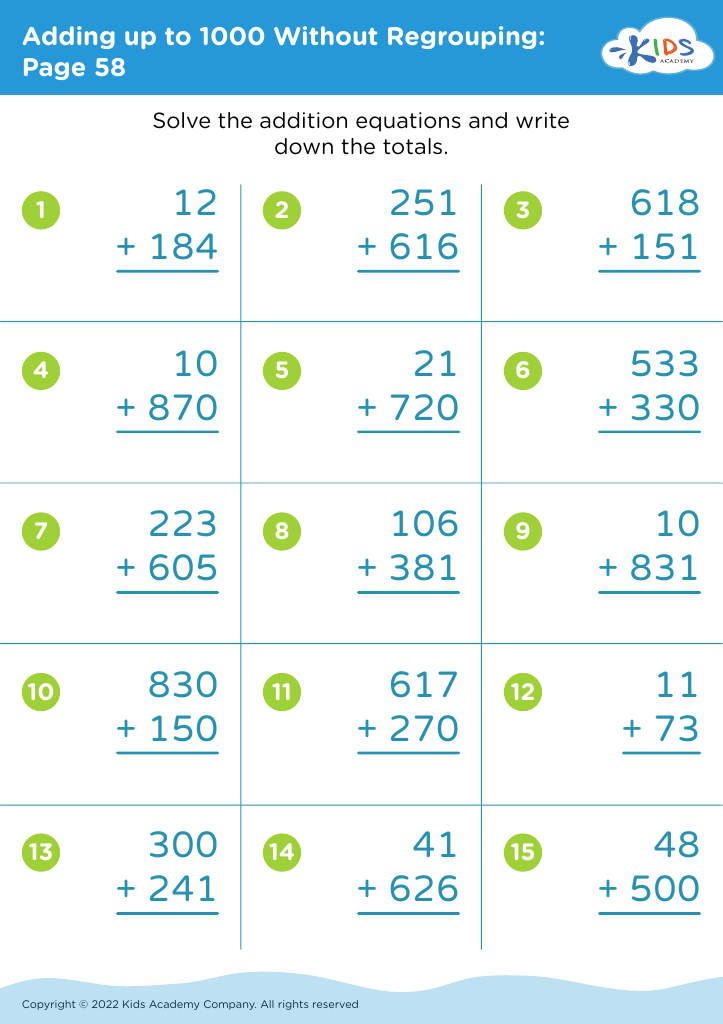
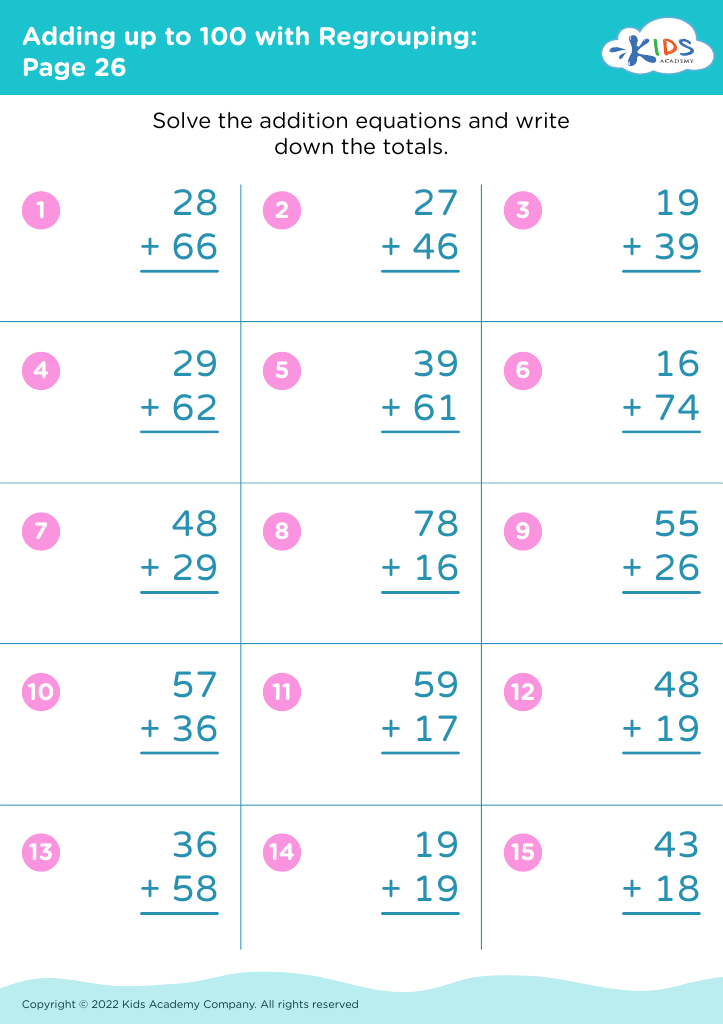
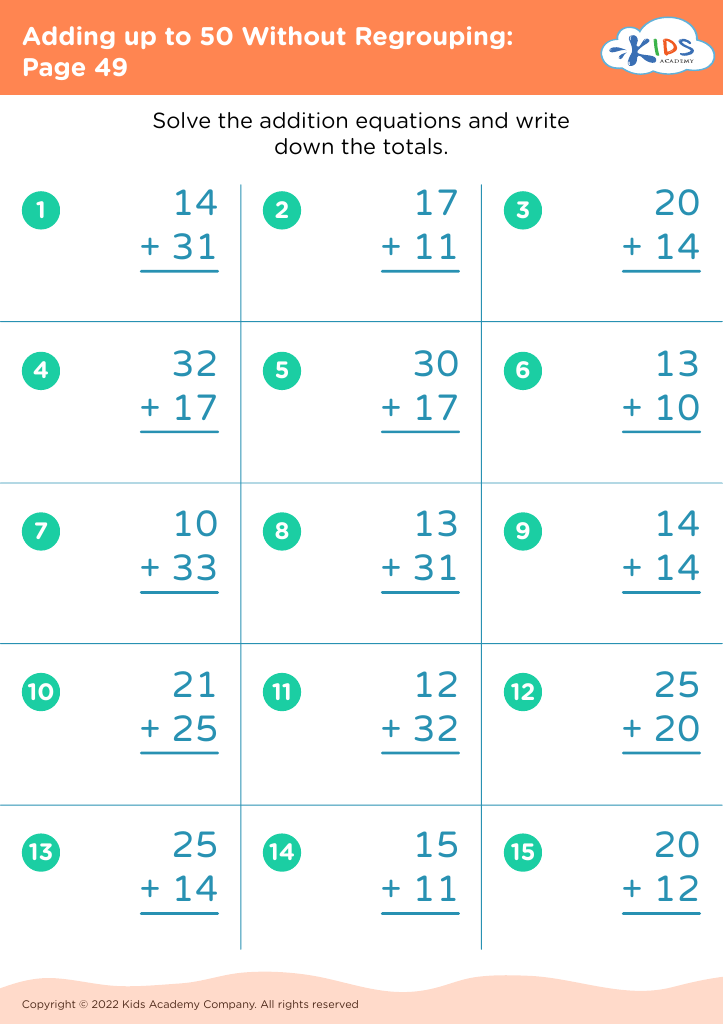
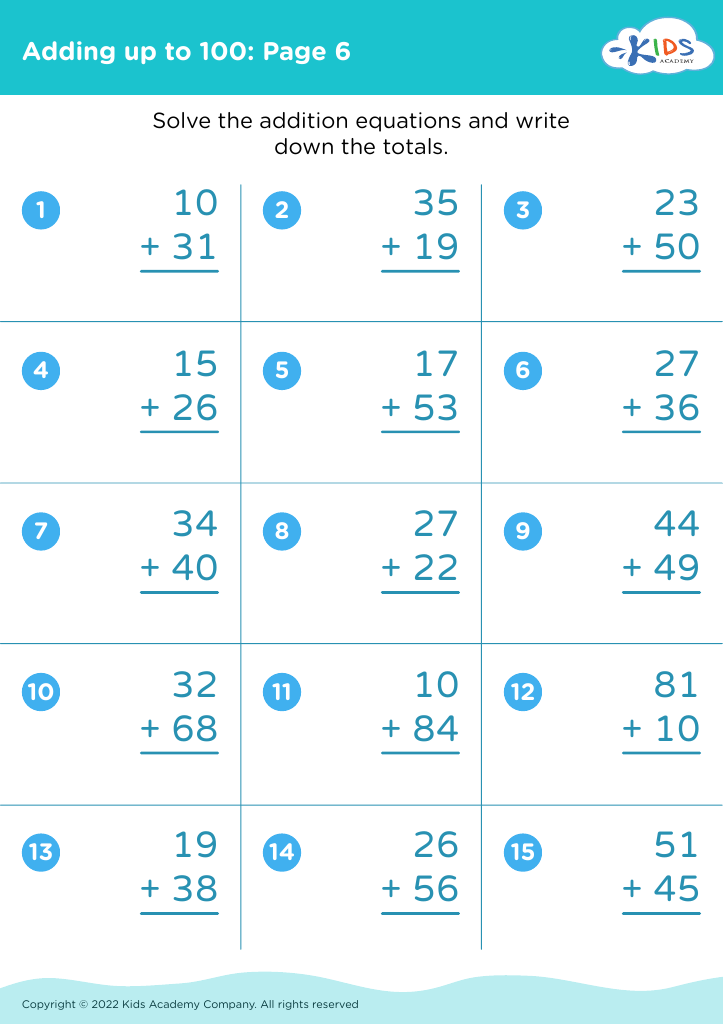
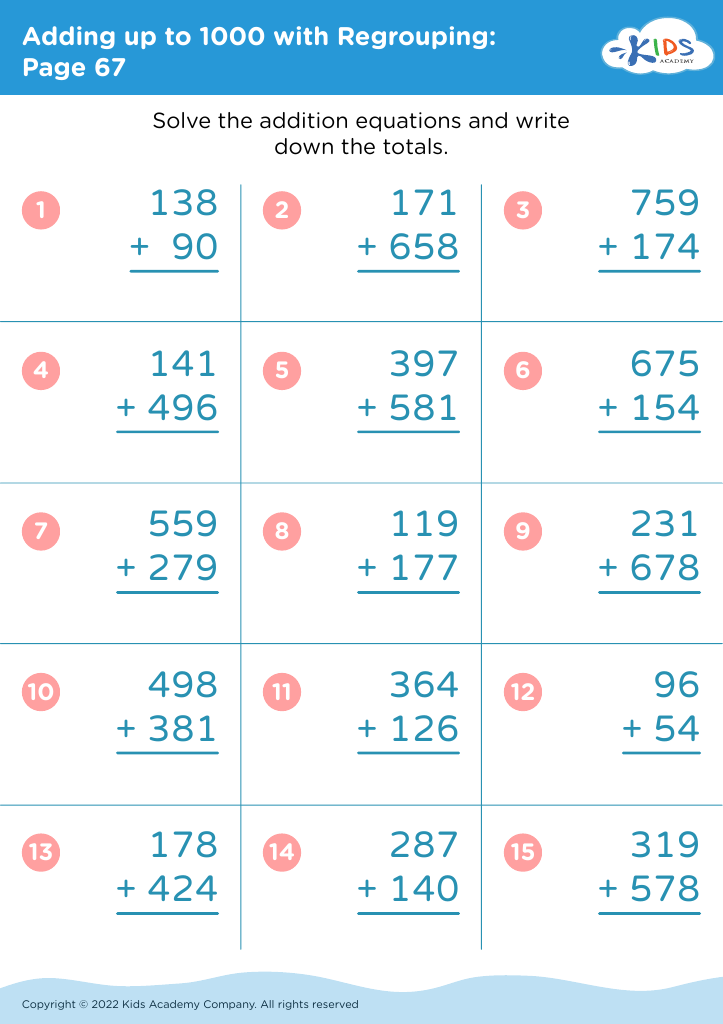
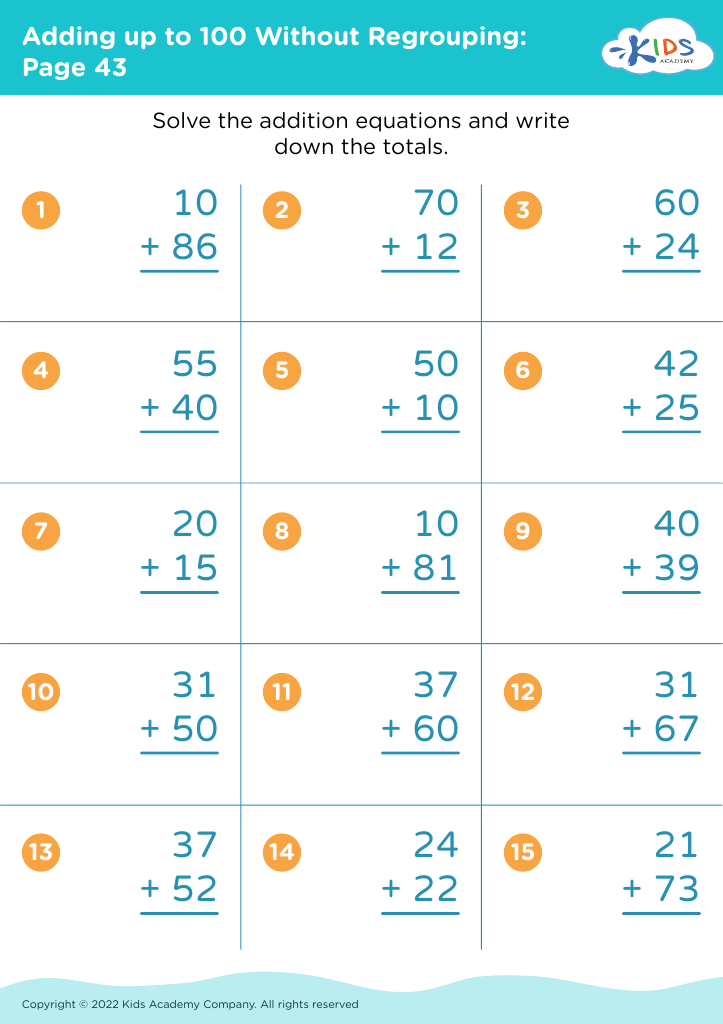
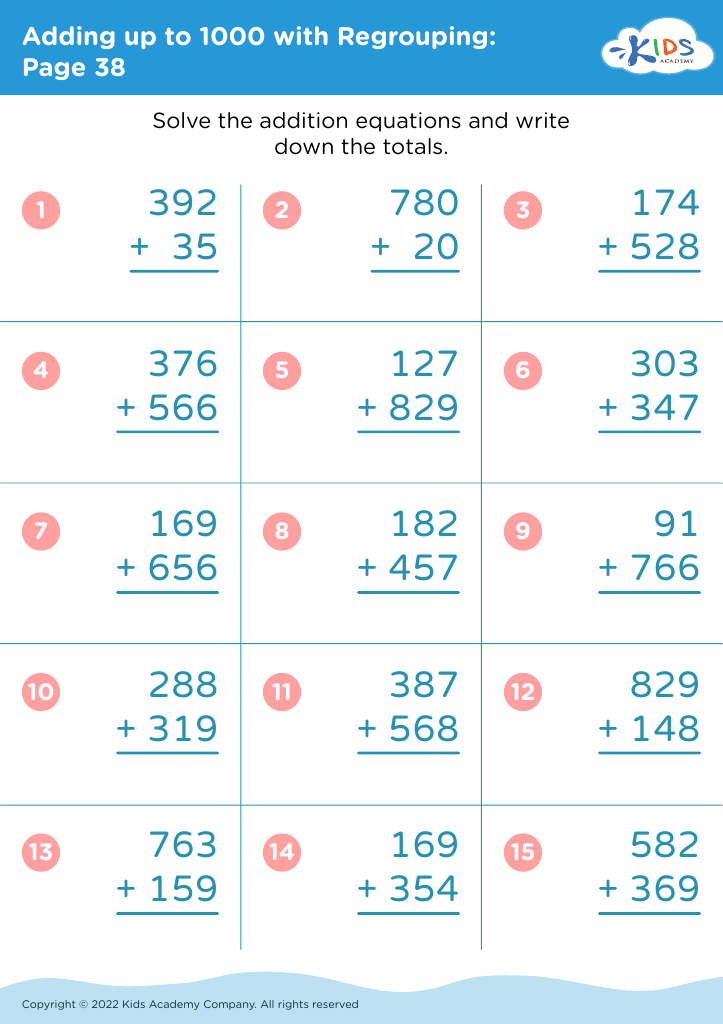
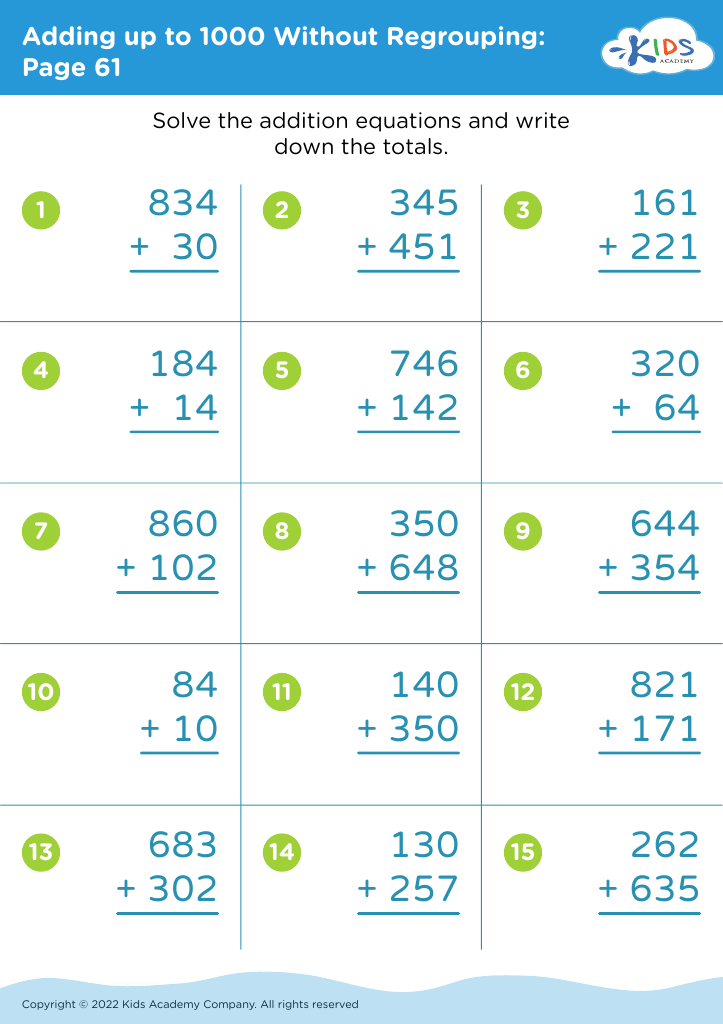
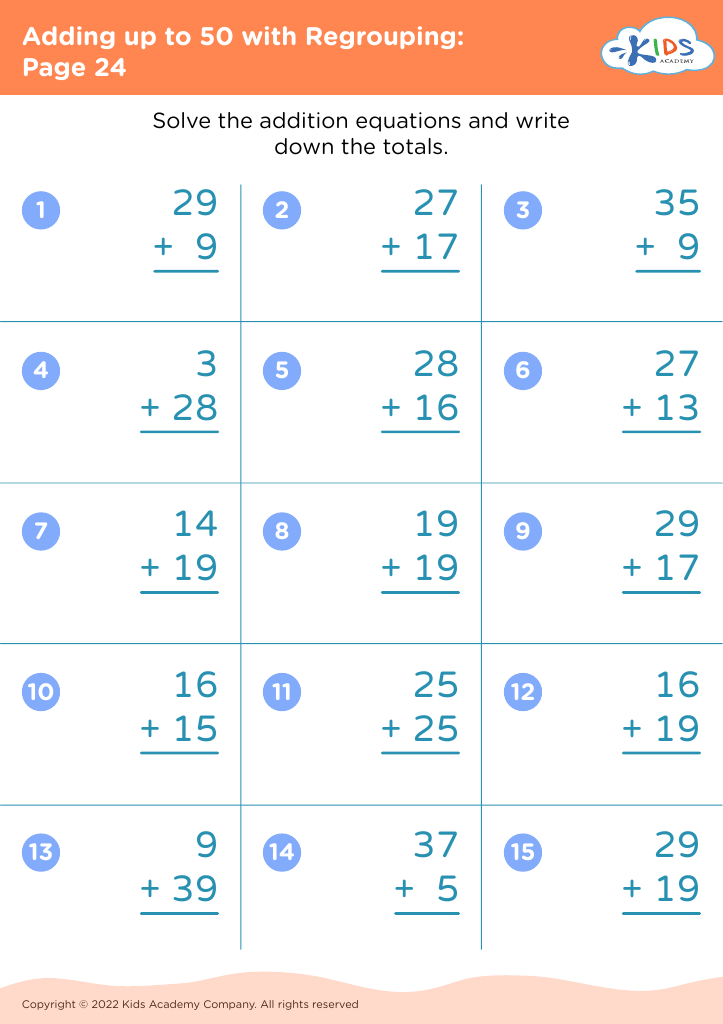
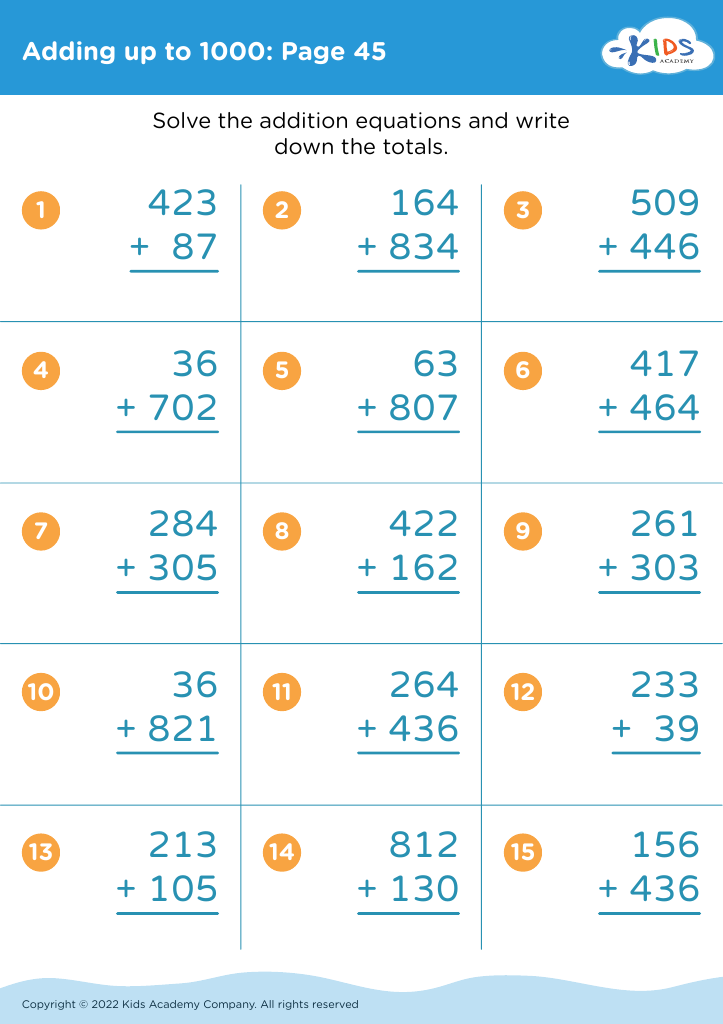
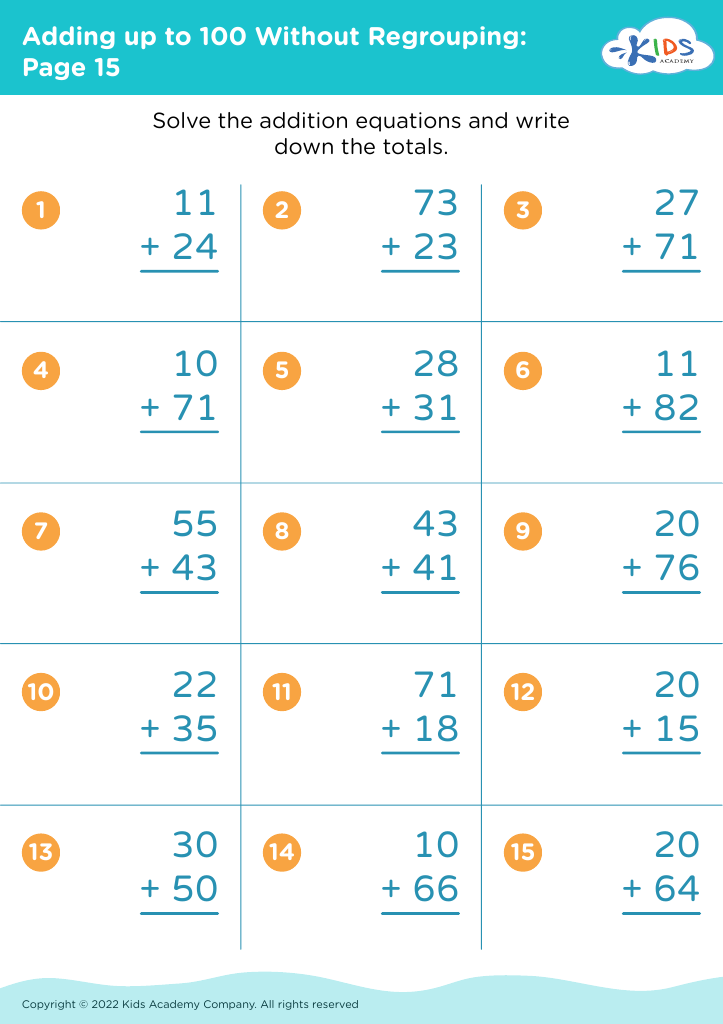
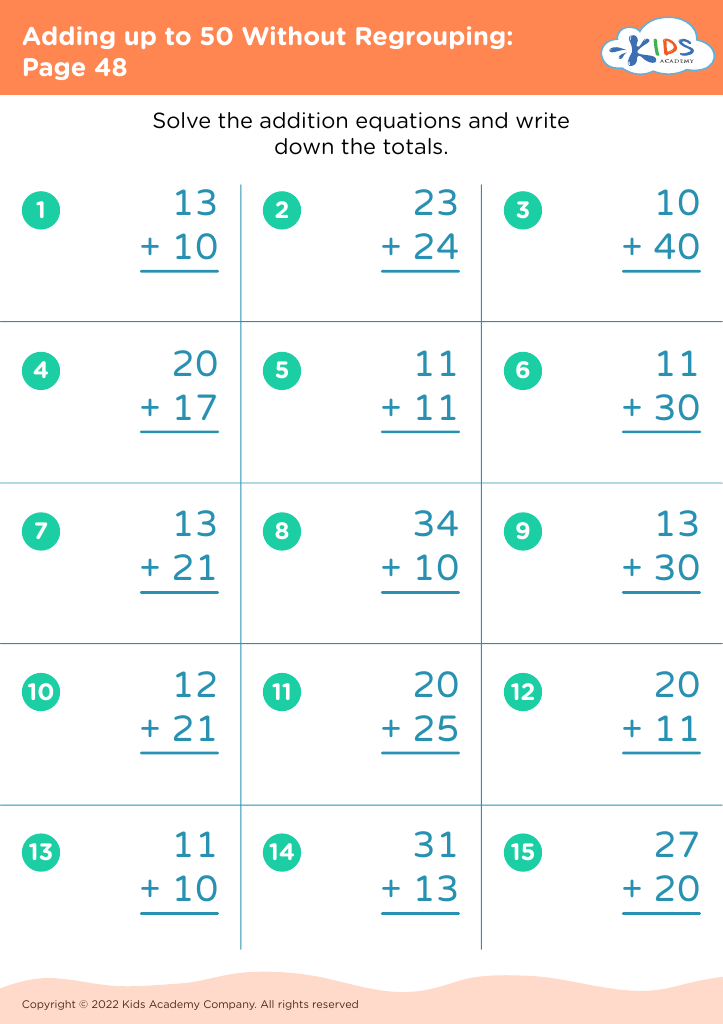
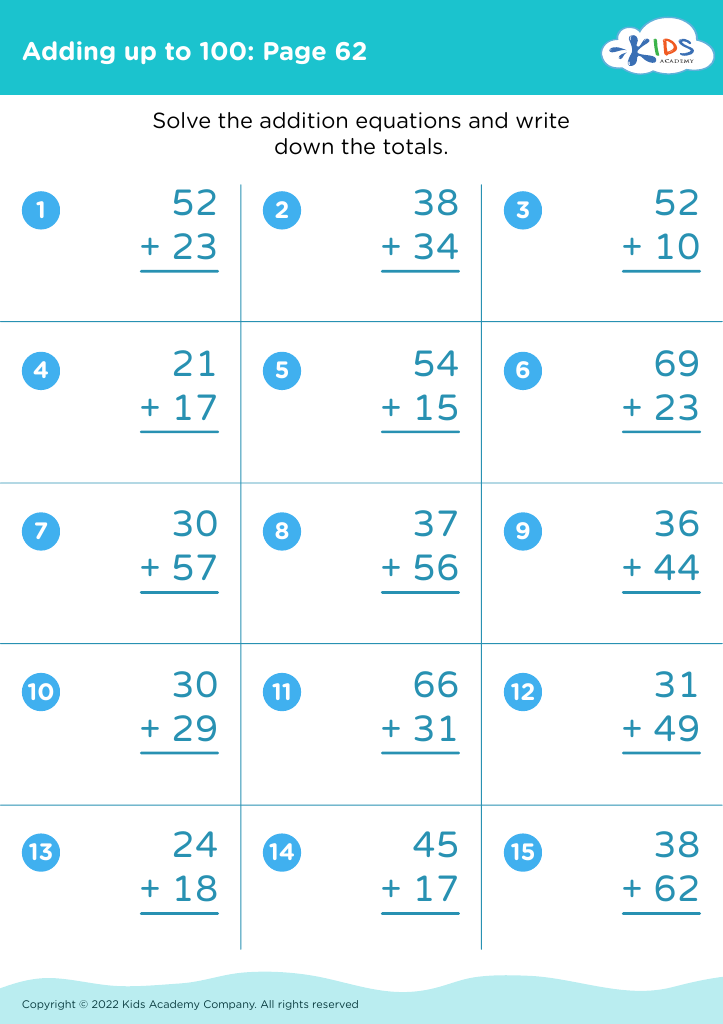








Recognizing shapes and mastering addition are foundational skills for children aged 5-7, and their significance extends well beyond early mathematics. Understanding shapes aids in developing spatial awareness and visual perception, vital for everyday tasks and more complex mathematical concepts later on. When children recognize shapes, they enhance their ability to categorize and organize the world around them, fostering critical thinking and problem-solving skills.
Addition, conversely, is crucial for building a strong mathematical foundation. It empowers students to comprehend quantitative relationships, which are utilized in various real-life situations—whether counting objects, managing money, or measuring ingredients for cooking. Early mastery of addition prepares children for more complex arithmetic, establishing confidence and resilience in math.
Incorporating shape recognition with addition creates a more engaging learning experience. By providing activities that combine these concepts—such as counting sides or vertices of shapes—educators can stimulate curiosity, creativity, and logical thinking. This interconnected approach promotes a holistic understanding of math, making learning enjoyable and relevant.
Ultimately, prioritizing these skills nurtures well-rounded learners, equipping them with tools for academic success and everyday challenges. Engaged parents and teachers foster an environment where children can thrive, setting the stage for lifelong learning and exploration.








