
Number Sequencing Counting Worksheets for Ages 5-7
4 filtered results
Difficulty Level
Grade
Age
-
From - To
Subject
Activity
Standards
Unlock the magic of numbers with our Number Sequencing Counting Worksheets for Ages 5-7! Specifically designed to build a strong foundational understanding, these engaging worksheets help young learners master counting and number order in a fun, interactive way. Each activity is tailored to develop critical thinking, reinforce counting skills, and promote numerical fluency. Perfect for use in classrooms or at home, our number sequencing worksheets aim to boost confidence and make learning math enjoyable for children. Watch your little mathematicians thrive as they navigate through numbers seamlessly. Start the journey to numerical mastery today!
Favorites
With answer key
Interactive
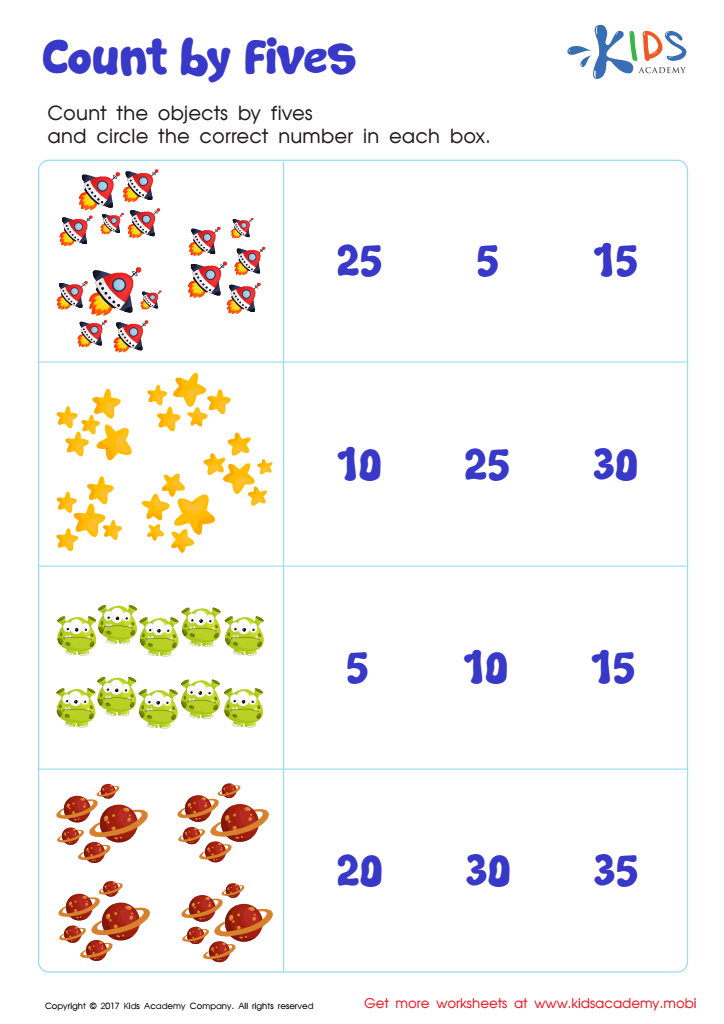
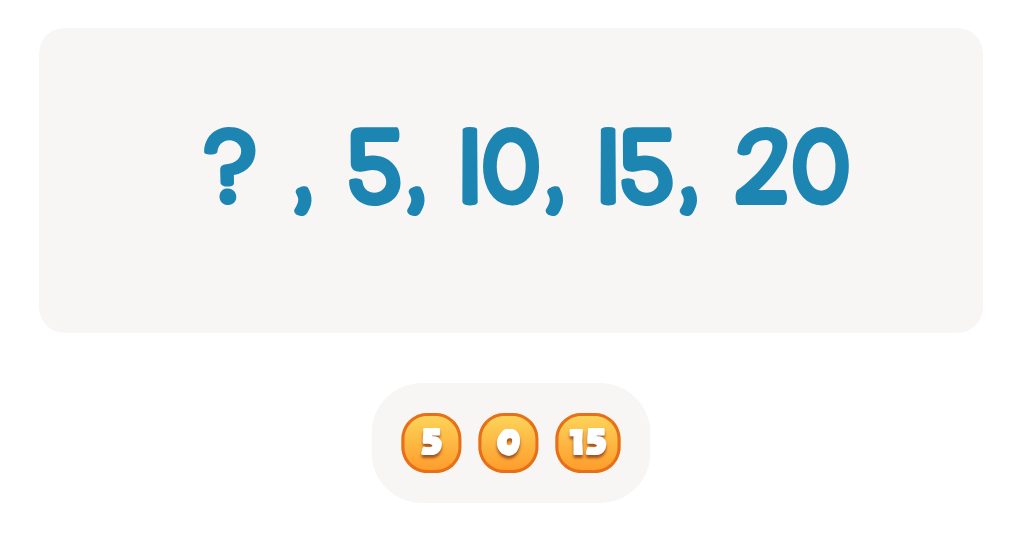
Skip Counting by 5s: Space Math Printable
This worksheet will provide your child with fun and practice counting by 5's. It'll help them visually count numbers, use problem solving skills and make connections between individual and groups of numbers. Counting money and various math concepts will become easier with this invaluable skill. Blast off with this fun and educational worksheet featuring space graphics.
 Assign to My Students
Skip Counting by 5s: Space Math Printable
Worksheet


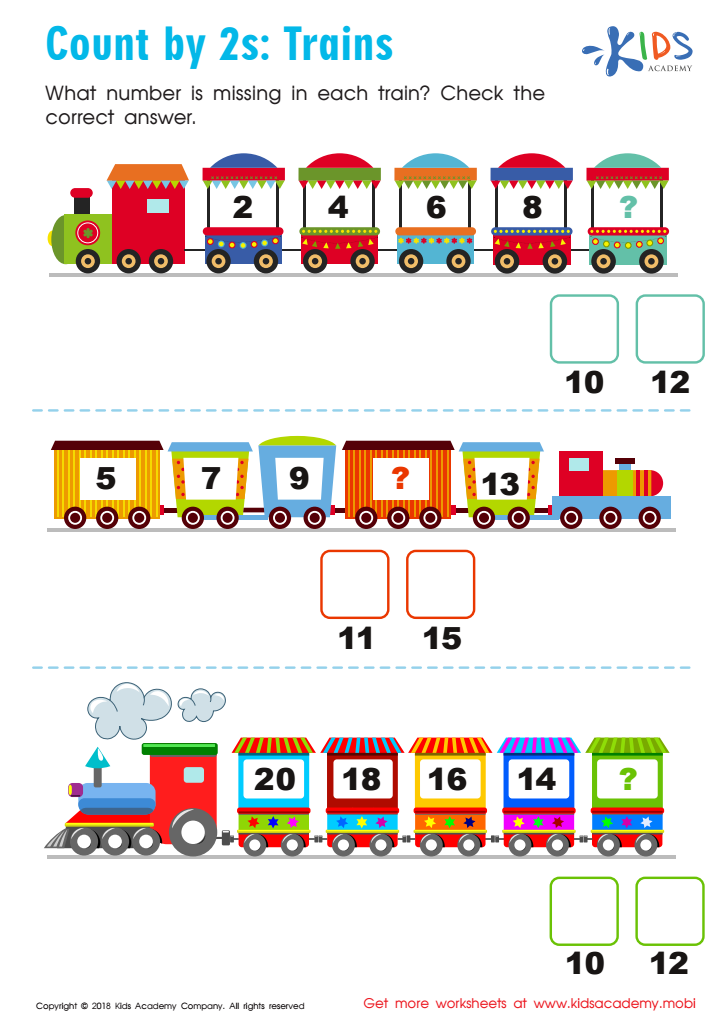
Count by 2's: Trains Worksheet
Teaching your kids quick computations? Get them skip-counting by 2s! They'll love filling in the colors of the train while counting, and it will help with 'counting up' or backward on paper or in their heads - essential for quick computations later.
Count by 2's: Trains Worksheet
Worksheet
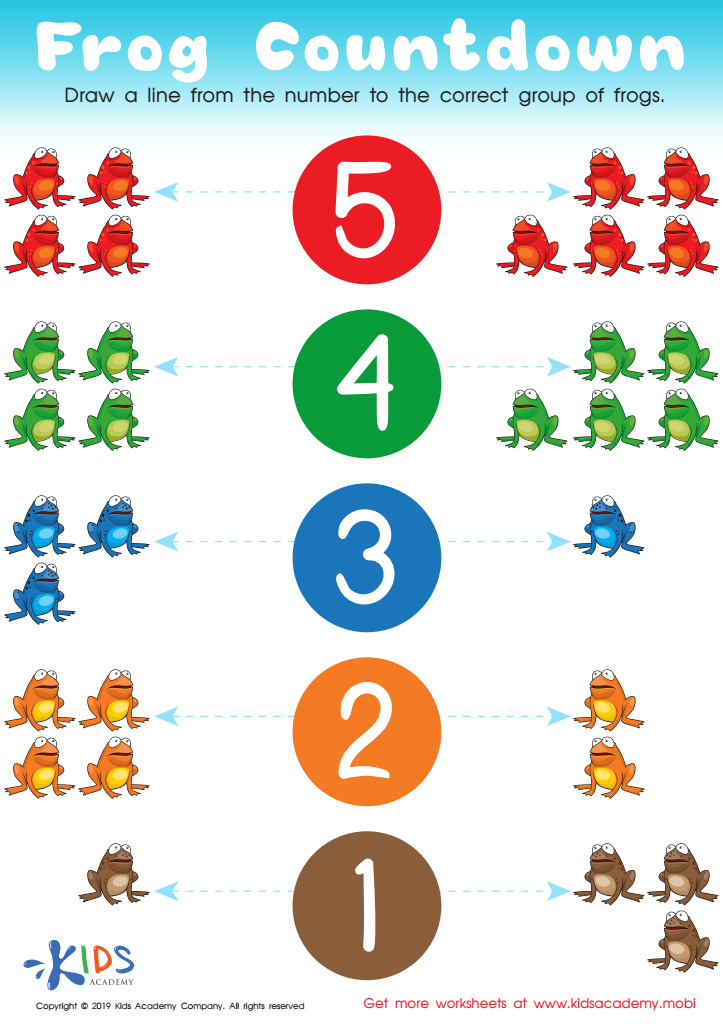
Frog Countdown Worksheet
Make learning fun for kids with traceable printouts! This exercise has kids counting frogs and drawing a line to match the number. Expand their knowledge with activities like this, beyond the basics they learn in school. Help them explore new ways of learning and make it enjoyable.
Frog Countdown Worksheet
Worksheet
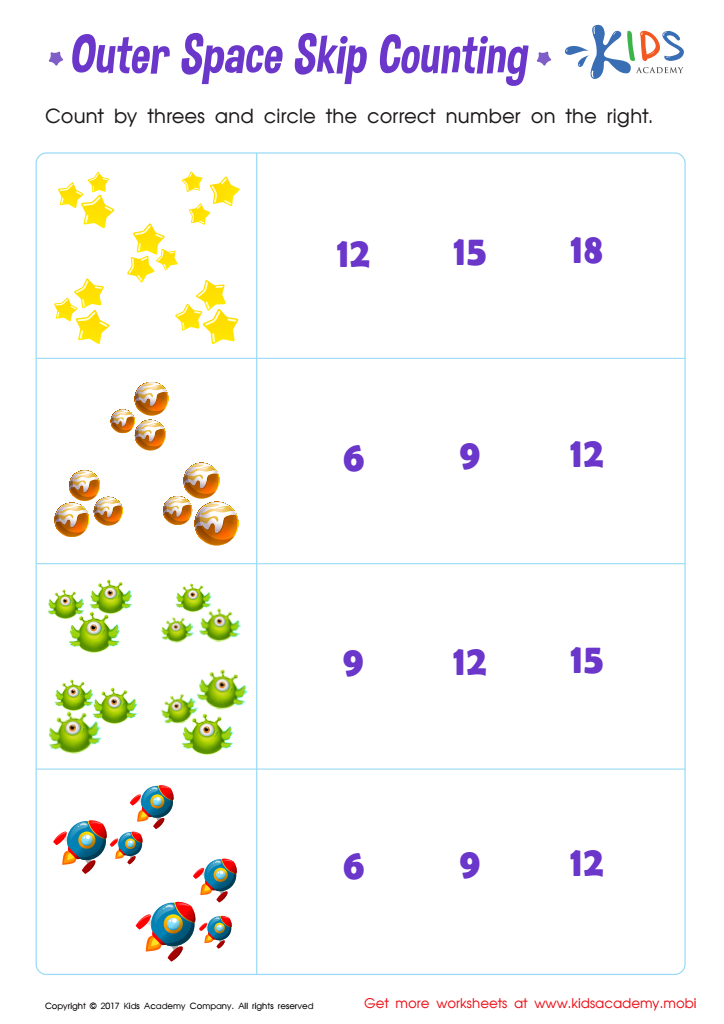
Skip Counting by 3s: Outer Space Skip Counting Printable
Want to set your child up for math success? Get them this printable worksheet that helps them practice counting in groups of 3’s, building a foundation for more advanced math skills. Skipping counting helps kids master logical reasoning and cognitive skills, making a connection between counting objects individually and in groups. The colorful images will keep them engaged and having fun - without realizing how hard they're working!
Skip Counting by 3s: Outer Space Skip Counting Printable
Worksheet
Join Kids Academy for Free
Who is primarily going to use this learning content?








Number sequencing and counting are essential skills for children aged 5-7, as they lay the groundwork for numerical literacy and overall mathematical understanding. At this critical developmental stage, mastering number sequences helps kids grasp the order and relationship between numbers, which is a cornerstone for advanced math topics like addition, subtraction, and even multiplication and division later on.
For parents and teachers, fostering these skills is crucial not just academically but also for practical day-to-day tasks. Children who are confident with number sequences are better prepared to tackle real-world problems, such as telling time, counting money, or measuring ingredients in a recipe. This boosts their practical life skills and independence.
Moreover, engaging kids in number sequencing activities stimulates their cognitive development, enhancing concentration, memory, and logical thinking. Fun, interactive number games can also make learning enjoyable, promoting a positive attitude towards mathematics and school in general.
Ultimately, by giving attention to number sequencing and counting during these formative years, parents and teachers are not just teaching math—they are empowering children with the skills and confidence to successfully navigate the world around them. This early investment in numerical skills paves the way for more complex mathematical learning and fosters a lifelong appreciation for the subject.








