Understanding Sequences Numbers Worksheets for Ages 5-7
5 filtered results
-
From - To
Discover our "Understanding Sequences Numbers Worksheets" designed for children aged 5-7! These engaging worksheets help young learners grasp the concept of number sequences through fun and interactive activities. With colorful visuals and age-appropriate challenges, kids will enjoy identifying patterns, filling in missing numbers, and enhancing their counting skills. Our resources promote critical thinking and problem-solving, making math enjoyable and approachable. Perfect for homeschooling or classroom use, these worksheets lay a foundational understanding of sequences while boosting confidence in math. Explore our collection and support your child's early math journey today!
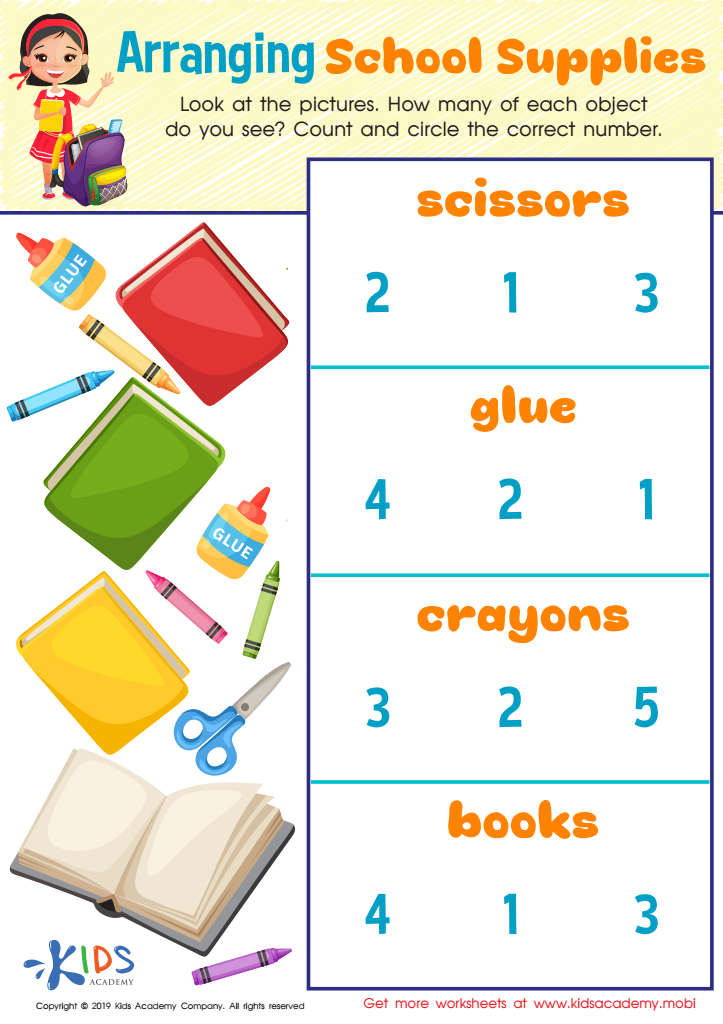
Arranging School Supplies Worksheet
 Assign to My Students
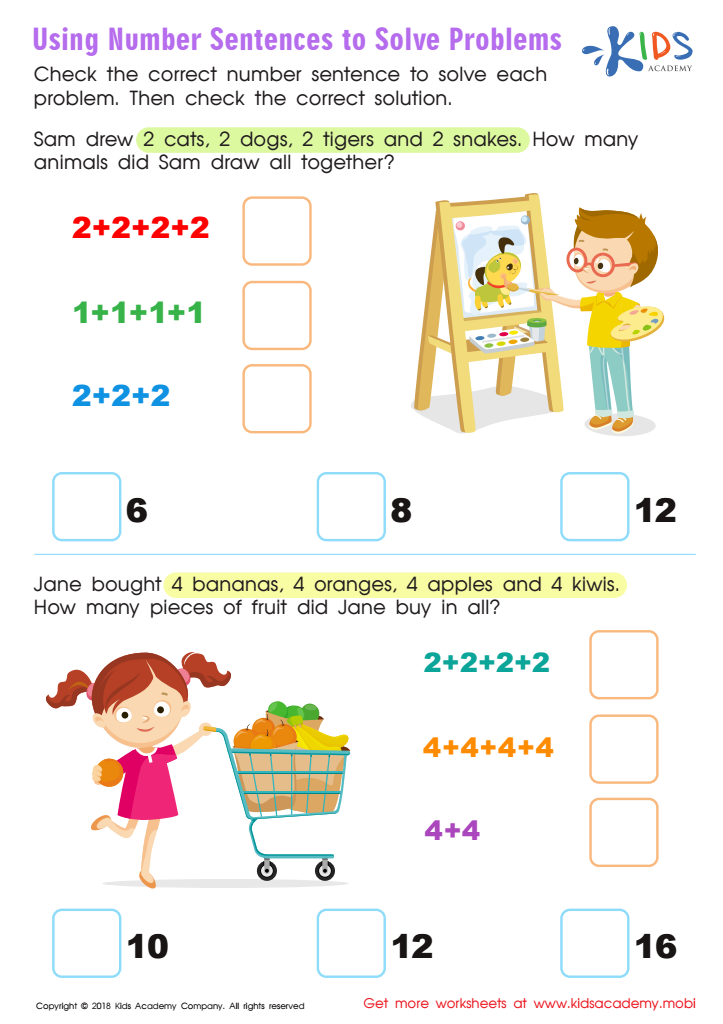
Using Number Sentences to Solve Problems Worksheet
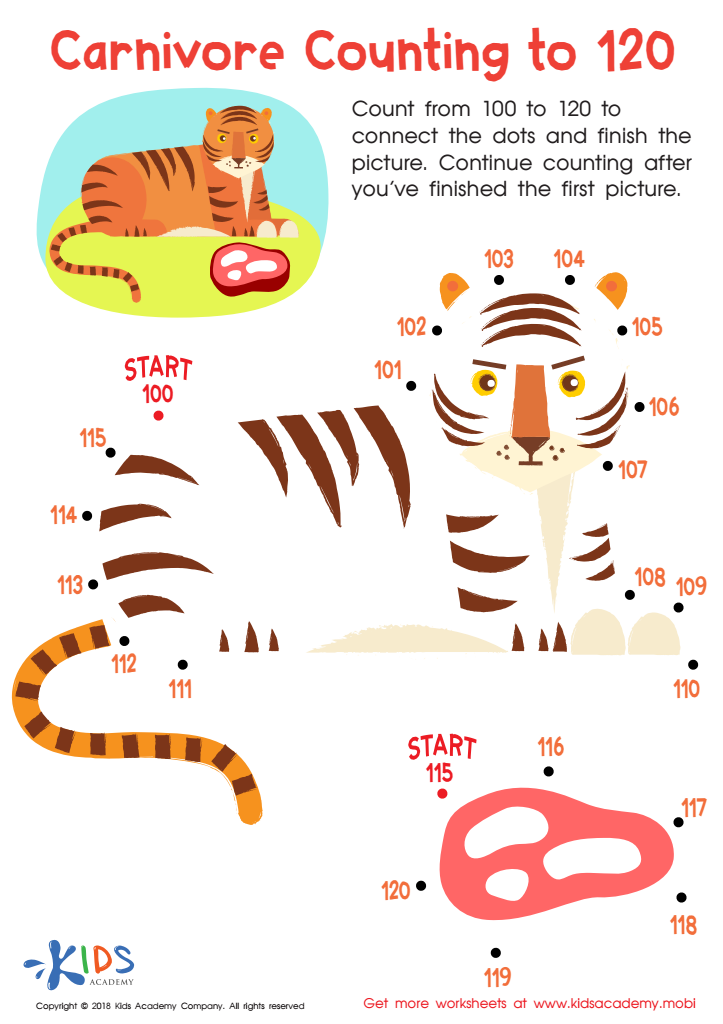
Carnivore Counting to 120 Worksheet
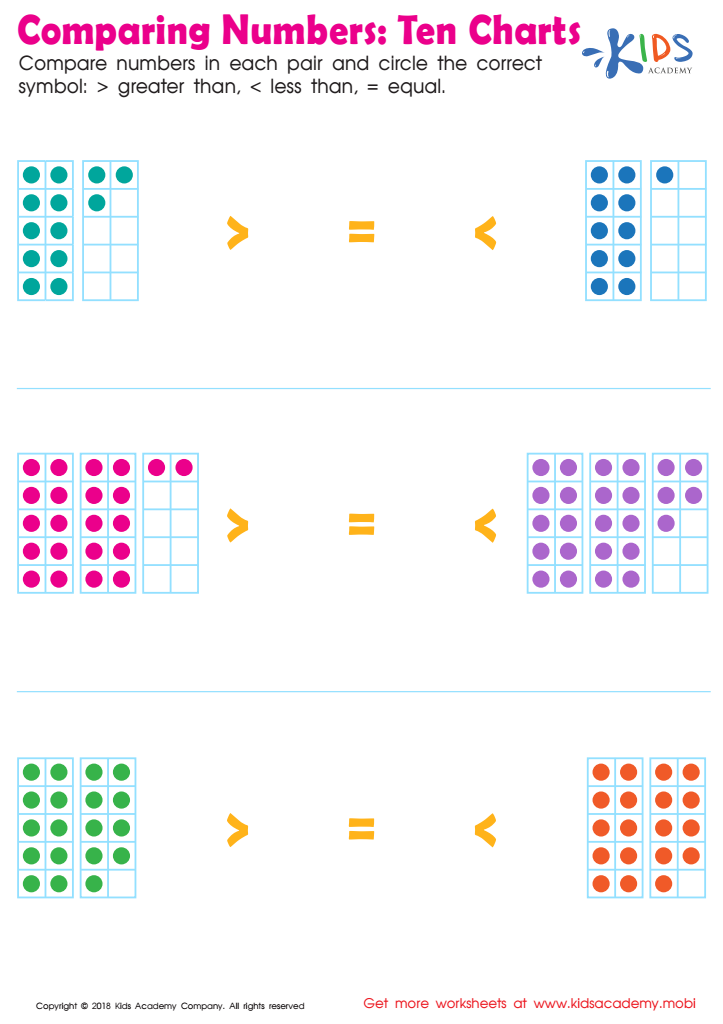
Ten Charts Worksheet
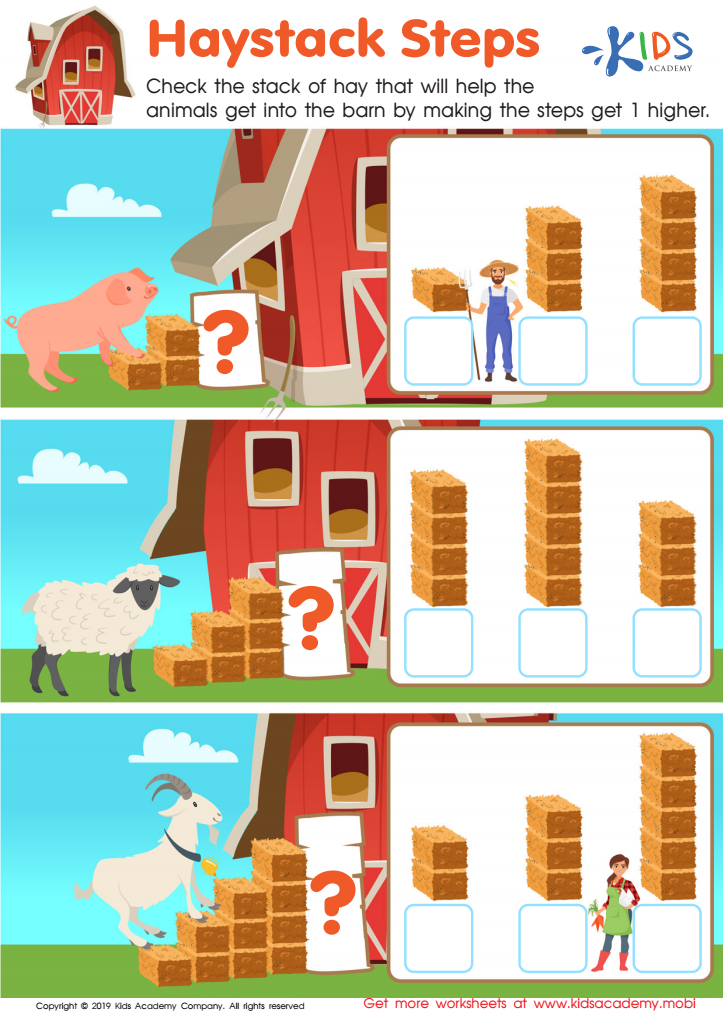
Haystack Steps Worksheet








Understanding sequences of numbers is a fundamental skill that offers significant benefits for children aged 5-7. At this crucial developmental stage, mastering number sequences lays the groundwork for future mathematical concepts. It helps children recognize patterns, which are essential not only in math but also in reading and problem-solving. For instance, understanding sequences enables children to predict what comes next in a series, which sharpens their analytical thinking.
Moreover, grasping sequences fosters cognitive development. It encourages young learners to think critically about organization and order, skills that are transferable across various areas of learning and life. This early foundation also supports more advanced concepts, such as addition and subtraction, as children learn to understand the relationship between numbers.
Additionally, sequences can be easily incorporated into fun and interactive activities, making learning enjoyable. Whether through songs, storytelling, or games, parents and teachers can engage children in discovering sequences in everyday life, enhancing motivation.
Ultimately, fostering an understanding of number sequences not only equips children with vital math skills but also promotes broader cognitive and social development, establishing a strong foundation for their educational journey. Investing time in this skill today pays off with increased confidence and competence in mathematics tomorrow.








