Numeracy skills Math Worksheets for Ages 5-7
11 filtered results
-
From - To
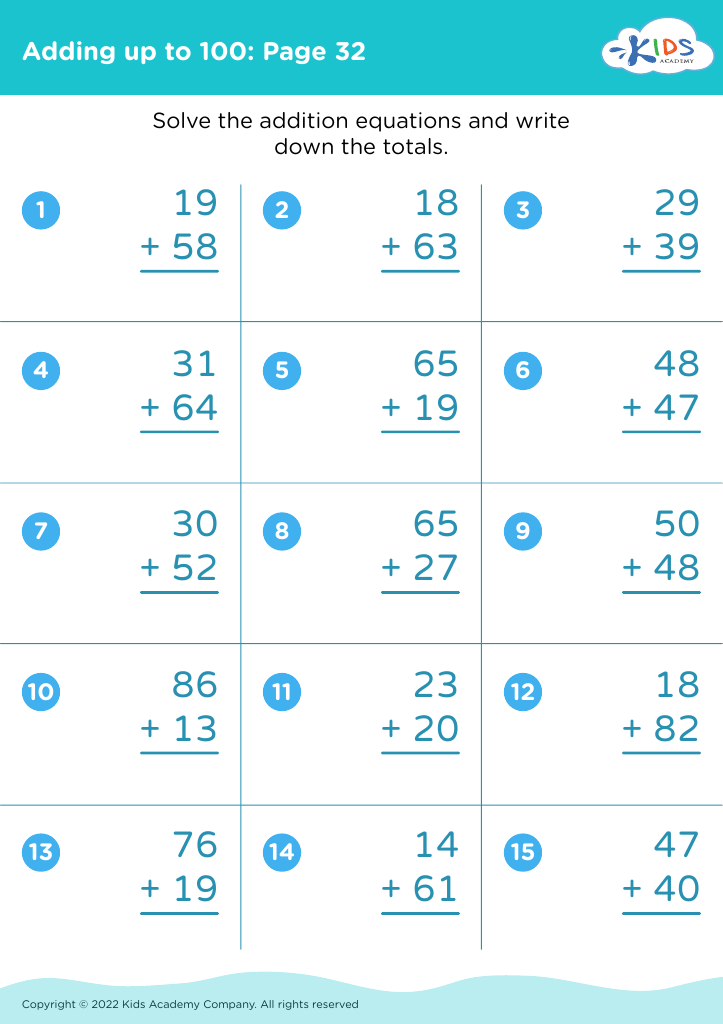
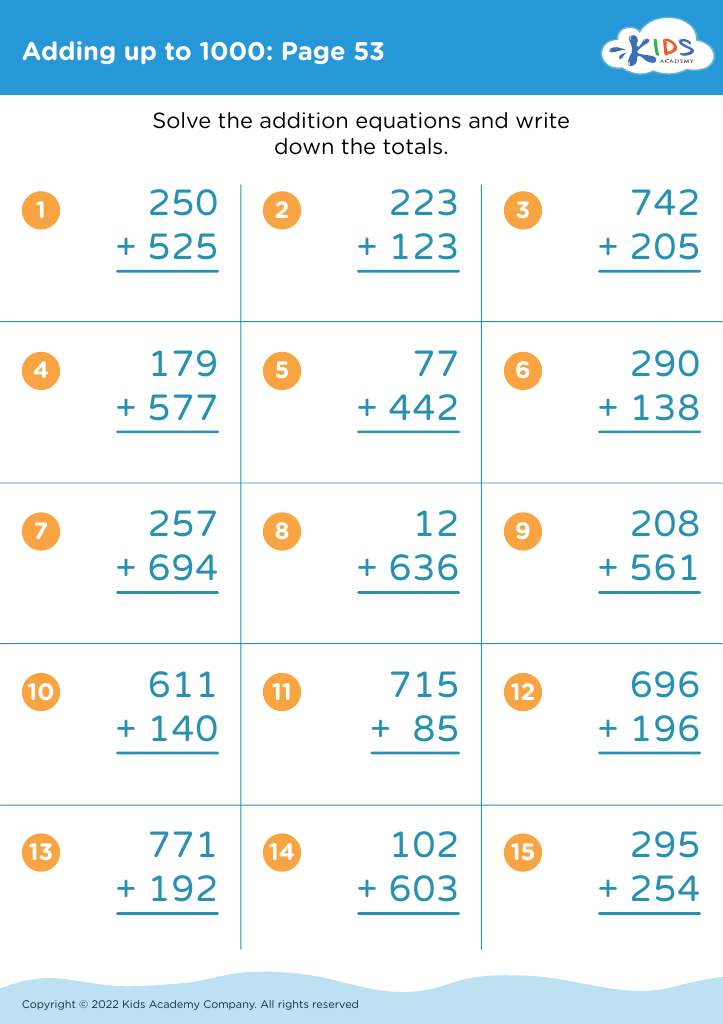
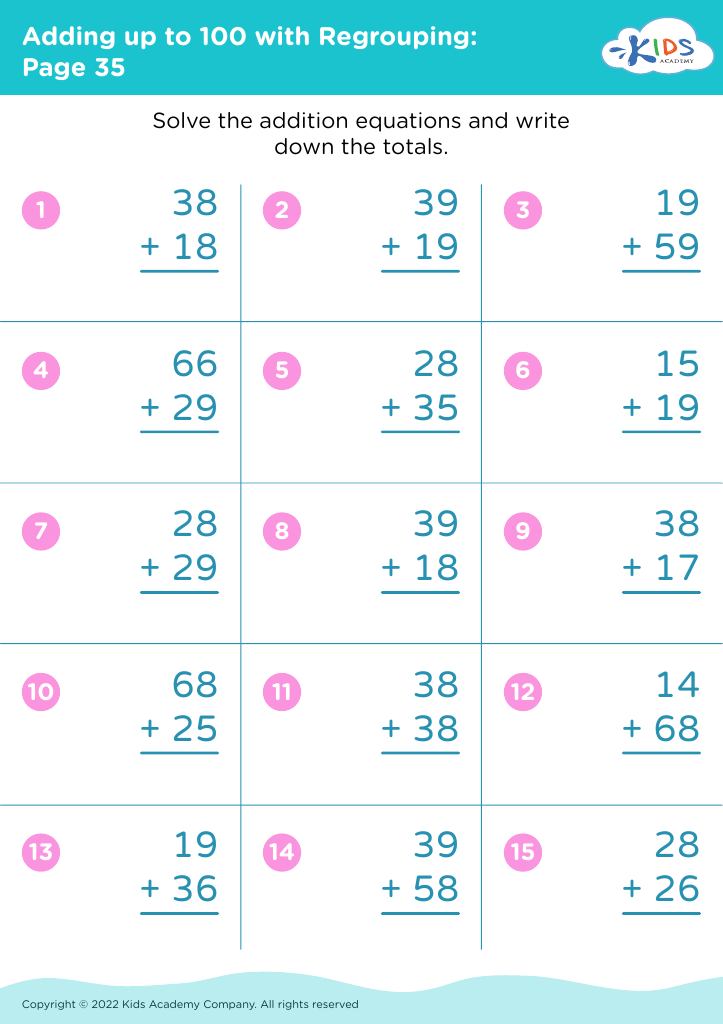
Unlock your child's potential with our engaging Numeracy Skills Math Worksheets specifically designed for ages 5-7. These worksheets focus on building foundational math concepts through fun activities and exercises tailored to young learners. From counting and number recognition to basic addition and subtraction, our resources promote vital skills that set the stage for future academic success. Each worksheet encourages critical thinking and problem-solving while making learning enjoyable. Perfect for home or classroom use, our printable worksheets support diverse learning styles and help children gain confidence in their math abilities. Explore our collection today and watch your child thrive in numeracy!
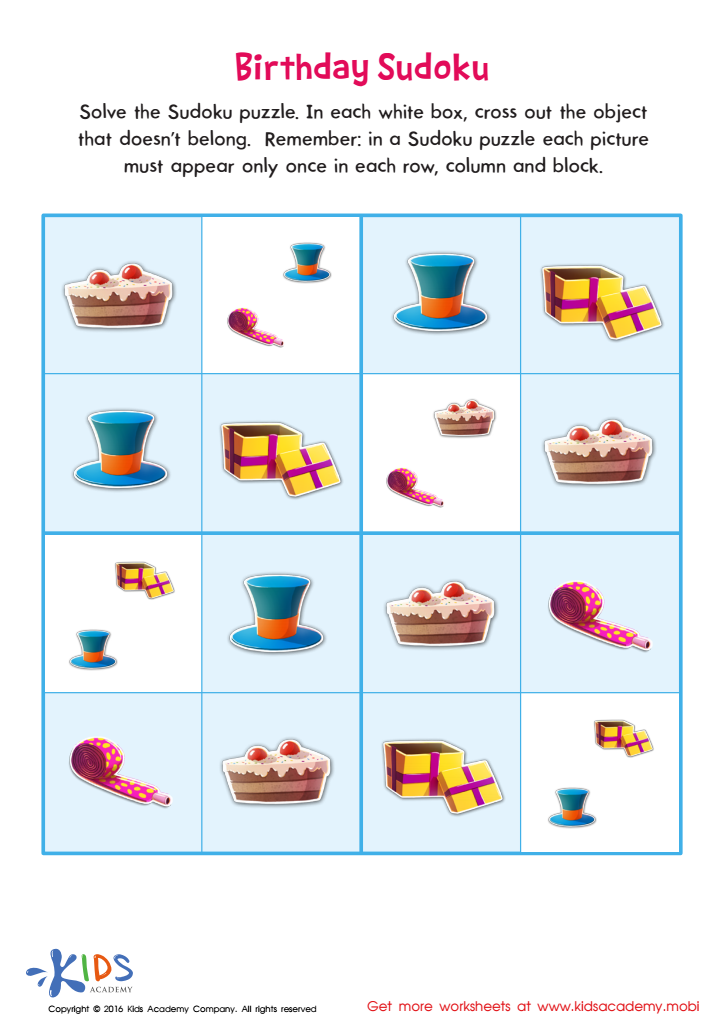
Birthday Sudoku Sorting Worksheet
 Assign to My Students
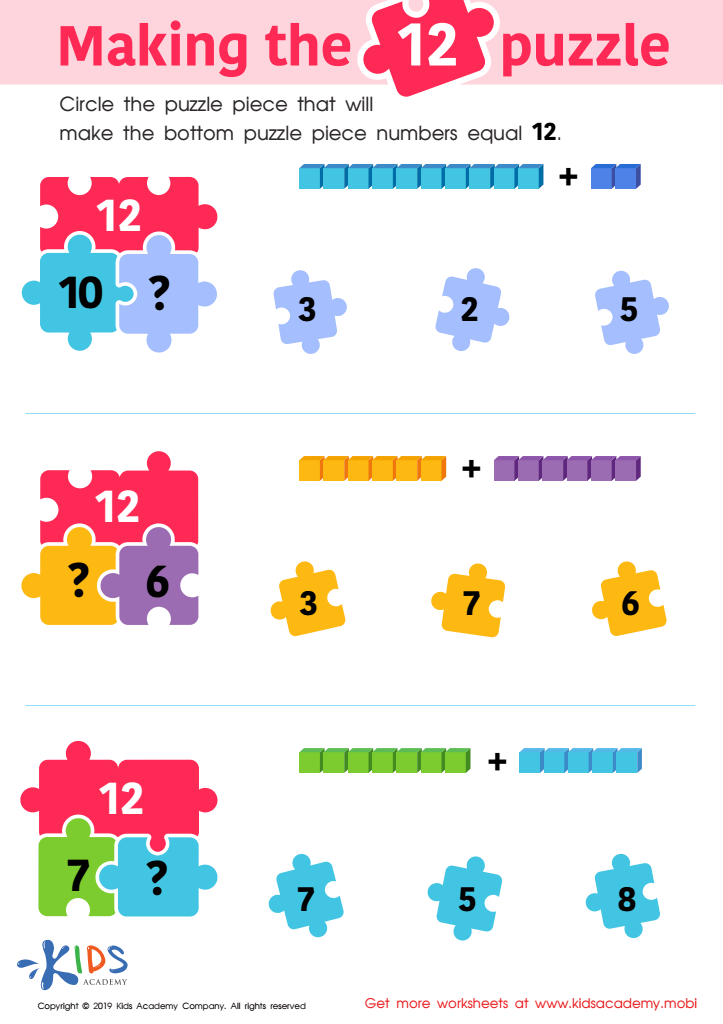
Making the 12 Puzzle Worksheet
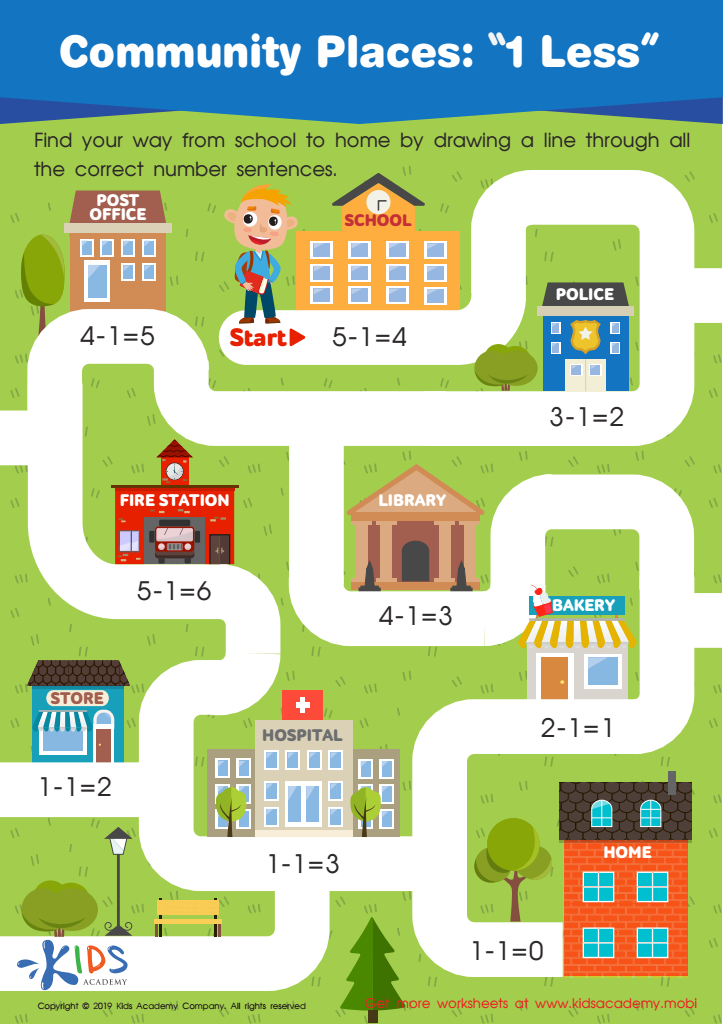
Community Places: 1 Less Worksheet








Numeracy skills are foundational for young learners aged 5-7 and play a crucial role in their overall development and future academic success. First, early math skills help children develop critical thinking and problem-solving abilities, which are essential not only in math but across subjects. Understanding numbers, counting, and basic operations forms the basis for more complex mathematical concepts they will encounter later.
Moreover, numeracy skills encourage logical reasoning and spatial awareness, enabling kids to make connections between the world around them and mathematical concepts. For instance, they learn to measure, compare, and recognize patterns, which foster analytical skills. Additionally, strong numeracy skills enhance confidence and self-esteem, as children gain mastery over tasks that challenge them.
Furthermore, numeracy plays a vital role in everyday life—children will use math for practical tasks, such as cooking recipes, managing allowances, or planning schedules. Parents and teachers should care about developing numeracy skills in young children to prepare them not only for academic success but also for real-world situations. By prioritizing early math education, caregivers can ensure that children build a robust mathematical foundation that supports lifelong learning and effective decision-making skills.








