Visual perception improvement Math Worksheets for Ages 5-7
14 filtered results
-
From - To
Unlock your child's full potential with our Visual Perception Improvement Math Worksheets designed for ages 5-7. These expertly crafted worksheets enhance number recognition, counting skills, and spatial awareness by engaging young minds in fun, interactive activities. Perfect for kindergarten and first-grade students, our worksheets promote critical thinking and fine motor skills essential for early math success. With vibrant visuals and engaging exercises, your child will develop keen observation and problem-solving abilities. Nurture a love for learning and set the stage for future academic achievements with our Visual Perception Improvement Math Worksheets today!
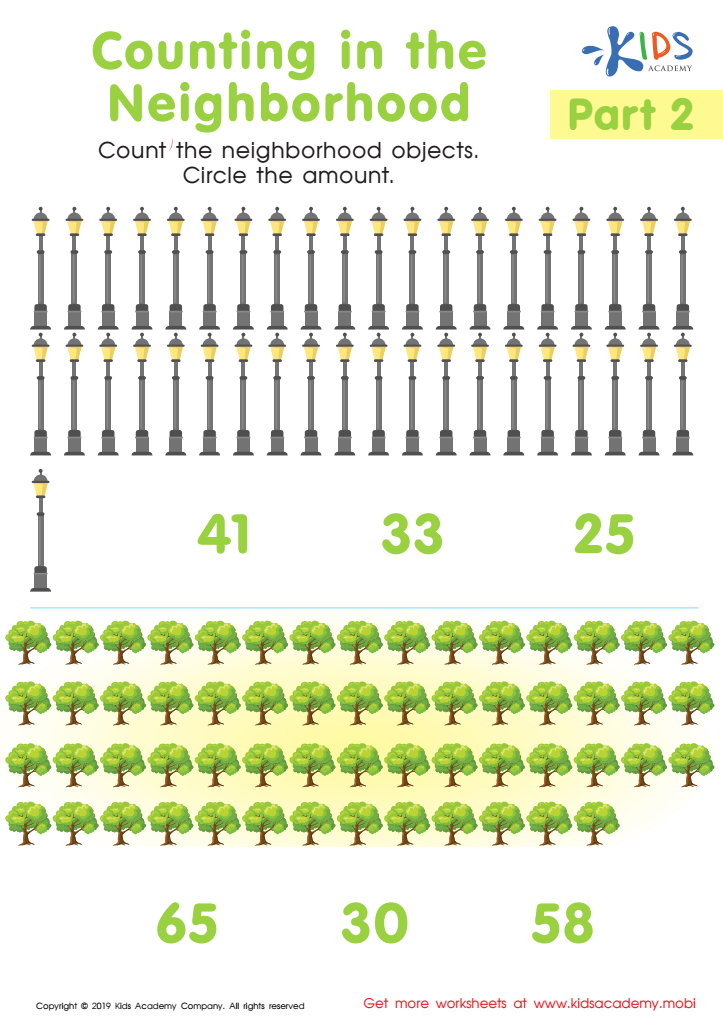
Counting In The Neighborhood Part 2 Worksheet
 Assign to My Students
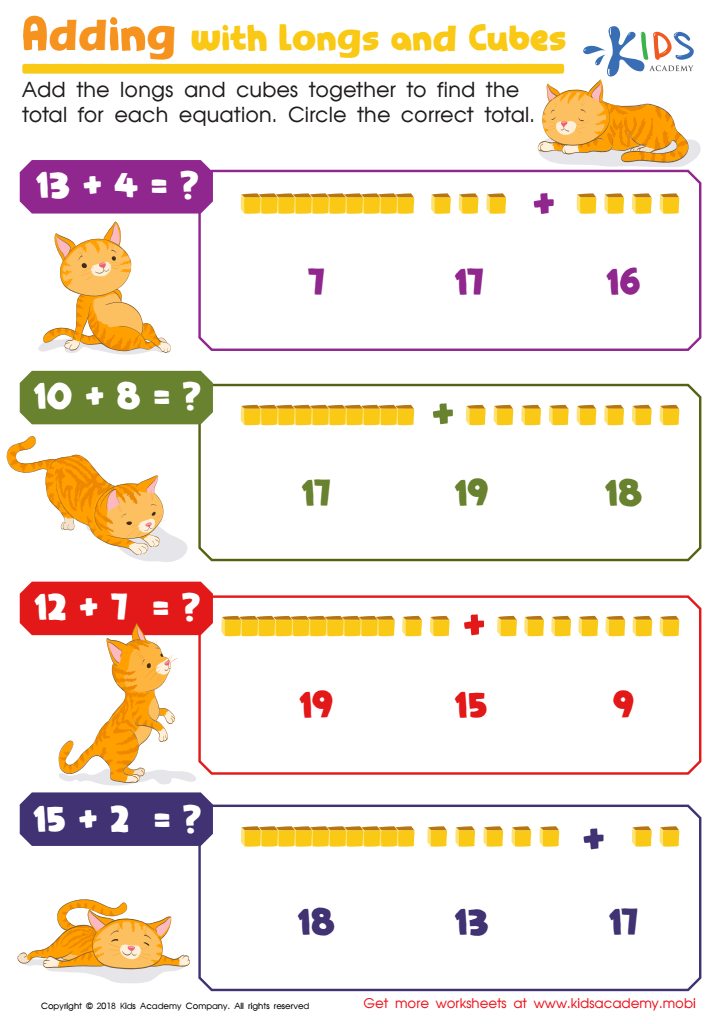
Adding With Longs and Cubes Worksheet
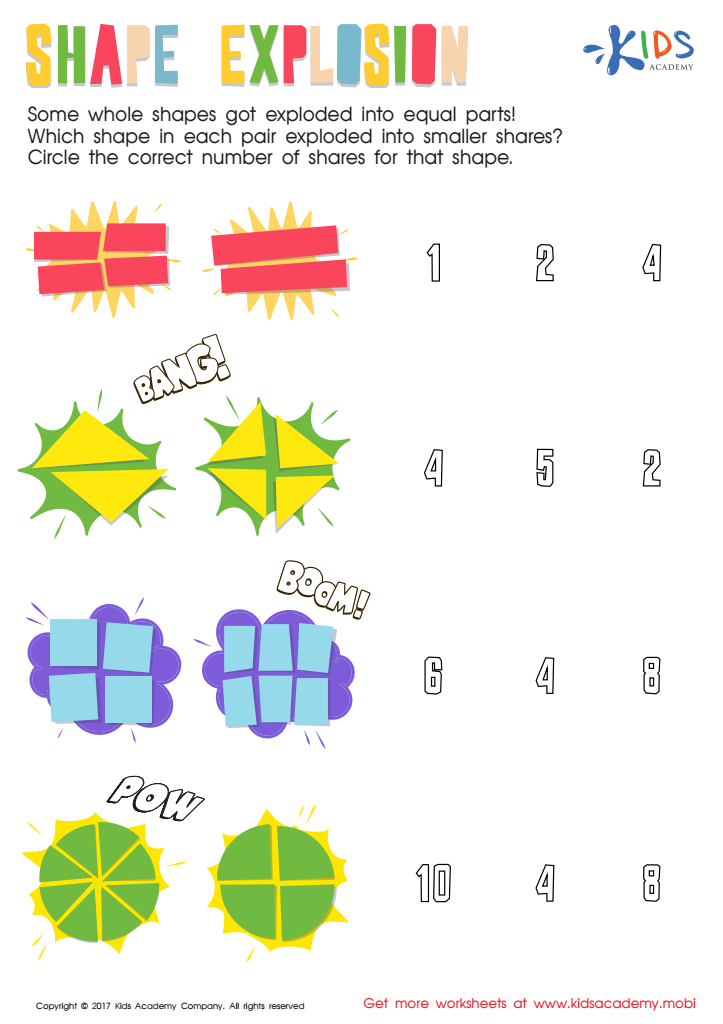
Shape Explosion Worksheet
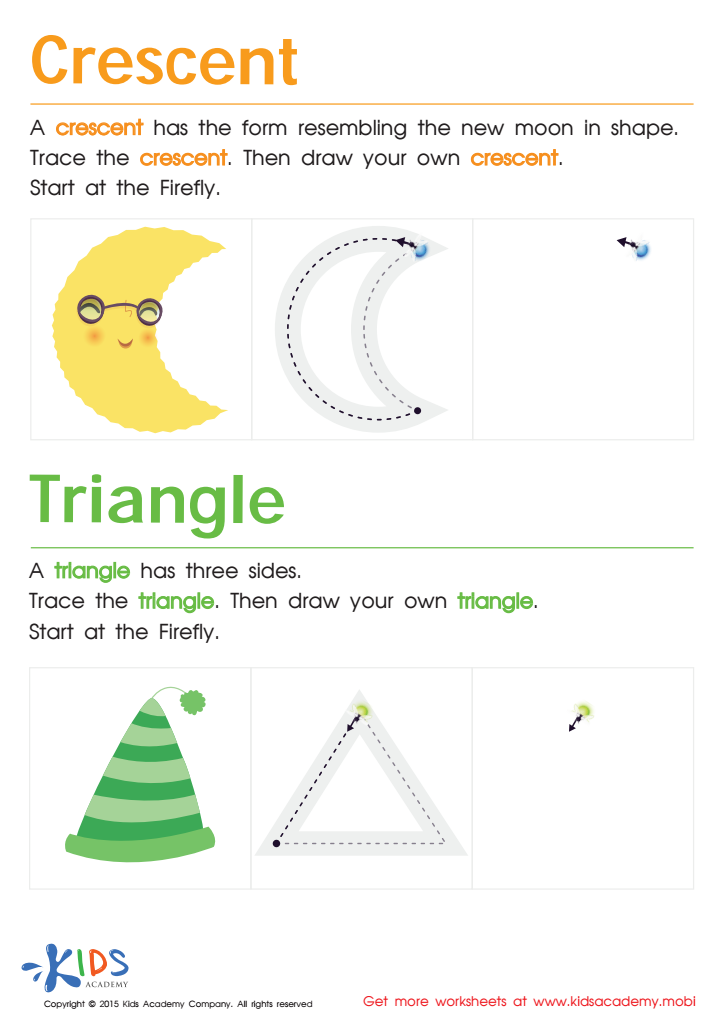
Learning to Draw Crescents And Triangles Worksheet
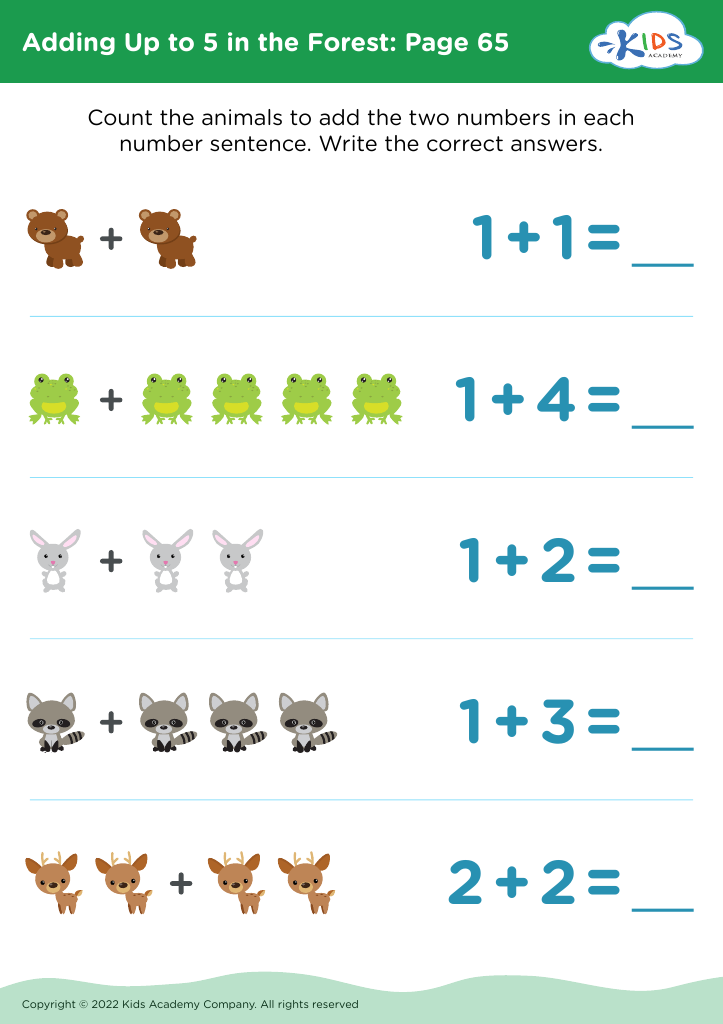
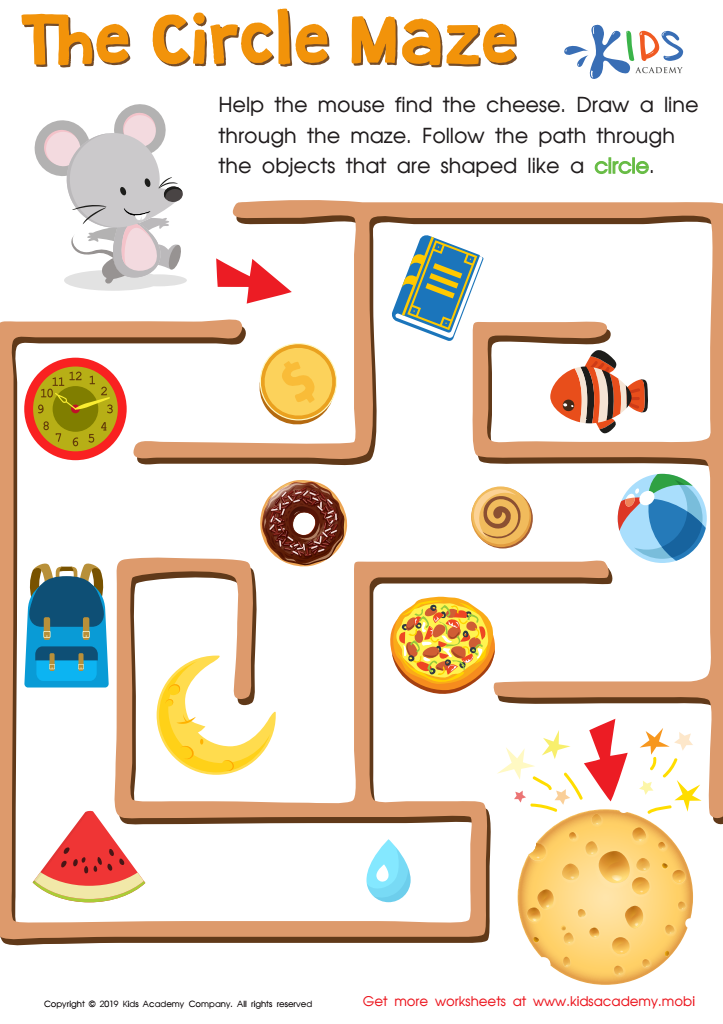
The Circle Maze Worksheet
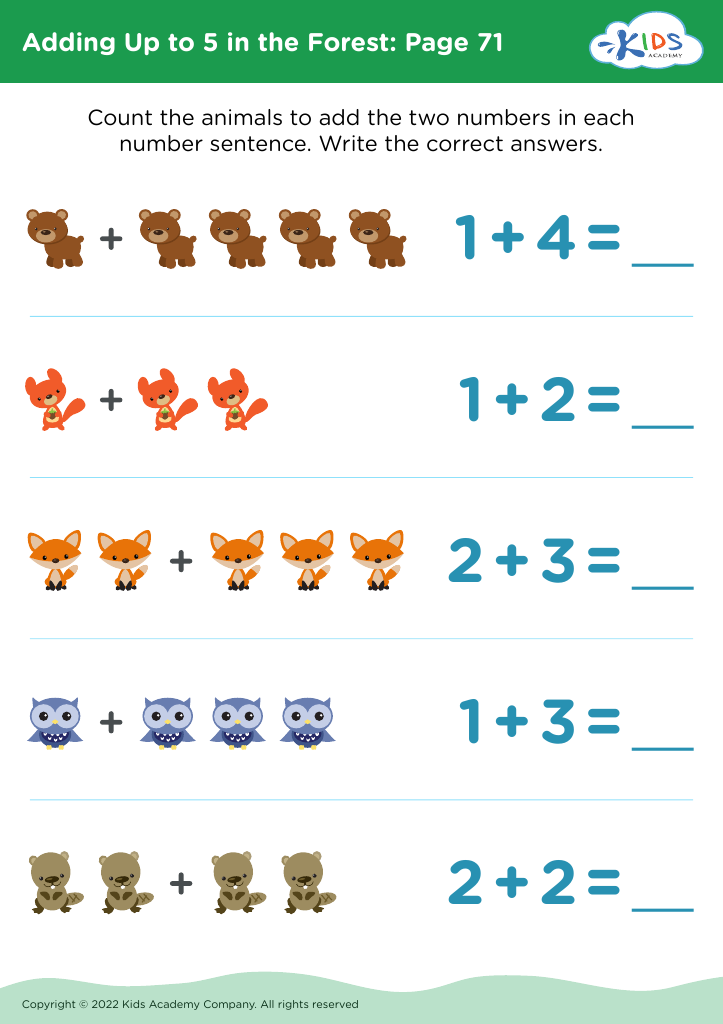
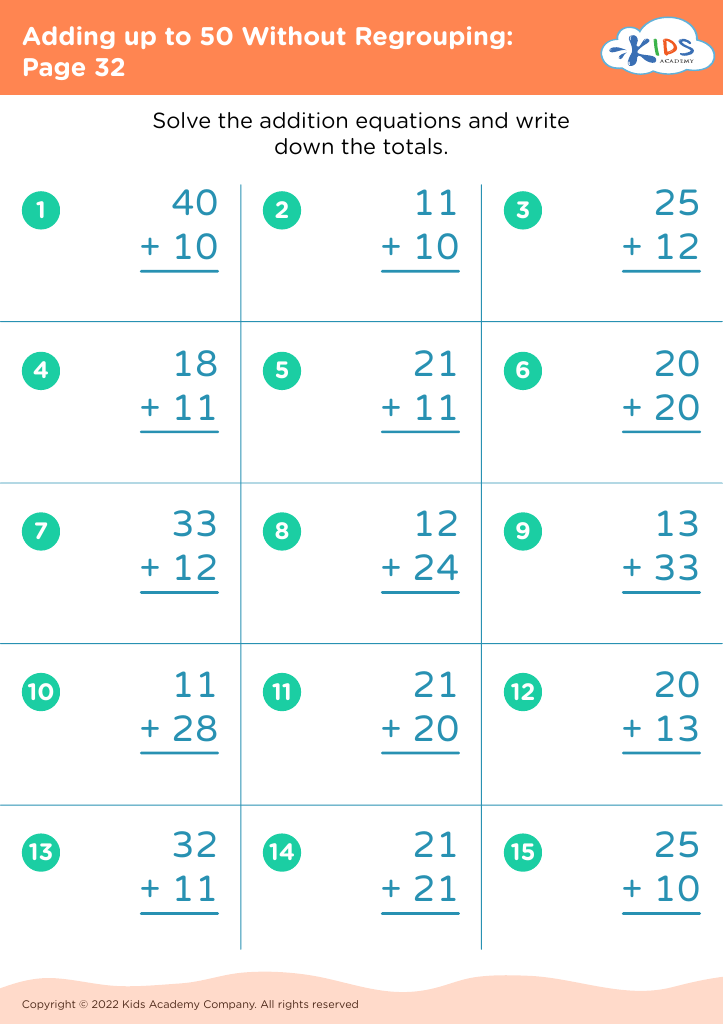
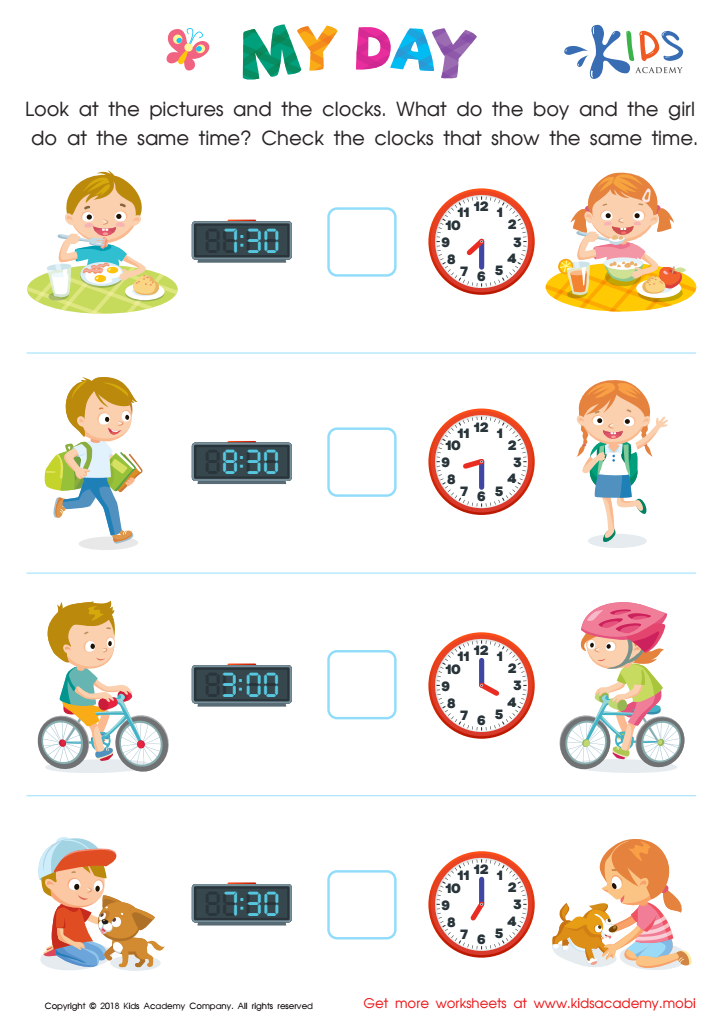
My Day Worksheet
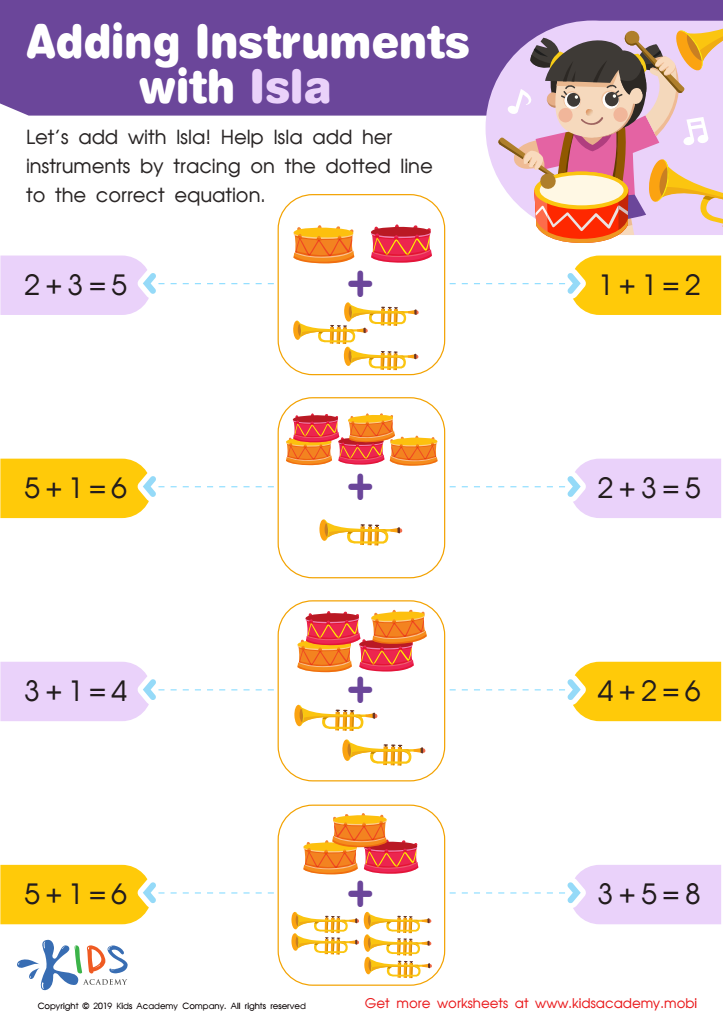
Adding Instruments with Isla Worksheet







Parents and teachers should care about visual perception improvement in math for children aged 5-7 because it is crucial for their cognitive and academic development. Visual perception entails the ability to interpret and understand visual information from the surrounding environment. It is foundational in recognizing shapes, patterns, and spatial relationships, which are key components of early math skills.
At this developmental stage, children learn through visual stimulation, and their ability to differentiate among numbers, symbols, and geometric shapes is directly linked to their visual perceptual skills. Improving these skills can enhance their ability to solve math problems, understand complex concepts, and retain information more effectively. For example, distinguishing between "6" and "9" or recognizing that different patterns can contain the same amount of objects aids in pre-numeric concept acquisition.
Moreover, strong visual perception skills contribute to better hand-eye coordination, memory, and attention span. These benefits spill over into other learning areas and everyday activities. For children facing difficulties in this area, early intervention can prevent potential learning disabilities, thereby supporting a smoother academic journey.
By fostering visual perception through targeted activities and games, parents and teachers can build a solid foundation, leading to greater confidence, interest, and proficiency in math and other vital subjects. The dividends of such support are likely to manifest in improved academic performance and enriched problem-solving abilities.








