Color recognition Matching Worksheets for Ages 5-7
3 filtered results
-
From - To
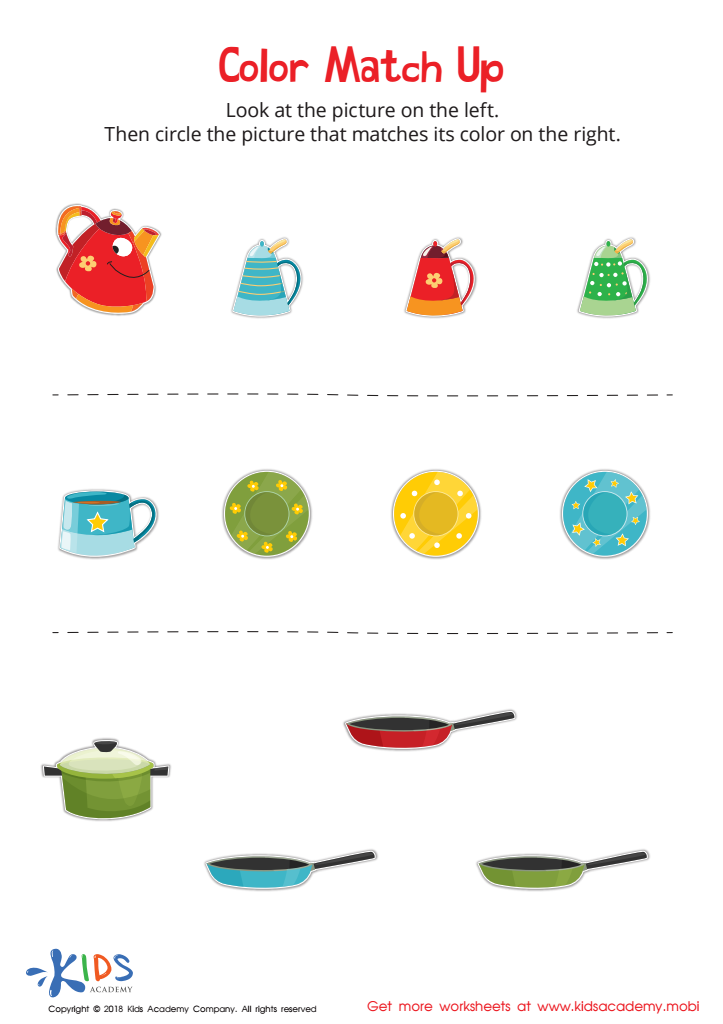
Unlock a world of vibrant learning with our Color Recognition Matching Worksheets for ages 5-7! Specially designed by educational experts, these engaging printables boost young learners' ability to identify and match colors. By integrating fun puzzles and activities, our worksheets make color recognition an exciting adventure. Kids will enhance their cognitive and fine motor skills as they complete each colorful challenge. Perfect for both classroom and at-home learning, these printable worksheets provide a solid foundation for future success in math and other subjects. Ignite your child's passion for learning with our expertly crafted Color Recognition Matching Worksheets!
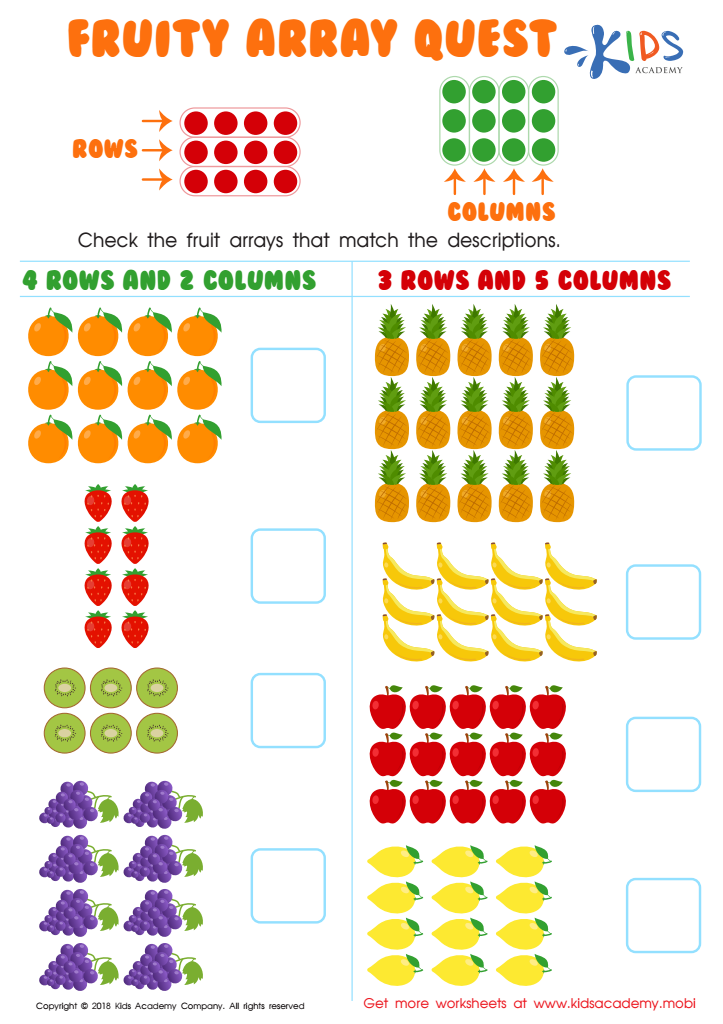
Fruity Array Quest Worksheet
 Assign to My Students
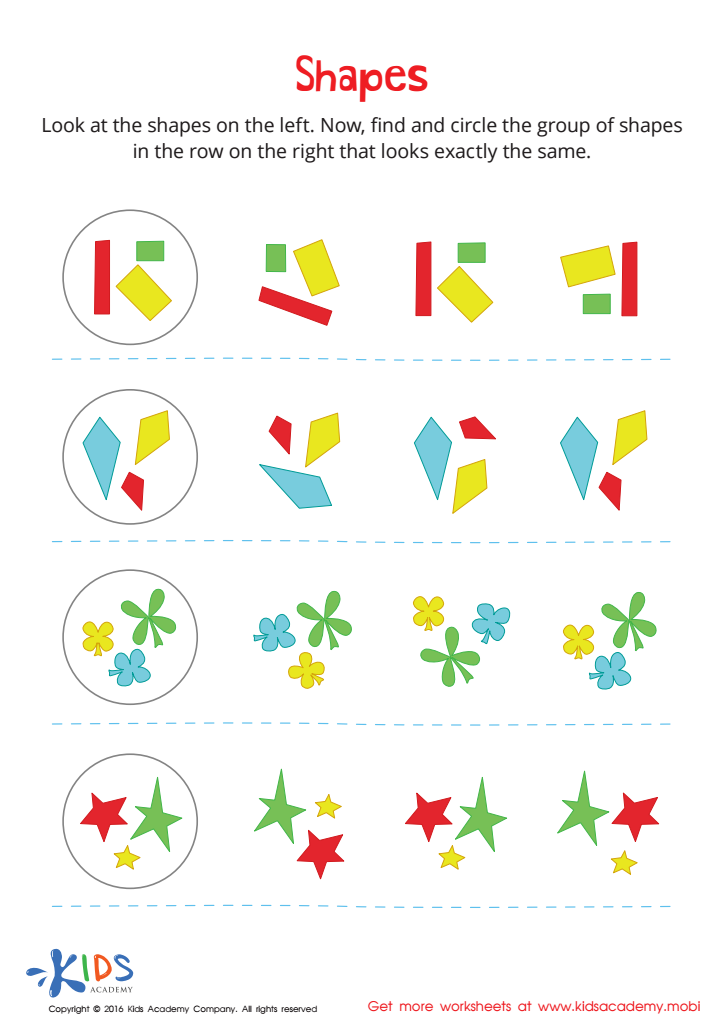
Shapes Worksheet





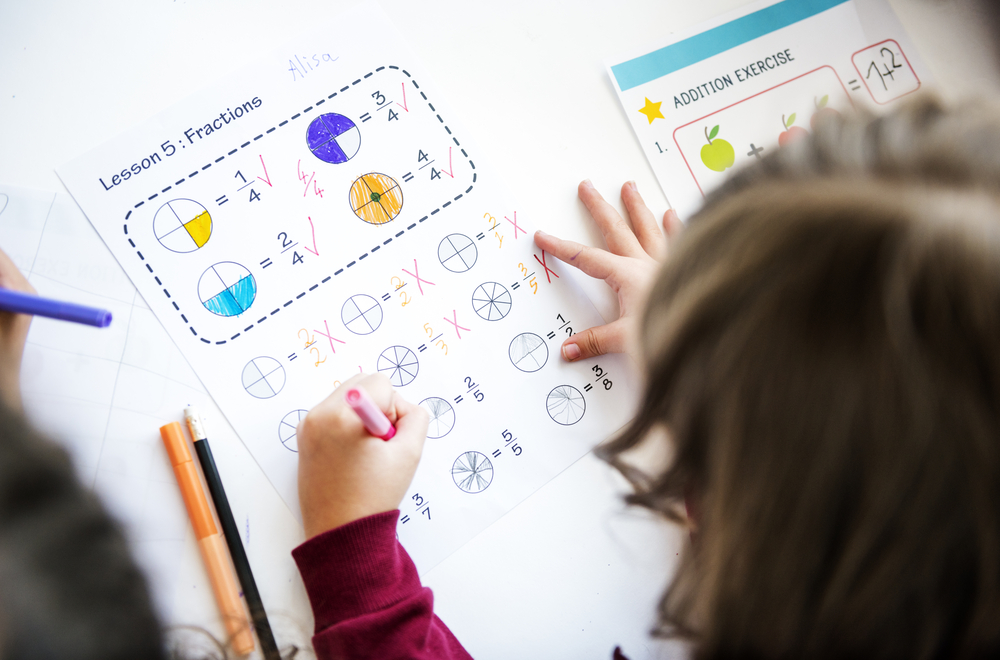

Color recognition and matching play a fundamental role in the early developmental stages of children aged 5-7, providing a building block for cognitive and academic growth. Parents and teachers should care about this skill because it enhances language development, as naming colors naturally extends a child's vocabulary. Engaging in color identification activities sharpens a child's memory and observational skills, making them more adept at noticing details in their environment.
Beyond cognitive development, color recognition aids in emotional and social learning. Young children often use color to express feelings and preferences, fostering self-expression and communication. Educators can utilize color-coded systems to help children follow instructions and organize their work, thereby enhancing their ability to understand and interact with structured learning environments.
Furthermore, mastering color matching contributes to foundational math and reading skills. It helps children in sorting, classifying, and sequencing, which are essential skills in both mathematics and literacy. For example, recognizing patterns and differences in colors can translate into understanding patterns and relationships between objects and numbers.
Incorporating color recognition activities into early education helps to create an engaging, multifaceted approach to learning that supports not just intellectual growth but also emotional, social, and academic development, setting a well-rounded foundation for future education.








