Number Recognition Word Problems Worksheets for Ages 5-7
18 filtered results
-
From - To
Introducing Number Recognition Word Problems Worksheets for Ages 5-7! Enhance your child's math skills with our engaging and educational worksheets designed specifically for young learners. These worksheets focus on number recognition through fun and practical word problems that encourage critical thinking and problem-solving. Perfect for early grade students, our worksheets are crafted to build a strong foundation in math by combining learning and play. Watch your child confidently identify numbers while improving their comprehension and analytical abilities. Ideal for both classroom and home use, these worksheets are a valuable resource for fostering early math success.
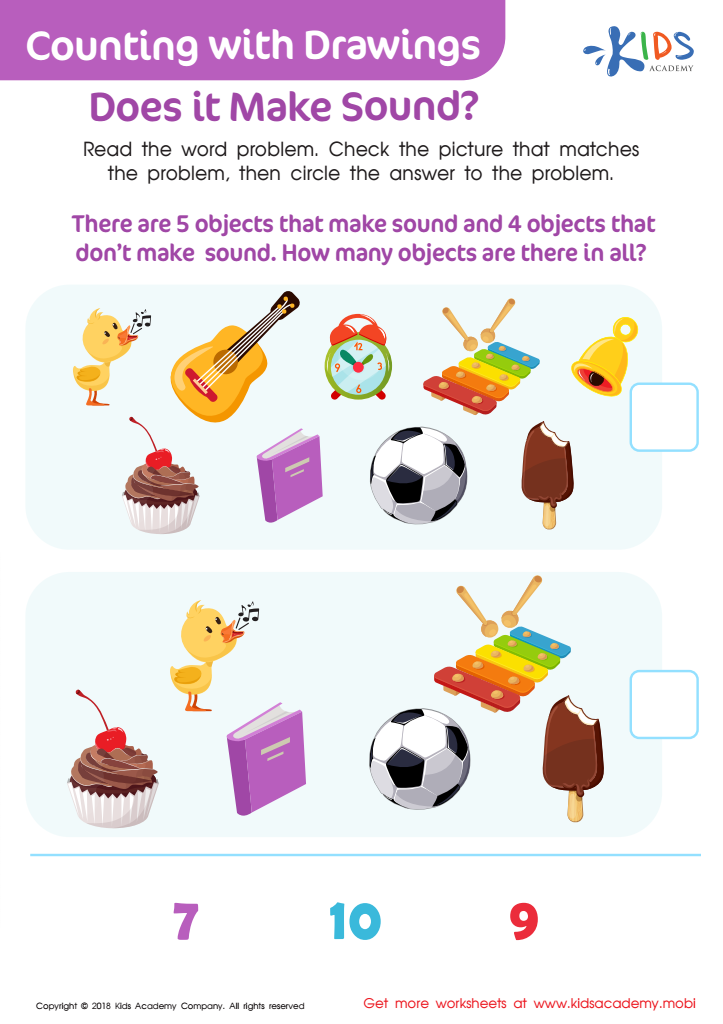
Counting With Drawings. Does It Make Sound? Worksheet
 Assign to My Students
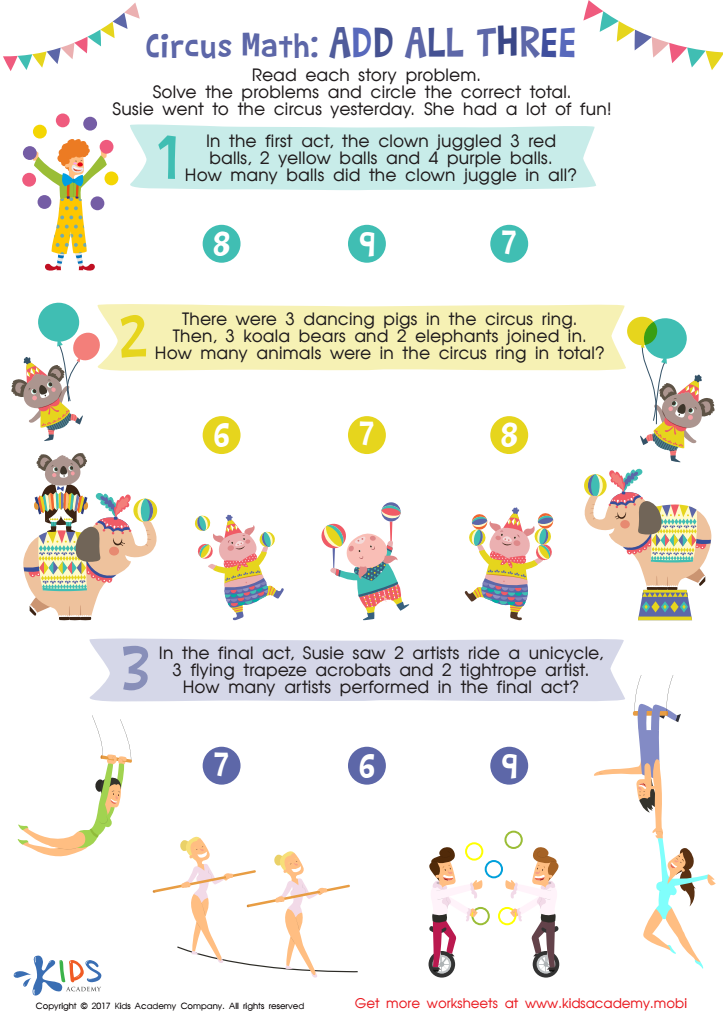
Circus Math Printable
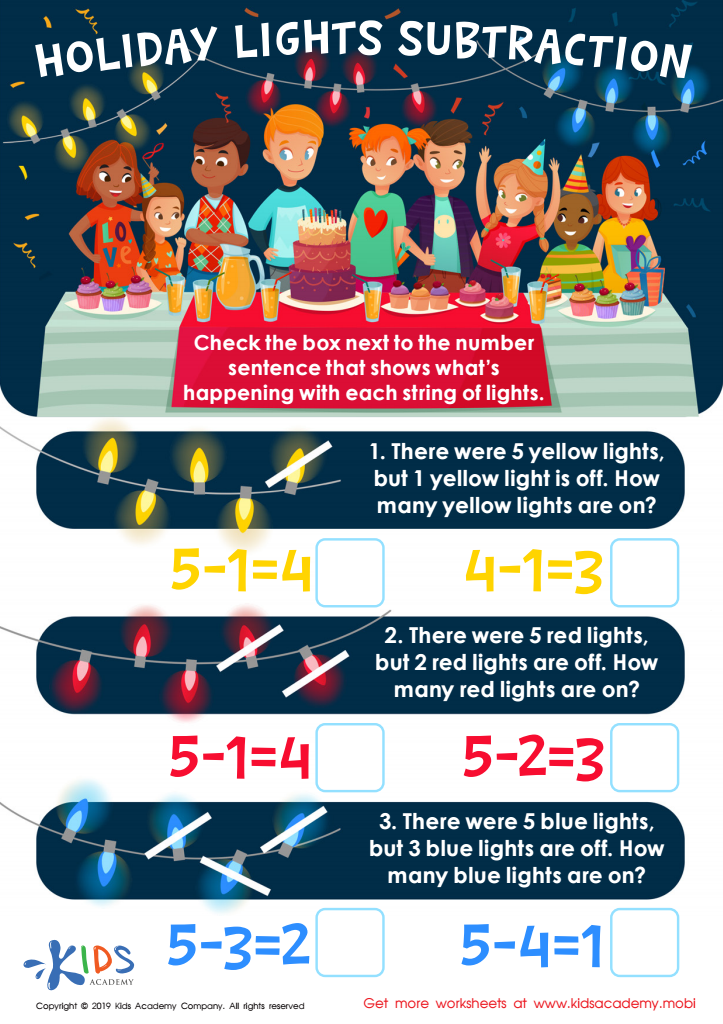
Holiday Lights Subtraction Worksheet
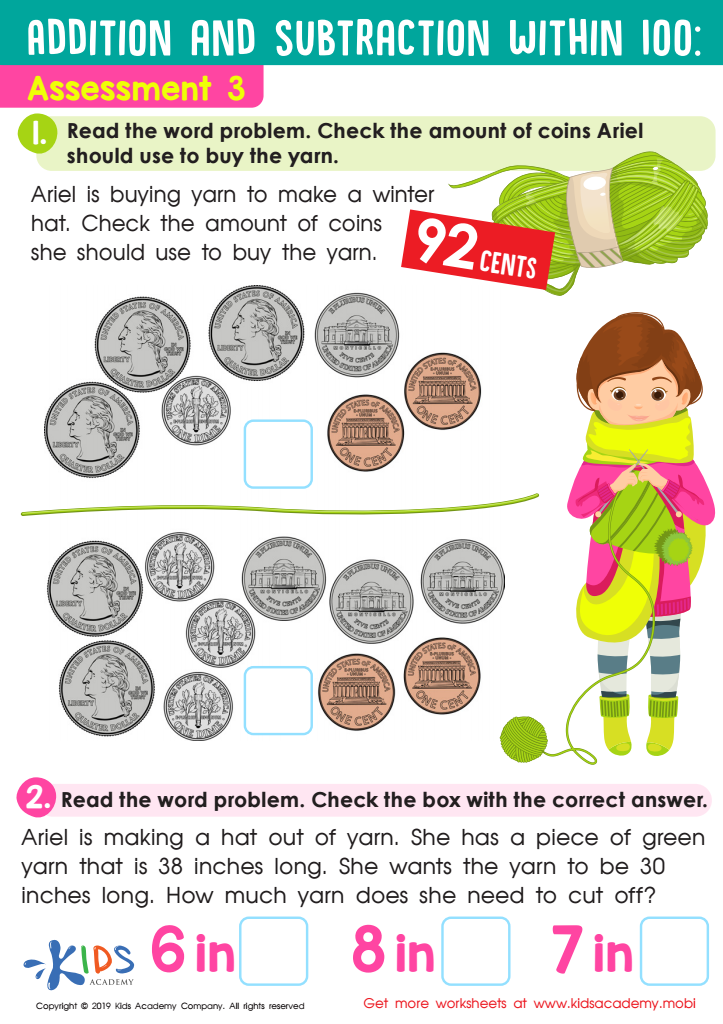
Assessment 3 Math Worksheet
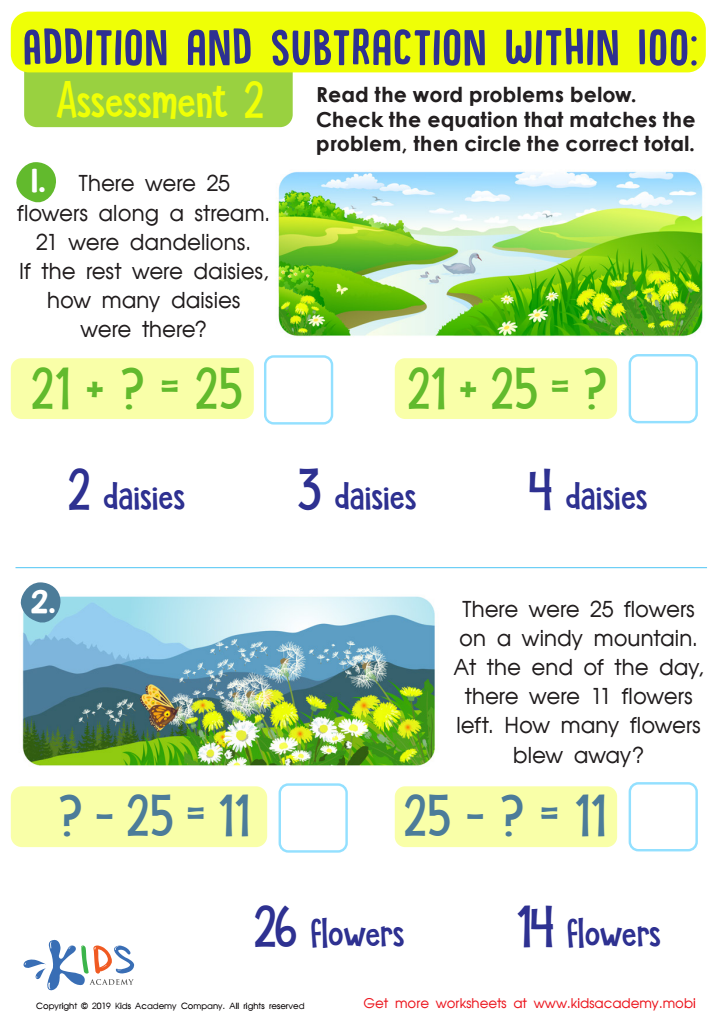
Assessment 2 Math Worksheet
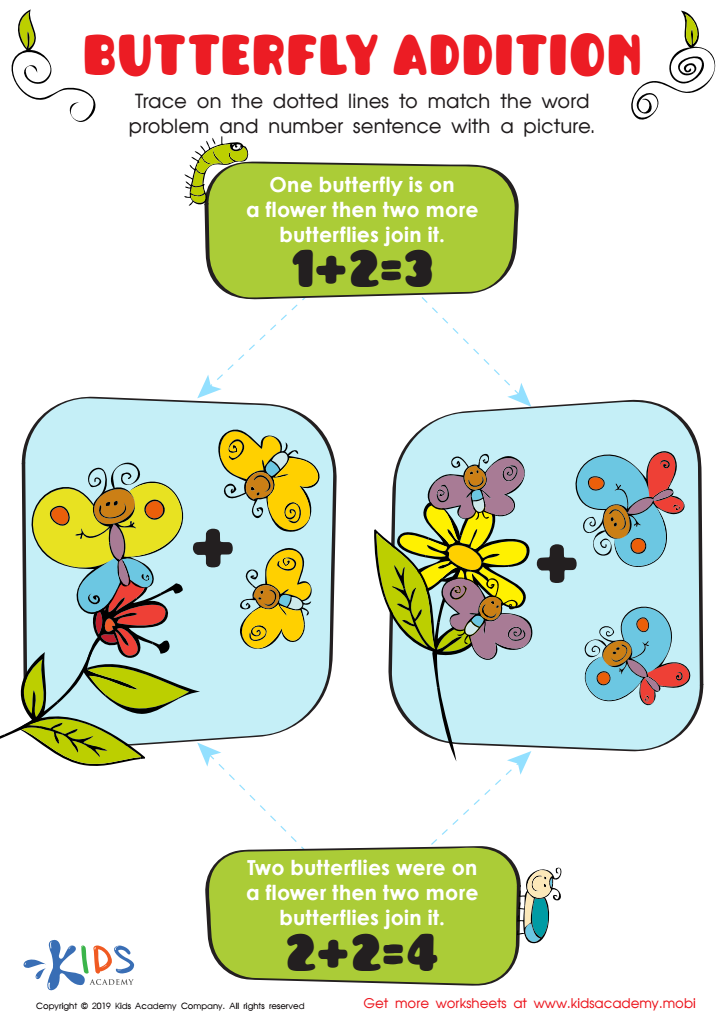
Butterfly Addition Worksheet
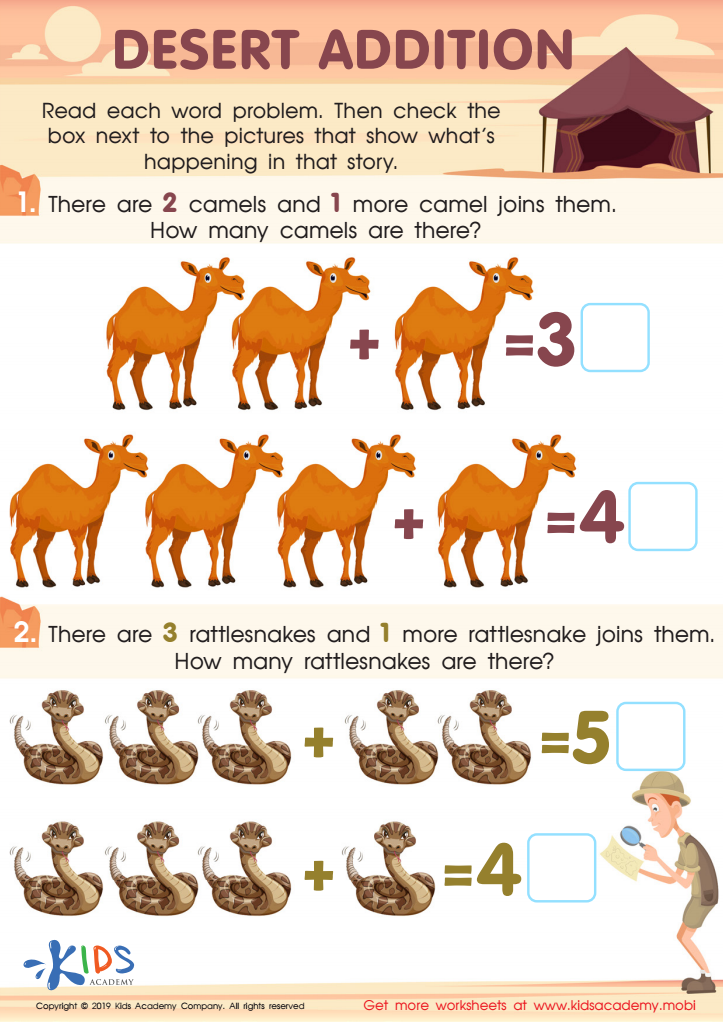
Desert Addition Worksheet
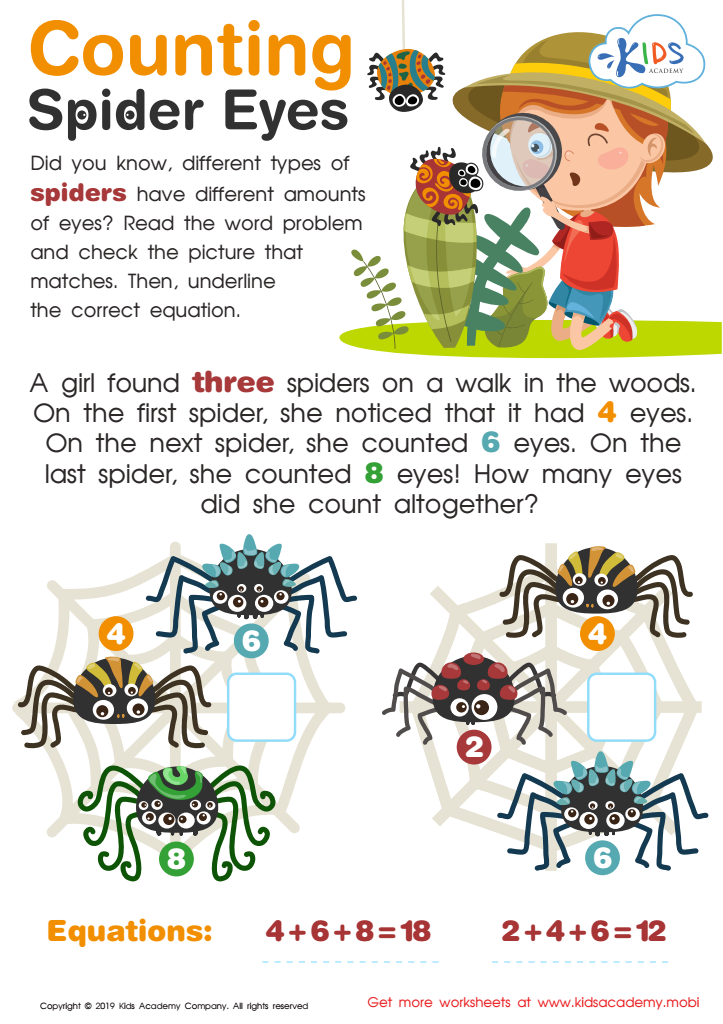
Counting Spider Eyes Worksheet
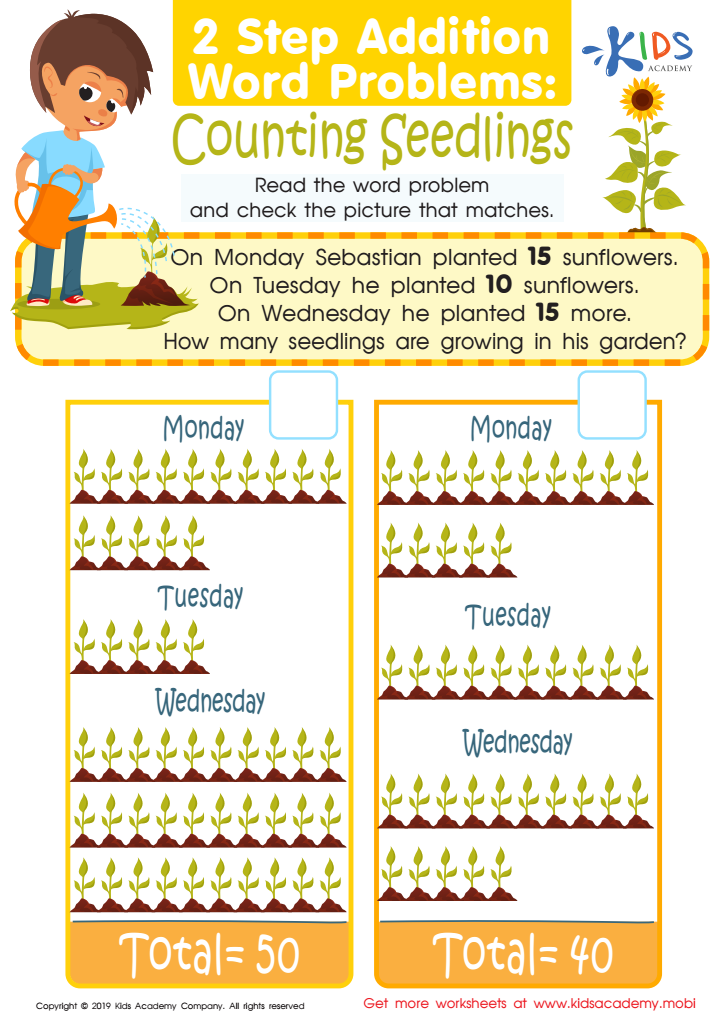
Counting Seedlings Worksheet
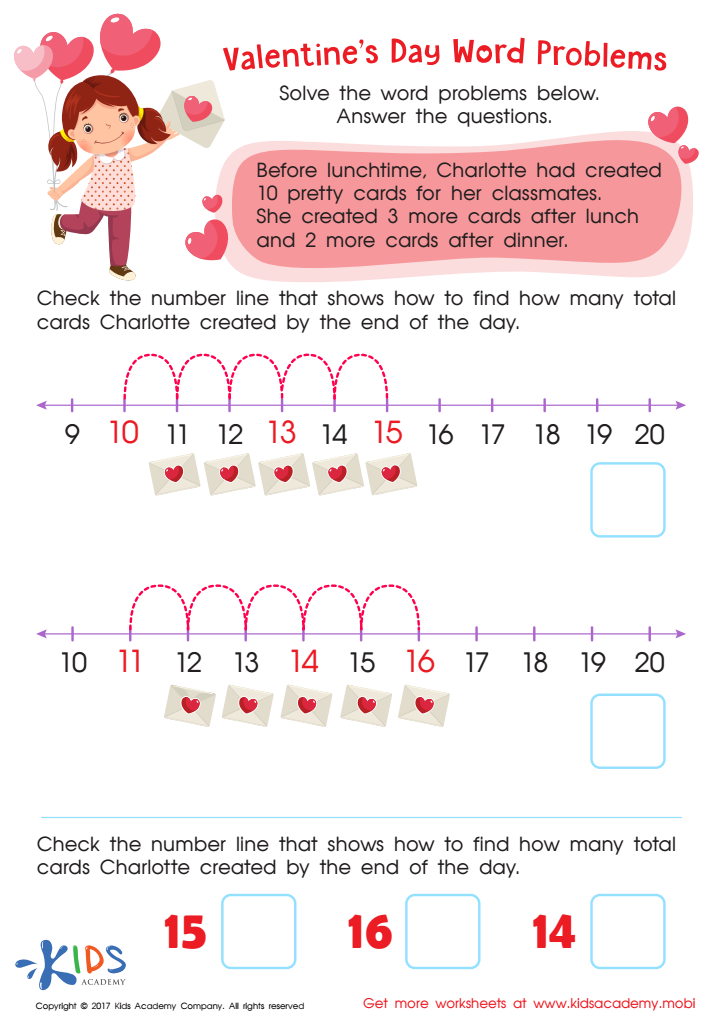
Valentines Day Word Problem Worksheet
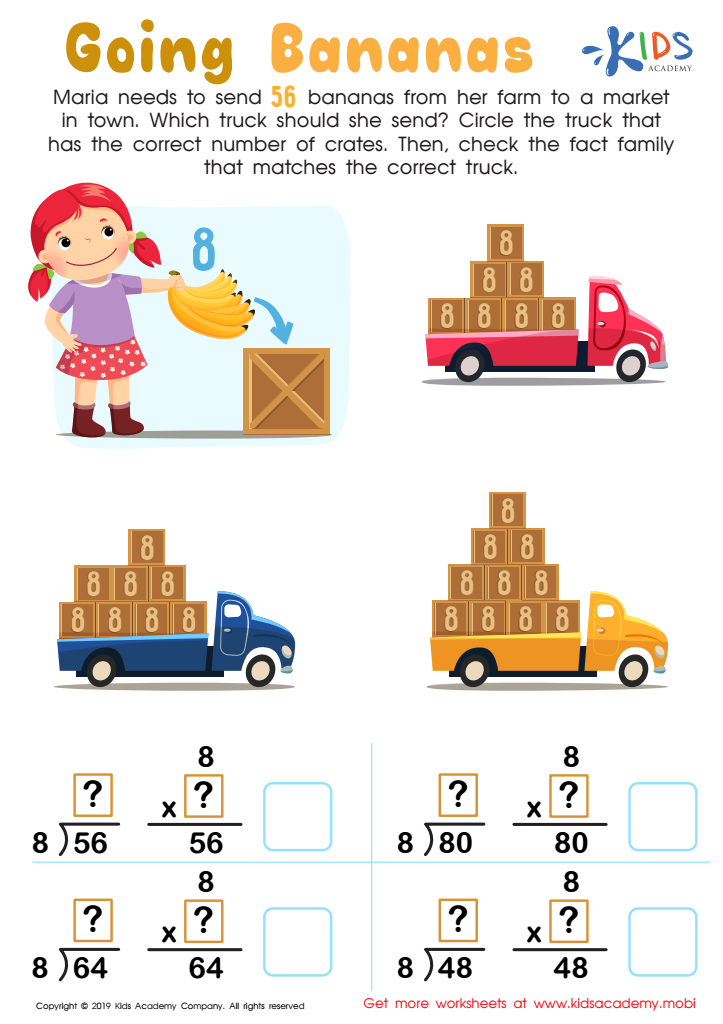
Going Bananas Worksheet
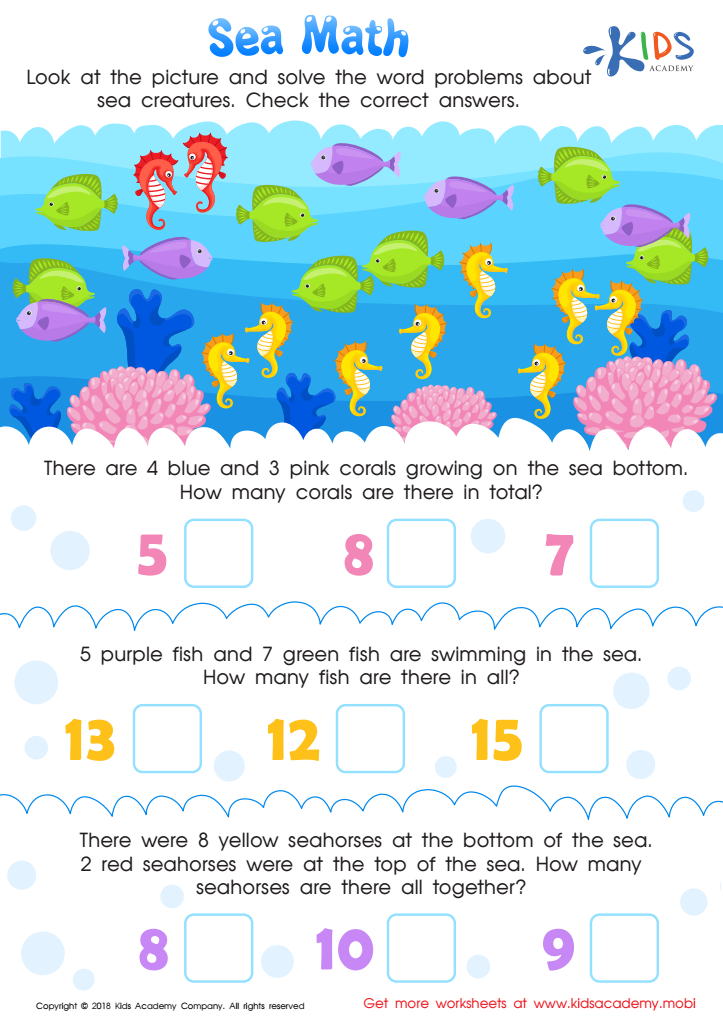
Sea Math Worksheet
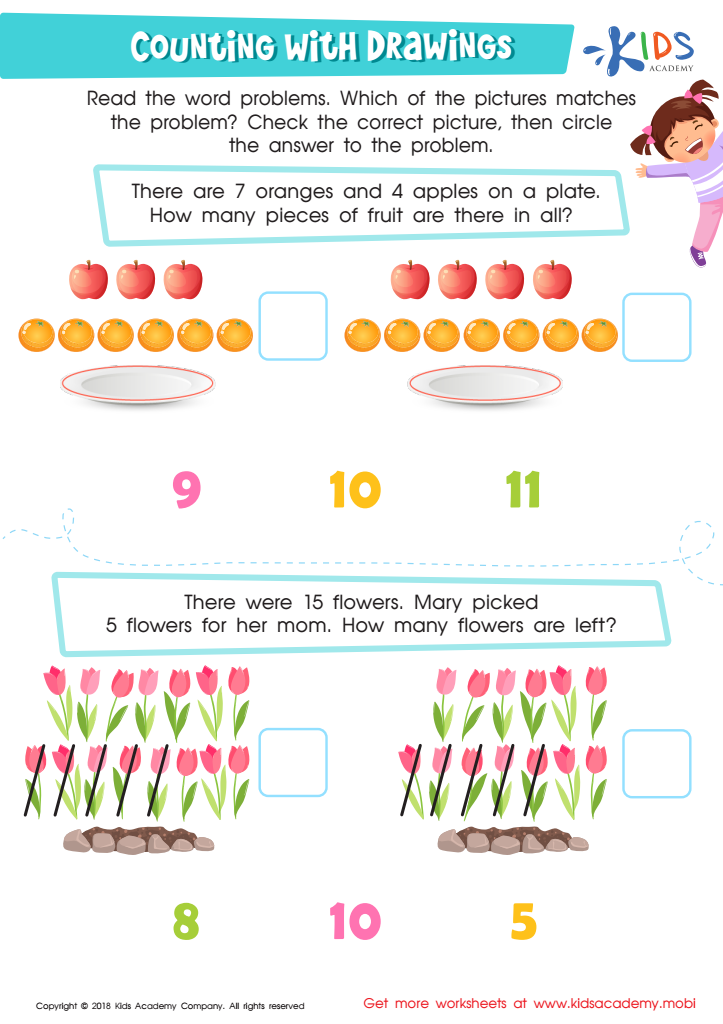
Counting with Drawings: Fruits & Chocolates Worksheet
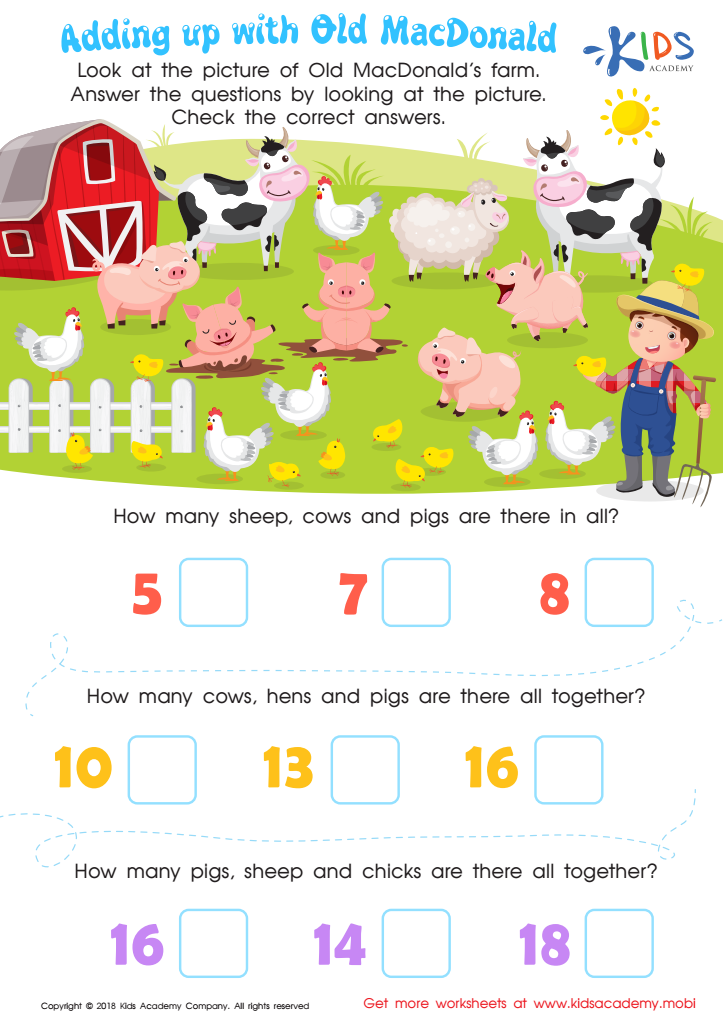
Adding Up with Old MacDonald Worksheet
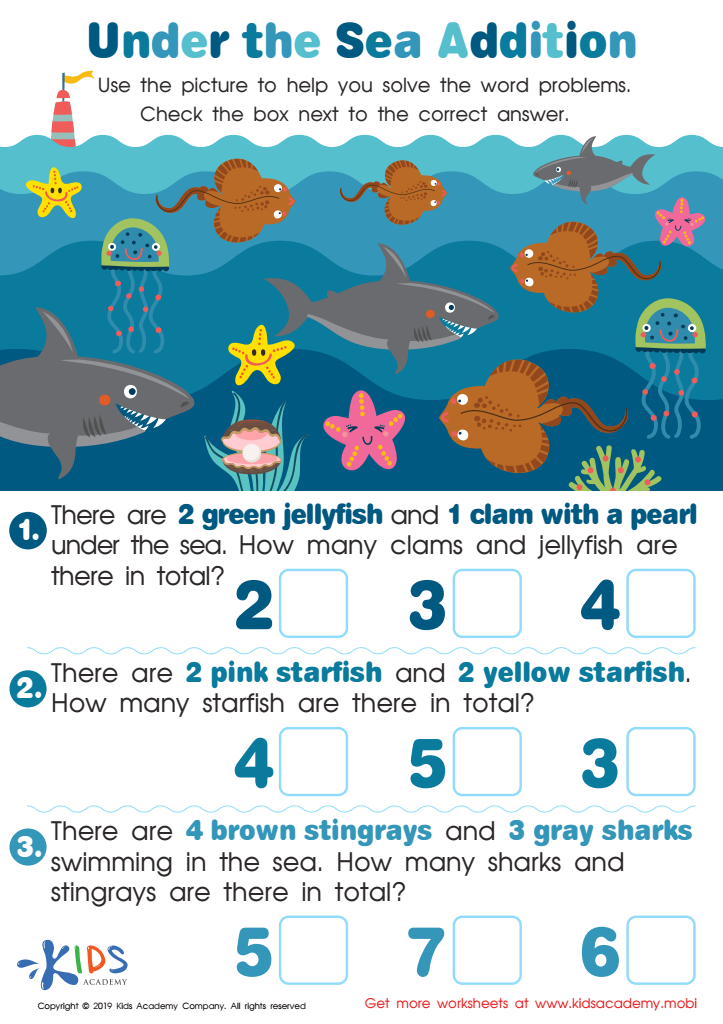
Under the Sea Addition Worksheet
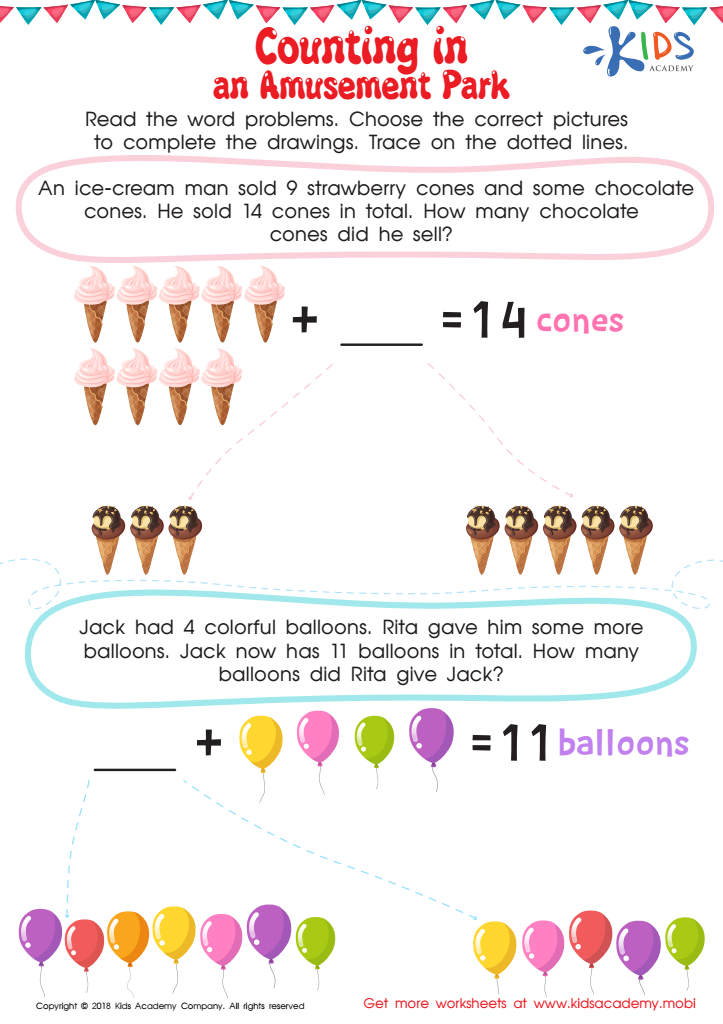
Counting in an Amusement Park Worksheet
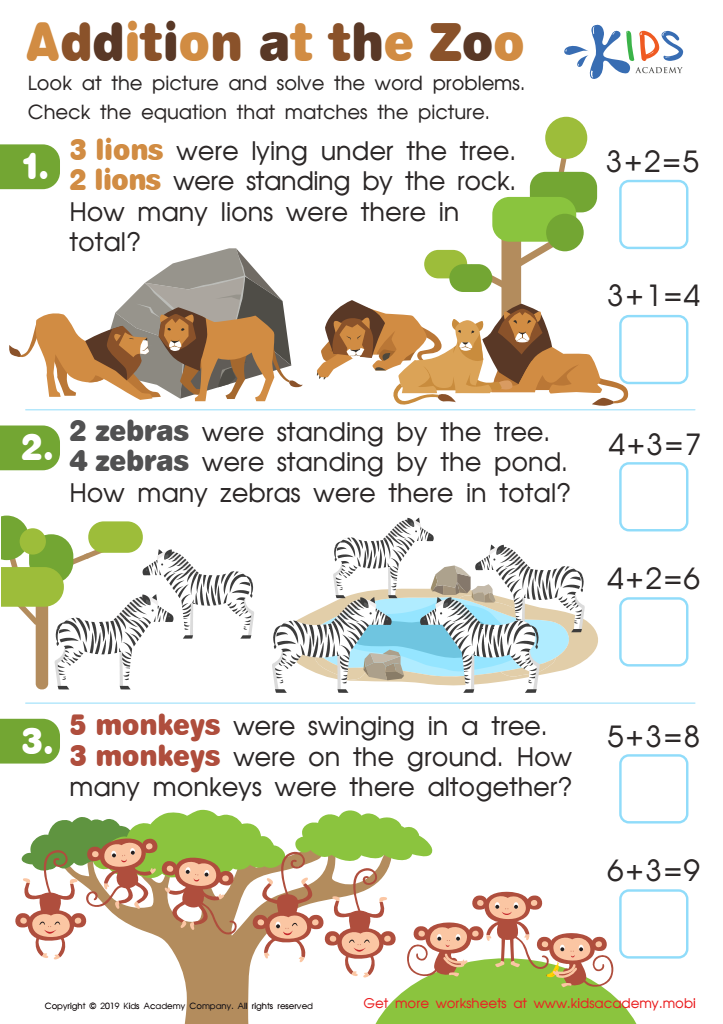
Addition at the Zoo Worksheet
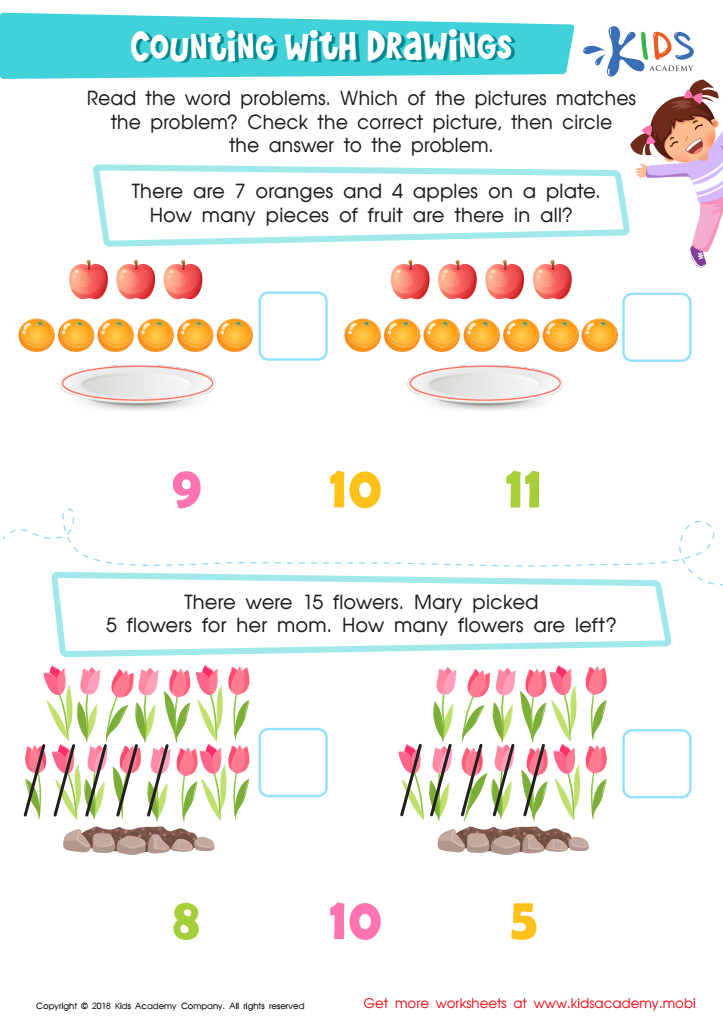
Counting with Drawings:Fruits & Flowers Worksheet








Number recognition is an essential foundational skill for young children, and incorporating word problems into this learning process offers significant benefits. At ages 5-7, children are in a critical developmental period where their brains are highly receptive to new information. Teaching number recognition through word problems contextualizes numbers in real-world scenarios, enhancing comprehension and retention.
Word problems cultivate critical thinking and problem-solving skills. They require children to mentally visualize scenarios, which aids in developing cognitive abilities beyond simple rote memorization of numbers. Engaging students with practical applications of numerical skills also promotes a deeper understanding. Children begin to see the relevance of numbers in everyday life, fostering a positive attitude towards learning mathematics.
Furthermore, these problems bolster vocabulary and language skills. While solving word problems, children are exposed to various terms and phrases, enhancing their reading comprehension alongside numerical literacy. Collaborative solving of word problems encourages communication and social skills, as children discuss and strategize solutions together.
Parents and teachers should prioritize number recognition word problems because they provide a holistic approach to early math education, integrating cognitive, linguistic, and social development. This approach establishes a strong foundation, preparing children for more advanced mathematical concepts and everyday tasks in the future.








