Contextual understanding Reading Worksheets for Ages 5-7
10 filtered results
-
From - To
Discover our engaging Contextual Understanding Reading Worksheets designed specifically for children ages 5-7. These fun and educational worksheets promote reading comprehension through cleverly crafted exercises that encourage young readers to infer meaning from context clues. By integrating pictures and simple sentences, these activities help students grasp the essence of new words and phrases, enhancing their vocabulary and overall reading proficiency. Perfect for classroom or at-home use, our worksheets make learning enjoyable and effectively support early literacy development. Explore our selection at Kids Academy and help your child build a strong foundation in reading and contextual understanding.
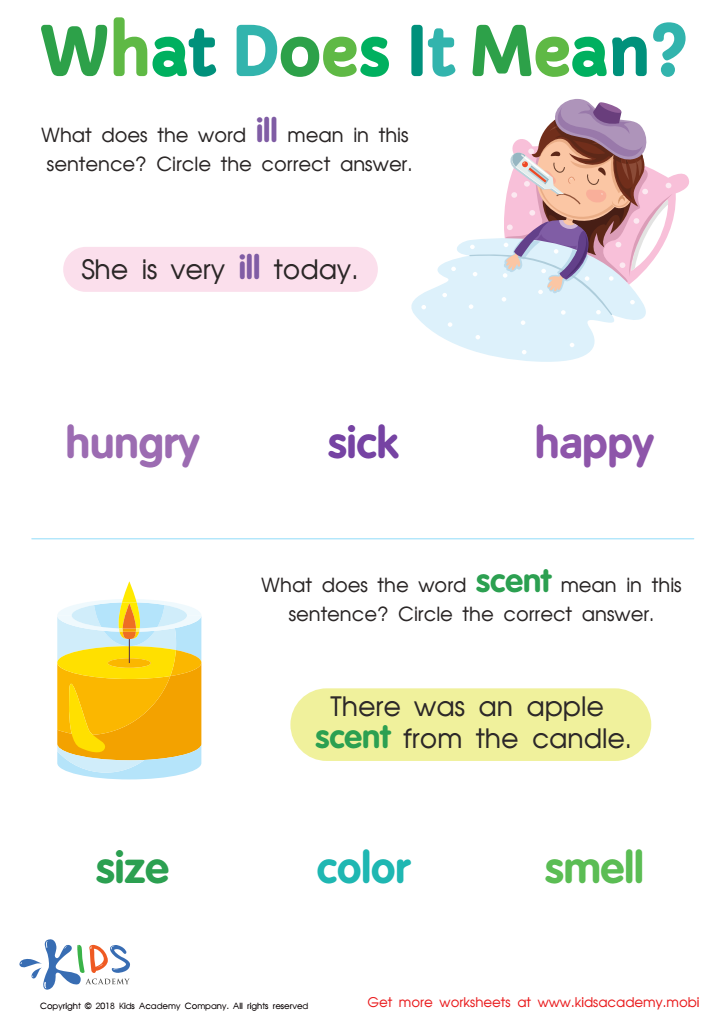
What Does It Mean? Worksheet
 Assign to My Students
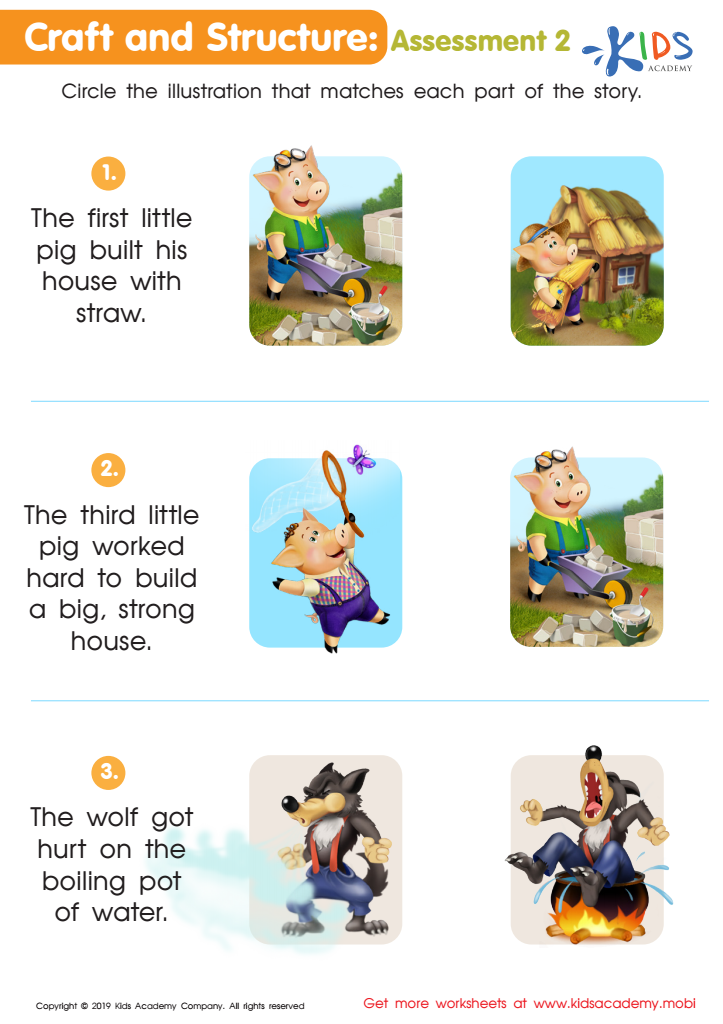
Craft and Structure: Assessment 2 Worksheet 2
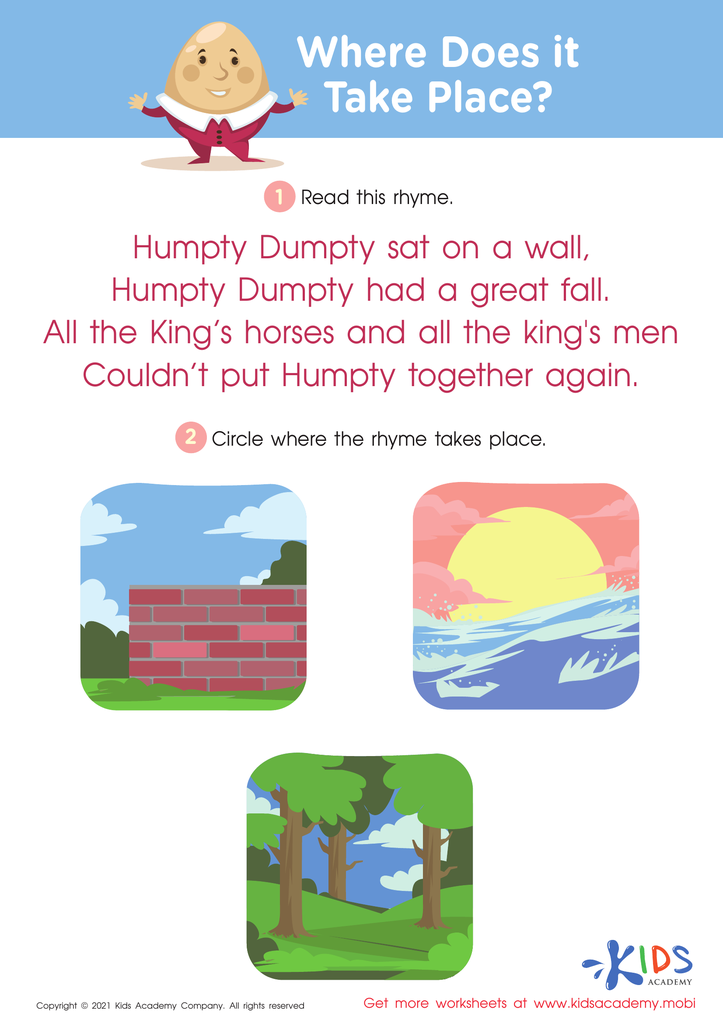
Where Does It Take Place? Worksheet
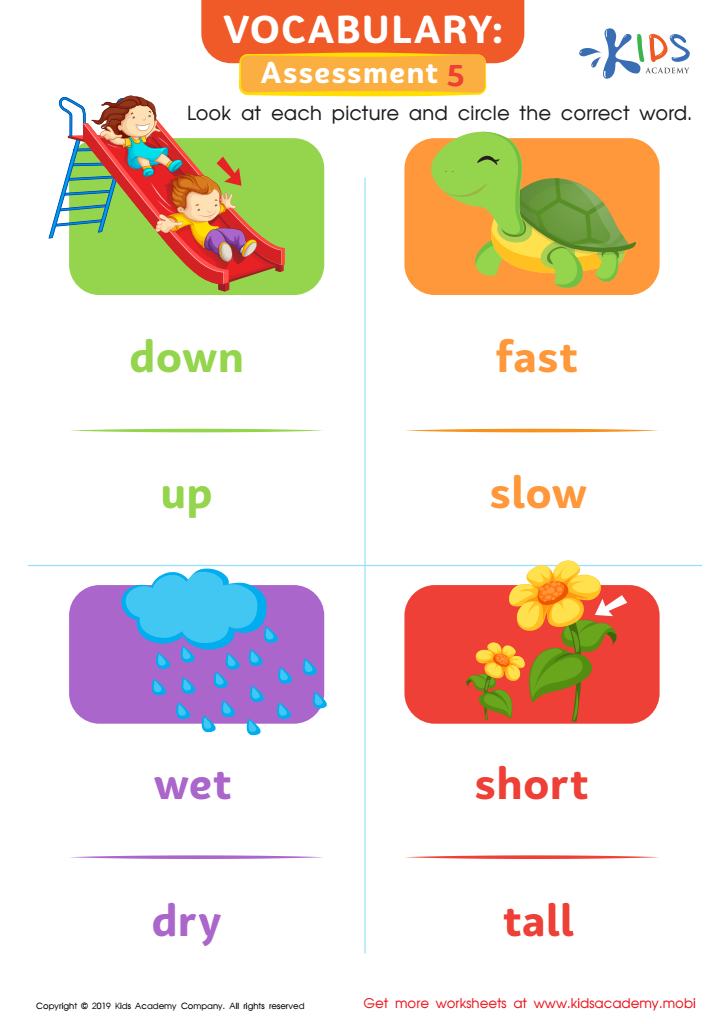
Vocabulary: Assessment 5 Worksheet
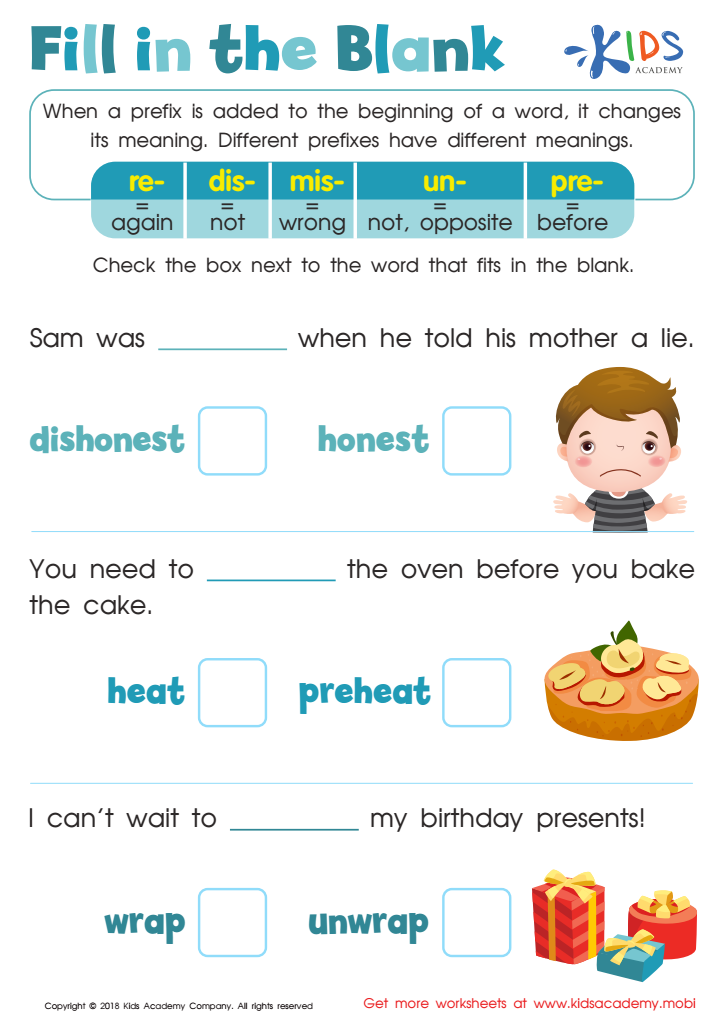
Reading: Fill in the Blank Worksheet
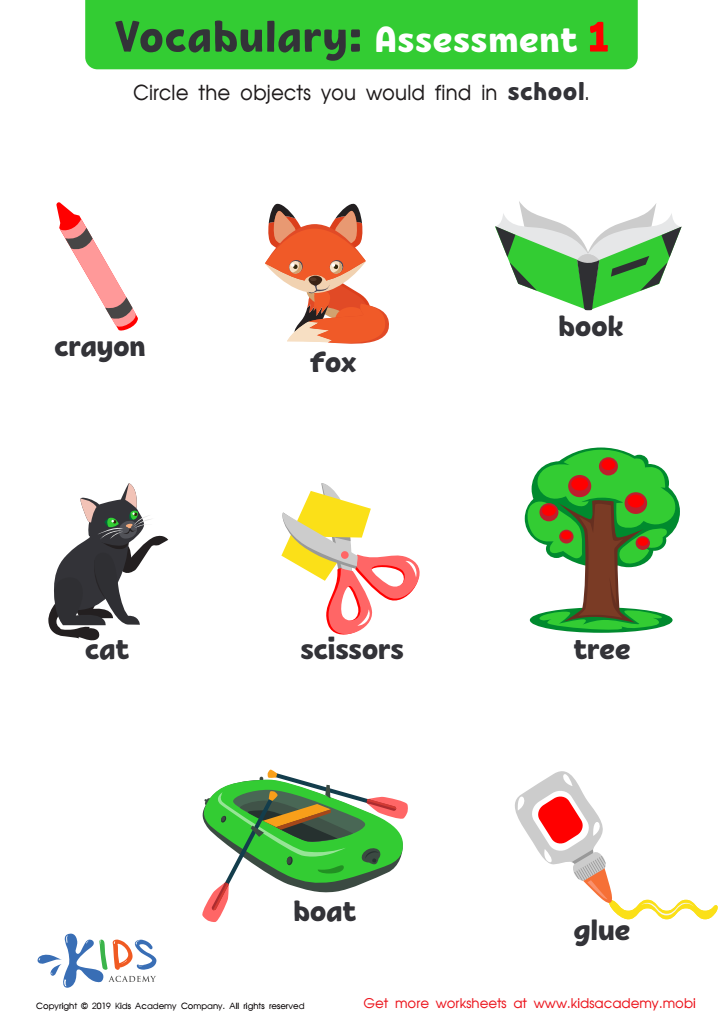
Vocabulary: Assessment 1 Worksheet
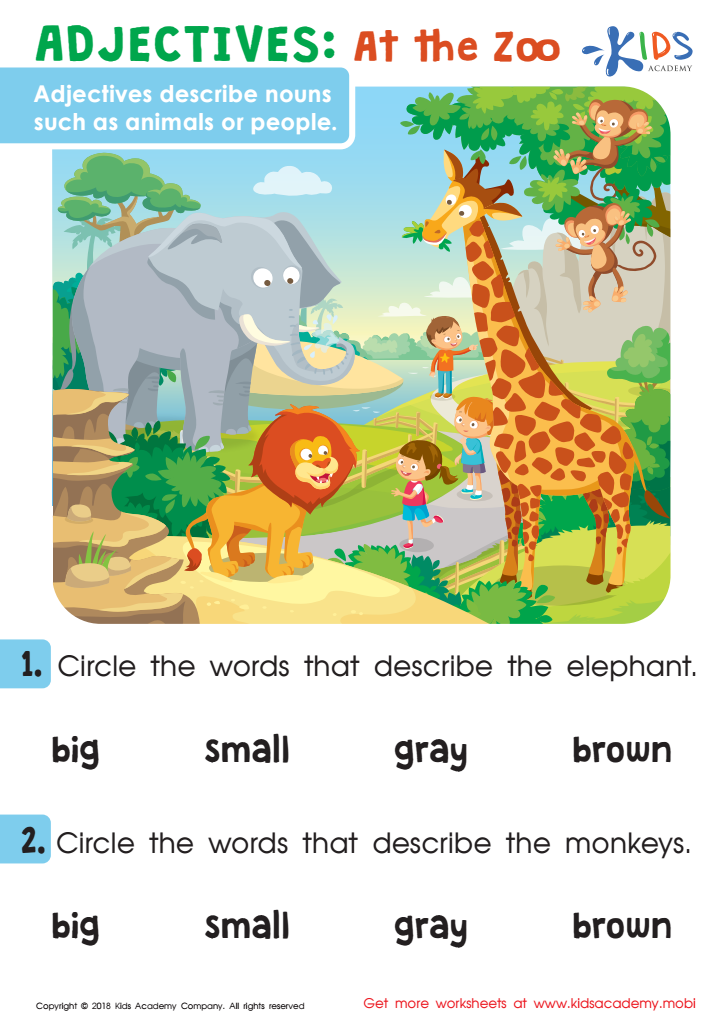
Adjectives: At The Zoo Worksheet
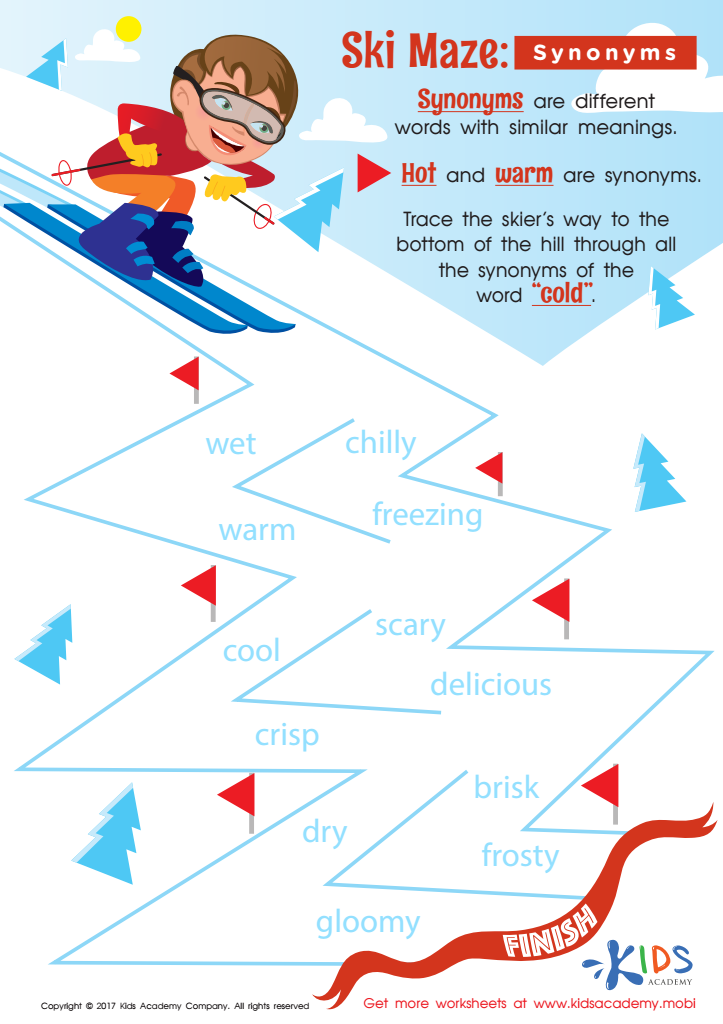
Free Printable Synonym Worksheet
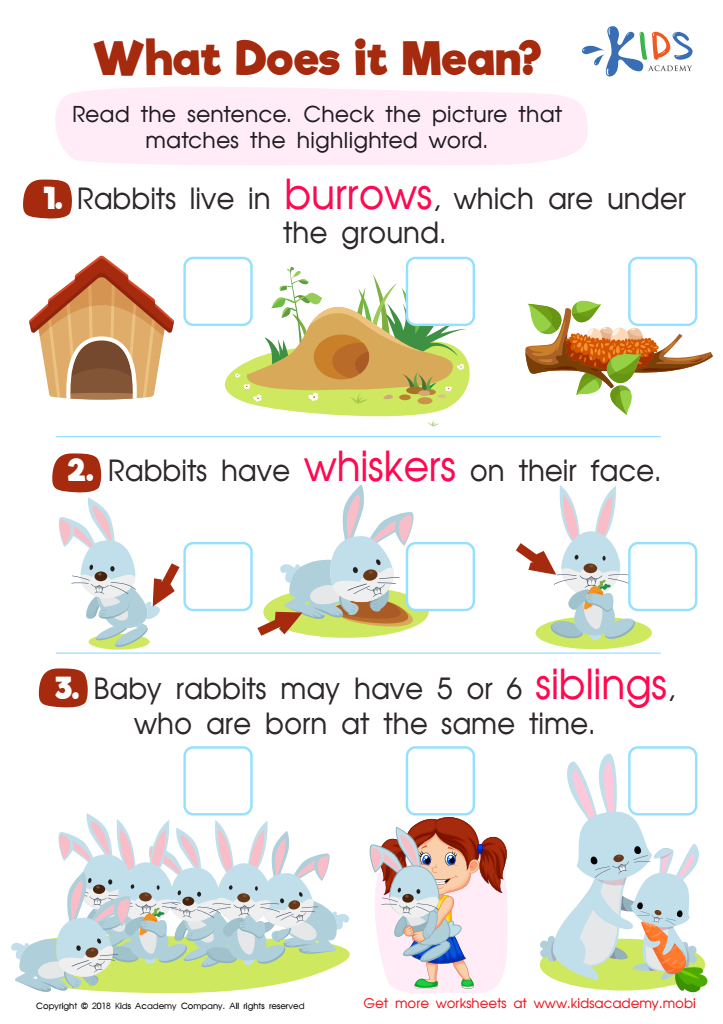
What Does It Mean? Worksheet
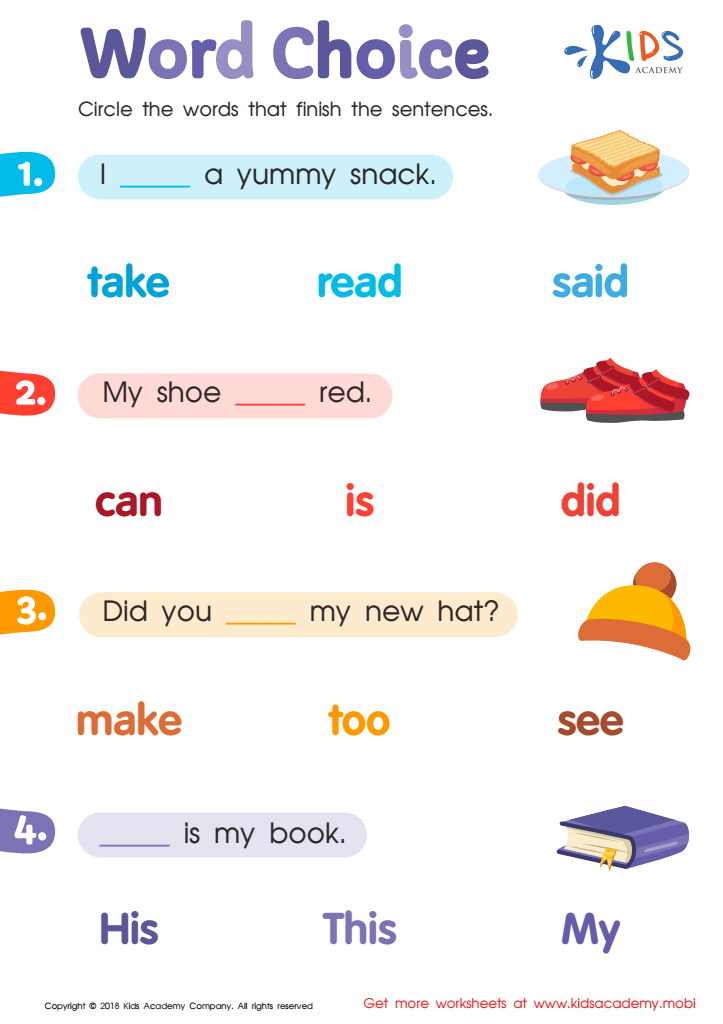
Word Choice Worksheet







Contextual understanding in reading is crucial for children aged 5-7 because it forms the foundation for successful literacy development. At this sensitive age, children are transitioning from recognizing letters and words to comprehending sentences and stories. Developing contextual understanding means that they are learning to make sense of words within the larger framework of a sentence or narrative, rather than in isolation. This skill is fundamental for efficient reading and overall academic achievement.
Firstly, contextual understanding enhances comprehension. When children understand the context, they can infer the meaning of new words and phrases, thereby expanding their vocabulary more naturally. This skill is essential for fluency, leading to more confident and independent readers.
Moreover, reading within context nurtures critical thinking and problem-solving skills. Children begin to ask questions, make predictions, and connect the story to their own experiences, fostering a deeper engagement with the text. This active involvement makes reading more enjoyable, encouraging a lifelong love for books.
Teachers and parents play a significant role by providing age-appropriate, context-rich reading materials and interactive reading experiences. They can prompt discussions that focus on themes, settings, and characters, helping children to develop these critical skills. Prioritizing contextual understanding not only supports literacy but also builds the cognitive and emotional capabilities that children use throughout their education and beyond.








