Identifying shapes Reading Worksheets for Ages 5-7
10 filtered results
-
From - To
Discover our engaging "Identifying Shapes Reading Worksheets" designed specifically for children ages 5-7. These interactive worksheets help young learners enhance their reading and comprehension skills by exploring basic shapes through fun activities. Each worksheet features vibrant illustrations and simple text, making shape identification exciting and accessible. Perfect for classroom use or home practice, these resources support early literacy development while introducing fundamental geometric concepts. Encourage creativity and critical thinking as kids complete matching activities, shape sorting, and reading comprehension questions. Foster a love for learning with our captivating worksheets, ensuring that your little ones build a strong foundation in both reading and shape recognition!
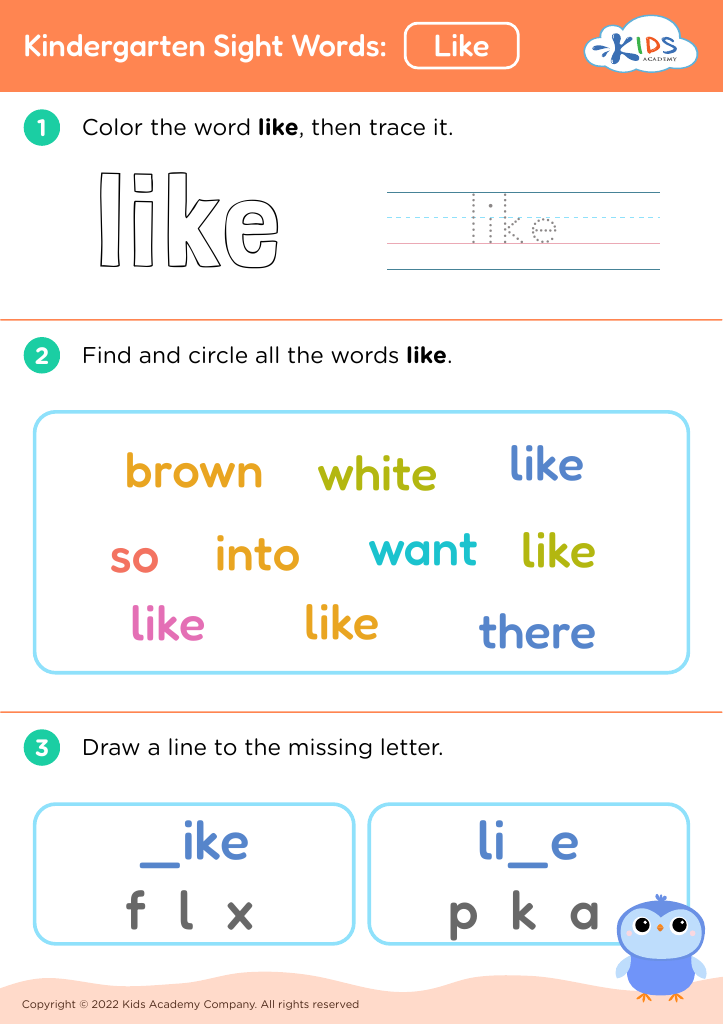
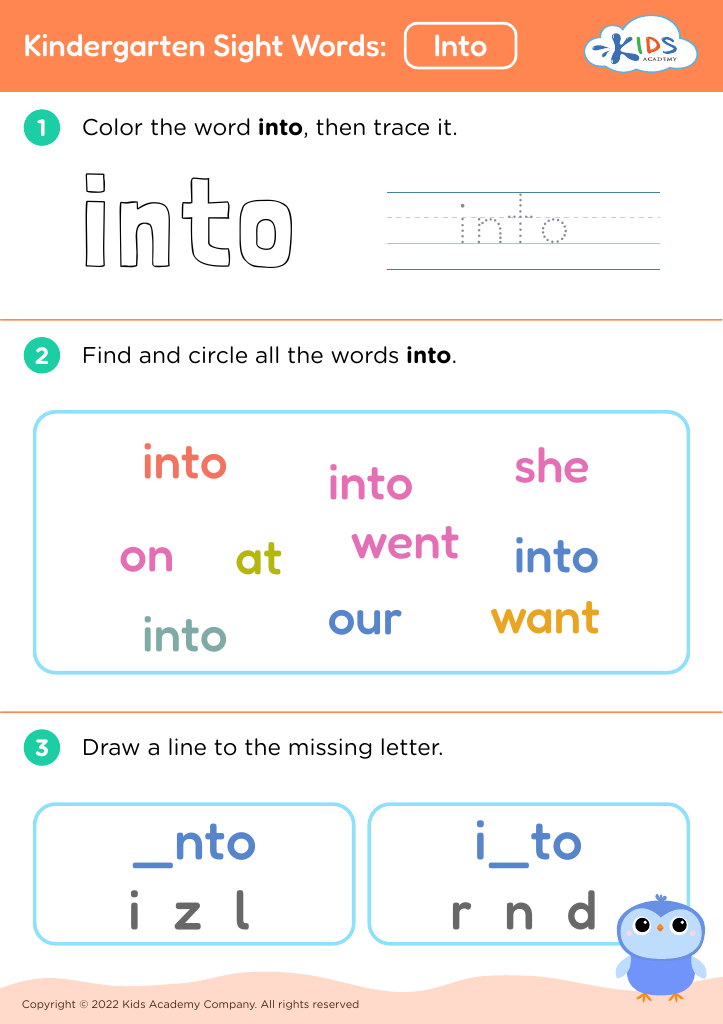








Identifying shapes is a fundamental skill for children ages 5-7, serving as a crucial building block for their cognitive development in various domains. Parents and teachers should prioritize this skill for several reasons. First, shape identification enhances spatial awareness, helping children understand the world around them. This understanding lays the groundwork for later concepts in geometry and mathematics.
Additionally, engaging with shapes encourages critical thinking and problem-solving skills. When children differentiate between a triangle and a square, they learn to classify, compare, and analyze—skills applicable far beyond math class. Furthermore, shape recognition is often integrated with literacy through reading activities. Familiarity with shapes can enhance vocabulary and comprehension as children learn to associate words with visual concepts.
Moreover, activities involving shape identification promote fine motor skills, especially when combined with artistic projects or hands-on learning. Engaging young learners in shape-related games not only makes learning enjoyable but also cultivates collaboration and communication skills, as children share ideas and work together.
In summary, by focusing on shape identification, parents and teachers set the stage for academic success while nurturing a holistic approach to child development, encompassing critical thinking, language acquisition, and motor skills.








