Filters

12 filtered results

Clear all filters
Favorites
With answer key
Interactive

12 filtered results

Difficulty Level

Grade


Unlock the magic of reading with our Letter Recognition Reading Worksheets, designed specifically for ages 5-7. Our engaging worksheets help young learners identify and understand letters, setting the foundation for strong reading skills. These interactive, fun-filled activities enhance fine motor skills, promote letter-sound correspondence, and foster a love for learning. Perfect for both classroom and home use, our worksheets make letter recognition enjoyable and effective. With colorful visuals and diverse exercises, children gain confidence and proficiency in their early literacy journey, preparing them for a successful educational experience. Uncover the joy of reading one letter at a time!

Check out this FREE Trial Lesson on Reading for age 5-7!

Distinguish between Long U and Short U

Favorites
With answer key
Interactive
  • 5-7
  • Letter recognition
  • Reading
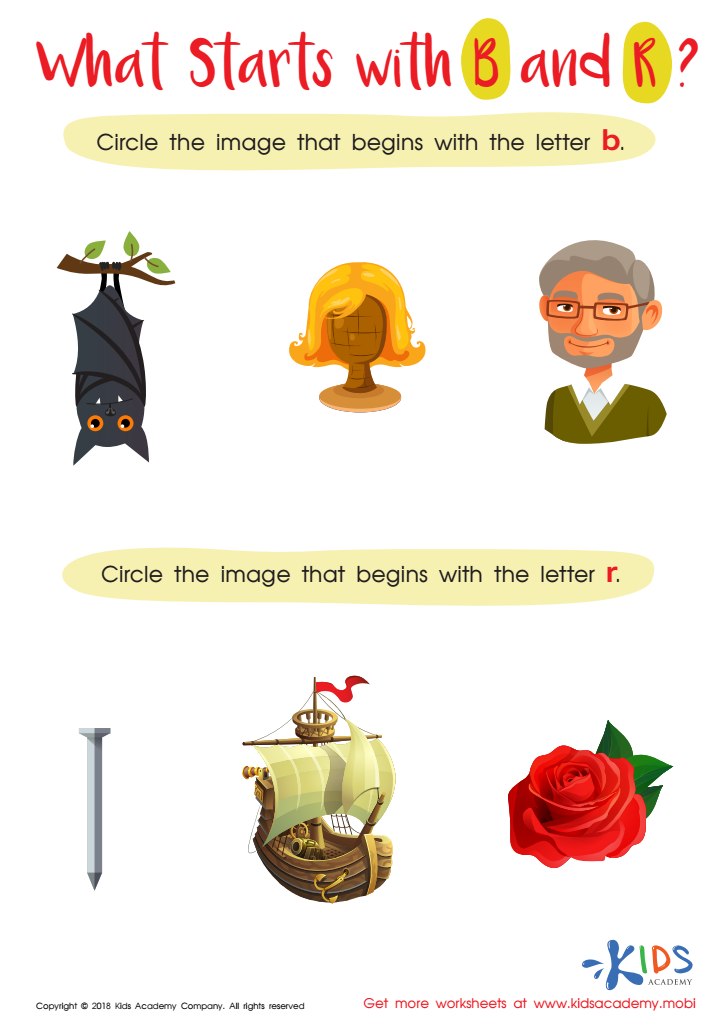
What Starts with B and R? Worksheet

What Starts with B and R? Worksheet

Download this worksheet to help young readers practice visual and motor skills! They'll enjoy matching pictures with "B" and "R" letters while tracing the images. Bright and colorful, this engaging activity will help kids differentiate between words and have fun doing it.
What Starts with B and R? Worksheet
Worksheet
Recognize Letters l and i Worksheet


Recognize Letters l and i Worksheet

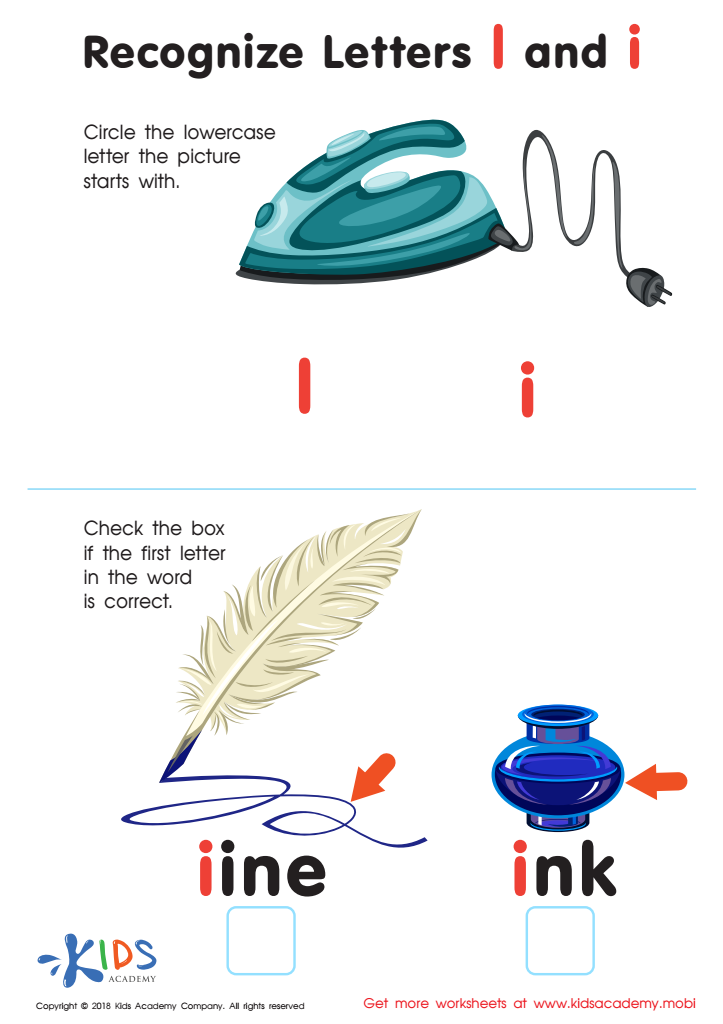
Help your child become familiar with uppercase and lowercase letters. Have them look at the pictures in the worksheet and circle the lowercase letter the picture starts with. For example: which one is the lowercase "i", the capital "I" or the small "i"?
Recognize Letters l and i Worksheet
Worksheet
Long and Short U Worksheet

Long and Short U Worksheet

Revised: Spice up your lesson on long and short vowels with this fun printout! Kids read the words "tube" and "tub," then reinforce the sound by coloring in the words and pictures. It's a great way to make phonics class enjoyable!
Download (PDF)
Assign to My Students
Long and Short U Worksheet
Worksheet
Rhyming Words PDF Worksheets, Bat

Bat Rhyming Words Worksheet

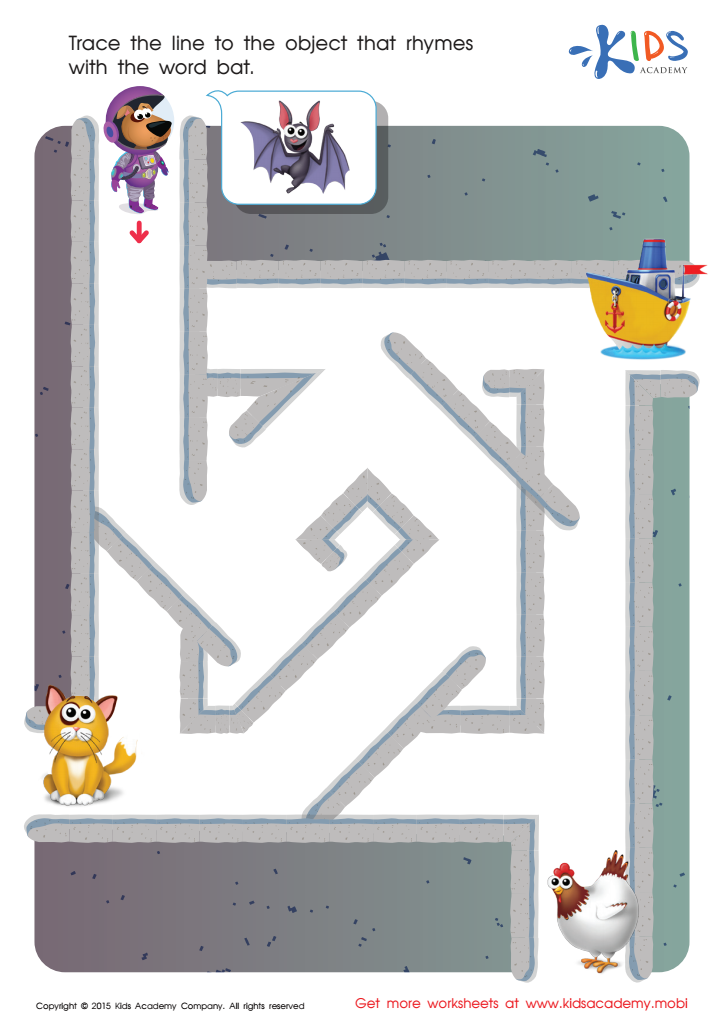
Get new reading and vocabulary worksheets to help make learning enjoyable for you and your kids. Join the dog and match the objects that rhyme. Have a blast!
Bat Rhyming Words Worksheet
Worksheet
Tracing Fun Worksheet

Tracing Fun Worksheet

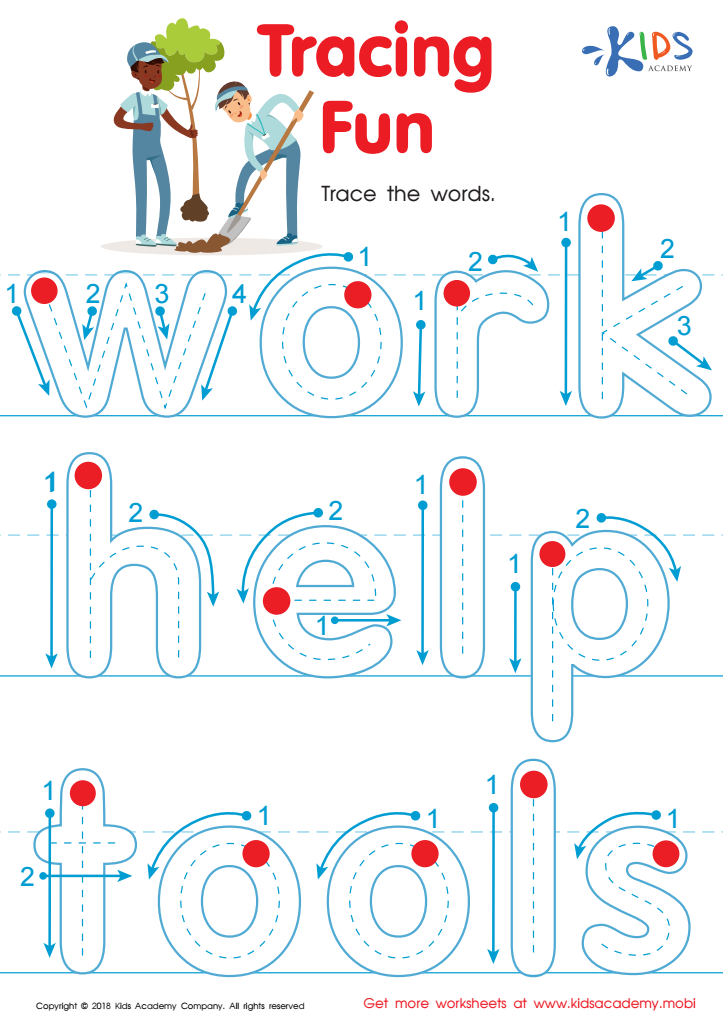
Believe it or not, good handwriting helps with reading! Starting at the top left and writing legibly builds reading skills. This free worksheet helps little learners practice basic sight words. Red dots show them where to start and the words provide reinforcement without them realising. An enjoyable way to boost their reading and writing.
Tracing Fun Worksheet
Worksheet
Arrange the Letters Worksheet

Arrange the Letters Worksheet

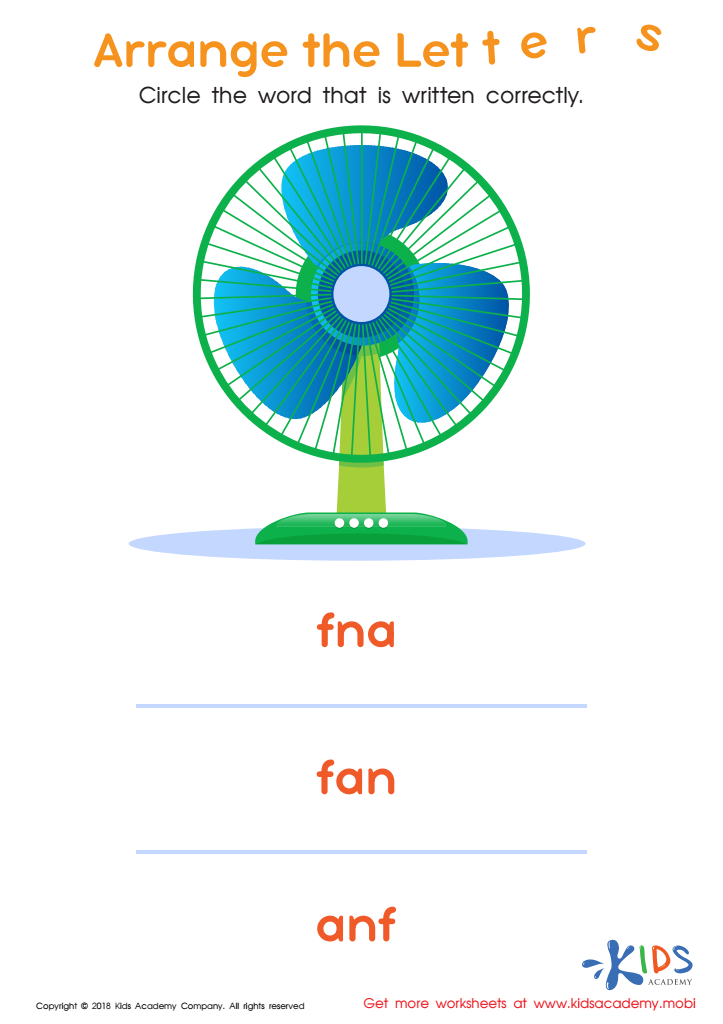
Test your kids' spelling skills with this worksheet! Show them the picture and ask what it stands for. Then, have them choose the correct spelling from the options given. Check their answer by circling the right one.
Arrange the Letters Worksheet
Worksheet
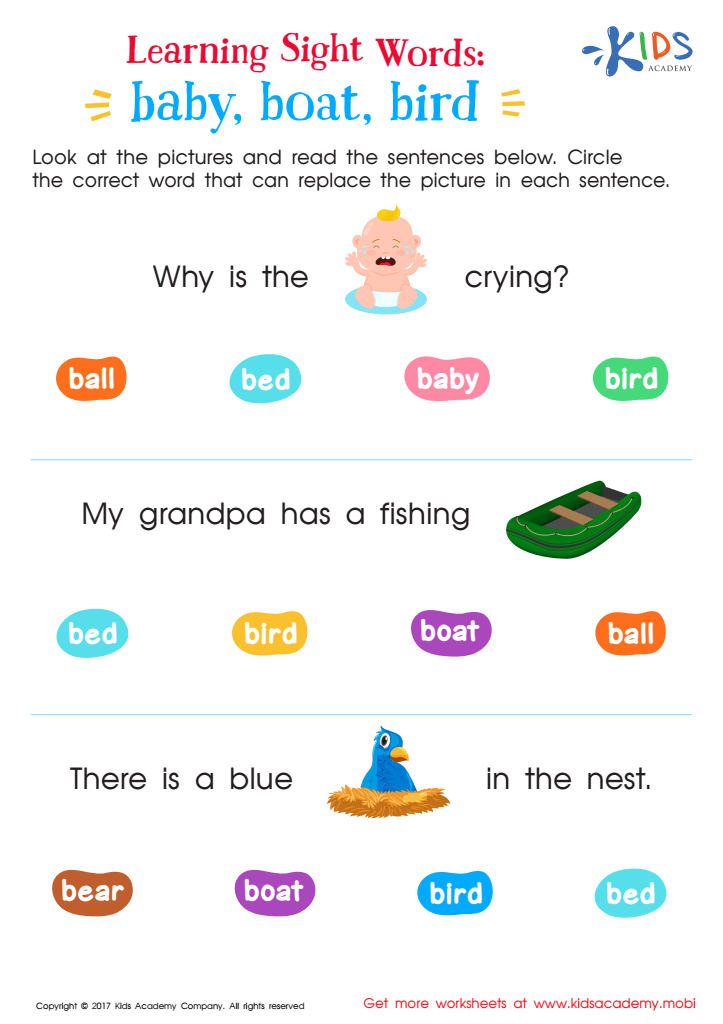
Sight Word Worksheet: Baby, Boat, Bird

Baby, Boat, Bird Worksheet Sight Words Worksheet
Sight words are an essential part of fluency; help kids build it by writing and reading them. This worksheet is a great way to start.
Baby, Boat, Bird Worksheet Sight Words Worksheet
Worksheet
“B” Words Printable Worksheet

First Words Worksheet

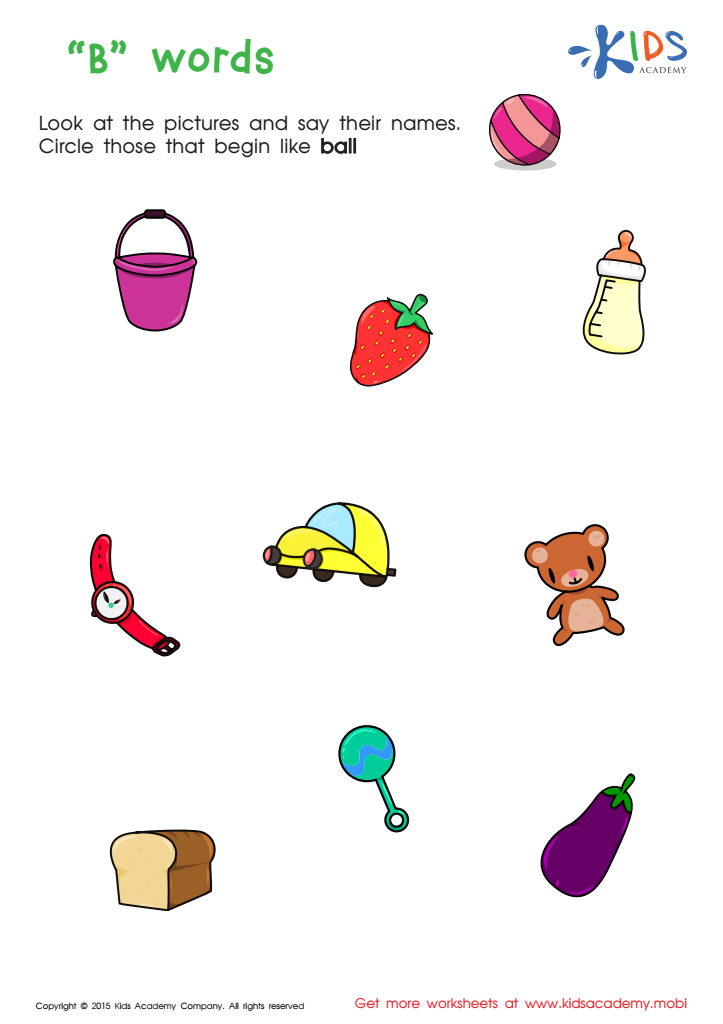
Want to help your preschooler learn to read and write? Start with this 'B' words printable worksheet. It will help your child match pictures to the letters they know, sound out words, and build literacy. Once they understand the concept, they can start sounding out words and building reading skills.
First Words Worksheet
Worksheet
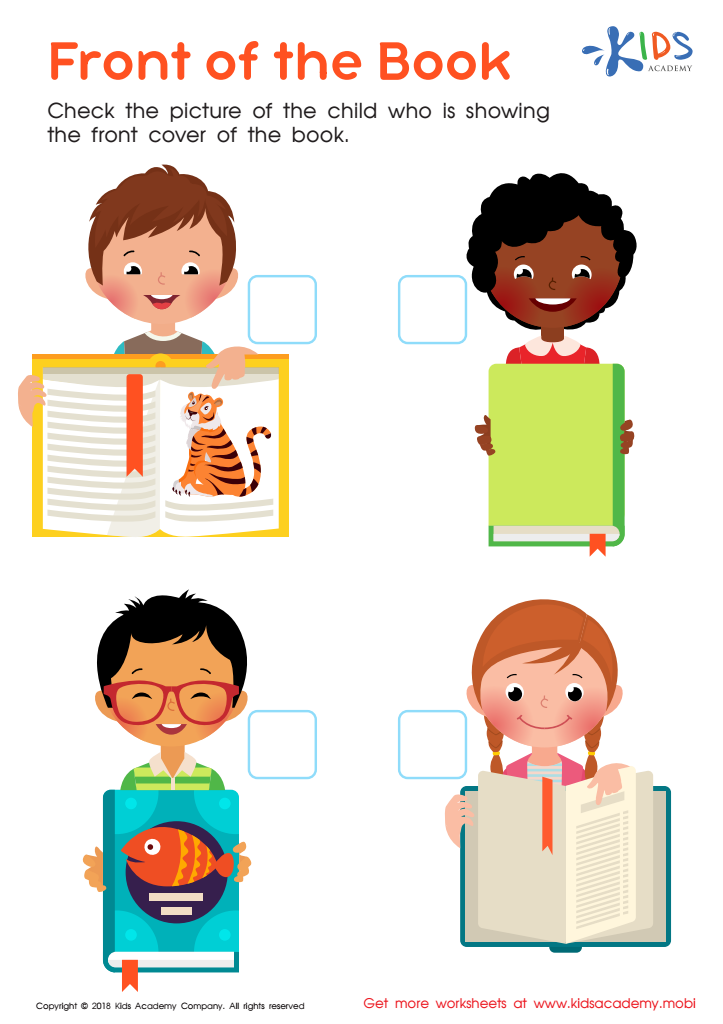
Front of the Book Worksheet

Front of the Book Worksheet

Help your child become a reader with this free worksheet! It's full of fun new friends and is designed to help kids understand concepts about the front of a book. They'll look at each picture and decide which friend is holding the book with the front cover, and check off the correct answer in the given boxes. Get your little one ready to be a reader!
Front of the Book Worksheet
Worksheet
Long and Short E Worksheet

Long and Short E Worksheet

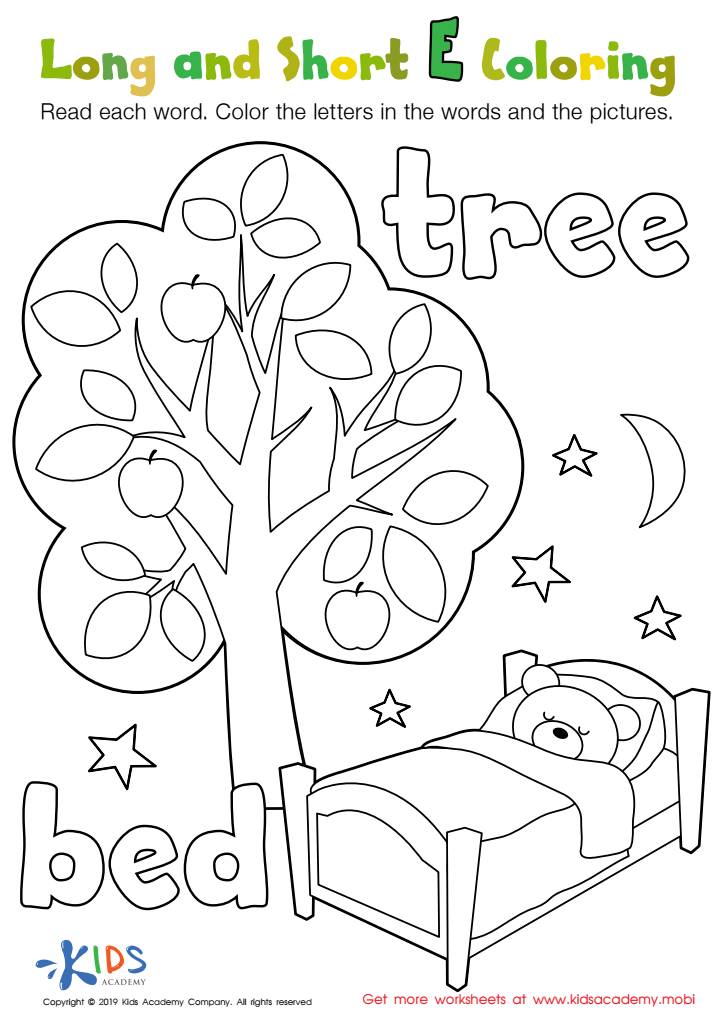
This fun printout makes learning phonics enjoyable for Grade 3 students. Get them to read the words “tree” and “bed” to recognize the different sounds of the letter “E”. After hearing the words they can color the words and the pictures to understand differences between long and short vowels.
Download (PDF)
Assign to My Students
Long and Short E Worksheet
Worksheet
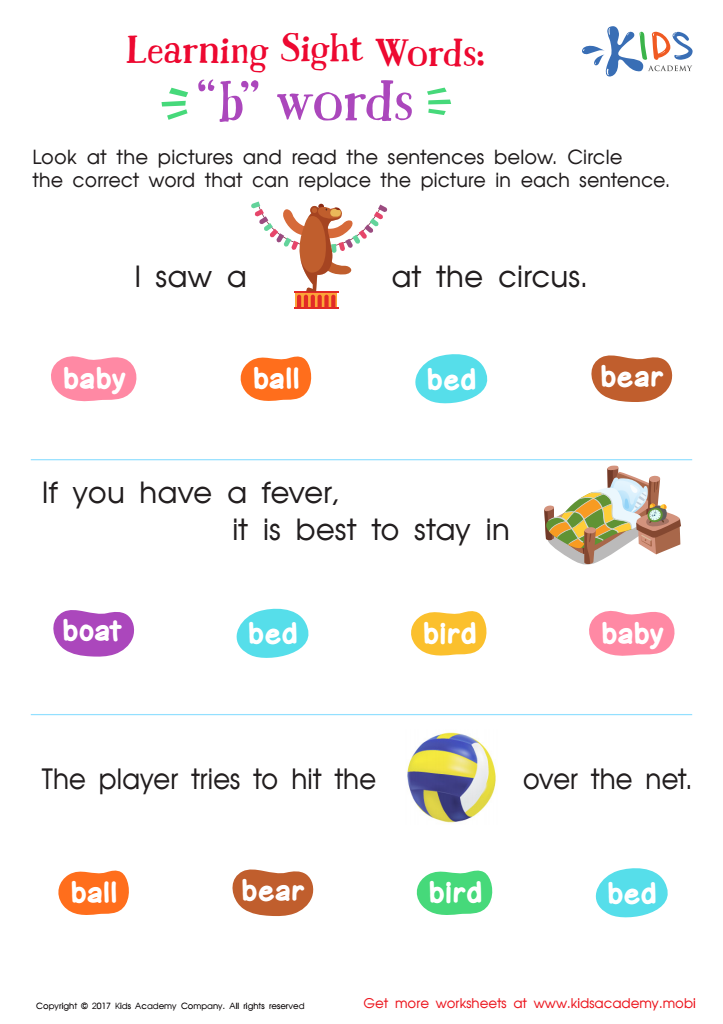
Sight Words Worksheet: B Words

"B" Words Printable Sight Words Worksheet
Kids will learn sight words quickly with this fun worksheet! "B" Words offers guided practice with simple sentences and pictures. Build your child's reading confidence with this helpful worksheet and watch them become a master!
"B" Words Printable Sight Words Worksheet
Worksheet
Pre reading worksheet guess my name

Pre Reading Worksheet Guess My Name

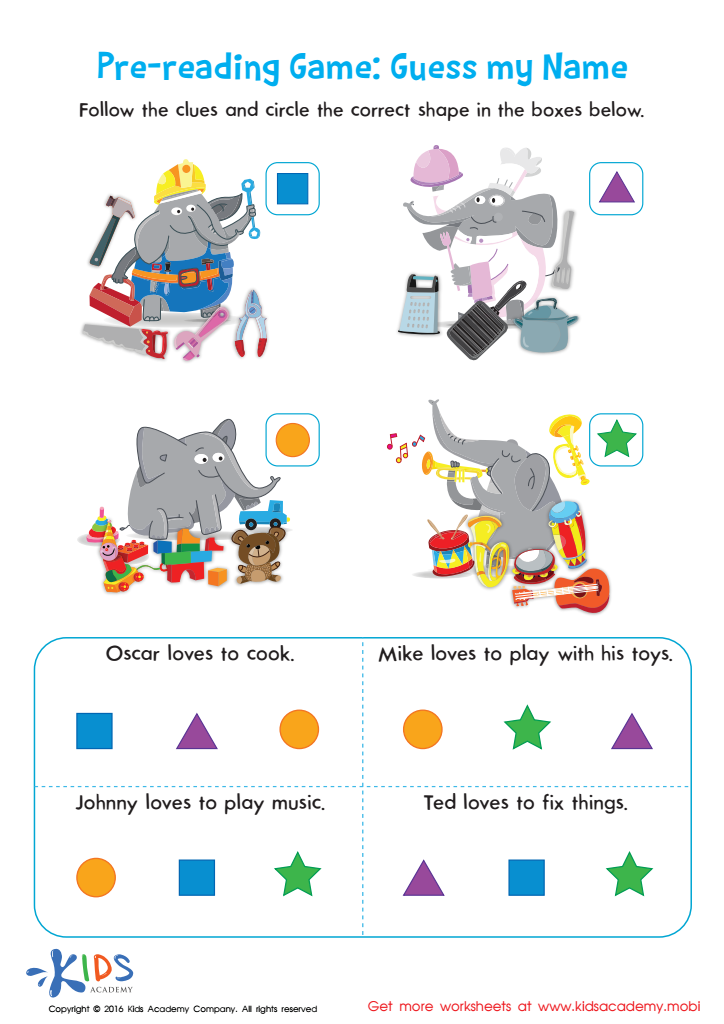
Guess My Name is a fun way to practice inference skills. Guess My Name is a fun pre-reading game to help your child practice drawing inferences from clues. With colorful illustrations, they'll use clues to match each elephant with its sentence and sharpen their inference skills.
Pre Reading Worksheet Guess My Name

Worksheet


Letter recognition is foundational for children ages 5-7 as it sets the stage for successful reading development. At this age, children are beginning to unlock the world of written language, and recognizing letters is crucial. Parents and teachers should care about this skill for several reasons.

Firstly, letter recognition is directly linked to reading fluency and comprehension. Children who can quickly and accurately identify letters are more likely to decode words with ease, which improves their overall reading speed and understanding. This is a core requirement for future academic success across subjects.

Secondly, strong letter recognition skills foster self-confidence and a love of learning. When children are comfortable identifying letters, they experience a sense of achievement, making them more eager and motivated to engage in reading activities.

Furthermore, early success in letter recognition helps to build the neural pathways in the brain associated with language and literacy. This early development supports more complex skills like spelling, writing, and advanced reading later on.

Finally, parents and teachers who prioritize letter recognition are setting up children for effective communication. Recognizing letters is the first step to both reading and writing, which are essential tools for expressing ideas and understanding others.

Investing time and effort in teaching letter recognition to children aged 5-7 lays a solid foundation for lifelong literacy and learning success.