
Science knowledge Science Worksheets for Ages 5-7
3 filtered results
Difficulty Level
Grade
Age
-
From - To
Subject
Activity
Standards
Discover engaging Science Knowledge Worksheets designed for children aged 5-7! Our printable resources help young learners explore the fascinating world around them while developing essential scientific skills. Created with vibrant illustrations and age-appropriate content, these worksheets cover fundamental topics such as the environment, living things, and physical science concepts. Each activity encourages curiosity and critical thinking, making science fun and accessible for early learners. Perfect for both classroom settings and at-home learning, these worksheets are an ideal tool for enhancing children's understanding and appreciation of science. Empower your little ones with a solid foundation in science knowledge today!
Favorites
With answer key
Interactive
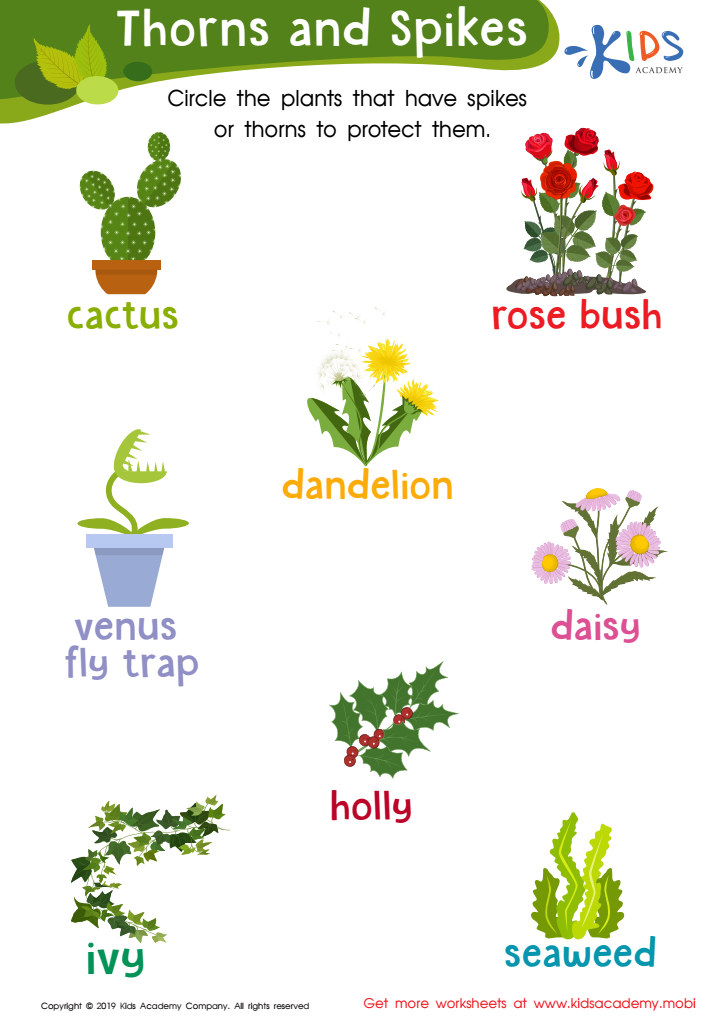
Thorns and Spikes Worksheet
Can your students name and identify the plants and flowers in this worksheet? Ask them to read out the names and circle the ones with spikes or thorns. Help them appreciate nature's beauty and understand how plants protect themselves.
 Assign to My Students
Thorns and Spikes Worksheet
Worksheet
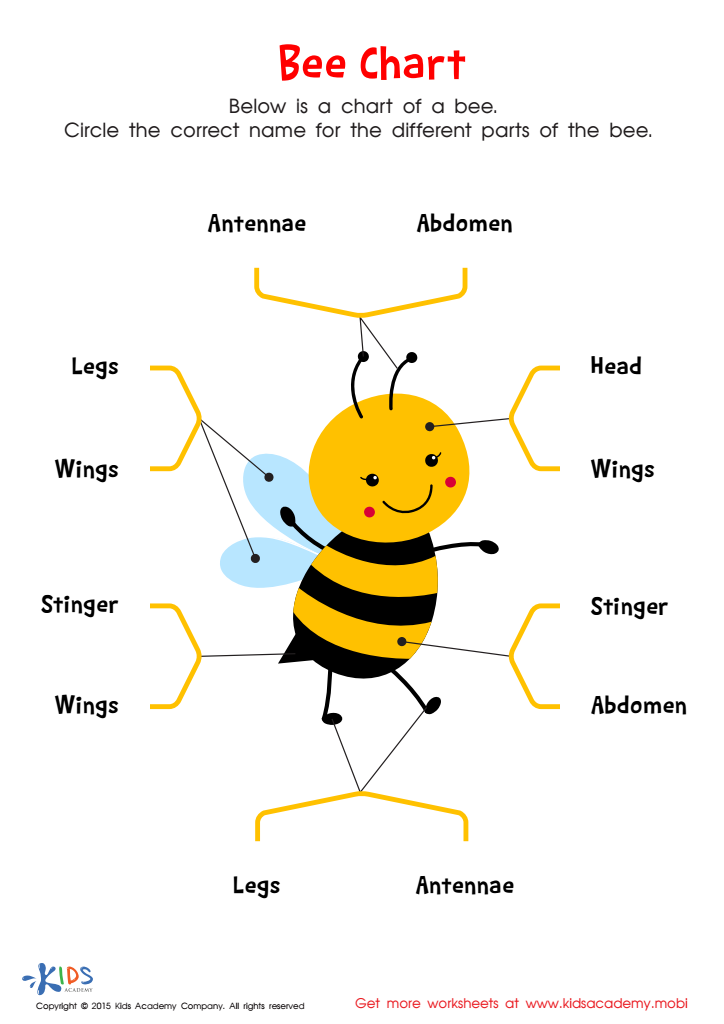
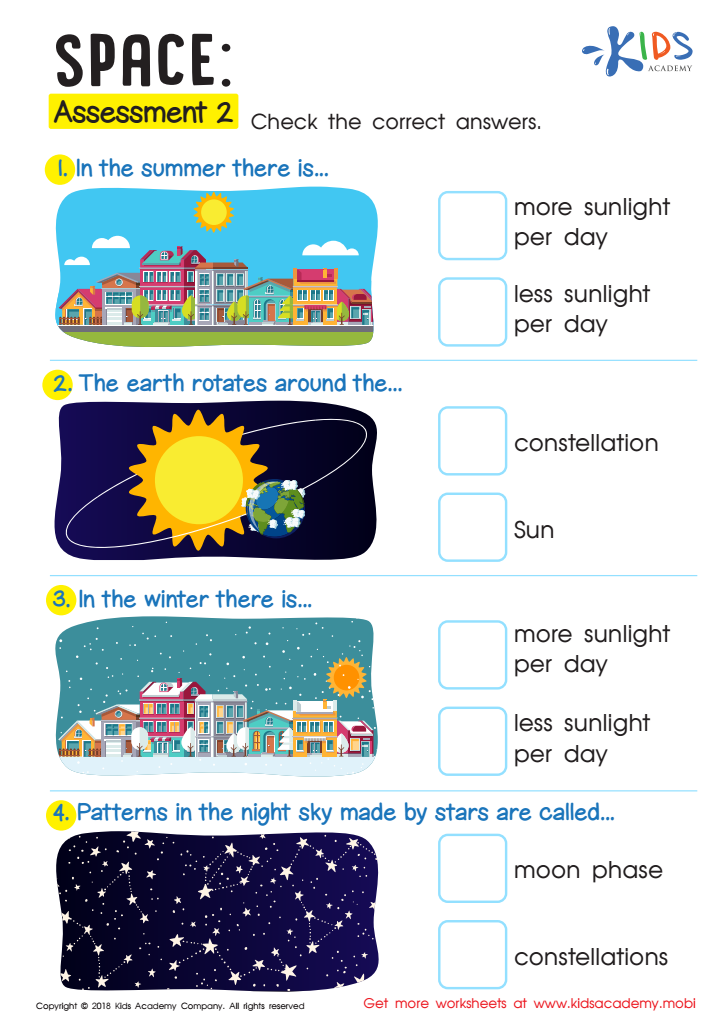
Space: Assessment 2 Worksheet
Test your kids' knowledge of the weather, constellations and Earth with this worksheet. Show them the 4 images and ask what's happening; then read the questions and options and help them pick the right answers. This printout is a helpful and fun way to learn!
Space: Assessment 2 Worksheet
Worksheet
Join Kids Academy for Free
Who is primarily going to use this learning content?






Parents and teachers should prioritize science knowledge for children aged 5-7 because it lays the foundation for critical thinking and curiosity. At this age, children exhibit a natural tendency to explore and ask questions about the world around them. Engaging them in scientific concepts sparks their innate curiosity, encouraging them to observe, hypothesize, test, and discover.
Science education at this early stage fosters problem-solving skills and enhances cognitive development. Through hands-on experiments and playful activities, children learn to collaborate, ask questions, and think creatively. This not only boosts their understanding of basic scientific principles but also teaches them to seek solutions and understand cause-and-effect relationships.
Moreover, integrating science into early education helps children develop a sense of wonder and respect for nature, encouraging environmental stewardship as they grow. It also prepares them for future academic success in STEM (science, technology, engineering, and mathematics) fields, which are critical in today’s job market.
Ultimately, early science education boosts confidence, innovation, and a lifelong love of learning, setting the stage for children to become inquisitive thinkers and informed citizens. Therefore, fostering science knowledge during these formative years is essential for their overall development.







