Logical Reasoning Plants and Animals Worksheets for Ages 5-7
5 filtered results
-
From - To
Enhance your child’s critical thinking with our engaging Logical Reasoning Worksheets focused on Plants and Animals, designed specifically for ages 5-7. These worksheets encourage young learners to explore the natural world while developing essential reasoning skills. Through fun, interactive tasks related to various plants and animals, children will sharpen their analytical abilities, improving observation and problem-solving skills. Perfect for at-home learning or classroom activities, these resources promote cognitive development while making science exciting and accessible. Download our printable worksheets today to inspire curiosity and foster a love for nature in your little ones! Perfect for early graders!
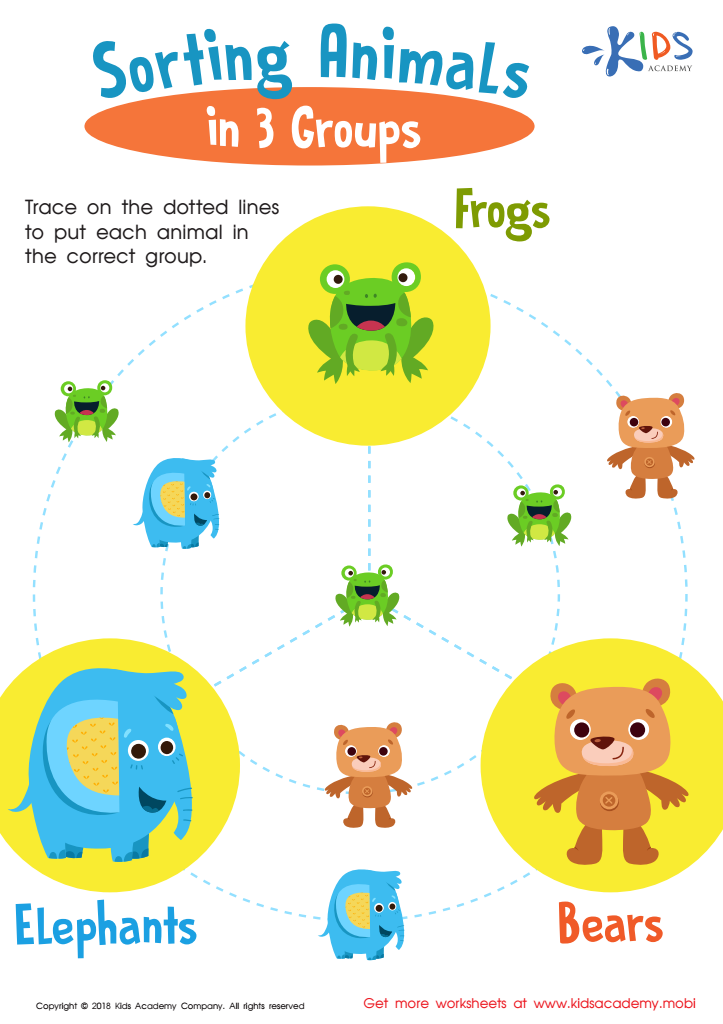
Sorting Animals in 3 Groups Worksheet
 Assign to My Students











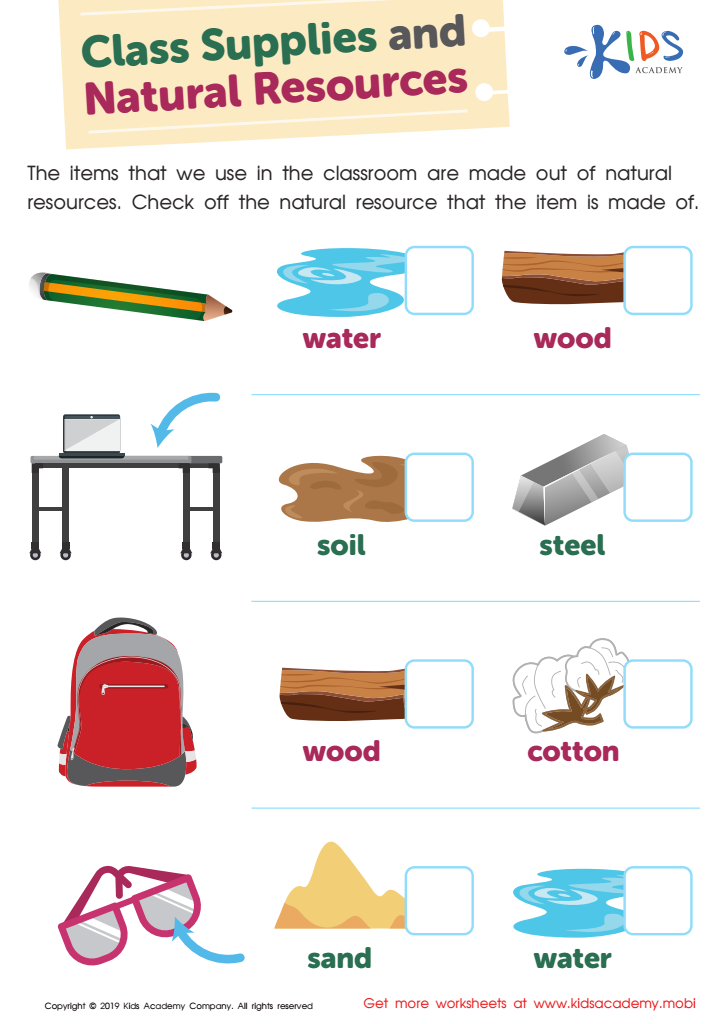
Class Supplies and Natural Resources Worksheet
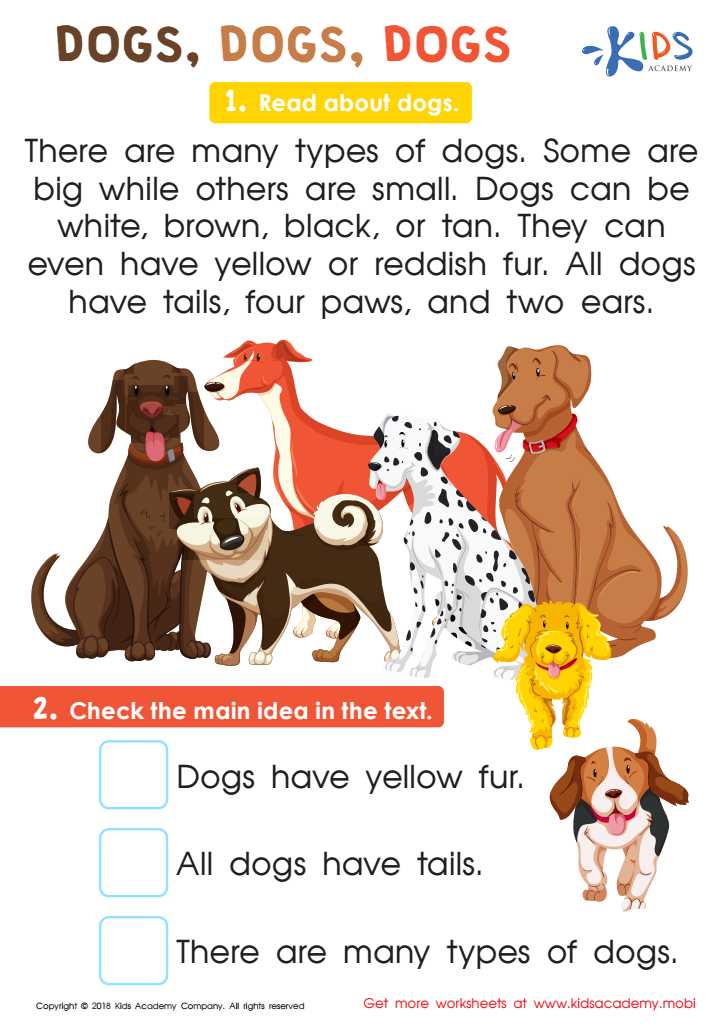
Dogs, Dogs Worksheet
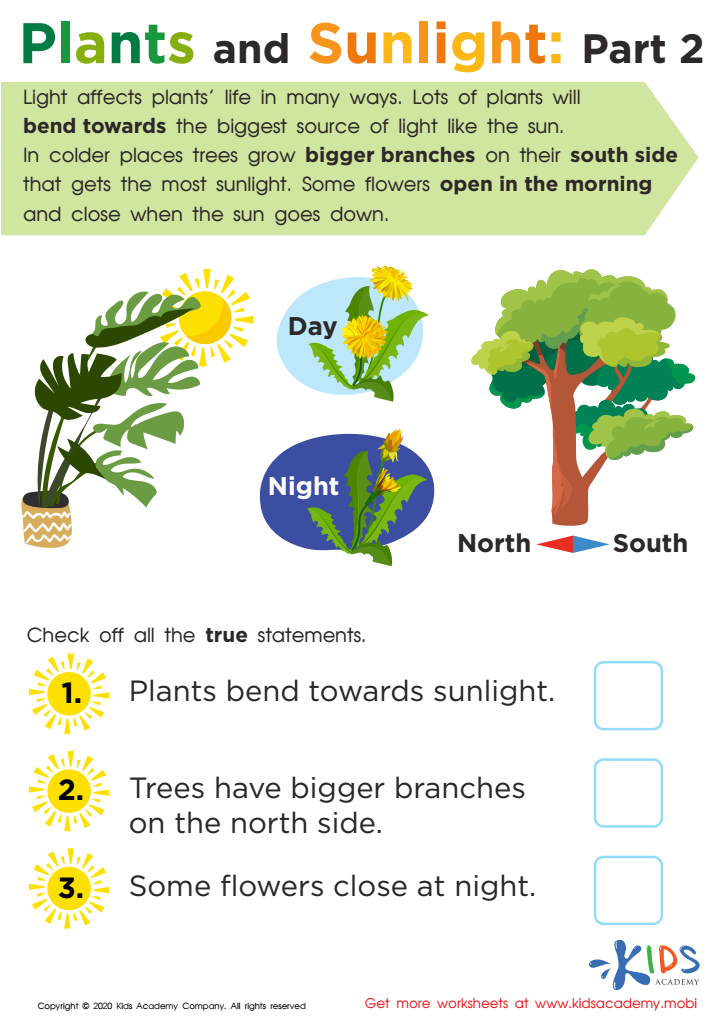
Plants and Sunlight: Part 2 Worksheet
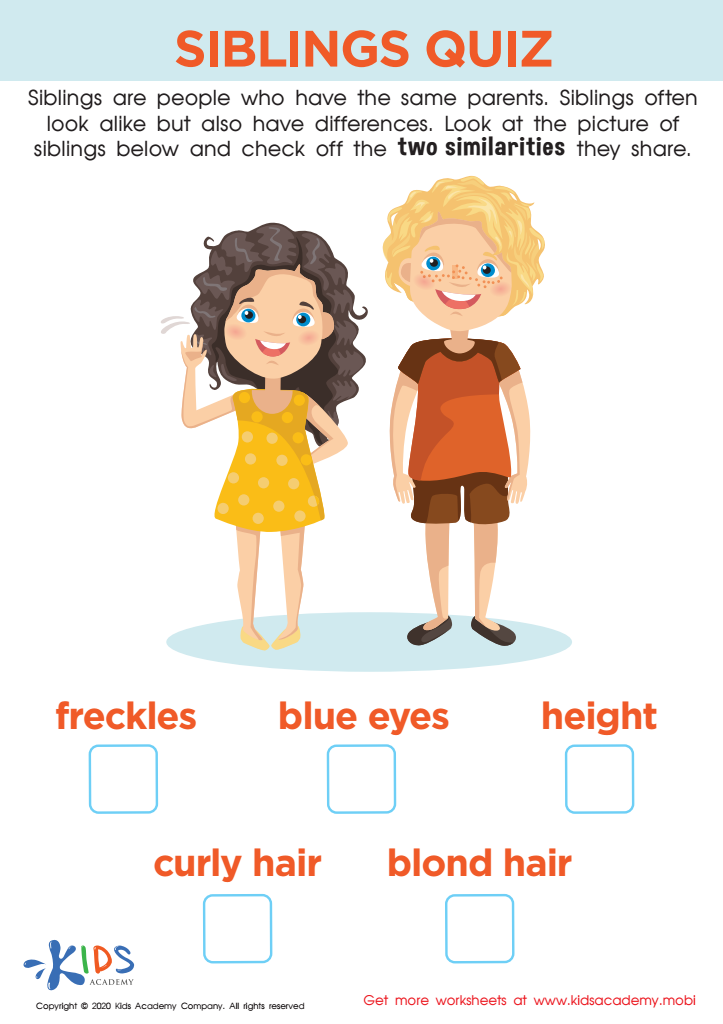
Siblings Quiz Worksheet







Logical reasoning is a crucial skill that young children begin to develop at ages 5 to 7. Teaching them about plants and animals through this lens cultivates critical thinking, problem-solving, and analytical abilities. Engaging in logical reasoning activities that focus on these topics helps children understand relationships, categorize information, and draw conclusions based on evidence.
For parents and teachers, incorporating logical reasoning into lessons on plants and animals fosters curiosity and a sense of inquiry. Children learn to ask questions about how different species coexist, the role of the environment in their survival, and the interconnections within ecosystems. This not only promotes scientific understanding but also encourages children to formulate hypotheses and test them through observations.
Moreover, logical reasoning exercises tailored to plants and animals can enhance language skills, as children articulate their thoughts and reasoning processes while discussing findings. As they engage in discussions, they build vocabulary and improve communication skills, essential for their overall development. Additionally, it instills a respect for nature, promoting environmental stewardship and mindfulness about biodiversity. Thus, logical reasoning connected to plants and animals is vital for nurturing both cognitive and emotional growth in early learners.








