Improving vocabulary Writing Worksheets for Ages 5-7
5 filtered results
-
From - To
Enhance your child’s vocabulary with our engaging writing worksheets designed for ages 5-7! Our collection offers fun, interactive exercises that cultivate language skills and boost creativity. Each worksheet supports young learners in exploring new words through vibrant illustrations and contextual exercises, making vocabulary expansion enjoyable. Children will practice writing and using diverse words in sentences, fostering a love for language. These resources are perfect for both classroom and home use, ensuring your child builds a strong foundation in literacy. Download our improving vocabulary writing worksheets today and watch your little ones develop their communication skills with confidence!
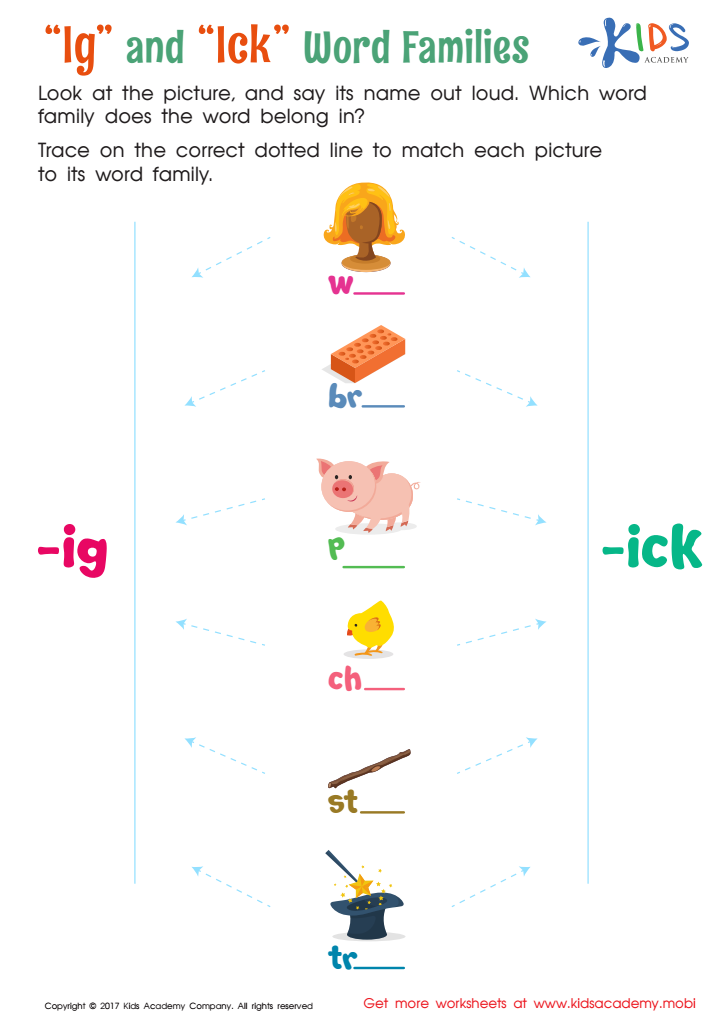
Words Families "ig" and "ick" Spelling Worksheet
 Assign to My Students
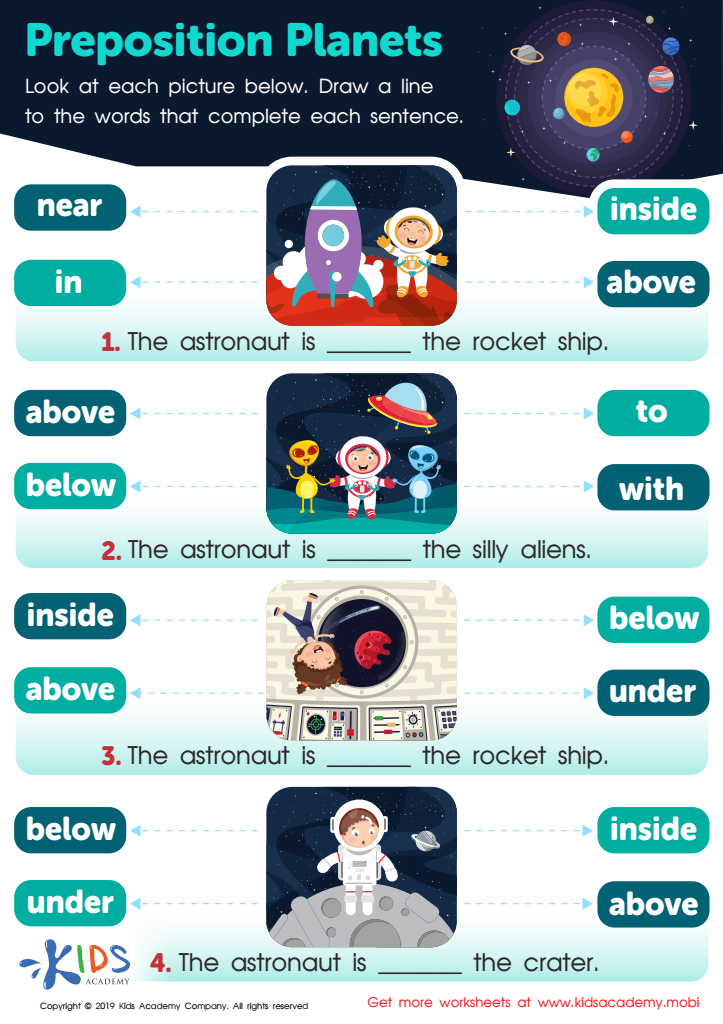
Preposition Planets Worksheet
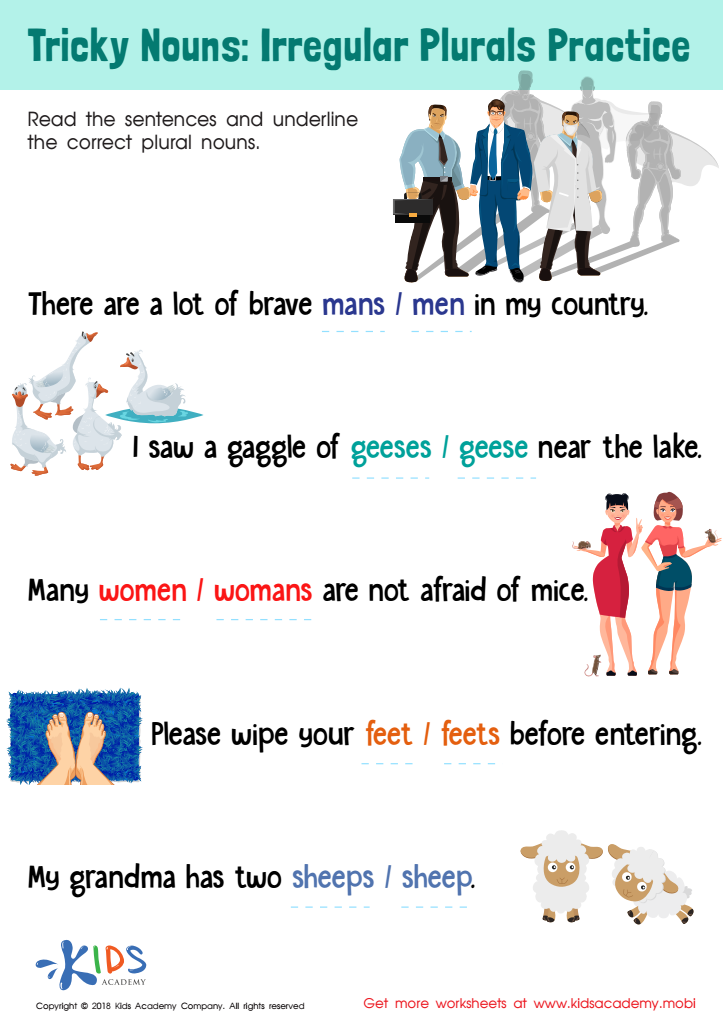
Tricky Nouns: Irregular Plurals Practice Worksheet
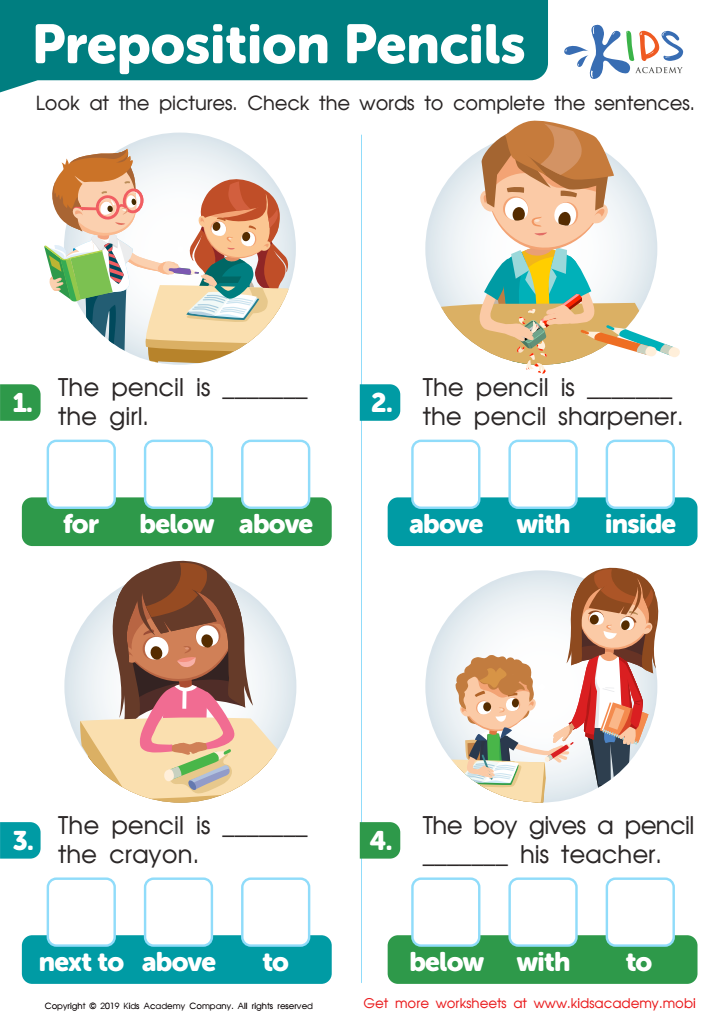
Preposition Pencils Worksheet
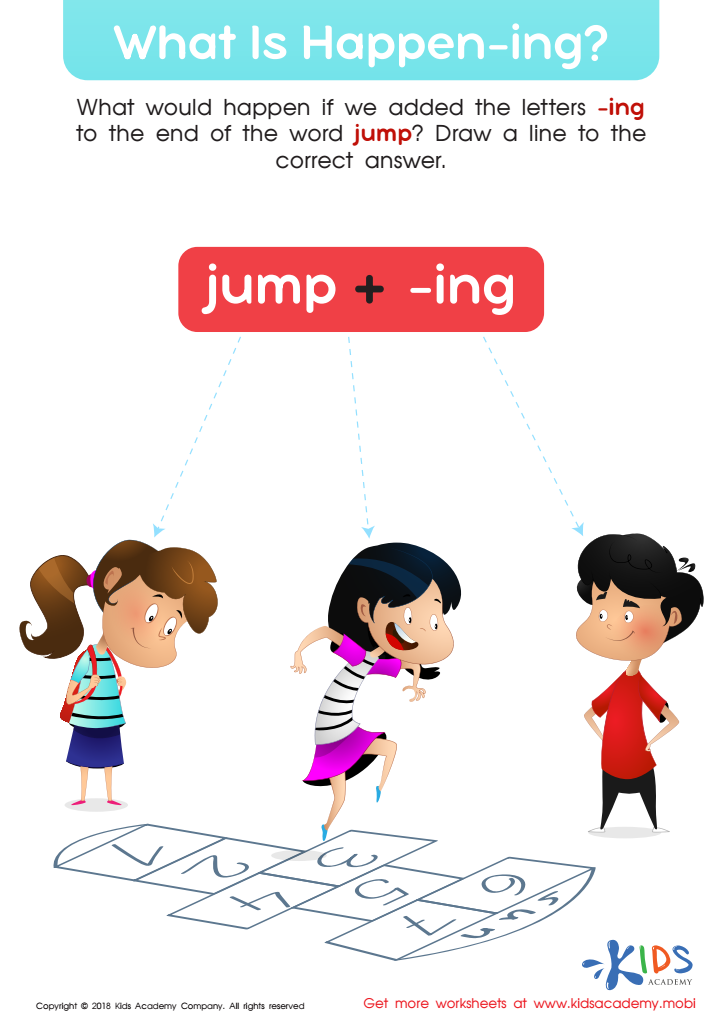
What Is Happen-Ing? Worksheet








Improving vocabulary writing for children aged 5-7 is crucial for their overall language development and academic success. At this age, children are absorbing knowledge rapidly, and a robust vocabulary enhances their ability to express thoughts and ideas clearly. An enriched vocabulary fuels creativity, allowing children to articulate their imagination, whether in stories, poems, or even daily conversations.
Furthermore, a solid vocabulary foundation directly impacts reading proficiency. As children begin learning to read, understanding the meanings of words helps them comprehend texts more easily, fostering a love for reading that extends beyond the classroom. This critical skill promotes an interest in books and aids in developing critical thinking abilities as they analyze and engage with a variety of texts.
Additionally, improving vocabulary is important for effective communication. Children equipped with a rich vocabulary are better poised to share their feelings, make friends, and collaborate with peers. Teachers and parents play a pivotal role in this process by providing diverse language experiences, engaging in rich conversations, reading together, and introducing new words in context.
Overall, fostering vocabulary development not only strengthens children's literacy skills but also supports their social, emotional, and cognitive growth, setting a solid foundation for lifelong learning.








