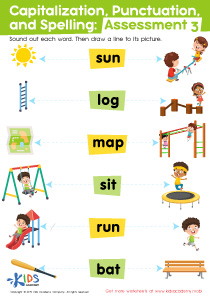
Spelling practice Writing Worksheets for Ages 5-7 - Page 2
43 filtered results
-
From - To
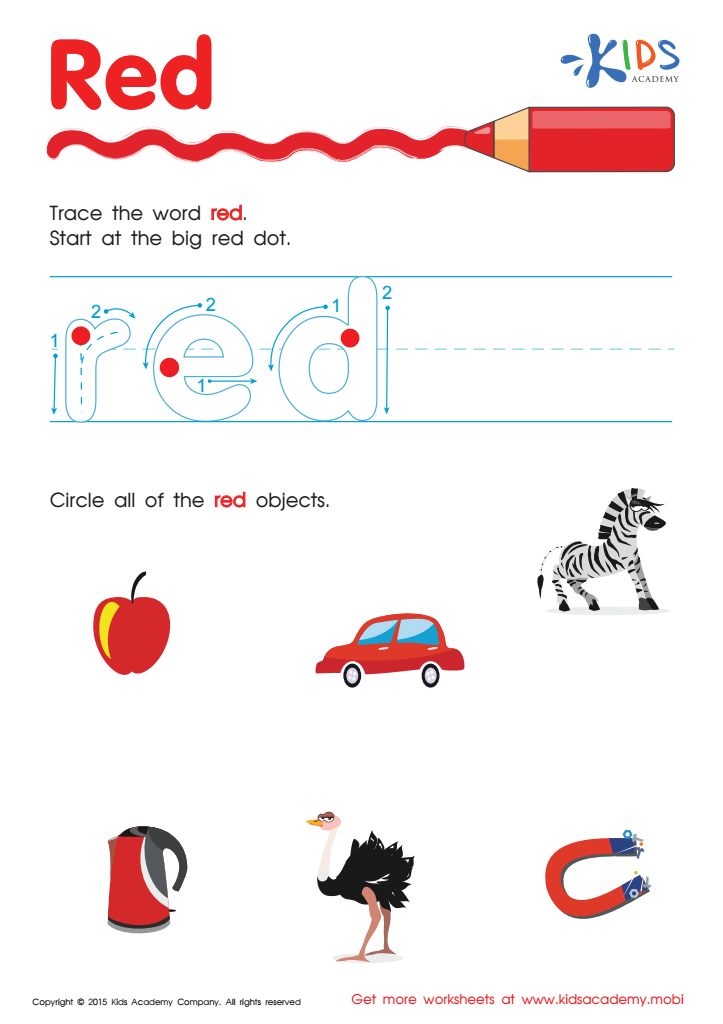
Red Tracing Color Words Printable
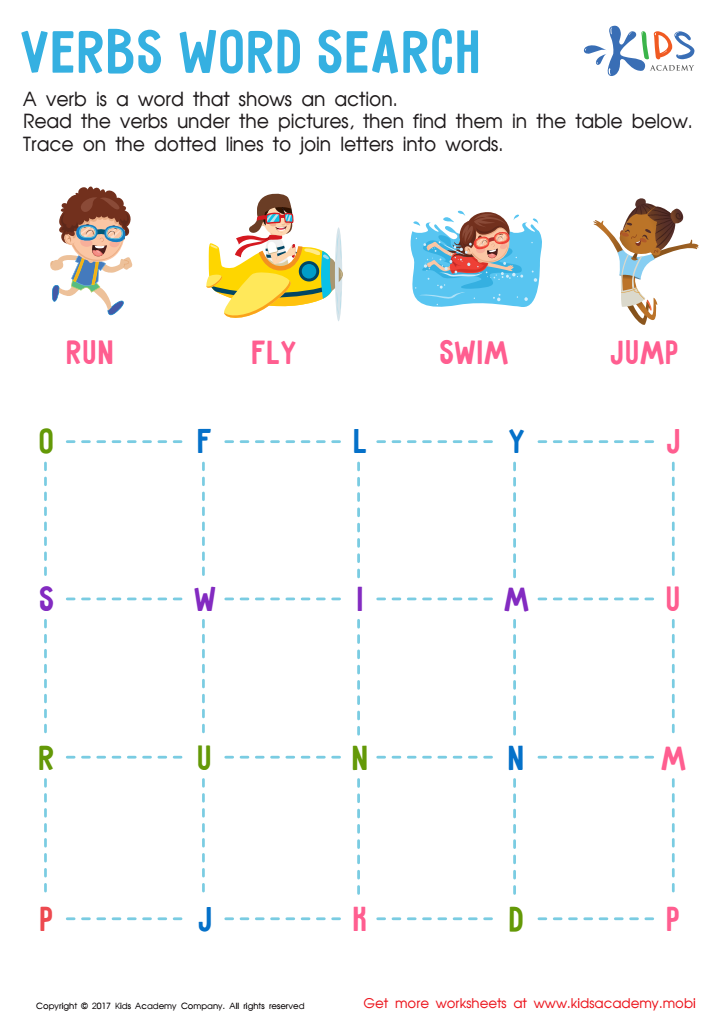
Verbs Word Search Worksheet
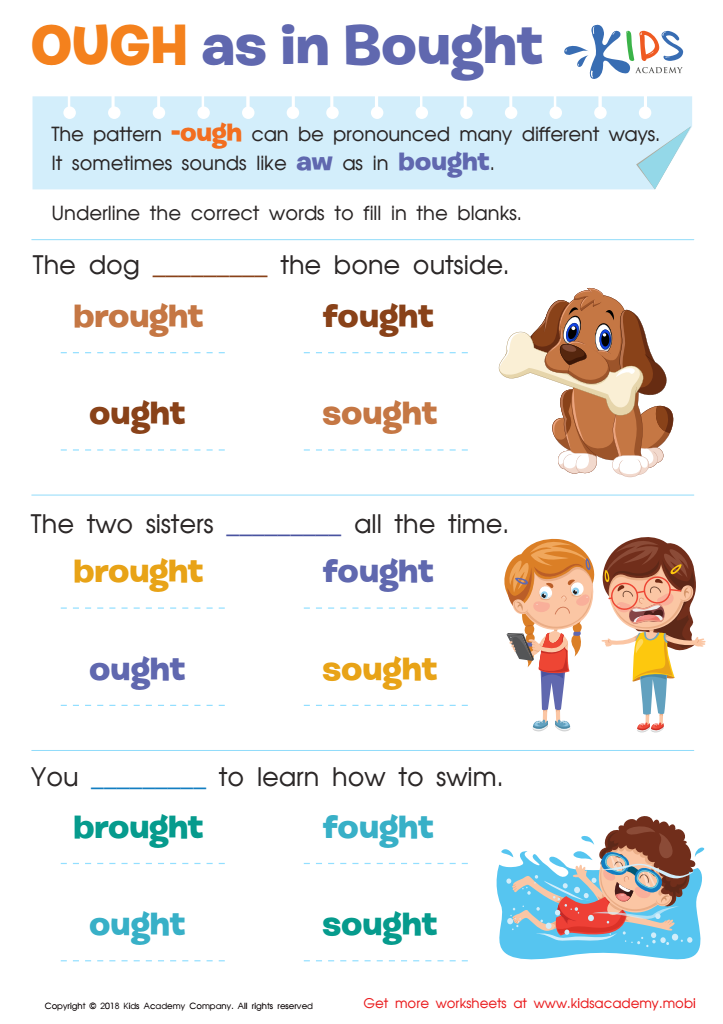
OUGH as in Bought Worksheet
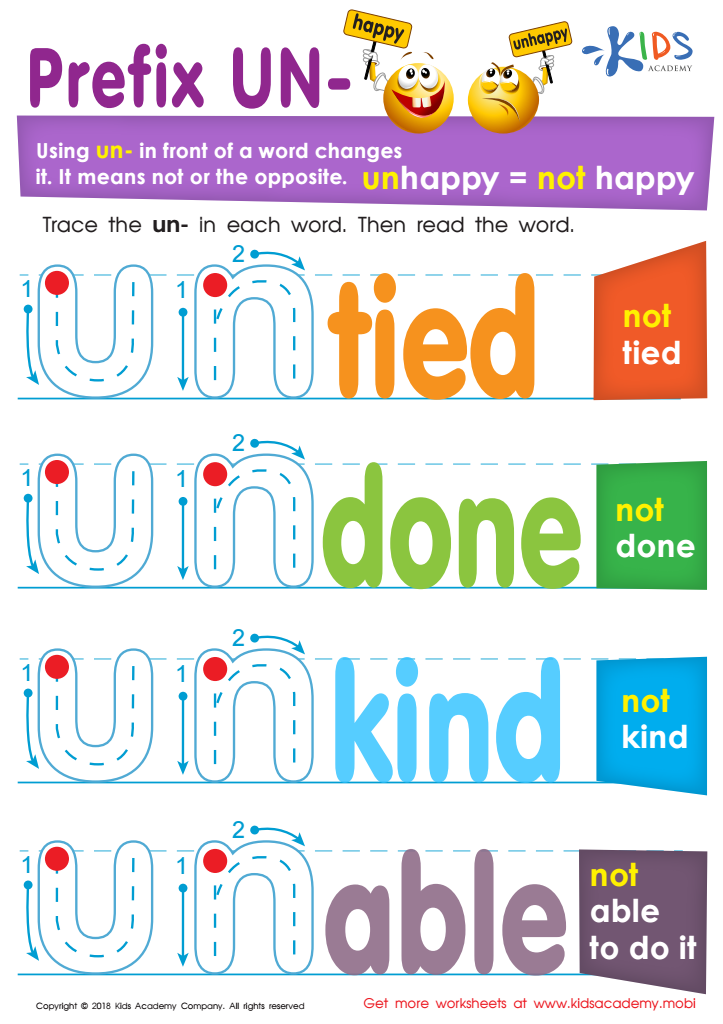
Prefix Un- Worksheet
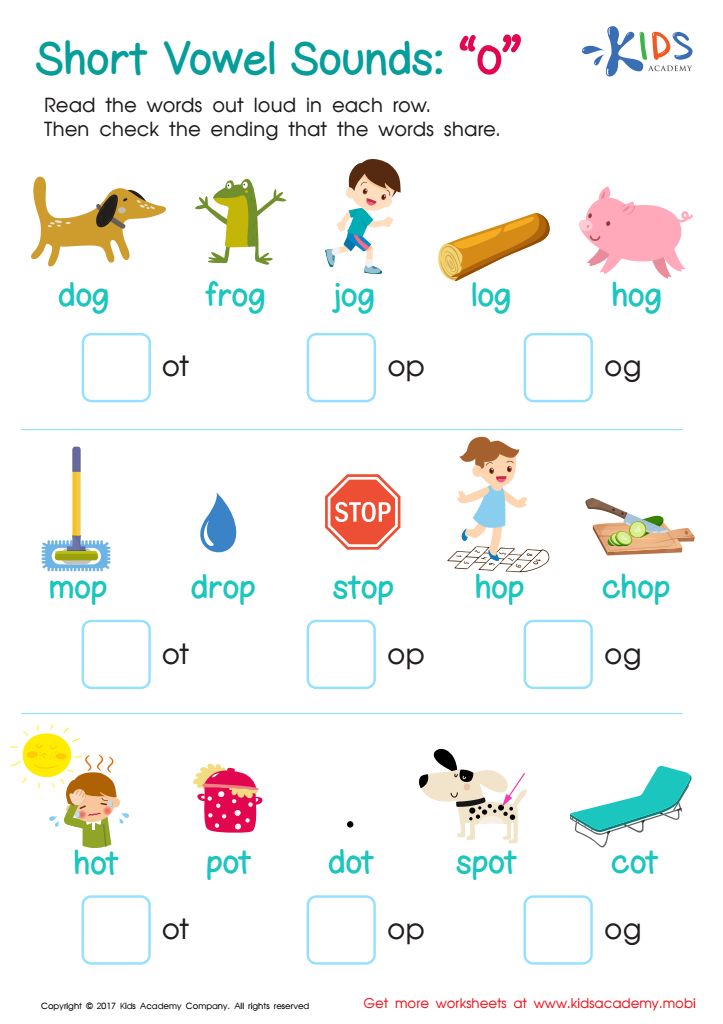
Short vowel Sounds "o" Spelling Worksheet
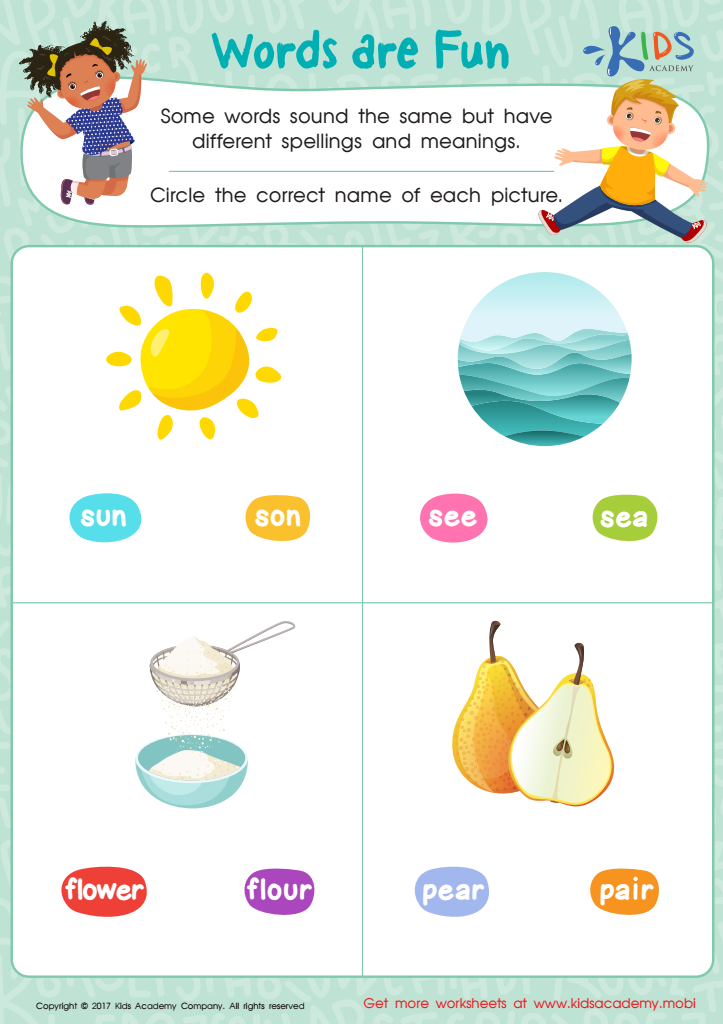
Words Are Fun Worksheet
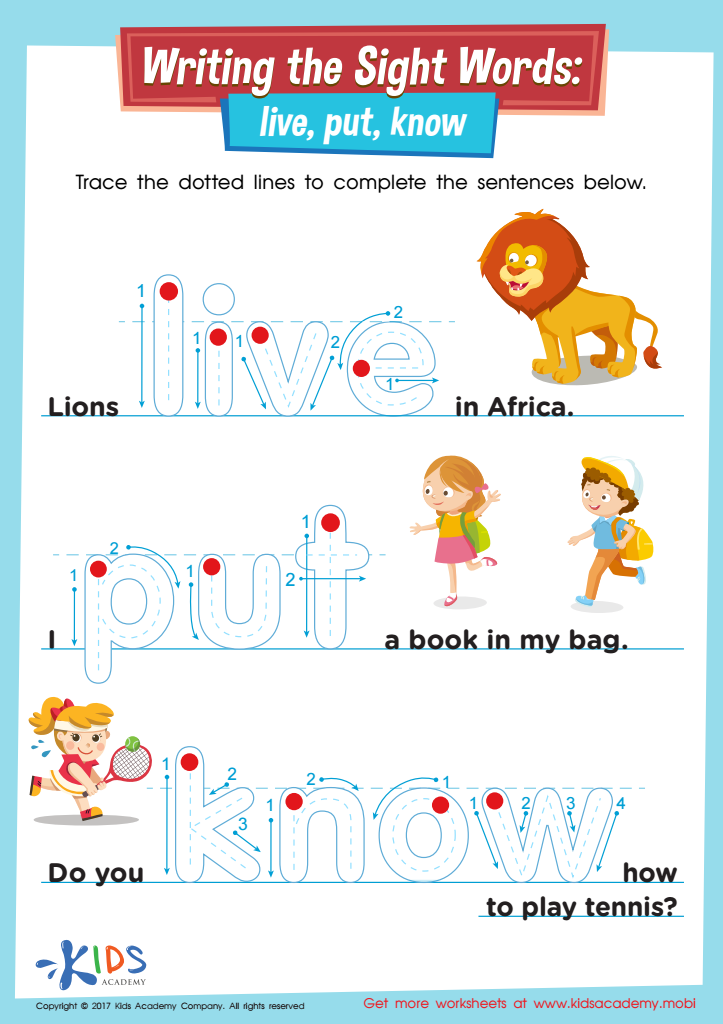
Live, Put, Know Printable Sight Words Worksheet
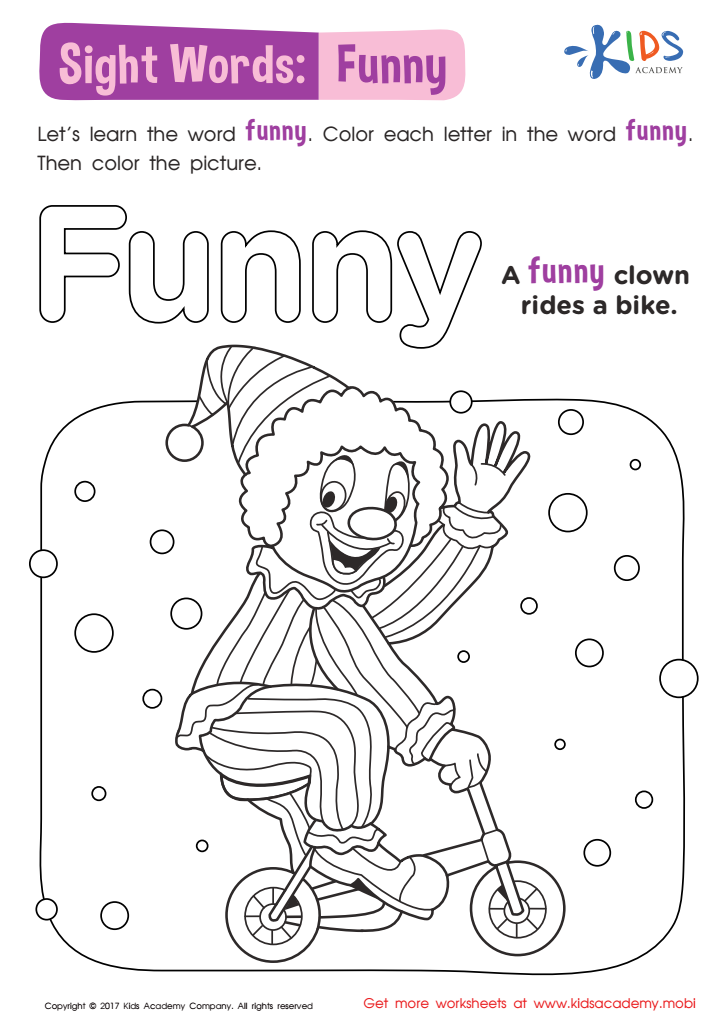
Funny Worksheet Sight Words Worksheet
 Assign to My Students
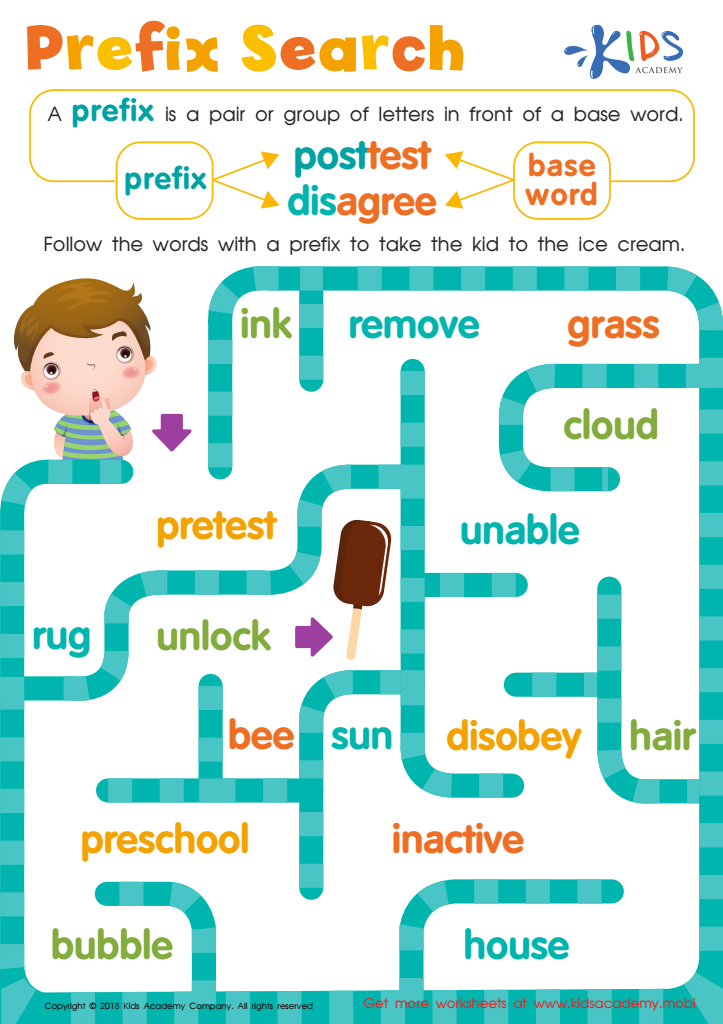
Reading: Prefix Search Worksheet
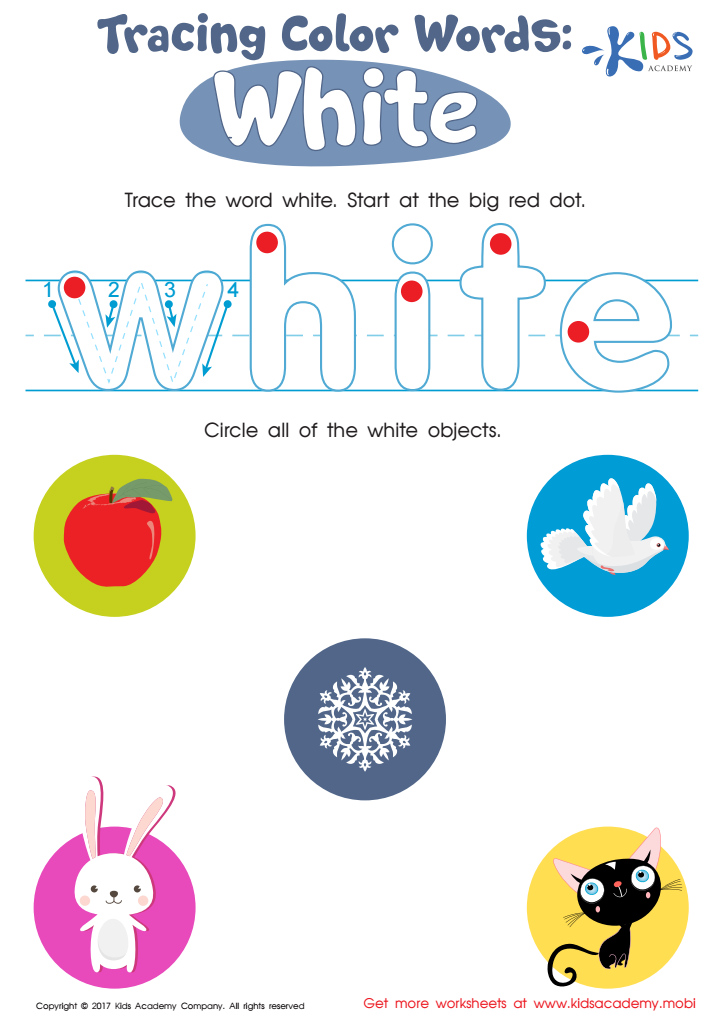
White Tracing Color Words Worksheet
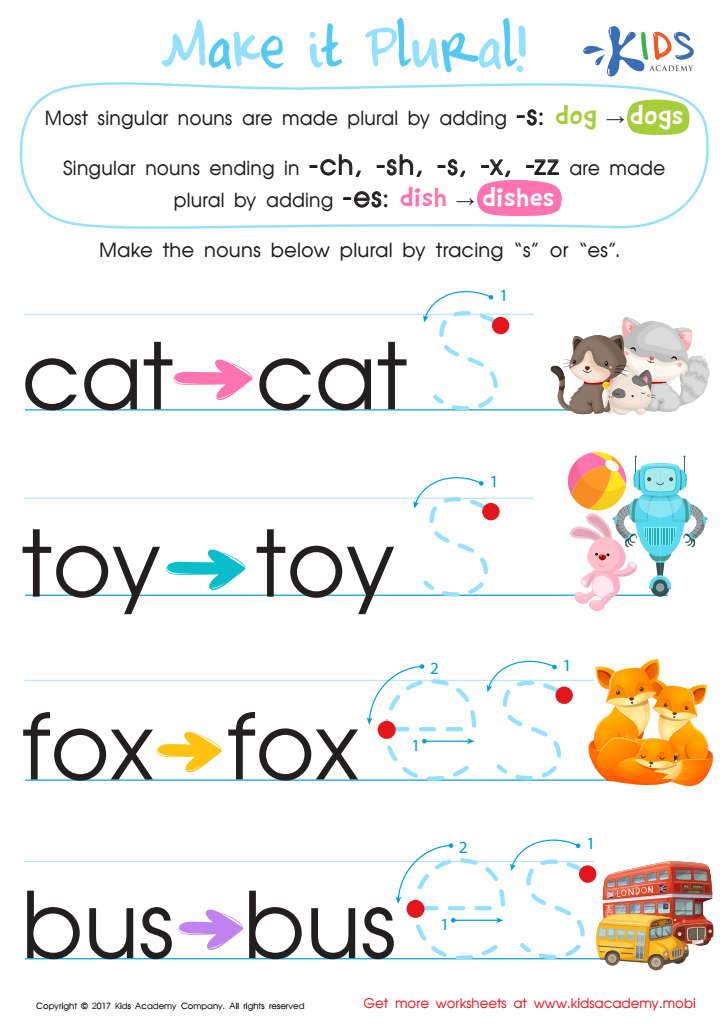
Make it Plural Worksheet
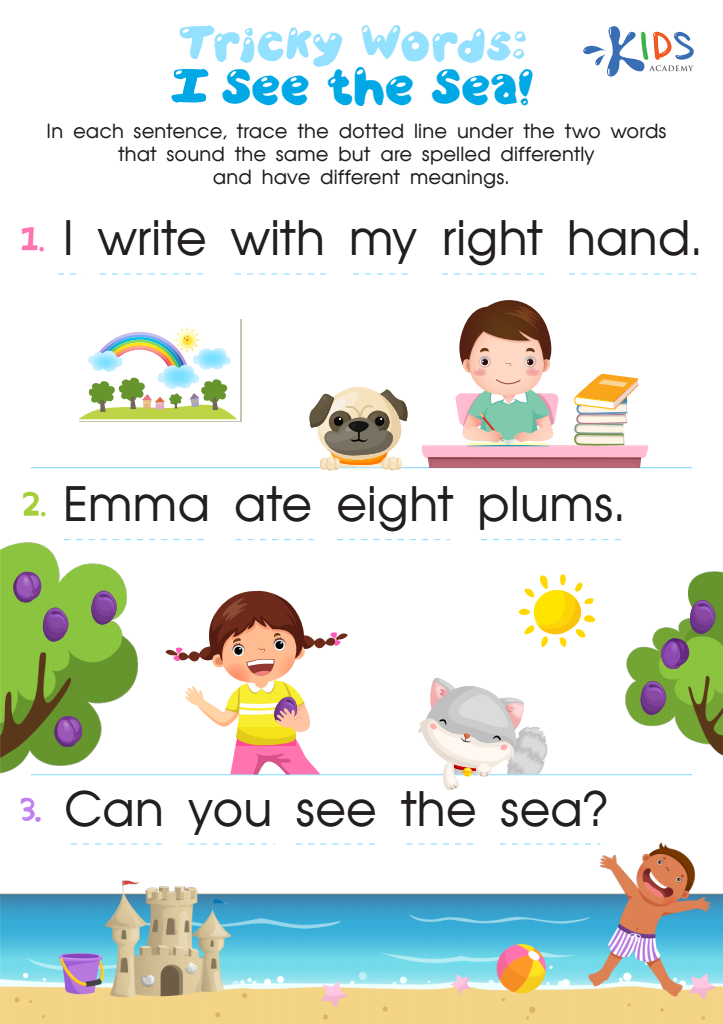
Tricky Words Worksheet
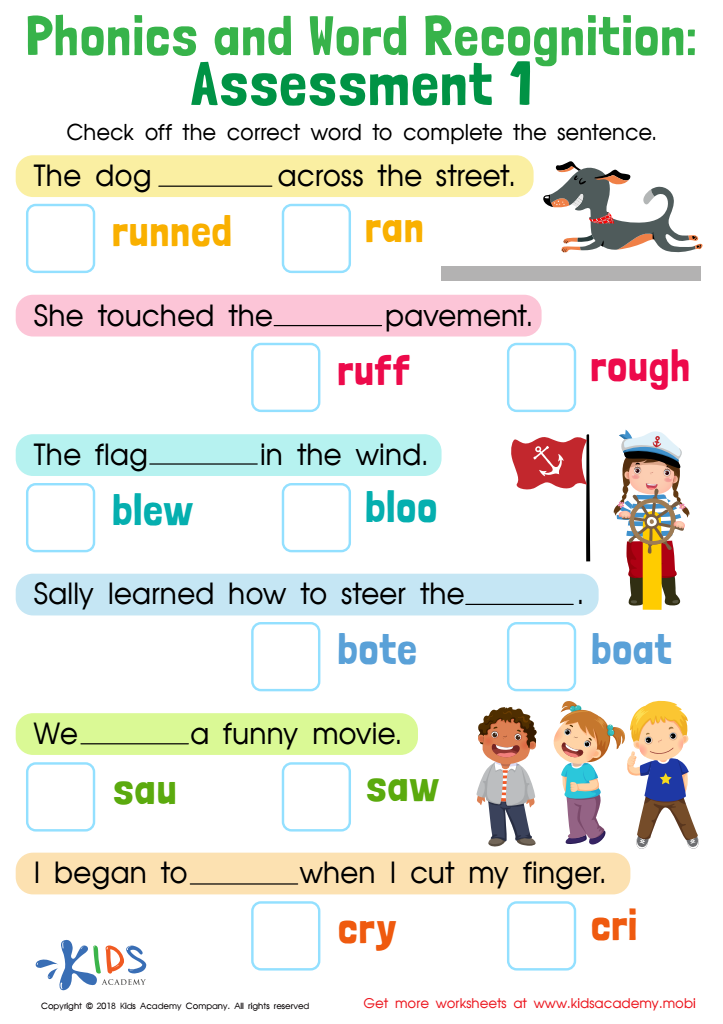
Phonics and Word Recognition: Assessment 1 Worksheet
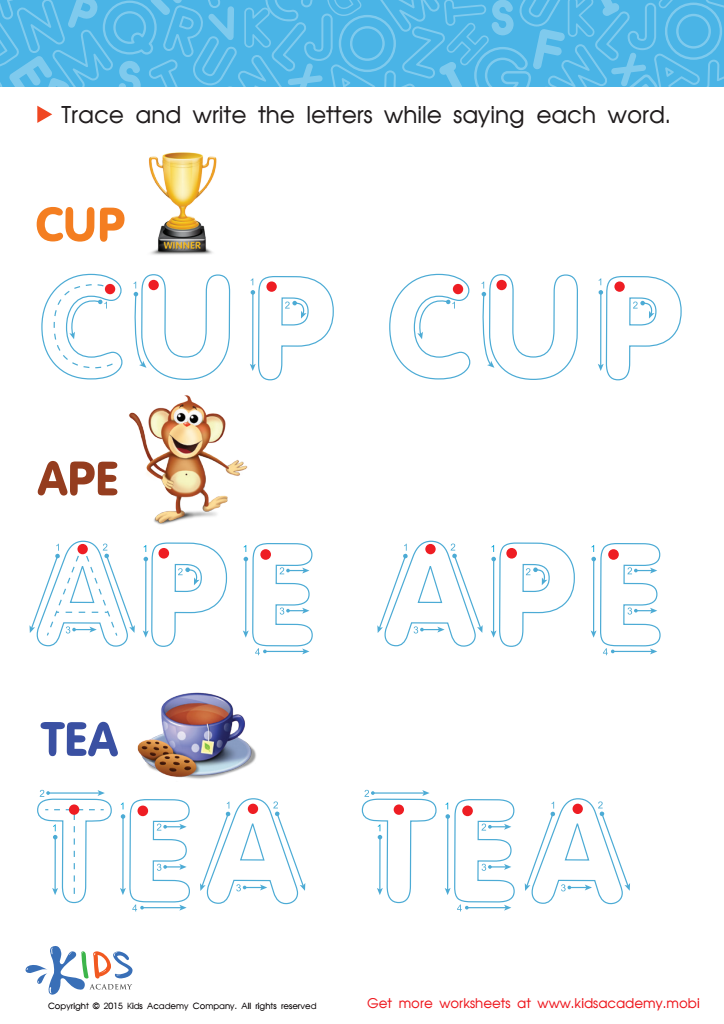
A Cup, an Ape and Tea Spelling Worksheet
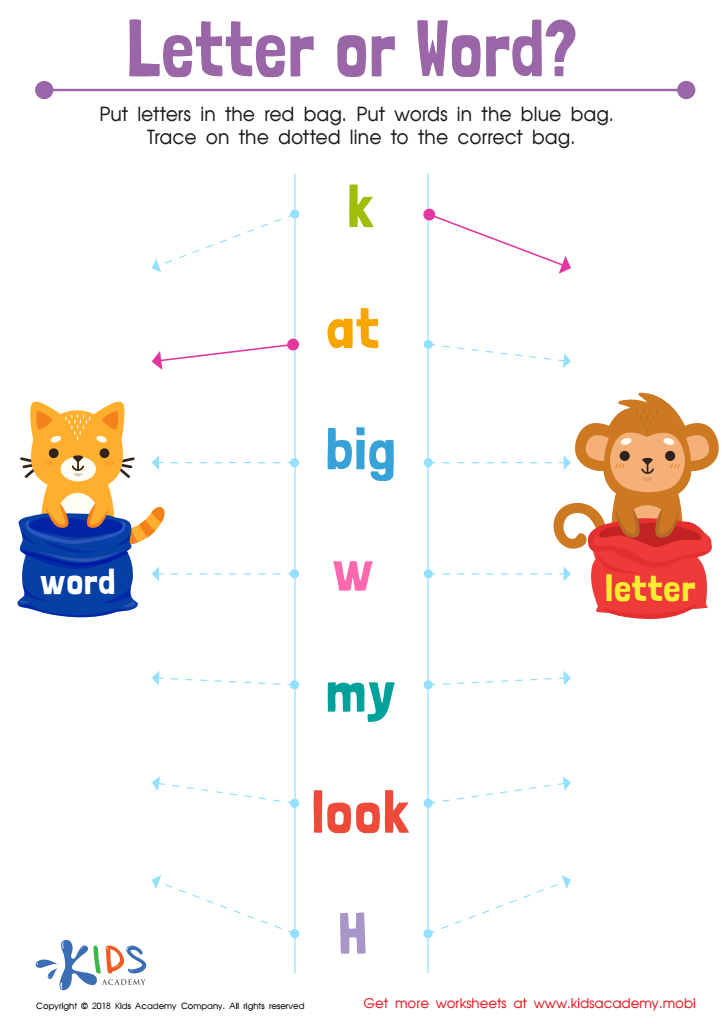
Letter or Word? Worksheet
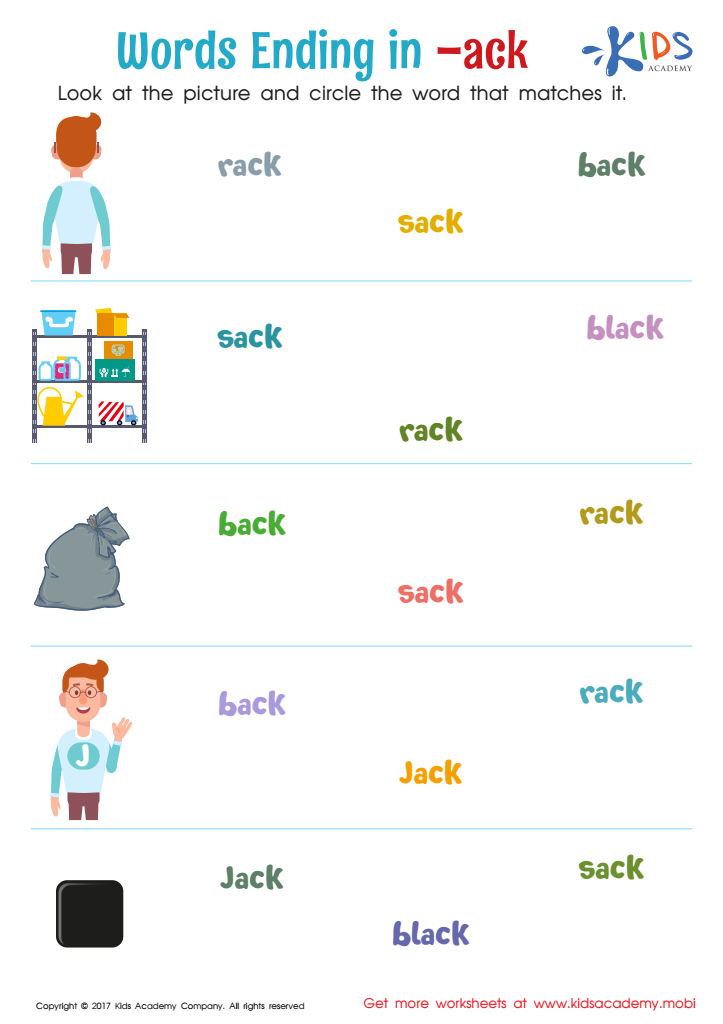
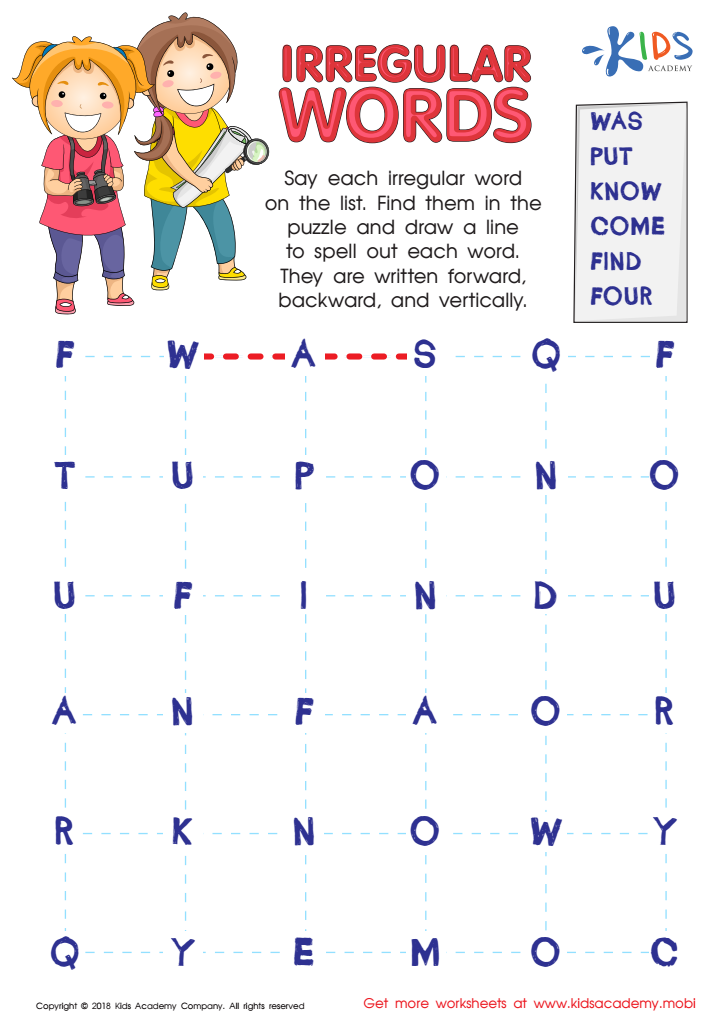
Irregular Words Worksheet
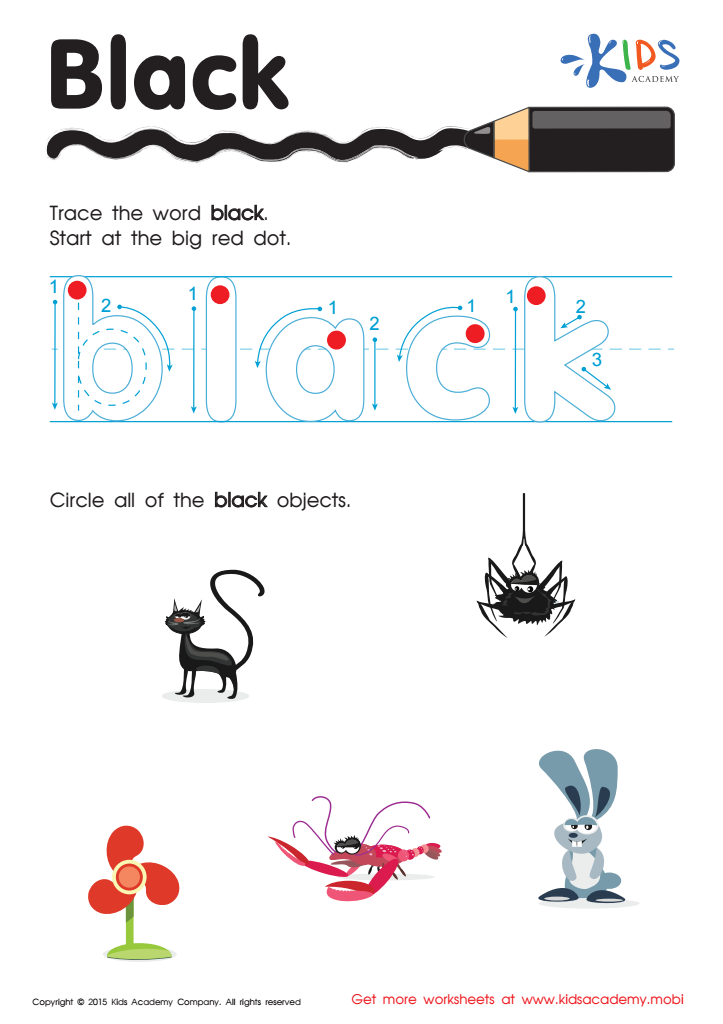
Black Tracing Color Words Printable
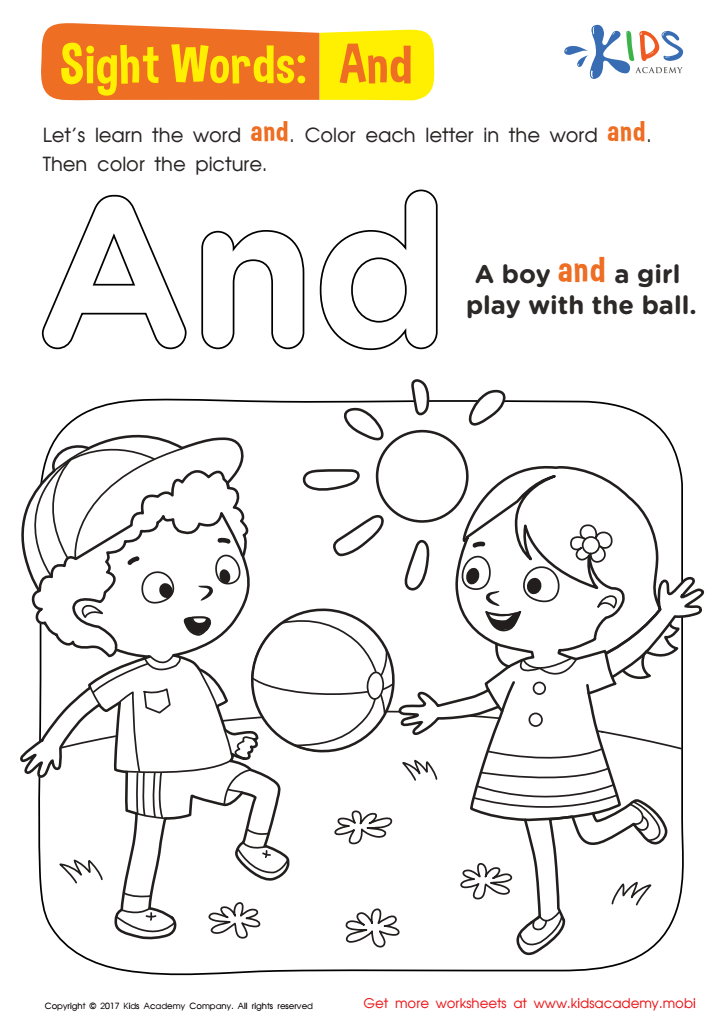
And Worksheet Sight Words Worksheet
Assign to My Students








Spelling practice in writing is crucial for children aged 5-7 as it lays the foundation for effective communication and literacy skills. At this age, children are rapidly developing their vocabulary and beginning to understand the mechanics of words. Regular spelling practice not only helps increase their word recognition but also boosts their confidence when expressing themselves in writing.
Moreover, spelling is interconnected with reading; as children become better spellers, they also become better readers. It strengthens their phonemic awareness—the ability to hear and manipulate sounds in words—essential for decoding and comprehension.
Effective spelling practice enhances fine motor skills and the development of written communication, encouraging children to explore creativity through storytelling and personal expression. It develops resilience too, as children learn to navigate mistakes, fostering a growth mindset.
Parents and teachers can work together to create engaging spelling activities, from play-based tasks to structured lessons, making learning enjoyable. By prioritizing spelling practice, they ensure children are well-prepared for future educational challenges, making literacy an accessible and enjoyable journey from an early age. In sum, nurturing spelling skills in the early years influences broader learning outcomes and personal development.