Worksheets for Ages 5-8 - Page 189
4559 filtered results
-
From - To
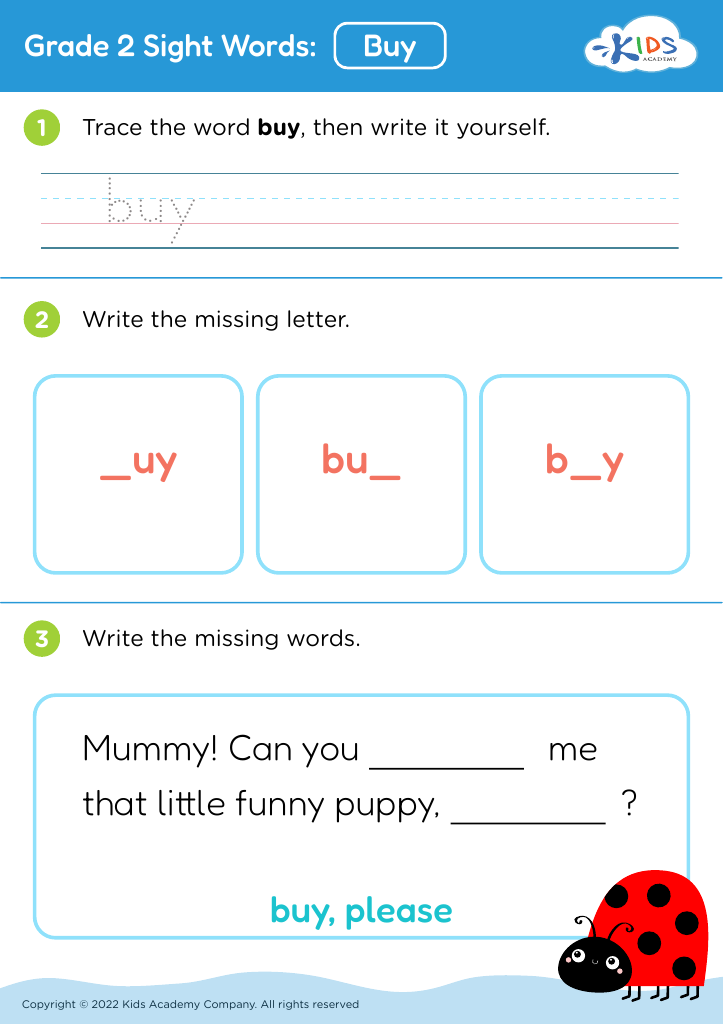
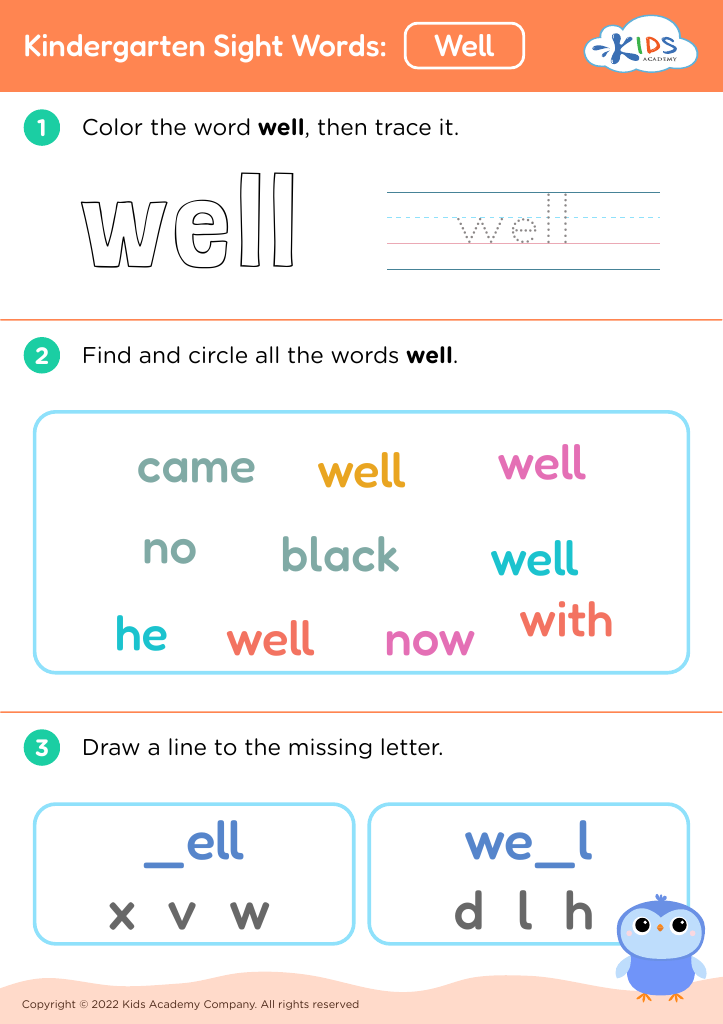
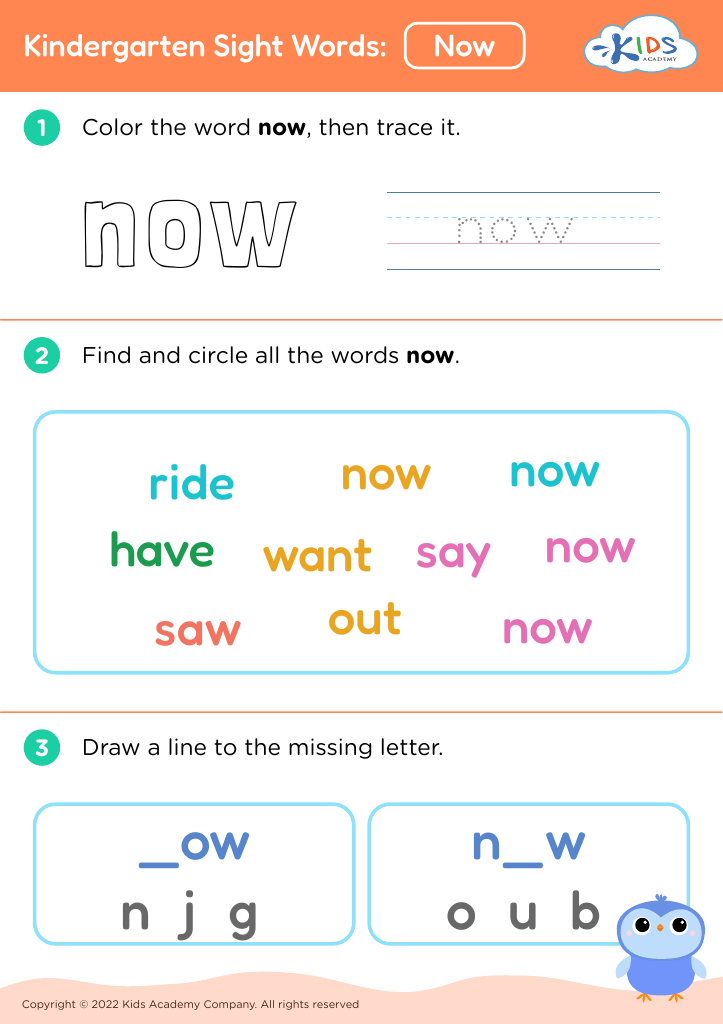
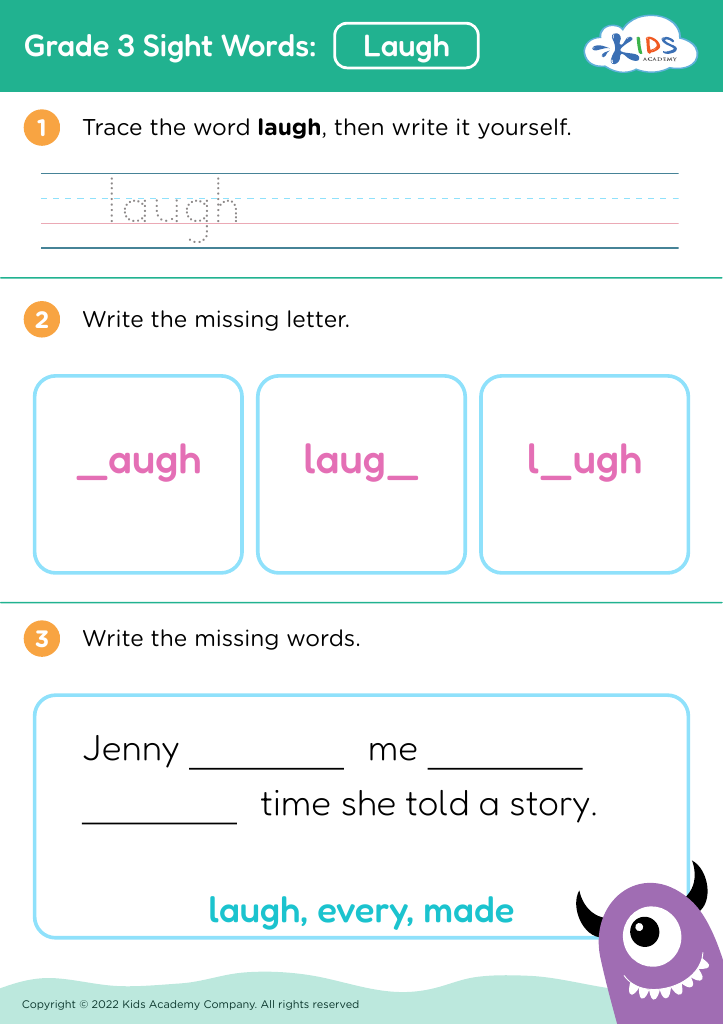

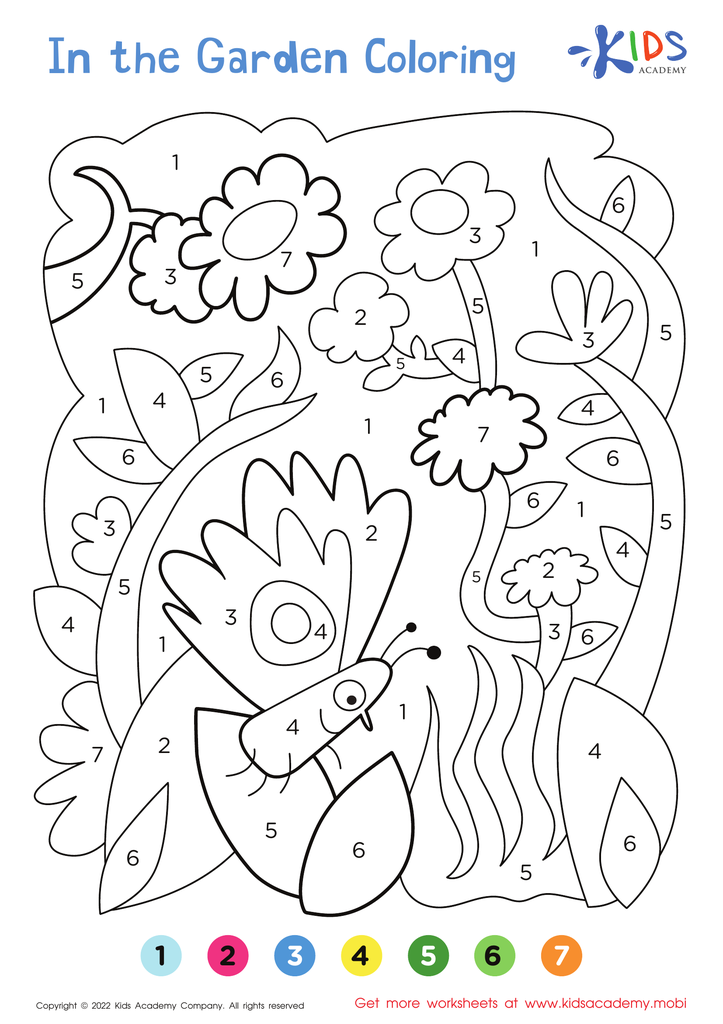
In the Garden – Coloring by Numbers








Parents and teachers should prioritize the development of children aged 5-8 because this is a crucial period for cognitive, social, and emotional growth. During these formative years, children's brains undergo significant changes, making them highly receptive to learning. Early experiences shape their academic abilities and influence their attitudes toward learning. Engaging, supportive environments foster a love of learning and build foundational skills in literacy, numeracy, and critical thinking.
Moreover, children in this age group are developing essential social skills, such as sharing, cooperation, and empathy. By nurturing these skills, parents and teachers help children build strong interpersonal relationships and emotional resilience, which are vital for their overall well-being.
Additionally, this period is critical for instilling positive habits and behaviors. Encouraging creativity, curiosity, and problem-solving during these early years sets the stage for lifelong learning and adaptability. As children explore their environment, they also discover their interests and talents, paving the way for future aspirations.
In essence, focusing on the developmental needs of children aged 5-8 not only enhances their academic capabilities but also fosters emotional health and social competence, preparing them for a successful transition into later childhood and beyond.








