Fine Motor Skills Tracing Letters Worksheets for Ages 5-8 - Page 2
35 filtered results
-
From - To
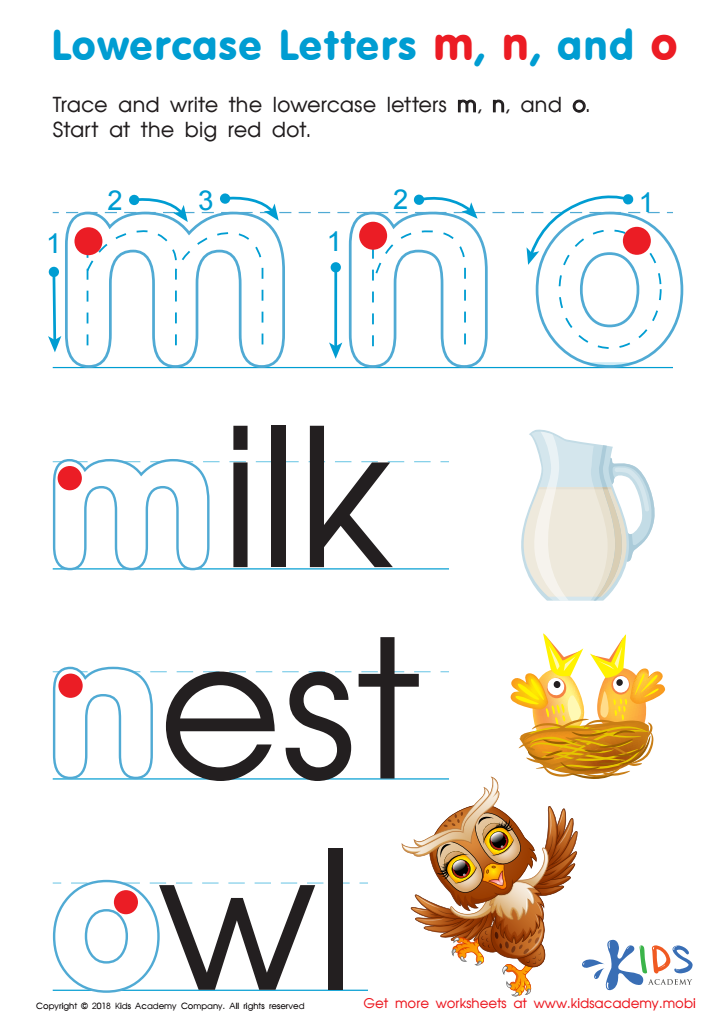
Lowercase Letters m n o Worksheet
 Assign to My Students
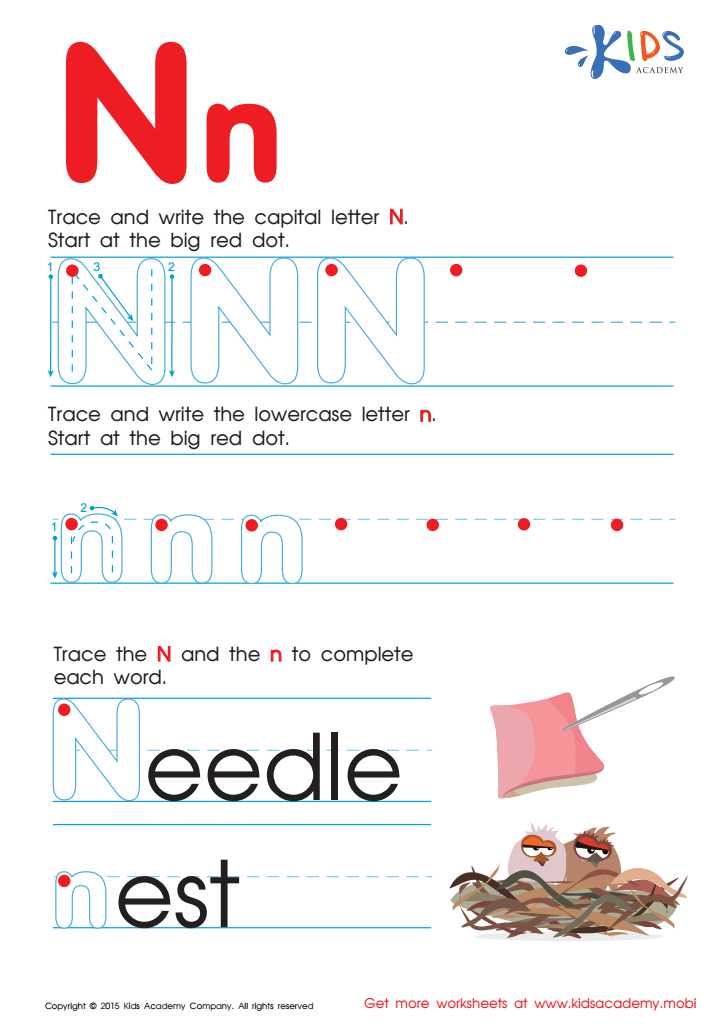
Letter N Tracing Page
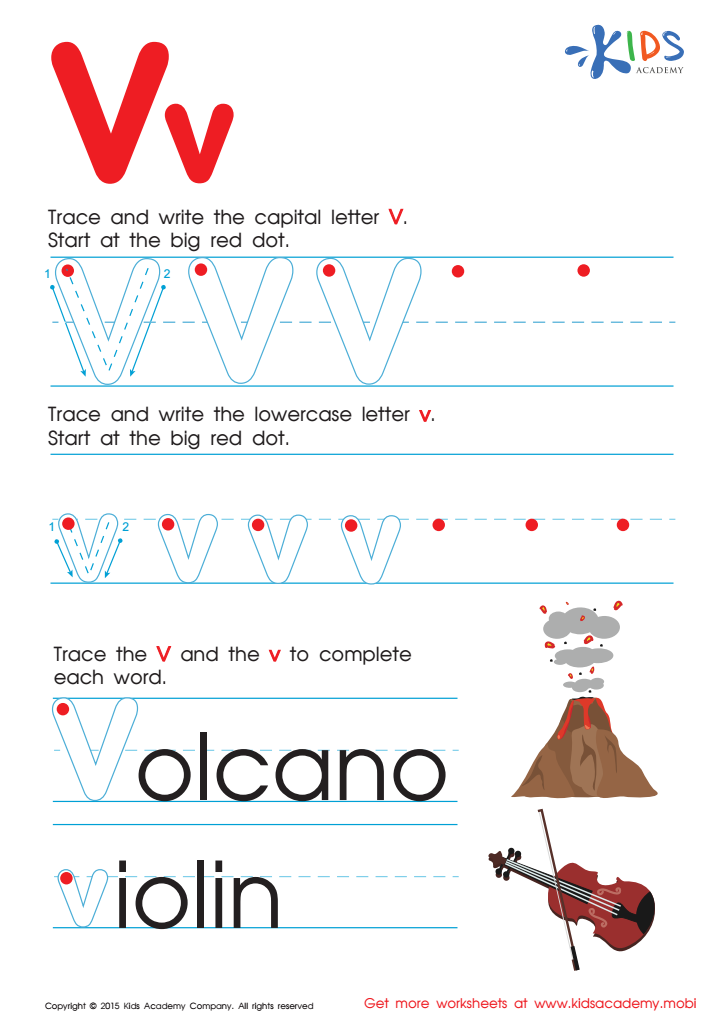
Letter V Tracing Page
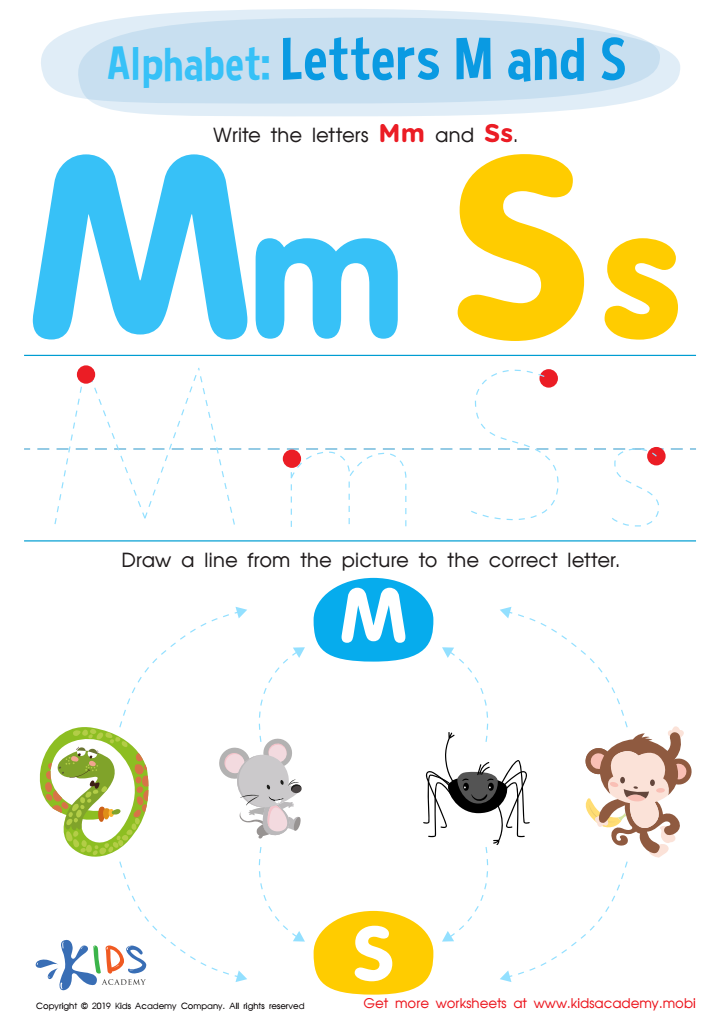
Letters M and S Tracing Worksheet
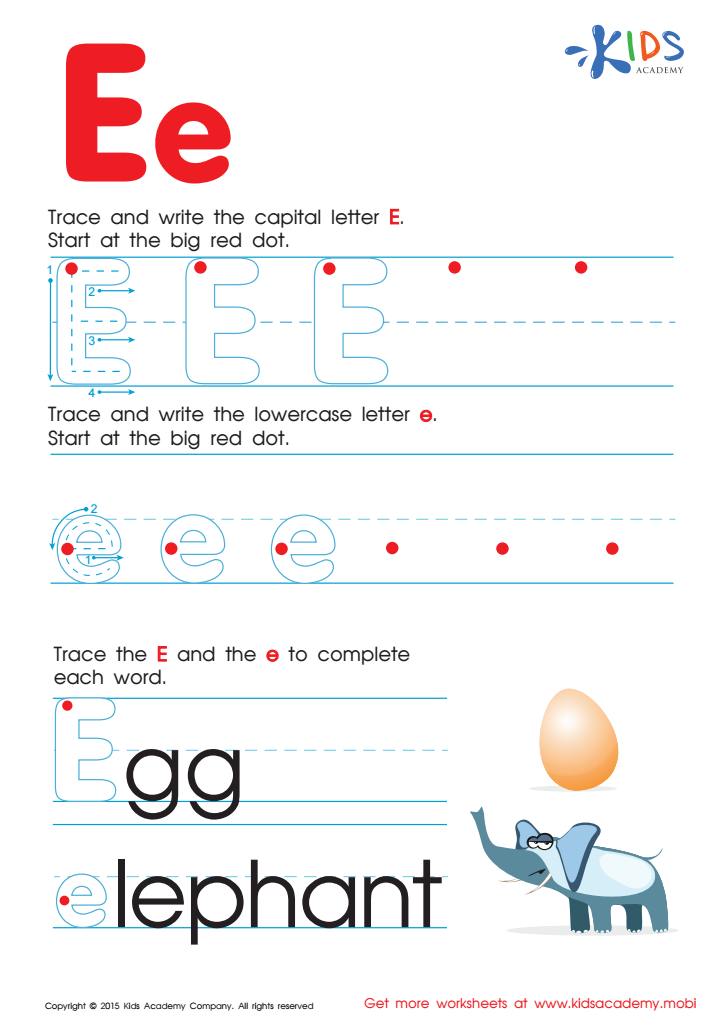
Letter E Tracing Page
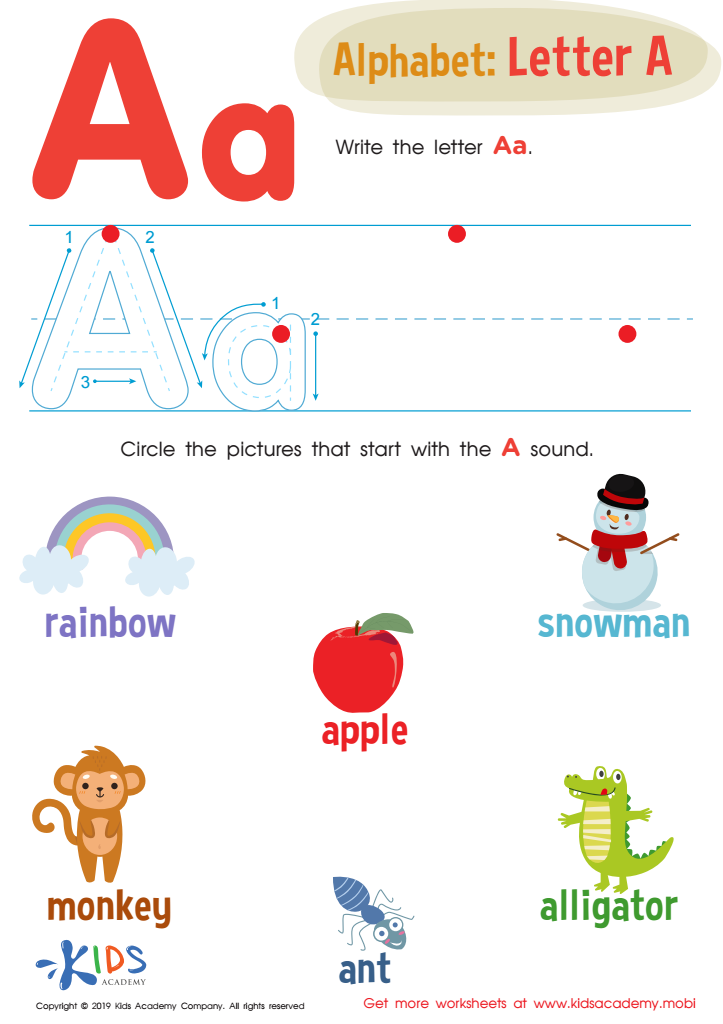
Letter A Tracing Worksheet
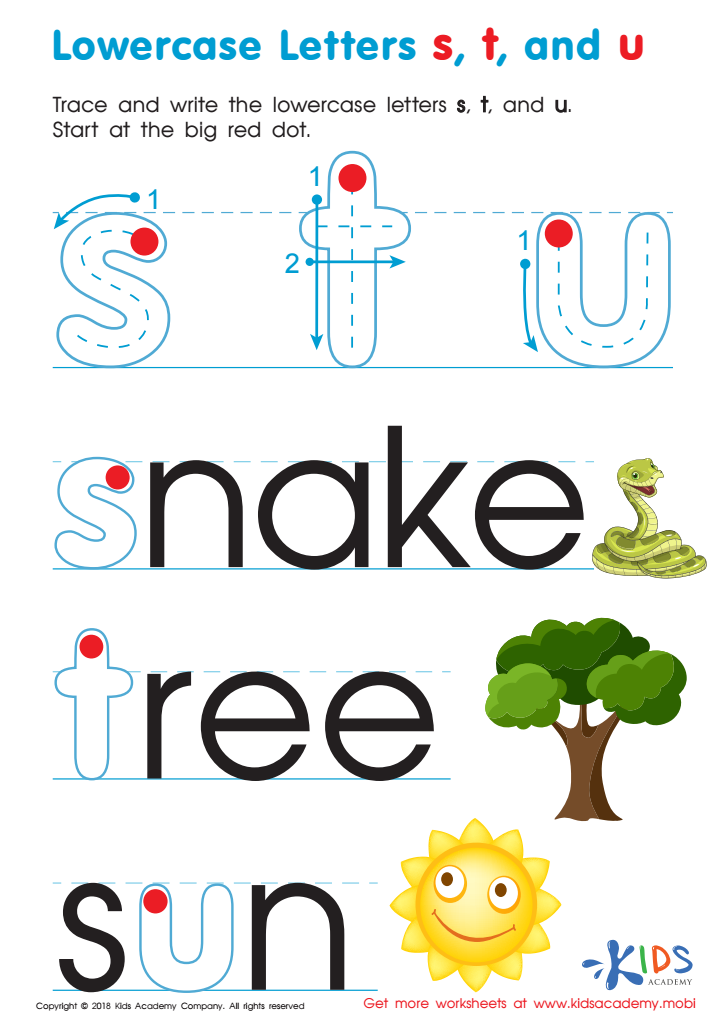
Lowercase Letters s t u Worksheet

Letter F Tracing Page
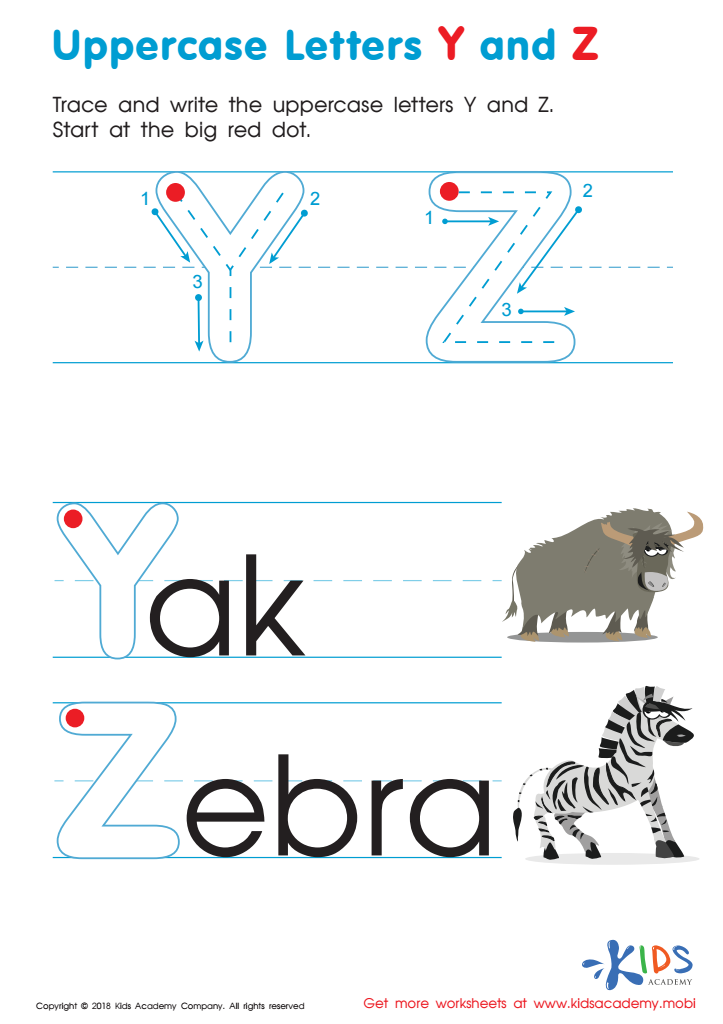
Uppercase Letters Y Z Worksheet

Letter T Tracing Page

Letter D Tracing Page







Fine motor skills tracing letters is essential for children ages 5-8 because it forms the foundation for handwriting and overall academic success. During these formative years, children develop hand-eye coordination, precision, and control required for writing letters and numbers, tasks vital in a classroom setting. Engaging in tracing activities strengthens the small muscles in their hands and fingers, preparing them for more complex writing tasks.
Parents and teachers should care about these skills as they directly influence a child's ability to perform tasks that are critical for literacy, such as holding a pencil correctly, forming letters legibly, and gaining the confidence to write independently. Tracing letters enhances cognitive development by helping children become familiar with letter shapes, which is a critical step in learning to read. This practice also improves focus, attention to detail, and patience.
Moreover, fine motor skill development has broader implications for everyday activities such as buttoning clothes, using utensils, and art projects, contributing to a child's independence and self-esteem. Therefore, integrating letter tracing into daily routines supports both academic and personal growth, providing children with the tools they need to succeed in school and everyday life.








