Addition skills Worksheets for Ages 5-8 - Page 2
140 filtered results
-
From - To
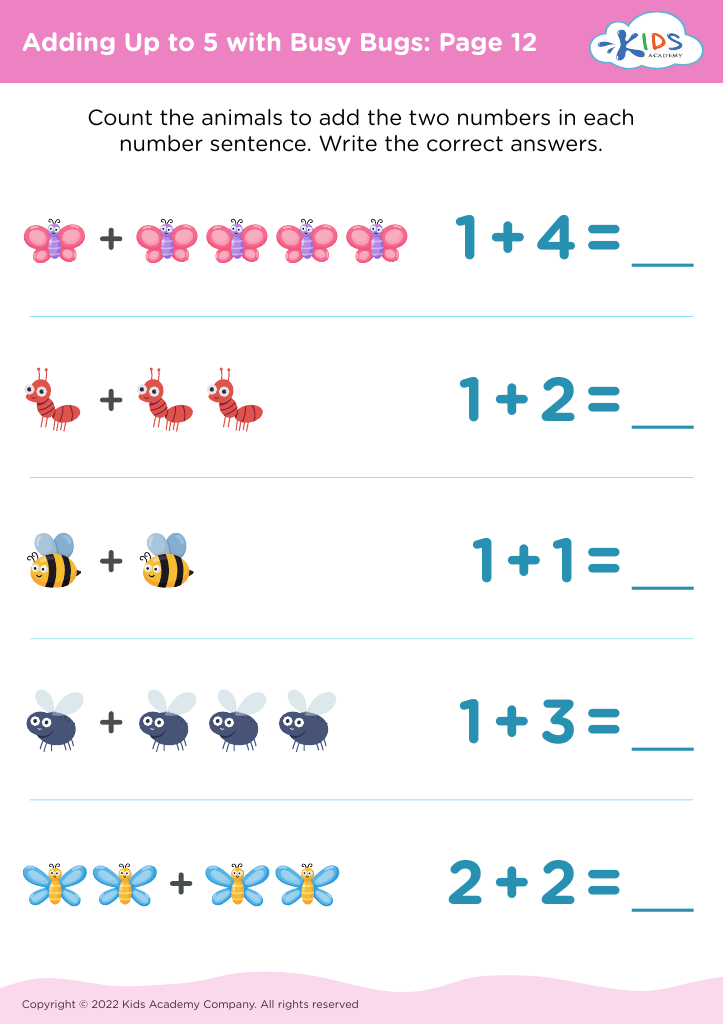
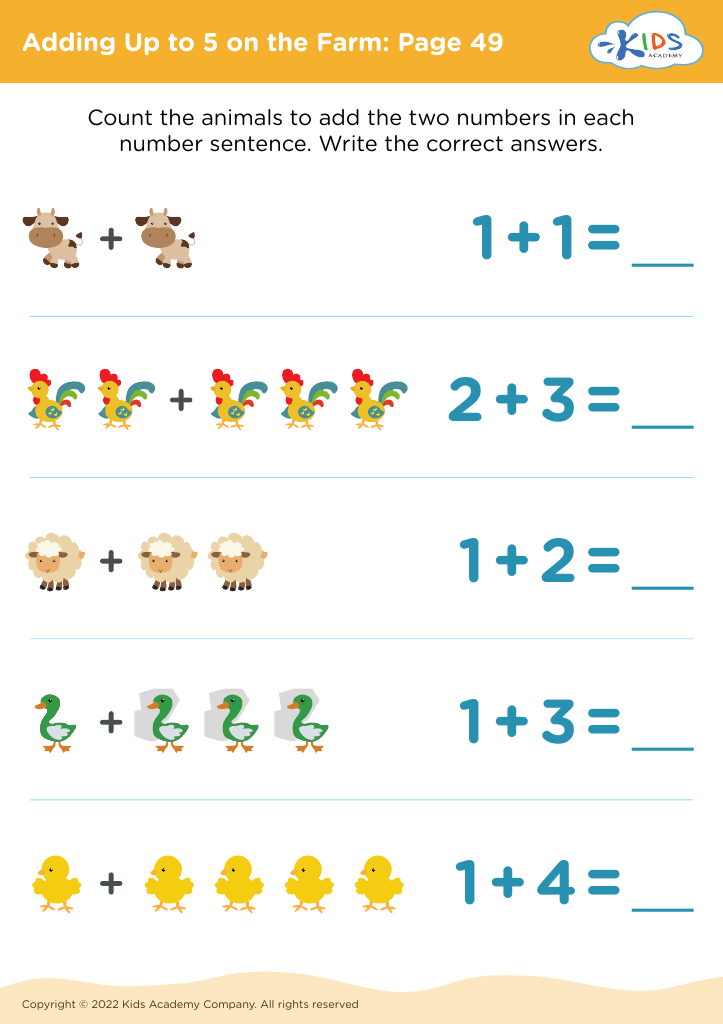
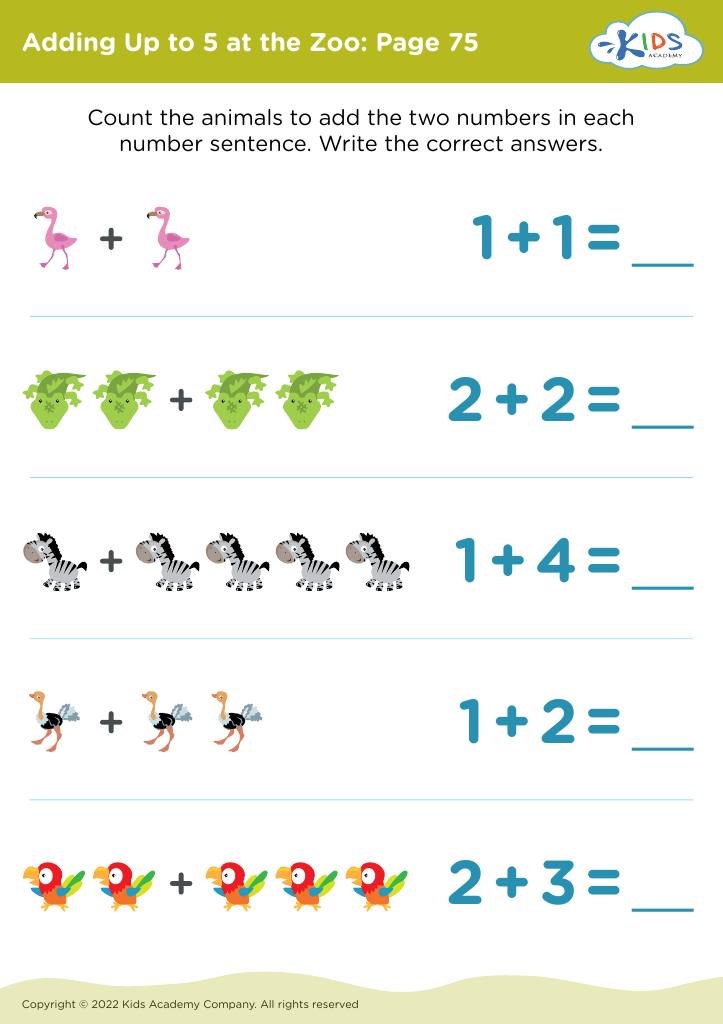
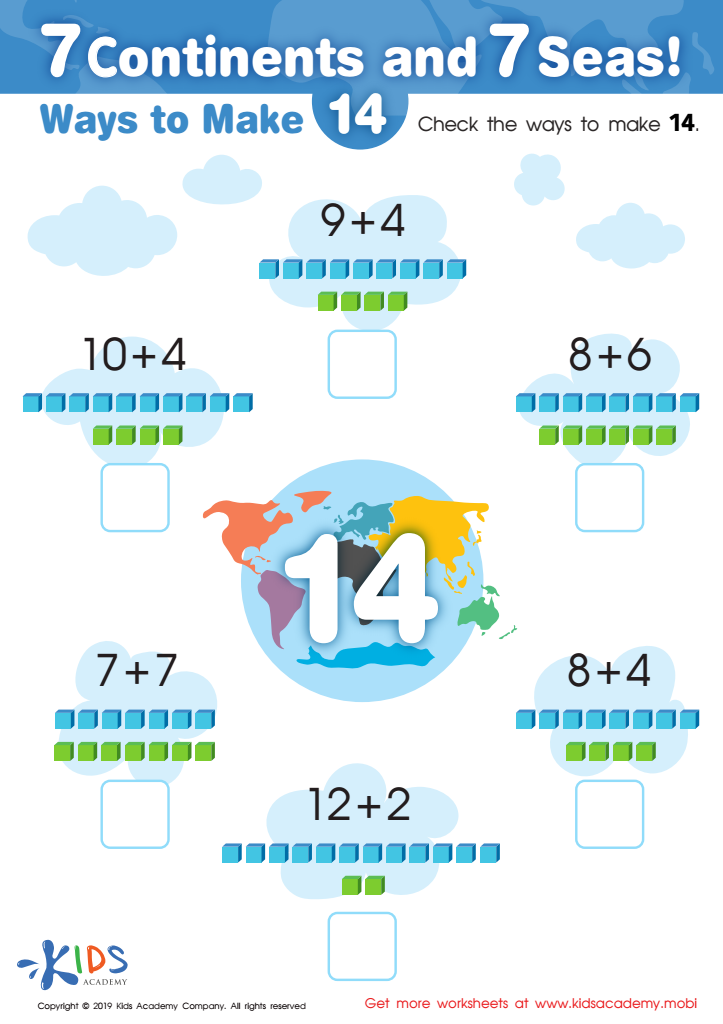
7 Continents and 7 Seas Worksheet
 Assign to My Students
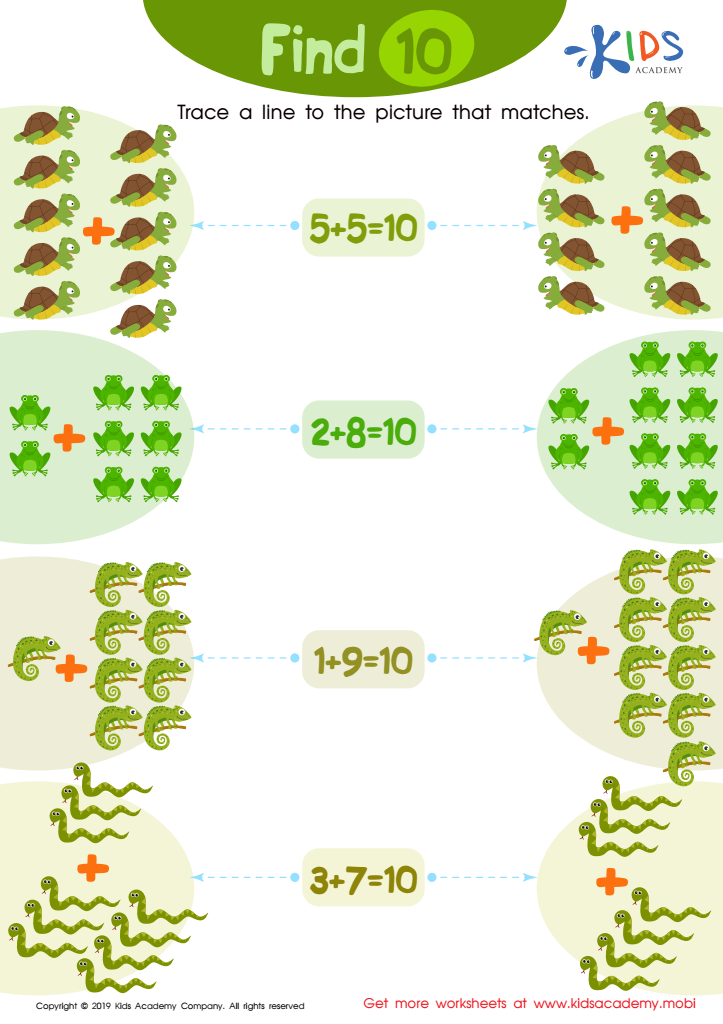
Find 10 Worksheet
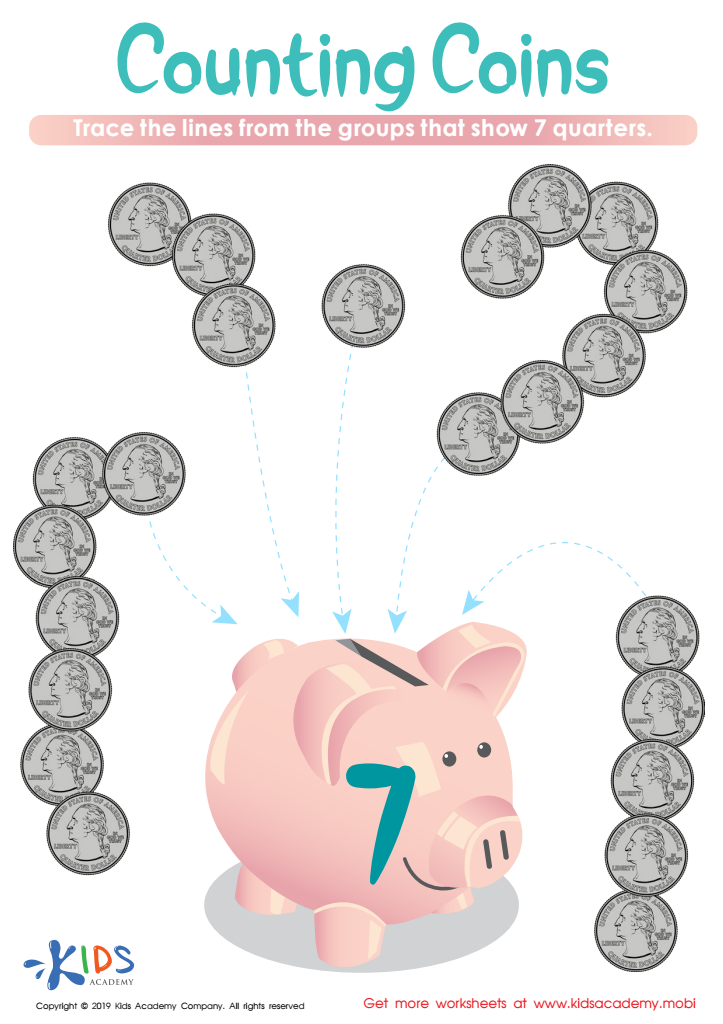
Counting Coins Worksheet
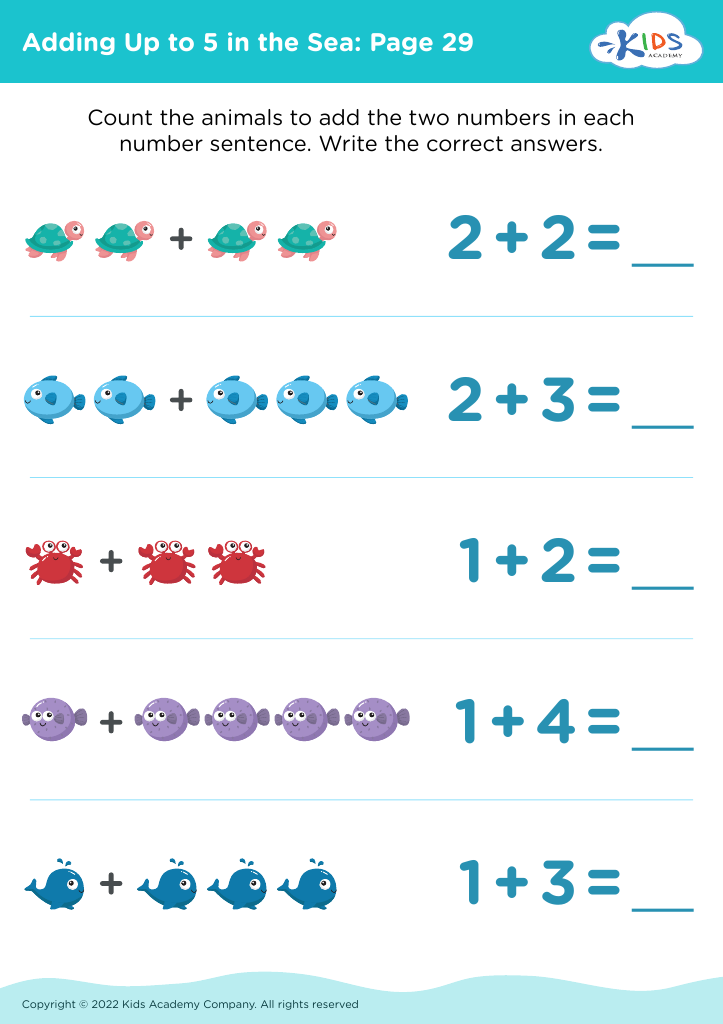
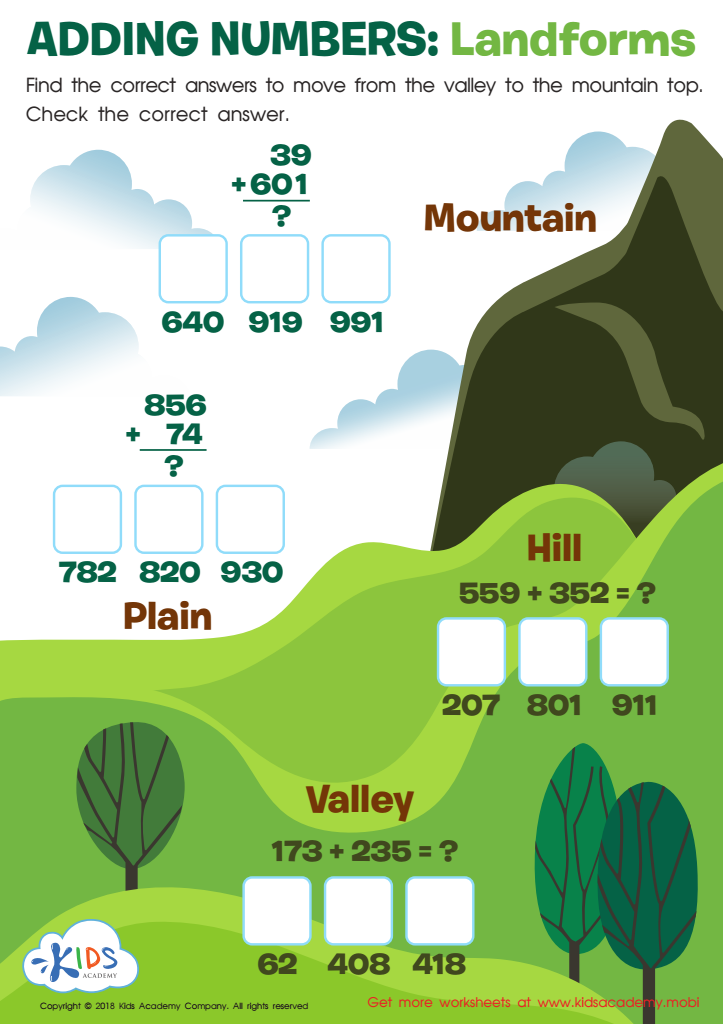
Adding Numbers: Landforms Worksheet
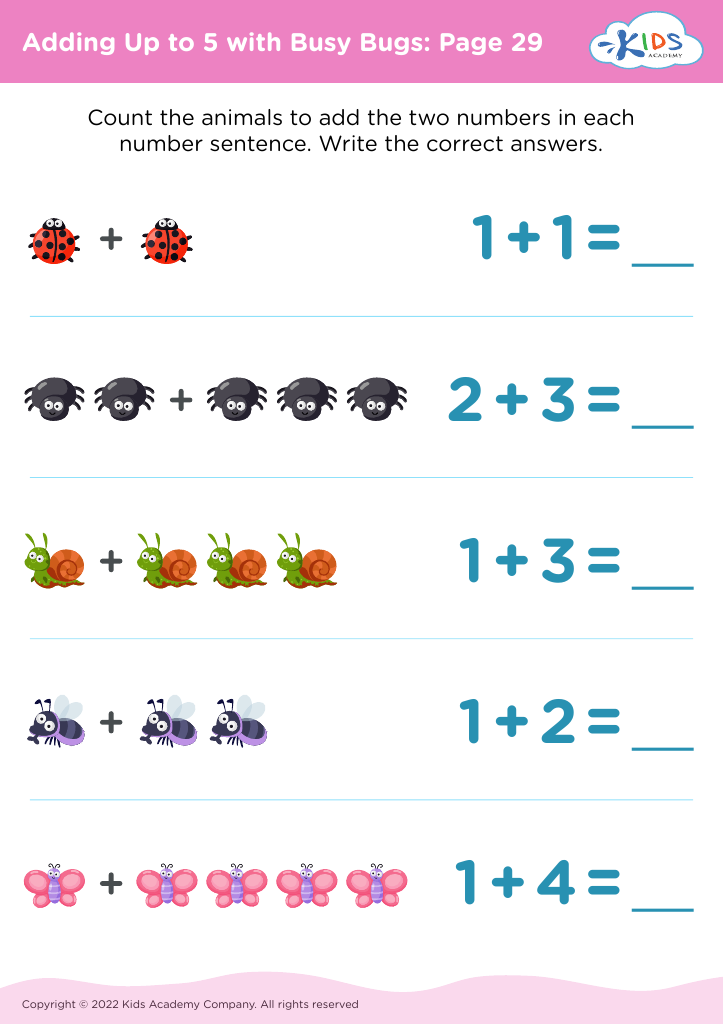
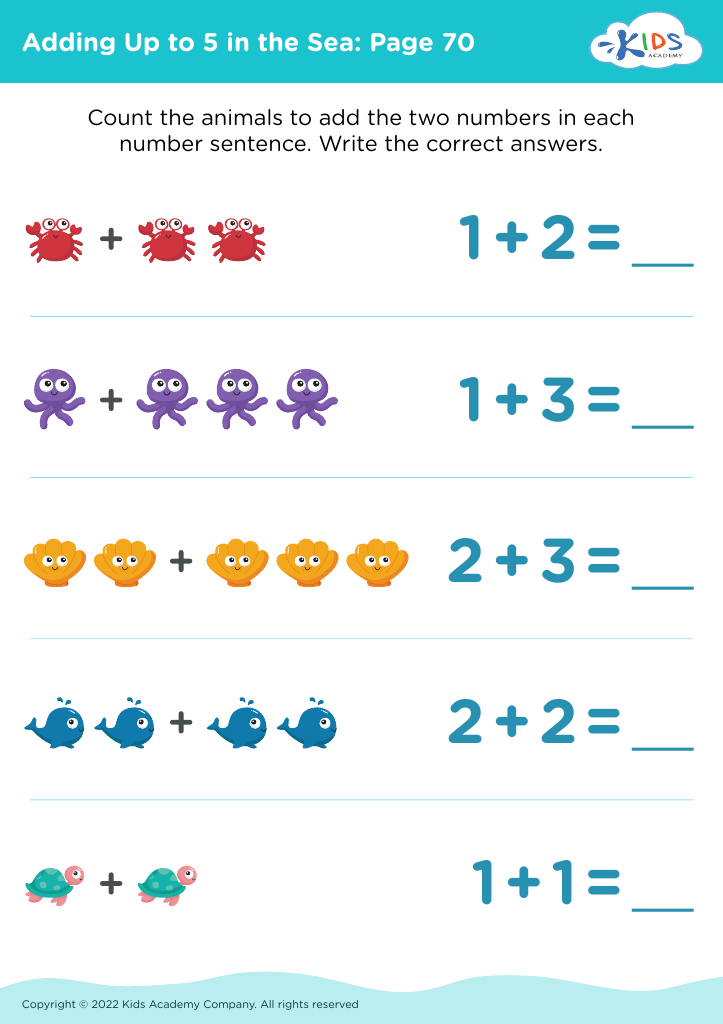
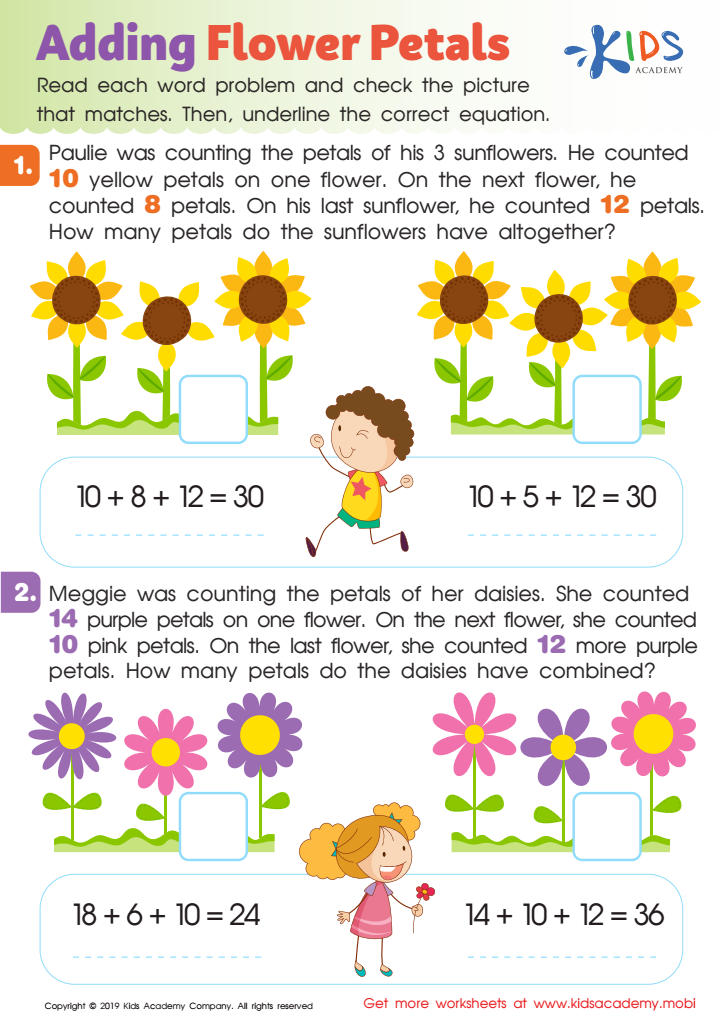
Adding Flower Petals Worksheet
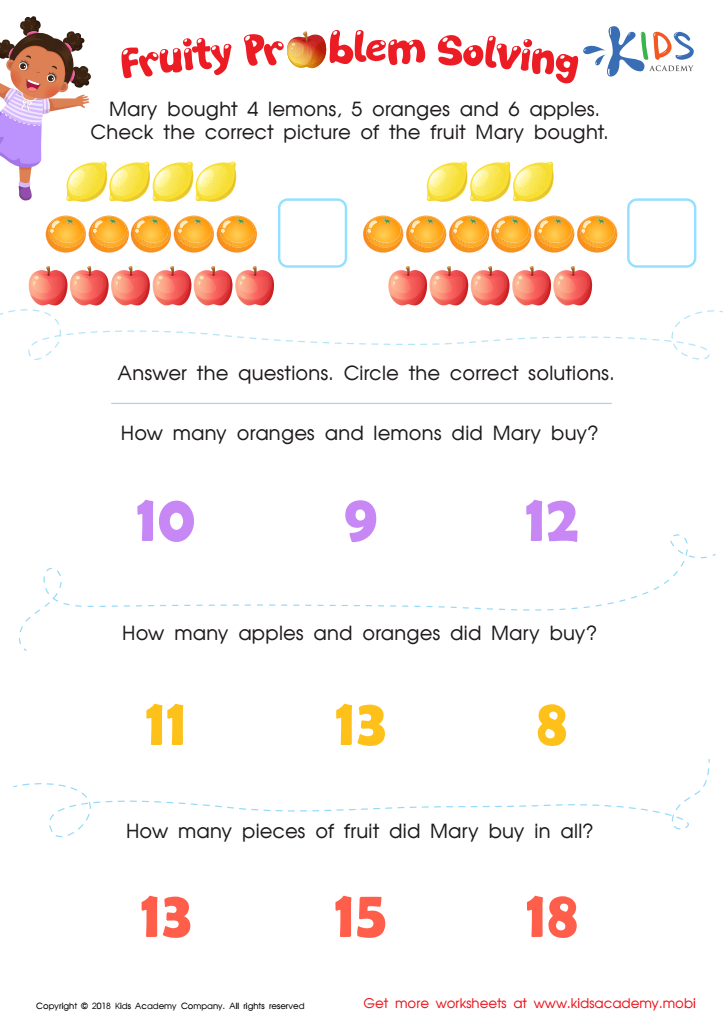
Fruity Problem Solving Worksheet
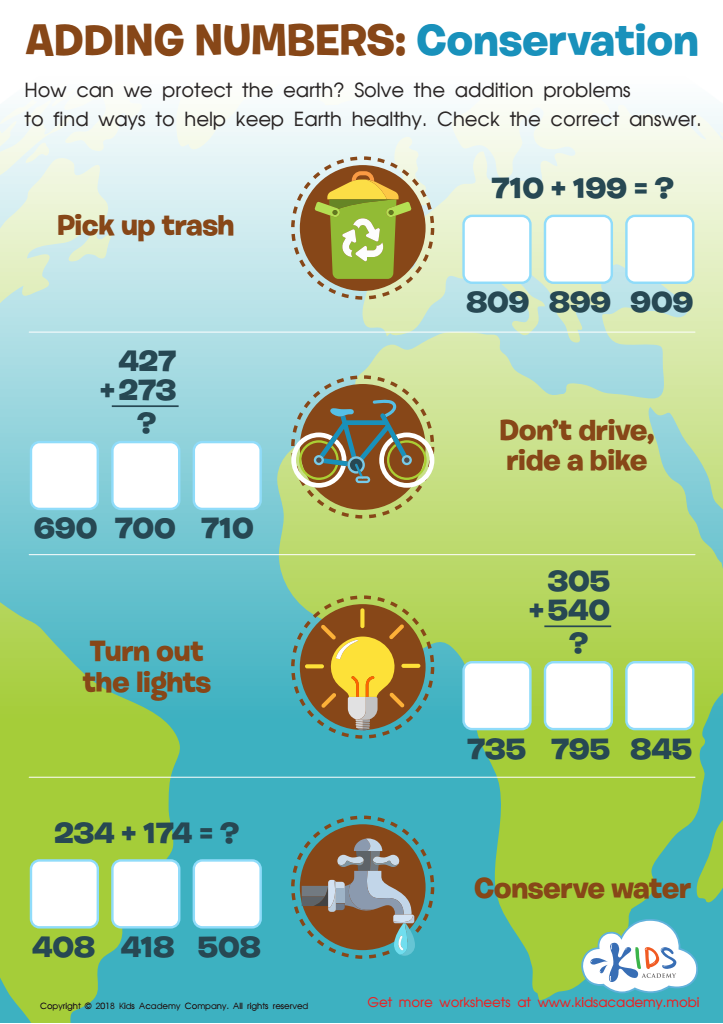
Adding Numbers: Conservation Worksheet
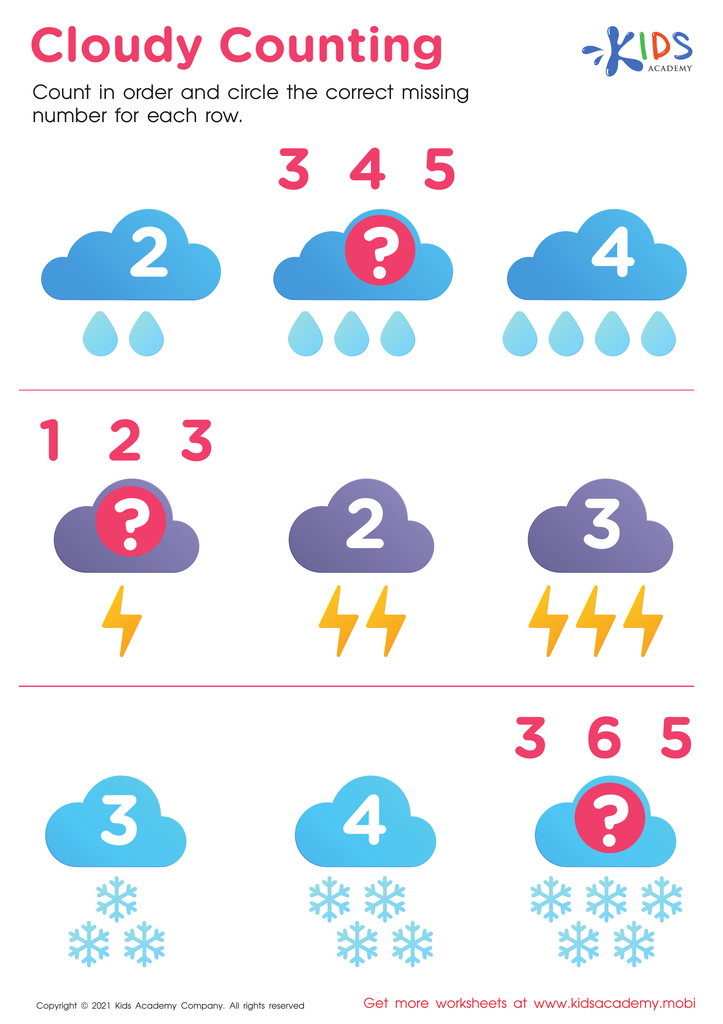
Cloudy Counting Worksheet
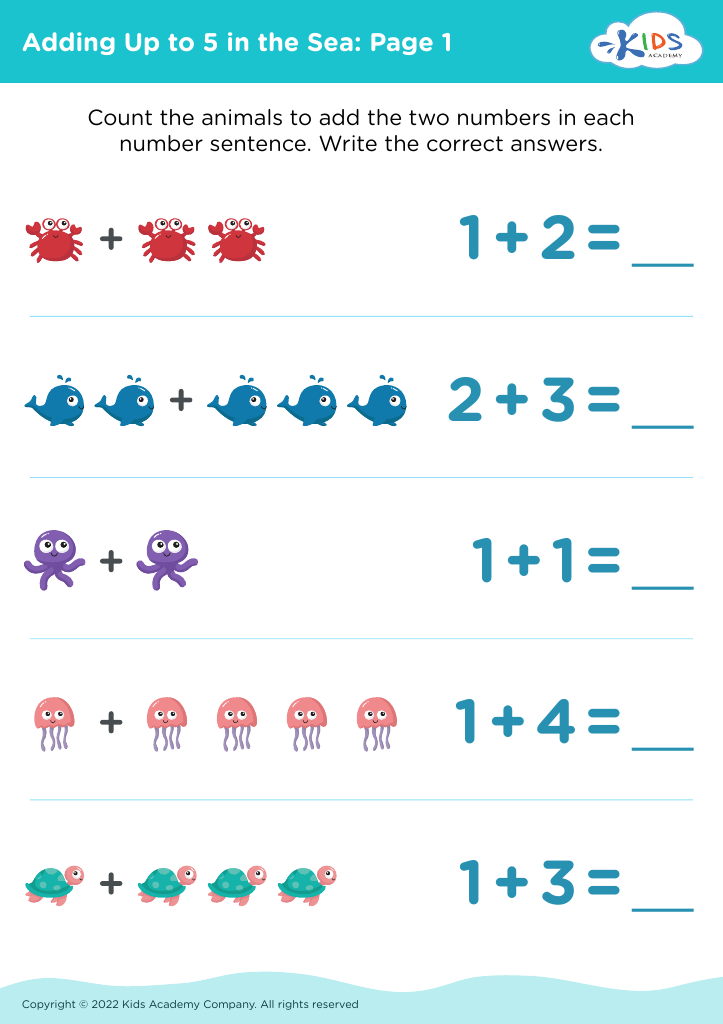
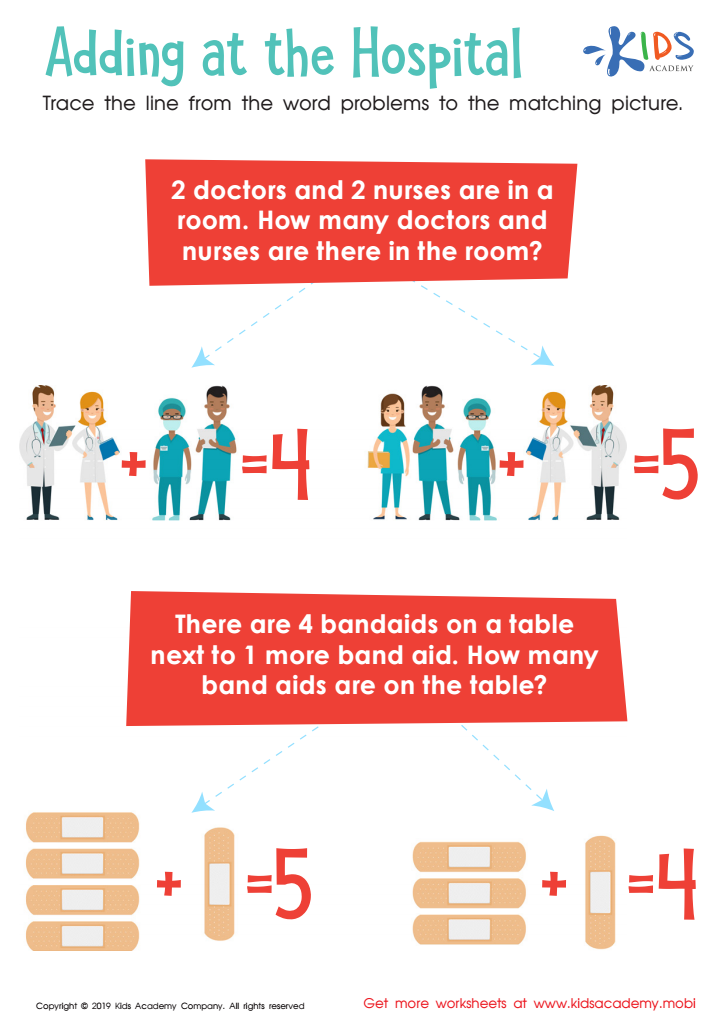
Adding at the Hospital Worksheet
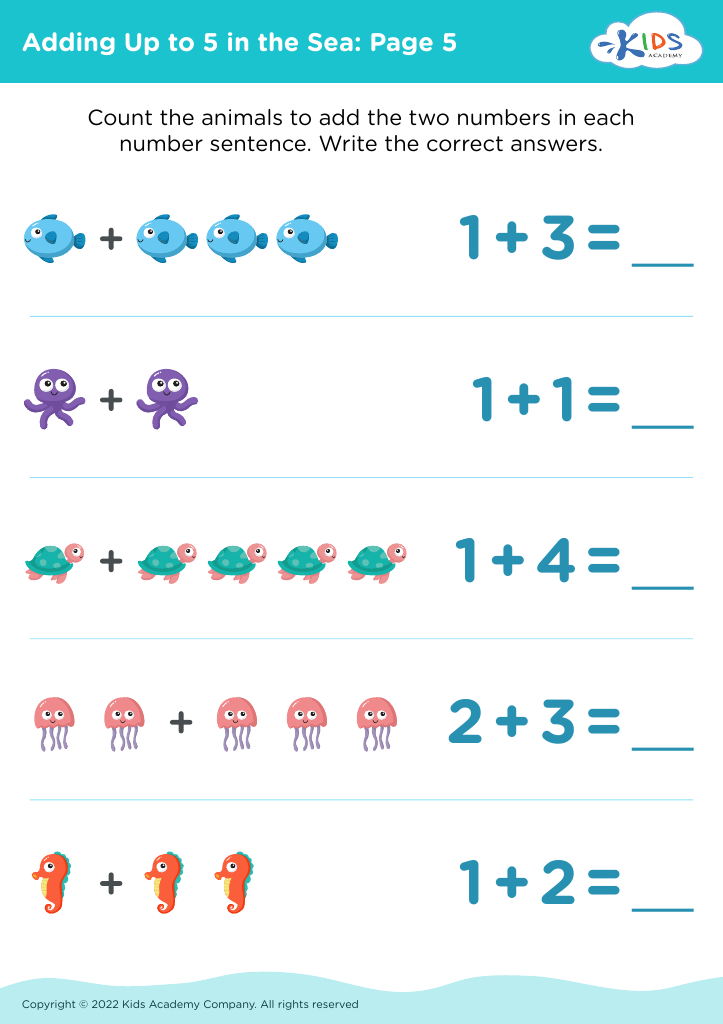
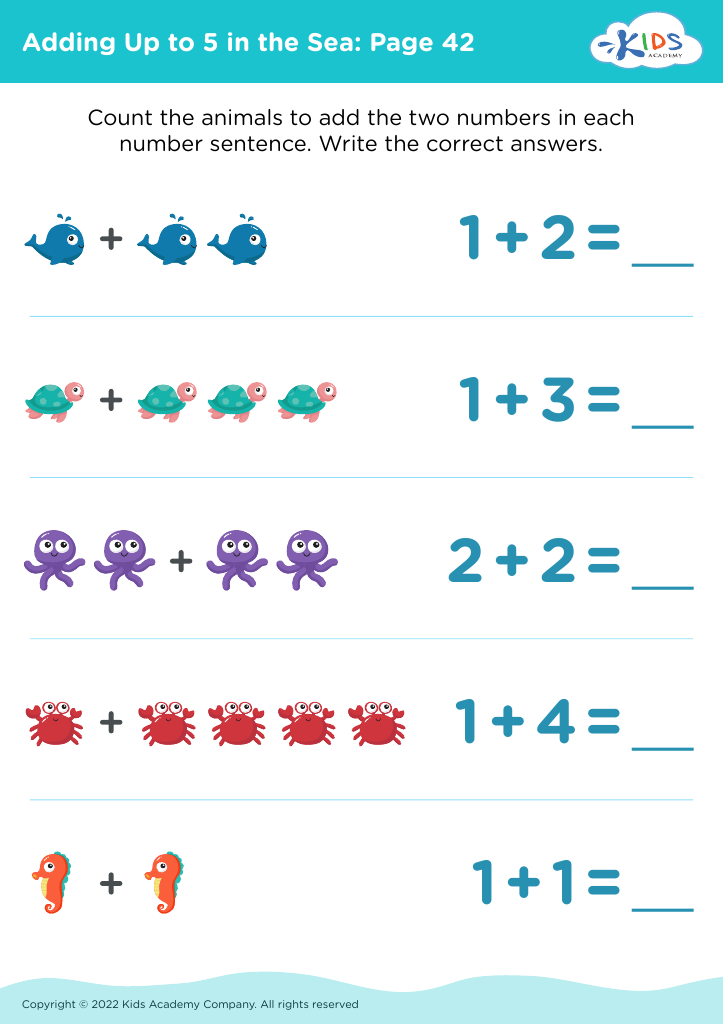
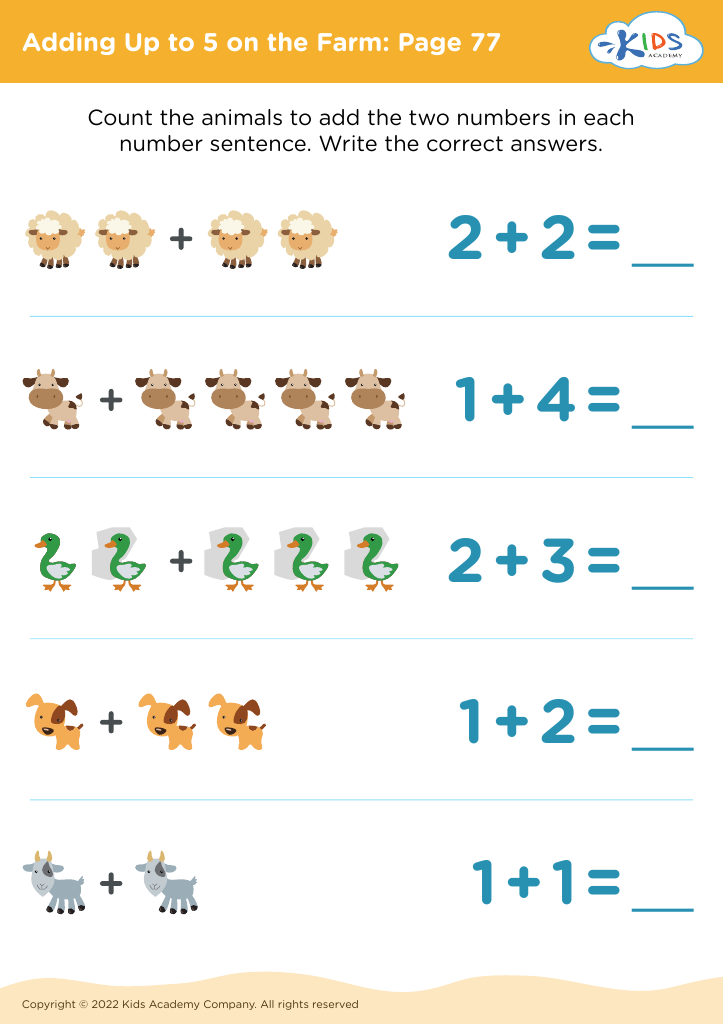








Parents and teachers should prioritize addition skills for children aged 5-8 because these skills form the foundation for all future mathematical learning and everyday problem-solving. At this early stage, cognitive development is highly receptive to basic numerical concepts, making it an ideal period for children to grasp addition. Mastering addition helps kids understand the concept of quantities, numerical relationships, and gradually builds their confidence in handling more complex math topics.
Addition is not just about numbers; it's about learning logical thinking and pattern recognition, which are essential skills beyond mathematics. Children who are proficient in addition can efficiently tackle word problems, recognize patterns, and develop critical thinking abilities, contributing to overall academic success. Research indicates that early math skills are a strong predictor of later school achievement, even more so than early literacy skills.
Furthermore, competence in addition helps in real-world situations, such as counting money, scheduling, and managing time—skills that contribute to practical daily functioning. Supporting a child's ability to add also supports their emotional and social development, as success in solving addition problems can boost confidence and foster a positive attitude towards learning. Hence, parents and teachers play a crucial role in nurturing these fundamental skills during a child's formative years.








