Following instructions Worksheets for Ages 5-8 - Page 3
92 filtered results
-
From - To
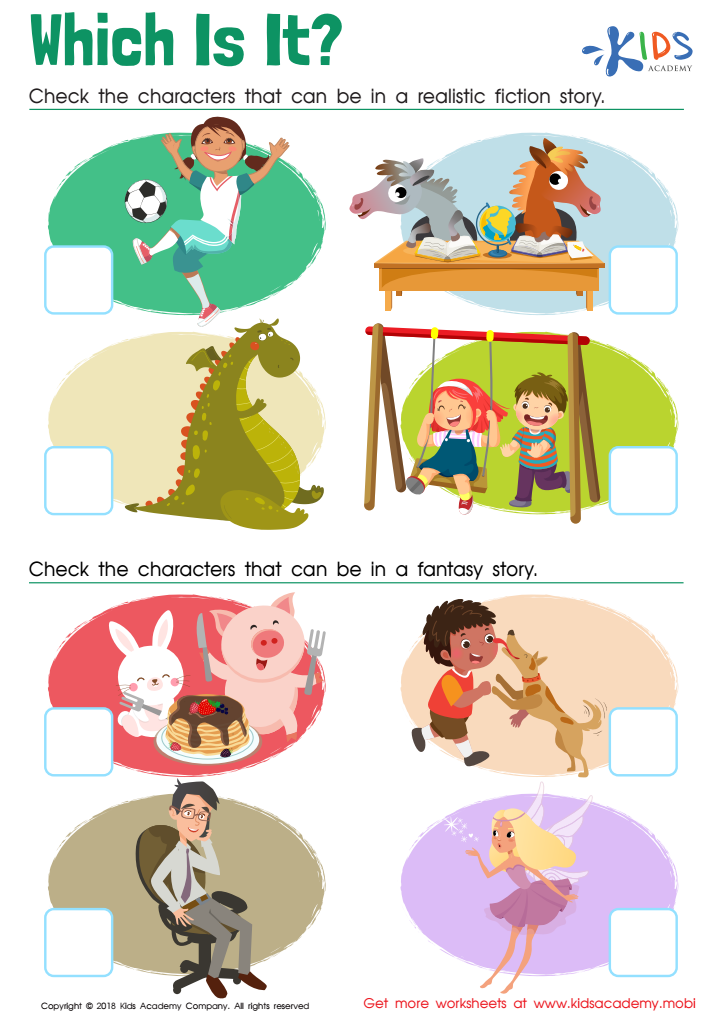
Which Is It? Worksheet
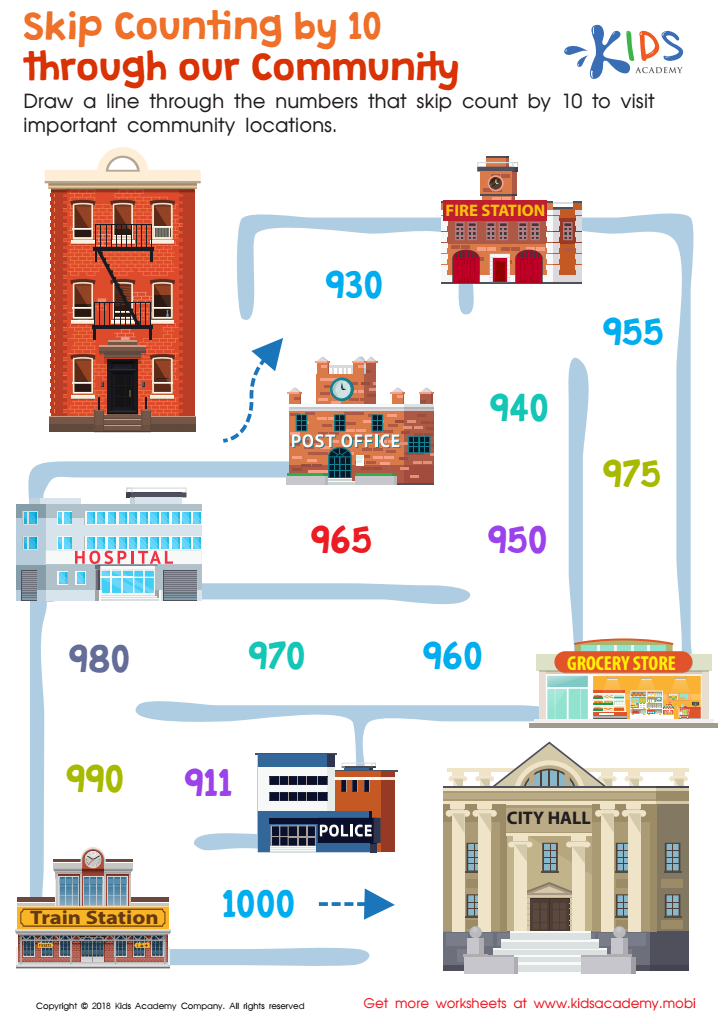
Skip Counting by 10 Through Our Community Worksheet
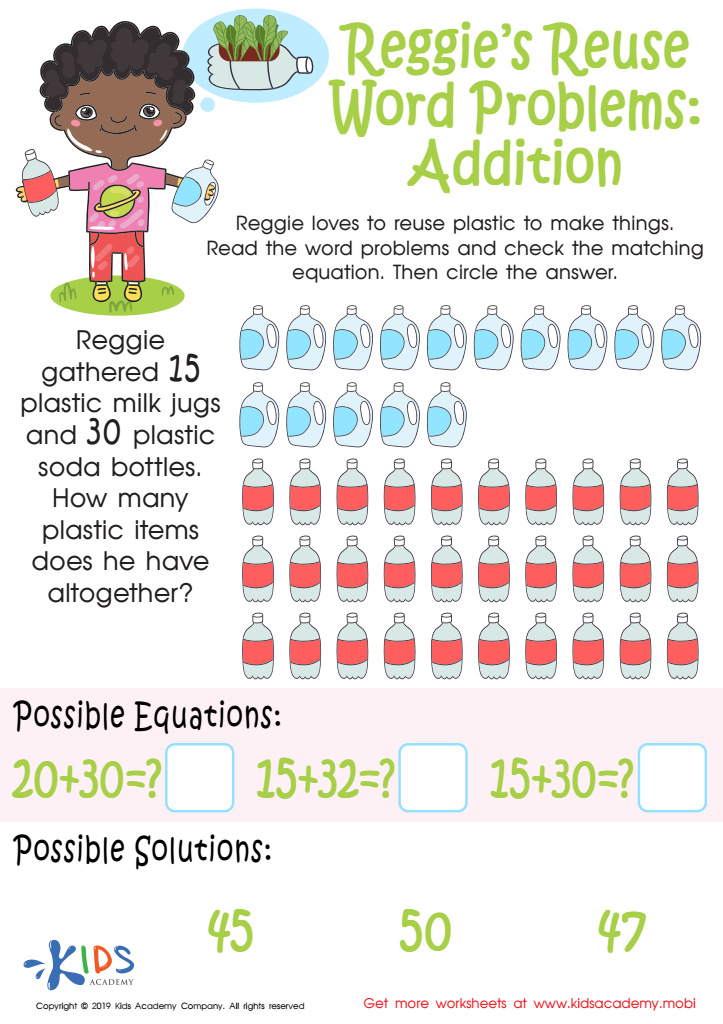
Reggie's Reuse Word Problems: Addition Worksheet
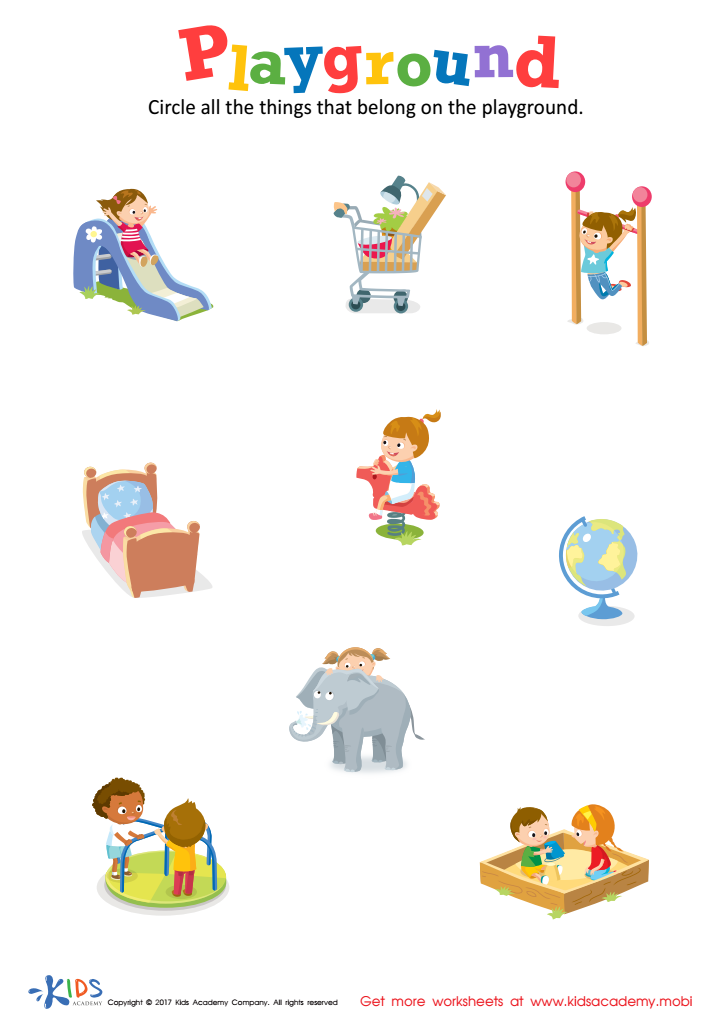
Playground Worksheet

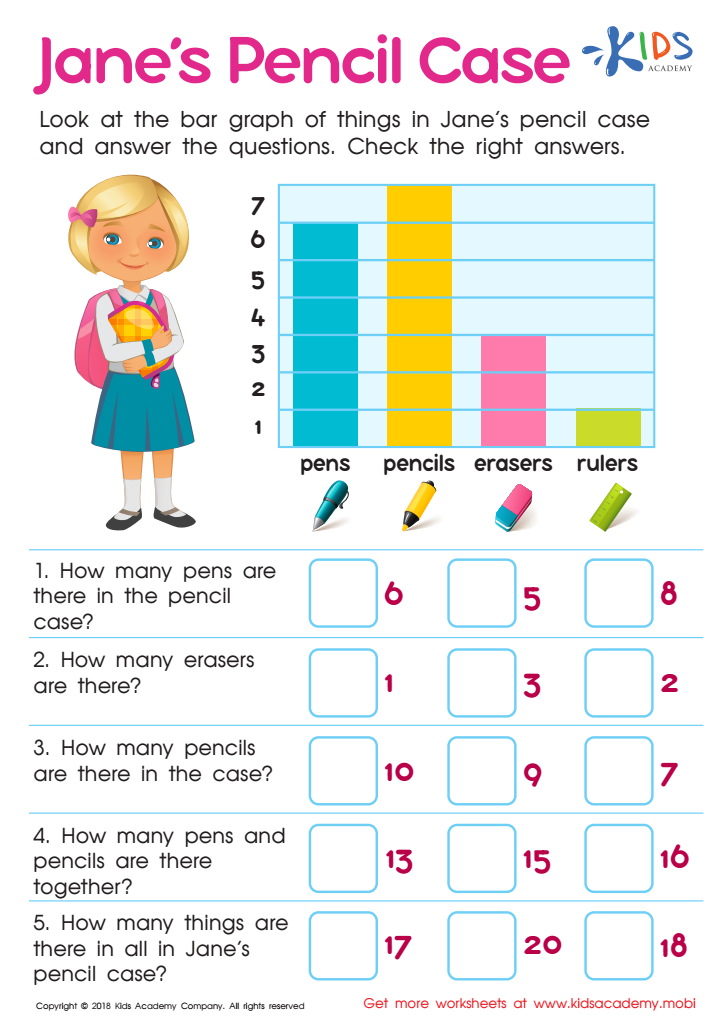
Jane's Pencil Case Worksheet
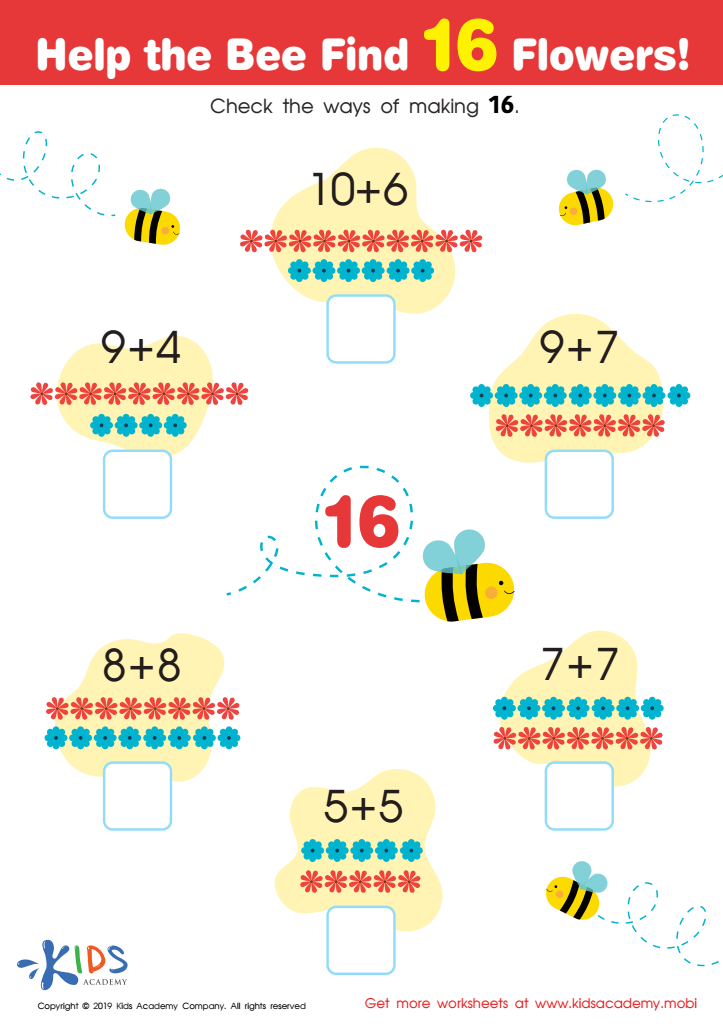
Help the Bee Find 16 Flowers Worksheet

Tennis Player Maze Worksheet
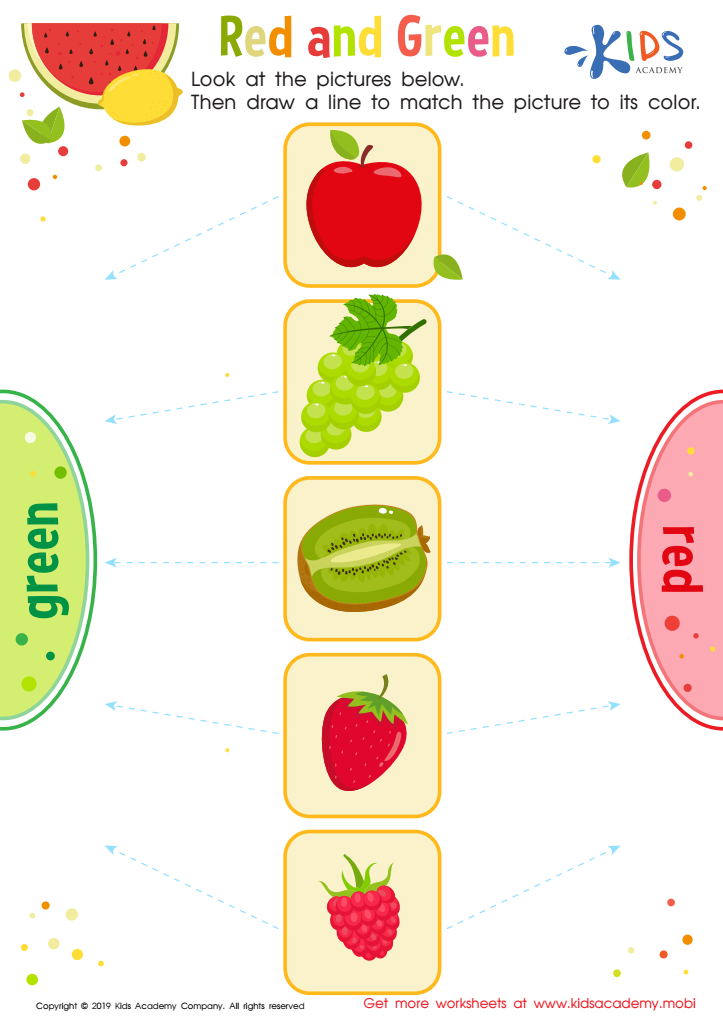
Red and Green Worksheet
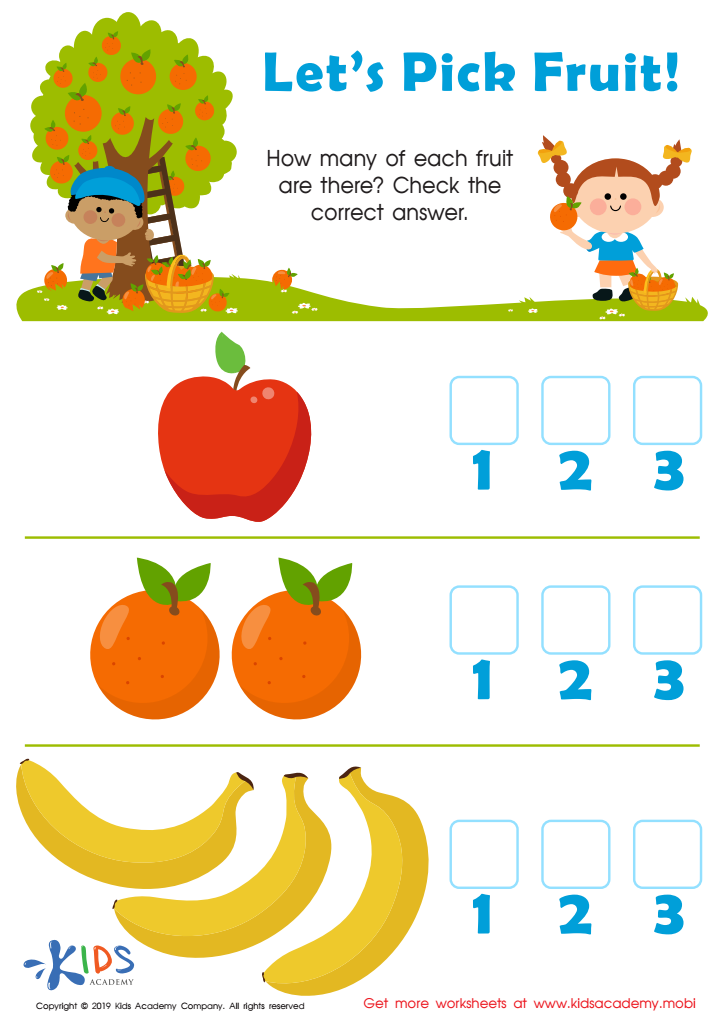
Let's Pick Fruit Worksheet

Christmas: Christmas Tree Printable
 Assign to My Students

Color the Farmer and His Geese Coloring Pages
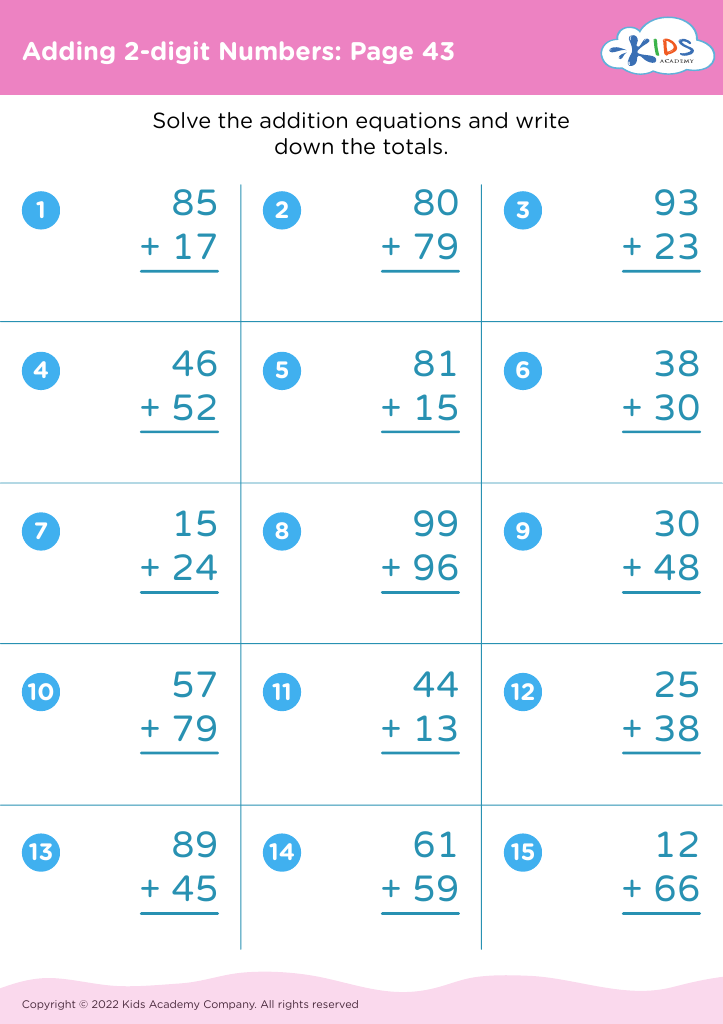

Cook Maze Worksheet
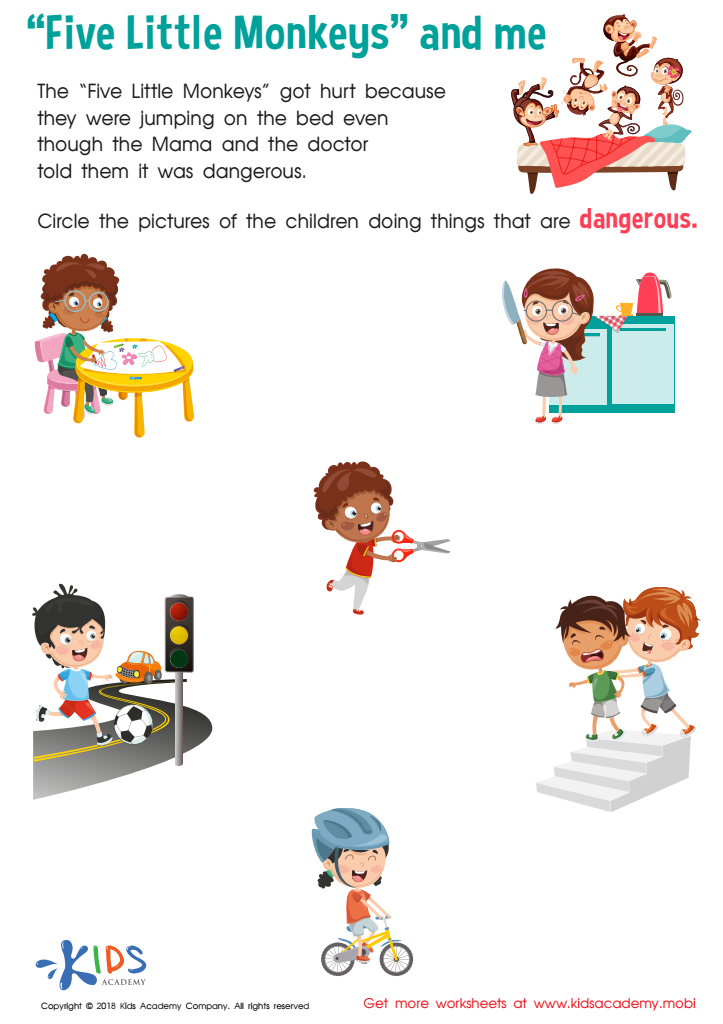
Five Little Monkeys and Me Worksheet
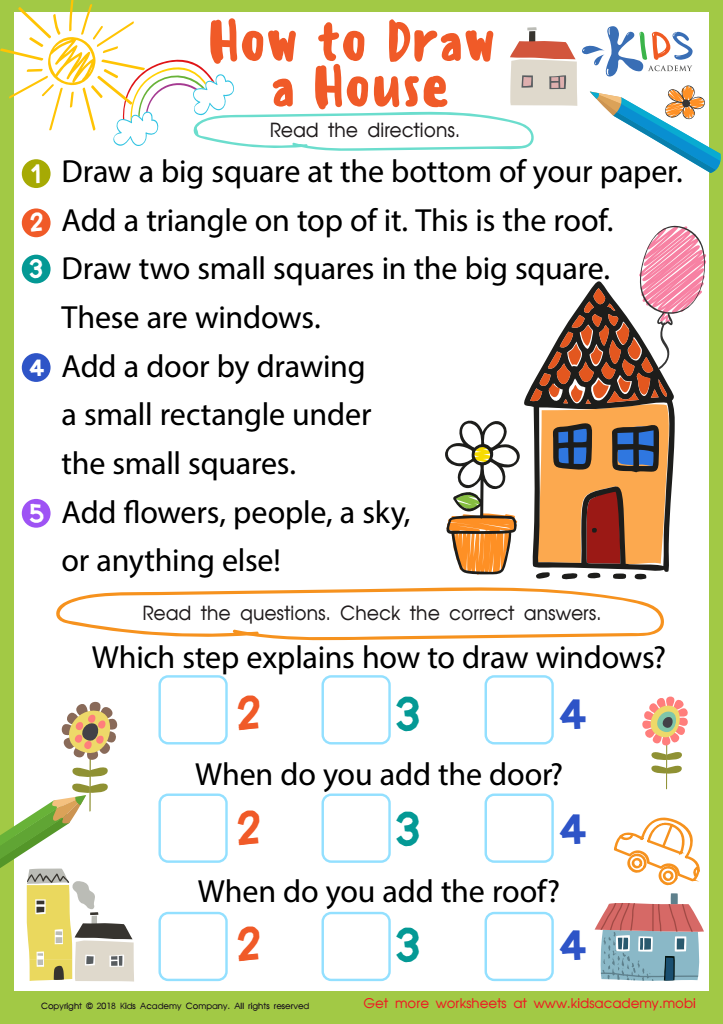
How to Draw House Worksheet
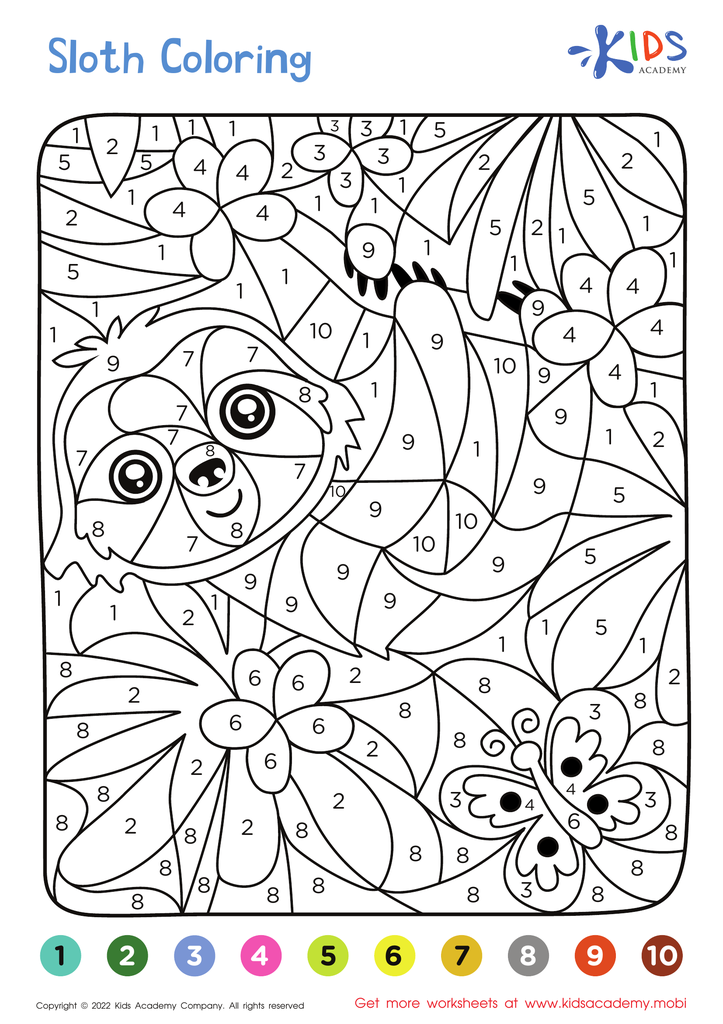
Sloth – Coloring by Numbers
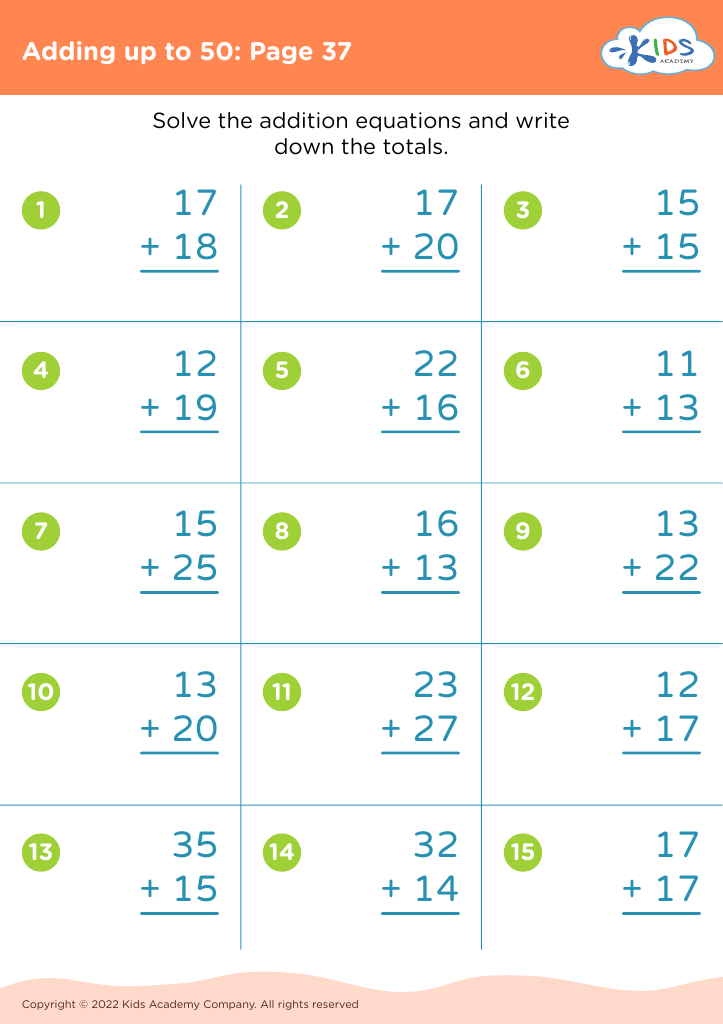

White and Pink Coloring Fun Worksheet
Assign to My Students
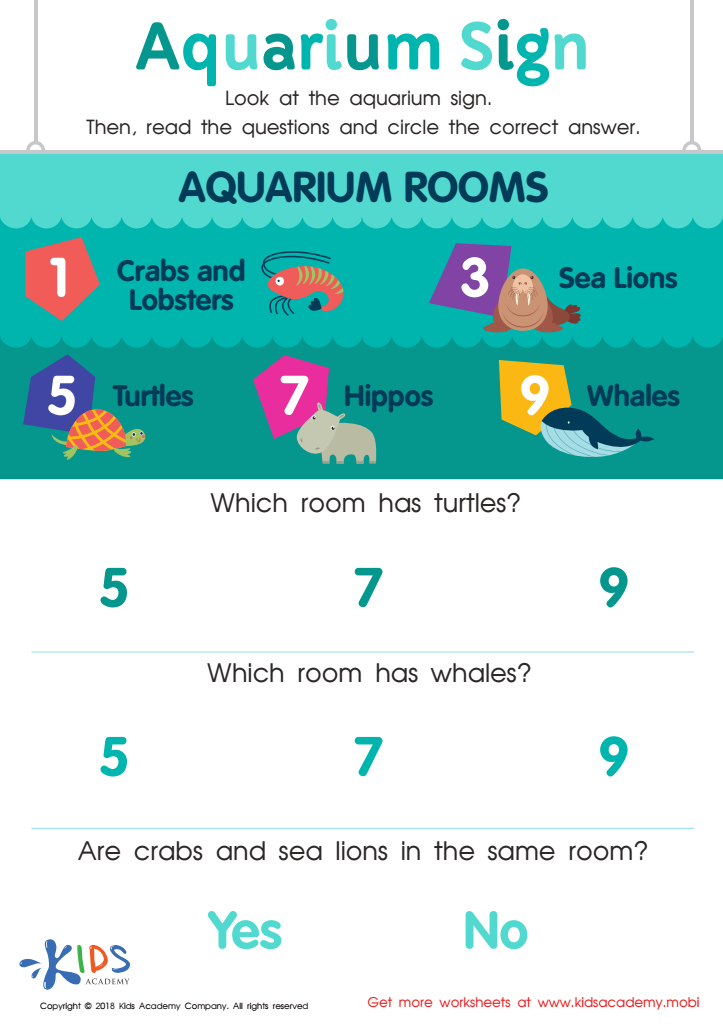
Assessment: Aquarium Sign Worksheet

Circle Laser Cutting Worksheet
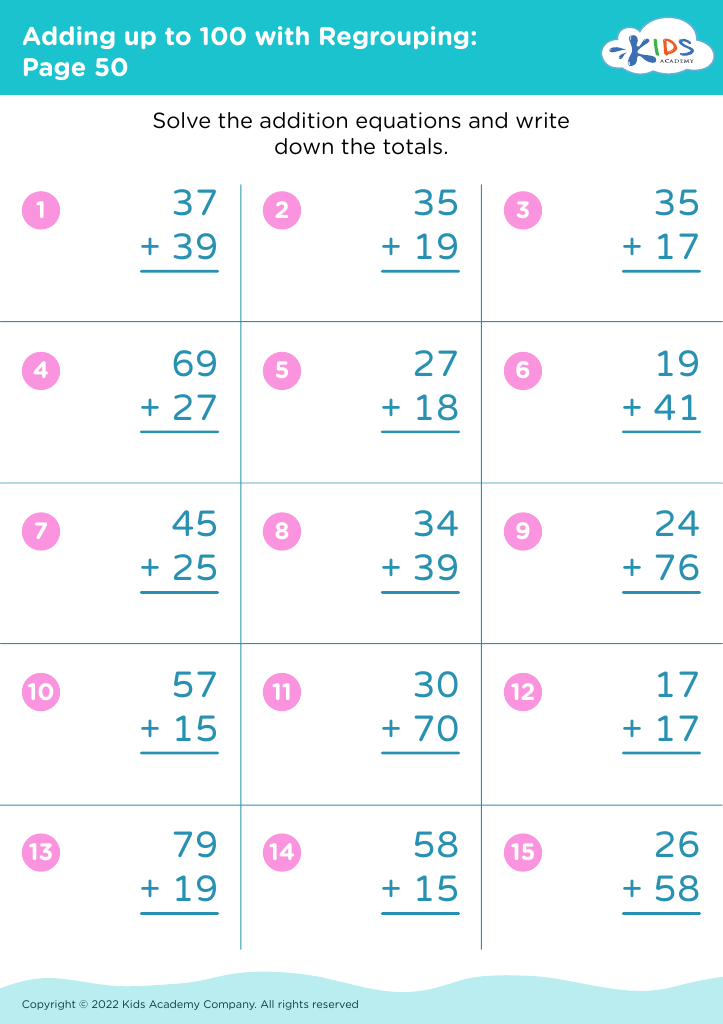
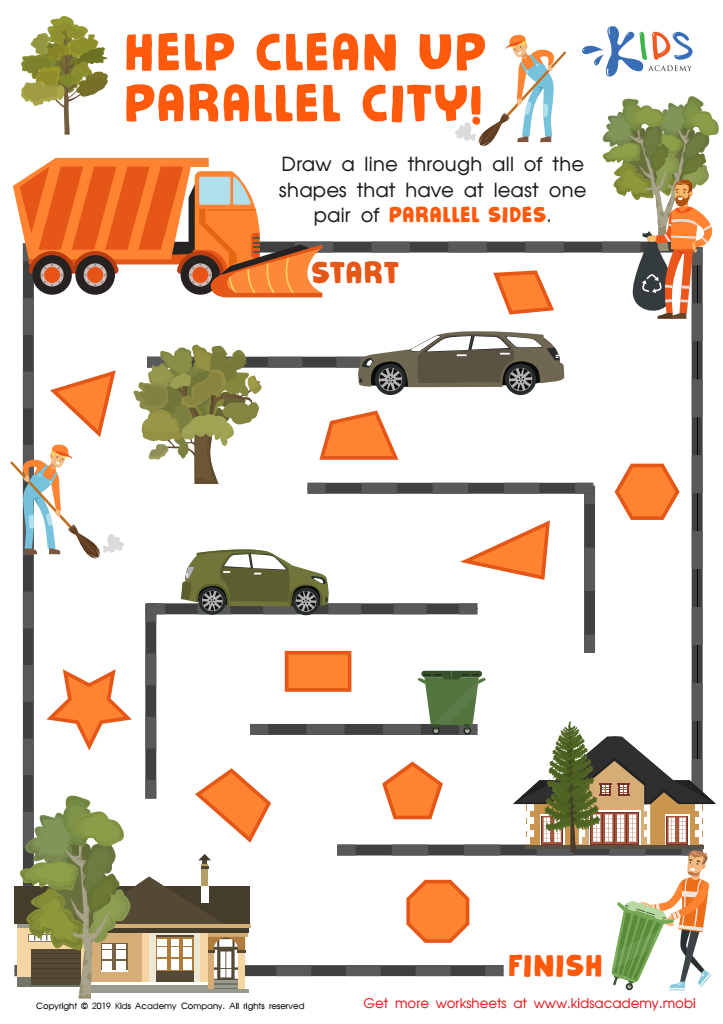
Help Clean Up Parallel City Worksheet








Teaching young children, ages 5-8, the importance of following instructions is crucial for their overall development. At this formative stage, kids are developing foundational skills that will impact their academic success, social interactions, and life skills. When children learn to follow instructions, they are more likely to complete tasks effectively and build a sense of responsibility and discipline.
For parents and teachers, emphasizing this skill helps create an environment where children can thrive. In school, it enables a smoother classroom experience with fewer disruptions, allowing for better learning opportunities for all students. Following instructions also enhances a child's ability to focus, improving their attention span and cognitive development.
Moreover, this skill is vital for safety. Whether at home, school, or in public settings, following instructions can prevent accidents or dangerous situations. For example, a child who listens carefully when crossing the street or handling potentially harmful objects is less likely to get hurt.
Socially, children who can follow instructions tend to have better relationships with peers and authority figures. They understand rules and guidelines, making interactions more positive and cooperative. Consequently, grasping this fundamental skill sets a strong foundation for future learning and development, making it an essential component of early childhood education.








