
Improving handwriting Worksheets for Ages 5-8
3 filtered results
Difficulty Level
Grade
Age
-
From - To
Subject
Activity
Standards
Enhance your child's writing prowess with our improving handwriting worksheets designed for ages 5-8. At Kids Academy, we focus on boosting fine motor skills and confidence through engaging, well-structured activities. Our worksheets offer varied exercises that transform handwriting practice into an enjoyable and progressive learning experience. With tracing letters, connecting dots, and practicing strokes, children develop precision and clarity in their writing. Ideal for early learners, these printable resources support skill development essential for academic success. Help your child build a strong foundation in handwriting with our carefully crafted, easy-to-use worksheets. Explore more at Kids Academy and watch their skills soar!
Favorites
With answer key
Interactive
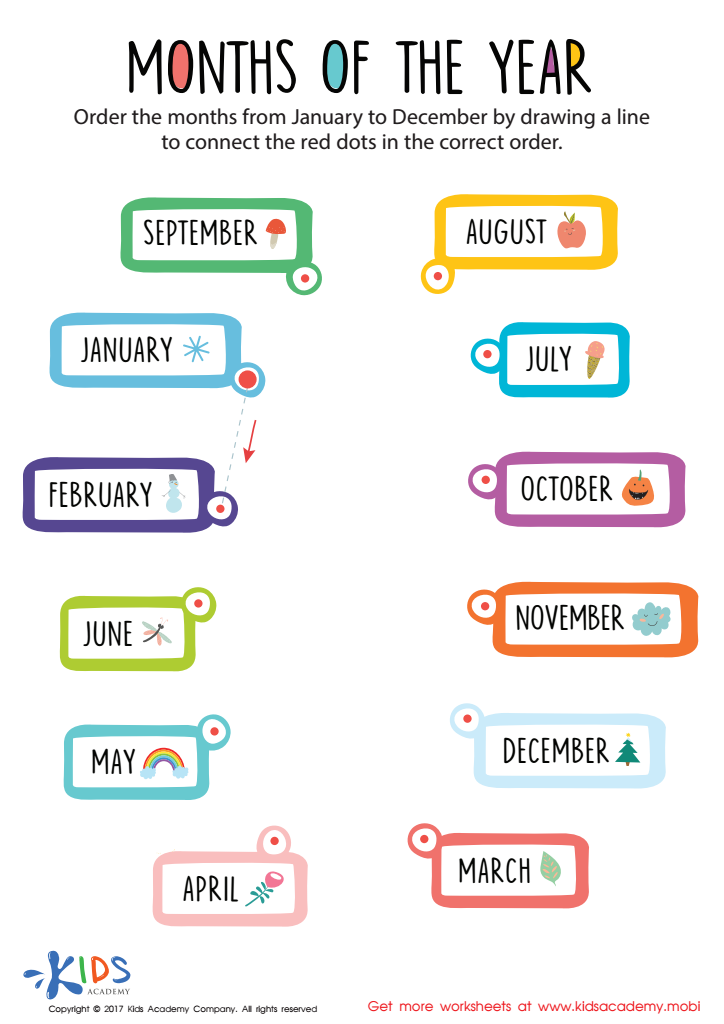
Months of the Year Worksheet
Challenge your child with this months of the year worksheet! Help them remember the yearly calendar by having them connect the dots from January to December. It's a fun way to test their knowledge of the twelve months and sharpen their memory!
 Assign to My Students
Months of the Year Worksheet
Worksheet
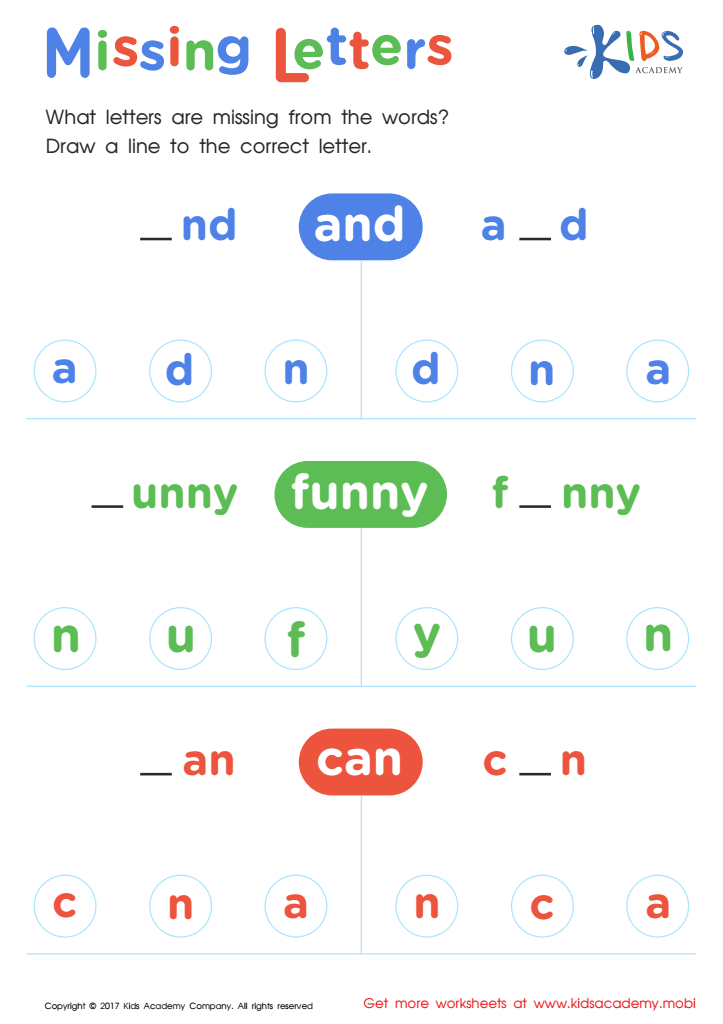
Missing Letters Worksheet
Review sight words with this fun matching worksheet from Kids Academy! Look at the sight words in the middle, read them aloud and find the missing letter on each side for each word. Draw a line to the correct letter to complete the sheet!
Missing Letters Worksheet
Worksheet
Join Kids Academy for Free
Who is primarily going to use this learning content?







Improving handwriting for children aged 5-8 is essential for multiple reasons impacting both academic and personal development. First, good handwriting skills are foundational for effective communication and academic success. At this early age, children are developing their fine motor skills, which are crucial for not just writing but also for other everyday tasks like tying shoes and buttoning clothes. Enhanced handwriting competence helps solidify letter recognition and learning, fostering better reading and cognitive skills.
Furthermore, legible handwriting boosts a child’s confidence and self-esteem. When students feel competent in their writing abilities, they are more likely to participate actively in the classroom, complete assignments, and take pride in their work. Good handwriting reduces frustration and minimises the occurrence of misunderstandings in written communication, facilitating smoother teacher-student interactions and providing clearer insights into a child’s thought processes.
Importantly, for parents and educators, focusing on handwriting improvement requires patience and encouragement, nurturing aspects of discipline and perseverance that are beneficial in numerous life scenarios beyond writing itself. Ultimately, investing time and patience in handwriting practice can guide children toward a well-rounded, confident, and academically successful future.








