Interpreting data Worksheets for Ages 5-8
11 filtered results
-
From - To
Our "Interpreting Data Worksheets for Ages 5-8" help young learners develop essential analytical skills. These printable activities make learning fun, encouraging children to observe, record, and interpret information through colorful charts, graphs, and tables. Tailored for early grades, each worksheet builds on age-appropriate concepts, fostering critical thinking and problem-solving abilities. Ideal for classroom use or at-home practice, our resources are designed to support key math standards and enhance cognitive development. Empower your child to become a confident data interpreter with engaging, hands-on exercises from Kids Academy. Try them today to turn learning into an exciting adventure!
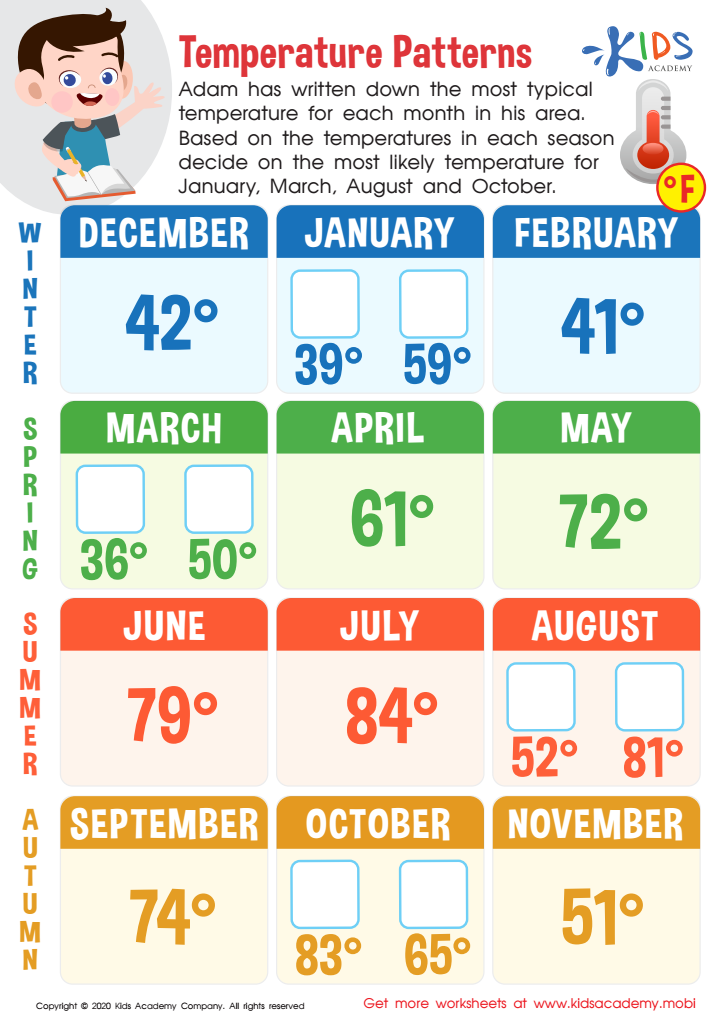
Temperature Patterns Worksheet
 Assign to My Students
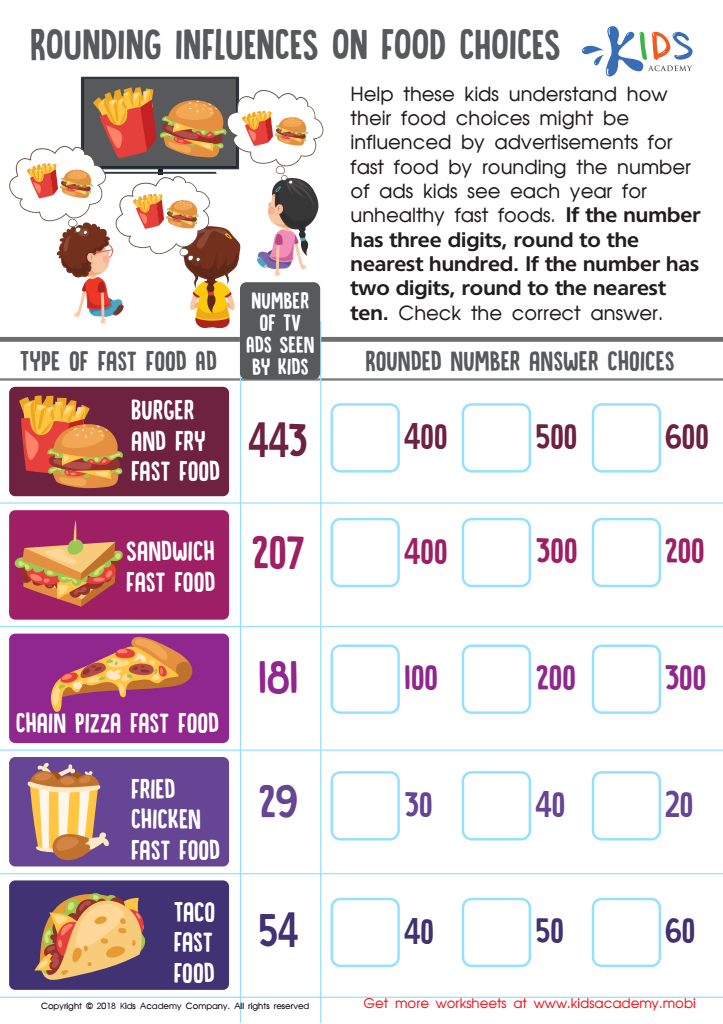
Rounding Influences Food Choices Worksheet
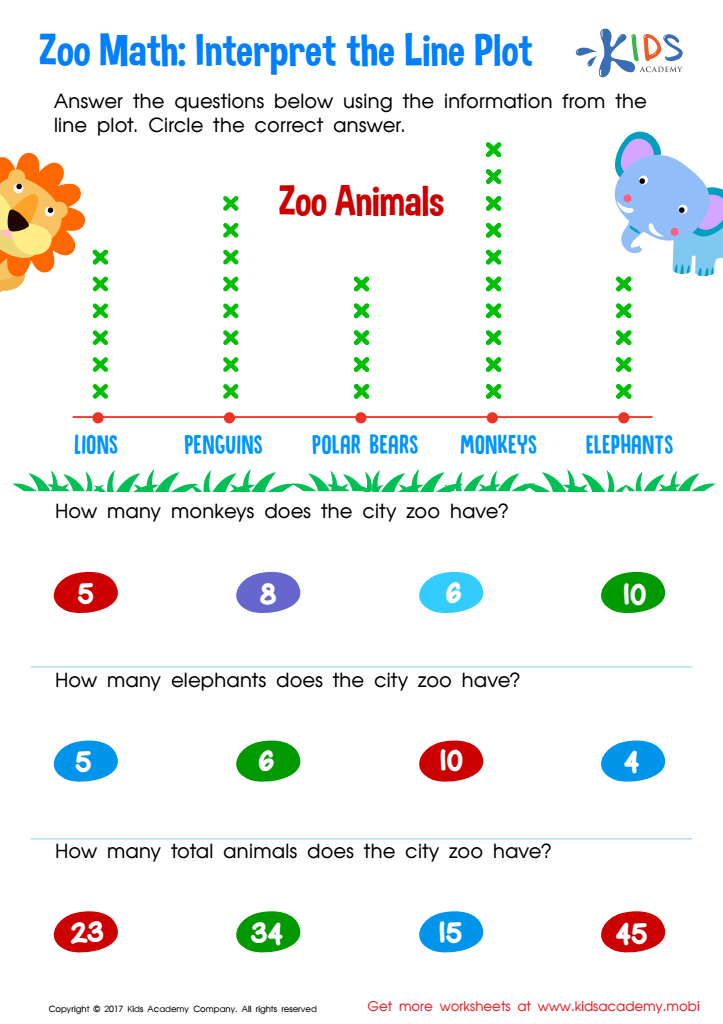
Interpret Line Plot Worksheet
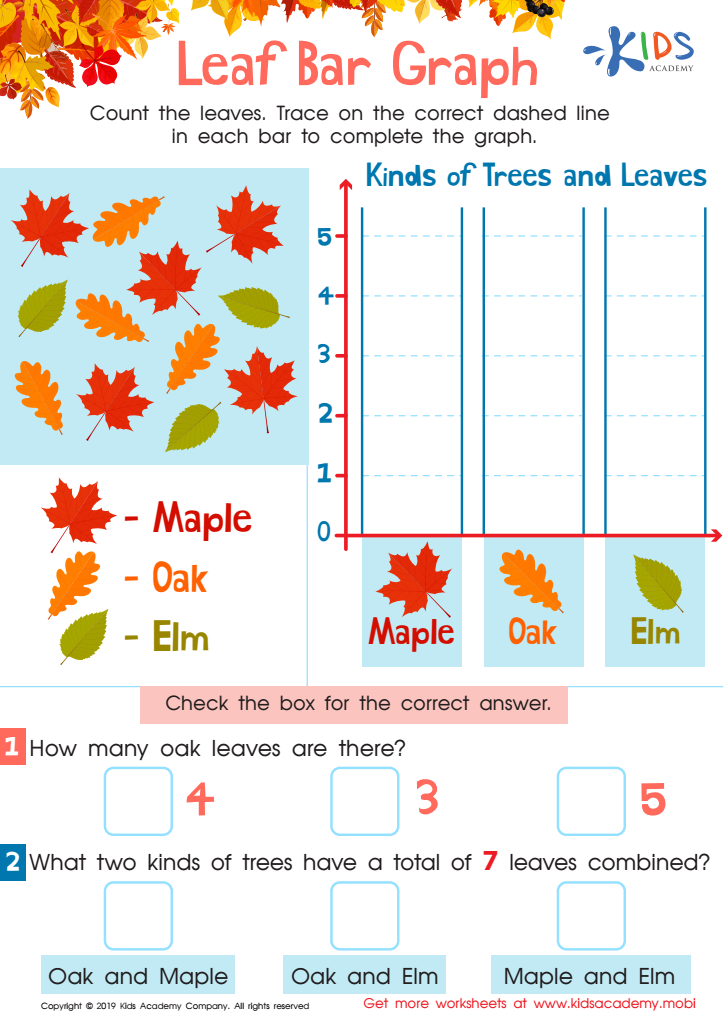
Leaf Bar Graph Worksheet
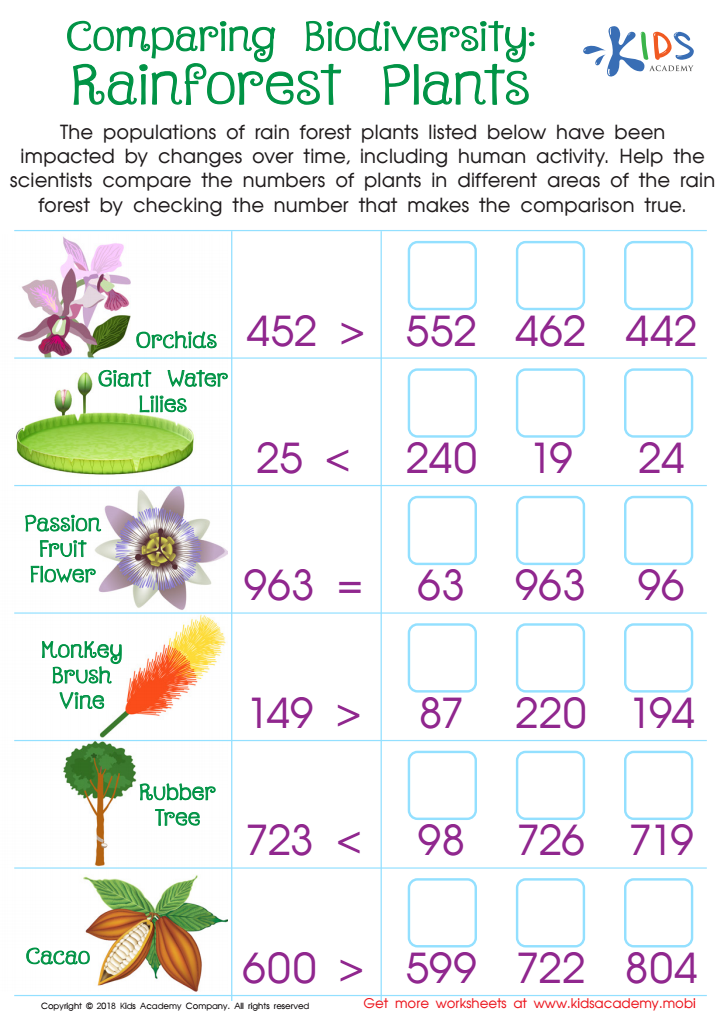
Comparing Biodiversity: Rainforest Plants Worksheet
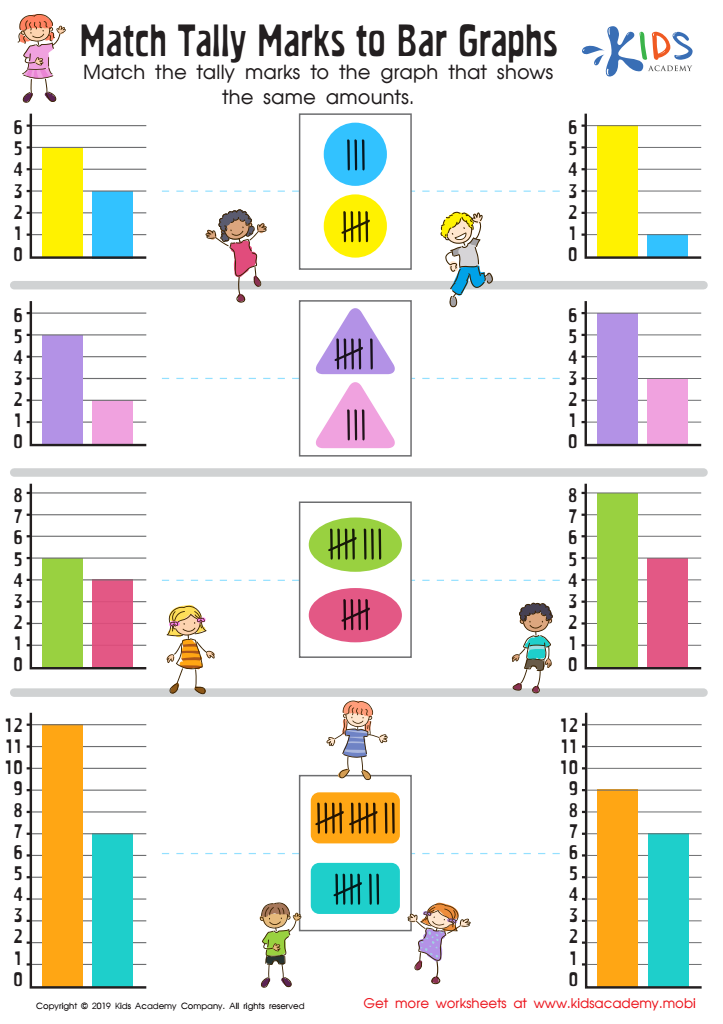
Match Tally Marks to Bar Graphs Worksheet
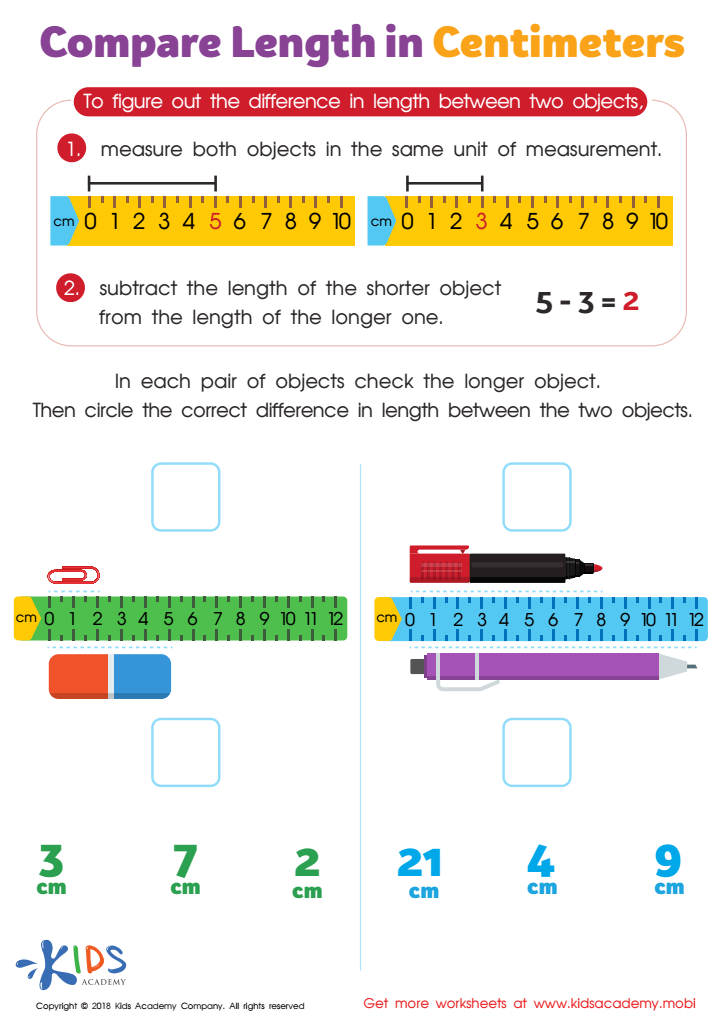
Compare Length in Centimeters Worksheet
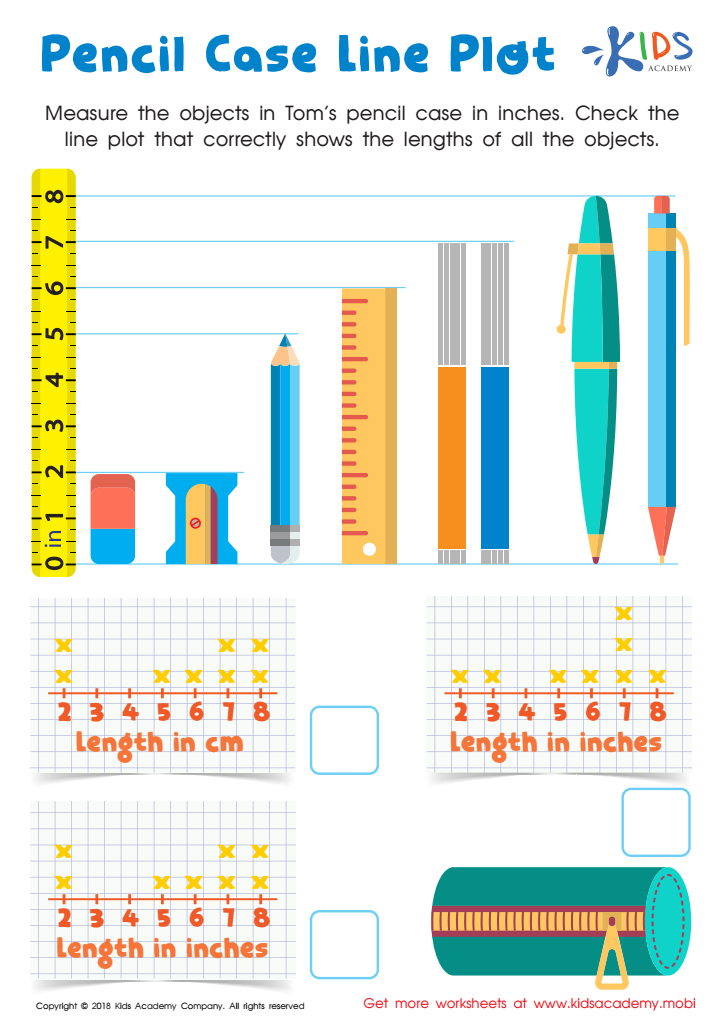
Pencil Case Line Plot Worksheet
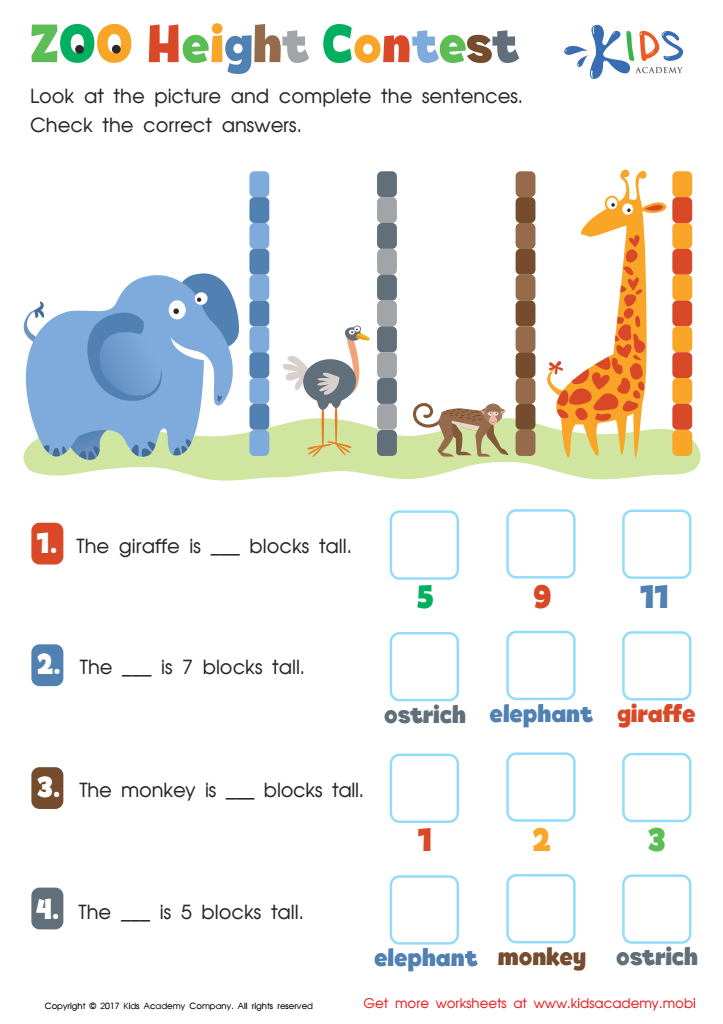
Zoo Height Contest Worksheet
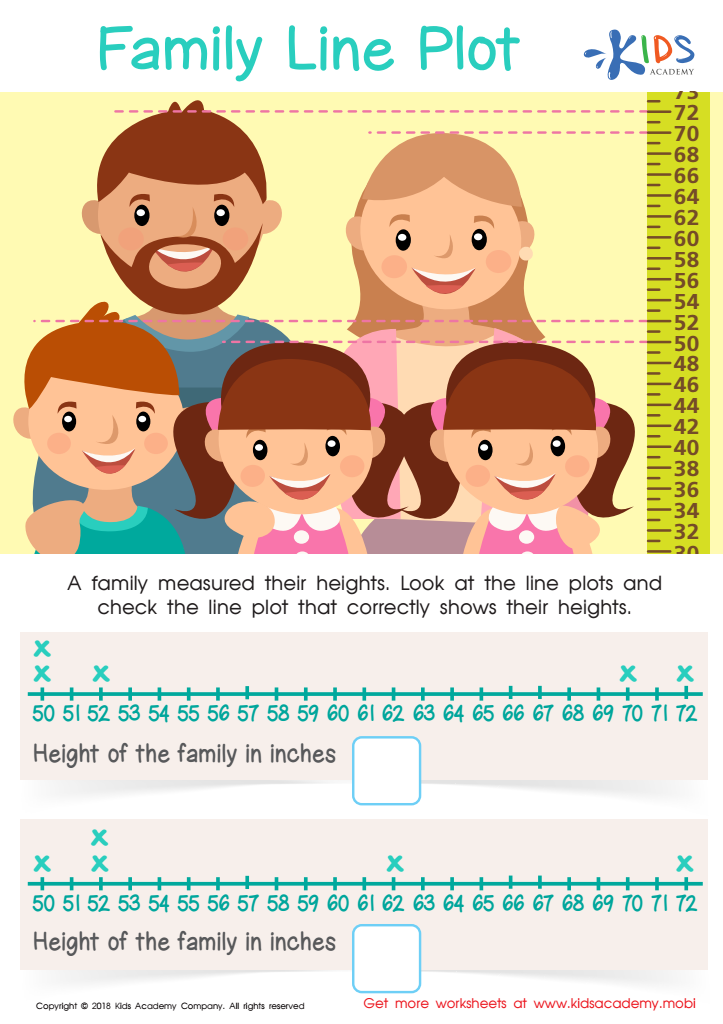
Family Line Plot Worksheet
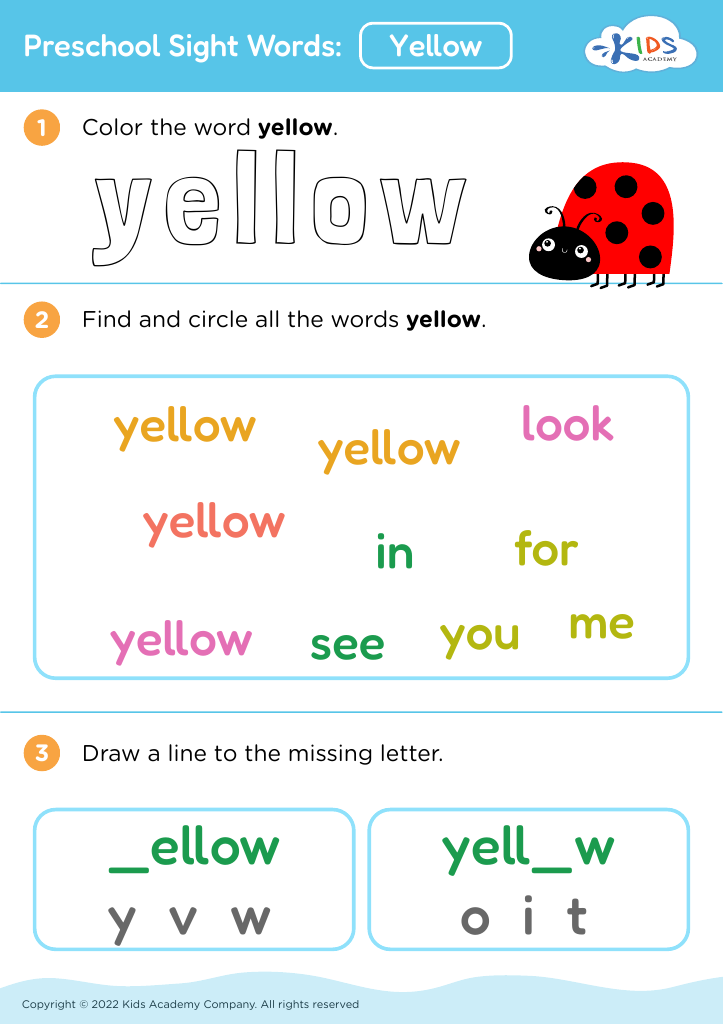







Interpreting data at ages 5-8 is a crucial skill that parents and teachers should foster because it lays the foundation for critical thinking and problem-solving abilities essential for lifelong learning. Young children are naturally curious and constantly seek to make sense of the world around them. By introducing them to simple data interpretation, parents and teachers can channel this curiosity into structured learning.
First, interpreting data develops mathematical skills. Children learn to identify patterns, compare quantities, and understand basic concepts of measurement and statistics. This skill set is fundamental in preparing students for more advanced math in later grades.
Second, it enhances cognitive development. When children collect data and analyze it, they use logical reasoning and develop the ability to process and synthesize information. This encourages them to think independently and make informed decisions.
Furthermore, data interpretation skills foster environmental awareness and social understanding. For example, children can engage in activities such as tracking weather patterns, simple surveys, or charting plant growth. Such activities help them grasp real-world applications and implications of data, nurturing a sense of observation and respect for their environment.
In conclusion, teaching data interpretation to young children not only bolsters their academic prowess but also equips them with essential life skills. Parents and teachers who prioritize this can significantly contribute to a child's holistic development.








