Logical thinking development Worksheets for Ages 5-8
23 filtered results
-
From - To
Enhance your child's logical thinking skills with our engaging worksheets designed for ages 5-8! These interactive resources promote critical reasoning, problem-solving, and analytical skills through fun puzzles, games, and challenges. Our thoughtfully crafted activities cater to various learning styles, helping young learners develop their cognitive abilities in an enjoyable way. With colorful illustrations and age-appropriate tasks, children will build confidence as they learn to classify, sort, decode, and identify patterns. Perfect for home or classroom use, these worksheets make logical thinking development an exciting adventure! Ignite curiosity and foster a love for learning through activities that challenge and inspire young minds.
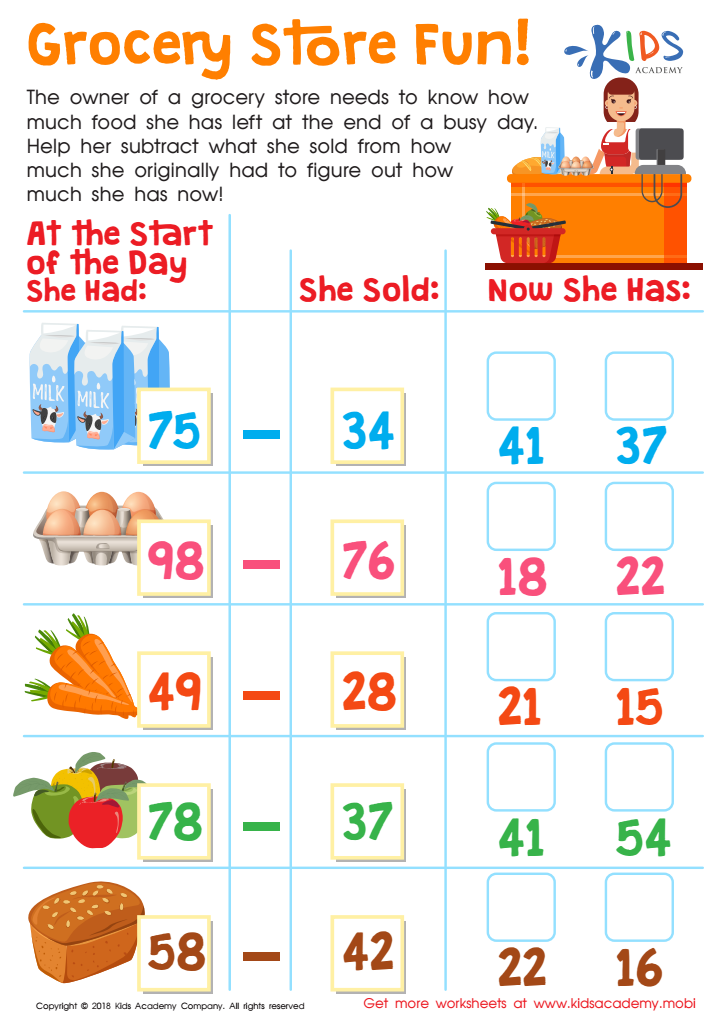
Grocery Store Fun! Worksheet
 Assign to My Students
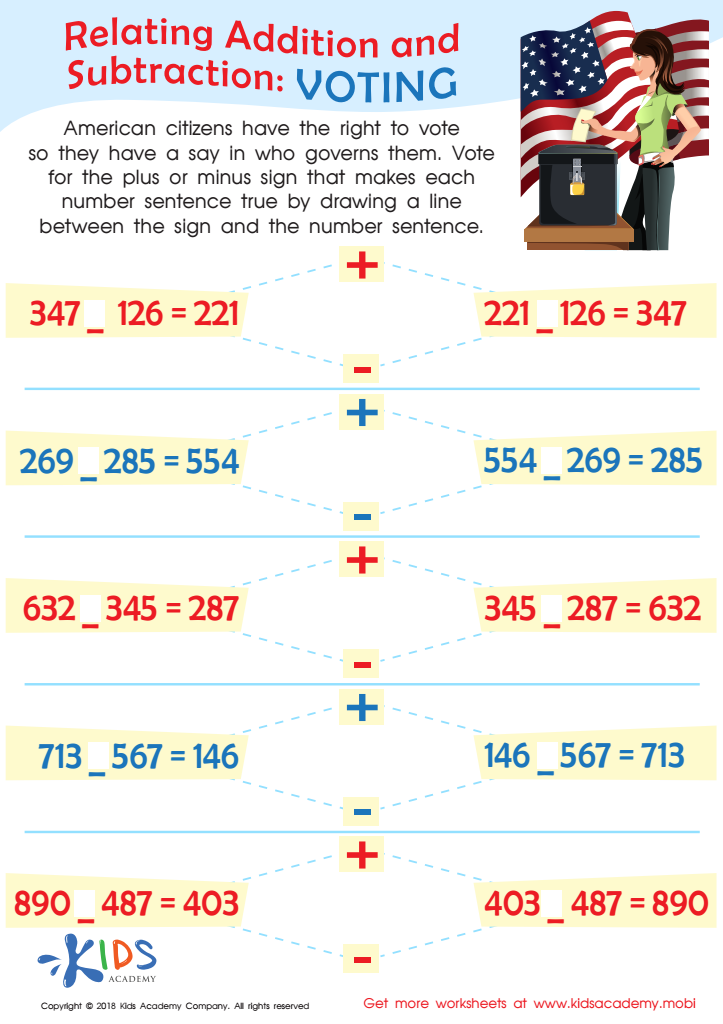
Voting Worksheet
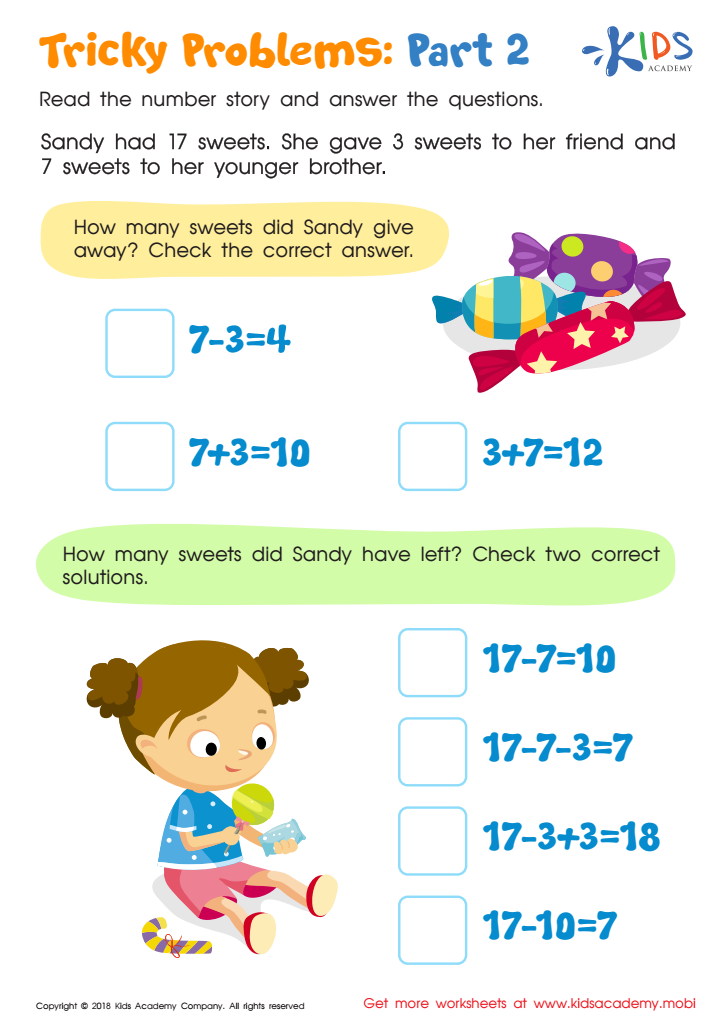
Tricky Problems Worksheet: Part 2
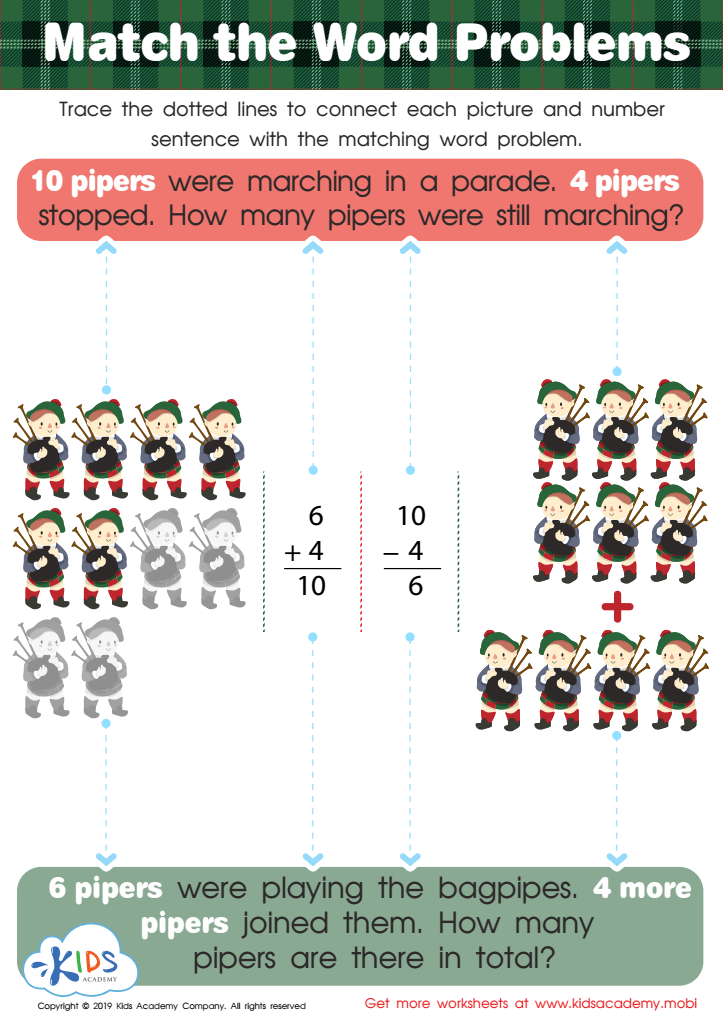
Match the Word Problems Worksheet
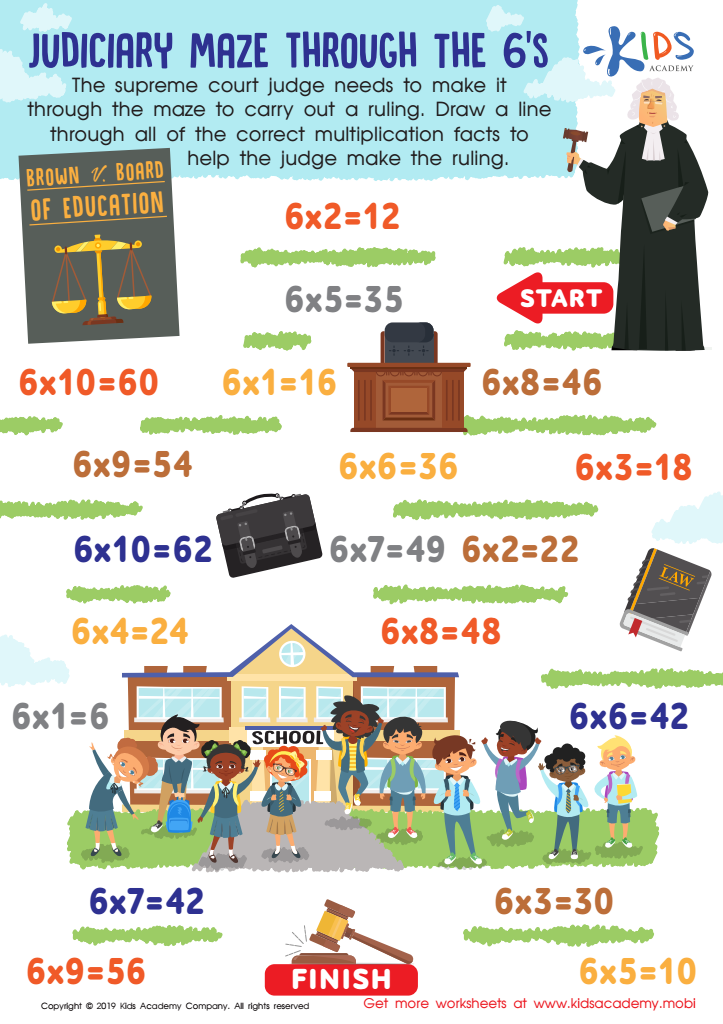
Judiciary Maze Through The 6’s Worksheet
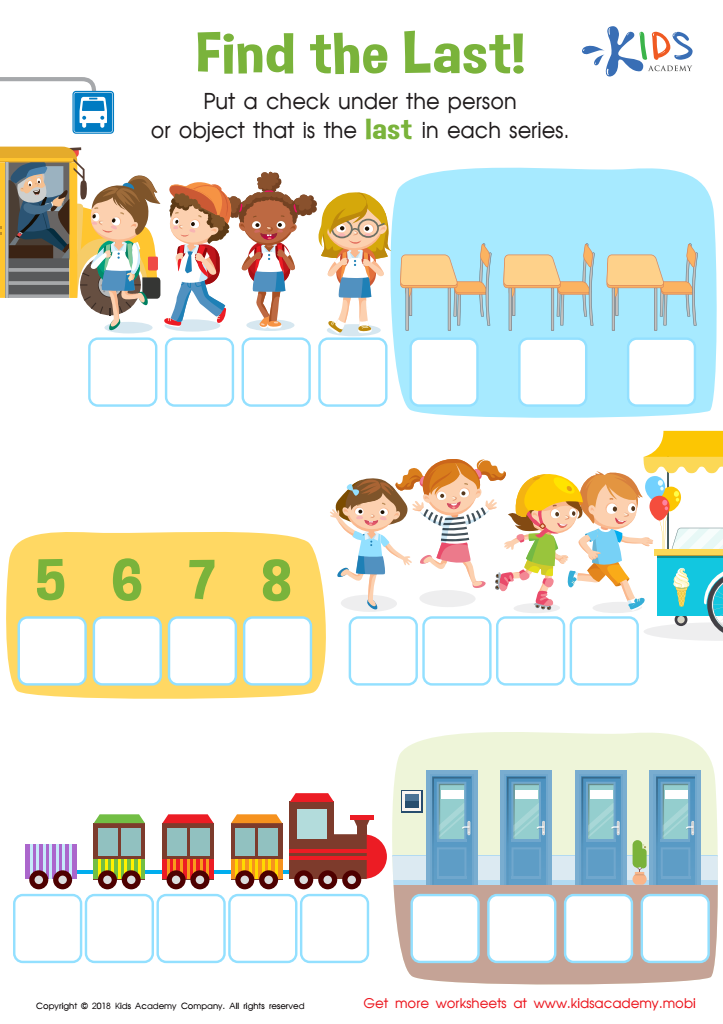
Find the Last! Worksheet
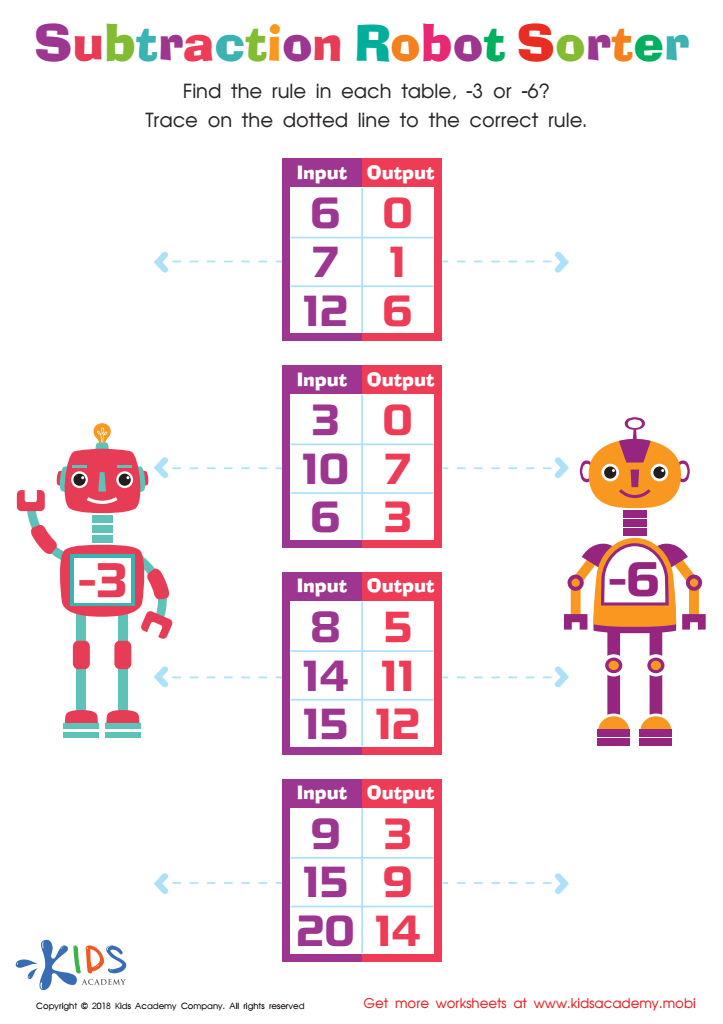
Subtraction Robot Sorter Worksheet

Which Direction Will it Go? Worksheet
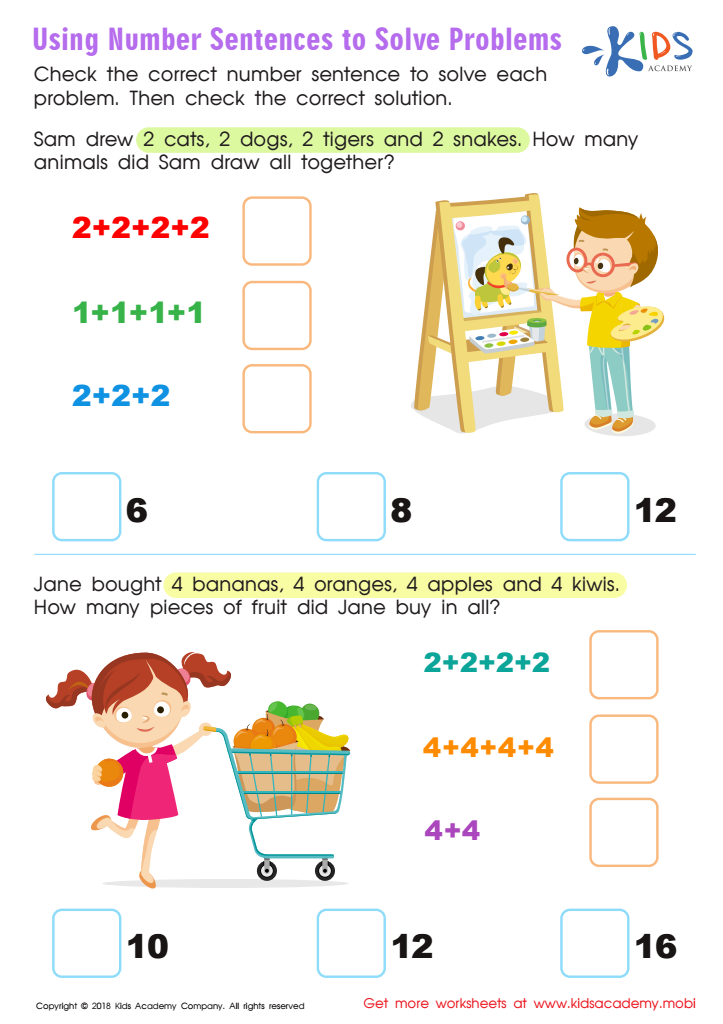
Using Number Sentences to Solve Problems Worksheet

Comparing Solutions Worksheet
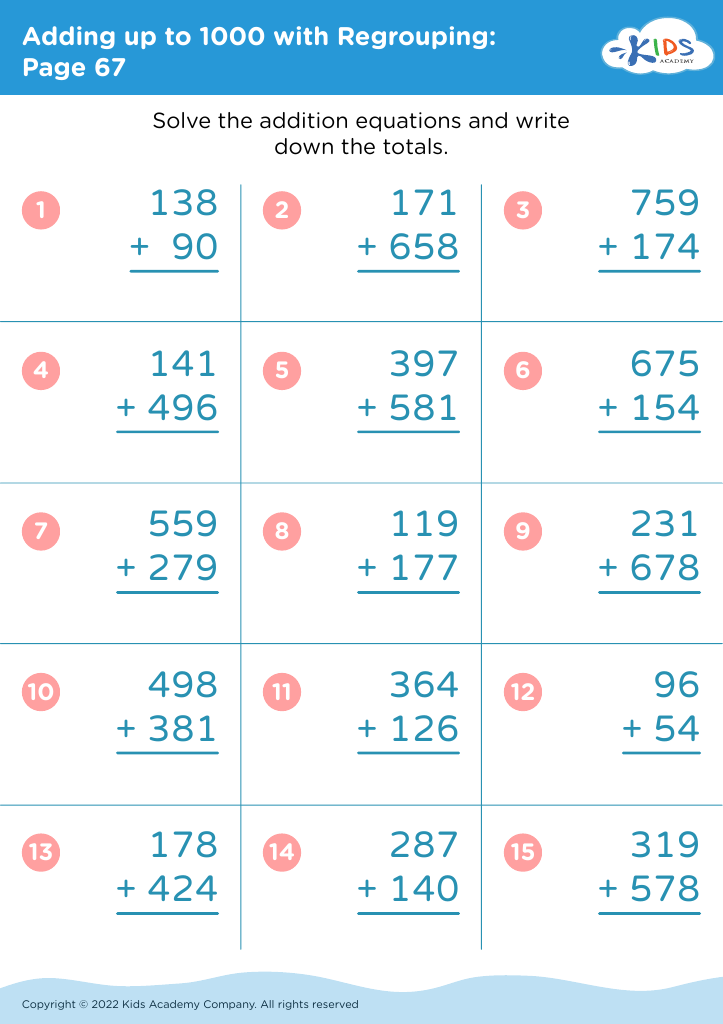
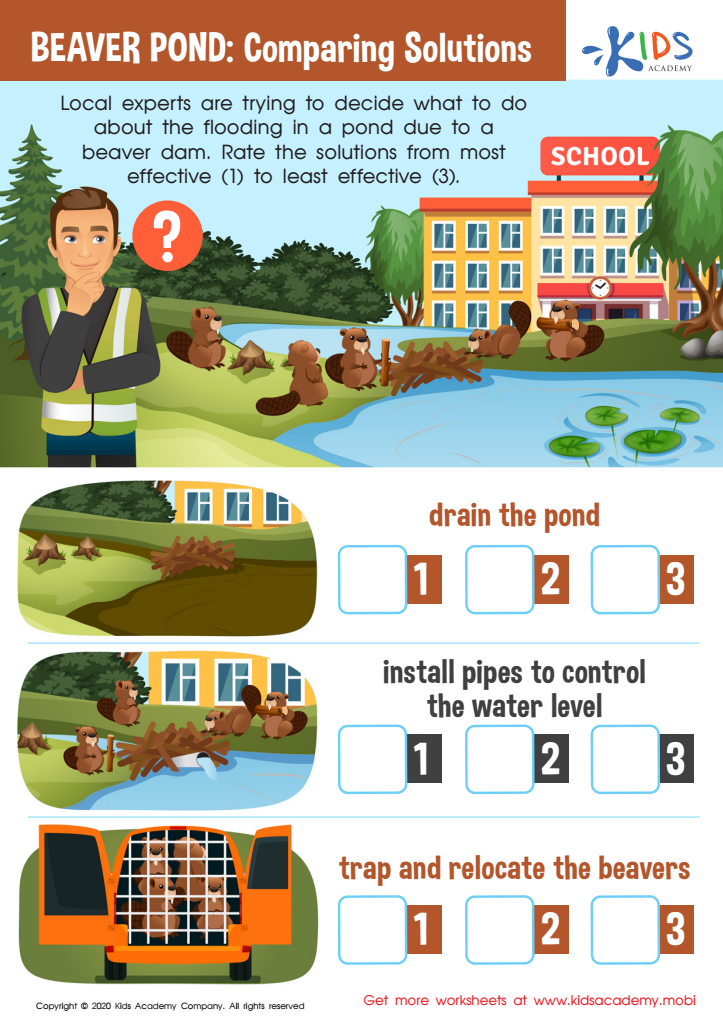
Beaver Pond: Comparing Solutions Worksheet
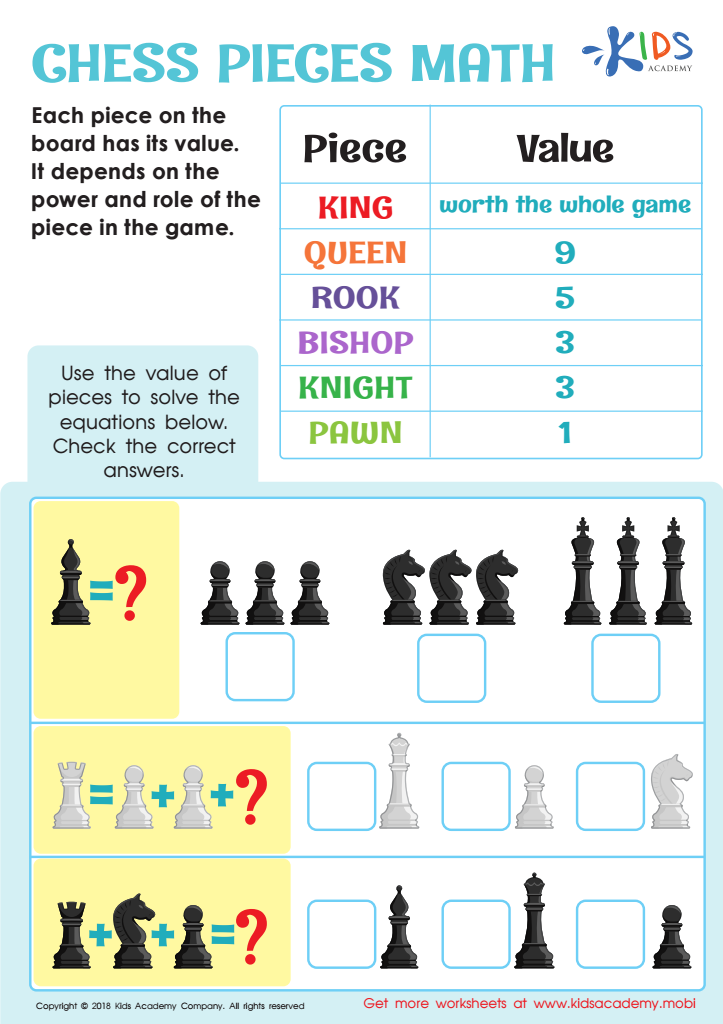
Chess Pieces Math Worksheet
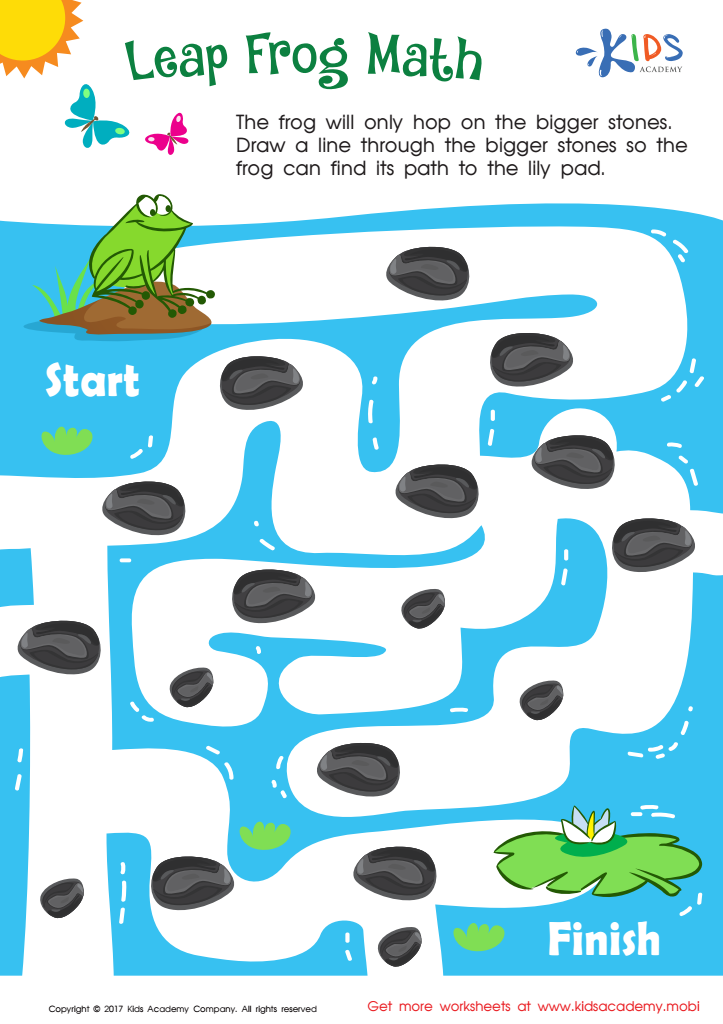
Math Puzzle Worksheet
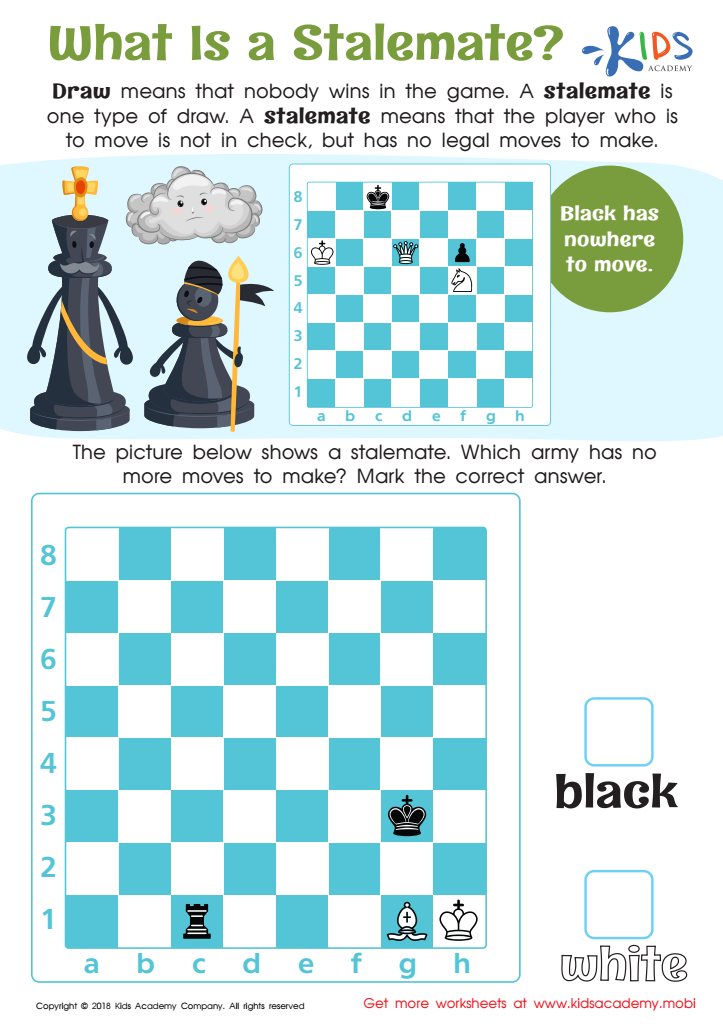
What Is a Stalemate? Worksheet
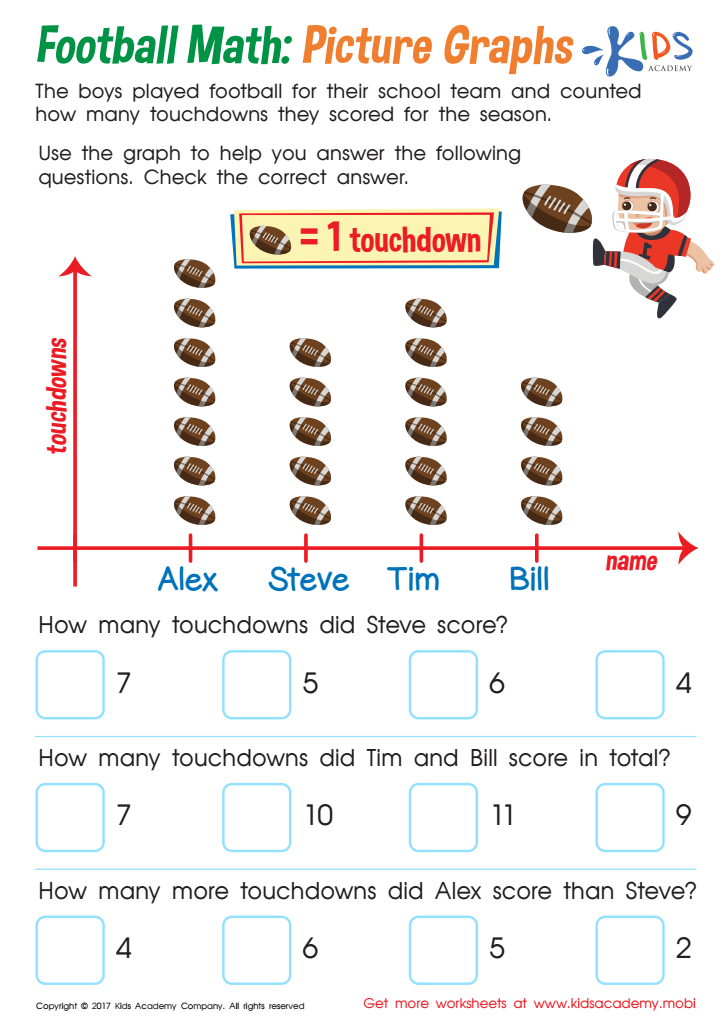
Football Math Worksheet
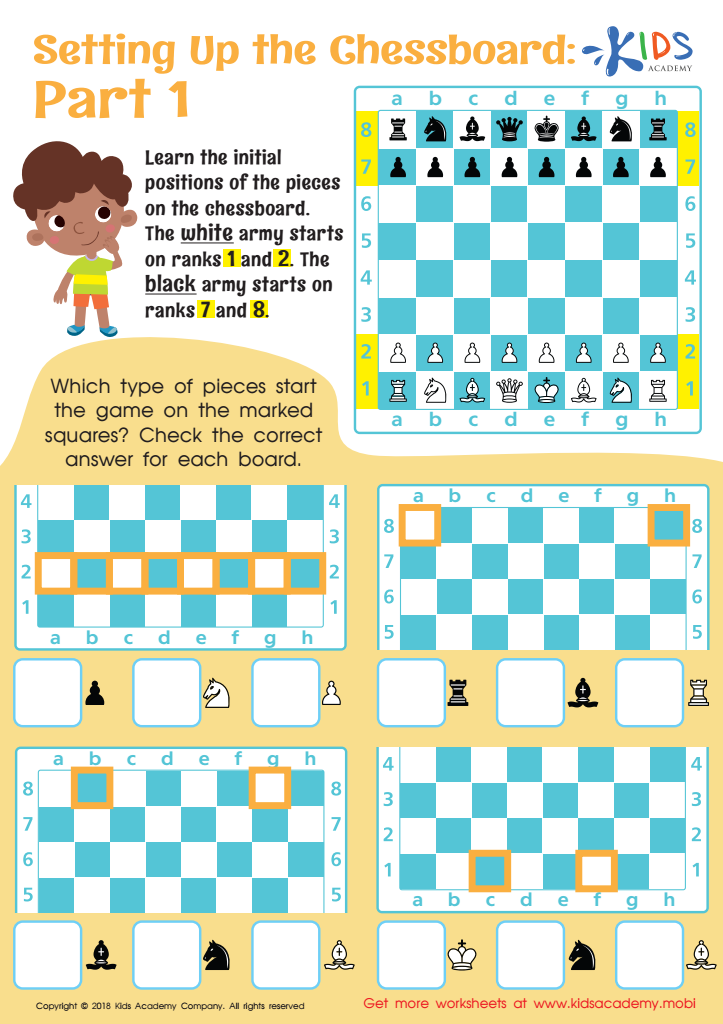
Setting up the Chessboard: Part 1 Worksheet
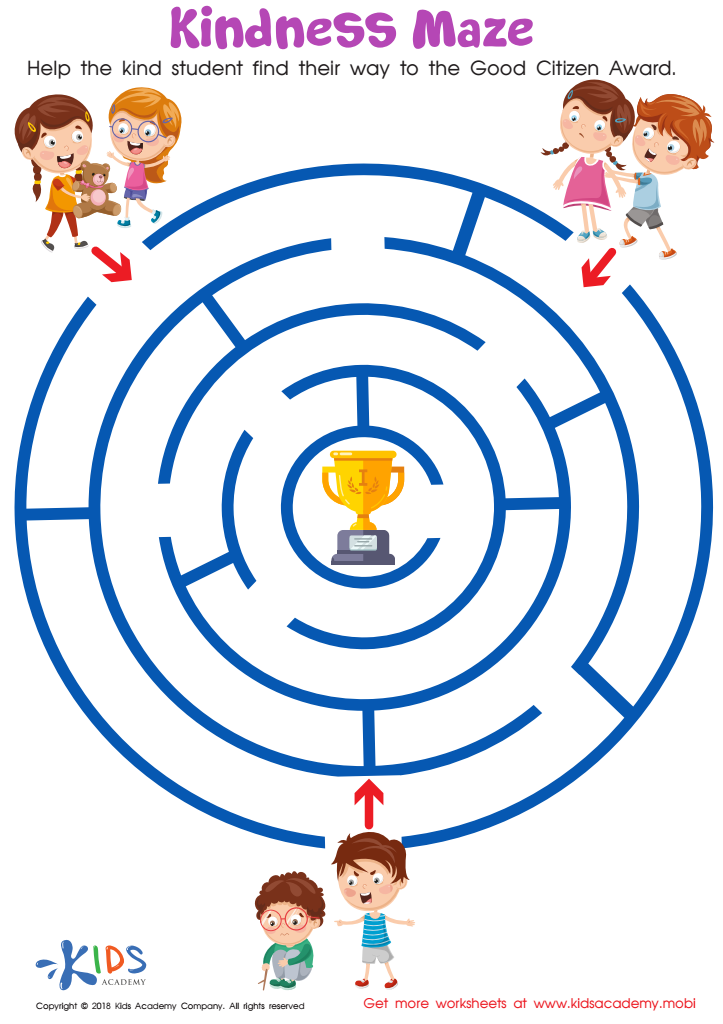
Kindness Maze Worksheet
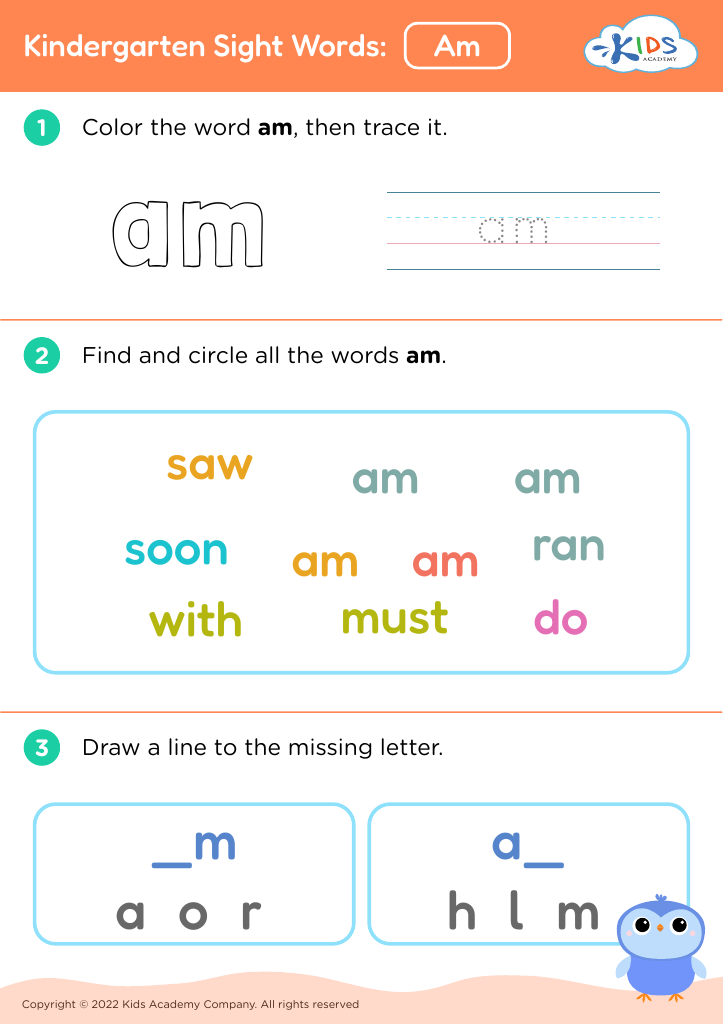








Logical thinking development for children aged 5-8 is crucial for their cognitive growth and overall learning. At this age, children start to engage in more structured thinking, which lays the groundwork for problem-solving skills and critical reasoning that will benefit them throughout their education and life. When parents and teachers focus on fostering logical thinking, they help children learn how to analyze situations, recognize patterns, and make connections between concepts.
Engaging children in activities that stimulate logical thinking—such as puzzles, games, and even age-appropriate coding exercises—encourages them to see challenges as opportunities and boosts their confidence in their problem-solving abilities. These skills are not only essential for academic success in subjects like math and science but also enhance interpersonal skills by improving their ability to reason and communicate effectively with others.
Furthermore, nurturing logical thinking aids emotional intelligence as children learn to evaluate their decisions and understand the consequences of their actions. Parental and teacher support in these developmental milestones cultivates a love for learning, preparing children for more complex tasks in later years. By prioritizing logical thinking, parents and educators empower children to become independent thinkers capable of navigating their world effectively.








