Observational skills Worksheets for Ages 5-8 - Page 2
30 filtered results
-
From - To
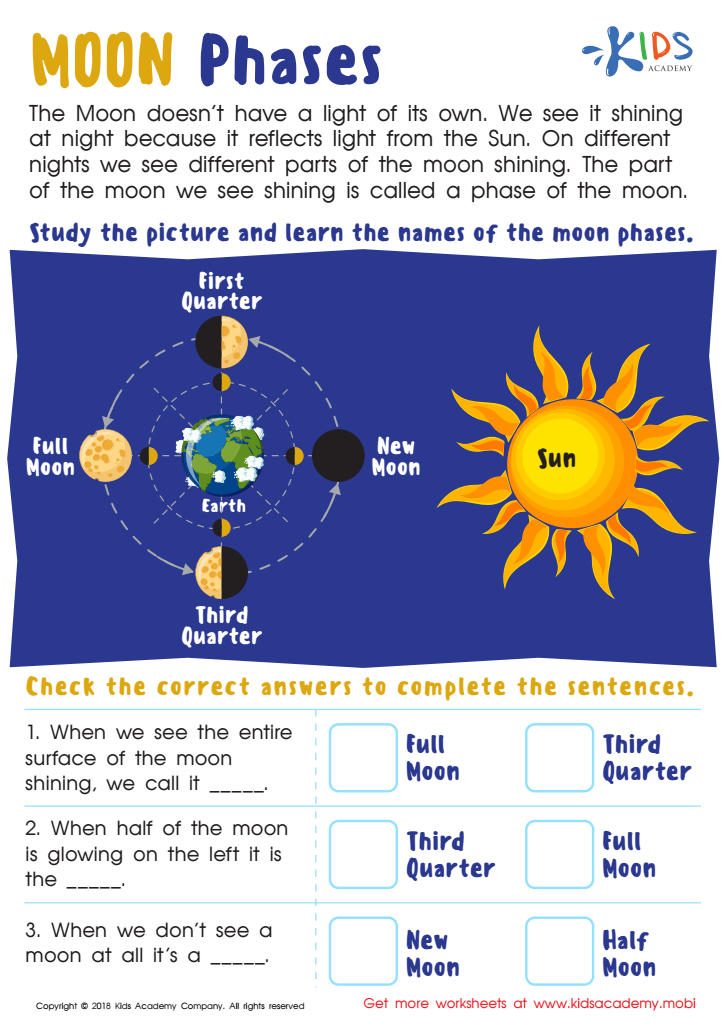
Moon Phases Worksheet
 Assign to My Students
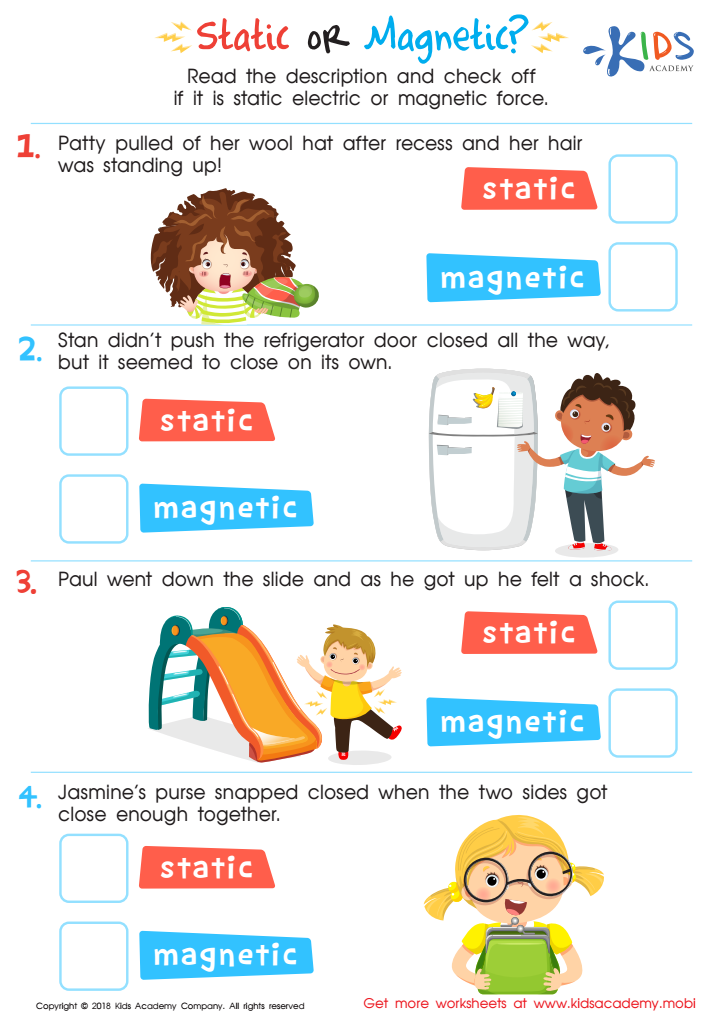
Static or Magnetic Printable Worksheet
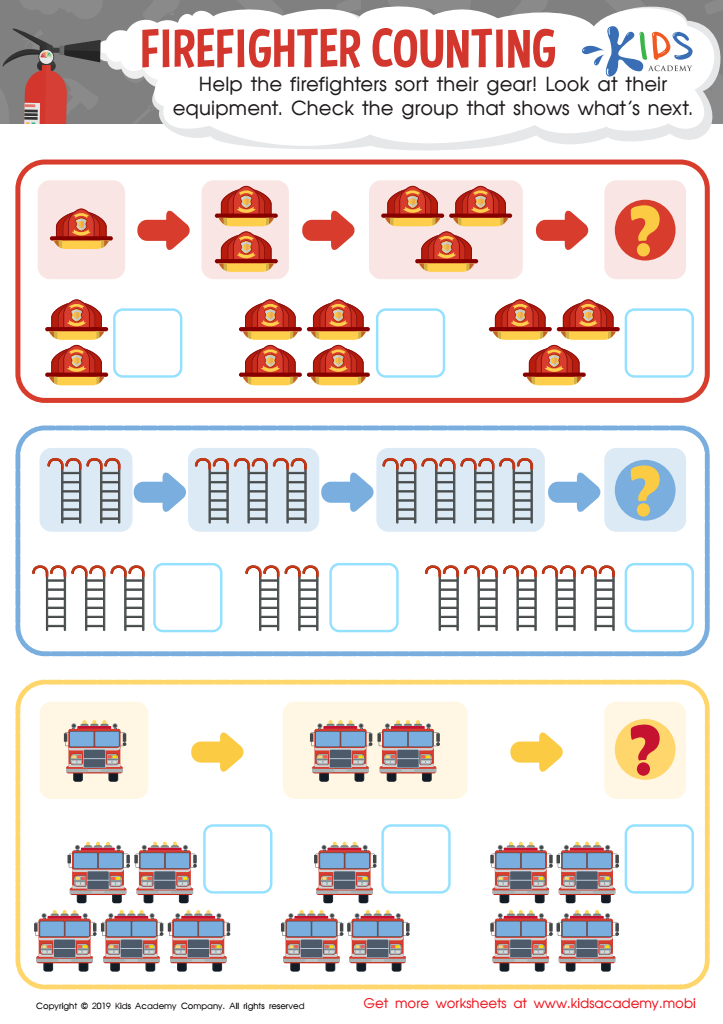
Firefighter Counting Worksheet
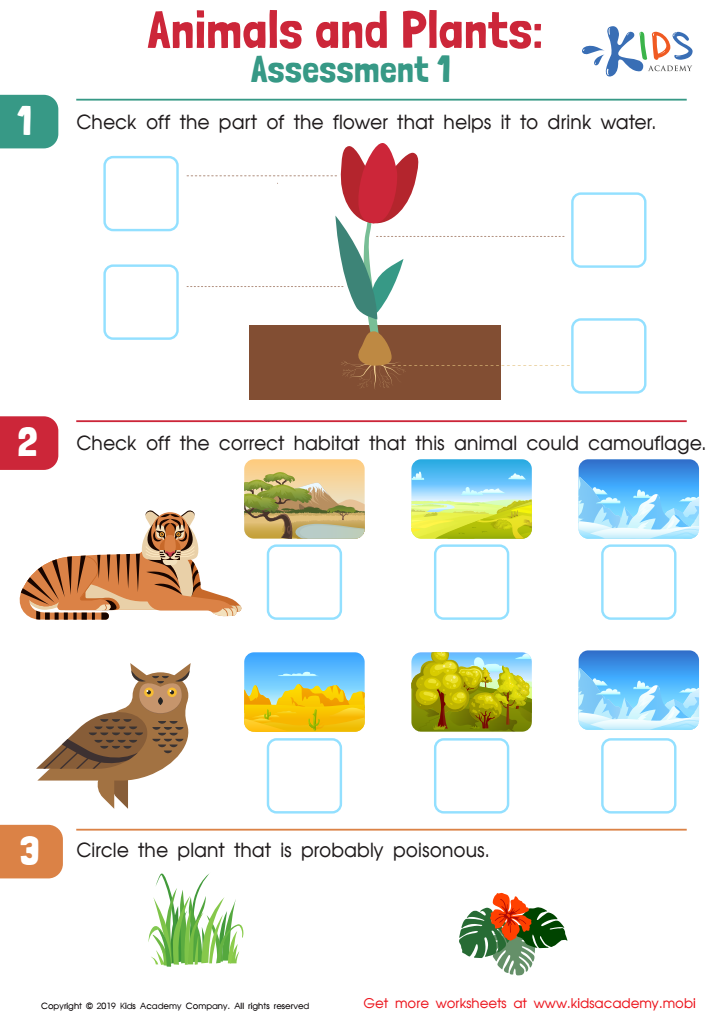
Animals and Plants: Assessment 1 Worksheet







Observational skills are crucial for children aged 5-8 as they form the foundation for successful learning and social interaction. For parents and teachers, fostering these skills can significantly enhance a child’s development. Firstly, observational skills help children notice their environment, interactions, and the relationships between different elements. This awareness encourages curiosity and critical thinking, which are vital for academic success, particularly in subjects such as science and math.
Moreover, strong observational skills aid in social development. Children learn to pick up on verbal and non-verbal cues from their peers, leading to better communication and empathy. This understanding fosters positive relationships and lessens instances of conflict, as children become adept at recognizing emotions and responding appropriately.
Additionally, activities that promote observation, such as nature walks, group games, and story interpretation, can enhance cognitive abilities while encouraging collaboration and teamwork. Engaging in these activities not only supports learning but creates a positive classroom or home environment.
Ultimately, by nurturing observational skills, parents and teachers equip children with essential tools for lifelong learning, social skills, and emotional intelligence, laying the groundwork for their future success both academically and personally. Thus, actively fostering these skills is vital for a child’s holistic development.








