Problem-solving practice Worksheets for Ages 5-8
28 filtered results
-
From - To
Discover our engaging Problem-Solving Practice Worksheets designed specifically for children aged 5-8. These interactive resources aim to enhance critical thinking and reasoning skills through a variety of fun and challenging activities. Each worksheet promotes logical reasoning, decision-making, and creativity, making learning enjoyable and effective. With colorful graphics and age-appropriate tasks, young learners can practice solving problems in real-world contexts, sharpening their skills for future academic success. Perfect for classroom use or at-home learning, our worksheets provide endless opportunities for kids to think critically while developing robust problem-solving abilities. Start empowering young minds today with our dynamic problem-solving worksheets!
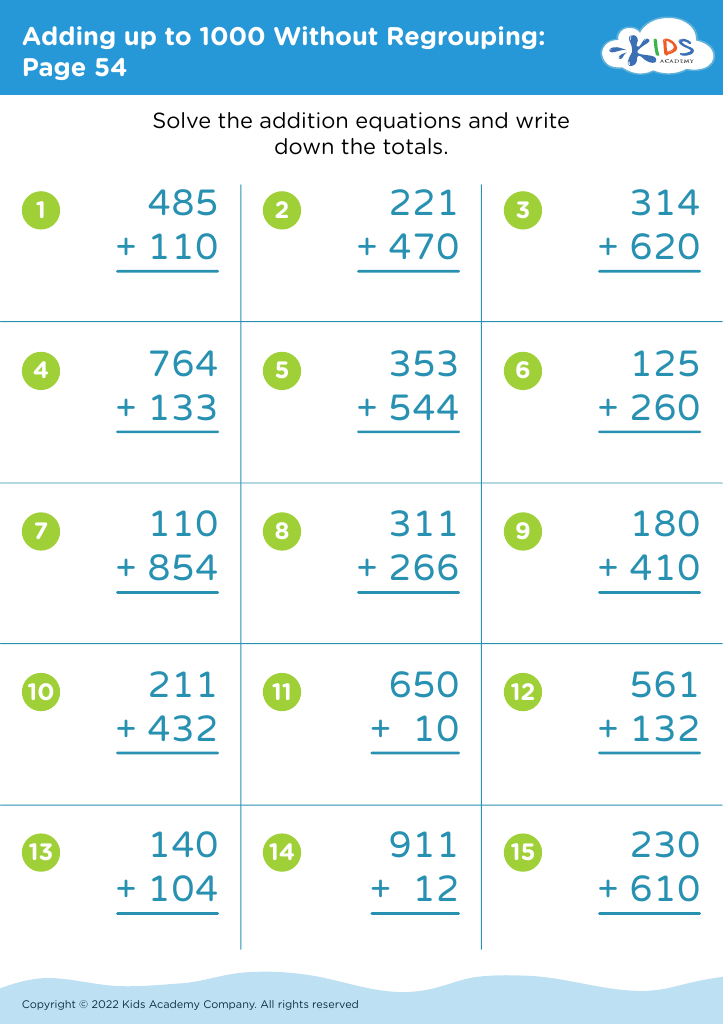
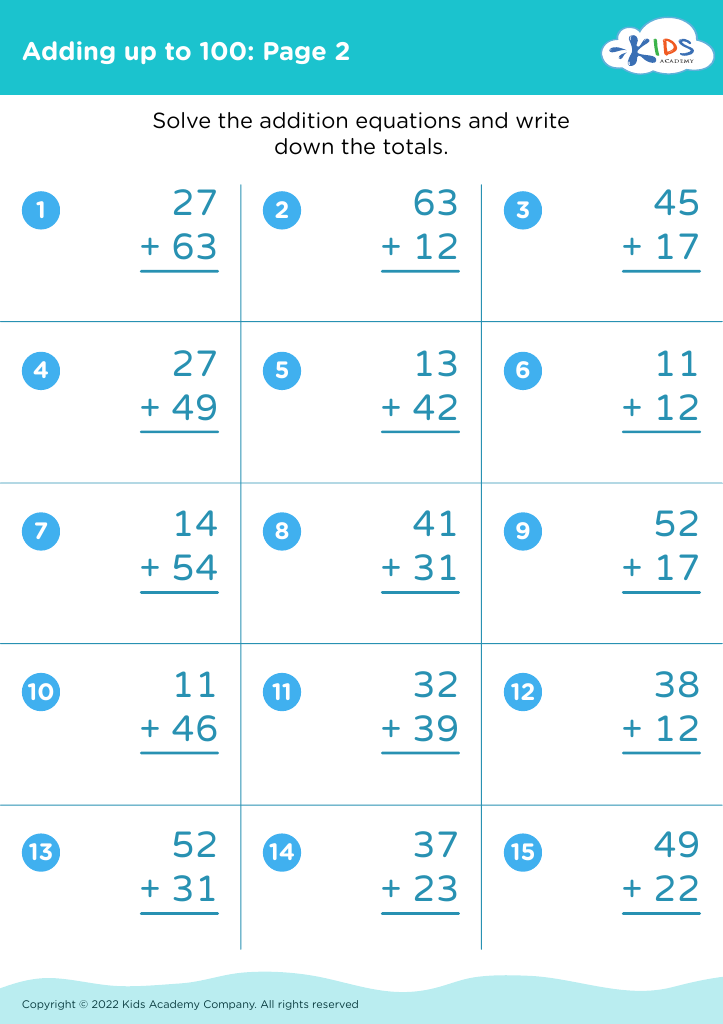
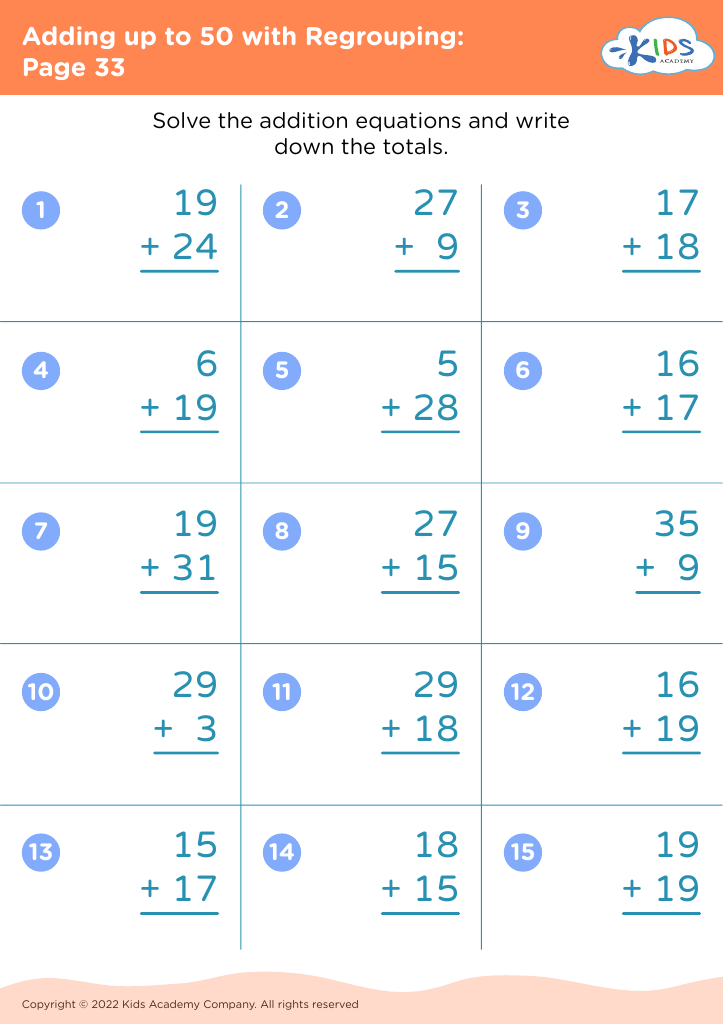
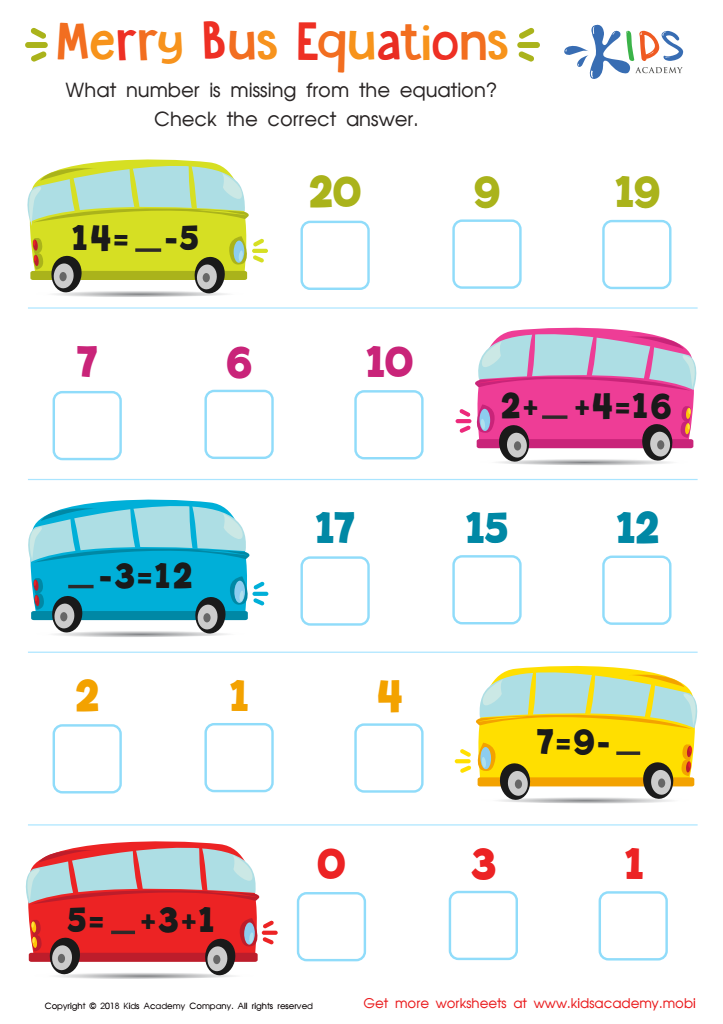
Merry Bus Equations Worksheet
 Assign to My Students

Addition with Regrouping Worksheet
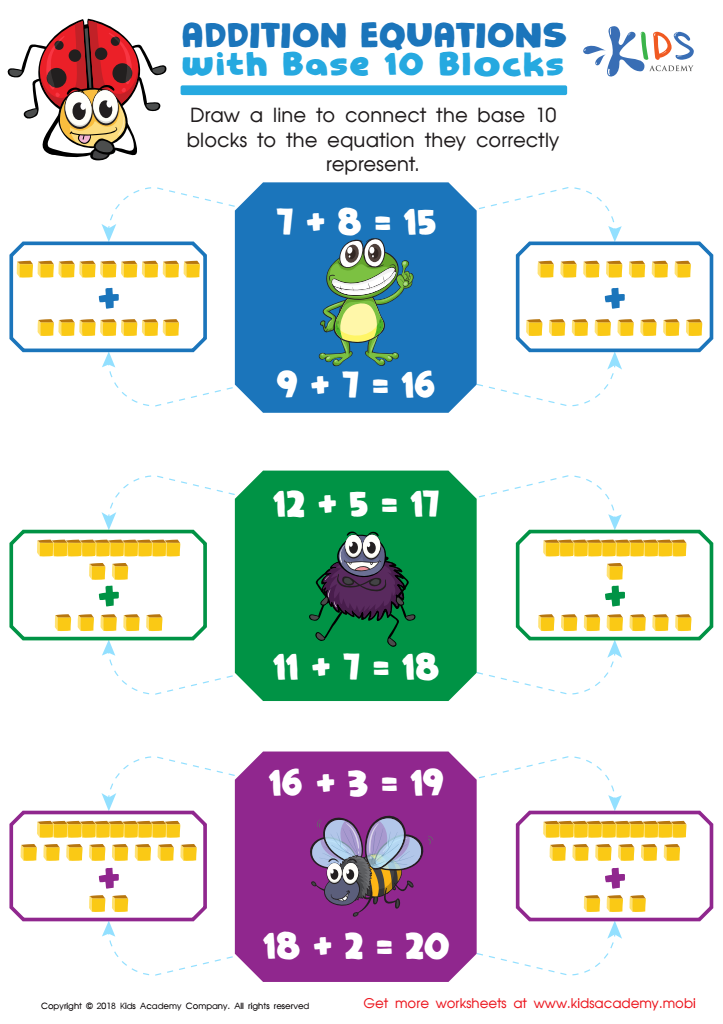
Addition Equations With Base 10 Blocks Worksheet
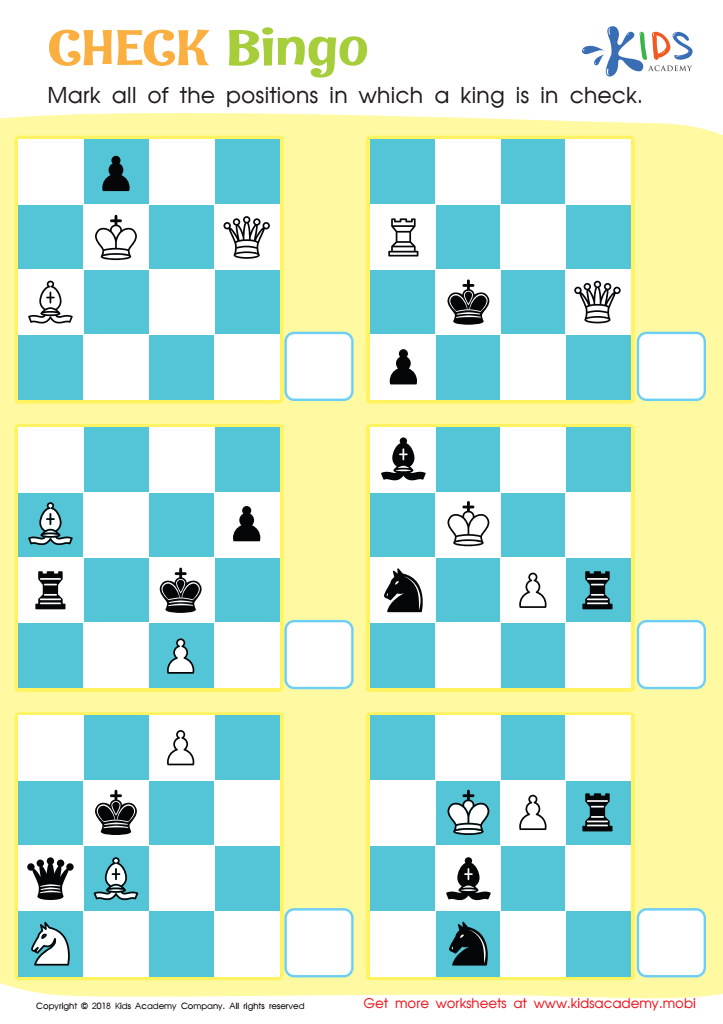
Check Bingo Worksheet
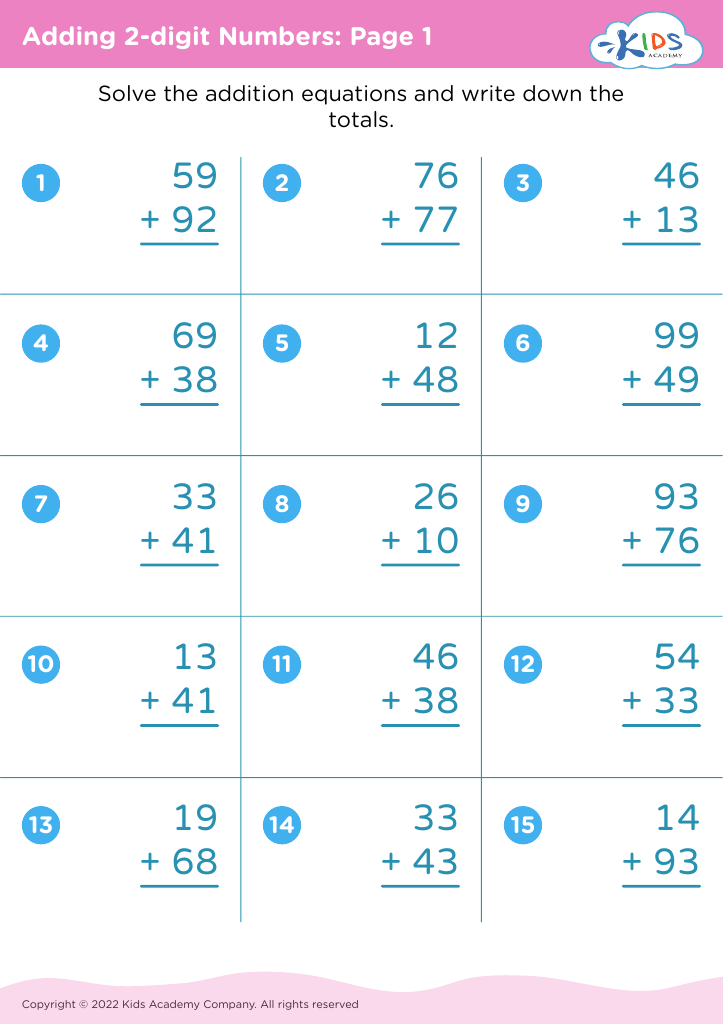
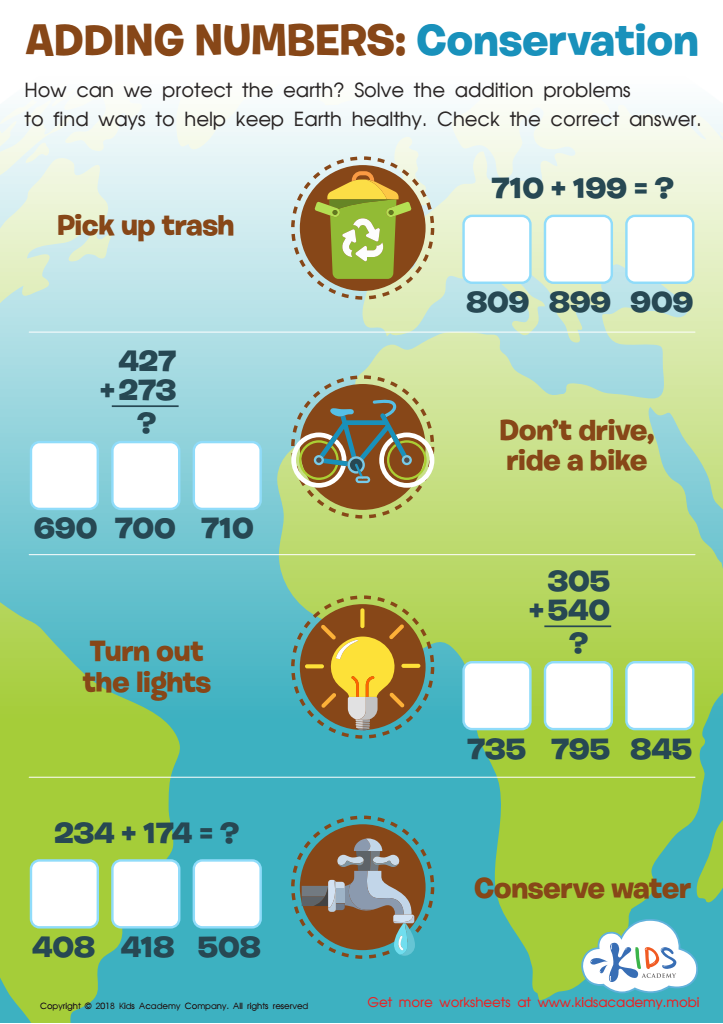
Adding Numbers: Conservation Worksheet
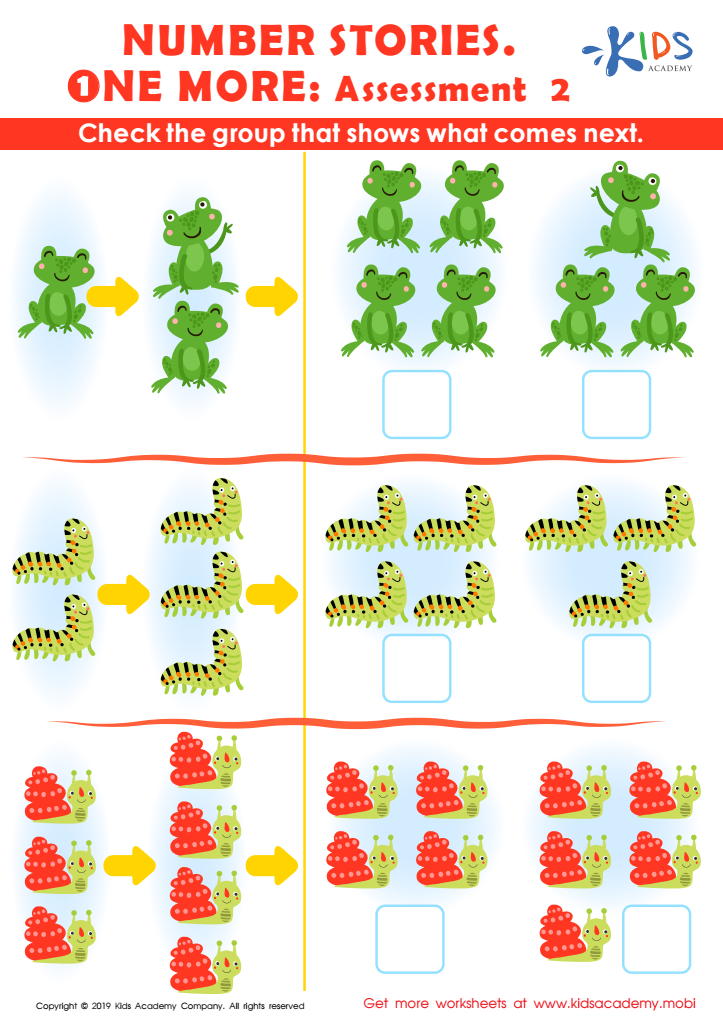
Number Stories One More – Assessment 2 Worksheet
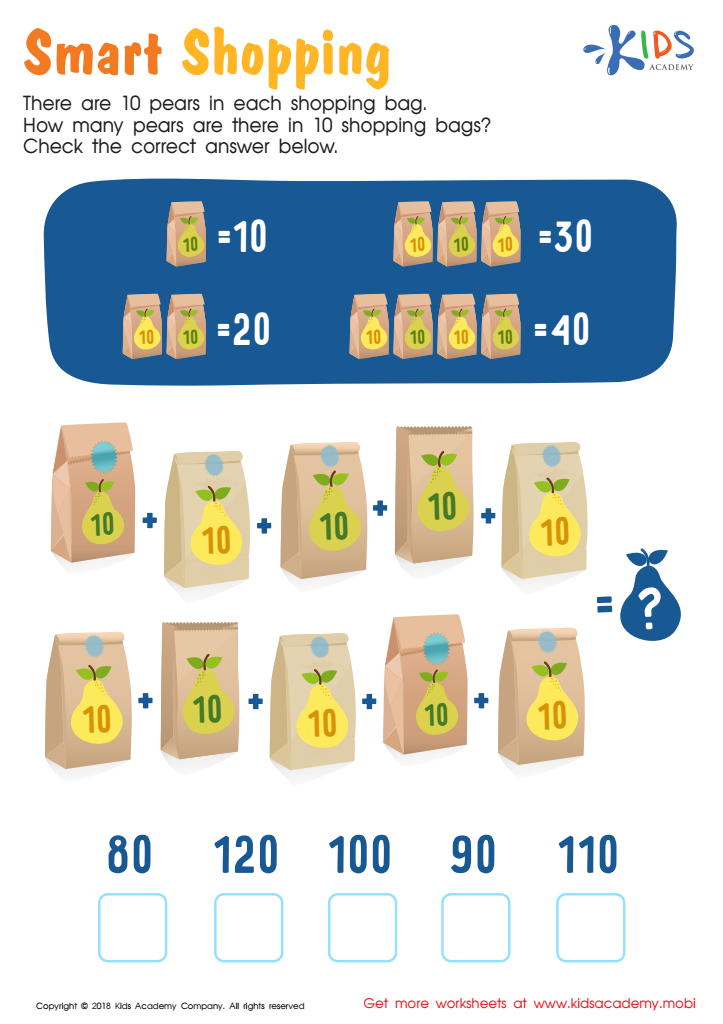
Smart Shopping: Trade Tens for a Hundred Worksheet

What Is a Line Plot? Worksheet
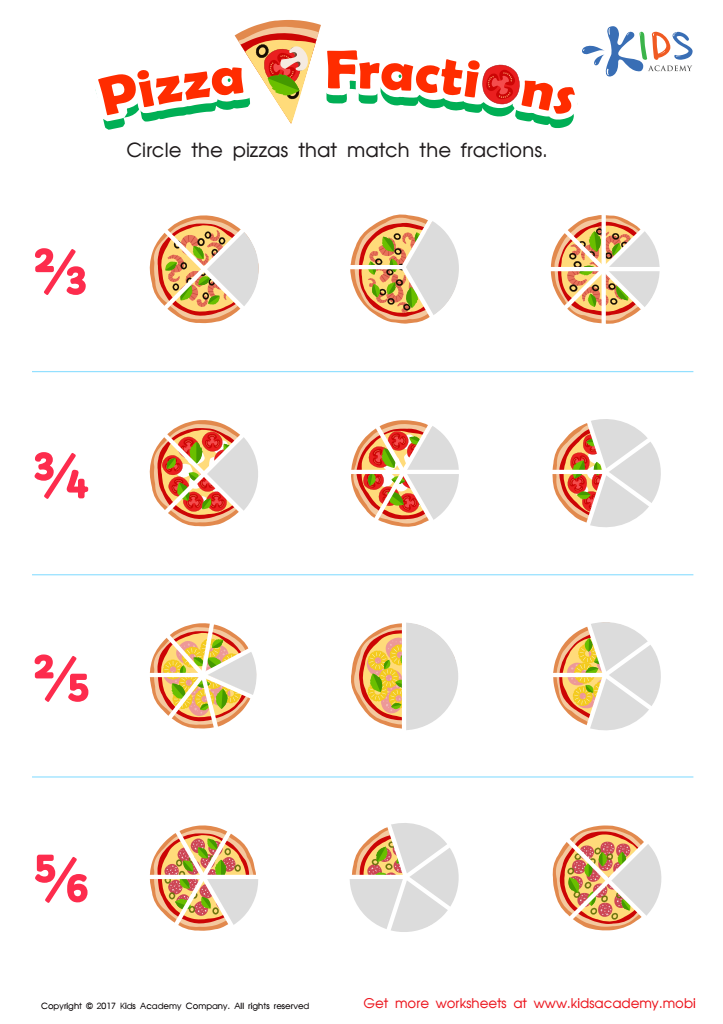
Fractions: Pizza Printable
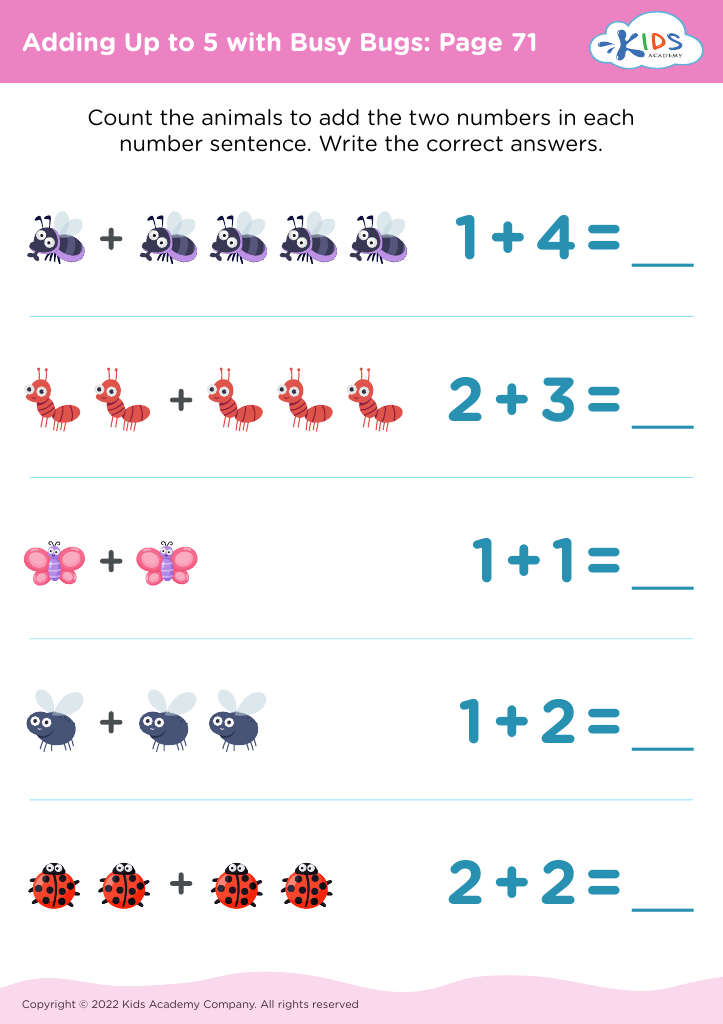

Comparing Shares Worksheet
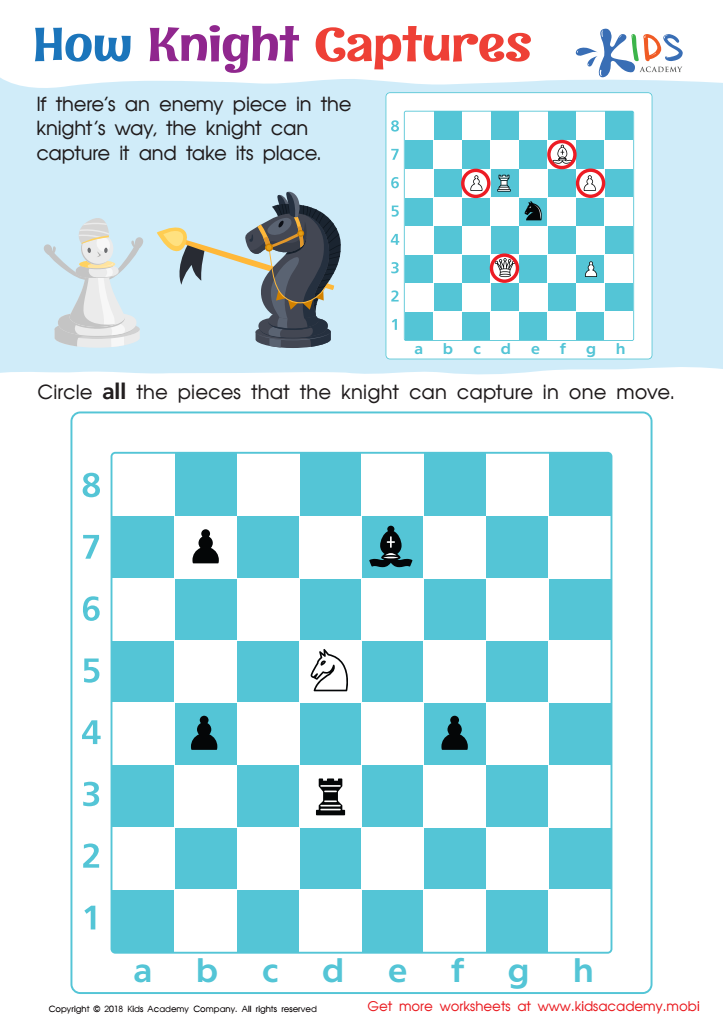
How Knight Captures Worksheet
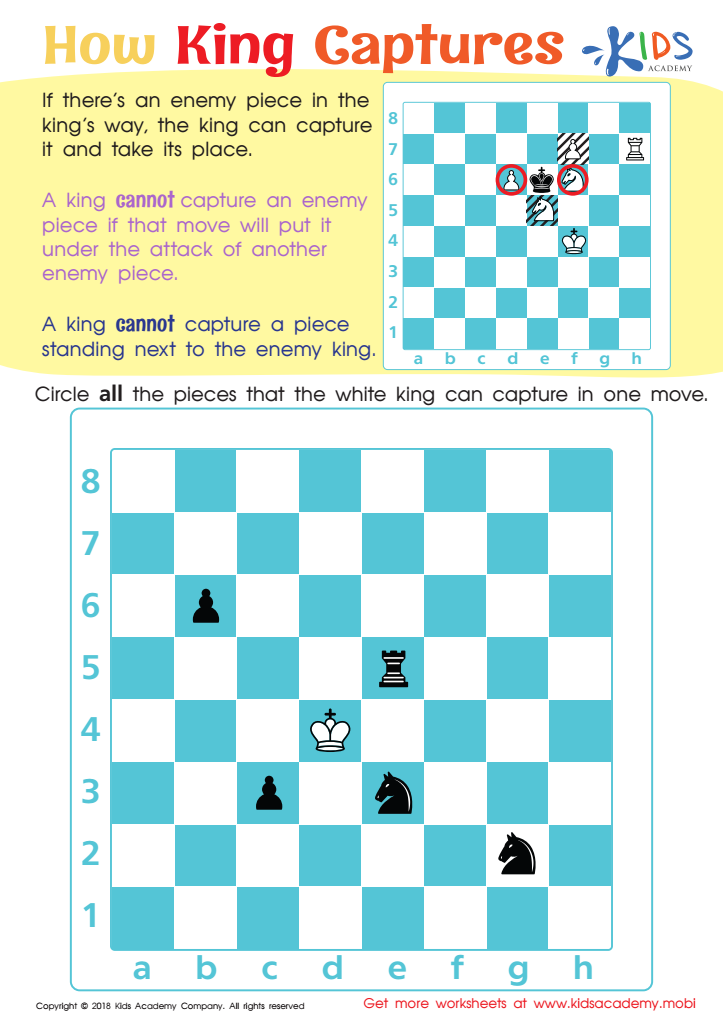
How King Captures Worksheet
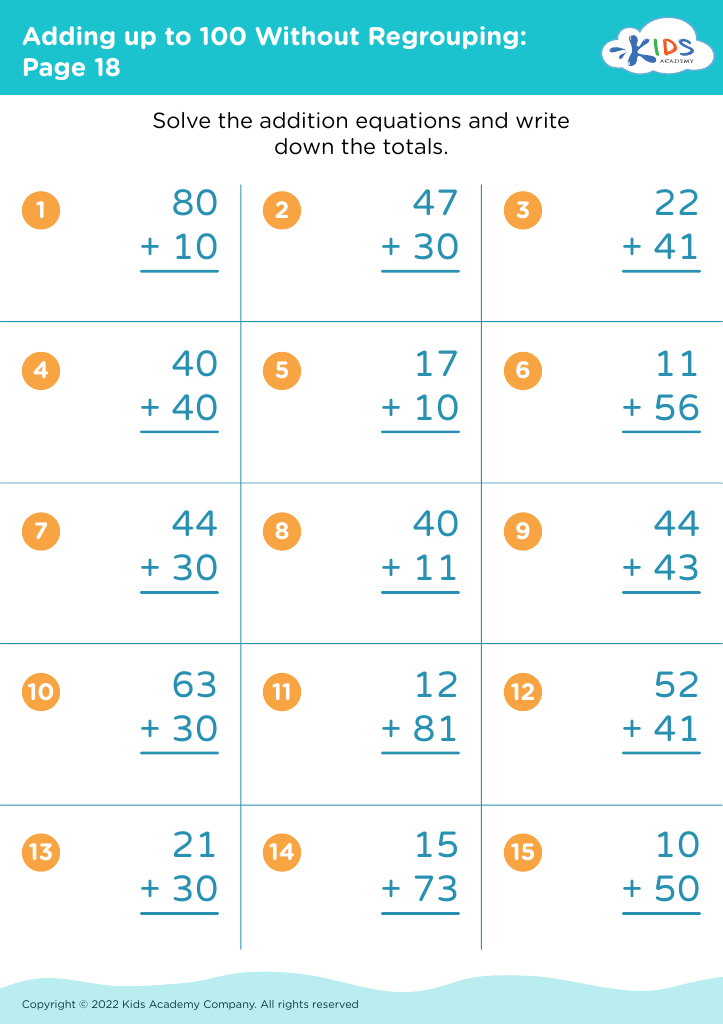
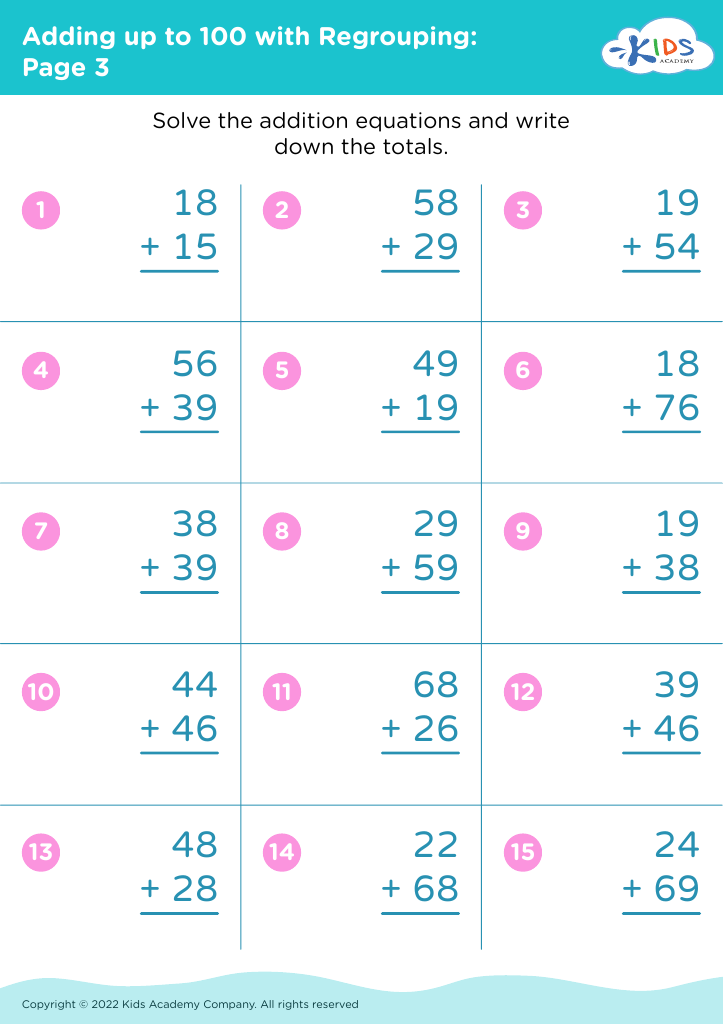
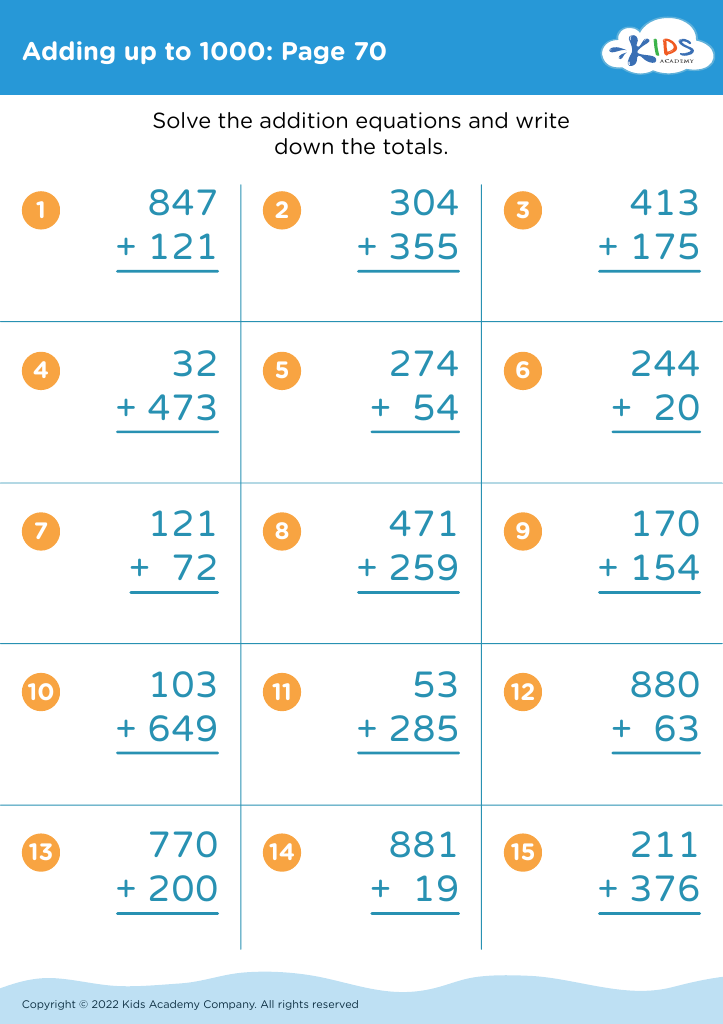








Parents and teachers should prioritize problem-solving practice for children aged 5-8 as it lays a critical foundation for later cognitive development and academic success. During these formative years, children begin to develop essential skills such as critical thinking, reasoning, and perseverance. Engaging in problem-solving activities encourages young learners to think independently and explore multiple solutions, fostering creativity and innovation.
Moreover, problem-solving practice facilitates the development of social skills. As children collaborate with their peers to tackle challenges, they learn the importance of communication, teamwork, and empathy. This collaborative experience not only builds confidence but also enhances their ability to articulate their thought processes and respect differing opinions.
Additionally, engaging young minds in problem-solving helps to cultivate a growth mindset. When children encounter difficulties, they learn to view challenges as opportunities for growth rather than obstacles. This resilience can counteract fears of failure, promoting a positive attitude toward learning.
Ultimately, investing time in problem-solving practice not only prepares children for academic pursuits but also equips them with essential life skills. This makes it crucial for both parents and teachers to actively incorporate problem-solving activities into daily learning experiences.








