Recognizing shapes Worksheets for Ages 5-8 - Page 2
50 filtered results
-
From - To
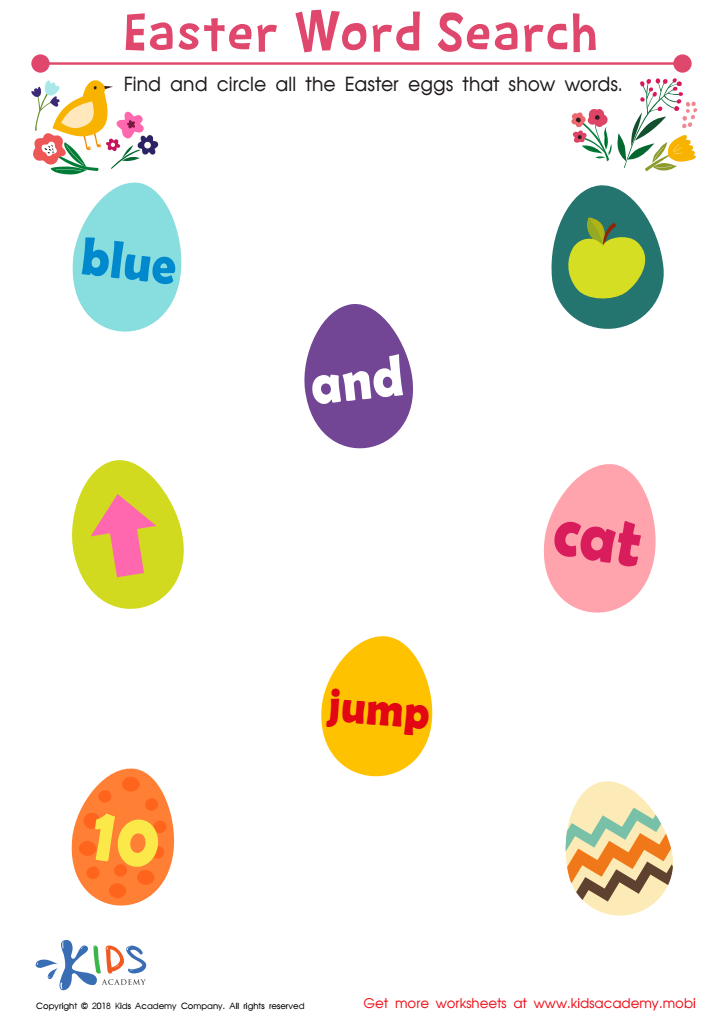
Easter Word Search Worksheet
 Assign to My Students
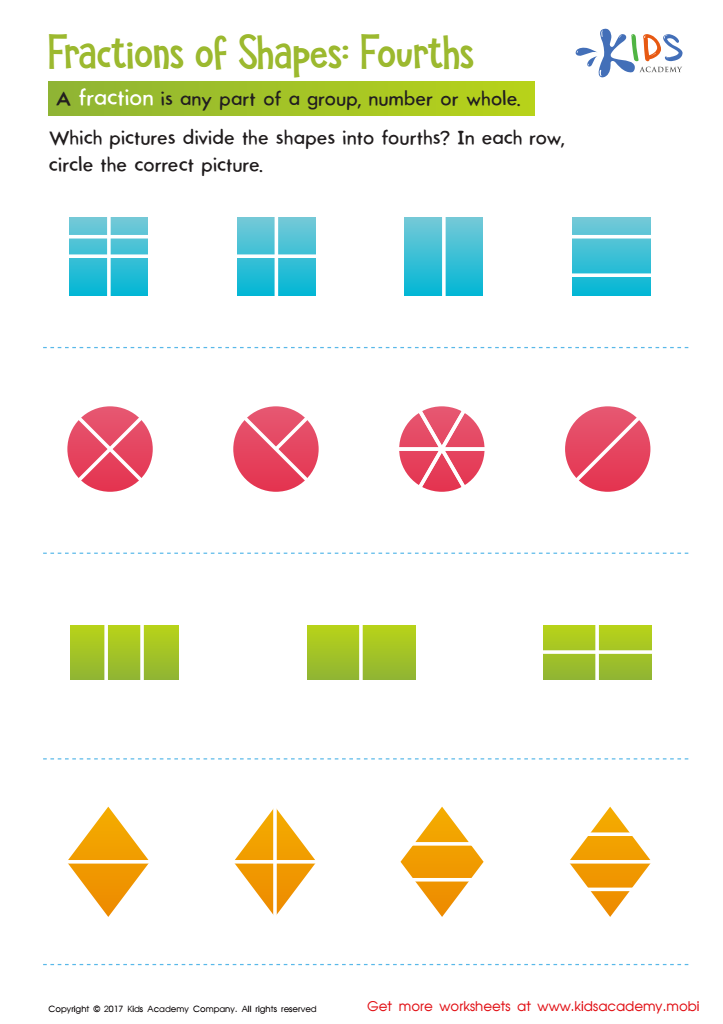
Fractions of Shapes Worksheet
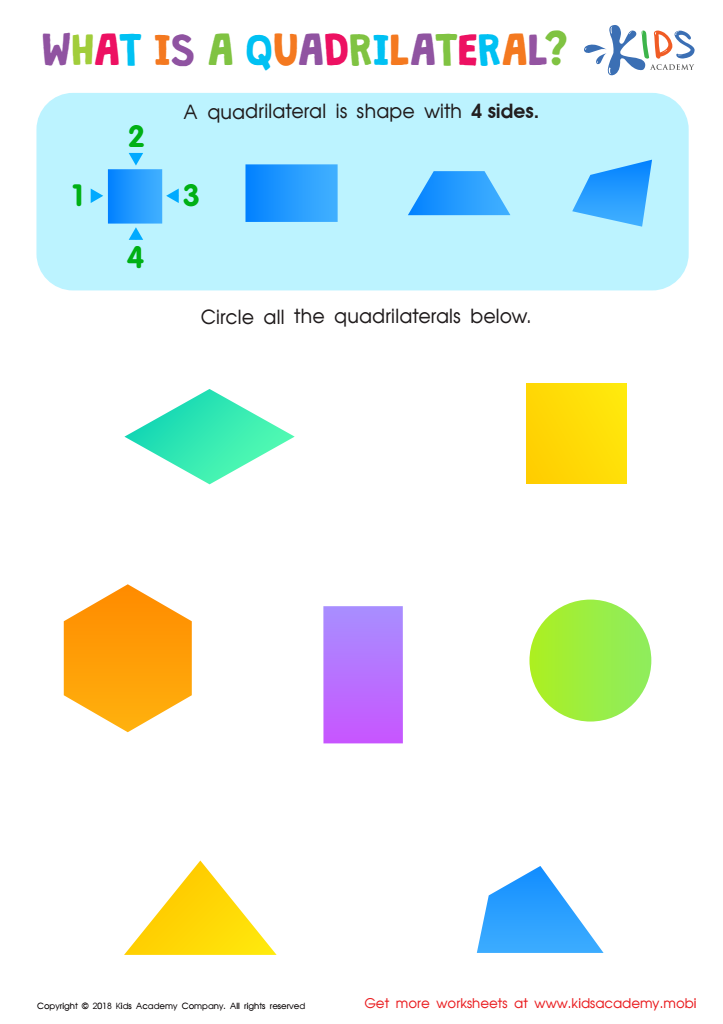
What Is a Quadrilateral? Worksheet


.jpg)





Recognizing shapes is a fundamental skill that plays a crucial role in the cognitive development of children aged 5-8. This skill fosters early math competencies, enhancing their ability to identify, describe, and categorize objects in their environment. Learning about shapes supports spatial awareness, which is essential not only for geometry but also for problem-solving and critical thinking.
For parents and teachers, recognizing shapes is more than just an academic milestone; it carries implications for a child’s overall development. Engaging with shapes helps enhance fine motor skills through activities like tracing or building with blocks. These activities also promote creativity and imagination as children explore how shapes form complex structures.
Moreover, understanding shapes aids in language development as children learn specific terminology and improve their ability to articulate their thoughts and observations. When parents and teachers emphasize this learning through fun and interactive activities, they create a supportive environment that nurtures curiosity and engagement.
Finally, shape recognition lays the groundwork for future learning, ensuring that children develop a solid foundation in math and science. Therefore, by valuing and encouraging the recognition of shapes, parents and teachers help cultivate essential life skills in children that extend beyond the classroom.








