Visual discrimination skills Worksheets for Ages 5-8
10 filtered results
-
From - To
Enhance your child’s visual discrimination skills with our engaging worksheets designed for ages 5-8! At Kids Academy, we offer a variety of printable activities that sharpens attention to detail, boosts pattern recognition, and improves problem-solving abilities. Perfect for young learners, these worksheets feature fun exercises like matching, sorting, and spotting differences. By focusing on essential foundational skills, our materials help to strengthen your child's cognitive development and visual processing in a playful, interactive way. Bring out the best in your learners with our expertly crafted visual discrimination worksheets today!
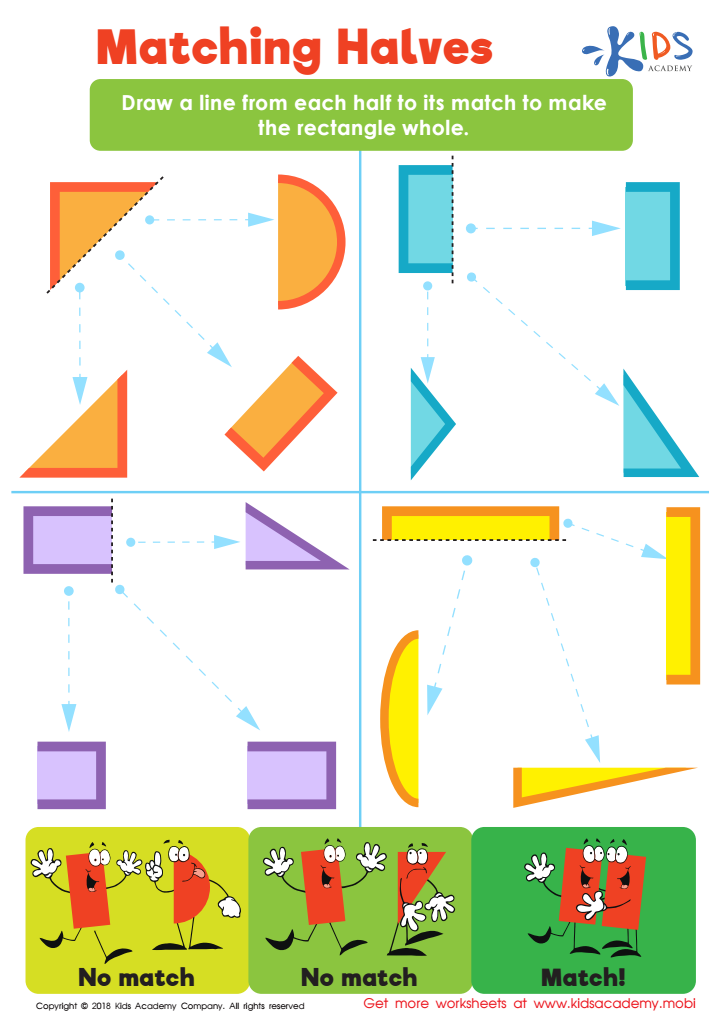
Matching Halves Worksheet
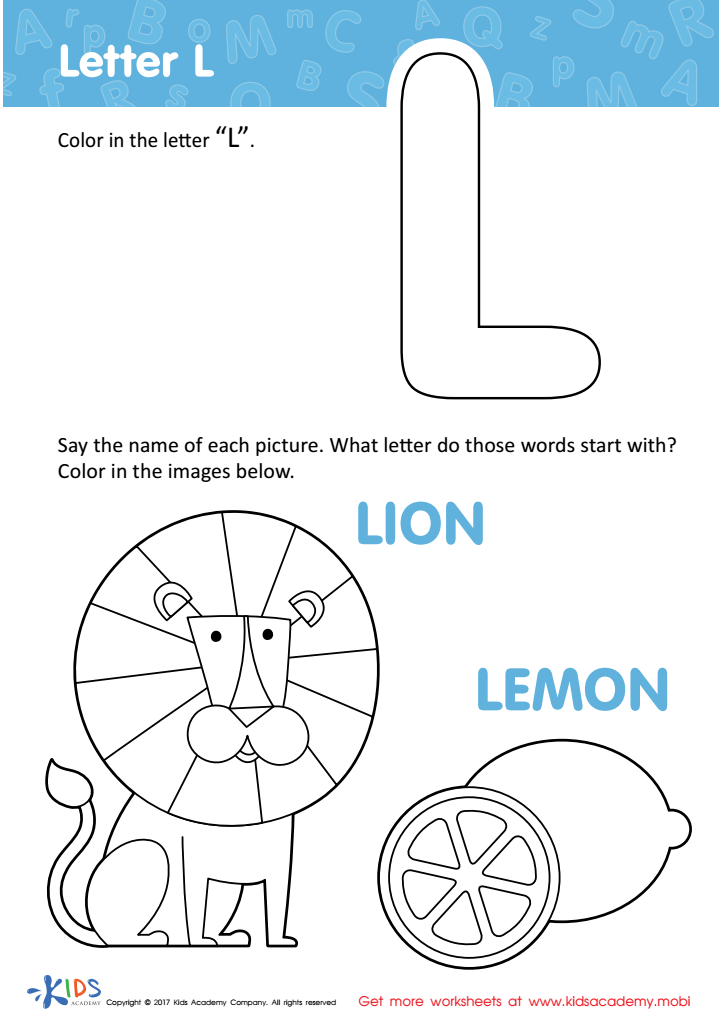
Letter L Coloring Sheet
 Assign to My Students

Find Uppercase Letters A, B, and C Worksheet
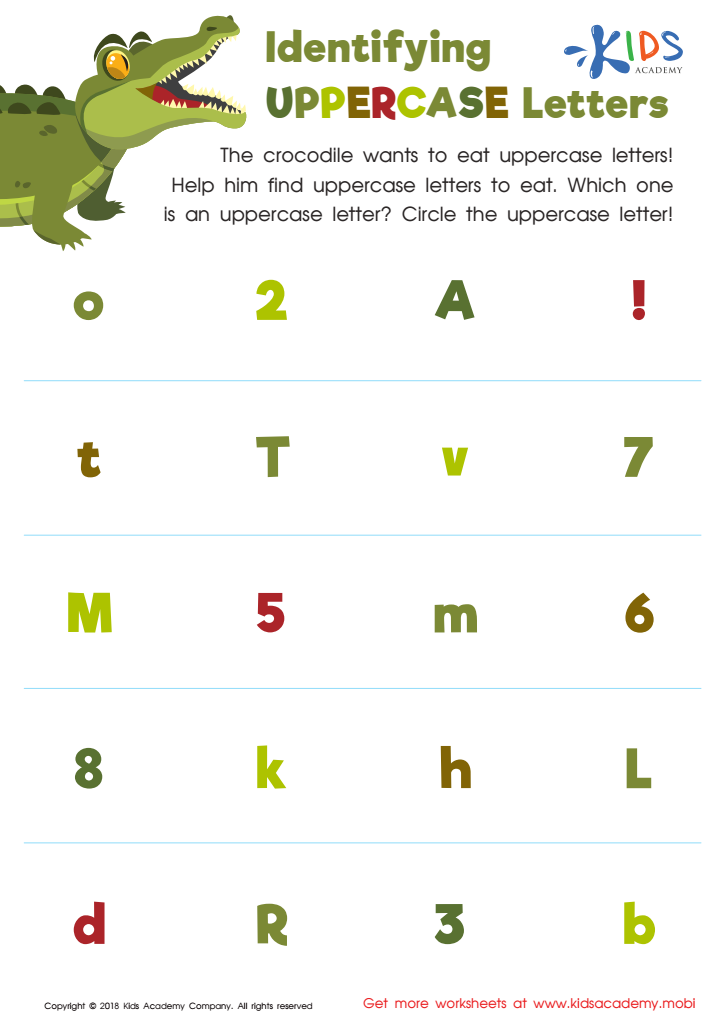
Identifying Uppercase Letters Worksheet
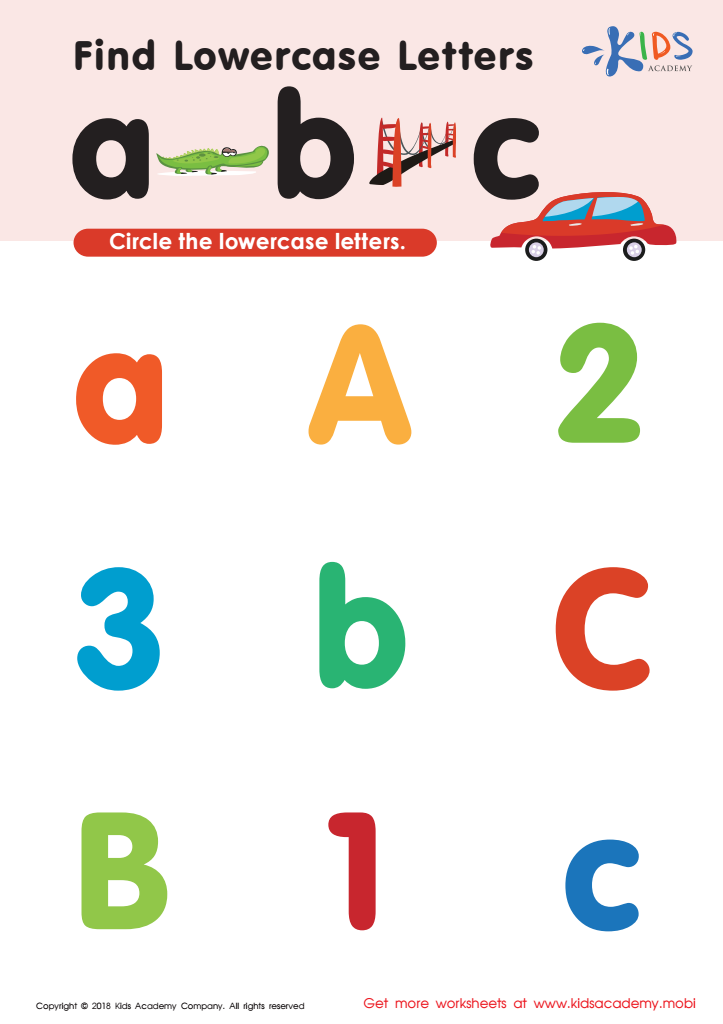
Find lowercase letters a b c Worksheet
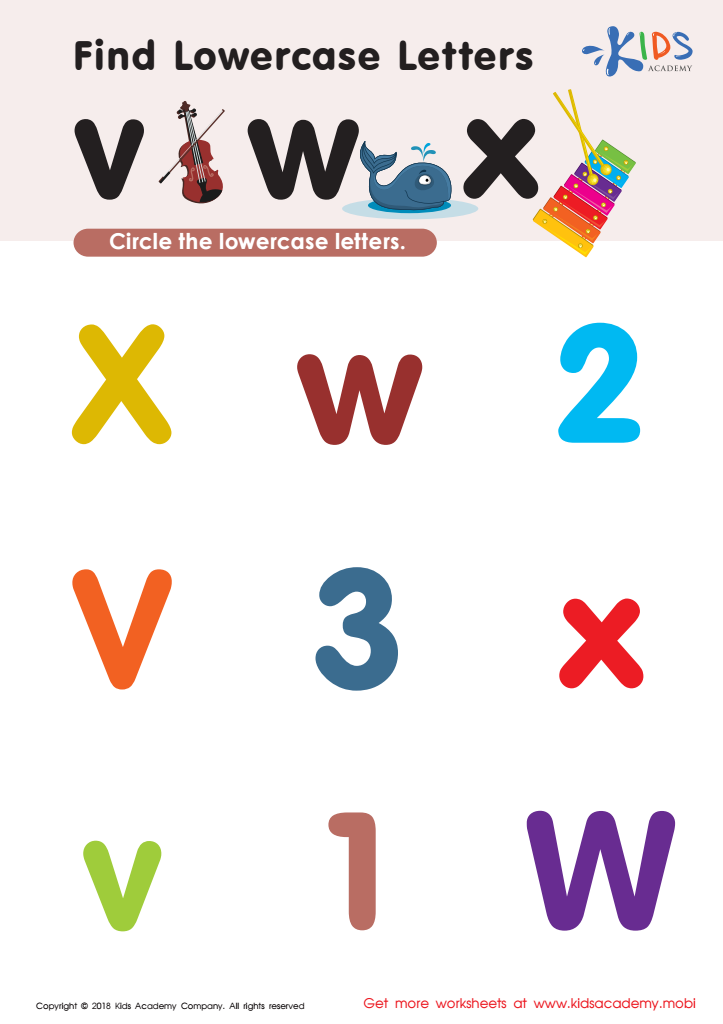
Find Lowercase Letters v w x Worksheet
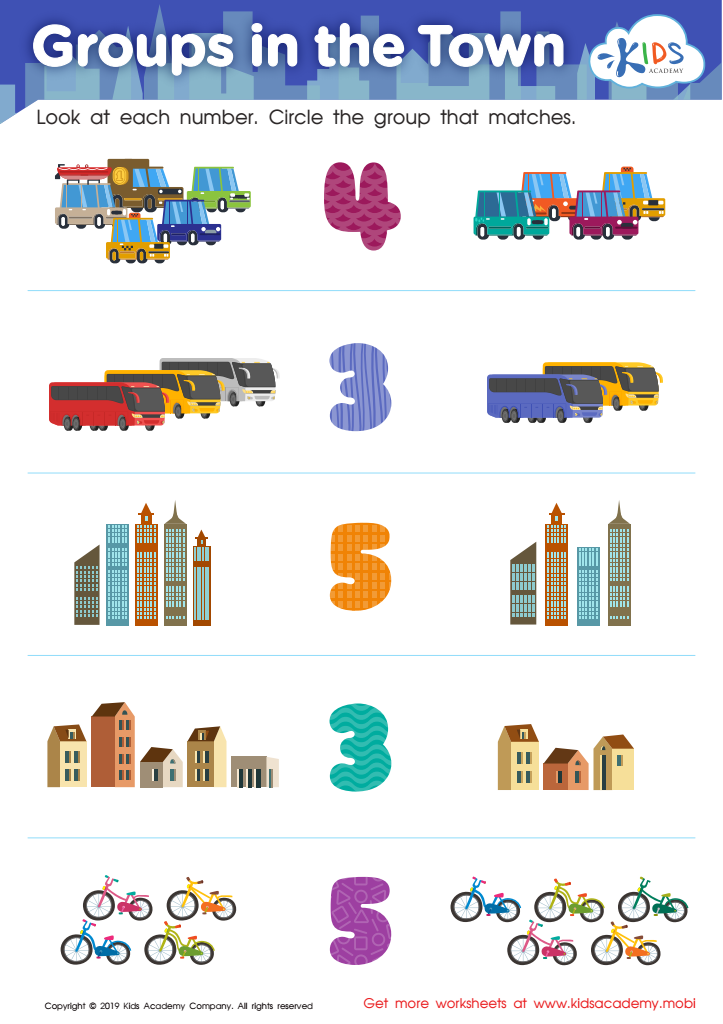
Groups in the Town Worksheet
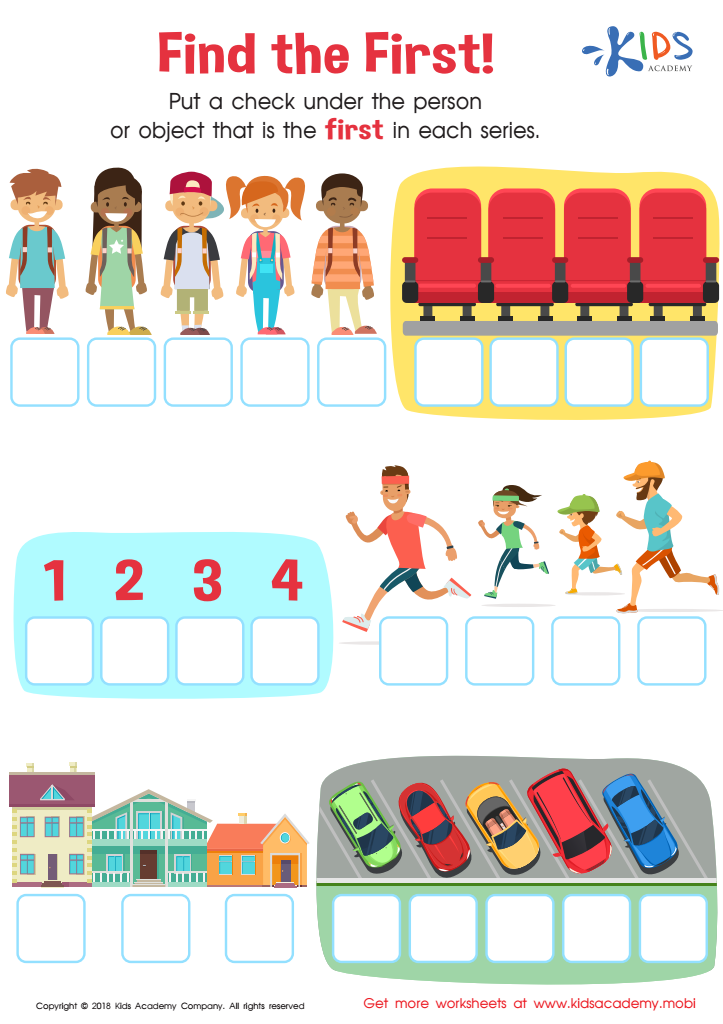
Find the First! Worksheet
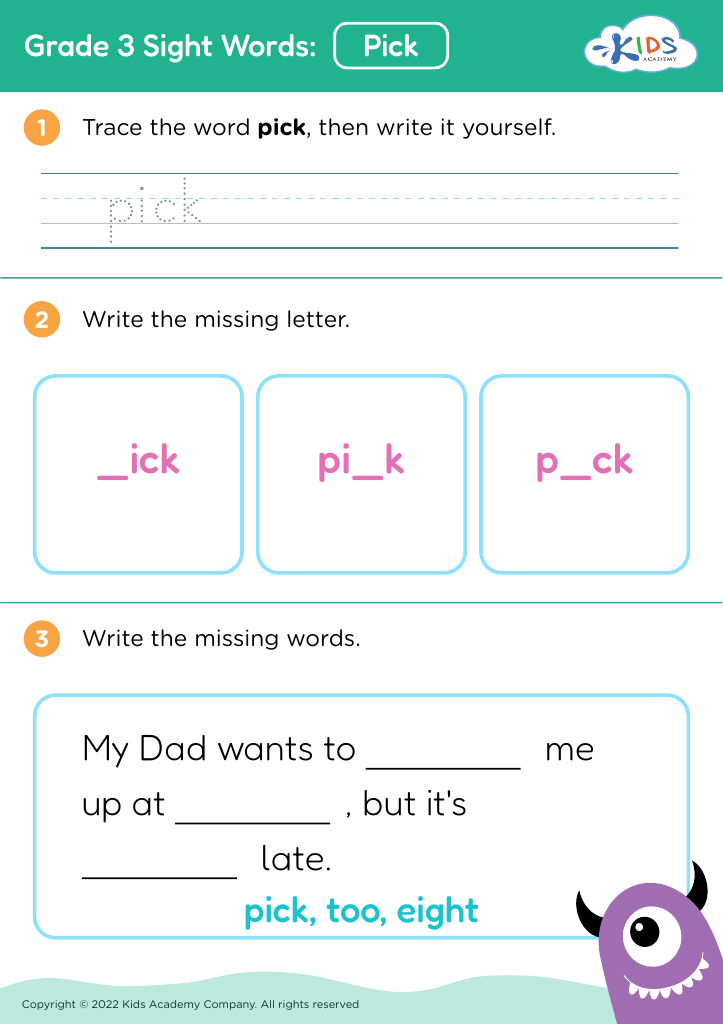








Visual discrimination skills are essential for children aged 5-8 because they form the foundation for success in both academic and everyday activities. These skills involve the ability to notice differences and similarities in shapes, colors, patterns, and objects, which is crucial for reading, writing, and mathematics. For instance, distinguishing between similar-looking letters like 'b' and 'd' or numbers like '6' and '9' is fundamental for literacy and numeracy.
Children with strong visual discrimination skills are better equipped to recognize words and letters quickly, enhancing their reading fluency and comprehension. This skill also supports writing, where recognizing the correct formation of letters and symbols is key. In mathematics, understanding patterns and differentiating numbers and shapes boosts problem-solving abilities.
Moreover, visual discrimination extends beyond academics. It helps children navigate their environment, recognize familiar faces, follow directions, and engage in everyday tasks like sorting laundry or recognizing traffic signs. Poor visual discrimination can lead to frustration, lower self-esteem, and a reluctance to participate in learning activities.
By fostering strong visual discrimination skills, parents and teachers can support a child's overall development, boosting confidence and providing a solid groundwork for future academic success and independence in daily life activities. Engaging activities like puzzles, matching games, and careful observation exercises can be effective tools in developing these skills.








