Visual discrimination Worksheets for Ages 5-8 - Page 2
28 filtered results
-
From - To
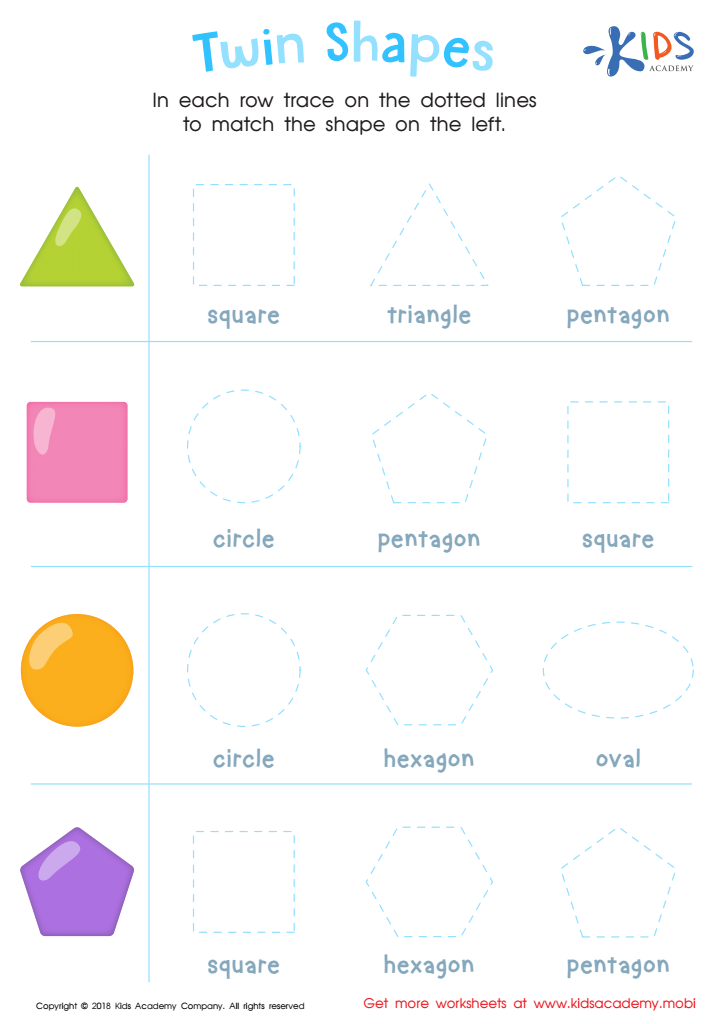
Twin Shapes Dot-to-Dot Worksheet
 Assign to My Students
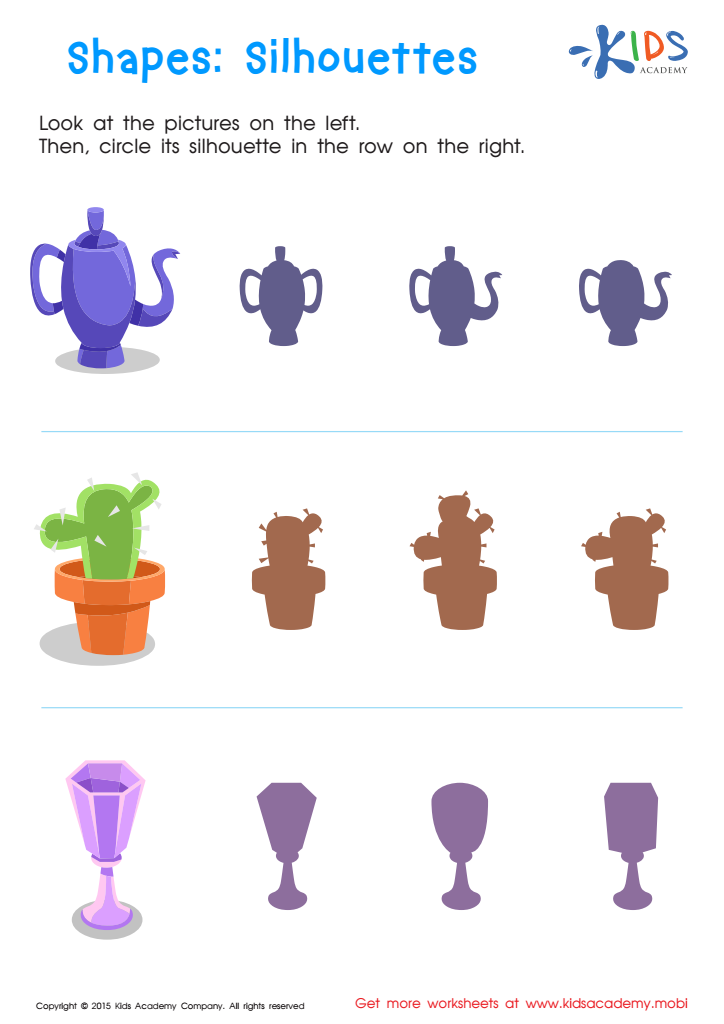
Silhouettes – Shapes Worksheet
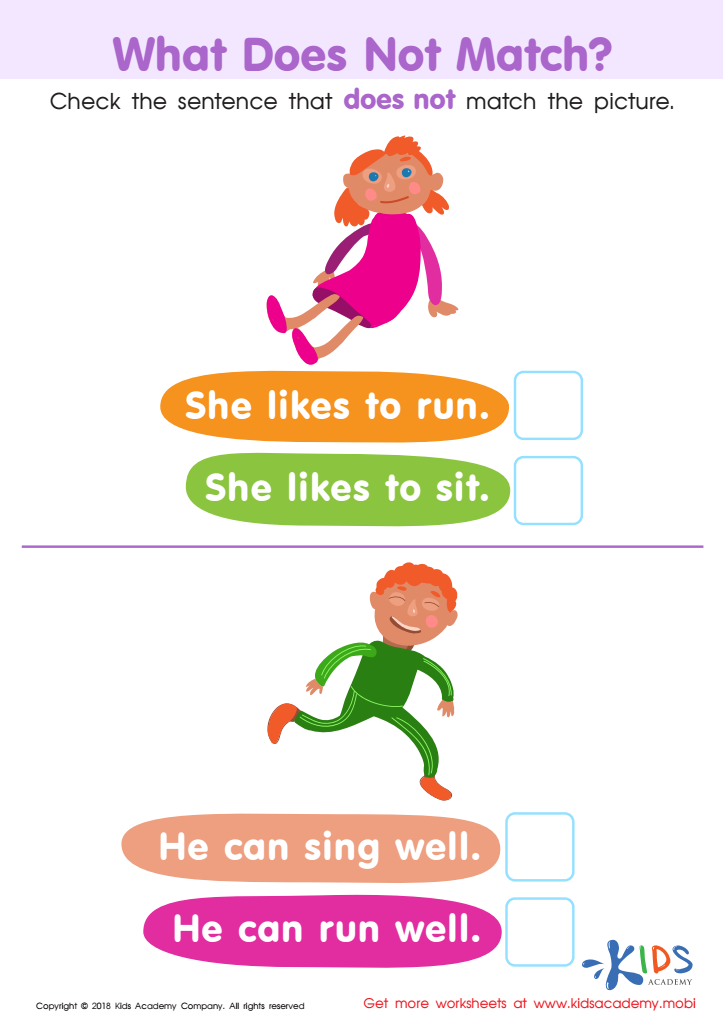
What Does Not Match? Worksheet





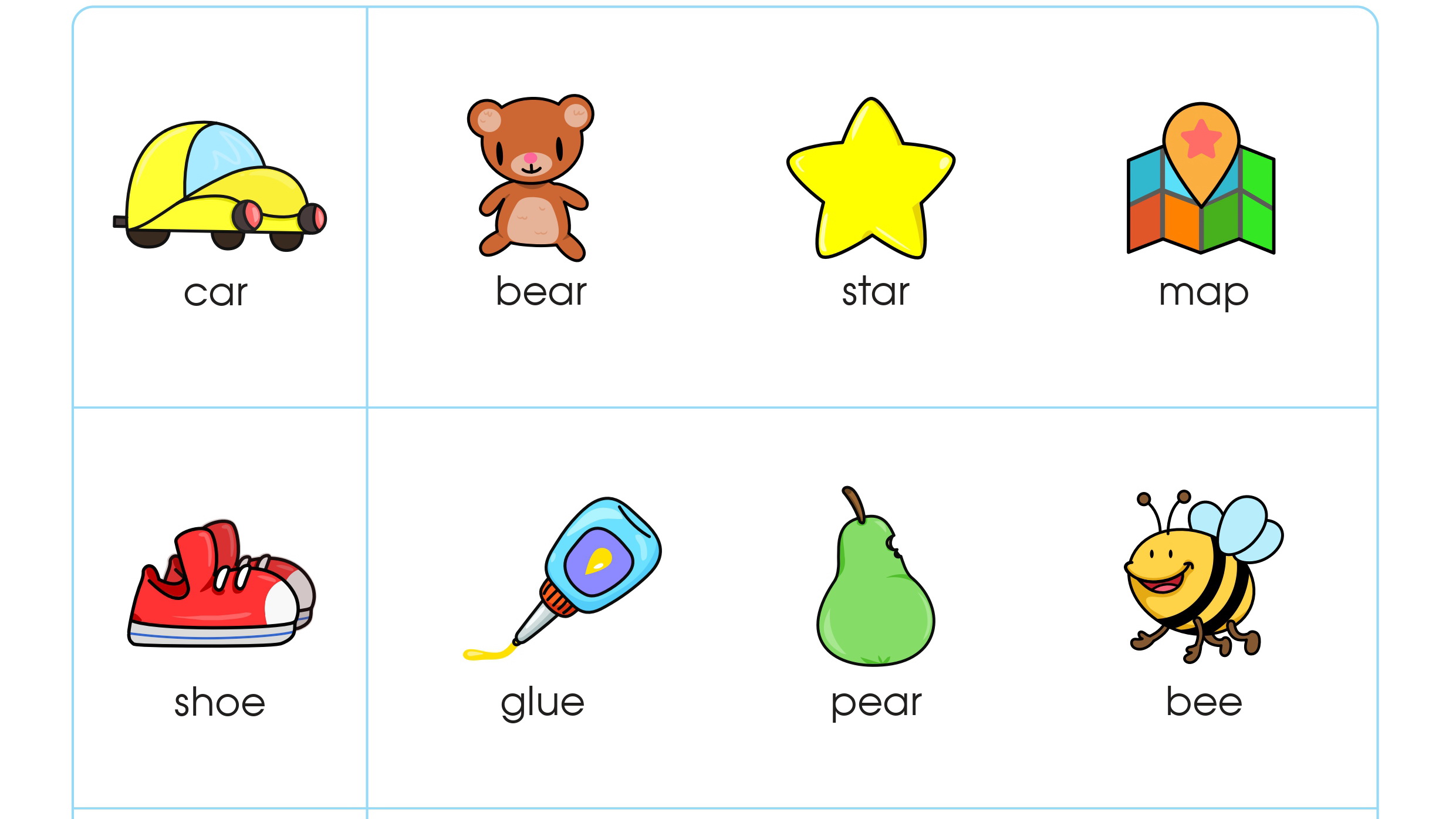
Visual discrimination is a vital skill for children aged 5-8, serving as a foundational element for learning and cognitive development. Parents and teachers should prioritize this skill for several compelling reasons.
Firstly, visual discrimination aids in the development of reading skills. Children who can easily distinguish between different letters, words, and shapes often find it easier to learn to read and write. This basic ability enables them to identify letters and words precisely, reducing the likelihood of errors like confusing "b" with "d" or "p" with "q".
In addition, strong visual discrimination skills support math learning by helping children recognize numbers and understand spatial relationships. They can more easily distinguish between different geometric shapes and patterns, which is crucial for tackling more complex mathematical concepts later on.
Furthermore, these skills facilitate better daily functioning and classroom performance. Tasks such as following instructions, organizing materials, and participating in art and physical education activities all benefit from keen visual discrimination. Children who struggle with this skill may find these tasks challenging, leading to frustration and reduced academic performance.
By nurturing visual discrimination abilities, parents and teachers not only enhance a child's learning capabilities but also boost their confidence and independence, setting the stage for a lifetime of academic and personal success.








