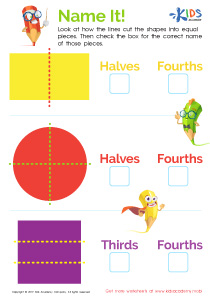
Problem-Solving Skills 2D Shapes Worksheets for Ages 5-8
9 filtered results
-
From - To
Enhance your child's problem-solving skills with our carefully designed 2D Shapes Worksheets for ages 5-8. These engaging, educational exercises combine fun and learning by challenging young minds to recognize, analyze, and solve problems using various 2D shapes. Perfect for early graders, these worksheets promote critical thinking, spatial awareness, and a solid foundation in geometry. Our colorful and interactive activities keep children interested and motivated, making math both fun and meaningful. Explore Kids Academy's rich collection to give your child a head start in problem-solving and shape identification today! Join us in fostering a lifelong love for learning.
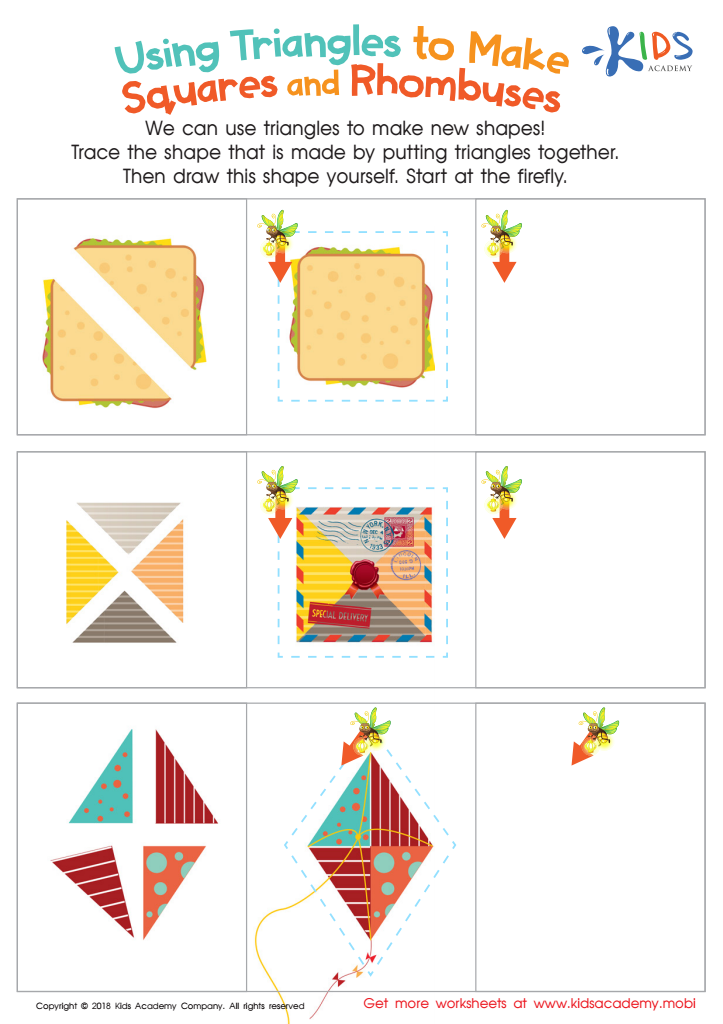
Using Triangles to Make Squares and Rhombuses Worksheet
 Assign to My Students


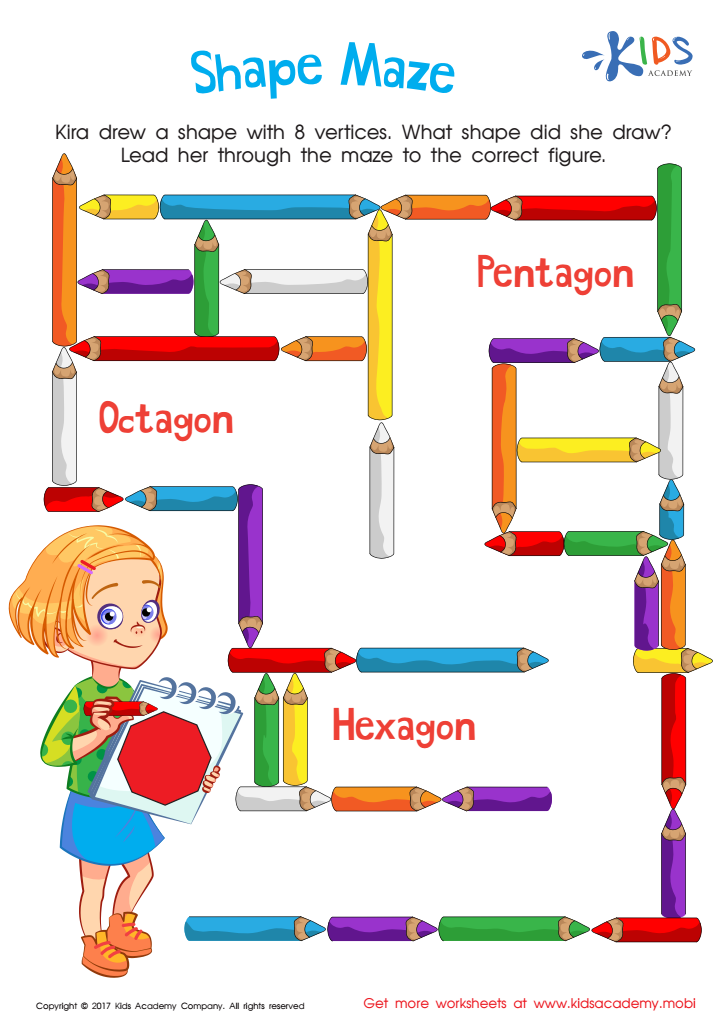
Shape Maze Worksheet
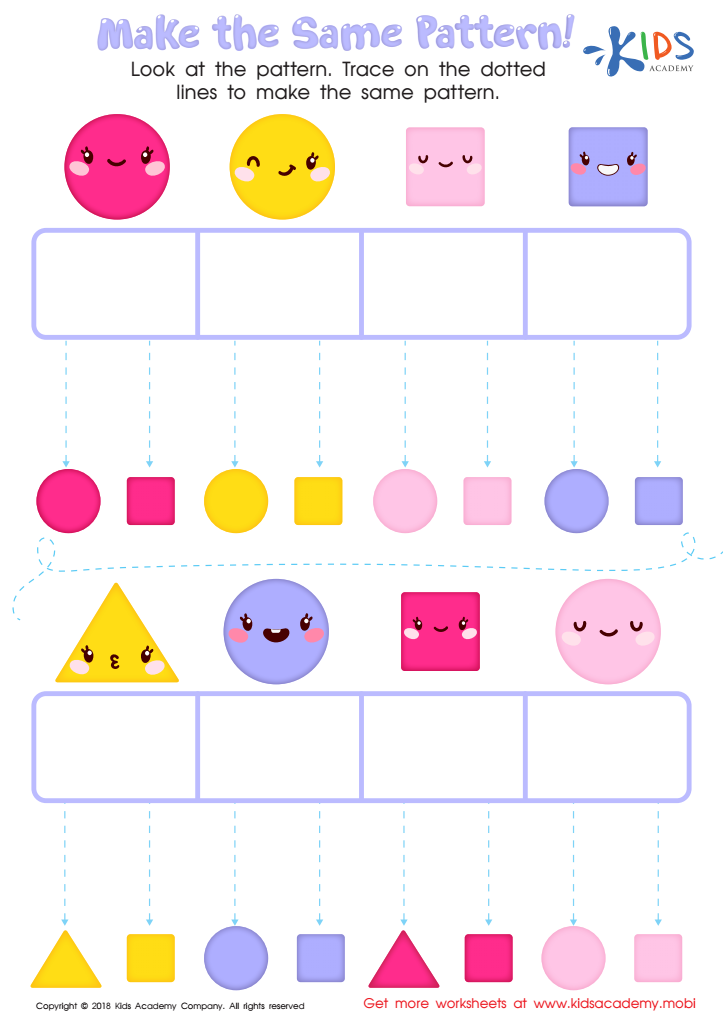
Make the Same Pattern Worksheet
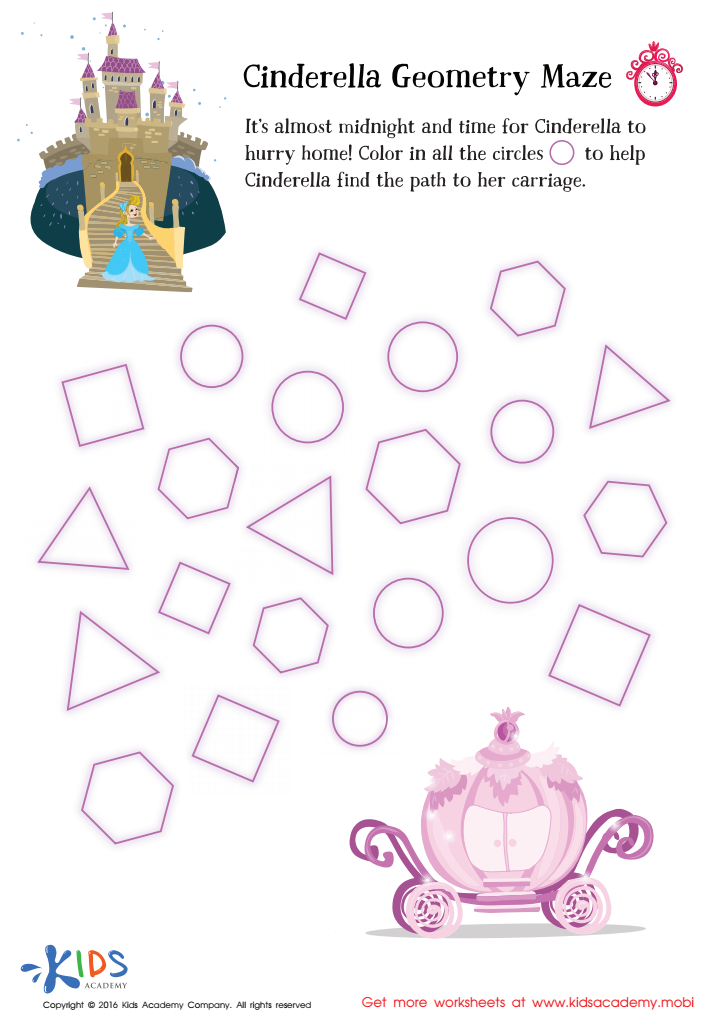
Cinderella Geometry Maze Worksheet
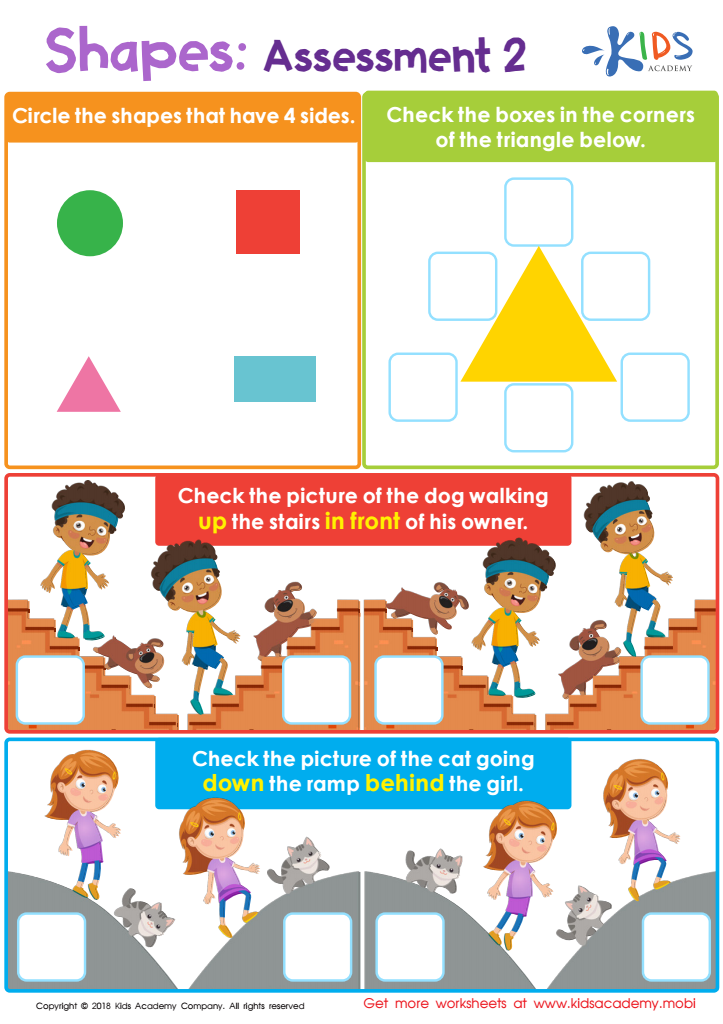
Shapes: Assessment 2 Worksheet
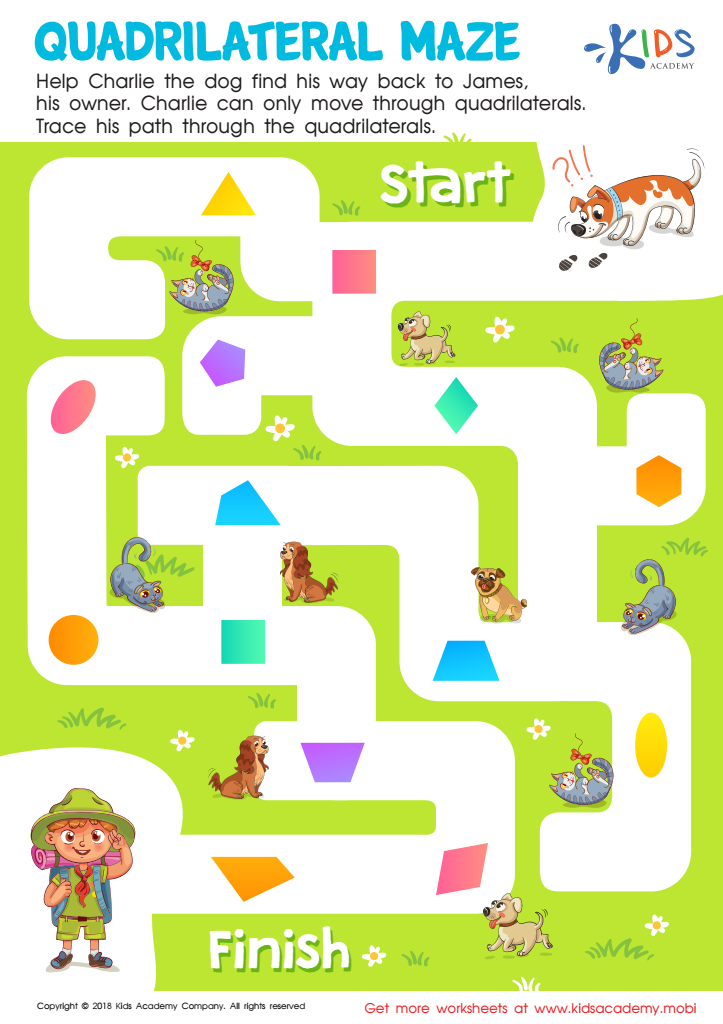
Quadrilateral Maze Worksheet
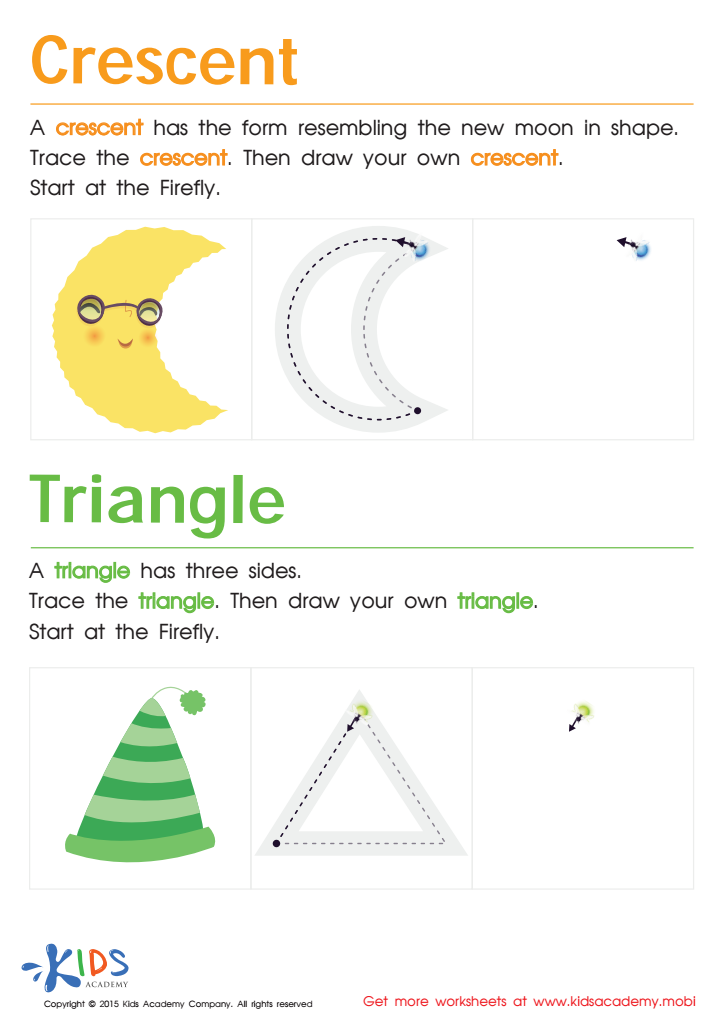
Learning to Draw Crescents And Triangles Worksheet
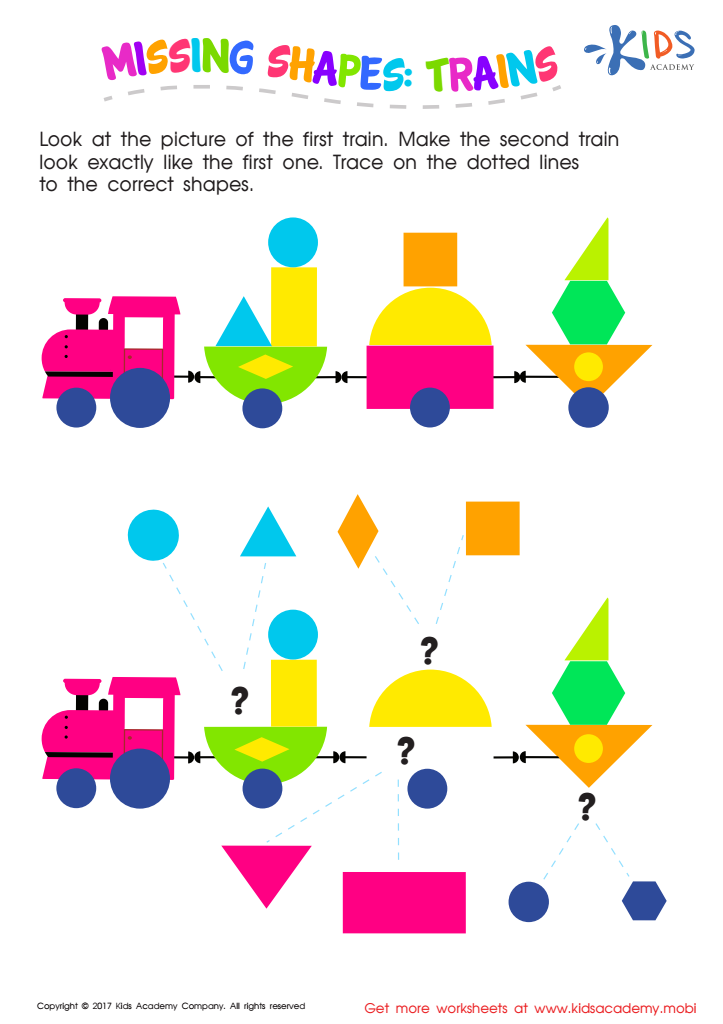
Missing Shapes: Trains Worksheet
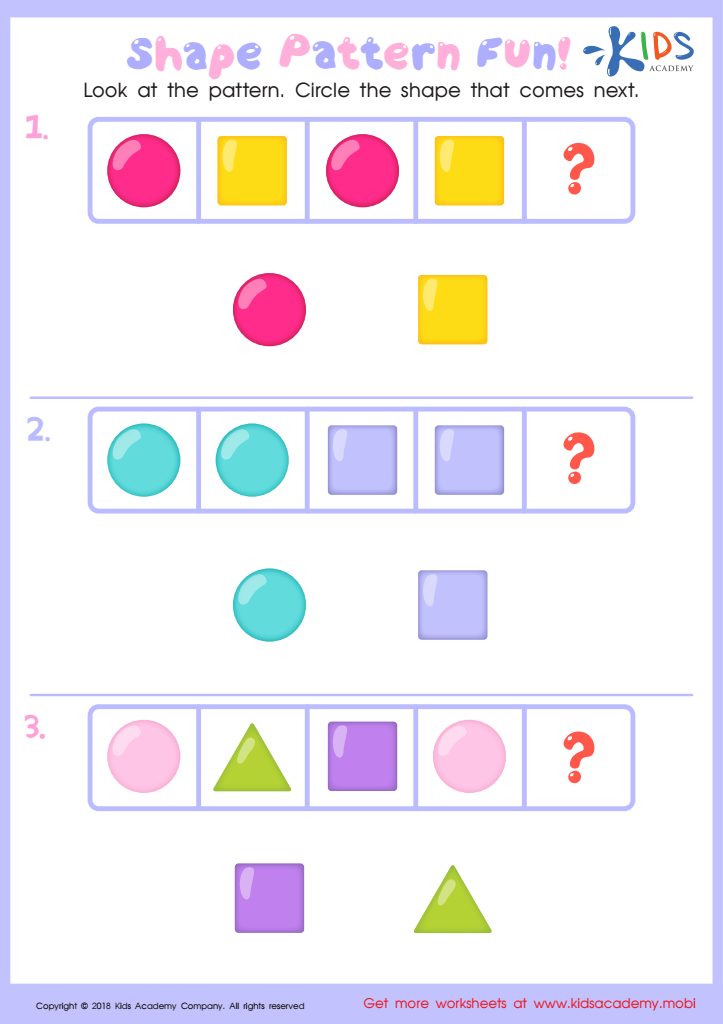
Shape Pattern Fun Worksheet








Parents and teachers should prioritize the development of problem-solving skills involving 2D shapes for children ages 5-8 because these skills are fundamental to their cognitive development and future academic success. Engaging in activities involving 2D shapes enhances young learners' spatial awareness, which is crucial for geometry, an essential component of mathematics. When children recognize, categorize, and manipulate 2D shapes, they begin to understand basic concepts like symmetry, patterns, and spatial relationships, which help them grasp more complex mathematical ideas later on.
Furthermore, problem-solving with 2D shapes fosters critical thinking and creativity. As children solve puzzles, design patterns, or explore how different shapes interact, they learn to approach problems methodically, test hypotheses, and experiment with solutions. These activities encourage perseverance and adaptability, key traits for lifelong learning.
Moreover, the development of these skills aligns with natural learning preferences at this age, which is hands-on and explorative. Through manipulating shapes, children improve fine motor skills, focus, and attention to detail, all of which are critical in early education.
Finally, these activities can foster a love for learning. Fun with shapes can make lessons enjoyable, which can inspire a positive attitude towards school and learning in general. Therefore, investing in the development of problem-solving skills with 2D shapes lays a strong foundation for broader educational success.