Basic Arithmetic Addition & Subtraction Worksheets for Ages 5-8 - Page 2
48 filtered results
-
From - To

Line up the Tigers Worksheet
 Assign to My Students
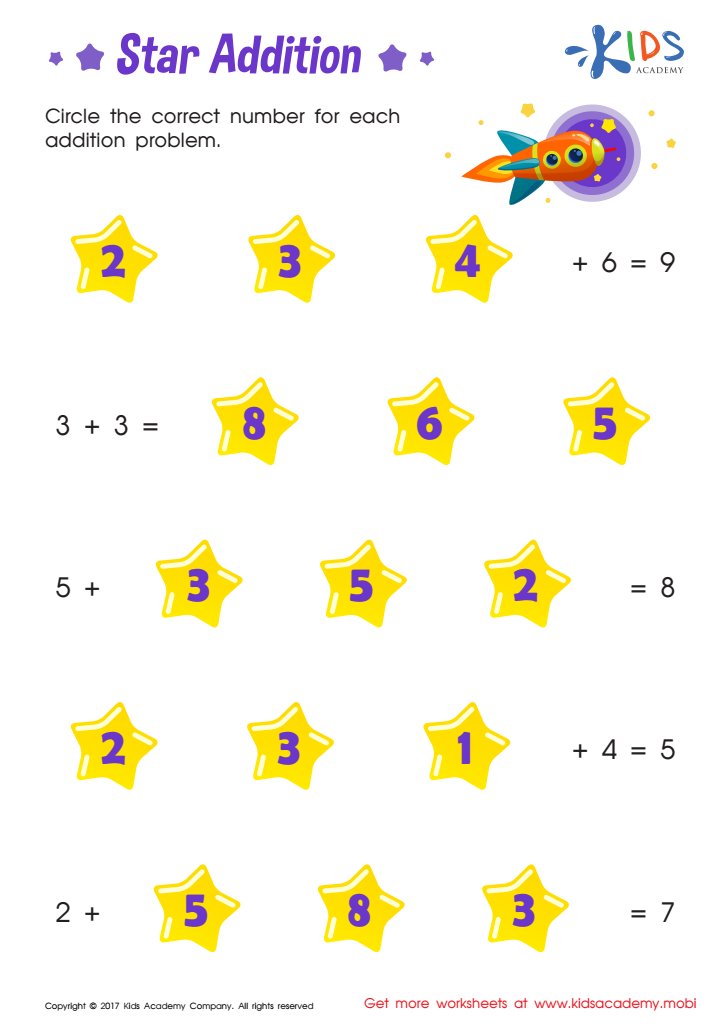
Star Addition Printable
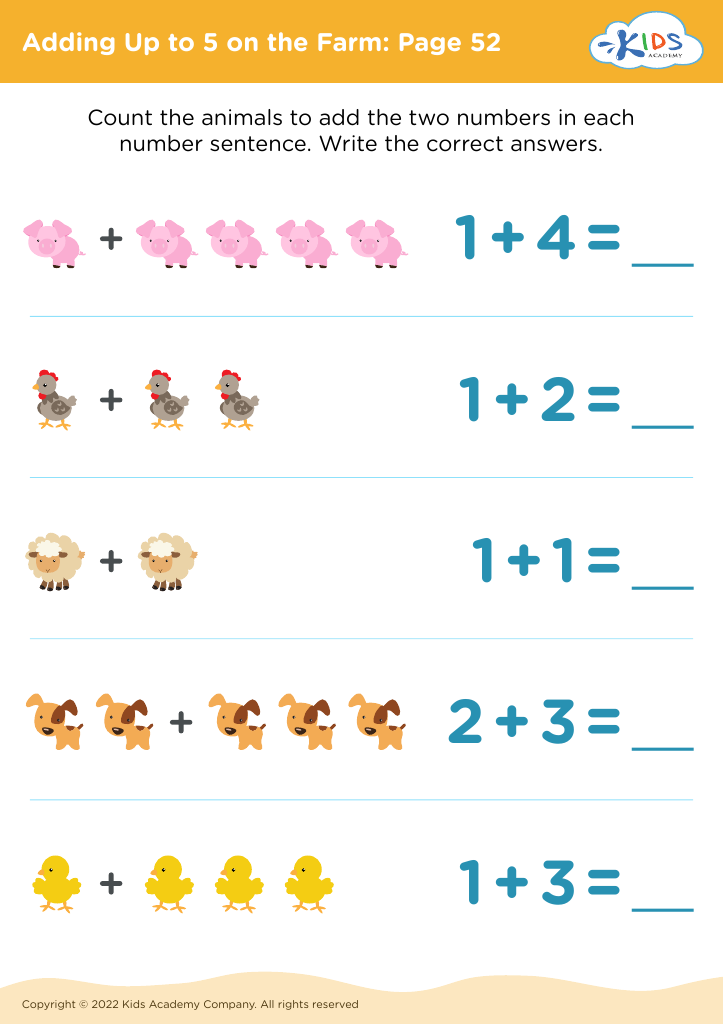
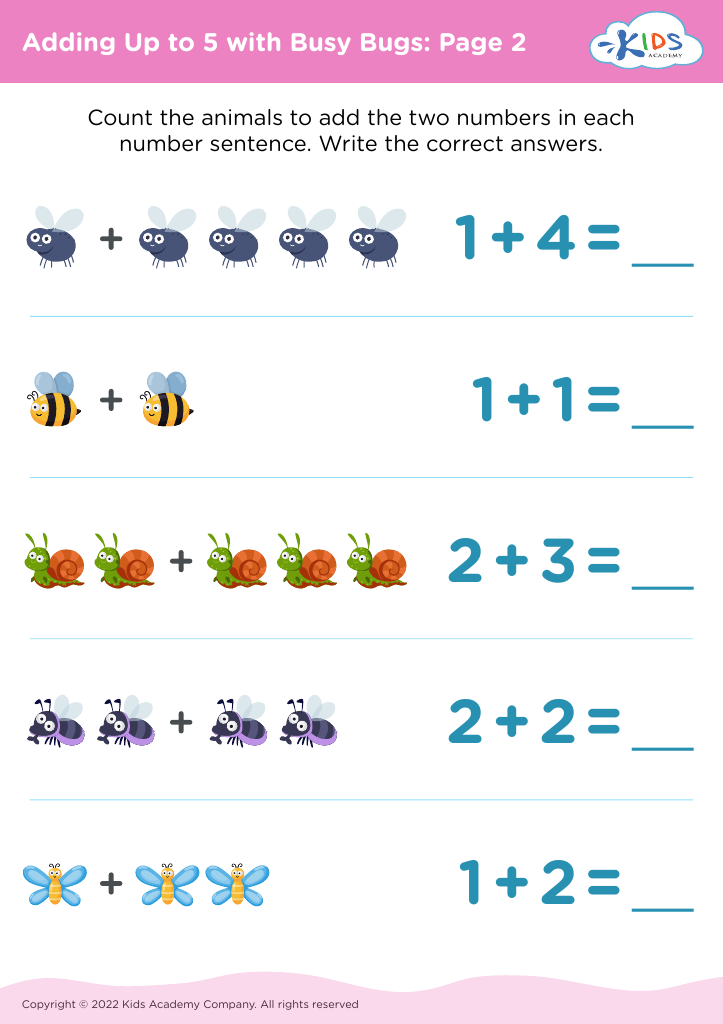
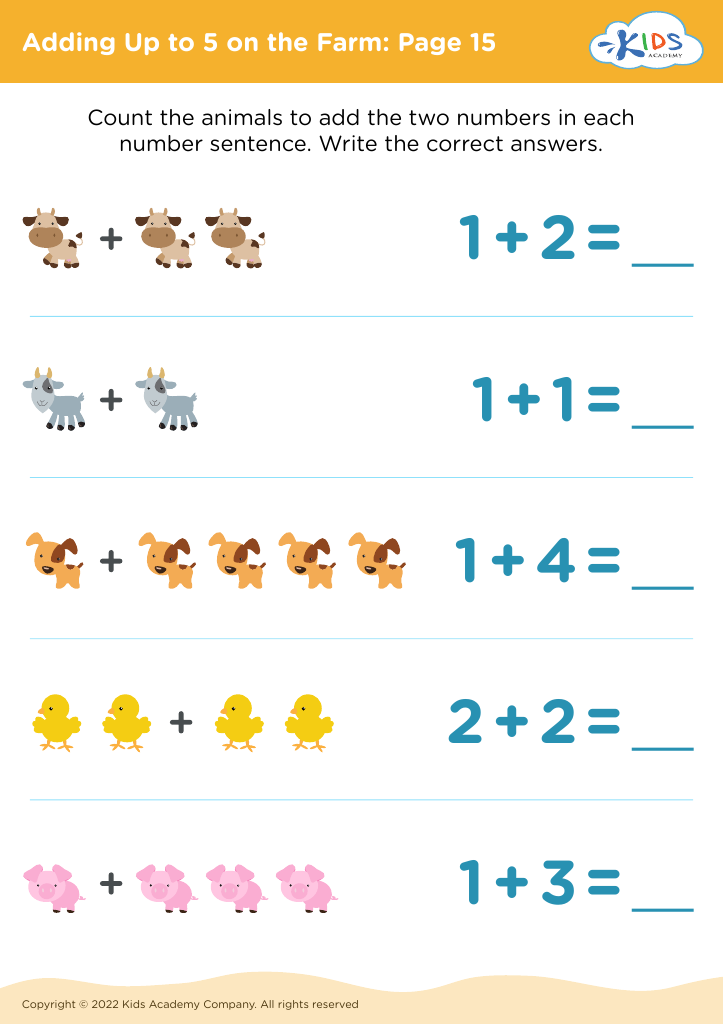
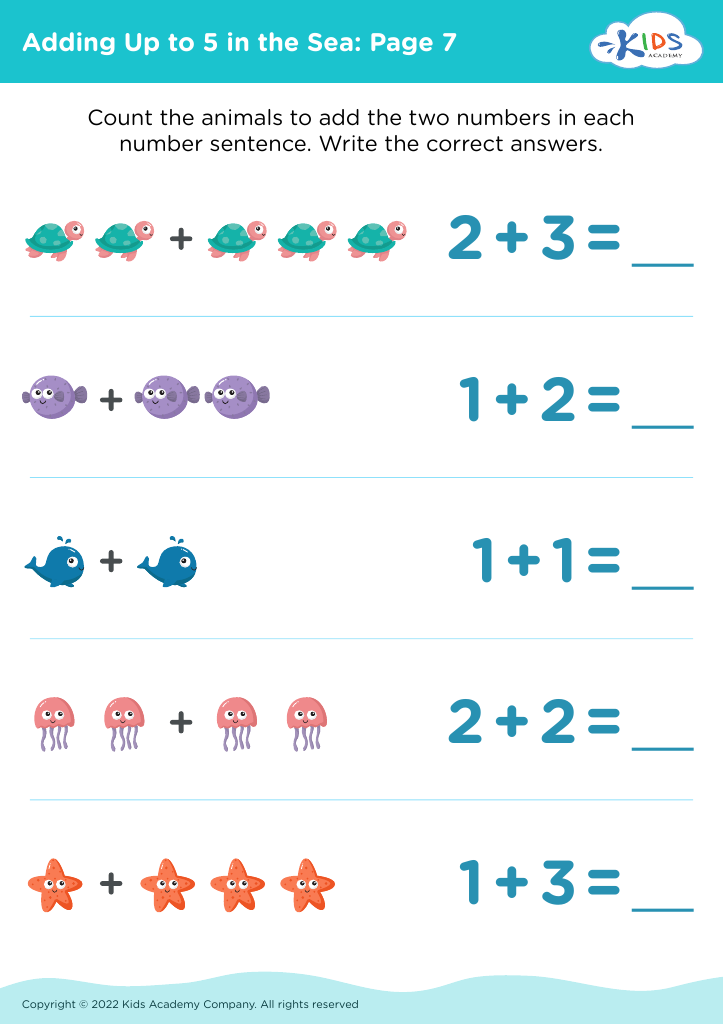
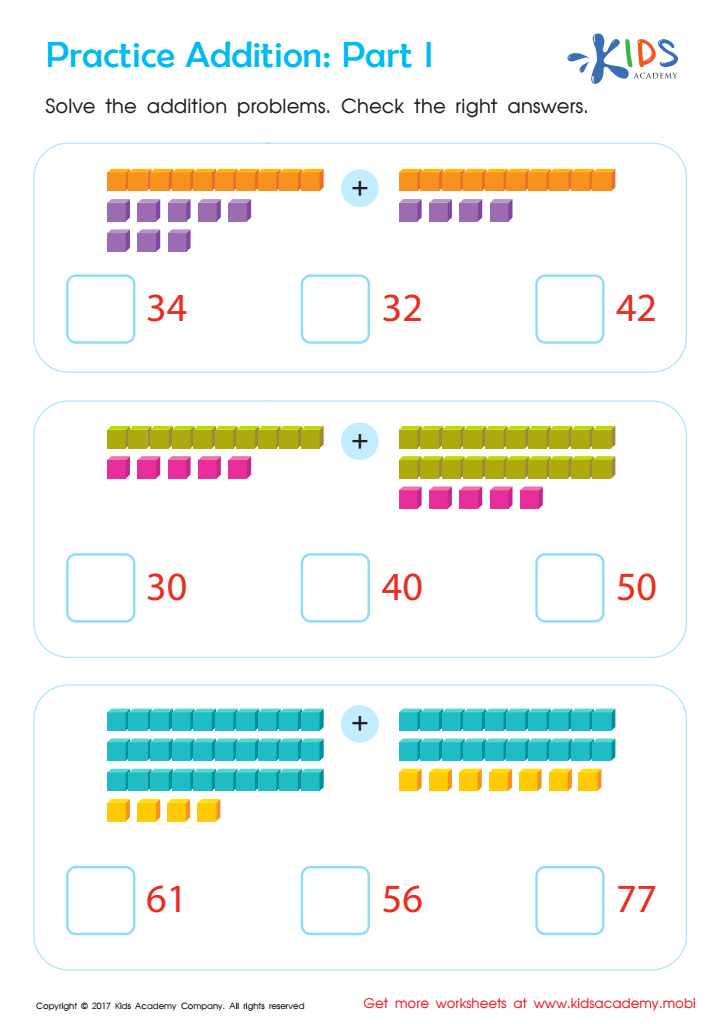
Practice Addition: Part 1 Worksheet
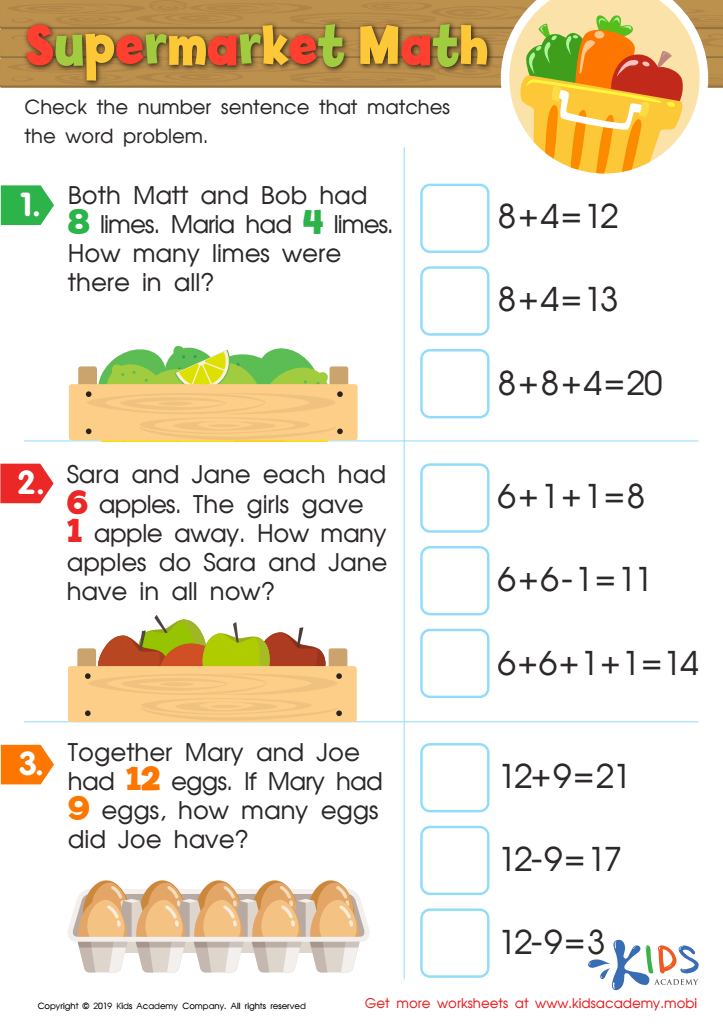
Supermarket Math Worksheet
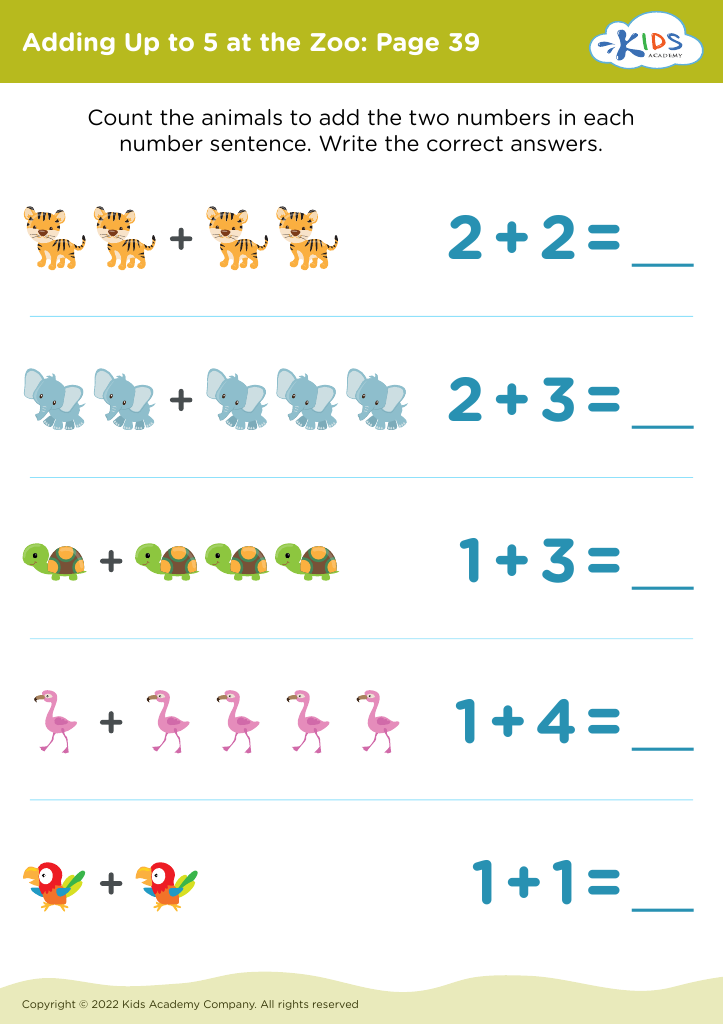
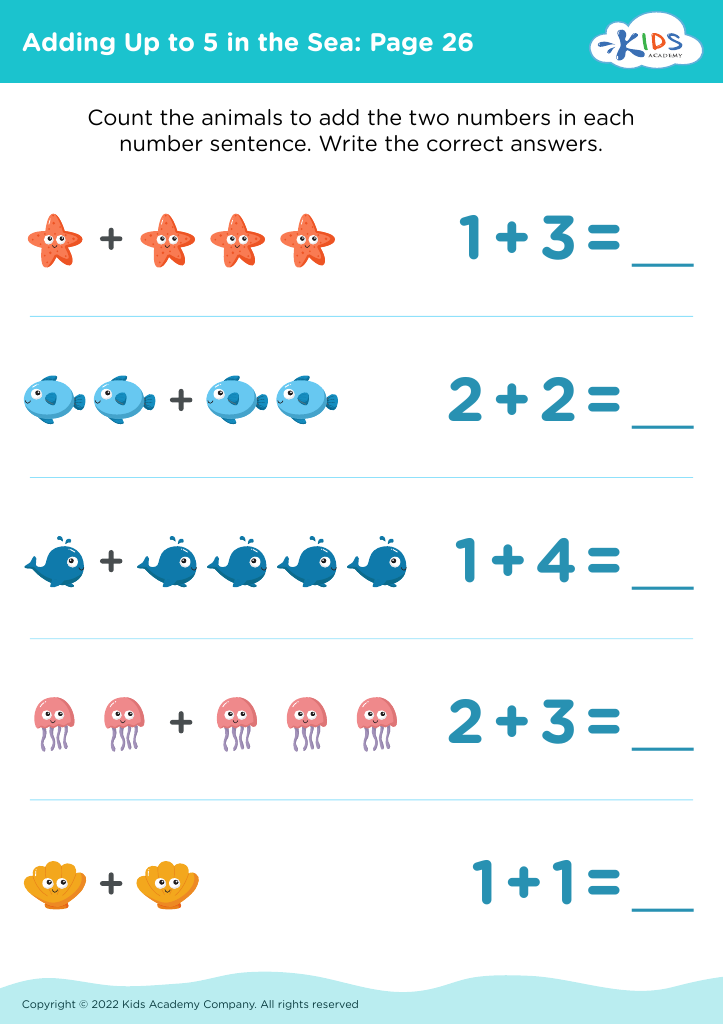
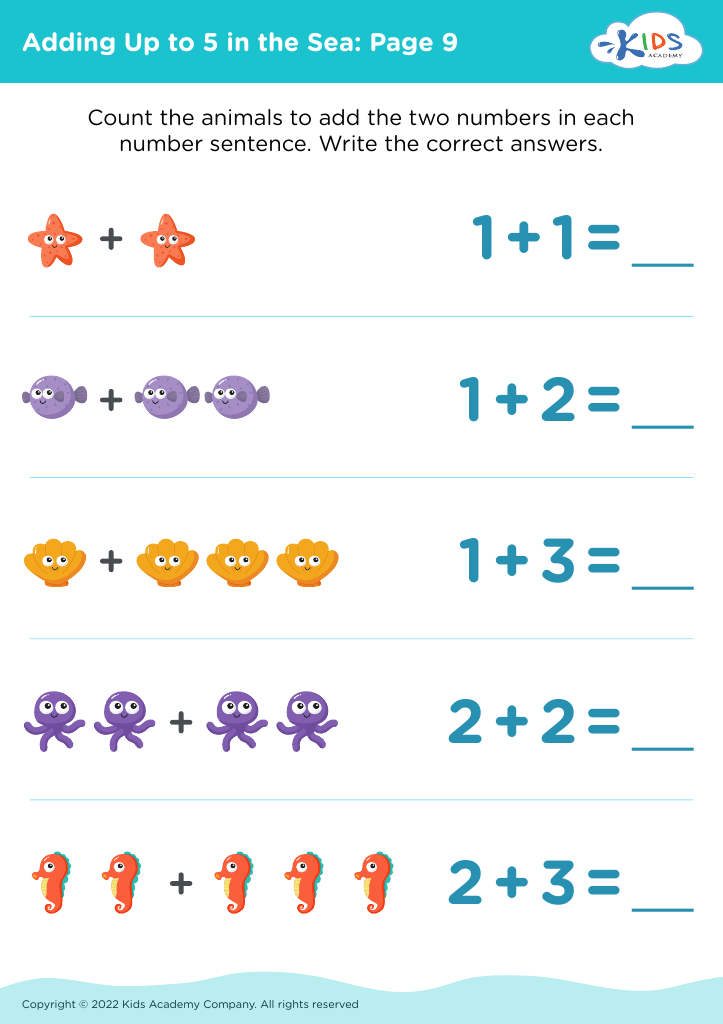








Parents and teachers should prioritize basic arithmetic addition and subtraction for ages 5-8 because these foundational skills are essential for cognitive development and future academic success. At this critical developmental stage, children’s brains are exceptionally receptive to new information, and early mastery of arithmetic operations sets the stage for more complex mathematical concepts.
Basic arithmetic fosters critical thinking and problem-solving capabilities, enabling children to handle everyday tasks such as counting change, measuring ingredients in a recipe, or planning how many toys can fit in a box. As these skills become second nature, children gain confidence in their ability to interact with the world around them numerically and logically.
Furthermore, early competence in addition and subtraction significantly influences a child's performance in more advanced subjects. A solid understanding paves the way for grasping multiplication, division, and eventually algebra and geometry. By setting a strong mathematical foundation, parents and teachers equip children with tools for lifelong learning and adaptability in various professional fields.
Investing time in teaching these basic skills also fosters positive attitudes toward mathematics. Children who feel competent in basic arithmetic are more likely to enjoy and engage with math, reducing anxiety and enhancing academic enjoyment and motivation.








