Number Recognition Addition & Subtraction Worksheets for Ages 5-8
570 filtered results
-
From - To
Unlock your child's math potential with Number Recognition Addition & Subtraction Worksheets designed for ages 5-8. These engaging and colorful printables help young learners master fundamental math skills including counting, addition, and subtraction. Each worksheet is thoughtfully crafted, focusing on number recognition while reinforcing basic operations. Perfect for both classroom use and home practice, they make learning math fun and effective. By integrating these worksheets into their daily routine, children will build a strong mathematical foundation, boost their confidence, and enhance their problem-solving abilities. 🎉 Get started today and watch your child succeed in math!
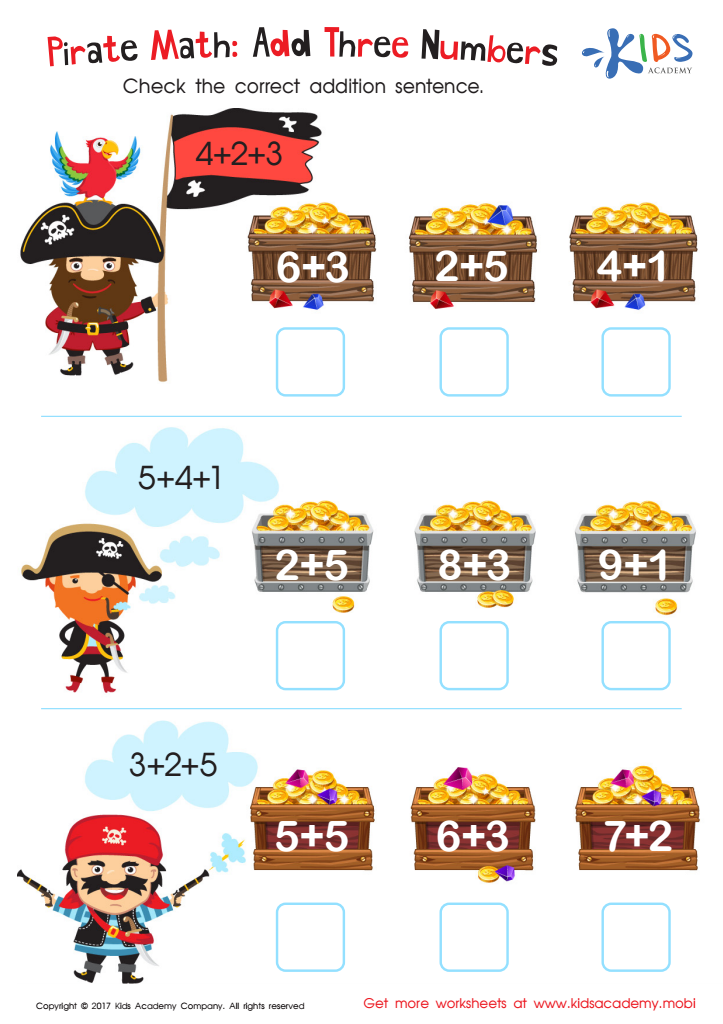
Pirate Math Printable
 Assign to My Students
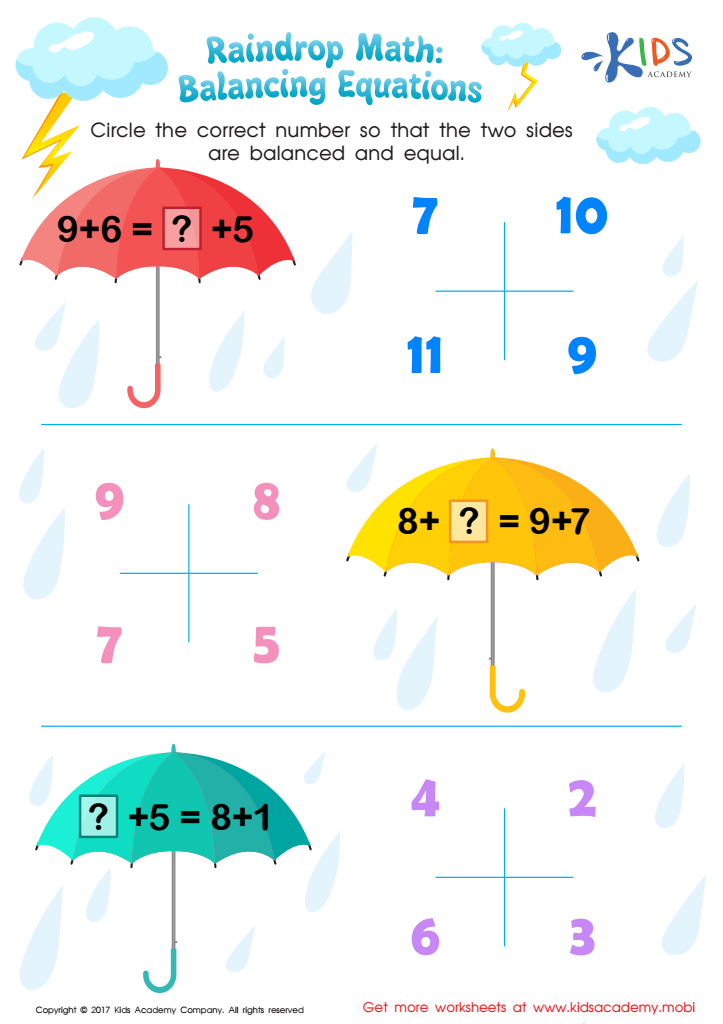
Raindrop Math Printable
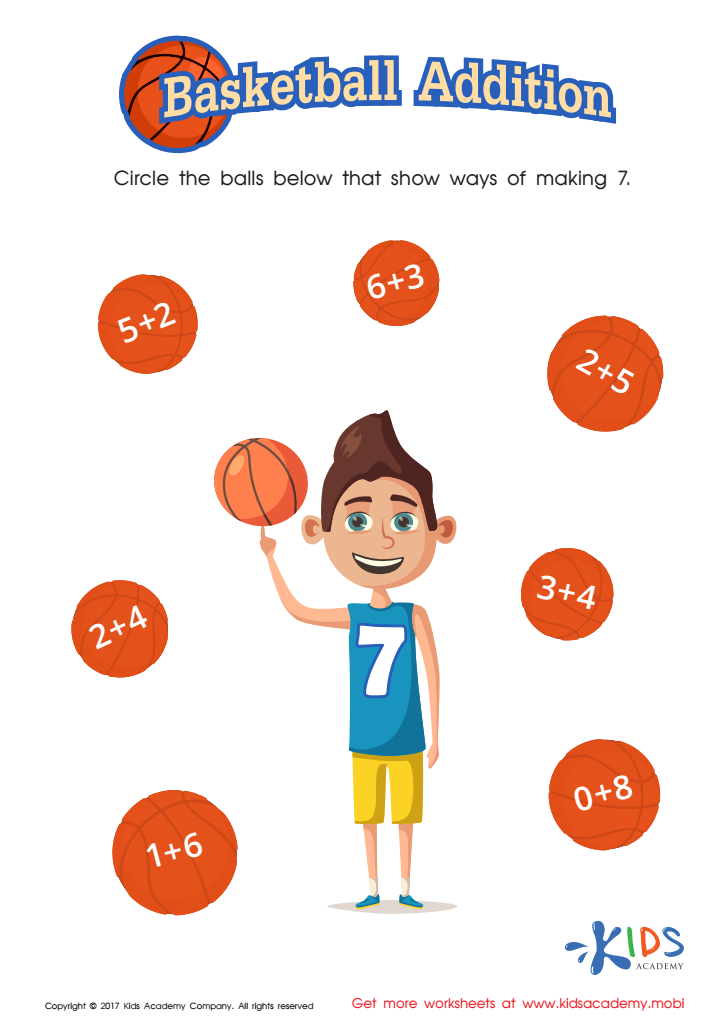
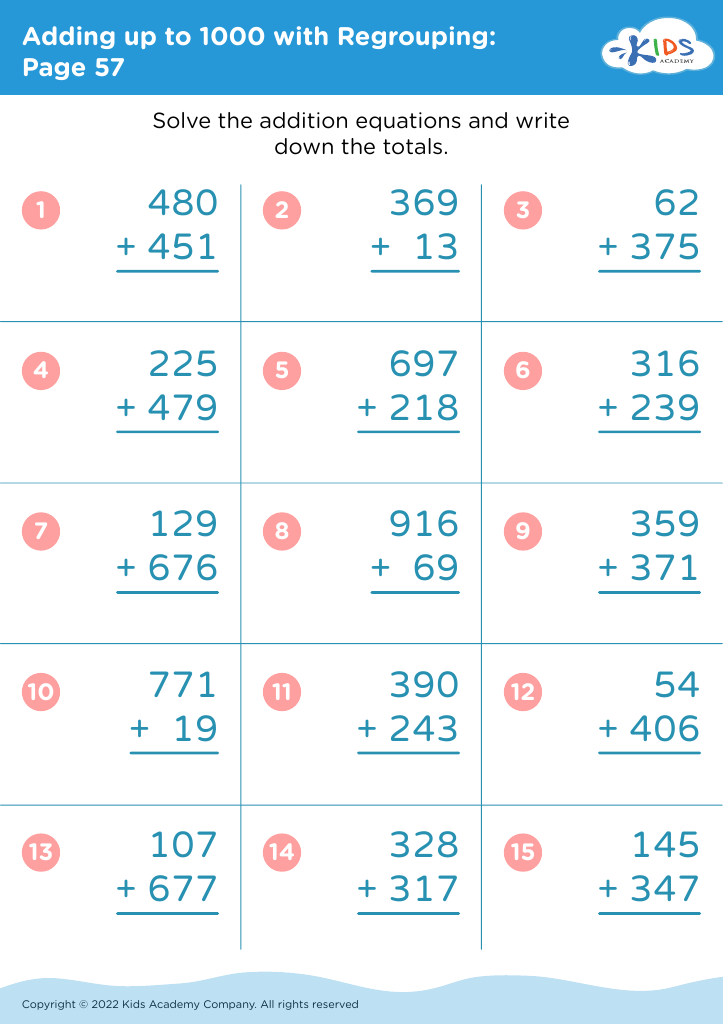
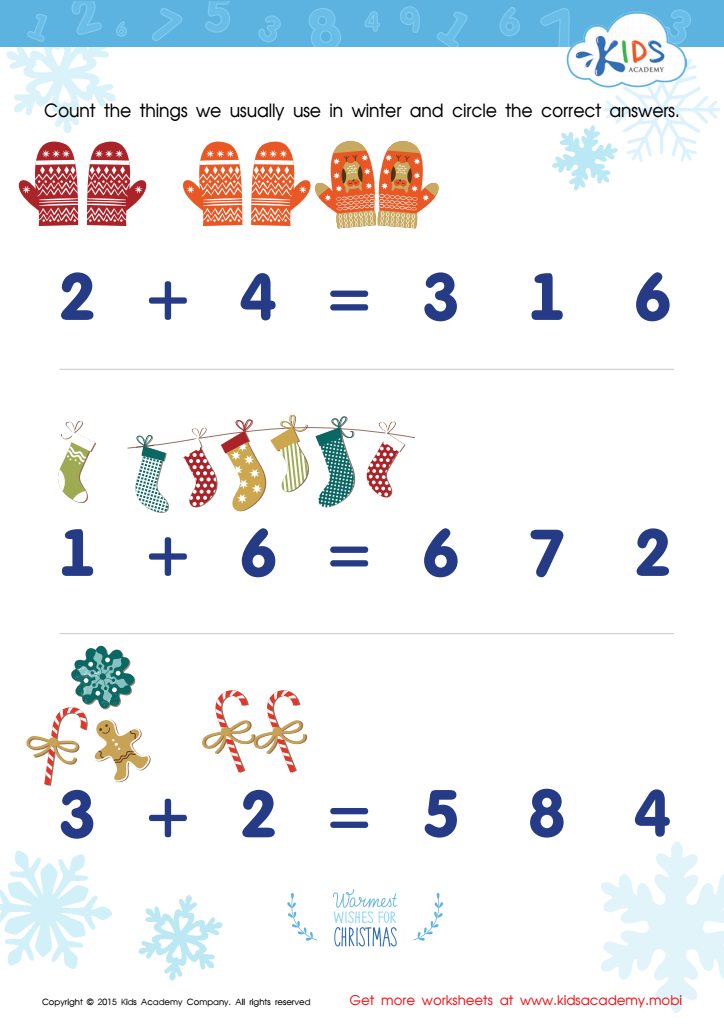
Count Winter Things Worksheet
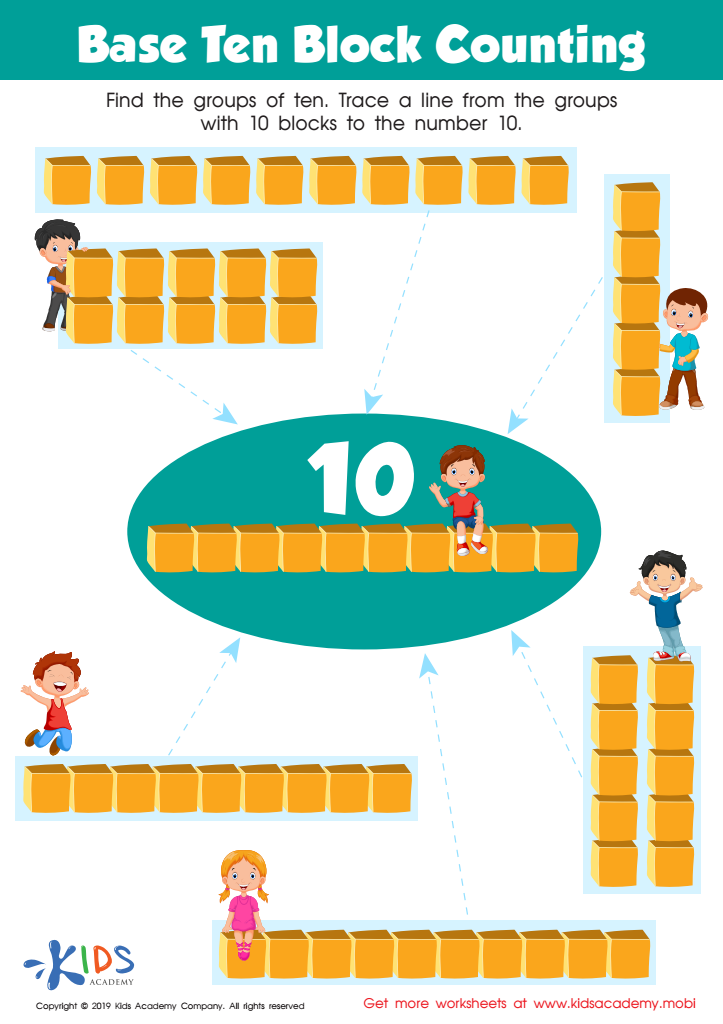
Base Ten Block Counting Worksheet
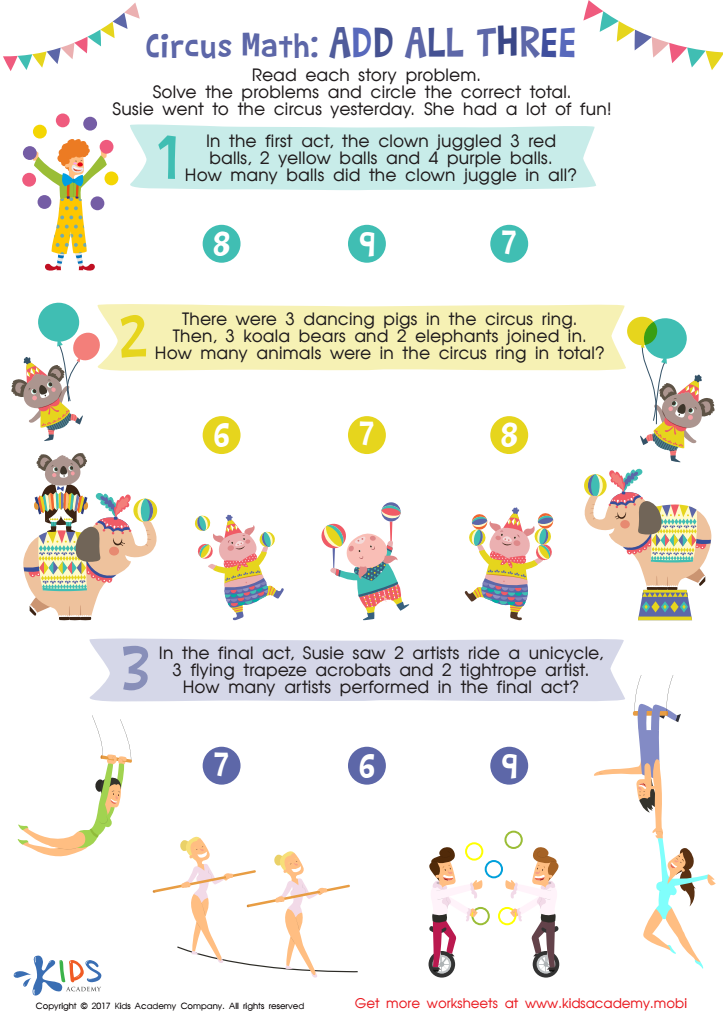
Circus Math Printable
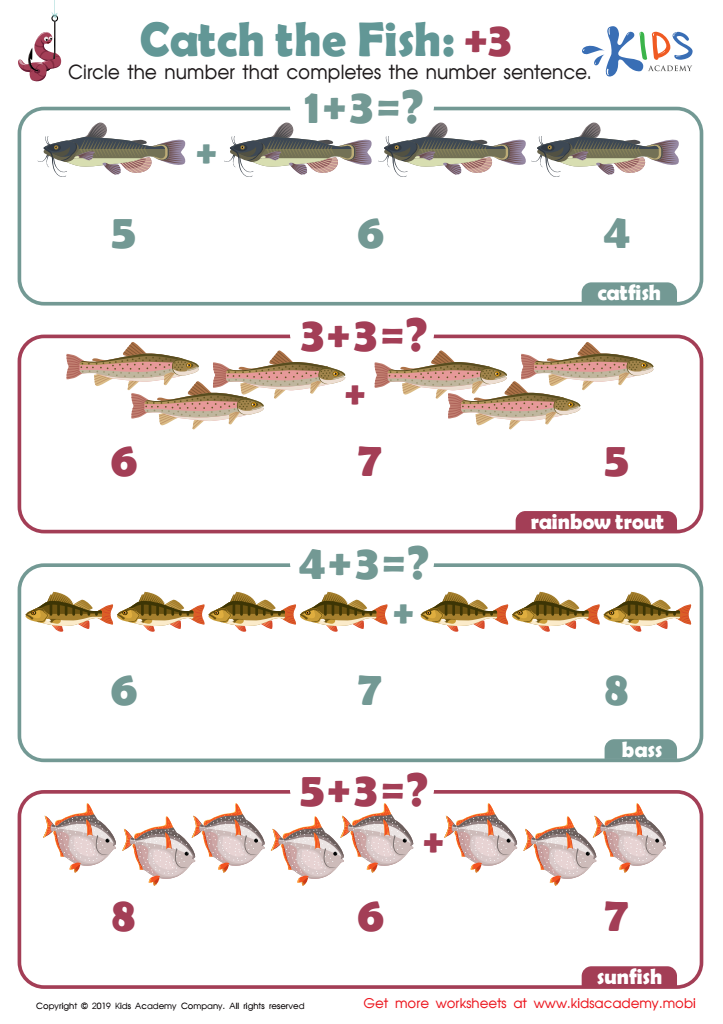
Catch the Fish: +3 Worksheet
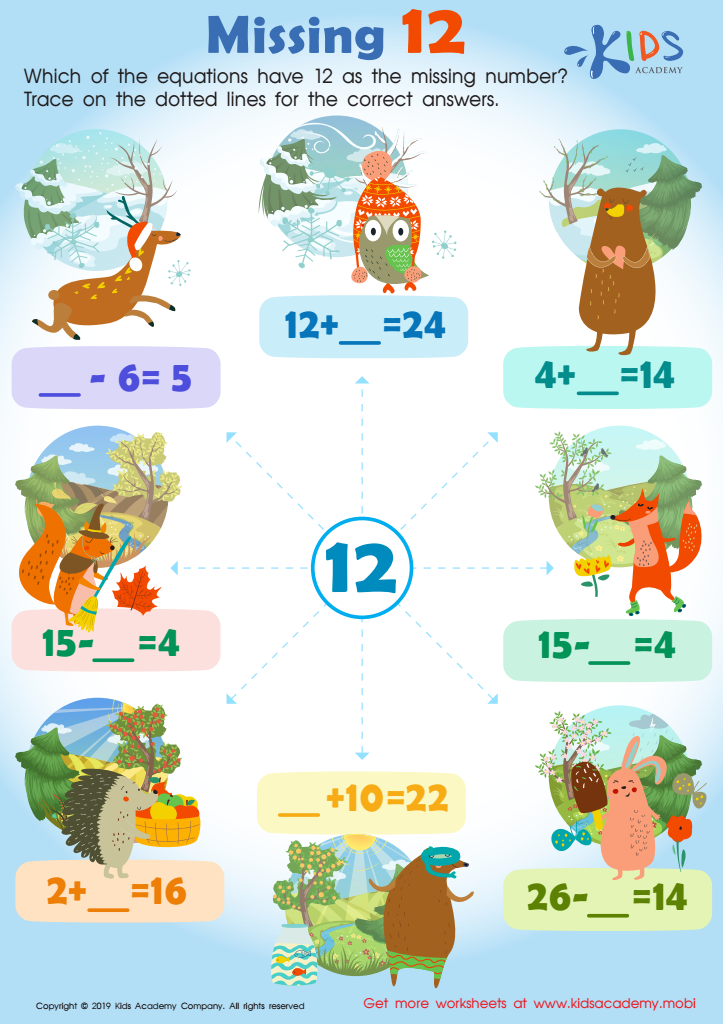
Missing 12 Worksheet
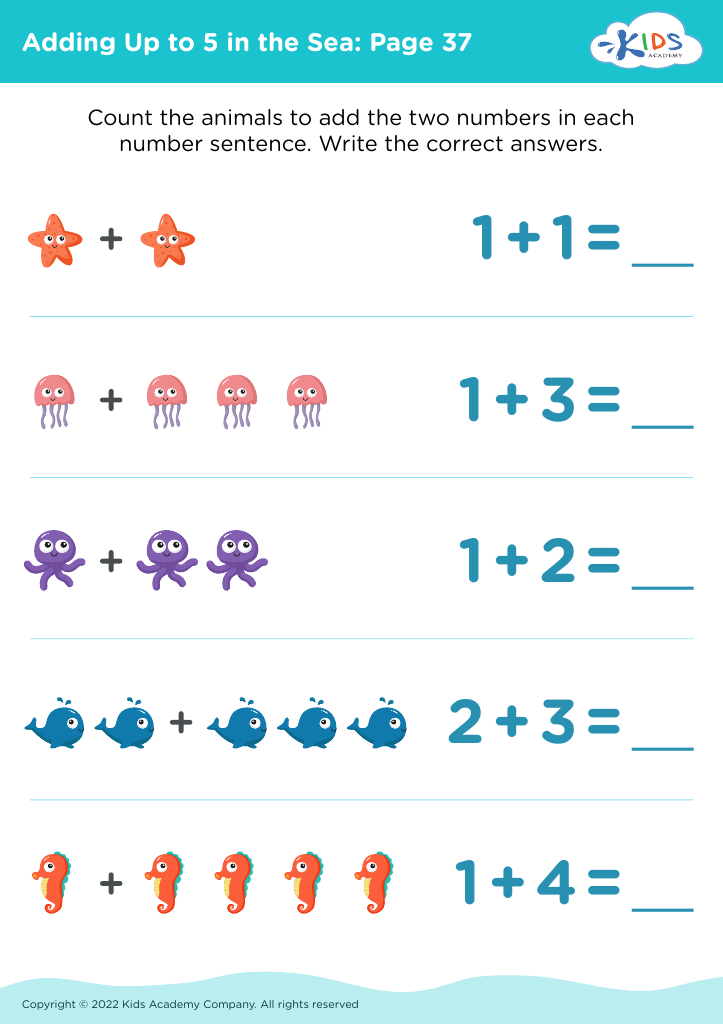
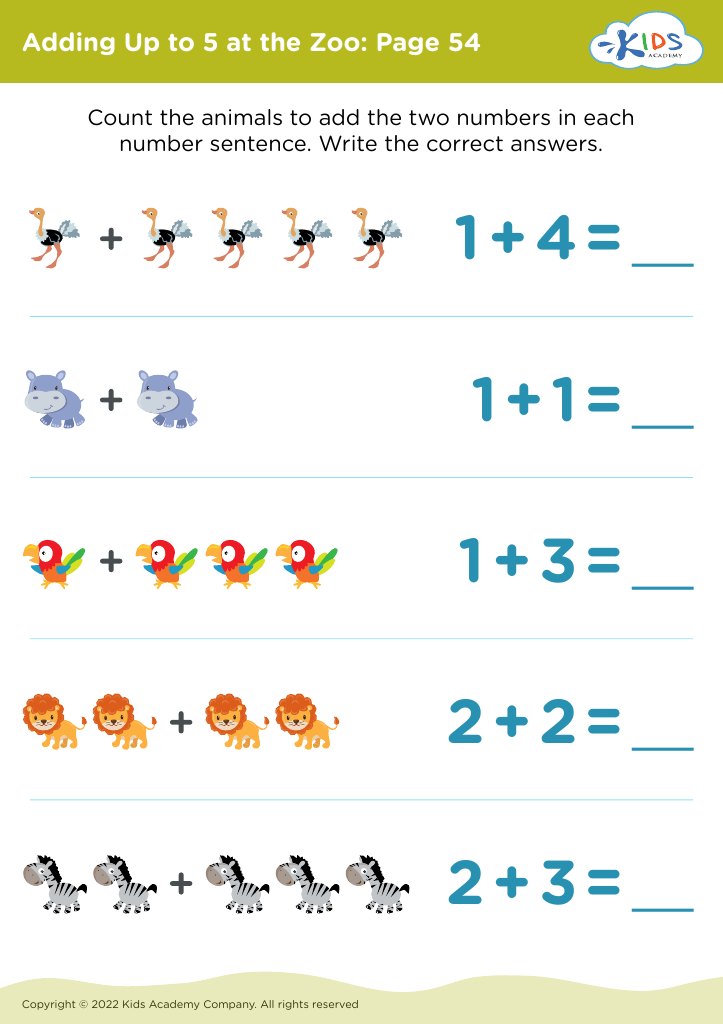
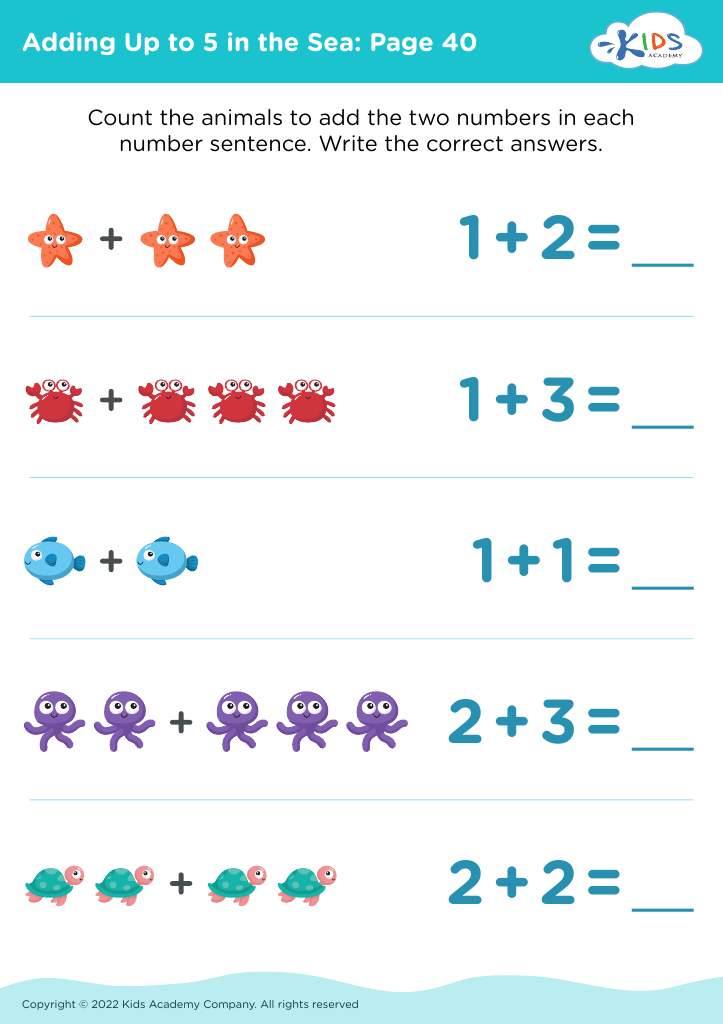
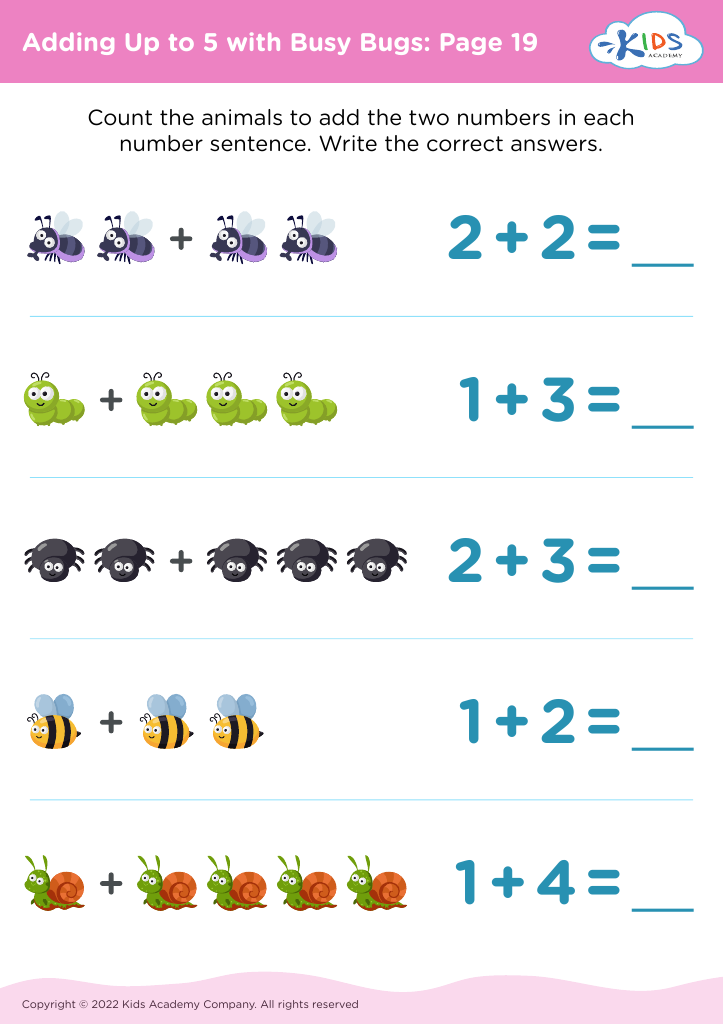
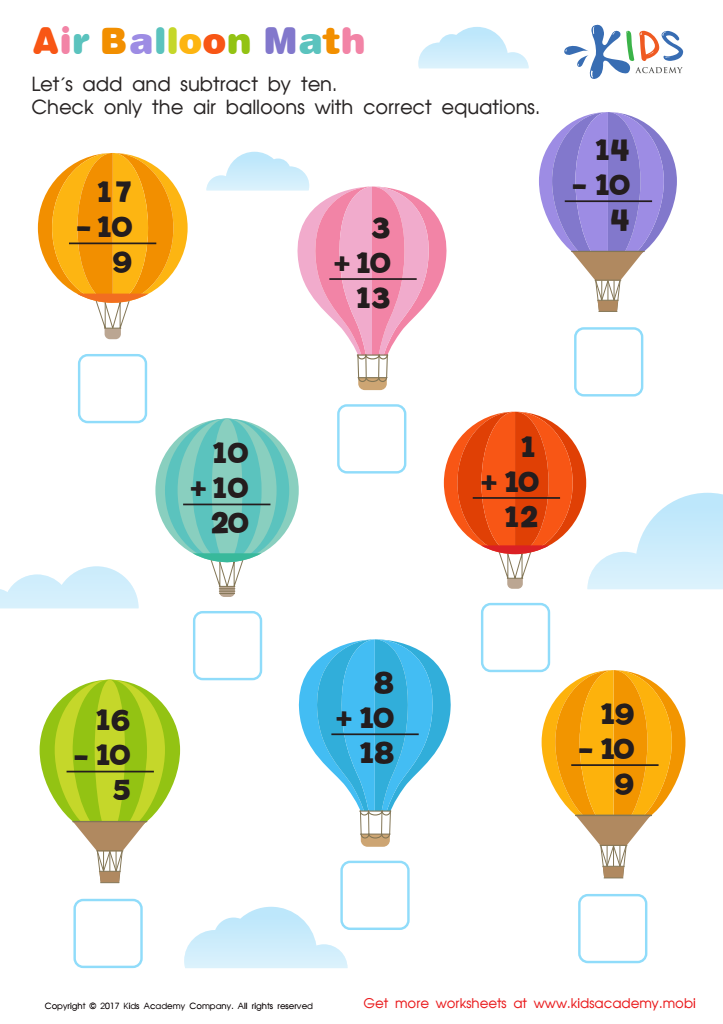
Air Balloon Math Worksheet








Understanding number recognition, addition, and subtraction by ages 5-8 is crucial for early childhood development, which sets the foundation for later success in mathematics and everyday problem-solving. This period is often referred to as a critical window for cognitive development, where children’s brains are highly receptive to learning basic concepts that will be continuously built upon.
Number recognition helps children make sense of the world around them by allowing them to identify and understand the meaning of numbers, which is a fundamental proficiency for more advanced mathematical operations. When children start recognizing numbers, they can begin counting, sequencing, and comprehending the relationship between numbers, which is the bedrock of their arithmetic skills.
Addition and subtraction, or basic arithmetic operations, introduce young children to the concept of combining and separating, which are critical life skills. These early math experiences improve their logical thinking and problem-solving abilities. When these competencies are developed at an early age, children are more likely to find mathematics engaging and rewarding, rather than intimidating.
Parents and teachers play a vital role by providing positive and supportive learning environments, engaging activities, and manipulative tools such as blocks or counters to make abstract concepts tangible. Prioritizing these early math skills fosters confidence, keen interest, and long-term achievement in mathematics and other related disciplines.








