Problem-Solving Skills Geometry Worksheets for Ages 5-8 - Page 2
30 filtered results
-
From - To
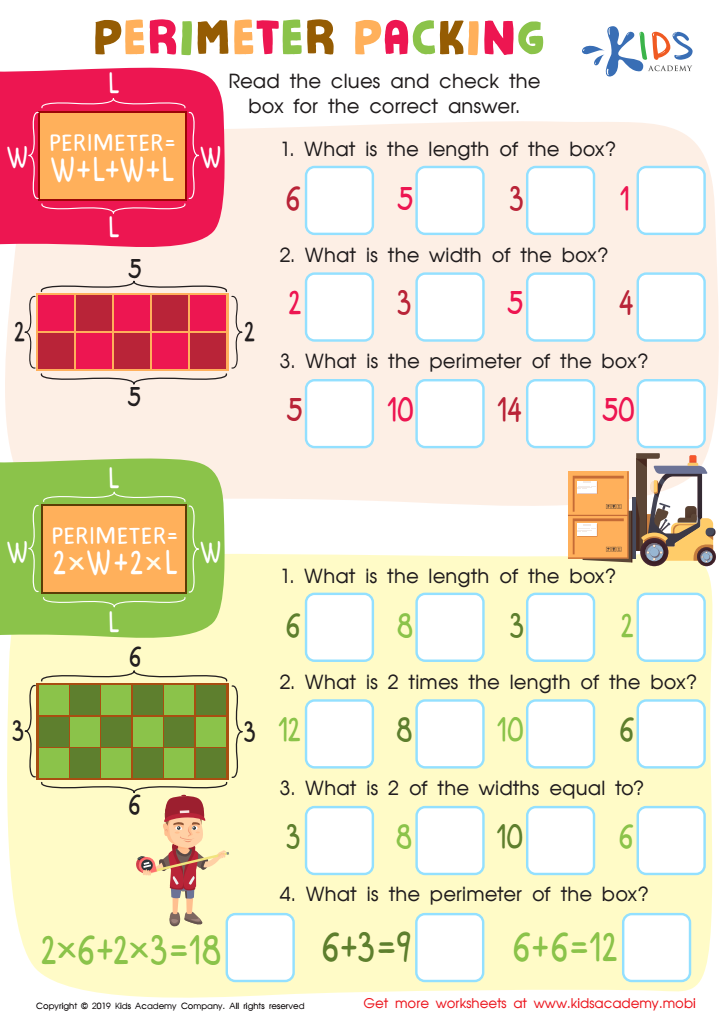
Perimeter Parking Worksheet
 Assign to My Students











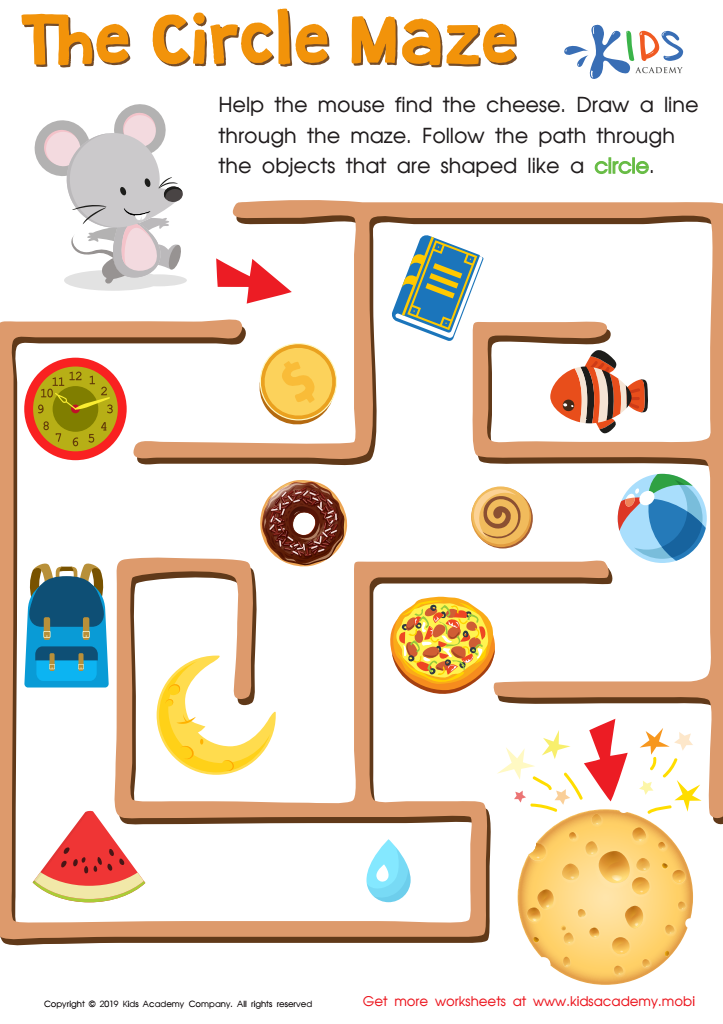
The Circle Maze Worksheet
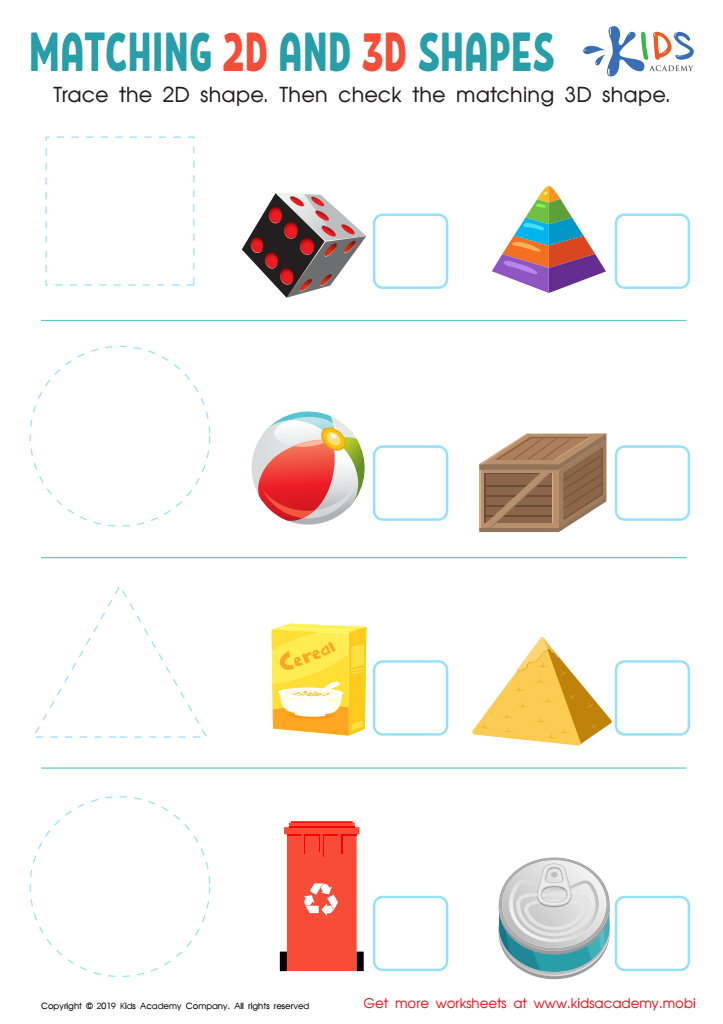
Matching 2D and 3D Shapes Worksheet
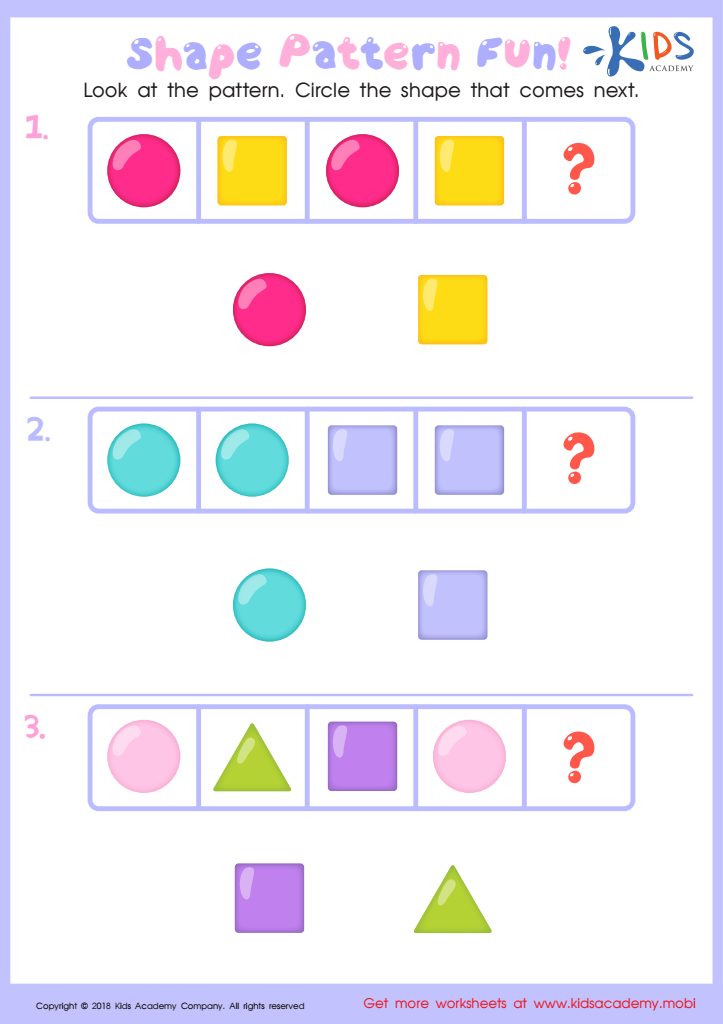
Shape Pattern Fun Worksheet
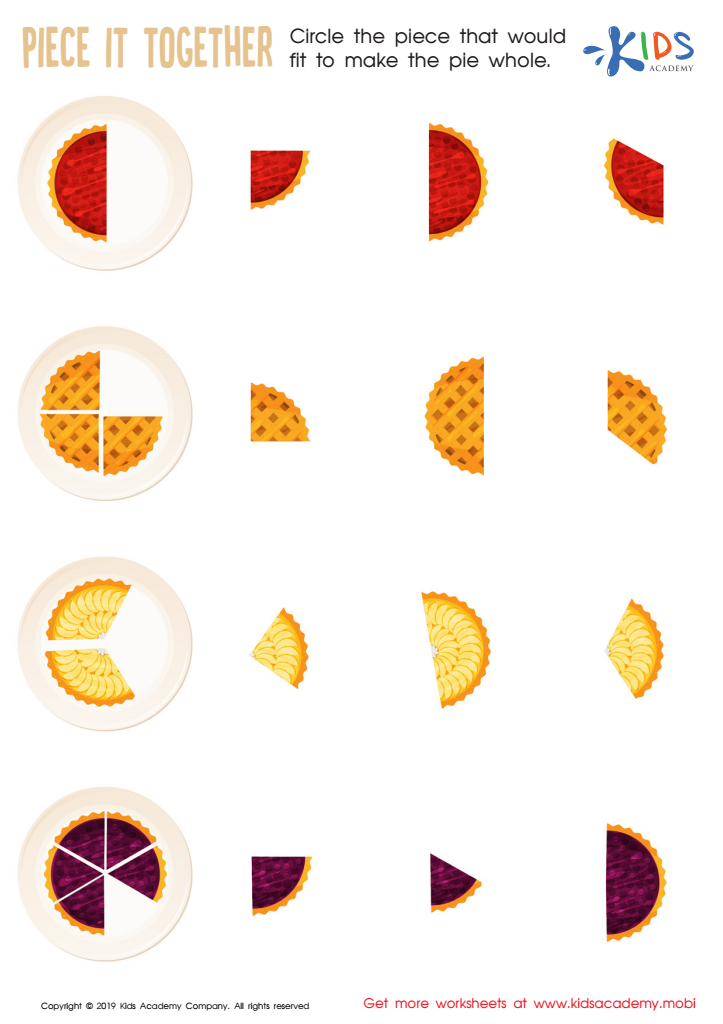
Piece it together Worksheet
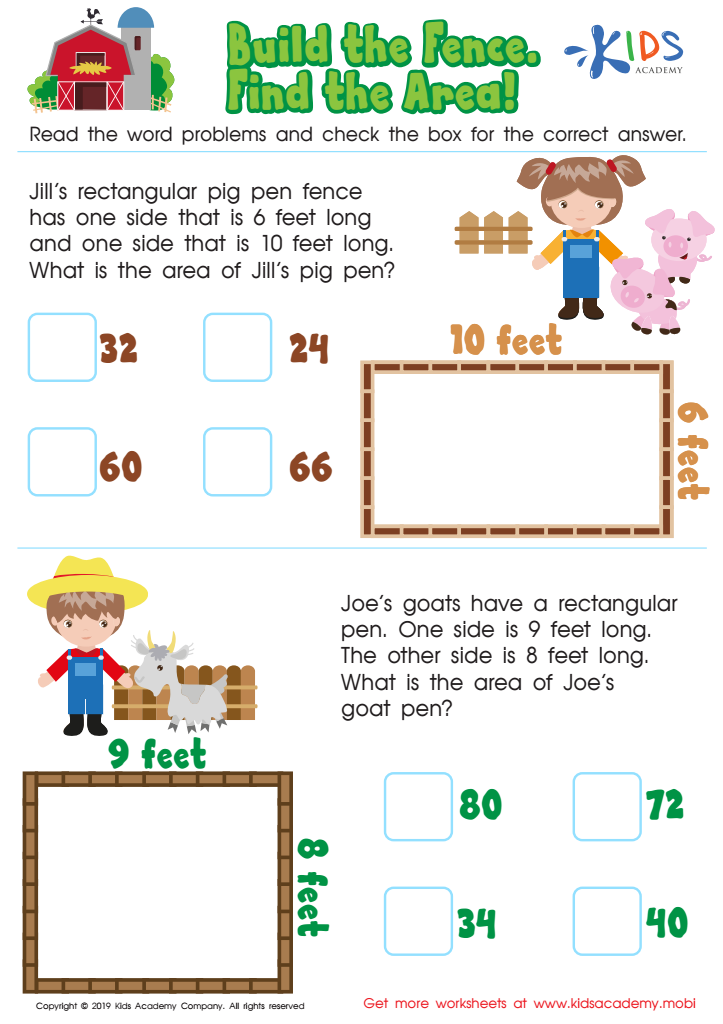
Build the Fence, Find the Area Worksheet








Problem-solving skills in geometry for ages 5-8 are crucial for the development of young learners. At this age, children are naturally curious and eager to explore their world, and engaging them in geometric concepts provides an excellent avenue for exploration. Parents and teachers should prioritize these skills as they lay the foundational blocks for logical thinking, critical analysis, and spatial awareness.
Understanding geometry helps children recognize and categorize shapes, sizes, and positions, which are integral to everyday life. Through problem-solving, students learn to approach challenges systematically, improving their ability to reason and extract meaningful information from their environment. This early exposure fosters confidence in mathematical thinking and prepares them for more complex concepts in the future.
Moreover, focusing on geometric problem-solving can enhance collaboration and communication skills. Group activities that encourage sharing ideas and strategies also promote social development. Overall, nurturing problem-solving skills in geometry is not just about math; it shapes how children think, interact, and understand the world around them, making it a vital focus for parents and educators alike. Engaging in this process supports a love for learning and equips students with essential skills for their academic journeys ahead.








