Basic Counting Numbers Worksheets for Ages 5-8
3 filtered results
-
From - To
Discover our engaging Basic Counting Numbers Worksheets designed for children ages 5-8! These worksheets provide a fun and interactive way for young learners to develop essential counting skills. Featuring vibrant illustrations and age-appropriate activities, kids will enjoy practicing number recognition, counting objects, and sequencing. Our worksheets cater to various learning styles, ensuring a comprehensive understanding of basic counting concepts. Perfect for both classroom settings and homeschooling, these resources help build a strong mathematical foundation while keeping children entertained. Start your child’s counting journey today and watch their confidence grow as they master the basics of numbers!
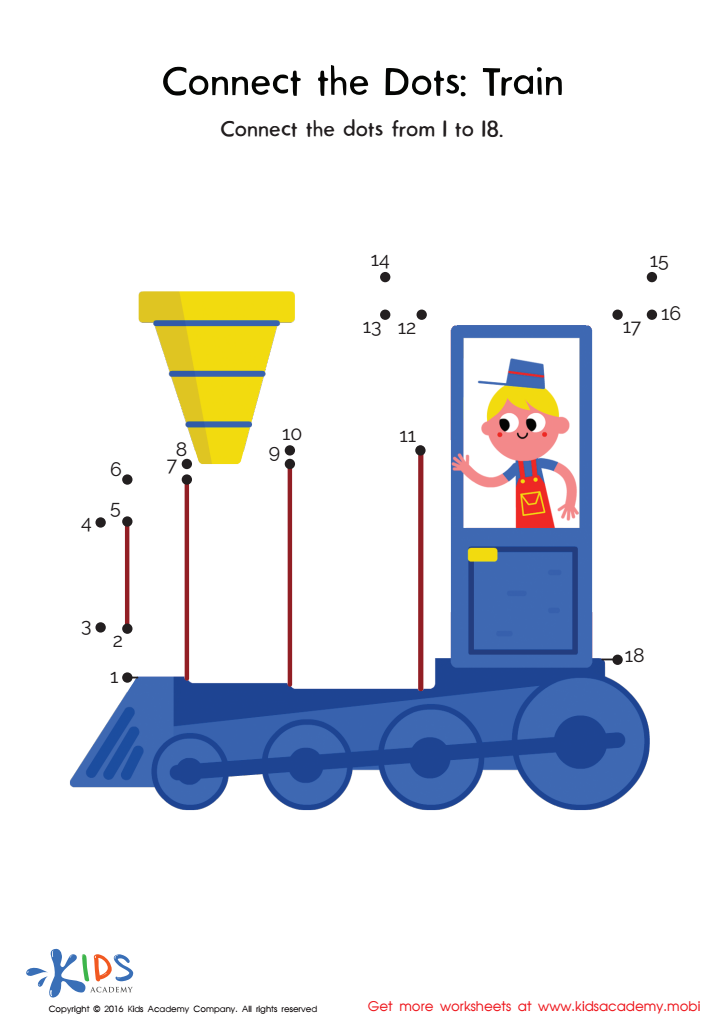
 Assign to My Students
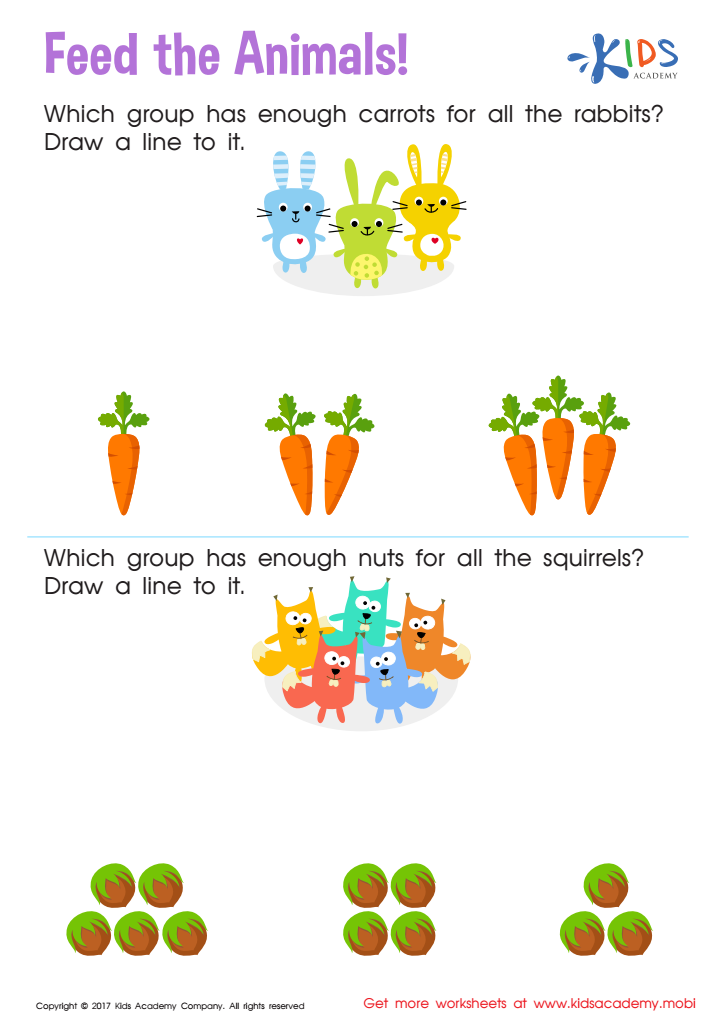
Count and Match: Feed the Animals Worksheet
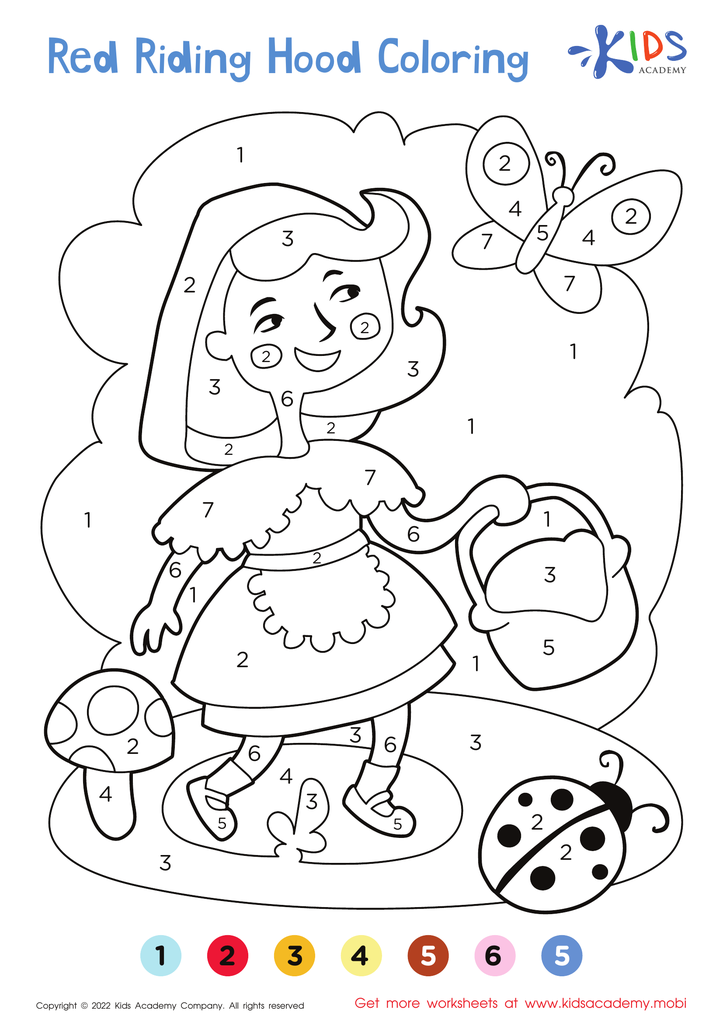
Little Red Riding Hood – Coloring by Numbers








Parents and teachers should care deeply about basic counting numbers for children ages 5-8, as this foundation plays a crucial role in a child’s overall development. During these formative years, children are introduced to the principles of mathematics, which are essential for problem-solving and critical thinking skills. Understanding counting numbers enhances a child's ability to recognize patterns, make comparisons, and comprehend numerical relationships.
Moreover, early mastery of counting engages children's minds and builds confidence, laying the groundwork for more advanced concepts in math later on. Counting also provides practical applications; children learn to quantify objects in their environment, aiding in their cognitive development and enhancing their spatial awareness.
Additionally, early exposure to counting fosters a sense of achievement and encourages a positive attitude towards learning. It facilitates social interactions, as children often engage in counting games with peers, promoting cooperative learning. Lastly, strong foundational math skills correlate with better academic performance in elementary school and beyond. When parents and teachers prioritize basic counting numbers, they empower children not only to succeed academically but also to develop skills necessary for everyday life.








