Enhancing problem-solving skills Numbers Worksheets for Ages 5-8
4 filtered results
-
From - To
Enhance your child's problem-solving skills with our engaging Numbers Worksheets designed for ages 5-8! These interactive resources make learning fun, helping young learners tackle essential math concepts through various activities. Our thoughtfully crafted worksheets focus on number recognition, basic operations, and reasoning skills, encouraging critical thinking and confidence in young mathematicians. Perfect for classroom or home use, these worksheets cater to different learning styles, ensuring that every child can grasp foundational math concepts effectively. Equip your child with the tools for success and watch them thrive in their educational journey with our enhancing problem-solving skills resources. Start exploring today!

Place Value Quest Worksheet
 Assign to My Students
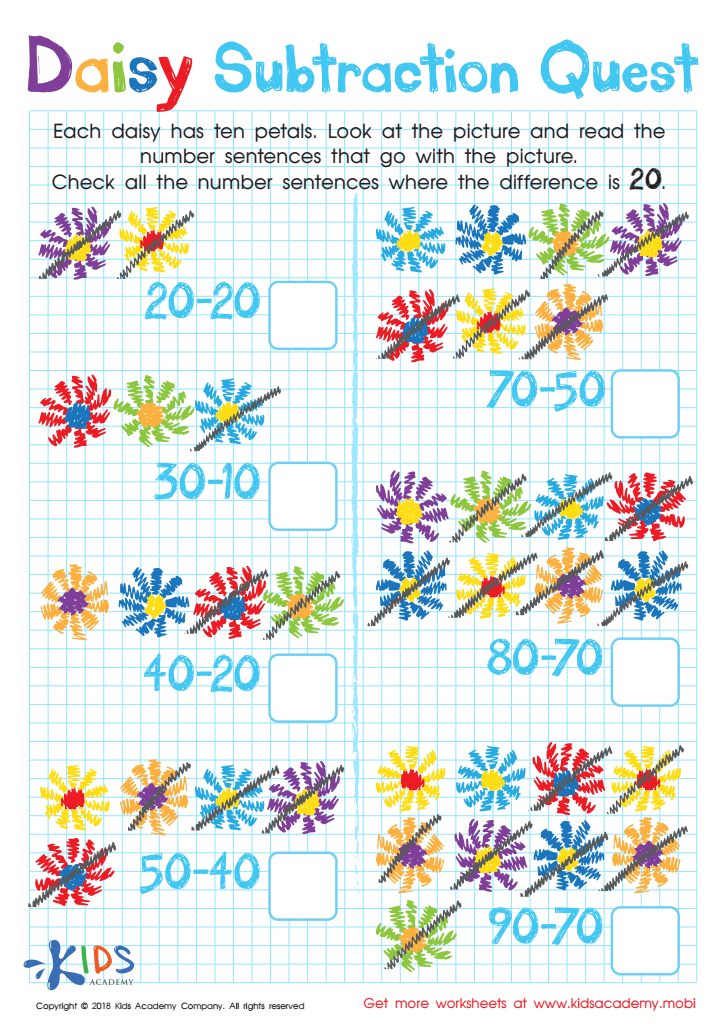
Daisy Subtraction Quest Worksheet
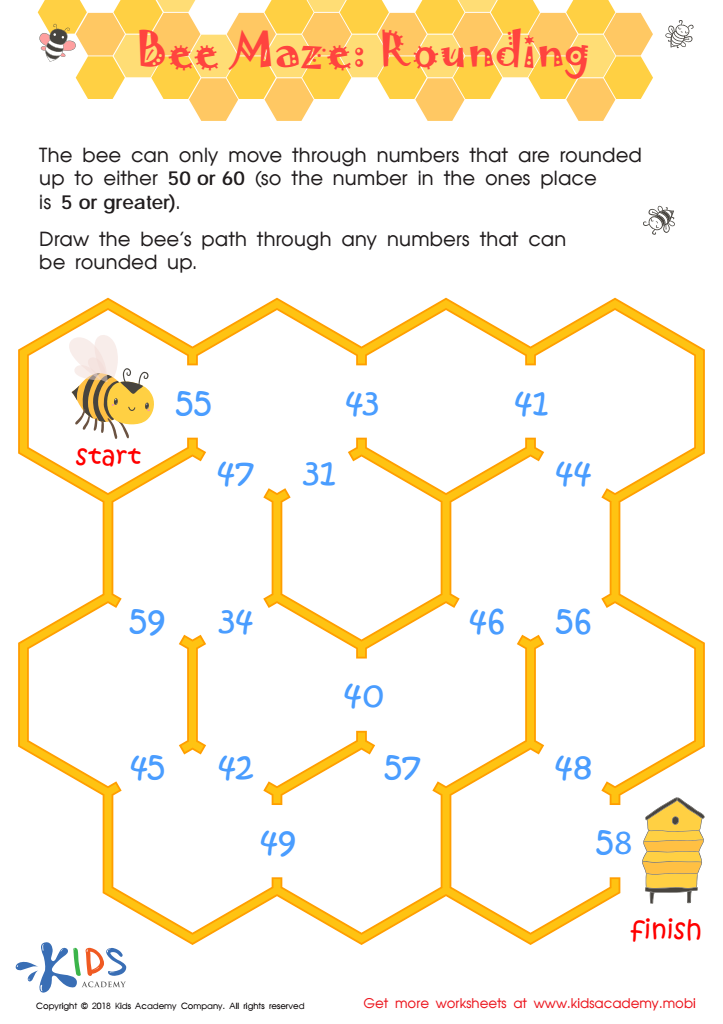
Bee Maze Rounding Worksheet
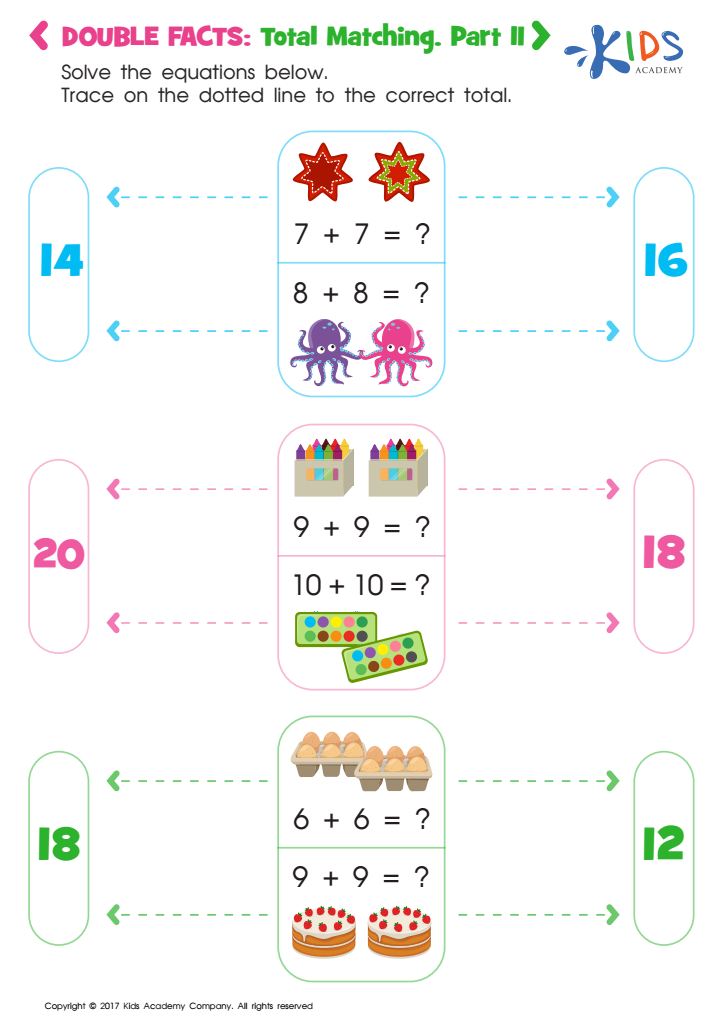
Double Facts: Total Matching 2 Worksheet








Enhancing problem-solving skills in children aged 5-8 is crucial for their cognitive development and future success. During these formative years, children are naturally curious and eager to explore. By nurturing their problem-solving abilities, parents and teachers empower them to think critically and independently, skills that extend beyond mathematics into all areas of life.
Problem-solving plays a vital role in helping children understand and navigate challenges. When they learn to analyze a problem, weigh options, and experiment with solutions, they develop resilience and flexibility. This early stage is where foundational mathematical concepts begin to take shape, and solid problem-solving skills enable children to approach numbers with confidence.
Moreover, enhancing these skills fosters creativity and encourages a growth mindset. Children learn that mistakes are part of the learning process and that perseverance leads to mastery. They become better equipped to tackle academic challenges and everyday situations with a positive outlook.
Ultimately, investing time and resources into developing problem-solving abilities not only enhances children's mathematical knowledge but also cultivates critical life skills, preparing them for success in school and beyond. In a world that increasingly values cognitive flexibility and innovation, parents and teachers should prioritize this critical aspect of education.








