Reading comprehension Numbers Worksheets for Ages 5-8
16 filtered results
-
From - To
Enhance your child's numeracy and literacy skills with our expertly-crafted Reading Comprehension Numbers Worksheets, designed for kids ages 5-8. These engaging activities seamlessly blend number recognition with reading comprehension, helping young learners improve both counting abilities and understanding text. Each worksheet offers a variety of exercises, from matching numbers to simple word problems, ensuring a balanced learning experience. Ideal for home or classroom use, they foster critical thinking and build a strong foundation in math and reading. Discover an enjoyable way to support your child's academic growth with our comprehensive selection of worksheets.
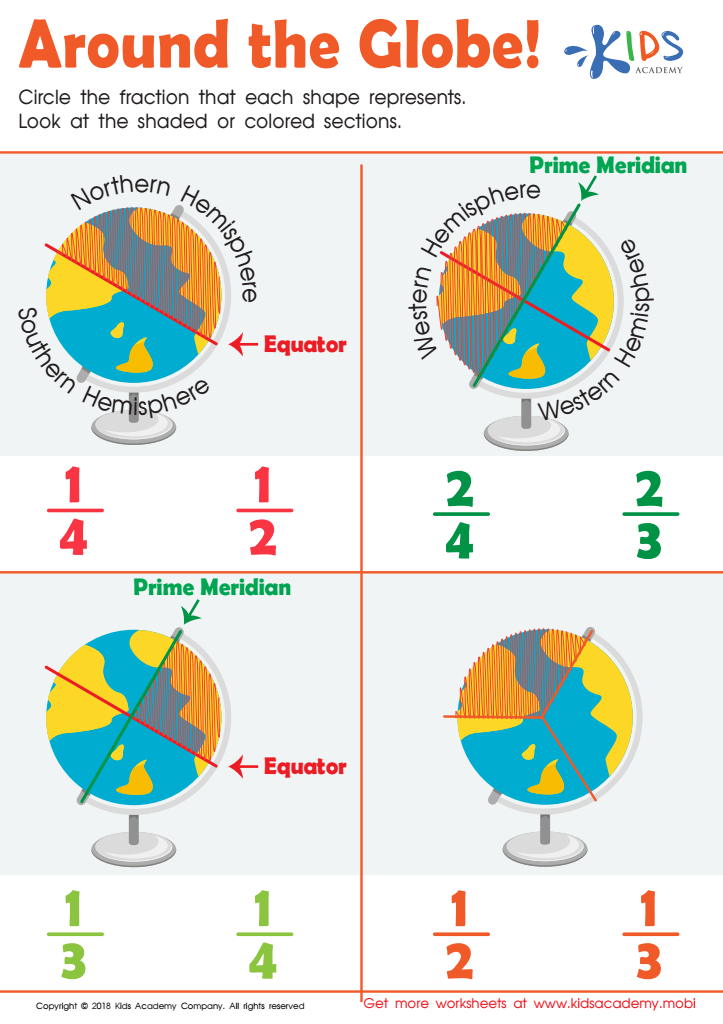
Around the Globe Worksheet
 Assign to My Students
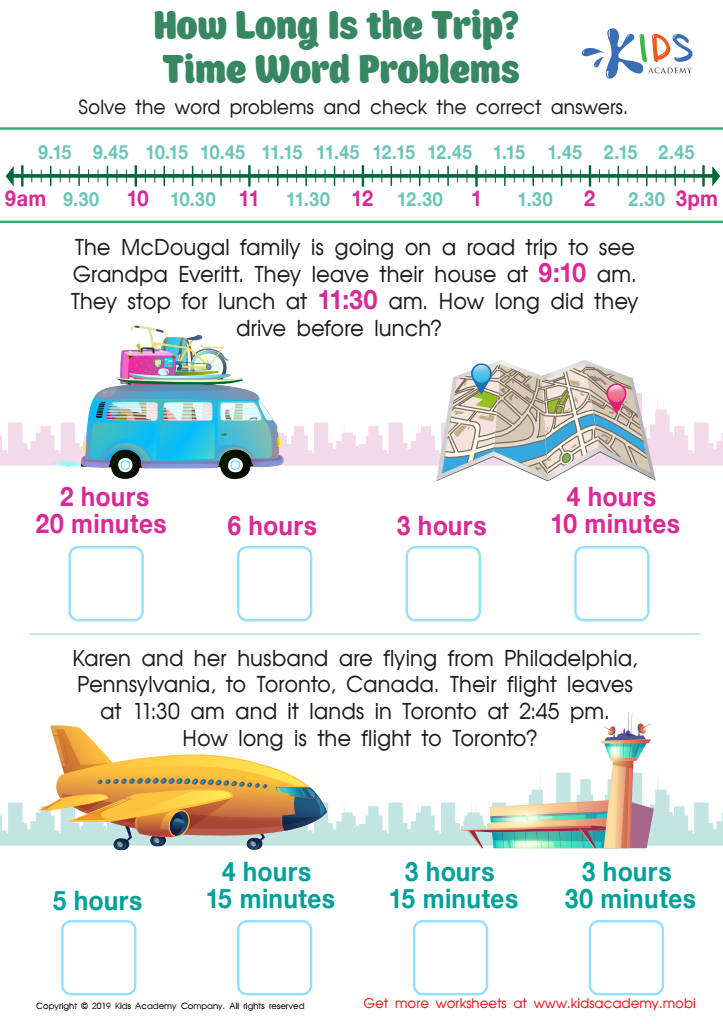
How long is the Trip? Time Word Problems Worksheet
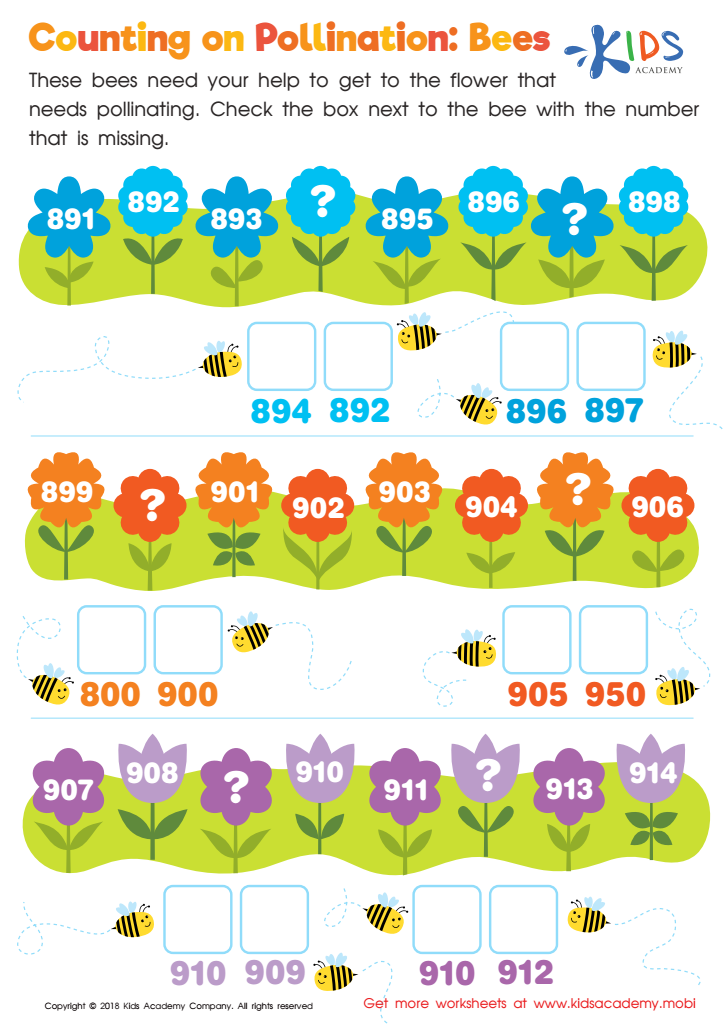
Counting on Pollination: Bees Worksheet
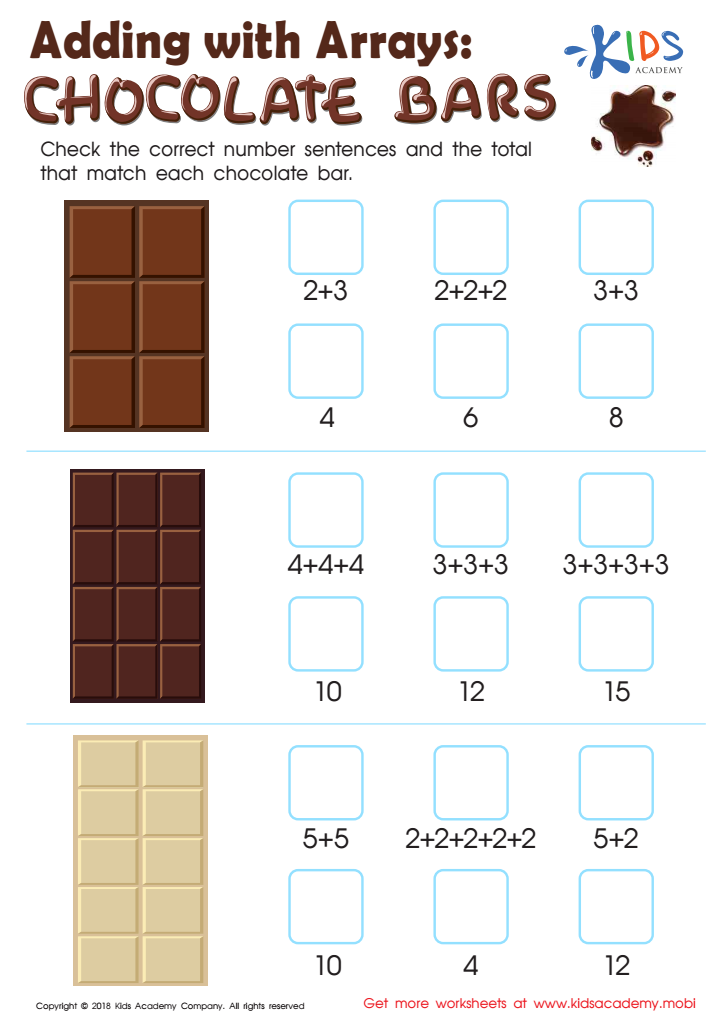
Adding with Arrays: Chocolate Bars Worksheet
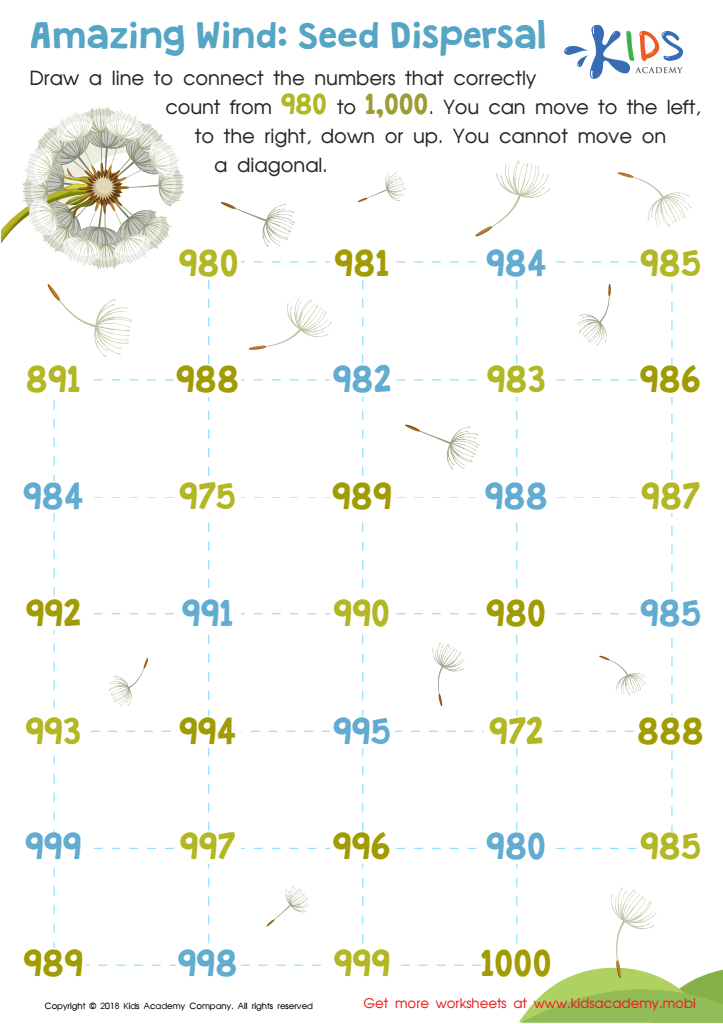
Amazing Wind: Seed Dispersal Worksheet
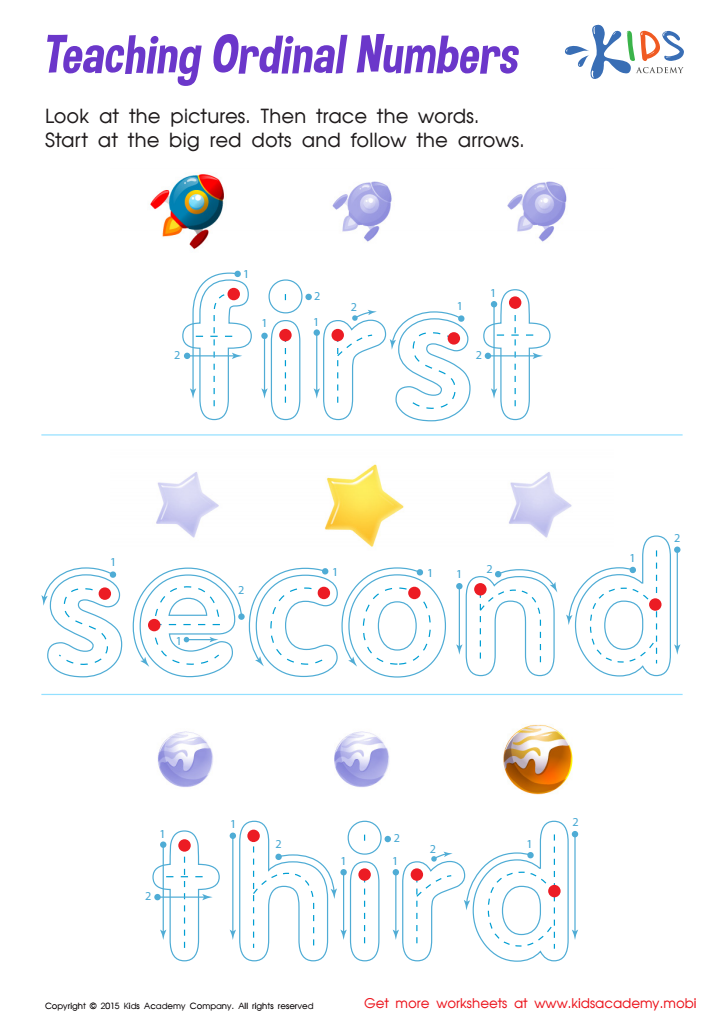
Ordinal Numbers: Teaching Ordinal Numbers Printable
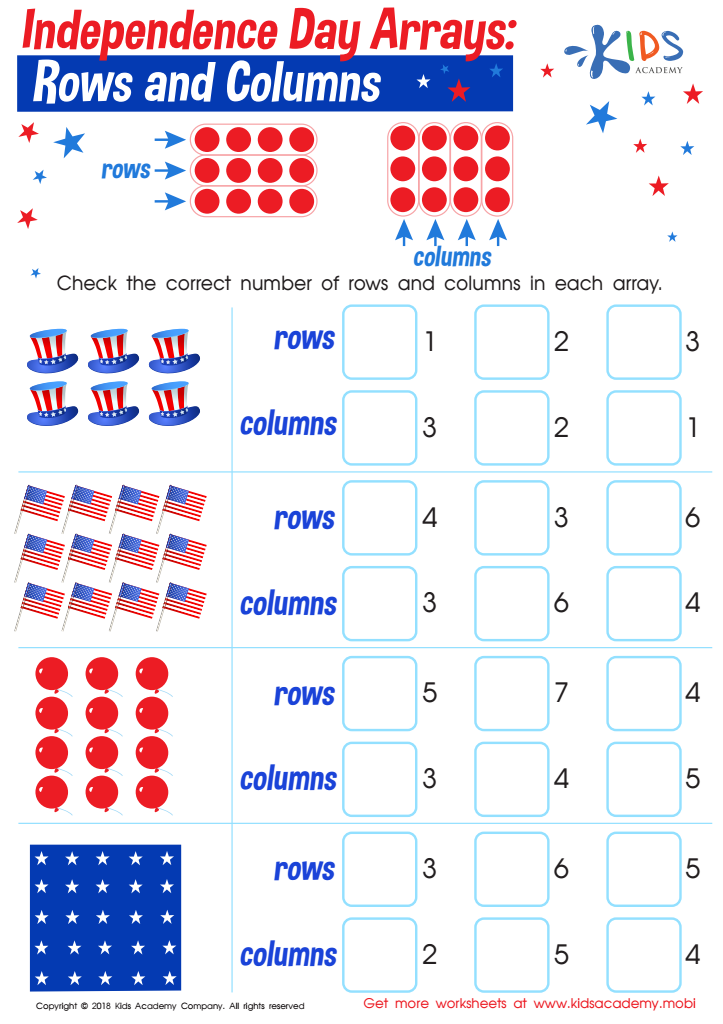
Independence Day Arrays: Rows and Columns Worksheet
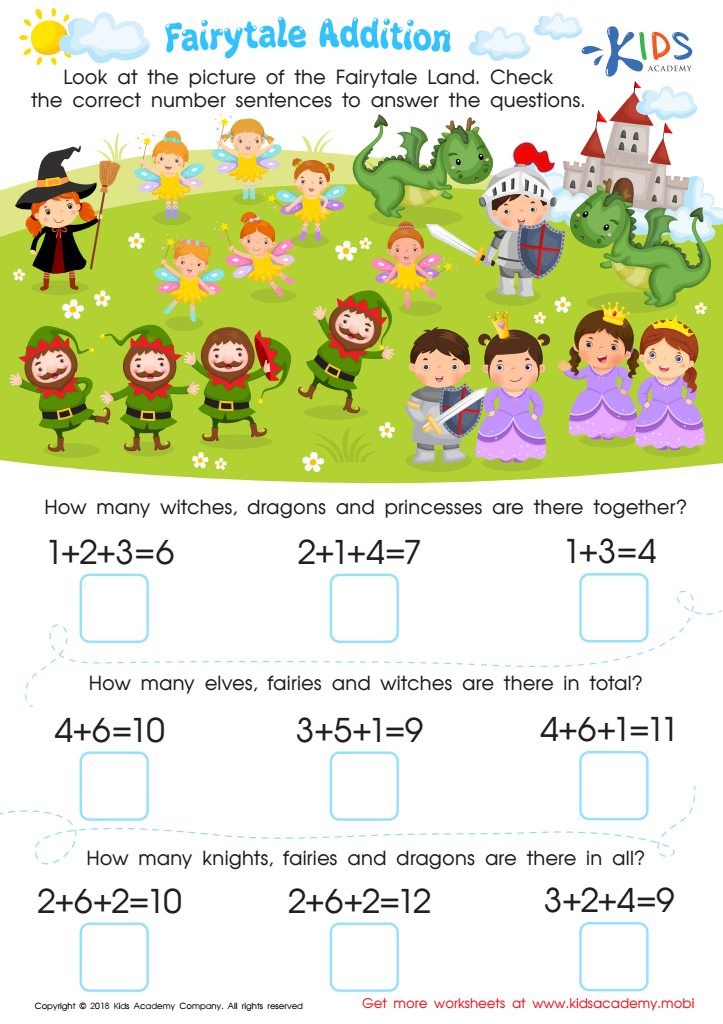
Fairytale Addition Worksheet
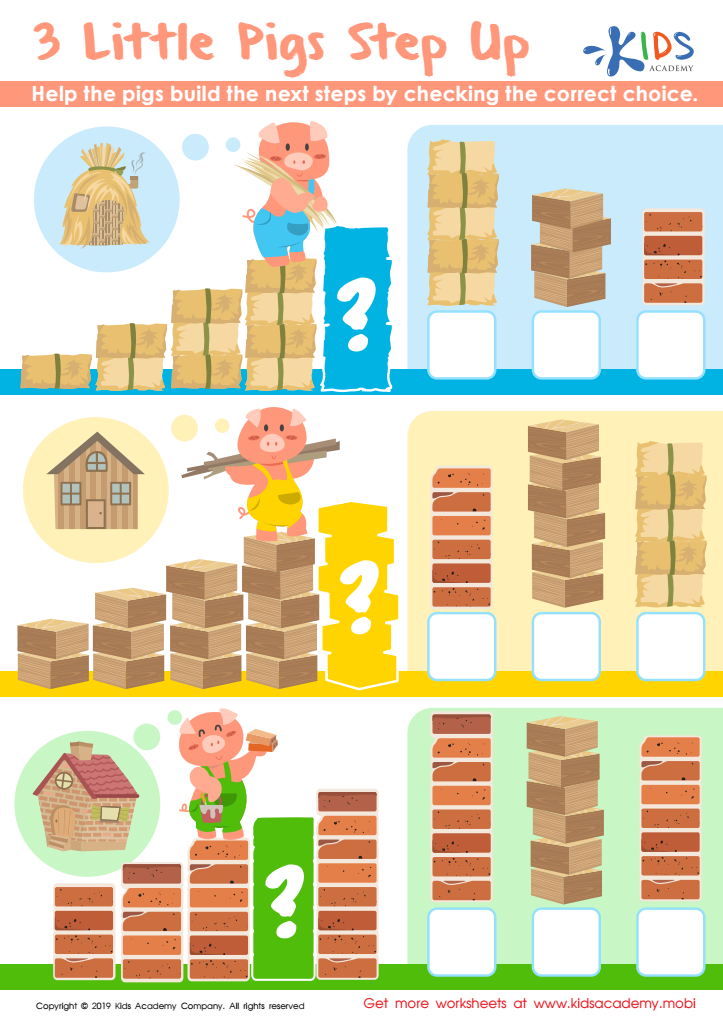
3 Little Pigs Step Up Worksheet
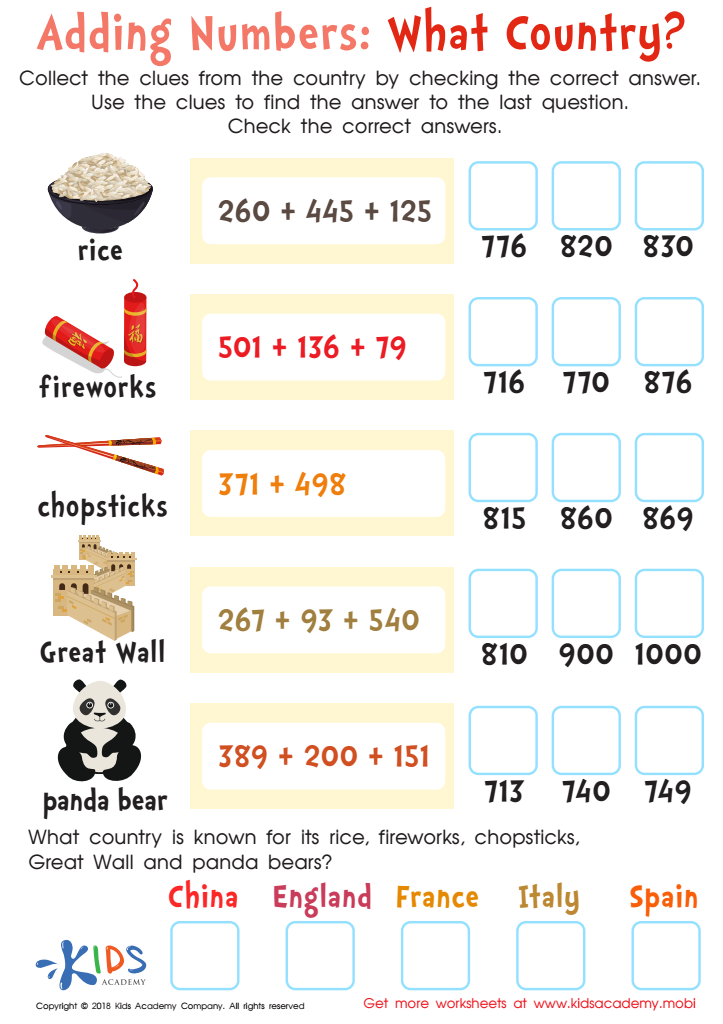
Adding Numbers: What Country Worksheet
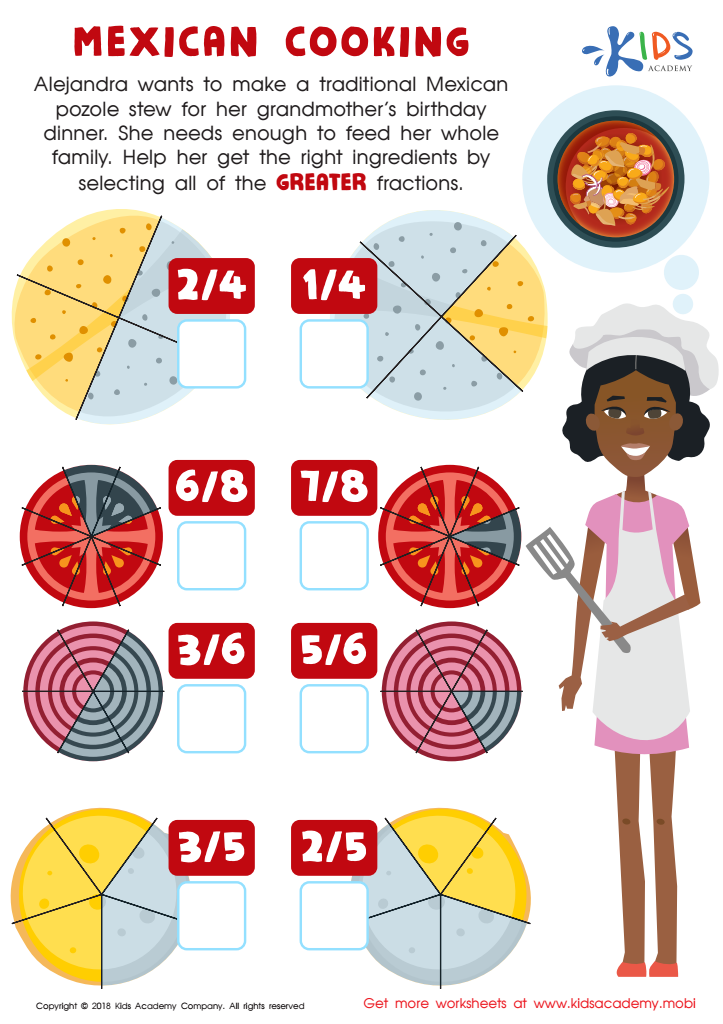
Mexican Cooking Worksheet
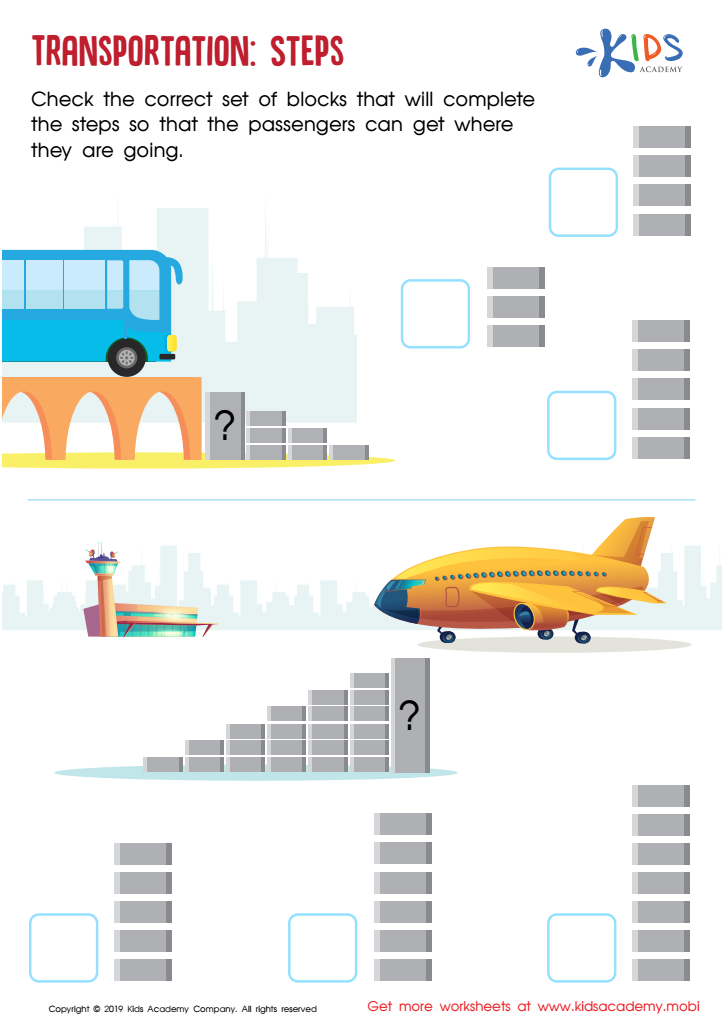
Transportation: Steps Worksheet
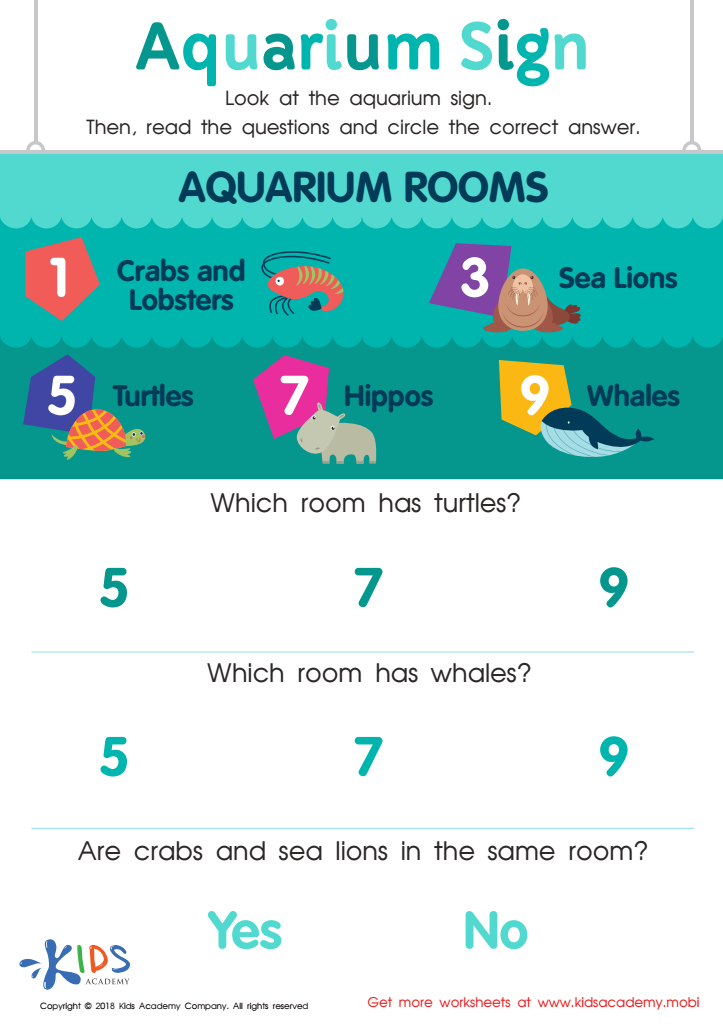
Assessment: Aquarium Sign Worksheet
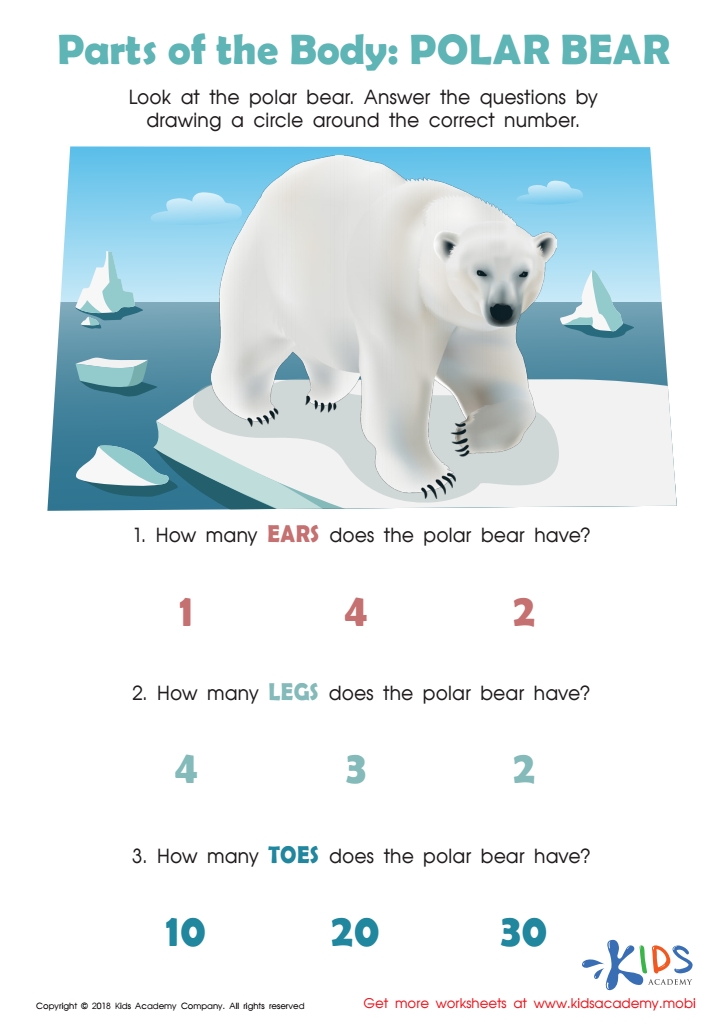
Parts of the Body: Polar Body Worksheet
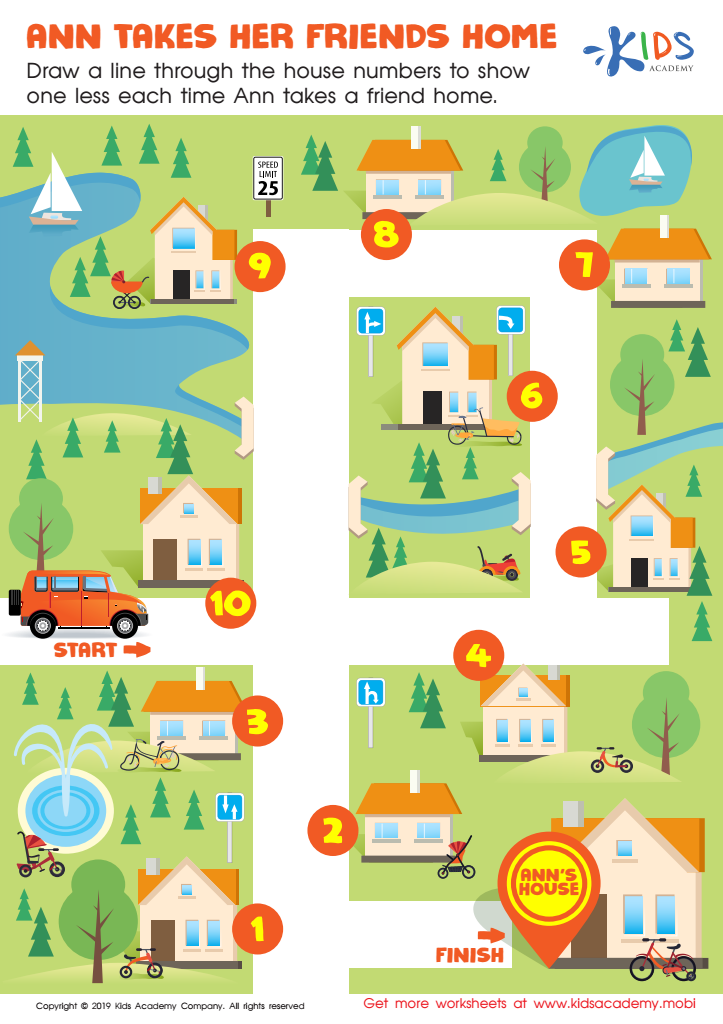
Ann Takes her Friends Home Worksheet








Reading comprehension numbers, also known as levels or scores, are essential indicators of a child's ability to understand and process written information. Parents and teachers should care about these numbers for several reasons, particularly for children ages 5-8, when foundational literacy skills are established.
At this age, reading comprehension serves as a cornerstone for academic success and future learning. Children who develop strong comprehension skills can grasp complex concepts, follow instructions, and engage with texts more deeply, ensuring better performance across subjects. Reading comprehension also enhances critical thinking and problem-solving abilities, as it requires children to predict, infer, and draw conclusions from what they've read.
Monitorings these scores helps identify students who may need additional support, enabling early intervention. Early detection ensures tailored strategies and resources can be implemented to address any learning gaps, fostering a more inclusive and effective learning environment. Additionally, good reading comprehension boosts a child's confidence and enthusiasm for learning, fostering a positive attitude toward education.
For parents, understanding these numbers provides insight into their child's progress and helps them support their child’s learning at home. For teachers, it informs instructional choices, ensuring that teaching methods and materials are appropriately challenging and engaging for all students. Creating a collaborative effort between home and school ultimately fosters a supportive atmosphere primed for lifelong learning.








