Basic Math understanding Math Worksheets for Ages 5-8
12 filtered results
-
From - To
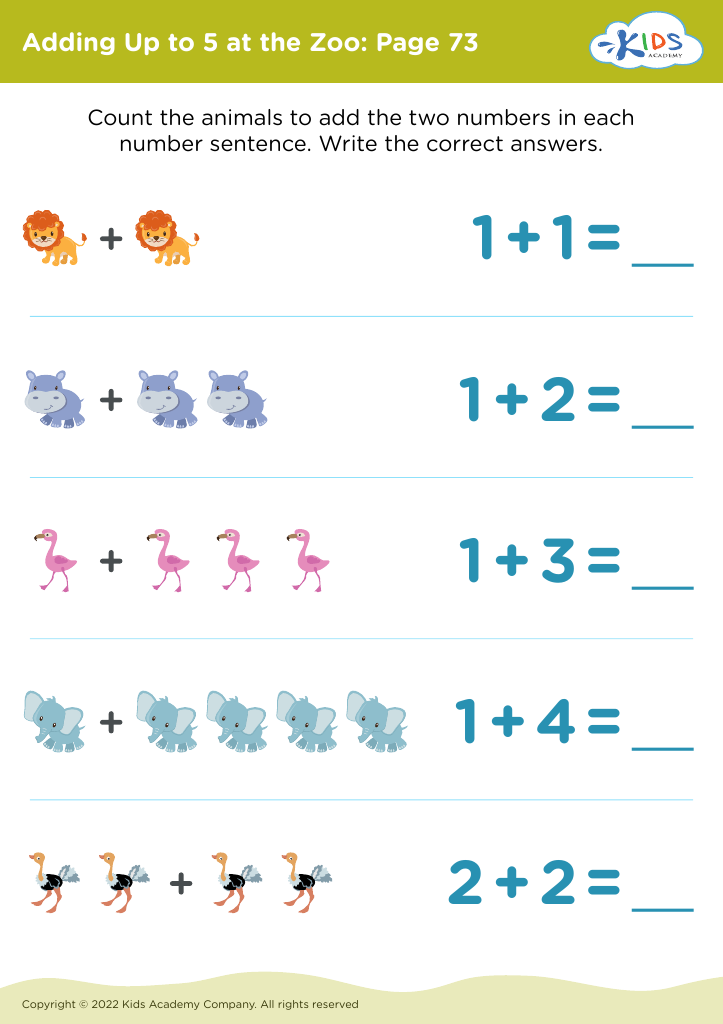
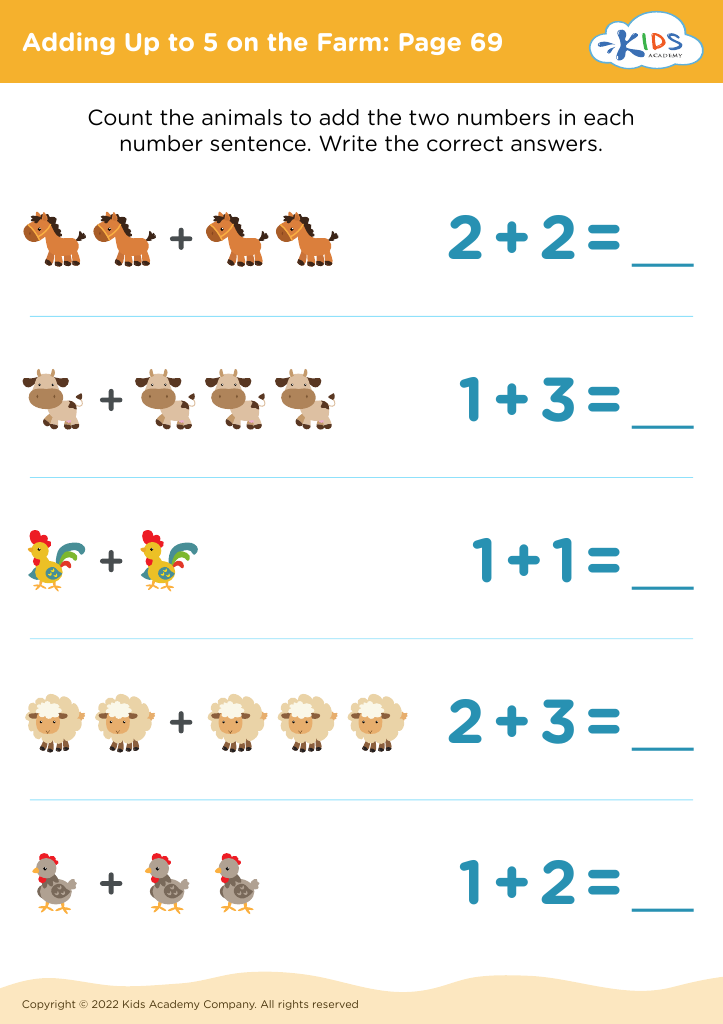
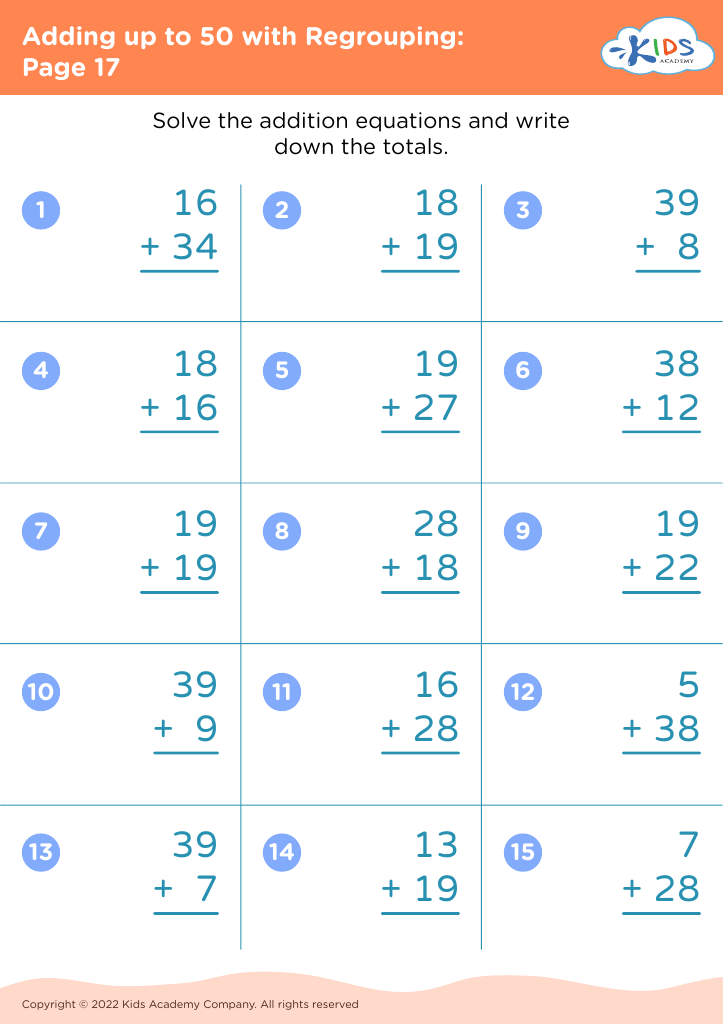
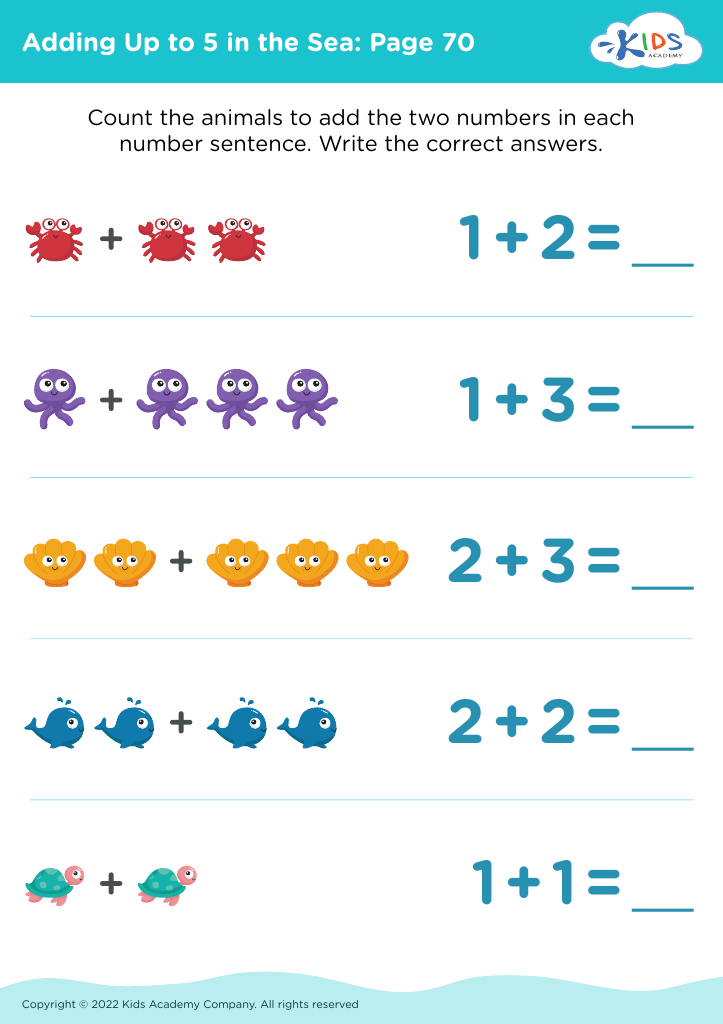
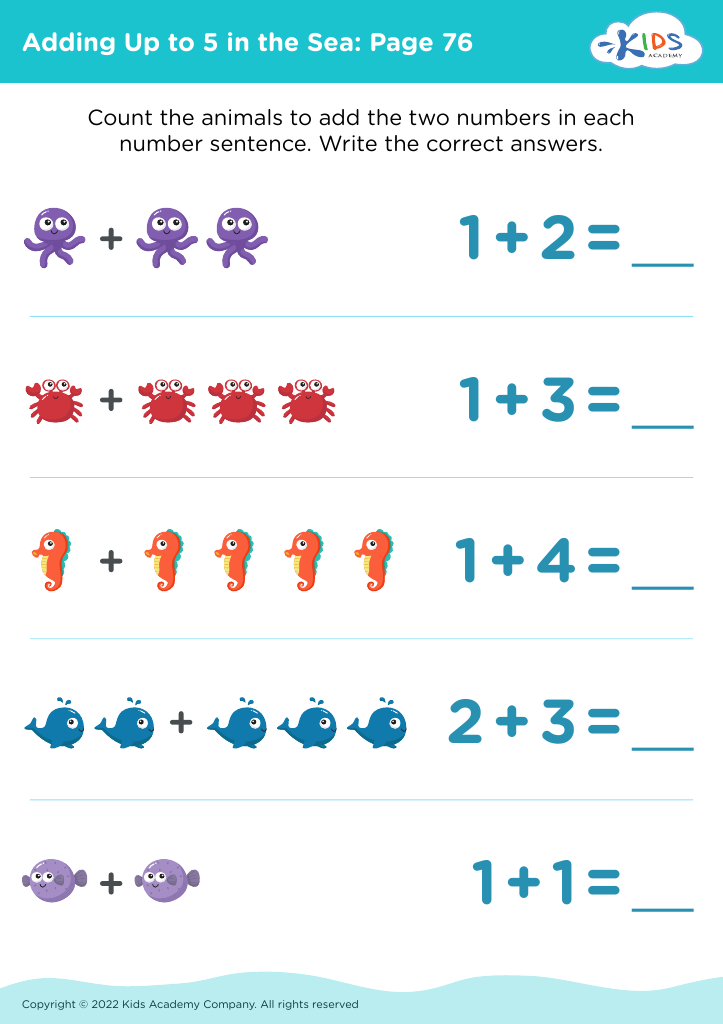
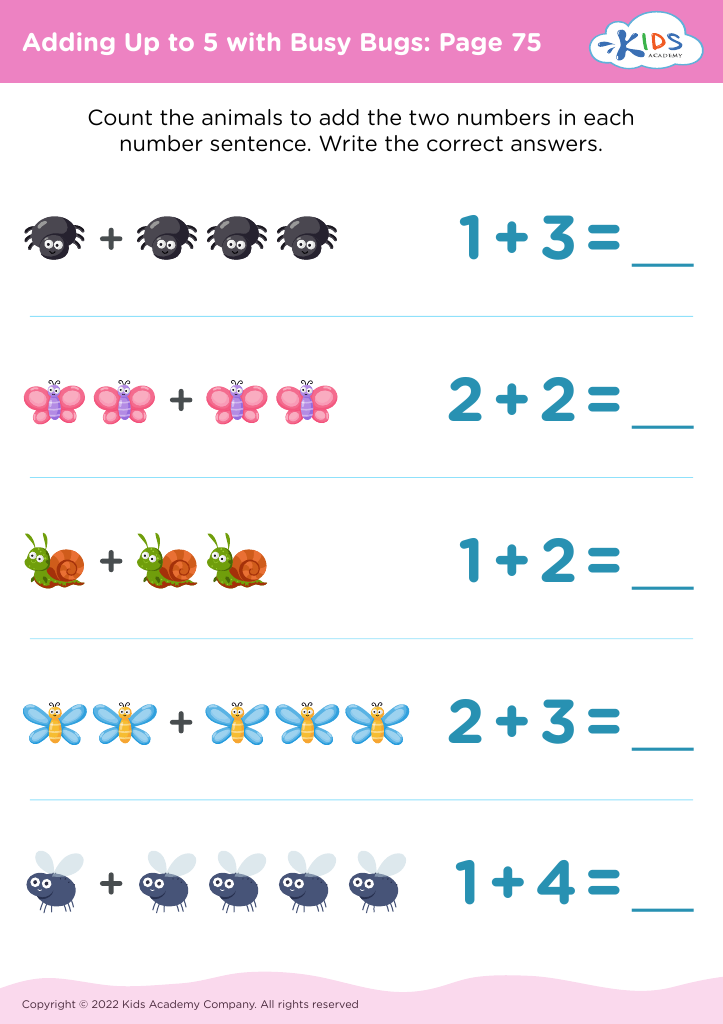
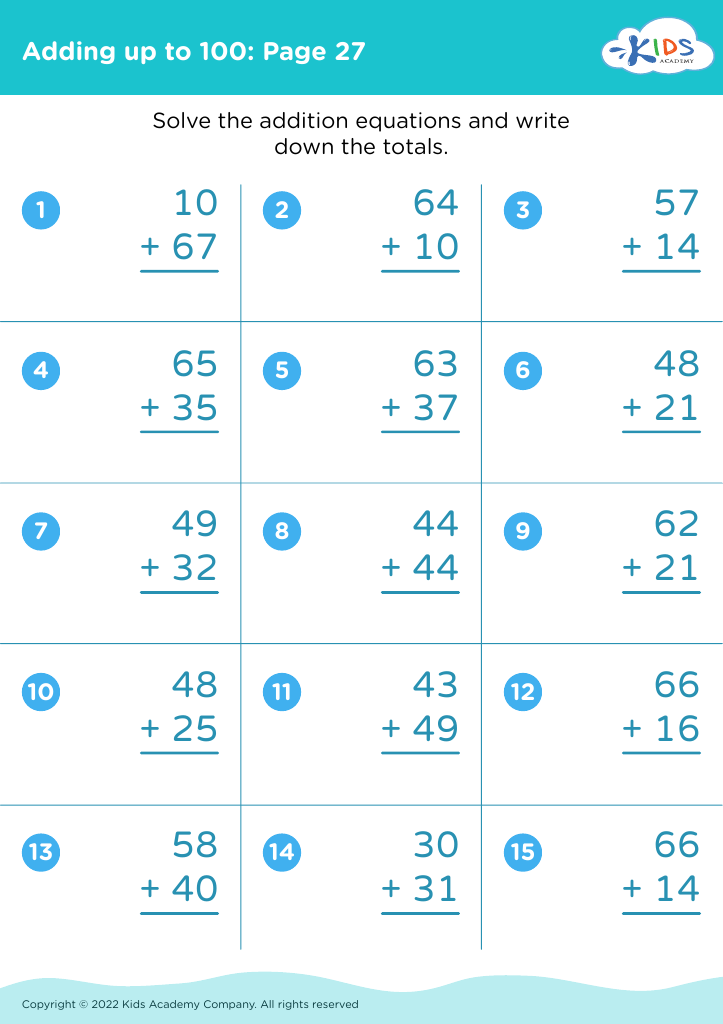
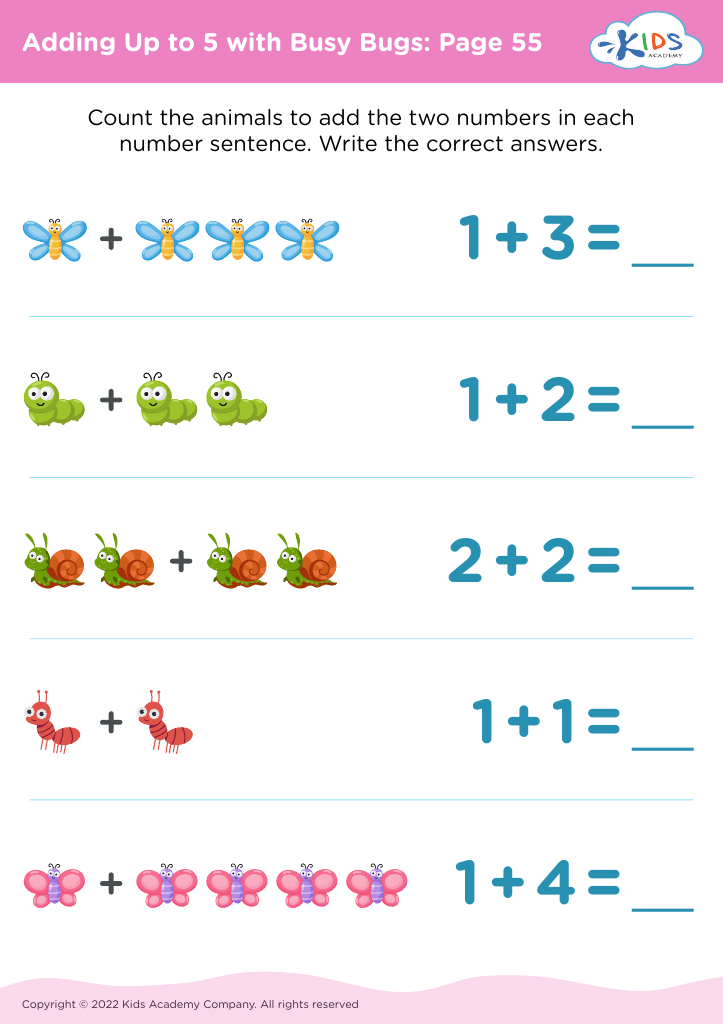
Enhance your child's foundational math skills with our engaging Basic Math Understanding Worksheets designed for ages 5-8. These interactive resources cover essential concepts such as numbers, addition, subtraction, and simple word problems, making learning fun and effective. Each worksheet promotes number recognition, counting, and basic arithmetic in a playful environment, fostering a love for math at an early age. Perfect for parents, teachers, and homeschoolers, our printable worksheets provide a variety of activities tailored to suit different learning styles and abilities. Equip your child with the critical skills they need for future success—download our Basic Math Understanding Worksheets today!
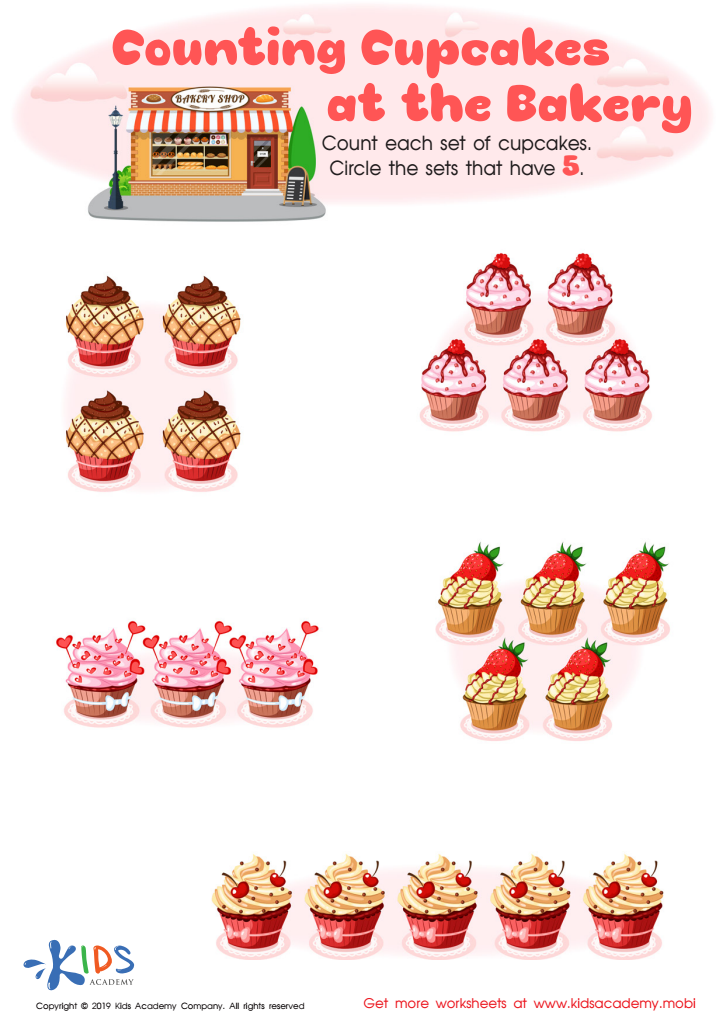
Counting Cupcakes Worksheet
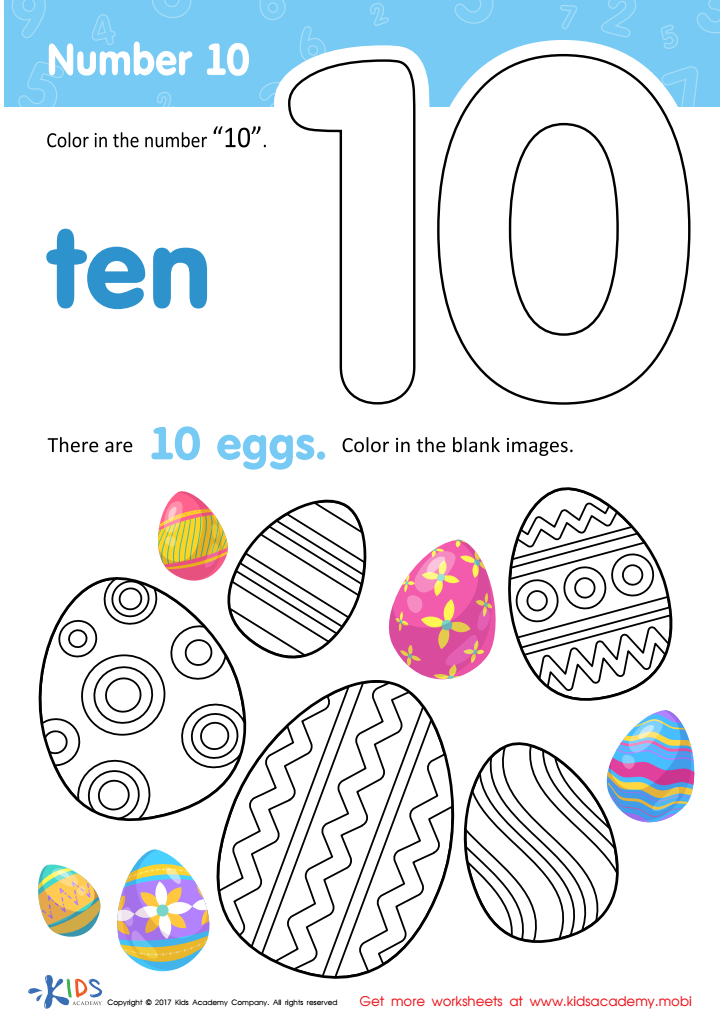
Number 10 Printable
 Assign to My Students
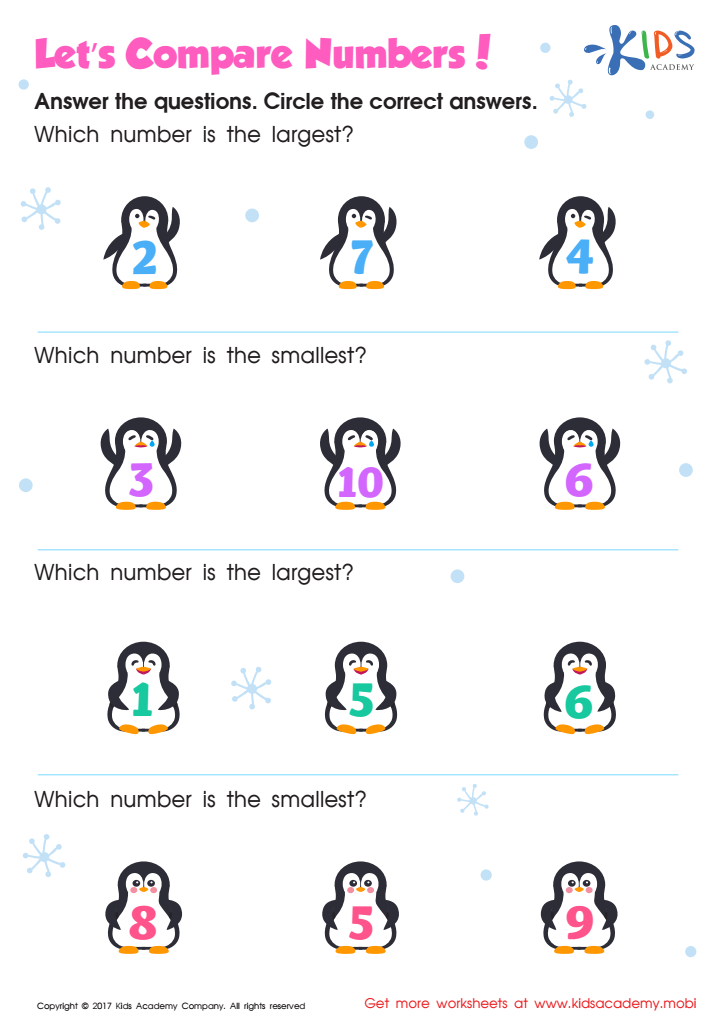
Comparing Numbers 1–10 Worksheet Kindergarten
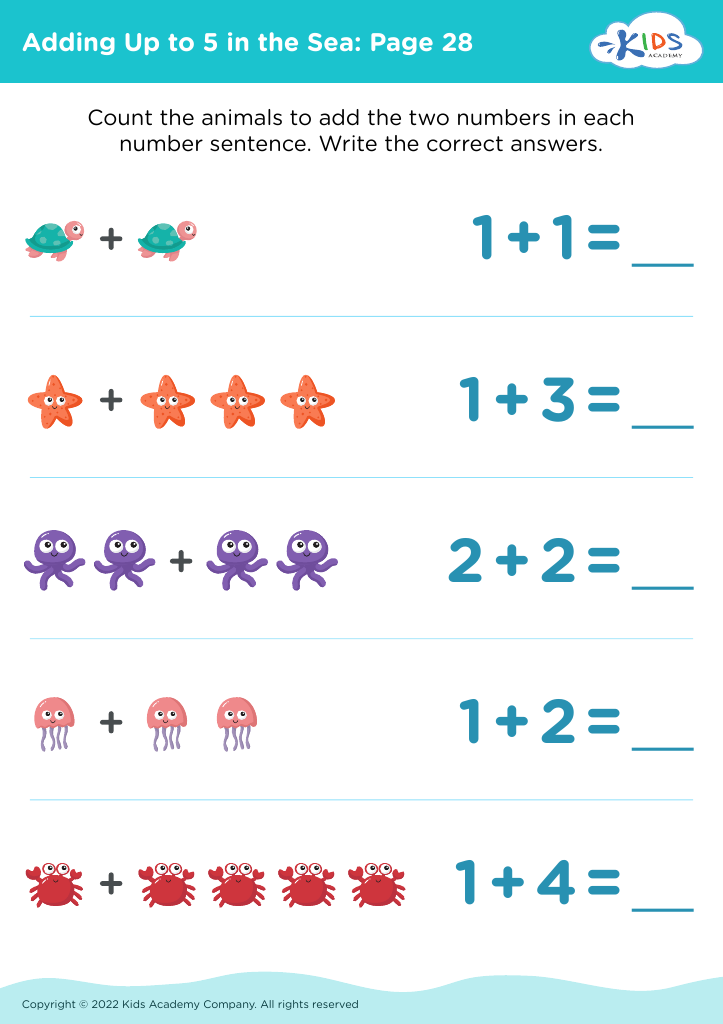




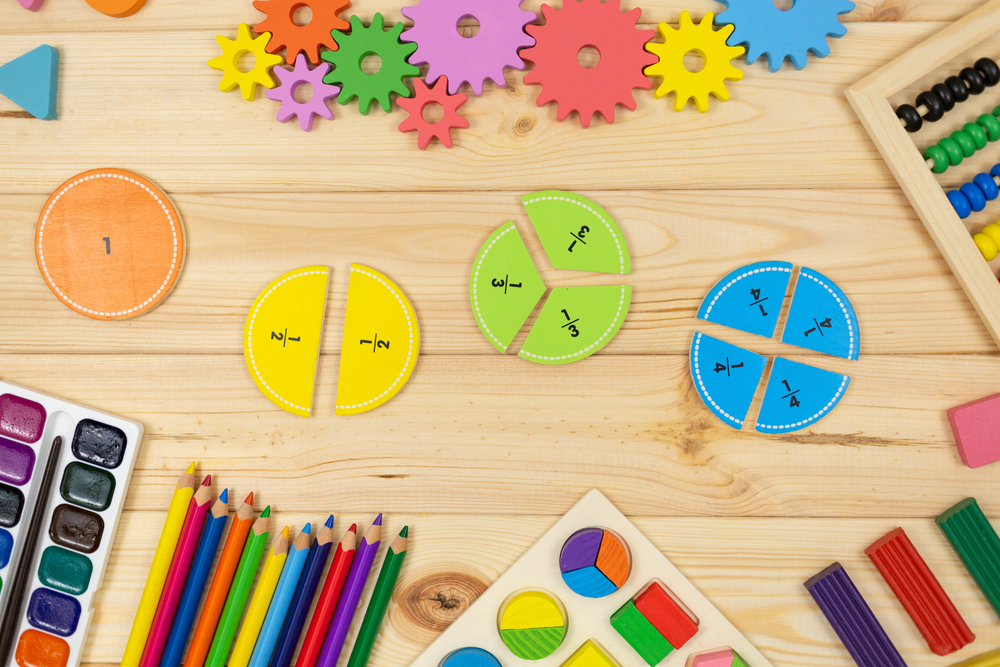


Understanding basic math is crucial for children aged 5-8, as it lays the foundation for their future academic success. At this developmental stage, youngsters are not just learning math concepts; they are also enhancing critical thinking, problem-solving skills, and cognitive development. Math helps children recognize patterns, make sense of the world around them, and begin to navigate everyday challenges.
Parents and teachers play a vital role in fostering this understanding. It encourages a positive attitude towards learning, making education a fun and engaging experience. Early math skills such as counting, number recognition, and simple addition or subtraction form the basis for more complex concepts encountered later, like multiplication, division, and even more advanced topics in high school and beyond.
Additionally, early math skills are correlated with literacy development. Children who are proficient in math tend to have stronger analytical skills, aiding in their overall academic performance. Providing support in these early years can help close achievement gaps and prepare children for a successful transition into more formal education. By valuing and prioritizing basic math understanding, parents and teachers contribute significantly to shaping confident, capable learners equipped to face the challenges of the future.








