Color differentiation Math Worksheets for Ages 5-8
6 filtered results
-
From - To
Enhance your child's learning experience with our engaging Color Differentiation Math Worksheets designed for ages 5 to 8. These worksheets help young learners develop essential color recognition skills while integrating fundamental math concepts. Children will enjoy activities that include sorting, matching, and identifying colors, promoting both visual and mathematical literacy. Our colorful and interactive worksheets capture children's attention and make learning fun. Perfect for homeschooling or classroom use, these resources encourage creativity and critical thinking. Foster a love for numbers and colors with our carefully crafted worksheets, ensuring a well-rounded educational foundation for your child. Start exploring today!
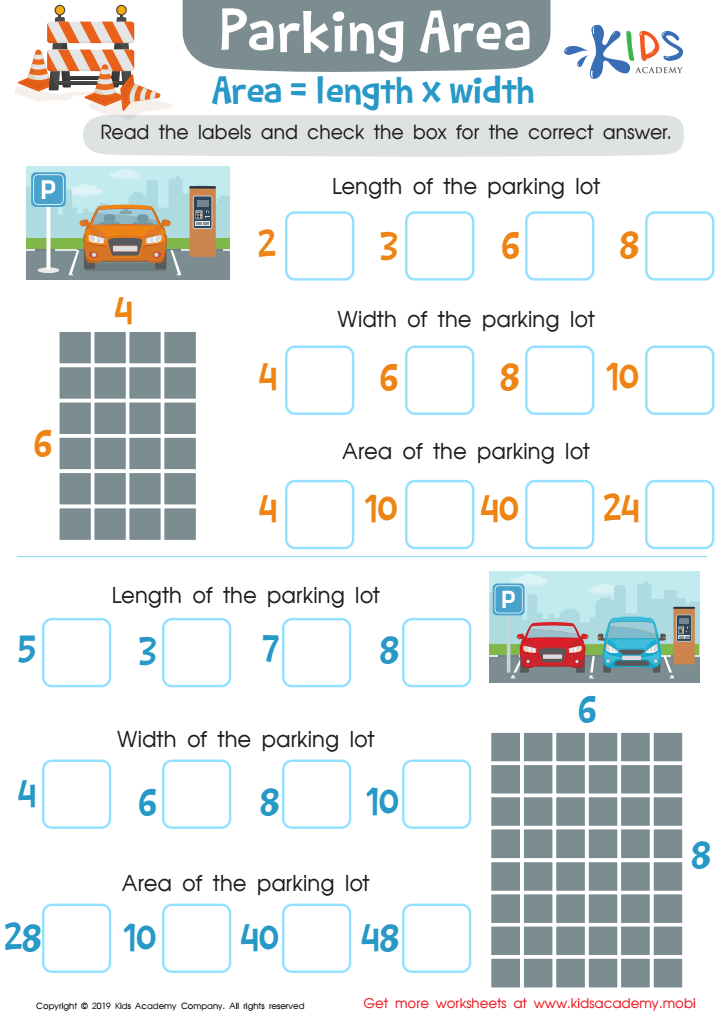
Parking Area Worksheet
 Assign to My Students
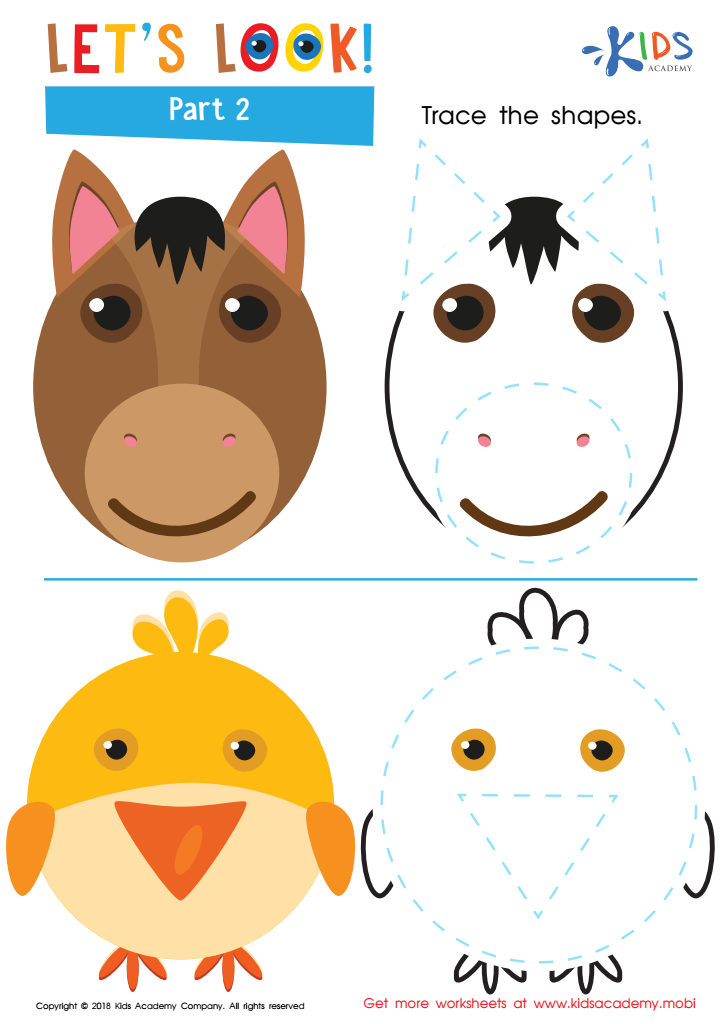
Let's Look! Part 2 Worksheet
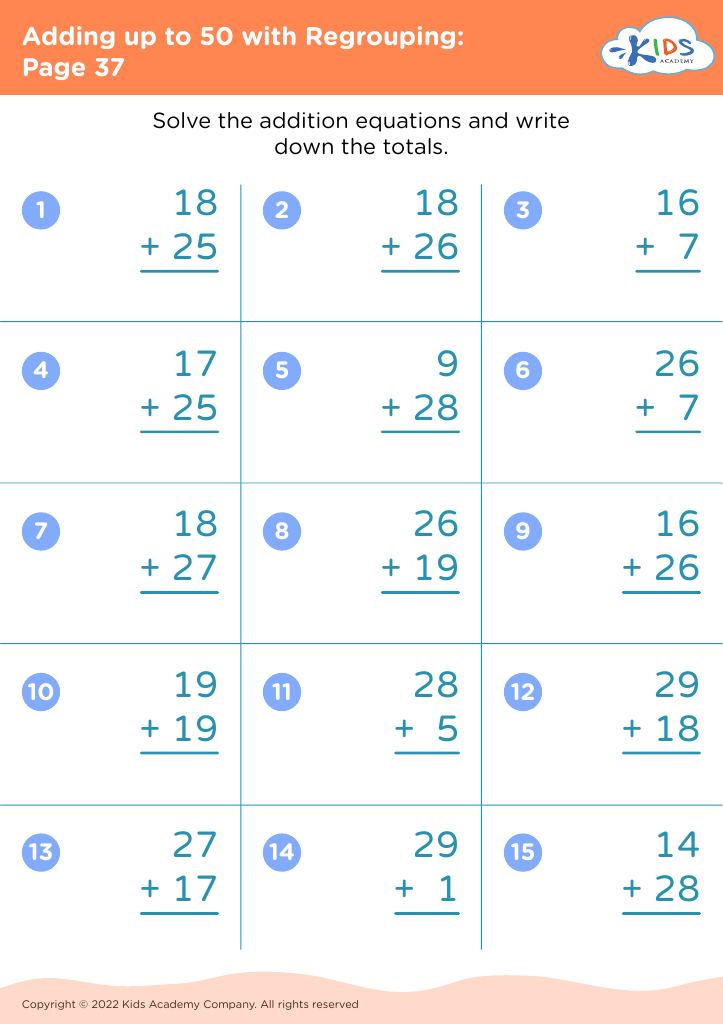
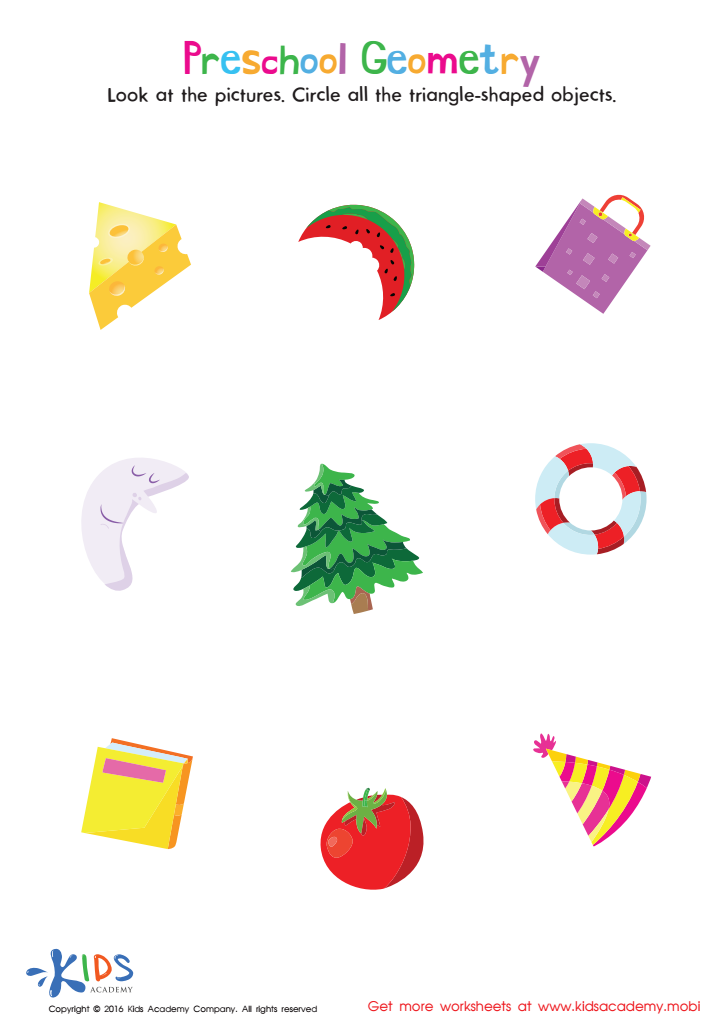
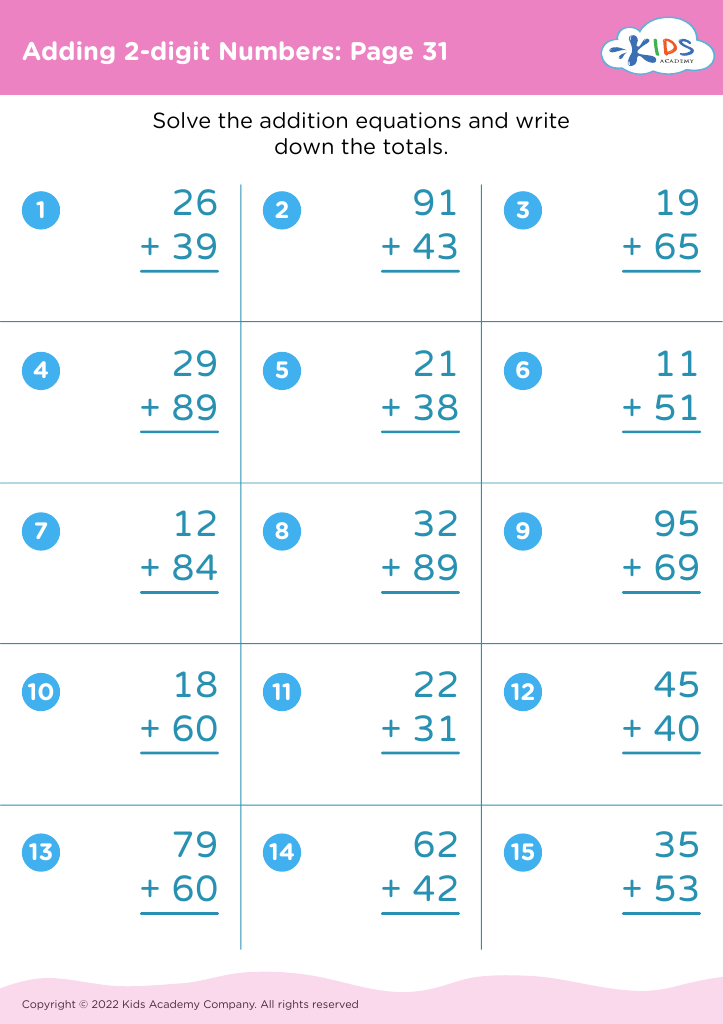
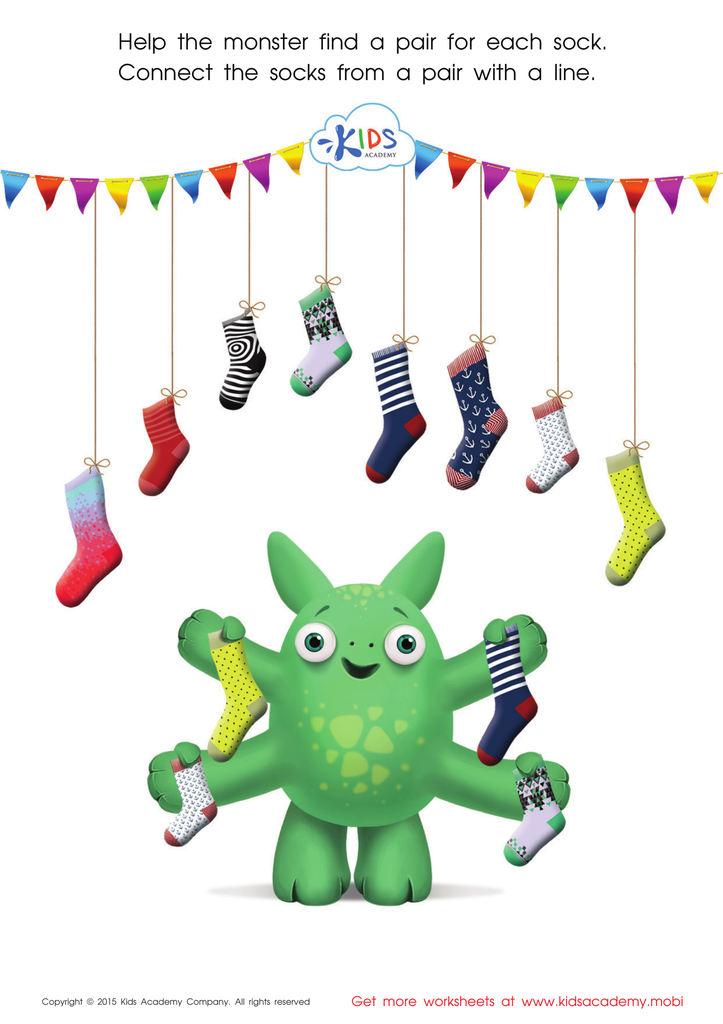
Math Matching Pairs Game: Monsterв's Socks Worksheet








Color differentiation in math for ages 5-8 is a crucial educational strategy that enhances learning and engagement among young children. At this developmental stage, children are naturally drawn to bright colors and vivid visuals, which can aid in the retention of mathematical concepts. By incorporating color into math activities, such as using colored counters or charts, educators and parents can help children better differentiate between numbers, shapes, and operations.
Color differentiation also supports the development of critical thinking skills. For instance, grouping objects by color can introduce foundational concepts of sorting, classifying, and pattern recognition, which are essential for higher-level math. Teachers can use color-coded materials to create visual connections, making abstract ideas more concrete and encouraging active participation.
Moreover, this method caters to diverse learning styles. Children who are visual learners often benefit from seeing information in color, making the learning process enjoyable and less intimidating. Ultimately, when parents and teachers emphasize color differentiation in math, they foster a more engaging and supportive environment, ultimately helping children build confidence in their mathematical abilities. This transformative approach lays a foundation not only for future math success but also for effective problem-solving skills in everyday life.








