Logical Reasoning Math Worksheets for Ages 5-8 - Page 2
31 filtered results
-
From - To
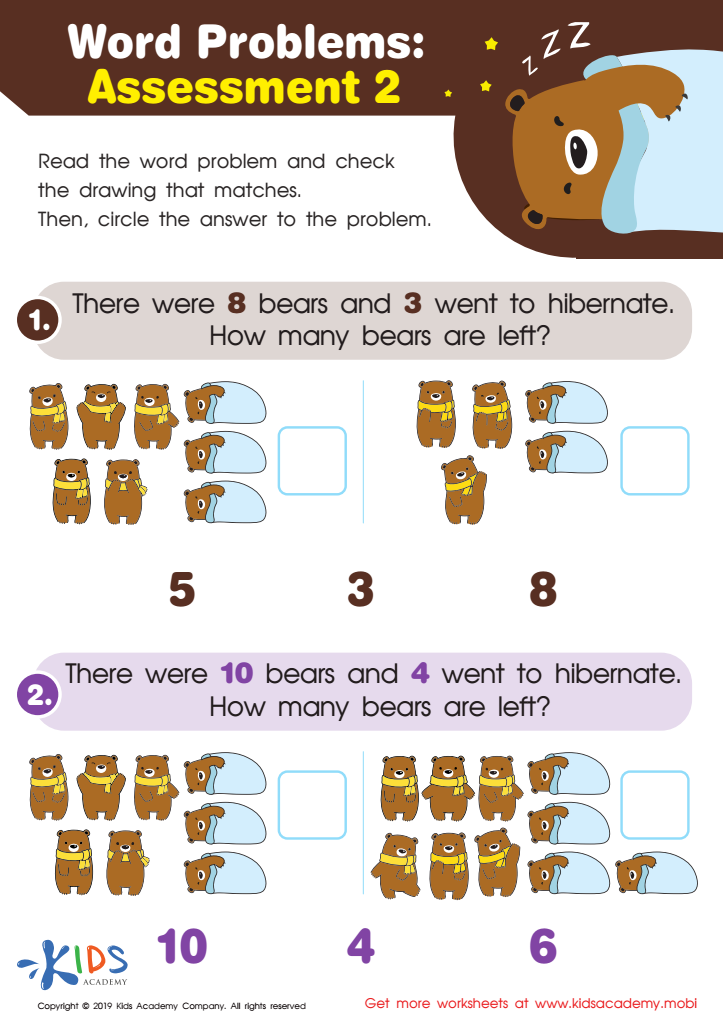
Word Problems: Assessment 2 Worksheet
 Assign to My Students
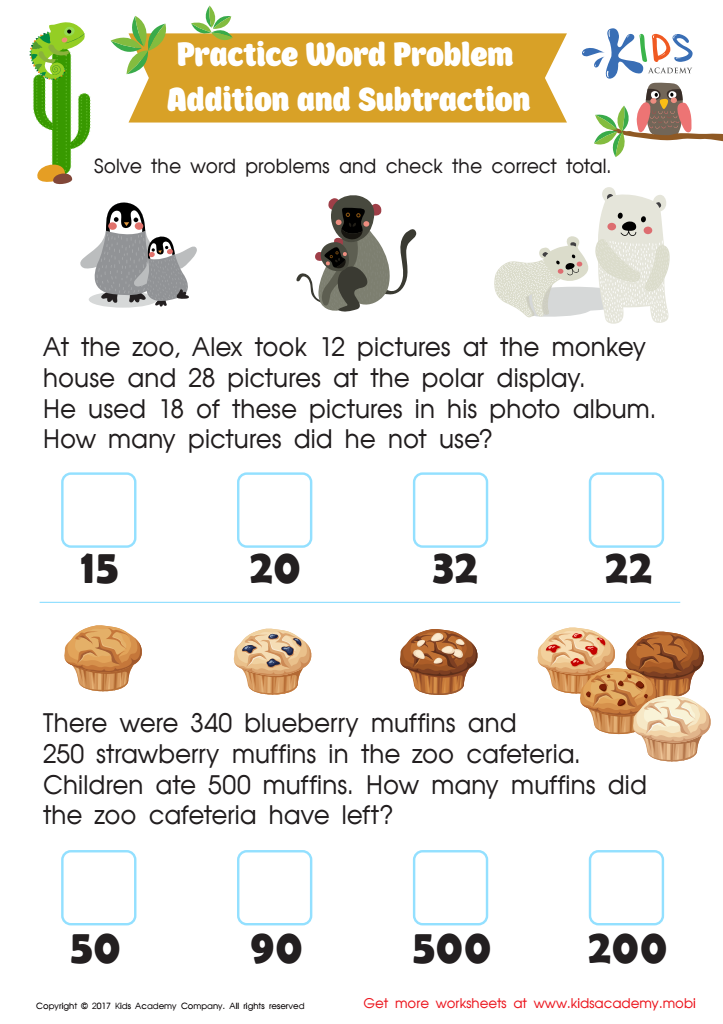
Addition and Subtraction: Word Problems Worksheet
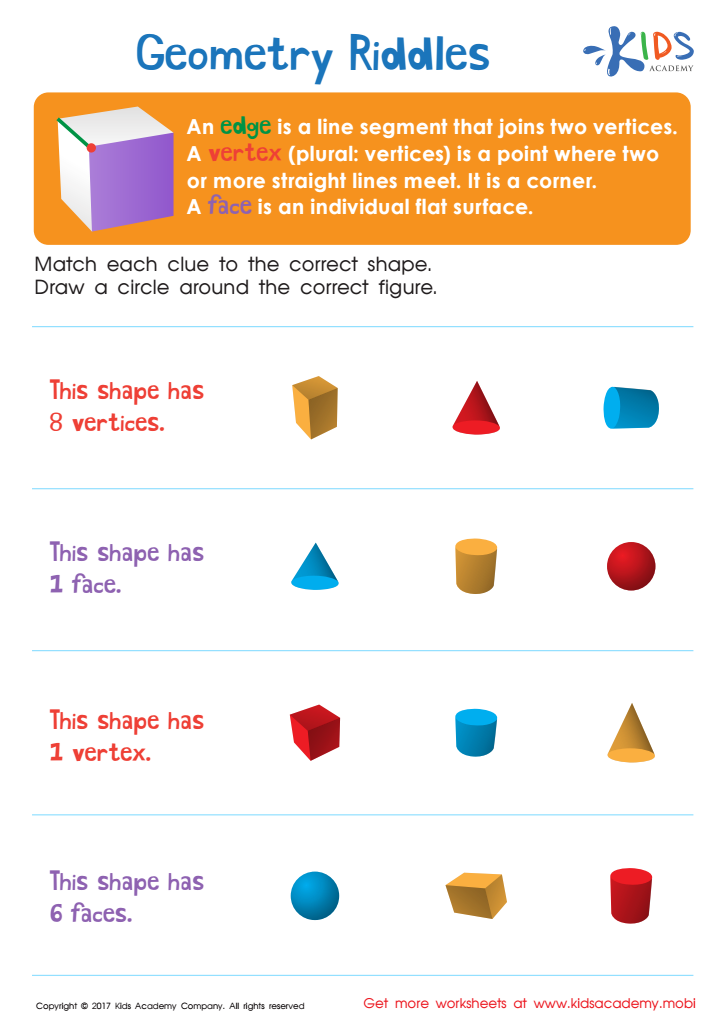
Geometry Riddles Printable
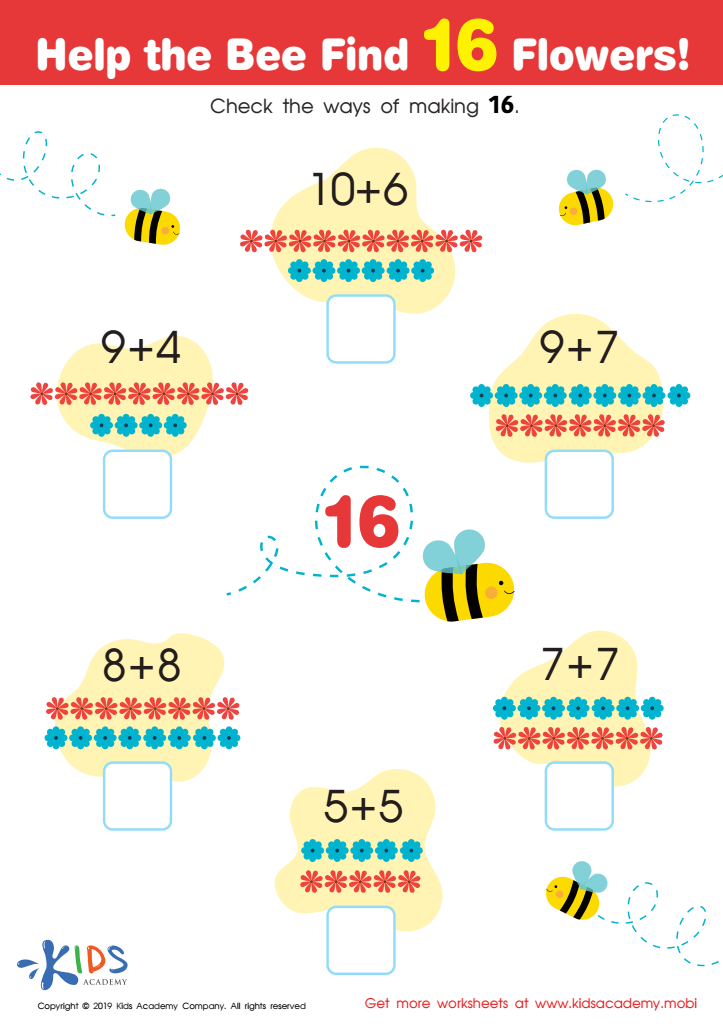
Help the Bee Find 16 Flowers Worksheet
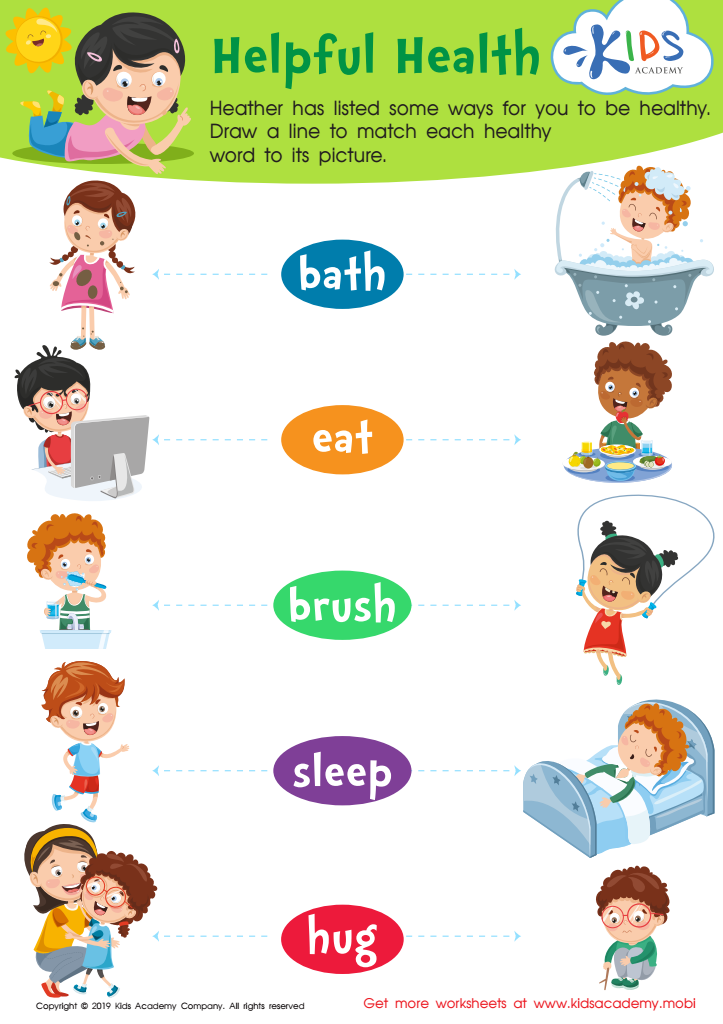
Helpful Health Worksheet
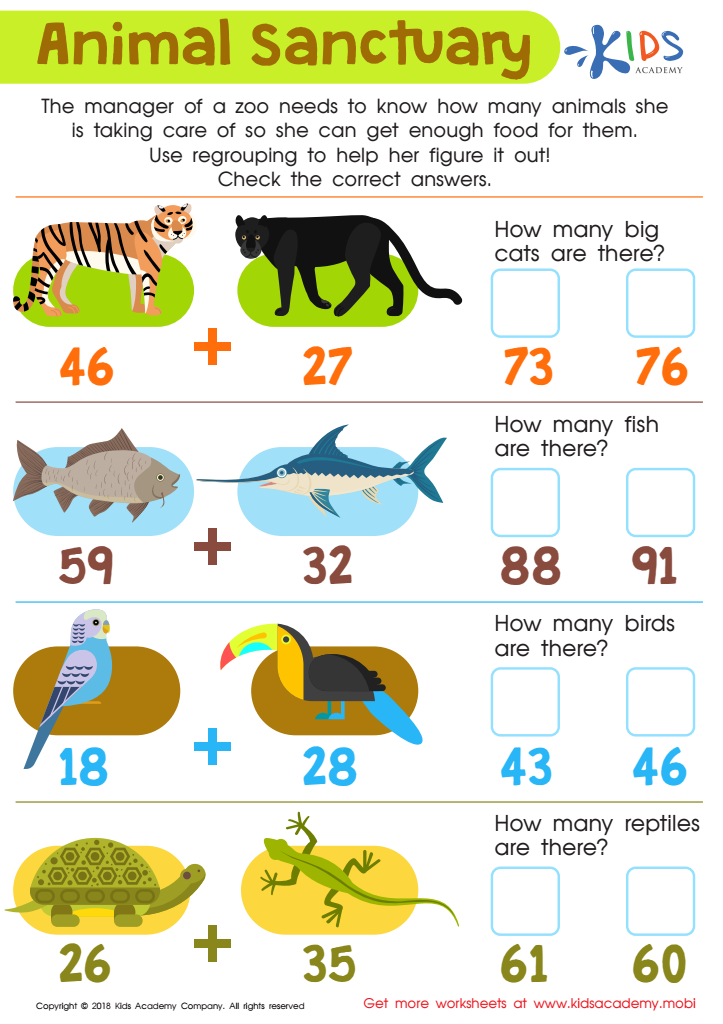
Animal Sanctuary Worksheet


.jpg)




Logical reasoning math is crucial for young children, ages 5-8, because it forms the foundation of critical thinking skills necessary for their academic and daily lives. When children engage in logical reasoning exercises, they learn to solve problems systematically, which is a vital skill in subjects beyond mathematics, like reading, science, and even social studies. For example, recognizing patterns, understanding sequences, and making connections between ideas are essential components of logical reasoning that enhance comprehension and analytical abilities across disciplines.
At a young age, children are naturally curious and eager to learn new things. Providing them with opportunities to develop logical reasoning skills can help satisfy this curiosity and channel it productively. Activities like puzzles, games, and story problems can make learning engaging and fun. For teachers and parents, incorporating these elements into daily activities and curriculums ensures that children aren’t just memorizing facts but are also learning how to think.
Moreover, developing these skills early can boost self-confidence. As children successfully navigate through logical challenges, they begin to trust their problem-solving abilities, making them more willing to tackle new and complex tasks in the future. In a world where problem-solving and adaptability are highly valued, nurturing logical reasoning skills from a young age provides children with a significant advantage.








