Matching skills Math Worksheets for Ages 5-8
24 filtered results
-
From - To
Enhance your child's learning experience with our engaging Matching Skills Math Worksheets for ages 5-8. These thoughtfully designed resources promote essential math skills through fun, interactive activities that ensure young learners stay motivated. Whether it's matching numbers to objects, pairing shapes, or linking similar items, our worksheets provide a valuable opportunity for children to develop their cognitive abilities and build a strong foundation in math. Perfect for at-home learning or classroom use, our worksheets are printable, easy to follow, and aligned with educational standards. Foster a love for math while reinforcing essential matching skills—start exploring today!
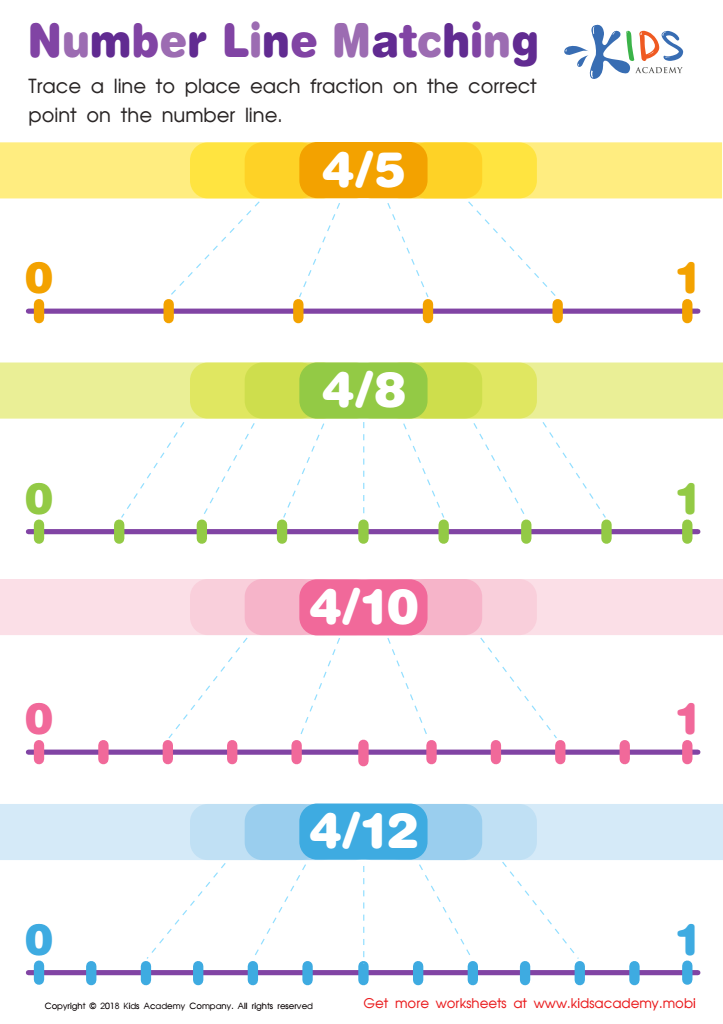
Number Line Matching Worksheet
 Assign to My Students
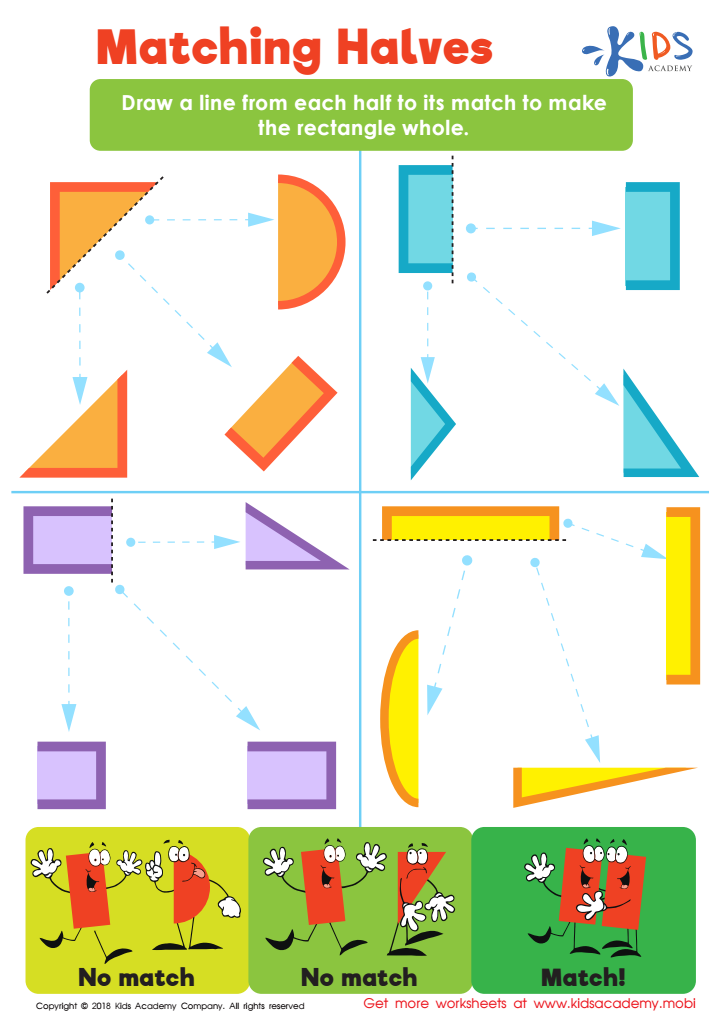
Matching Halves Worksheet
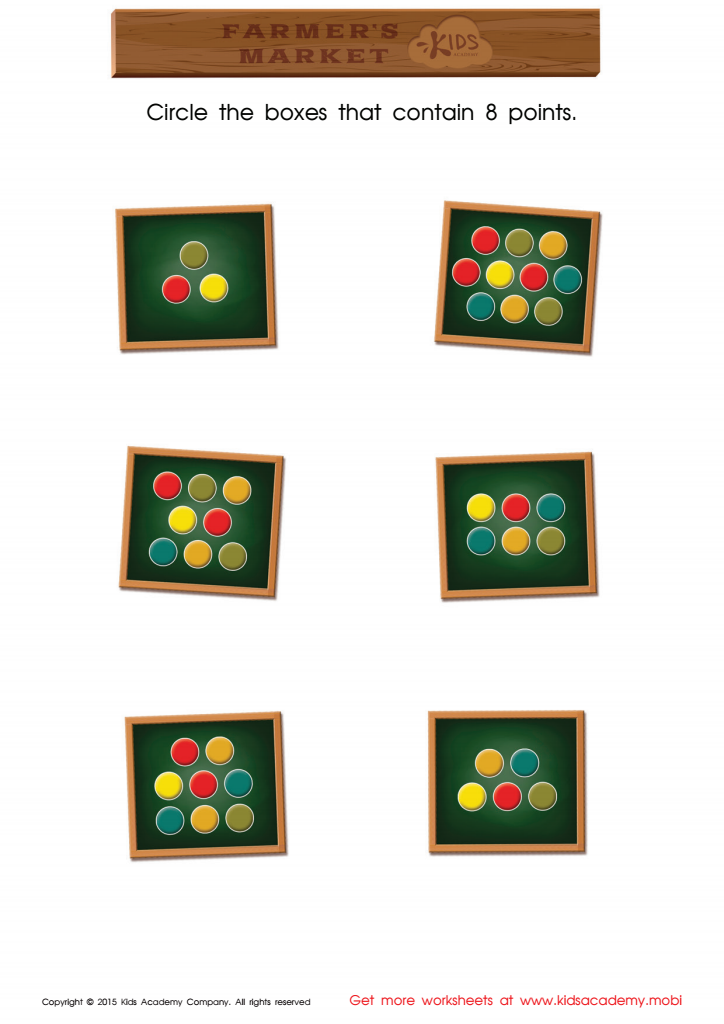
Count and Match Points 8 Math Worksheet
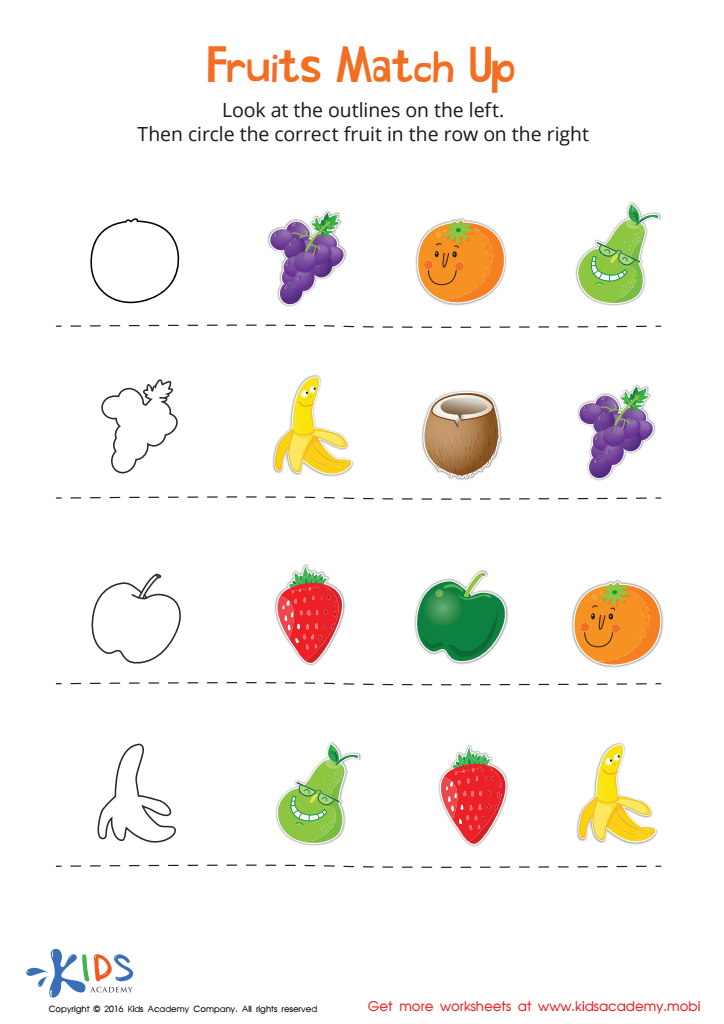
Fruits Match Up Worksheet
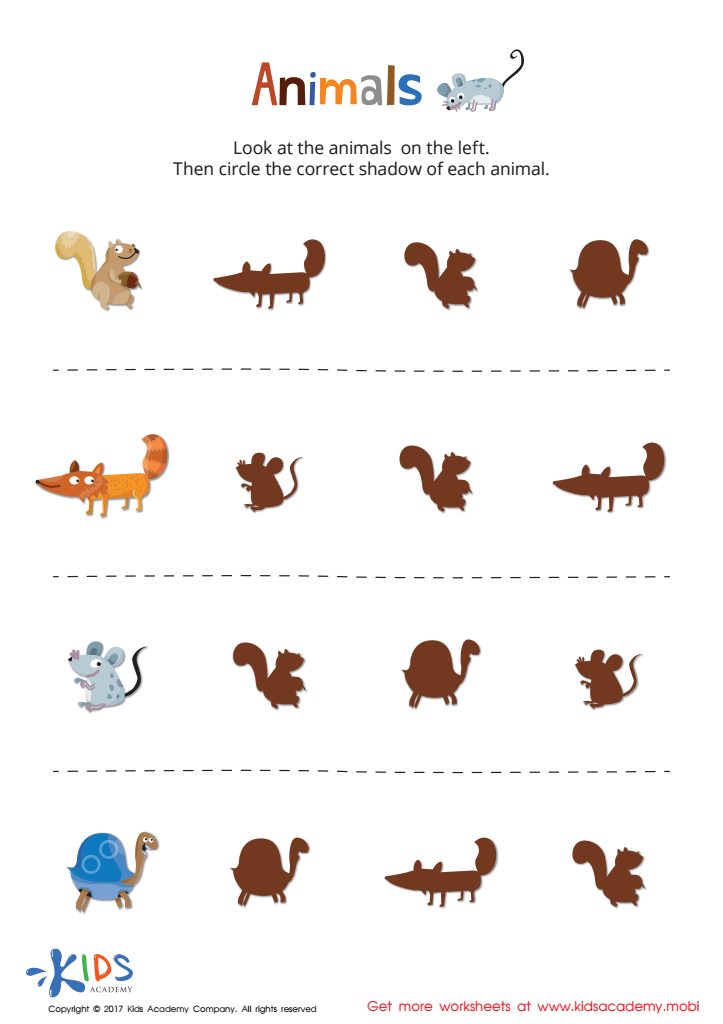
Animal Shadows Sorting Worksheet
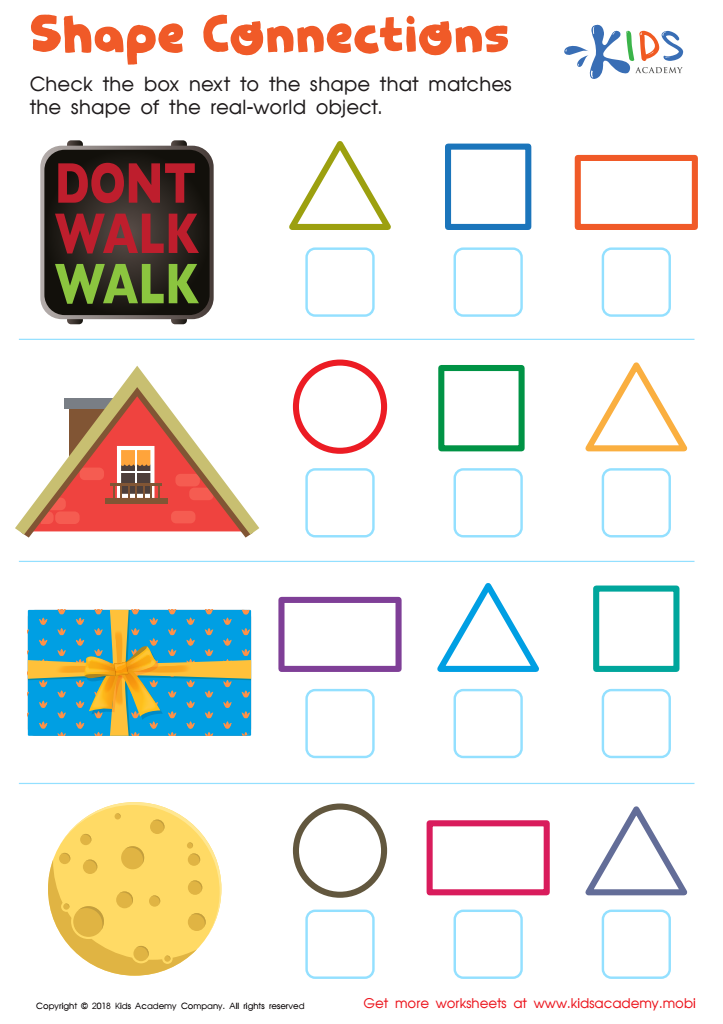
Shape Connections Worksheet
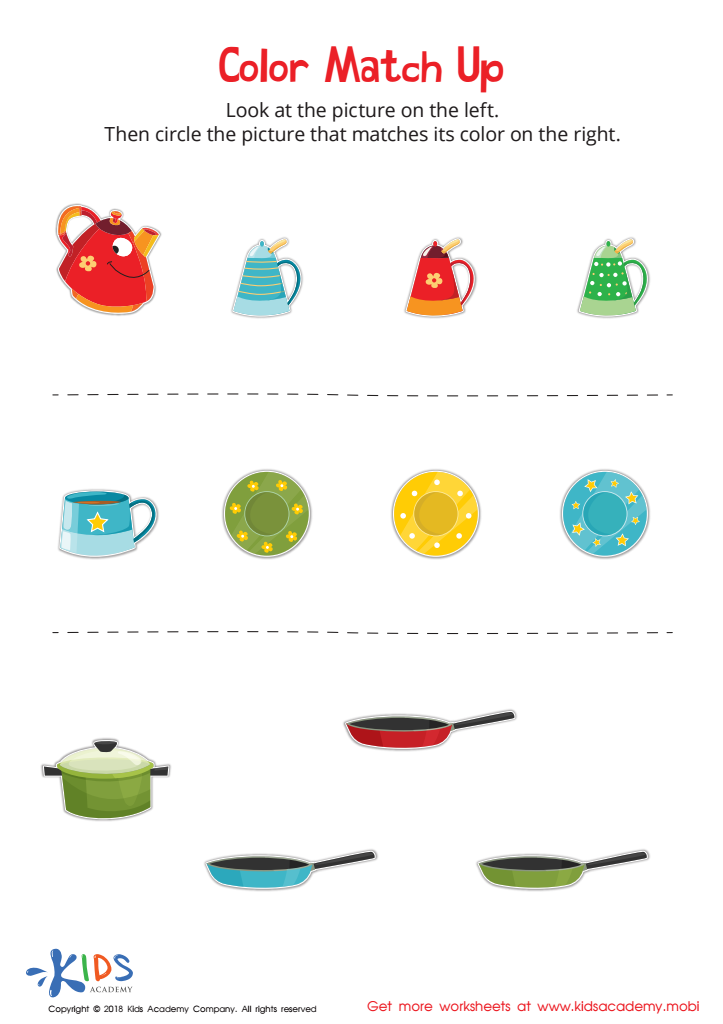
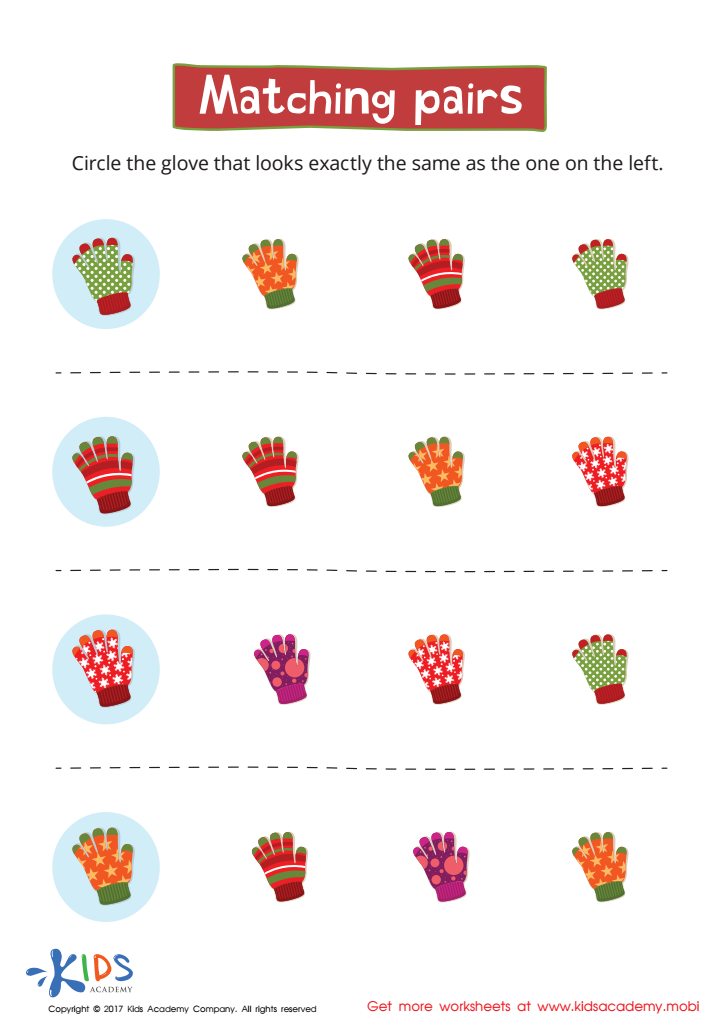
Matching: Matching Pairs Worksheet
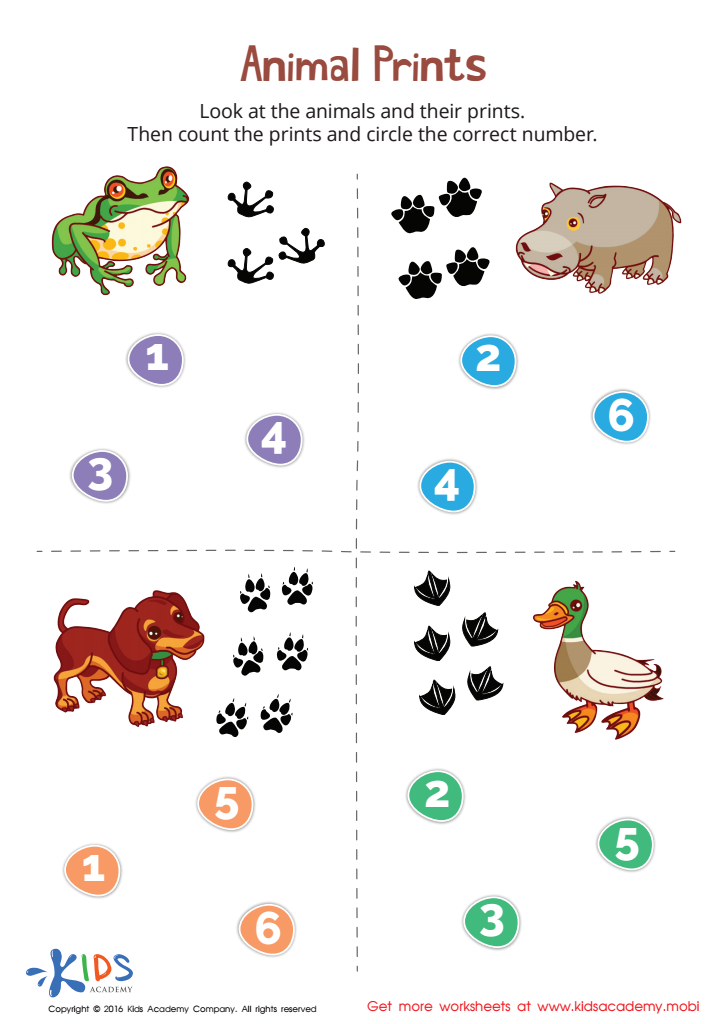
Animal Prints Match-Up Worksheet
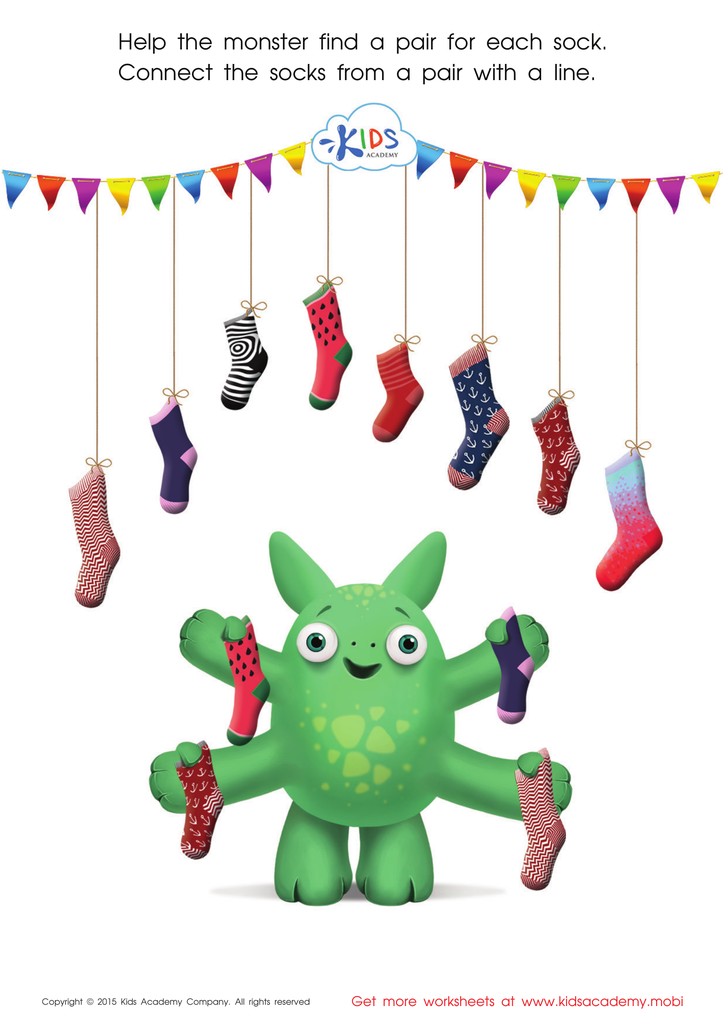
Math Matching Game: Monsterв's Socks Worksheet
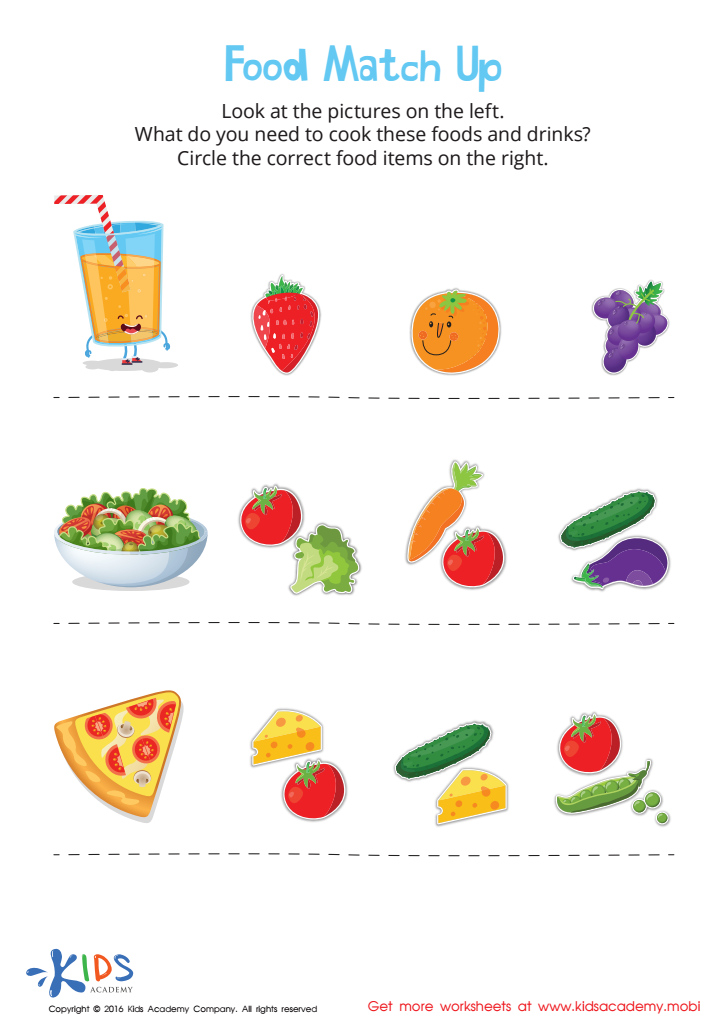
Food Match Up Worksheet
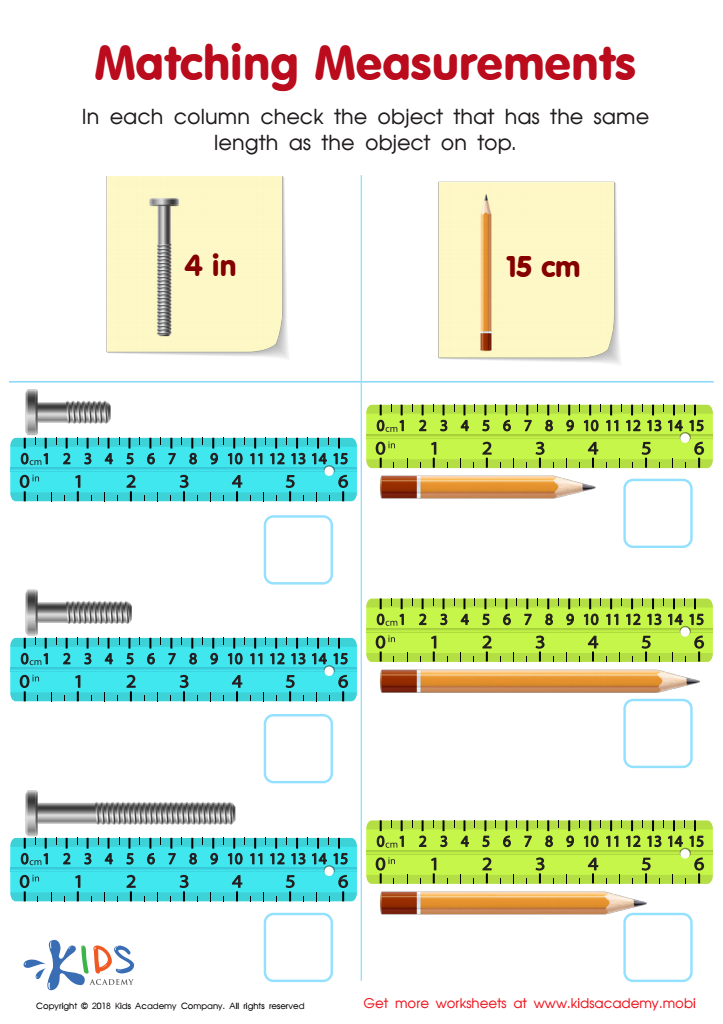
Matching Measurements Worksheet
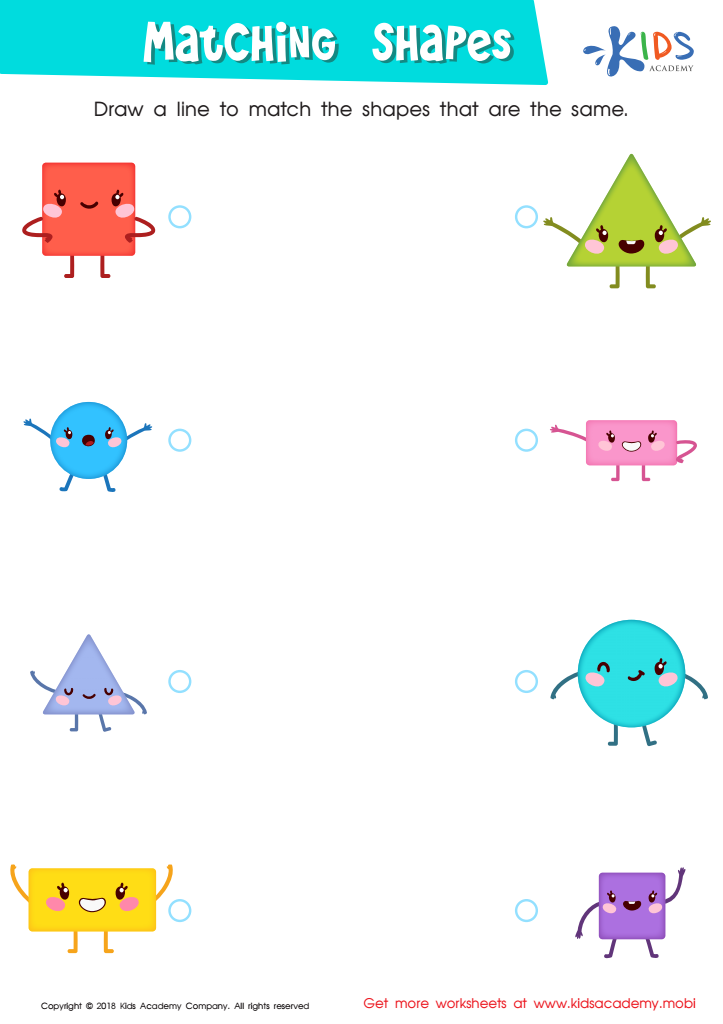
Matching Shapes Worksheet
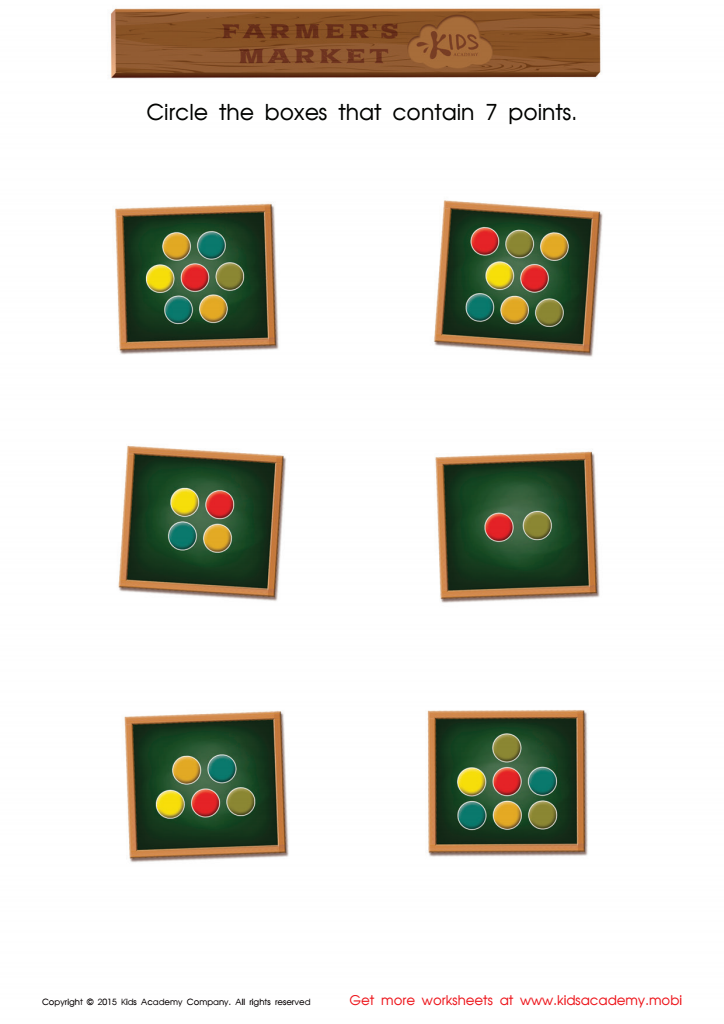
Count and Match Points 7 Math Worksheet
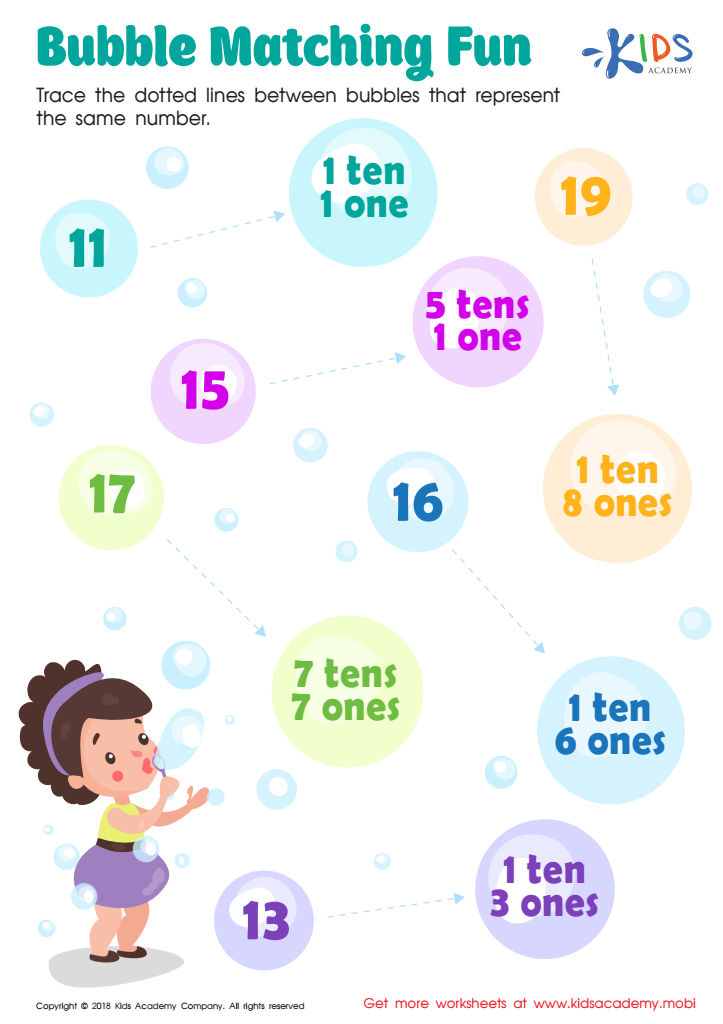
Bubble Matching Fun Worksheet
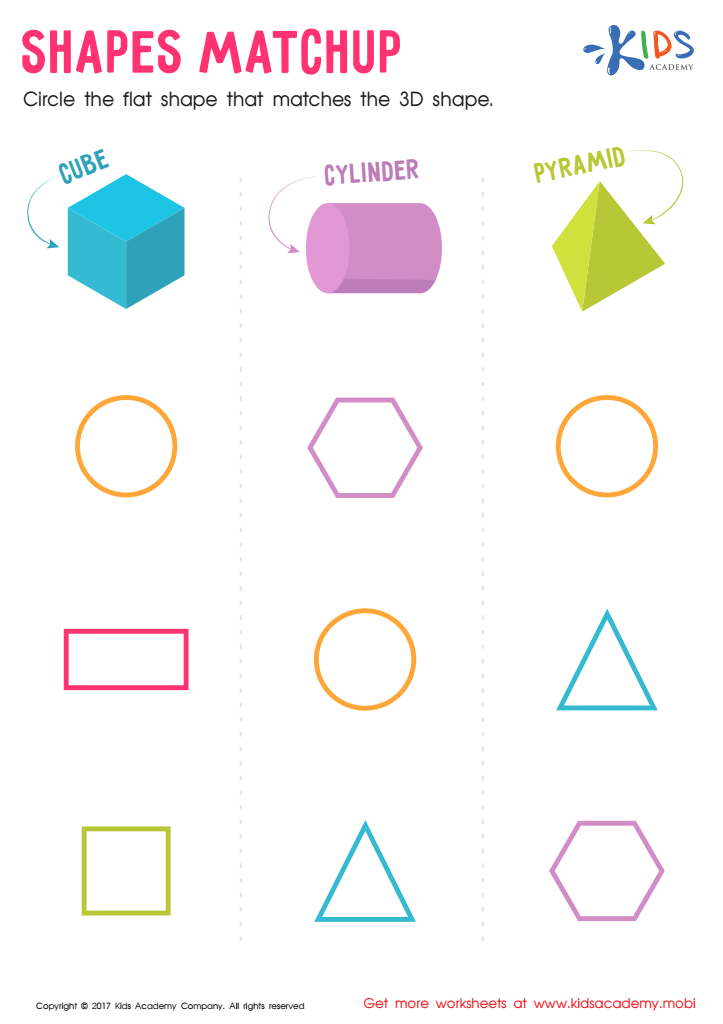
Shapes Matchup Worksheet

Shapes Worksheet
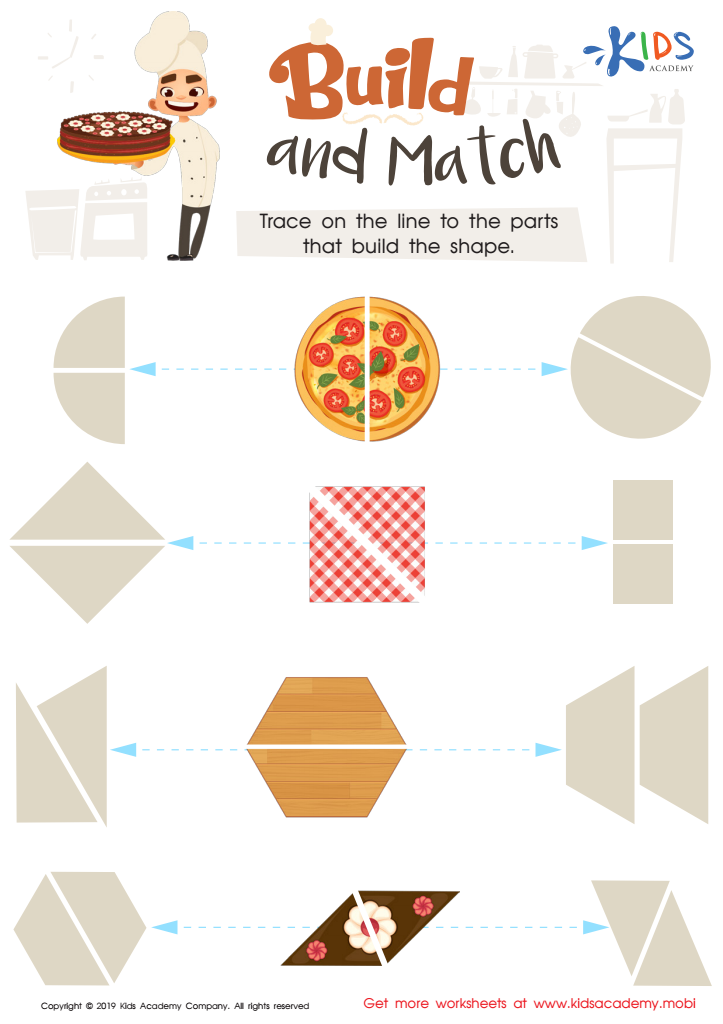
Build and Match Worksheet
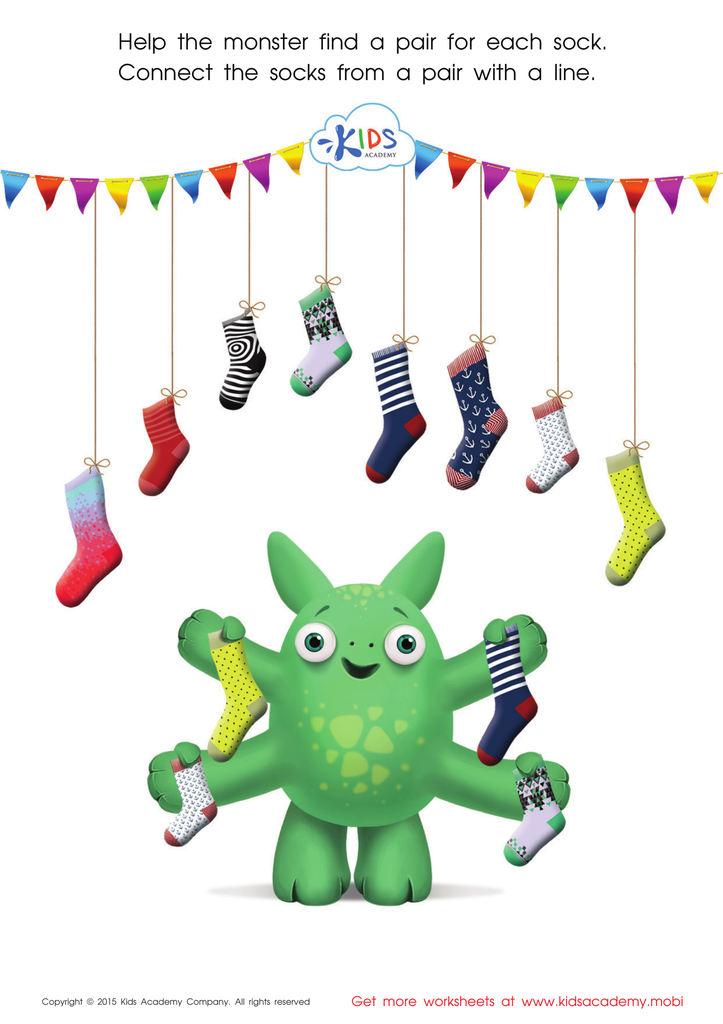
Math Matching Pairs Game: Monsterв's Socks Worksheet
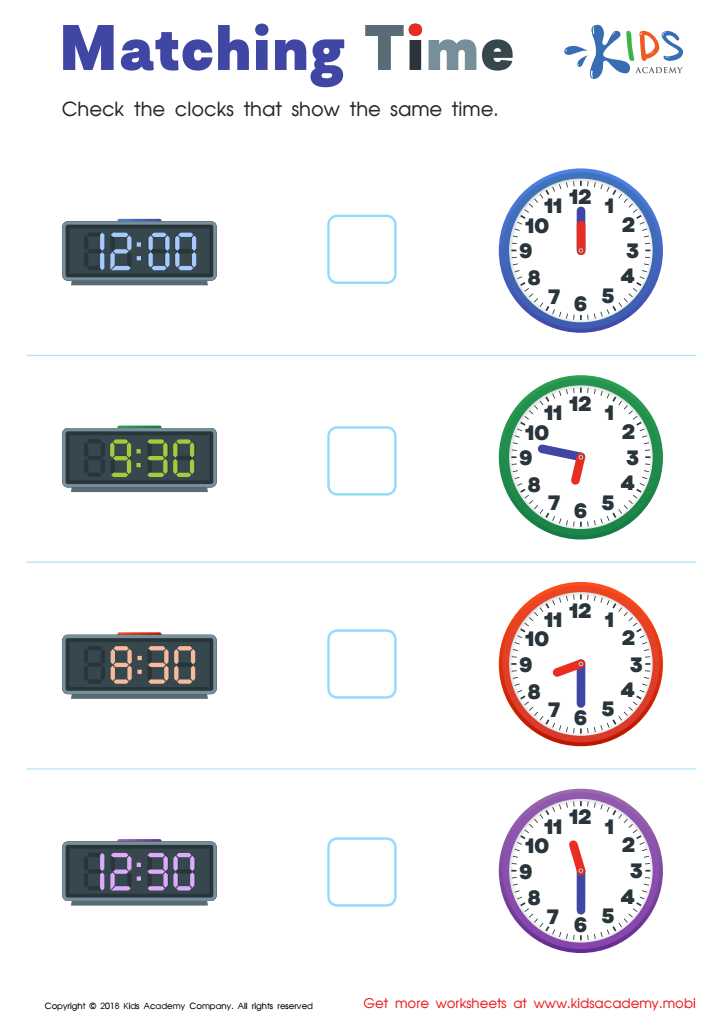
Matching Time Worksheet
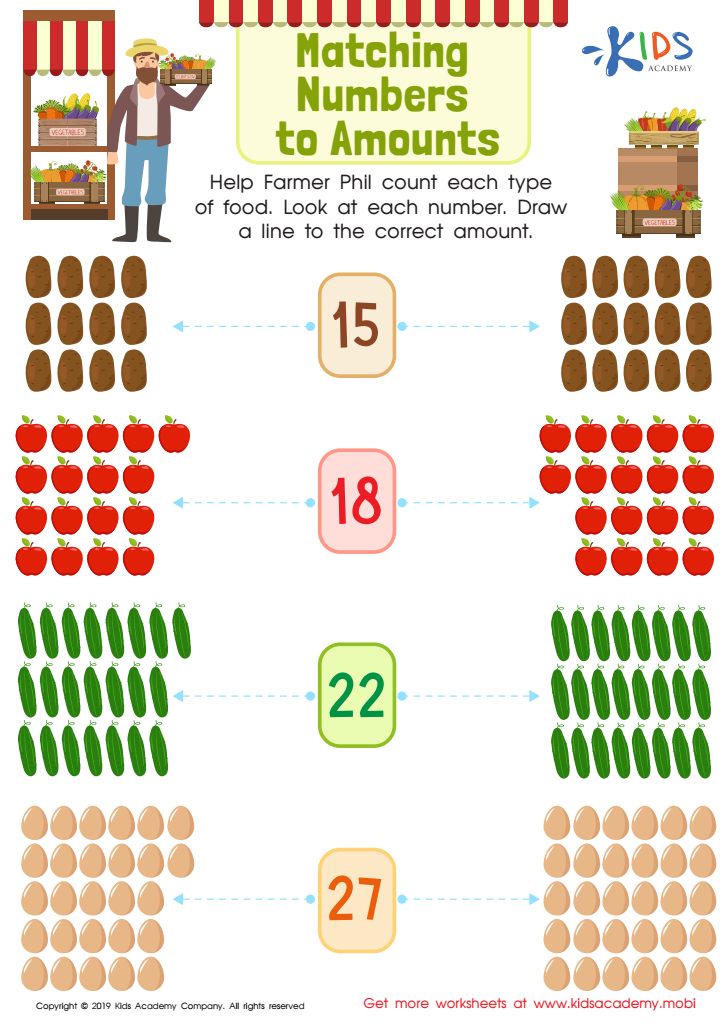
Matching Numbers to Amounts Worksheet




.jpg)

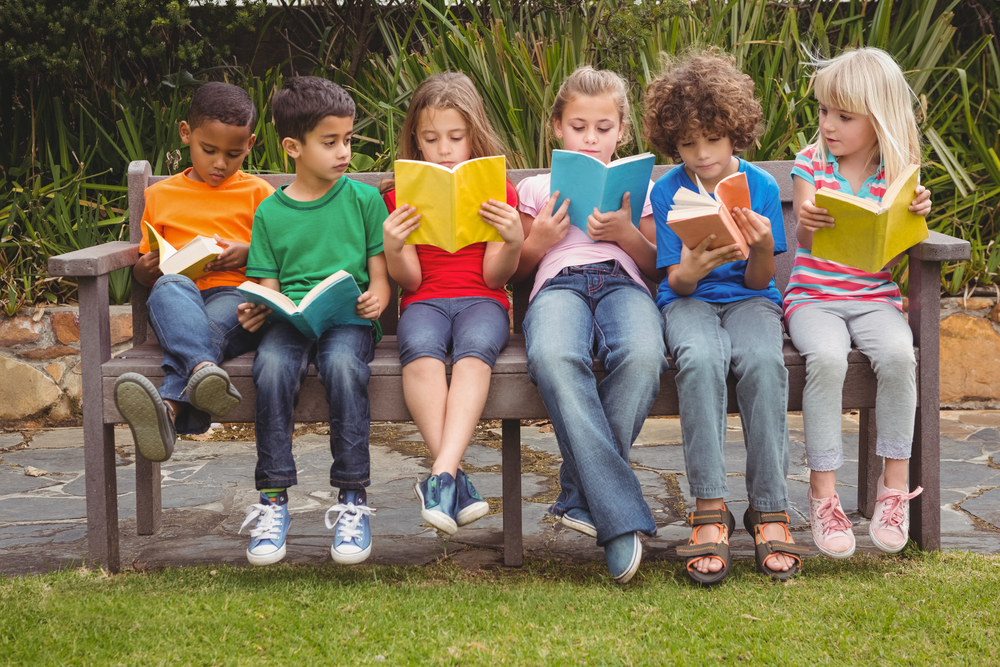
Matching skills in math are vital for children aged 5-8 as they lay the foundation for key mathematical concepts. At this stage, children are developing their ability to recognize numbers, shapes, and patterns, which are fundamental elements in numeracy. Matching skills help children understand relationships between quantities and symbols, enhancing their ability to categorize and organize information.
Parents and teachers should care about these skills because they support cognitive development and critical thinking. Engaging children in matching activities, such as pairing similar objects or matching numbers to quantities, fosters early problem-solving abilities and logical reasoning. Moreover, these tasks can boost memory, attention, and focus, which are crucial for future learning.
Additionally, matching activities promote hands-on learning, which is essential for young children, as they often grasp concepts better through interactive play. By integrating matching skills into everyday routines or classroom activities, educators and parents can create a fun learning environment that encourages exploration and curiosity.
Ultimately, strong matching skills can enhance a child's confidence in math as they progress through school, setting the stage for more complex concepts and reducing anxiety related to mathematical challenges. Investing in these foundational skills can profoundly impact their ongoing academic journey.








