Observational skills Math Worksheets for Ages 5-8
11 filtered results
-
From - To
Enhance your child's mathematical abilities with our Observational Skills Math Worksheets for Ages 5-8. Designed to boost attention to detail, these engaging activities help young learners identify patterns, analyze differences, and improve critical thinking. Our expertly crafted worksheets make learning math fun and interactive, providing a strong foundation for future academic success. Perfect for both classroom and home use, each worksheet offers colorful, age-appropriate challenges that keep children motivated and excited to learn. Develop essential observational skills and boost your child's confidence in math with our comprehensive collection from Kids Academy.
 Assign to My Students
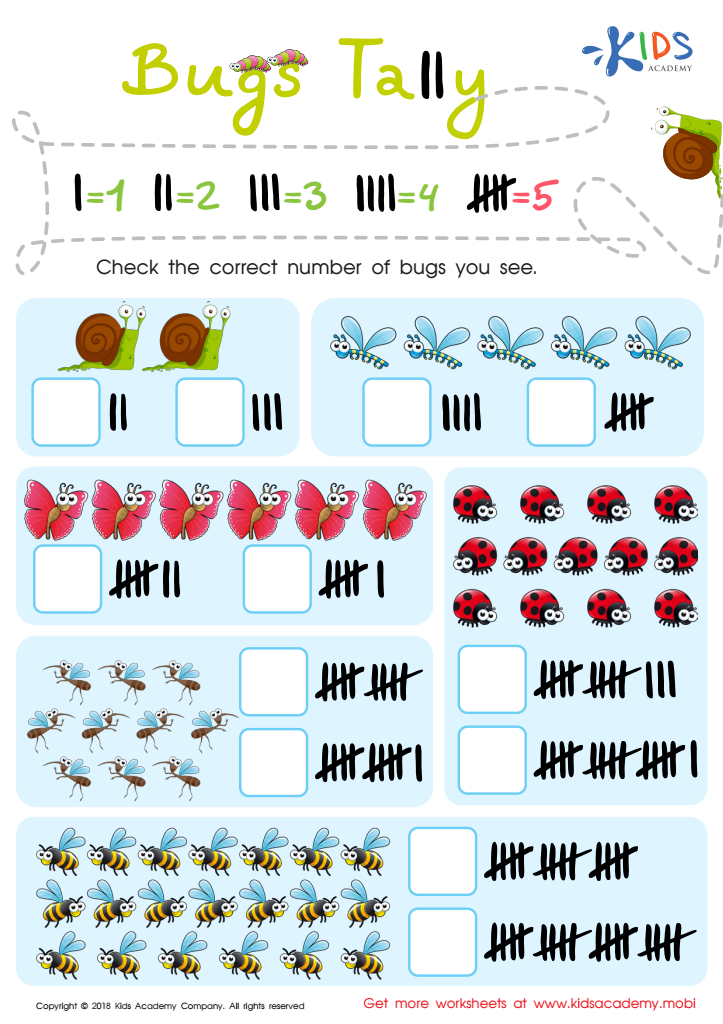
Bugs Tally Worksheet
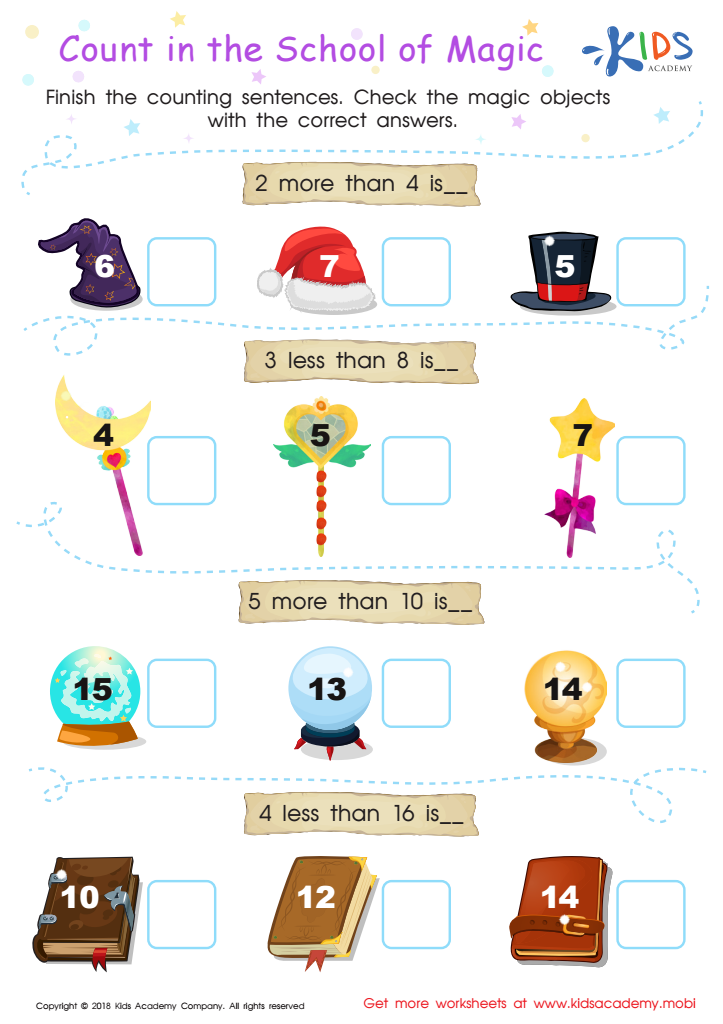
Count in the School of Magic Worksheet
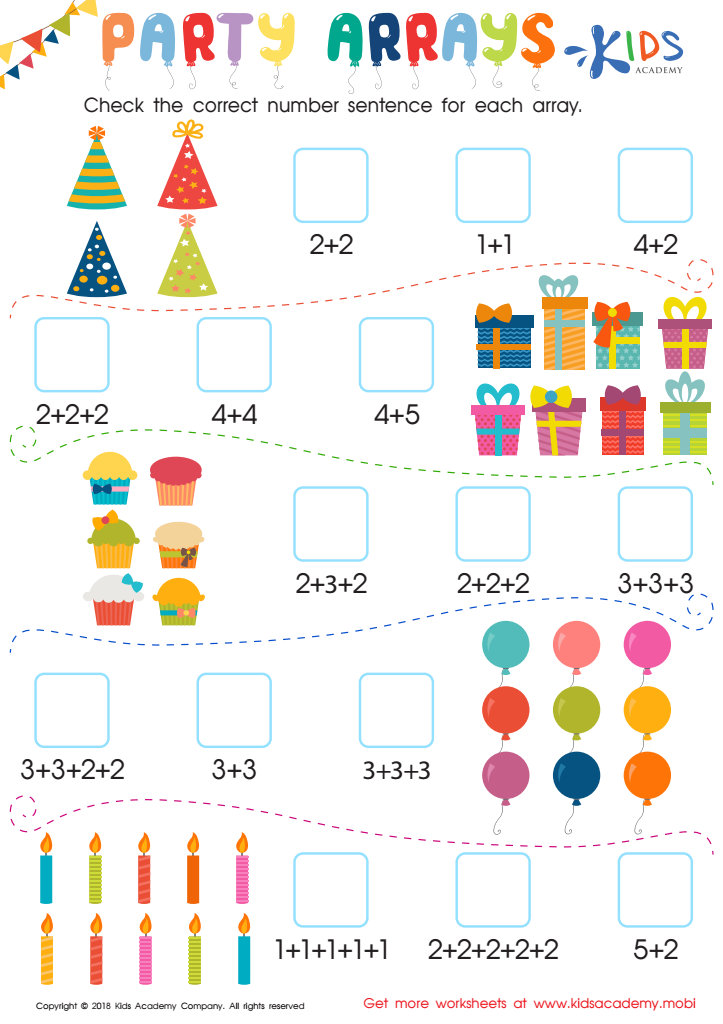
Party Arrays Worksheet
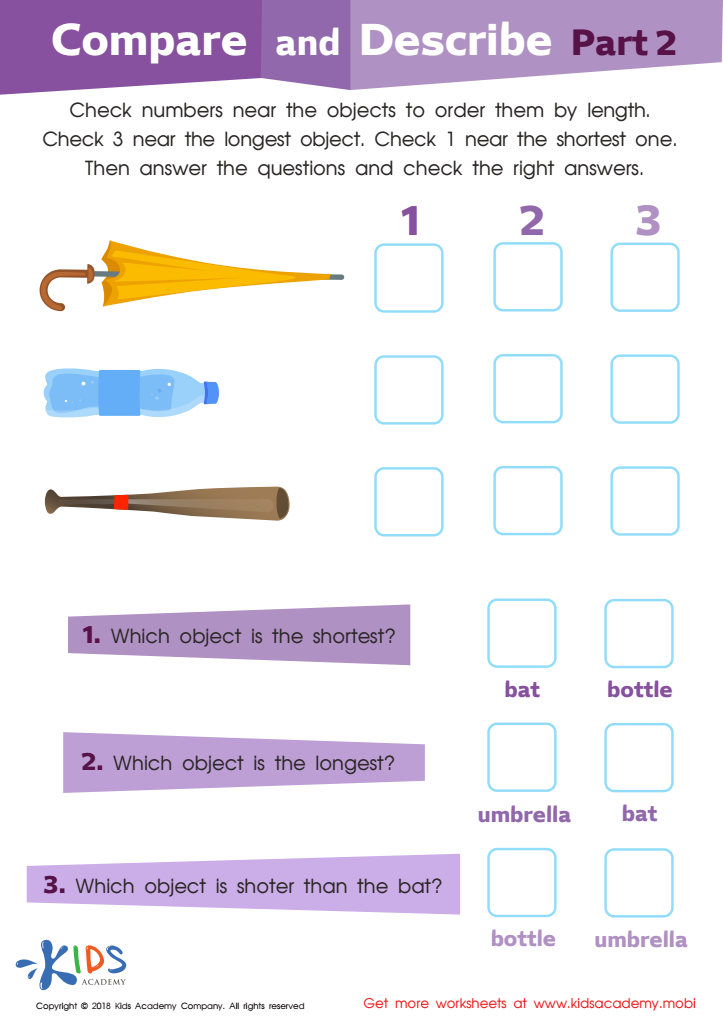
Compare and Describe: Part 2 Worksheet
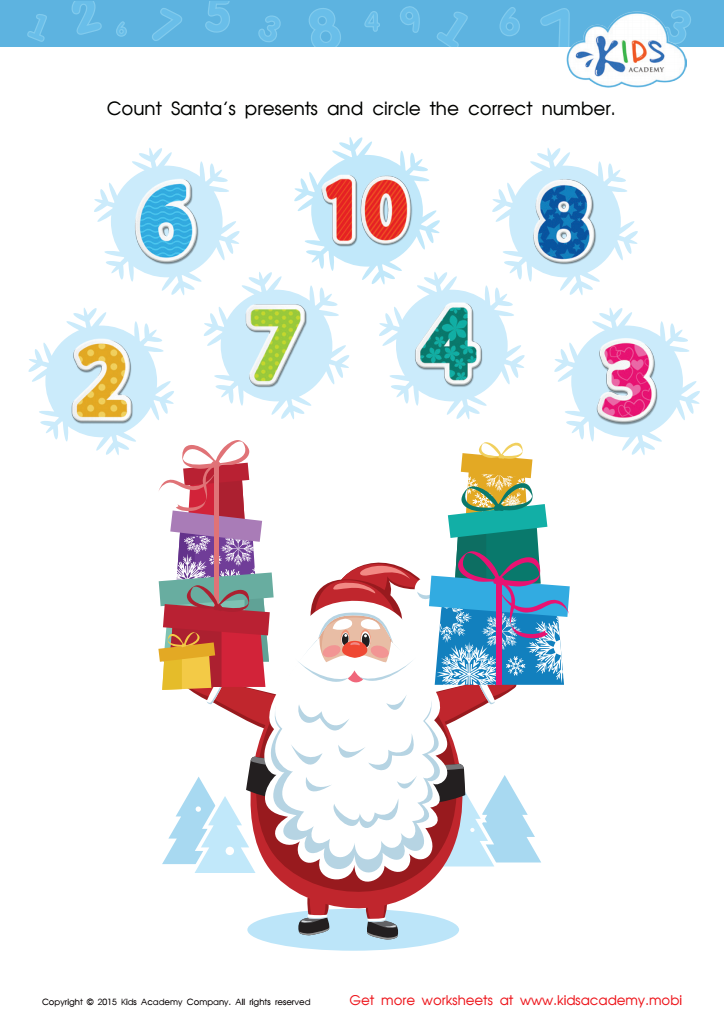
Count Santa's Presents Worksheet
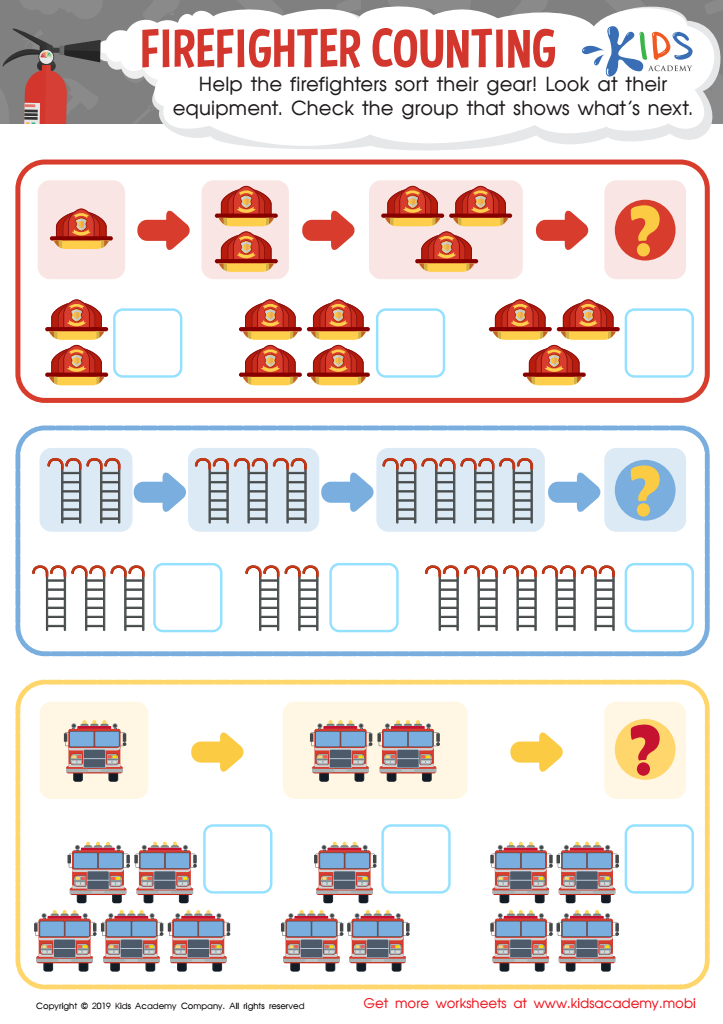
Firefighter Counting Worksheet







Observational skills in math for ages 5-8 play a crucial role in laying a strong educational foundation. These skills refer to the ability to notice and interpret details in patterns, shapes, sizes, and quantities—boosting a child's mathematical thinking and problem-solving abilities. For both parents and teachers, fostering these skills early on is vital.
Firstly, observational skills enhance cognitive development by improving attention span and focus. When children learn to observe carefully, they become better at identifying patterns, understanding relationships, and making predictions—core components of mathematical reasoning. For example, recognizing patterns in sequences or shapes lays the groundwork for understanding more complex mathematical concepts later.
Secondly, developing these skills builds confidence and nurtures curiosity. As children successfully identify and solve observational challenges, their confidence grows, encouraging them to tackle more complex problems with enthusiasm. Observational practice engages children actively, making the learning process enjoyable and stimulating.
Lastly, early mastery of observational skills impacts academic success. Schools often rely on these fundamental abilities for activities ranging from identifying number patterns to understanding basic geometry. Strong observational skills contribute not only to math proficiency but also to overall academic performance, including reading and science.
Encouraging and nurturing these skills through games, puzzles, and practical activities benefits the child's holistic educational journey and sets them on a path to success.








