Number Sequencing Matching Worksheets for Ages 5-8
4 filtered results
-
From - To
Introducing our Number Sequencing Matching Worksheets for Ages 5-8! Perfectly designed to develop early math skills, these fun and educational worksheets help young learners strengthen their understanding of number order and patterns. Engage your child with interactive matching activities that build a solid foundation in sequencing numbers. Suitable for kindergarten to second grade, our worksheets enhance logical thinking, problem-solving abilities, and numerical proficiency in a colorful and engaging way. Foster your child's love for math with these essential tools for early learners. Download now and watch your child excel in number sequencing while having fun!
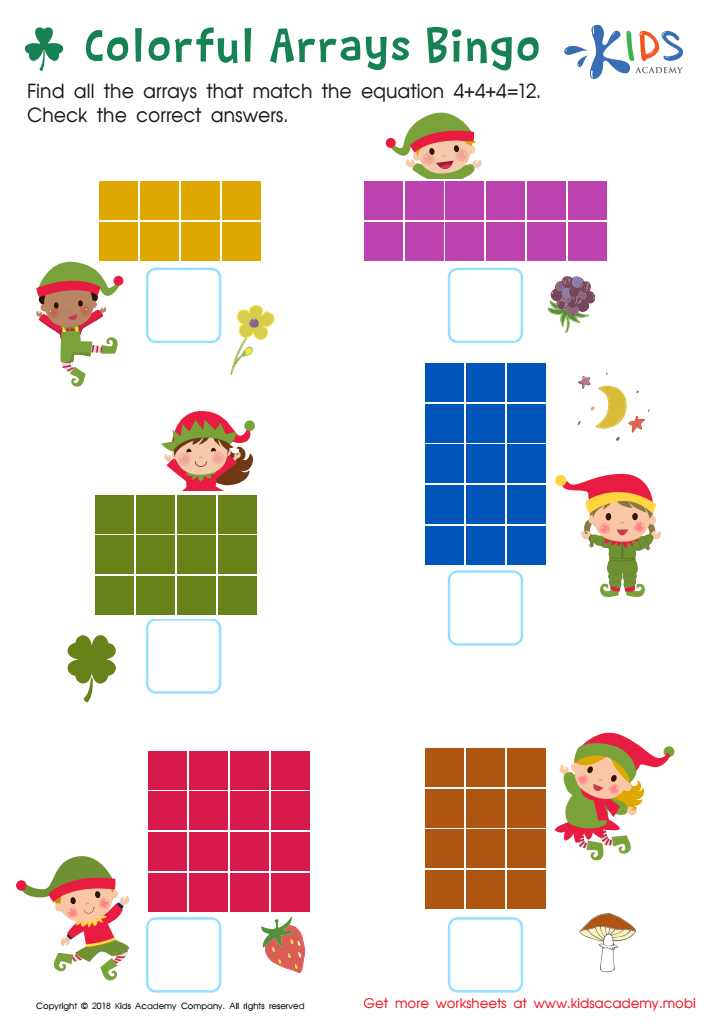
Colorful Arrays Bingo Worksheet
 Assign to My Students
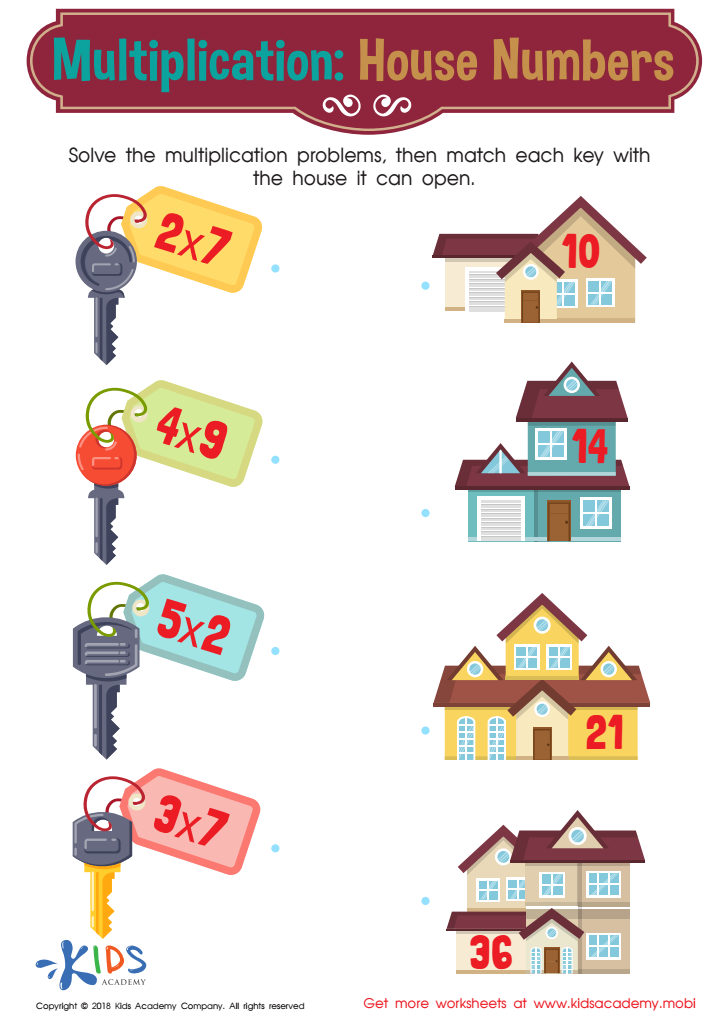
House Numbers Worksheet
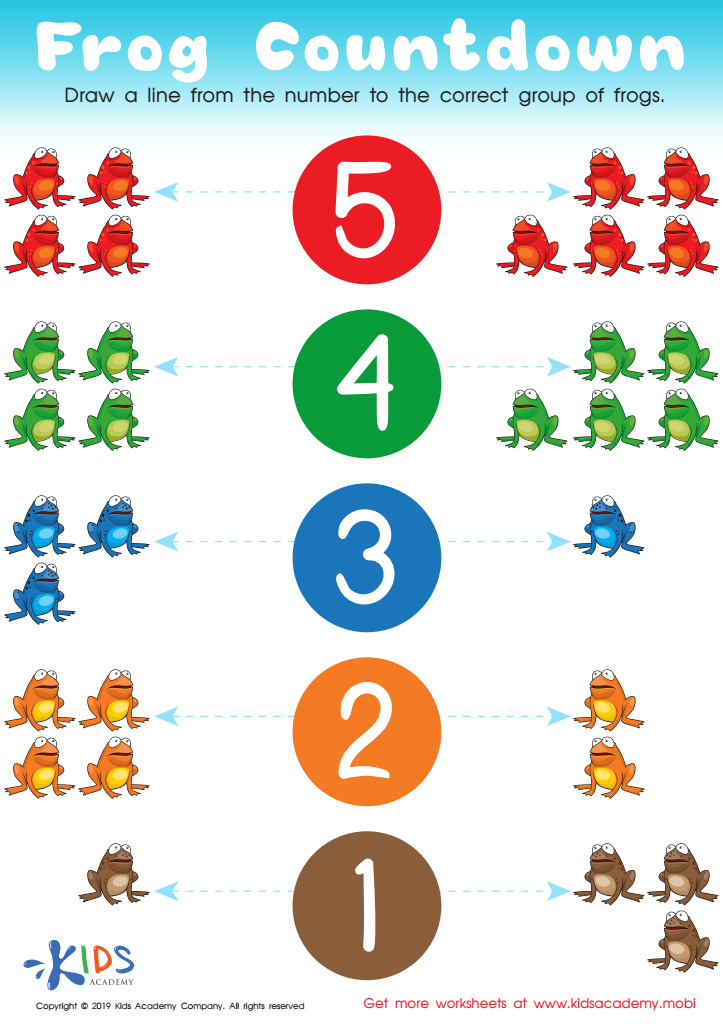
Frog Countdown Worksheet
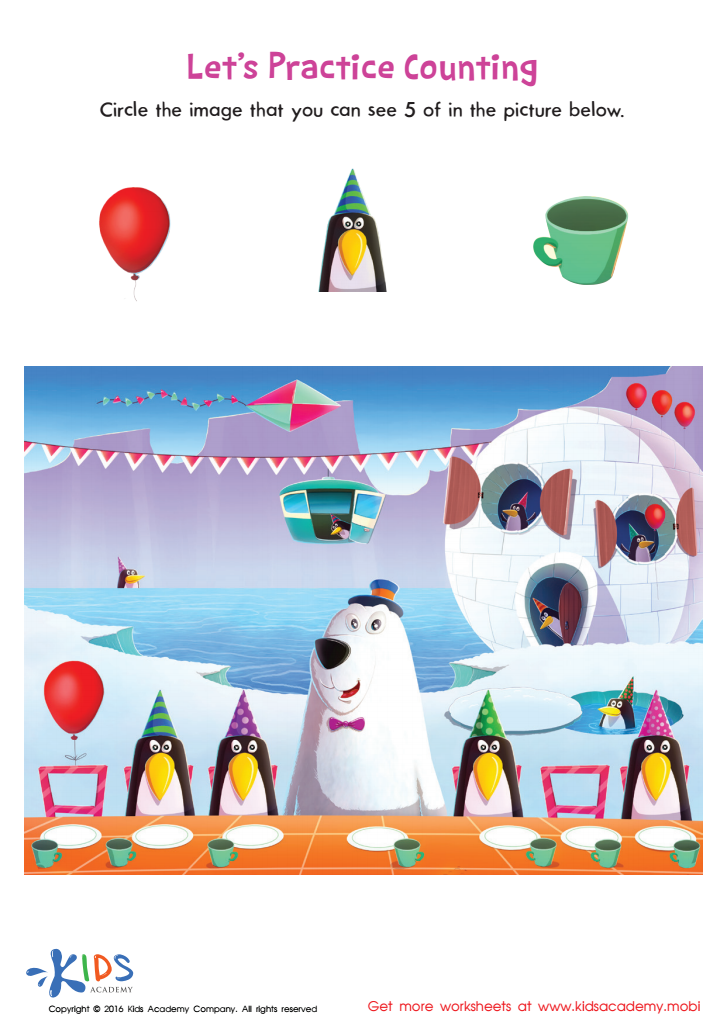
Counting Worksheet: Let's Practice Counting



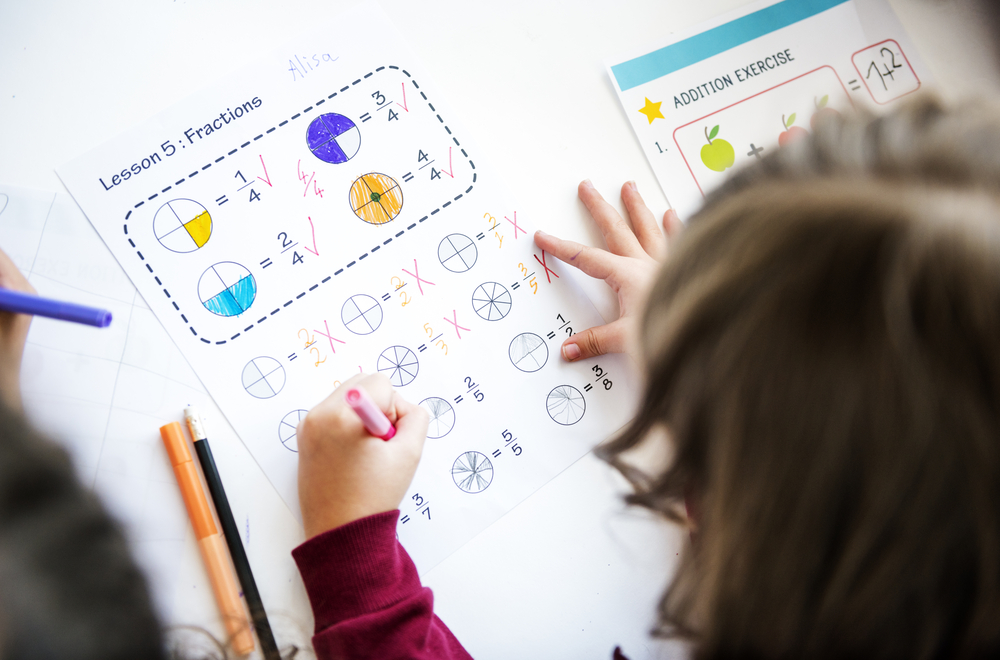




Number sequencing and matching are critical foundational skills that play a vital role in a child's mathematical development. For children aged 5-8, mastering these skills can significantly boost their ability to understand and work with numbers, which is essential for future learning.
Firstly, number sequencing helps children understand the concept of numerical order and the relationships between numbers. This understanding is crucial for more complex mathematical operations like addition and subtraction. By recognizing sequences, children can easily predict and identify missing numbers, which enhances their problem-solving skills.
Secondly, matching numbers, whether objects to numbers or numbers to images, enhances recognition and memory. These skills improve cognitive development by strengthening the brain's ability to make connections and associations, fundamental for advanced mathematical concepts like multiplication and division.
Lastly, practicing number sequencing and matching also develops concentration and attention to detail. Tasks that involve arranging numbers in the correct order or identifying patterns foster perseverance and patience – qualities that benefit overall academic performance.
In sum, investing time and effort in nurturing these skills provides a strong mathematical foundation, promotes cognitive growth, and helps build essential problem-solving and concentration abilities in young learners, setting a robust foundation for future academic success.








