Addition Practice Reading Worksheets for Ages 5-8
8 filtered results
-
From - To
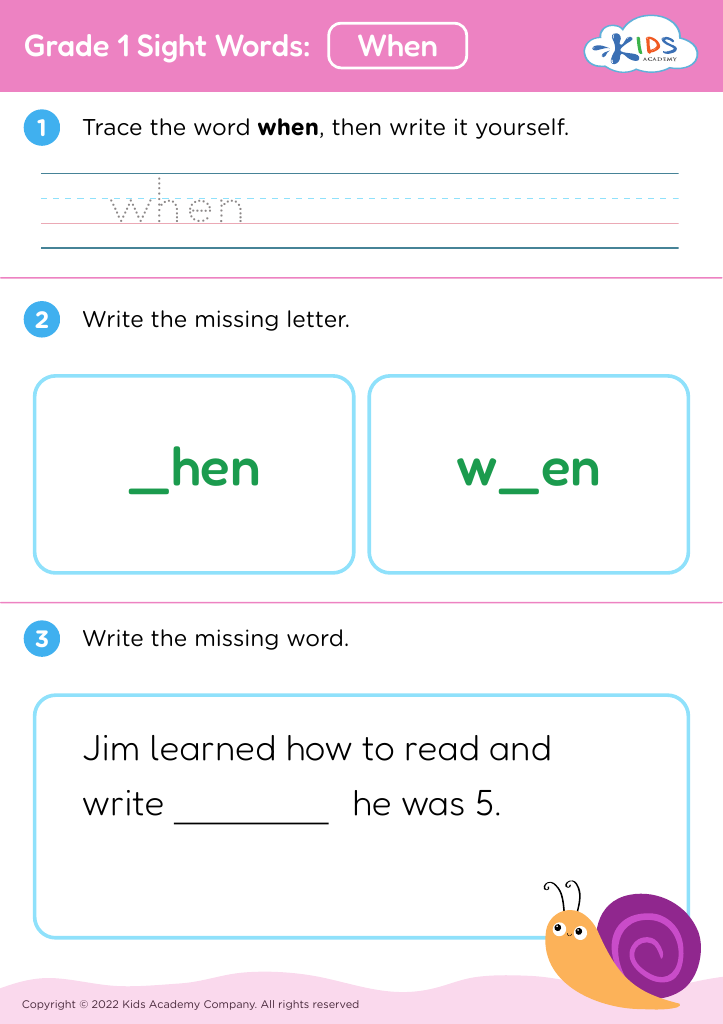
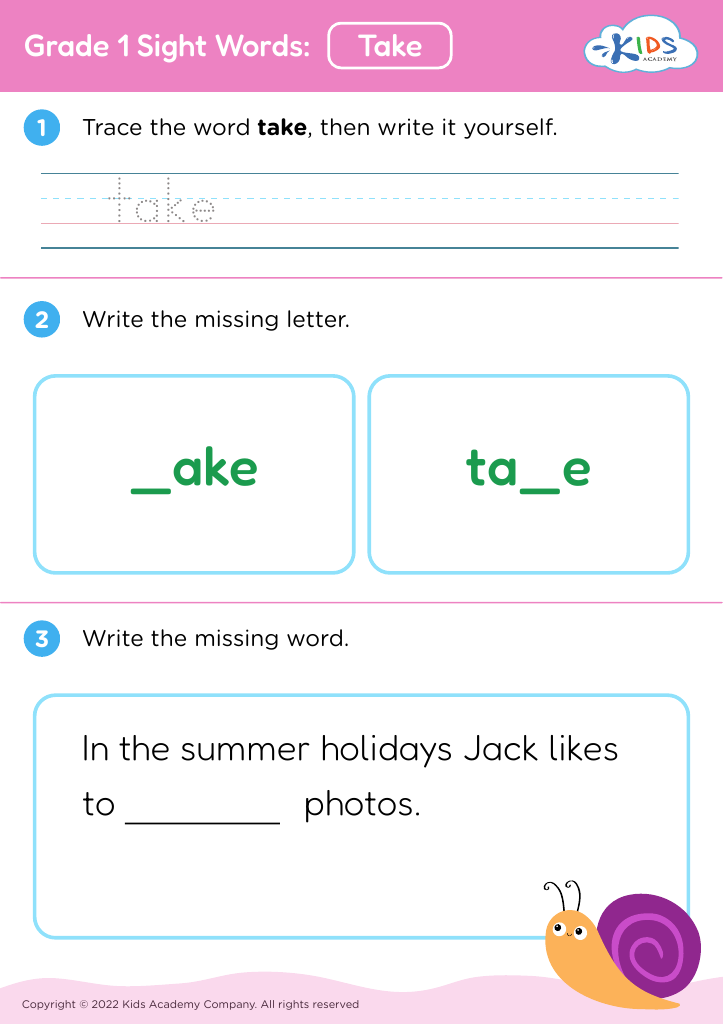
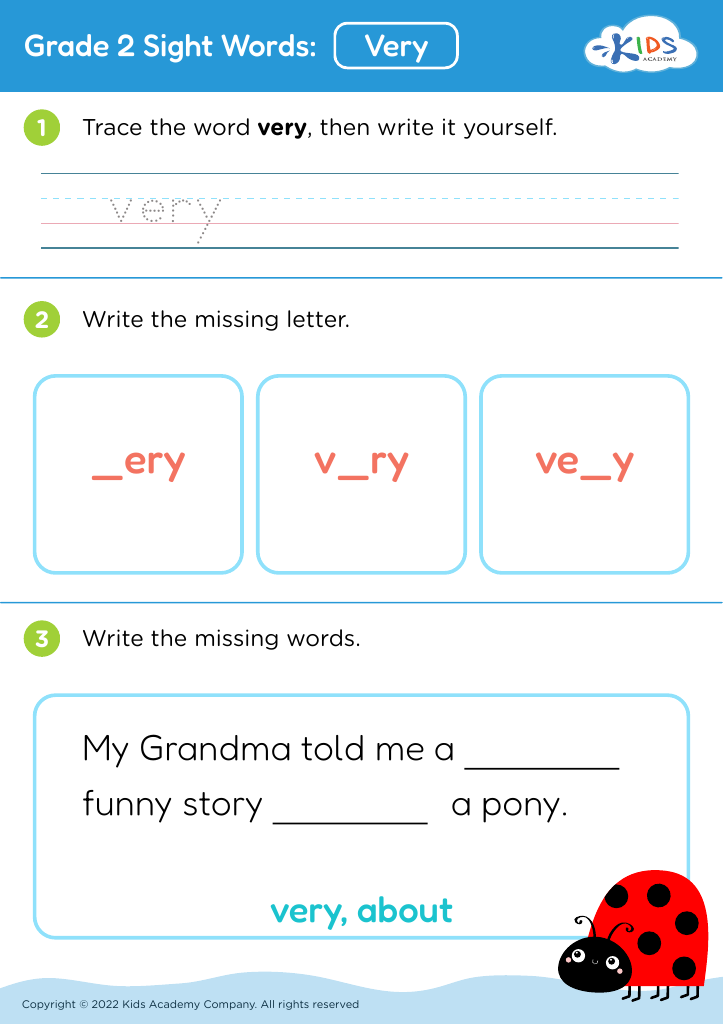
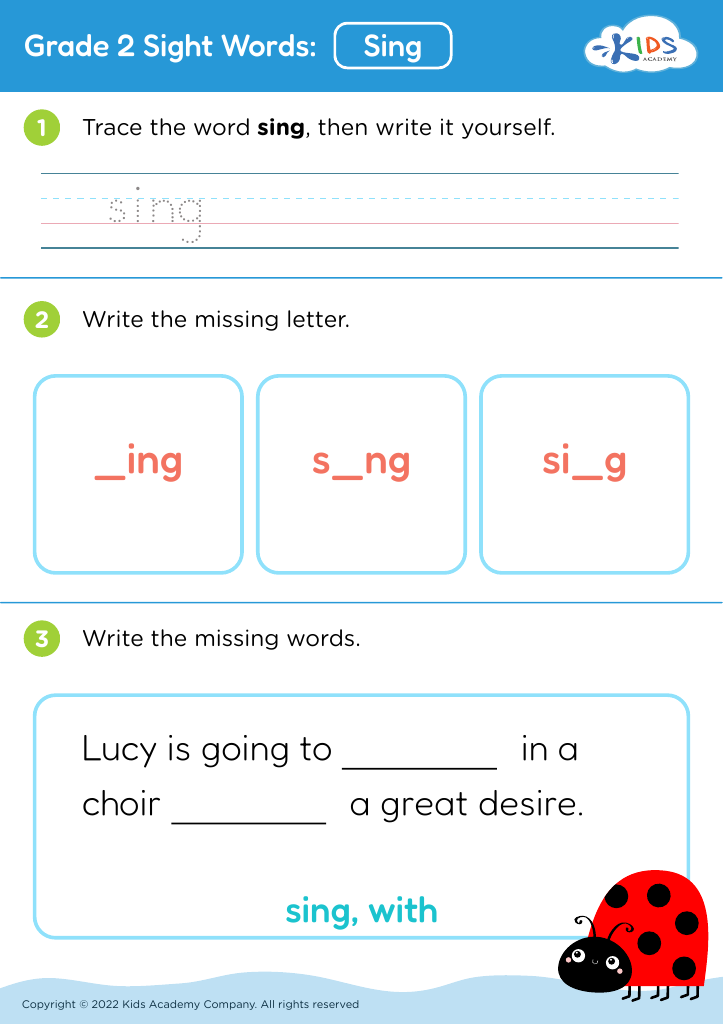
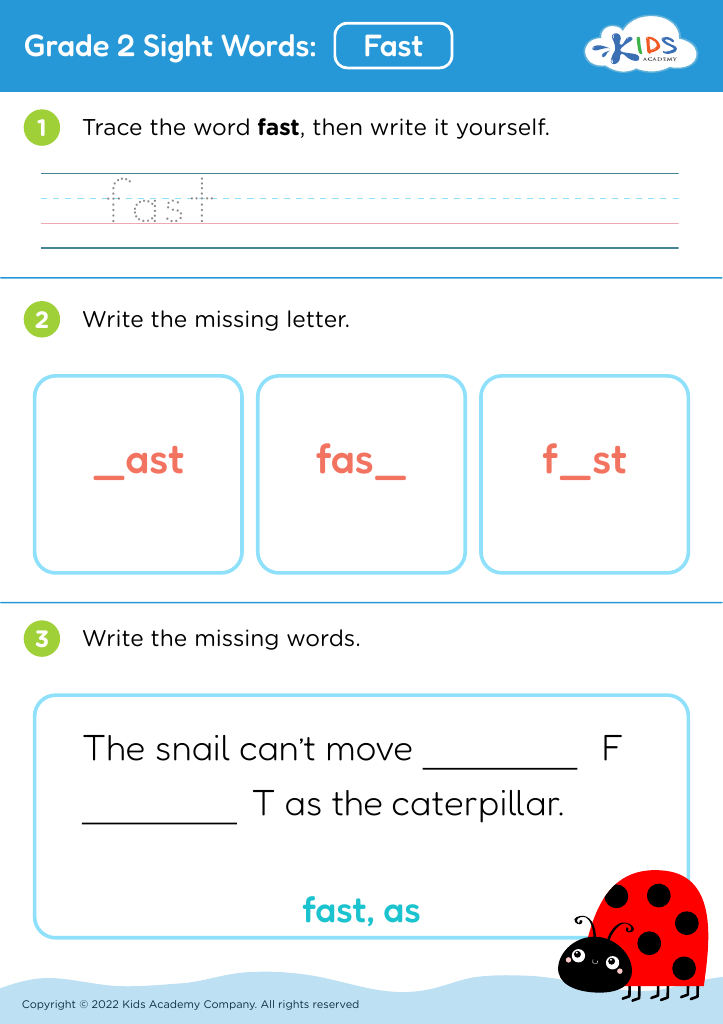
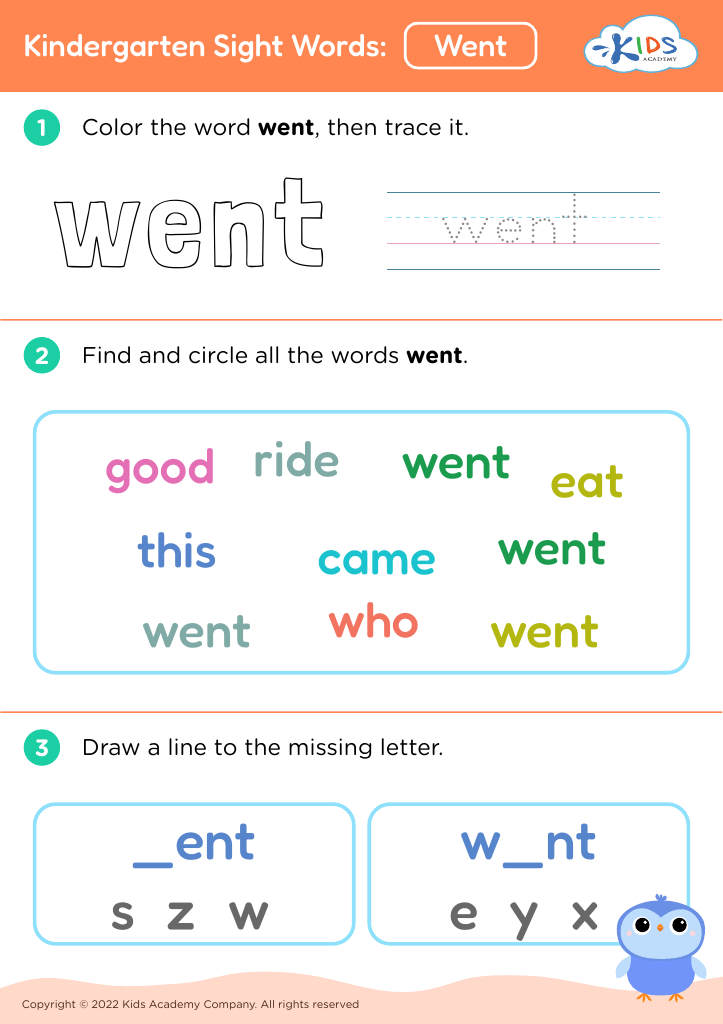
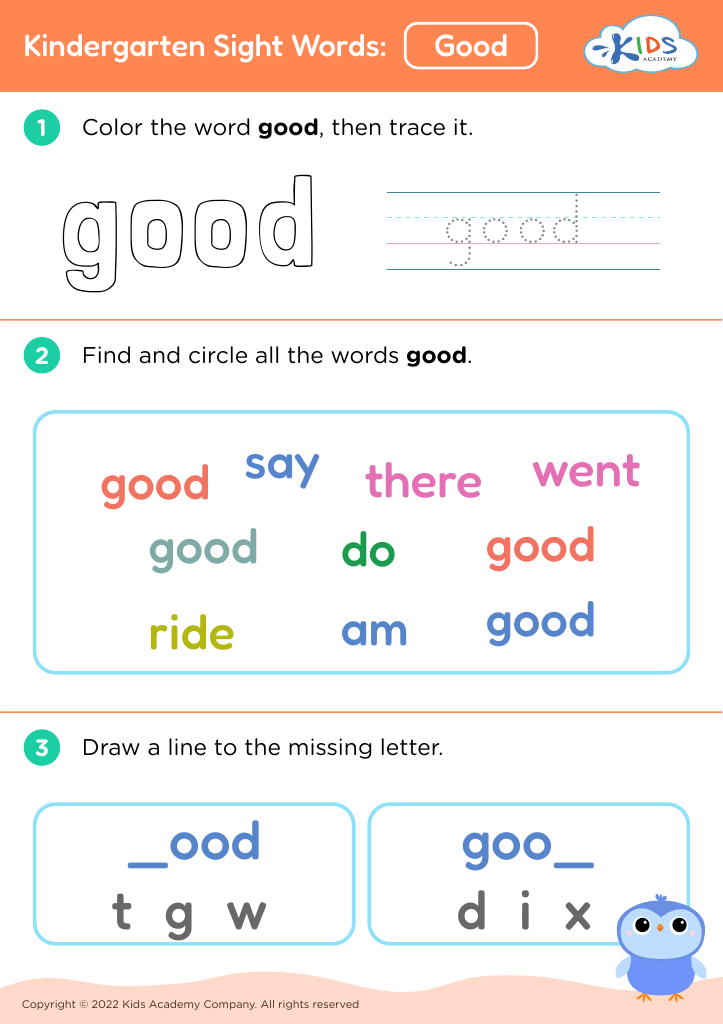
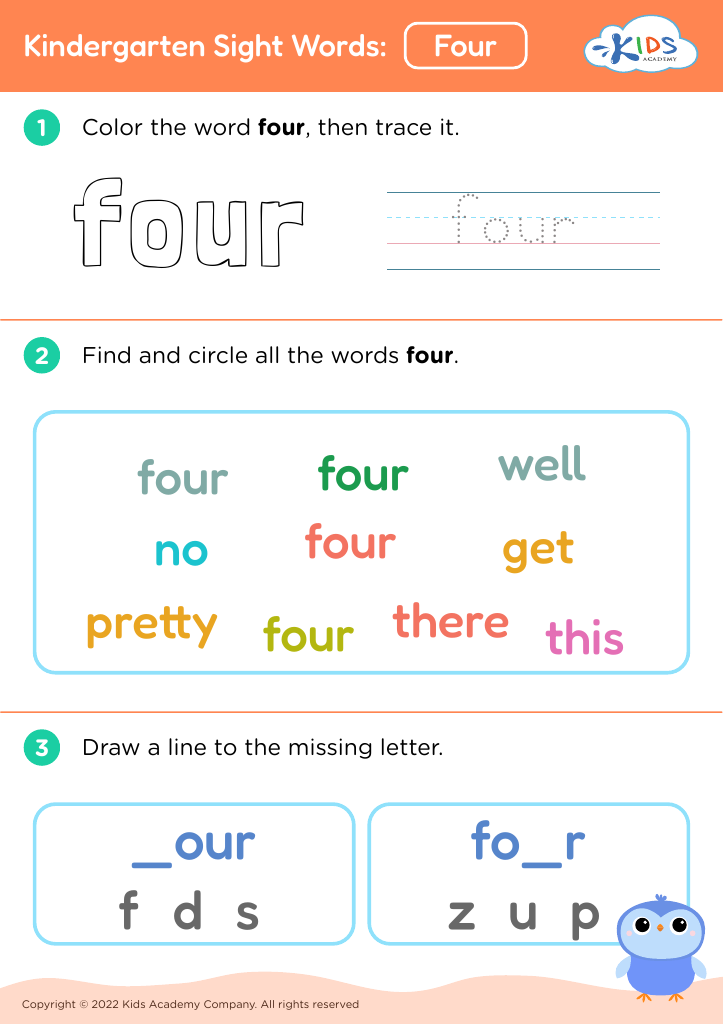
Boost your child's math skills with our Addition Practice Reading Worksheets for Ages 5-8! Designed by experienced educators, these fun and engaging worksheets combine reading and arithmetic practice to enhance both literacy and numeracy. Each worksheet features colorful illustrations, easy-to-read text, and structured addition exercises that reinforce essential math concepts. Perfect for young learners in kindergarten through second grade, these printable resources ensure a well-rounded approach to learning. Provide your child with the tools they need to excel in both reading and math with Kids Academy’s expertly crafted addition practice worksheets.





Parents and teachers should care about addition practice and reading for children aged 5-8 because these formative years set the foundation for future learning and academic success. Addition practice develops essential math skills, such as number sense, problem-solving abilities, and logical thinking. Mastering basic addition builds confidence, enabling children to tackle more complex mathematical concepts later on. Moreover, a strong grasp of addition lays the groundwork for understanding higher-level math topics such as subtraction, multiplication, and division.
Reading, on the other hand, is equally crucial as it fosters language development, comprehension skills, and cognitive growth. When children engage with texts and stories, they expand their vocabulary, improve concentration, and enhance their ability to process and understand information. Reading also stimulates imagination and creativity, fostering an interest in learning that can lead to lifelong educational enthusiasm.
By prioritizing both addition practice and reading, parents and teachers ensure a well-rounded early education. This dual focus supports a balanced cognitive development, encouraging a love for learning while preparing children for the challenges of advanced academic subjects. Investing time and resources into these fundamental skills provides children with the tools they need to thrive inside and outside the classroom.








