Basic Addition Skills Reading Worksheets for Ages 5-8
8 filtered results
-
From - To
Explore our "Basic Addition Skills Reading Worksheets" designed for children ages 5-8! These engaging worksheets provide a fun and interactive way for young learners to develop their addition skills while improving their reading abilities. Each activity combines colorful illustrations and simple math problems, making learning enjoyable and accessible. Our resources encourage critical thinking and problem-solving in a playful environment. Perfect for teachers and parents looking to reinforce foundational math concepts, these worksheets are easy to print and incorporate into home or classroom activities. Support your child’s educational journey by enhancing their understanding of basic addition with our thoughtfully crafted materials!
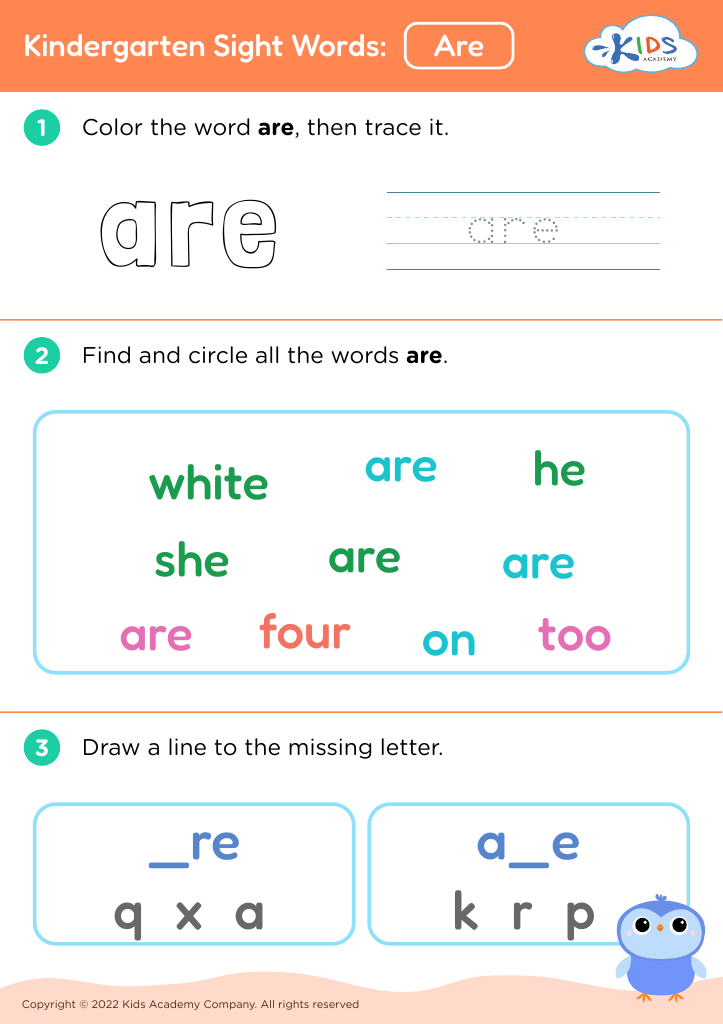
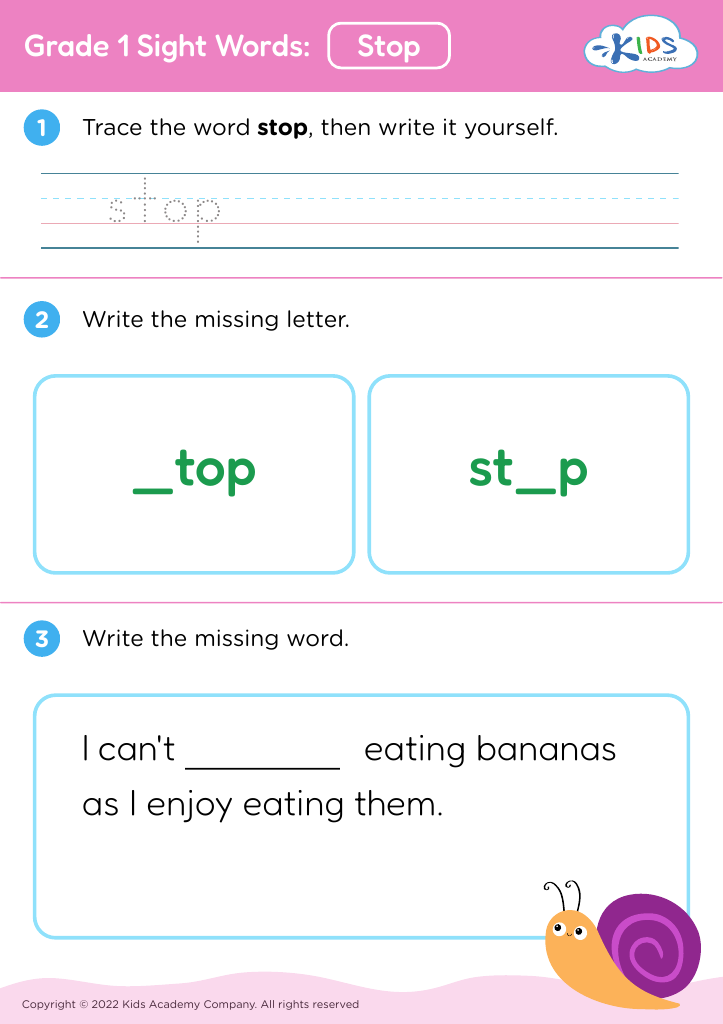
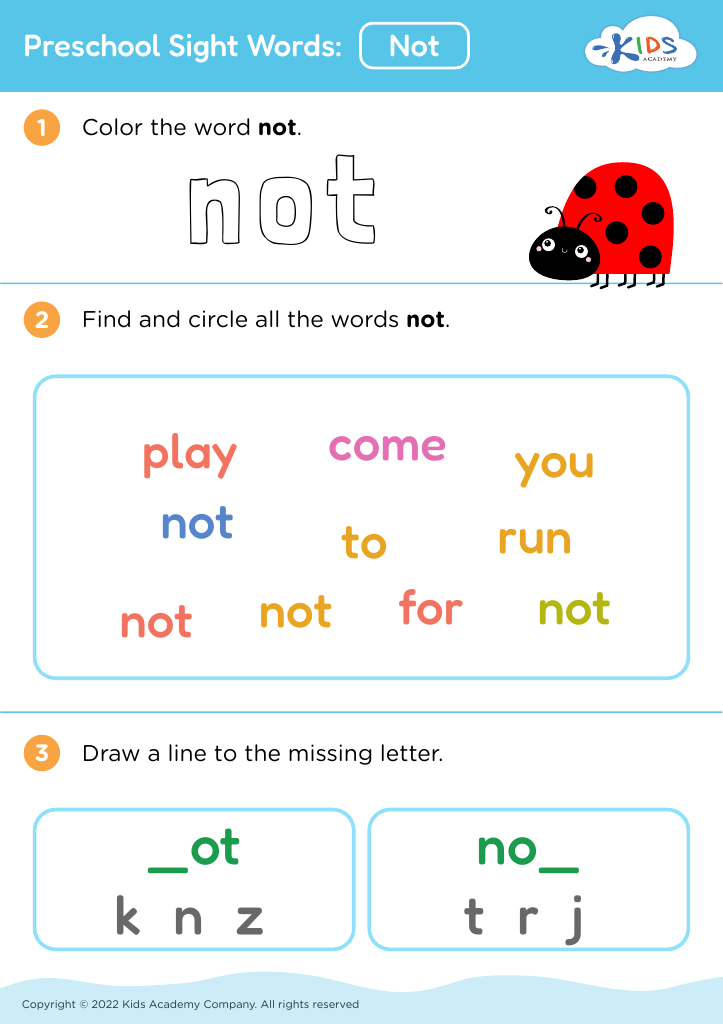
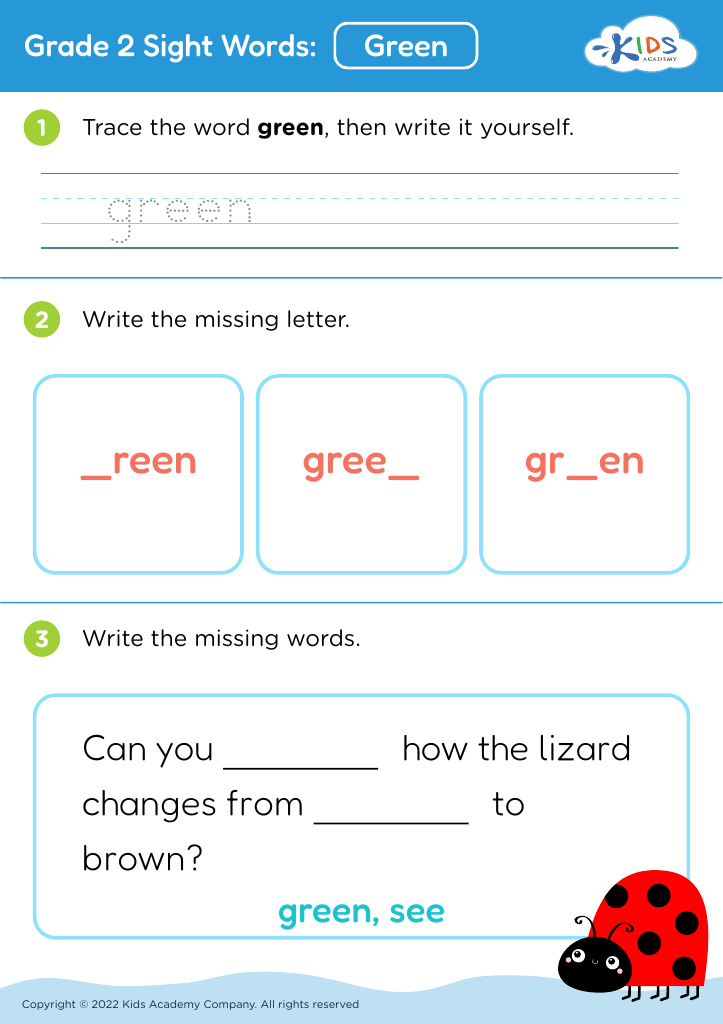
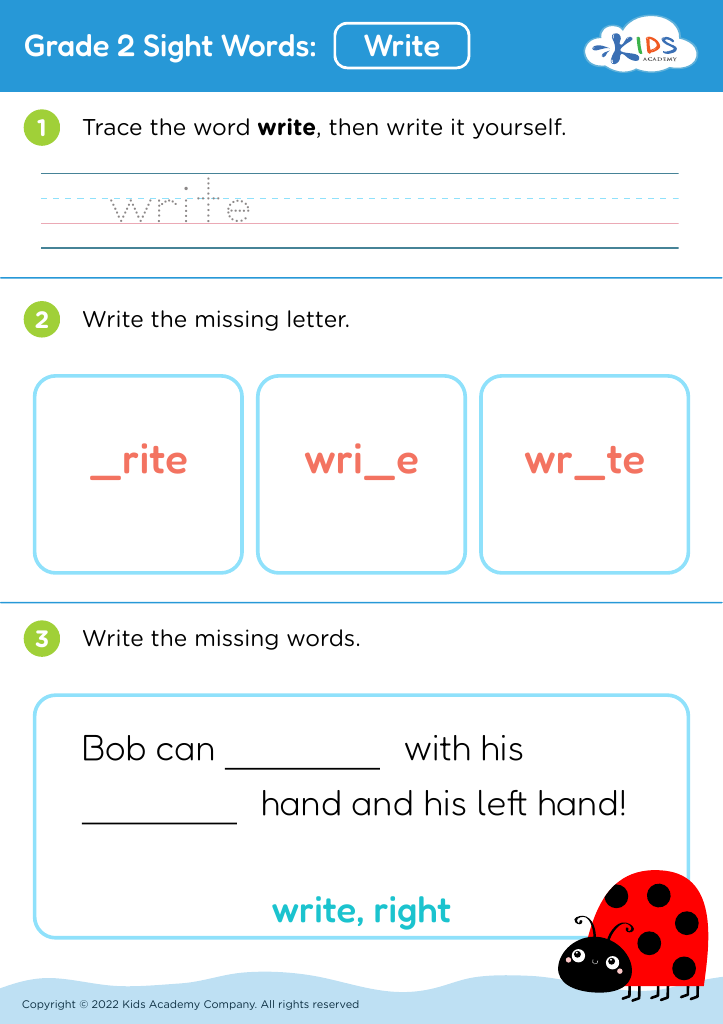
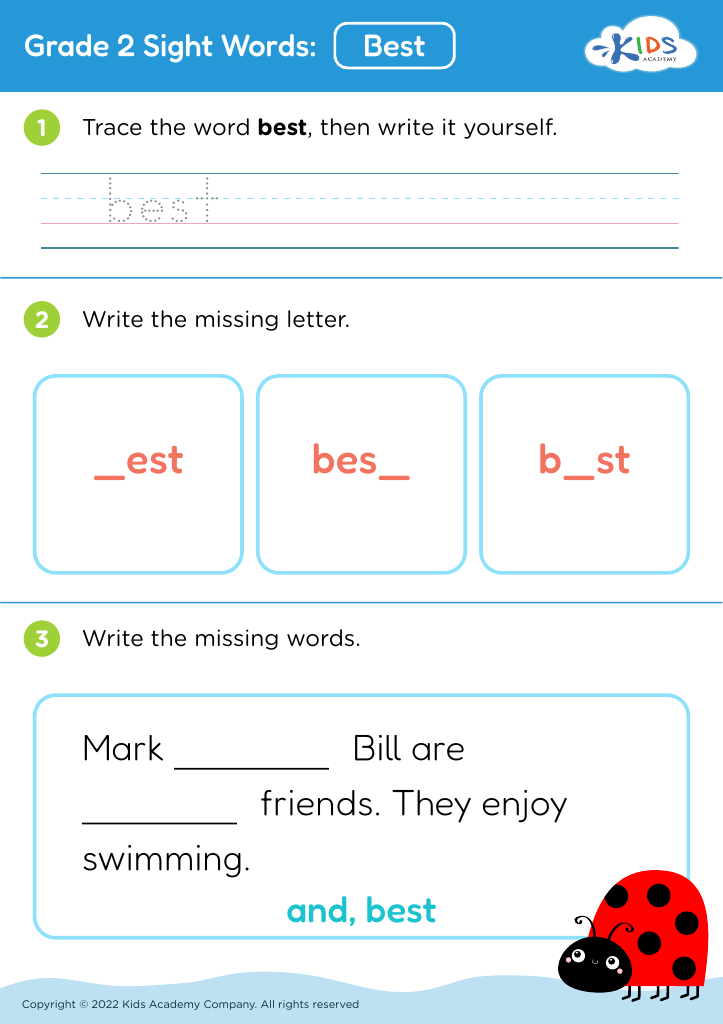
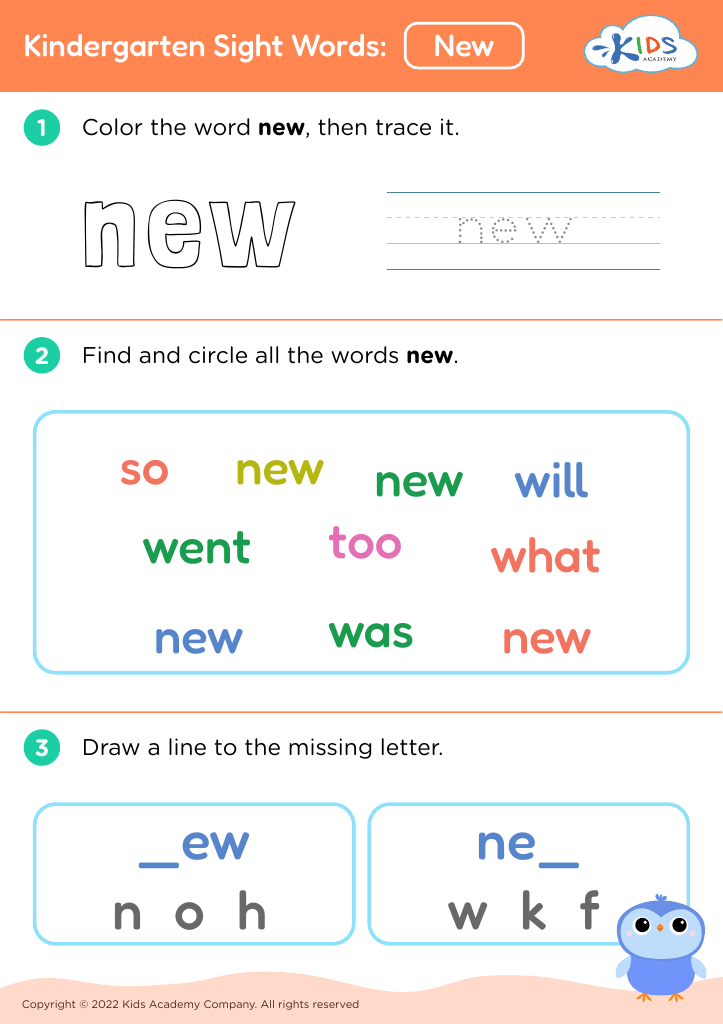
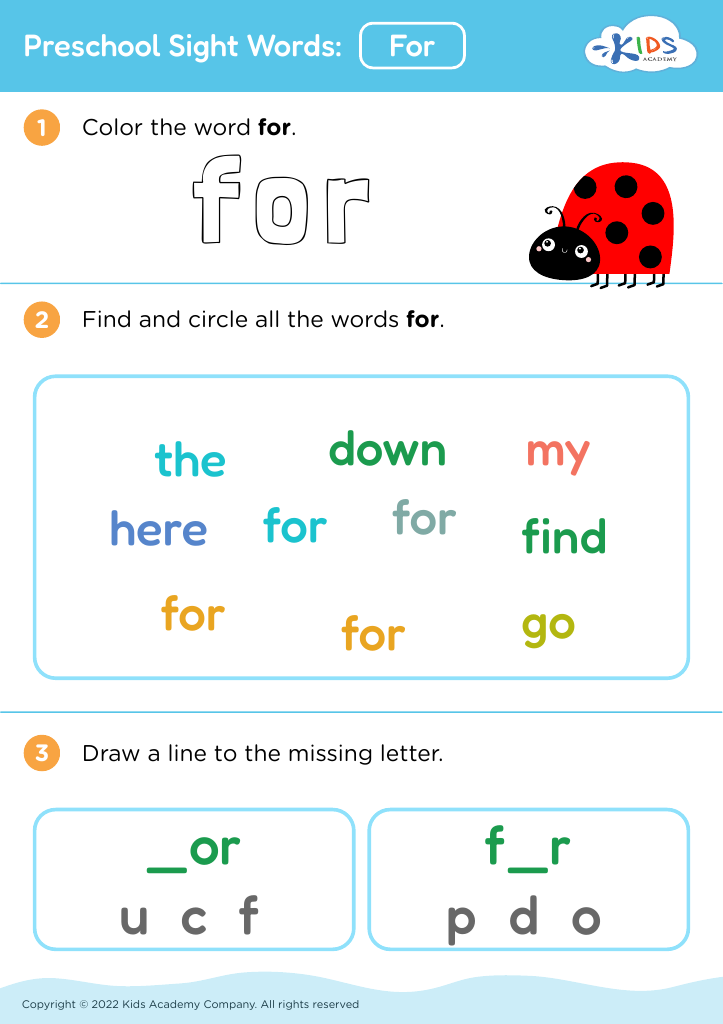








Basic addition skills are foundational for young learners aged 5-8, laying the groundwork for future mathematical understanding. Parents and teachers play a crucial role in fostering these skills, as they are essential not only for academic success but also for developing a child's confidence and problem-solving abilities.
Firstly, mastering basic addition helps children grasp more complex mathematical concepts later in their education. It fosters logical thinking and enhances cognitive development. Additionally, understanding these skills supports their ability to tackle real-world problems involving numbers, such as counting change or measuring ingredients in a recipe.
Moreover, basic addition is often intertwined with literacy, as reading comprehension can be linked to understanding word problems that require addition. Encouraging a holistic approach, where numeracy and literacy are integrated, makes learning more engaging and effective.
Finally, supporting children in mastering basic addition creates a positive learning environment. It motivates them to explore math more freely and reduces anxiety associated with numbers. Parents and teachers who prioritize these skills are equipping children with essential tools to thrive academically and socially, fostering a love for learning that lasts a lifetime.








