Counting skills Reading Worksheets for Ages 5-8 - Page 2
35 filtered results
-
From - To
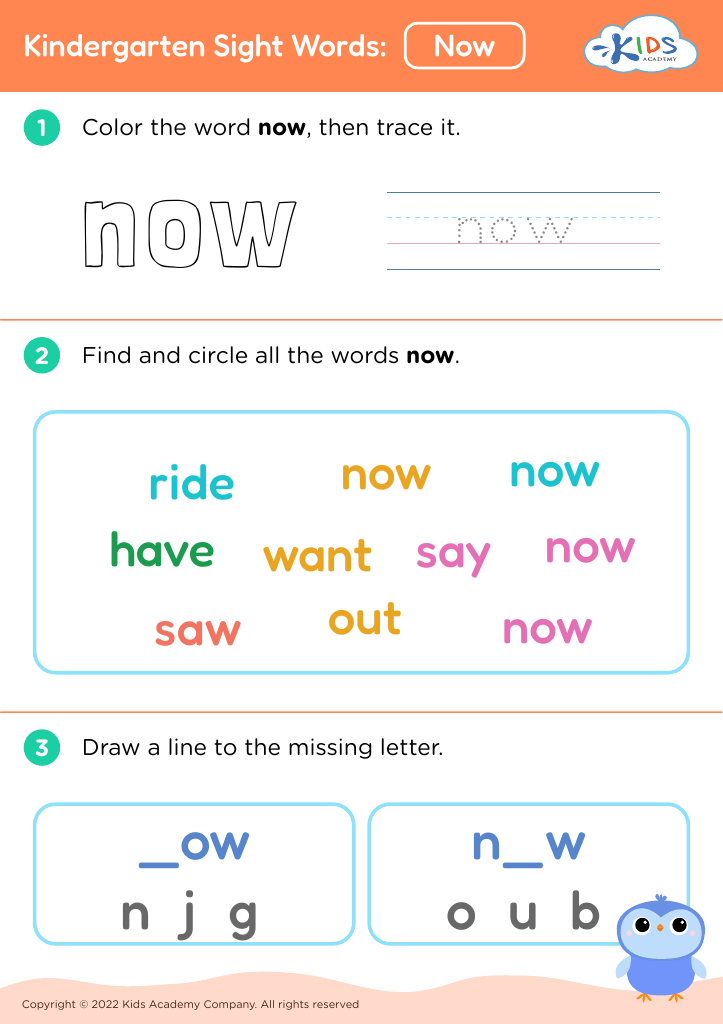
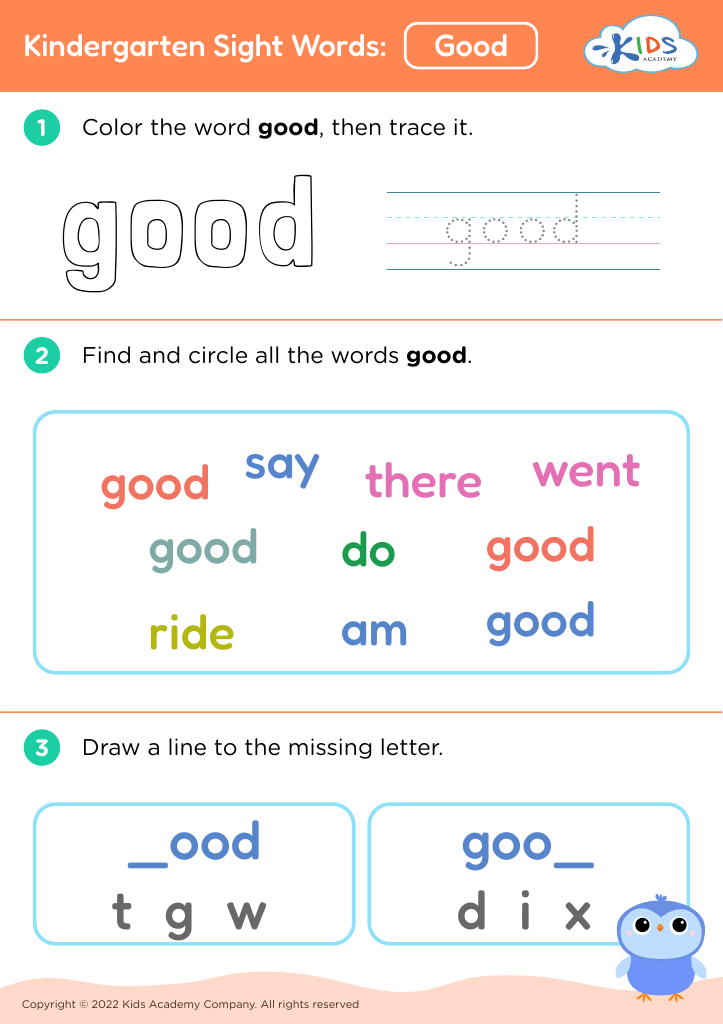
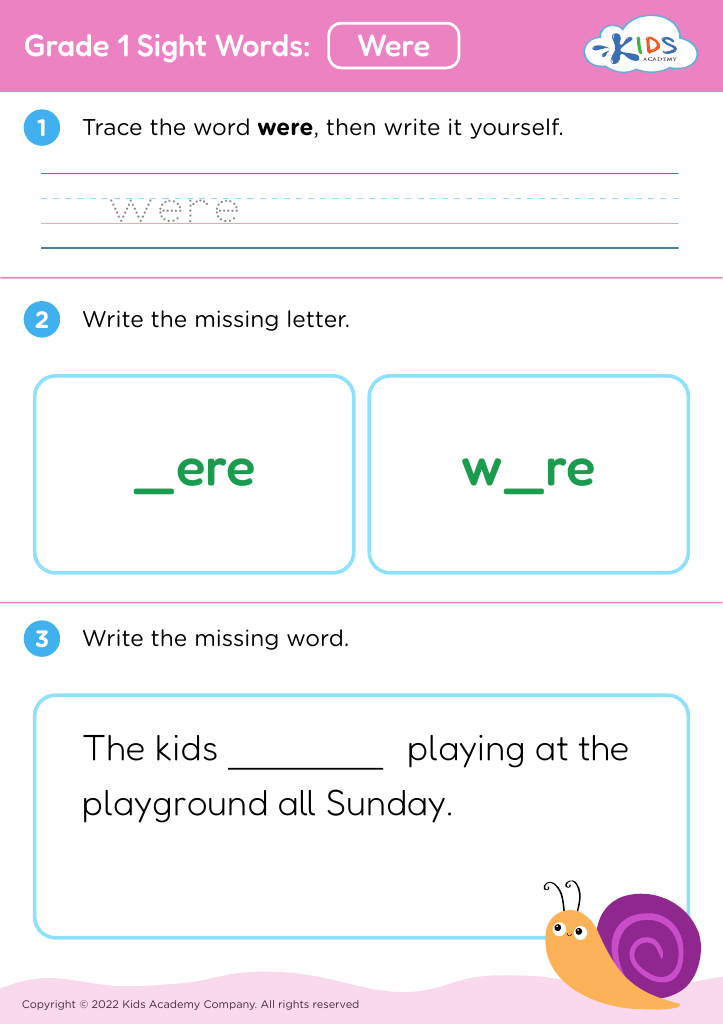






.jpg)

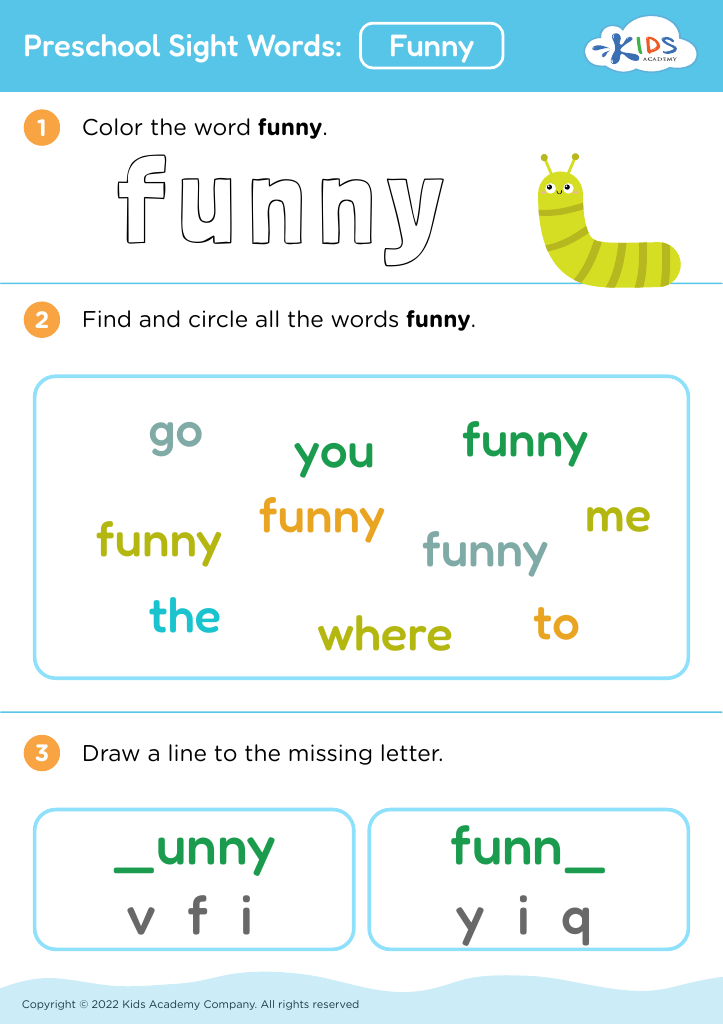
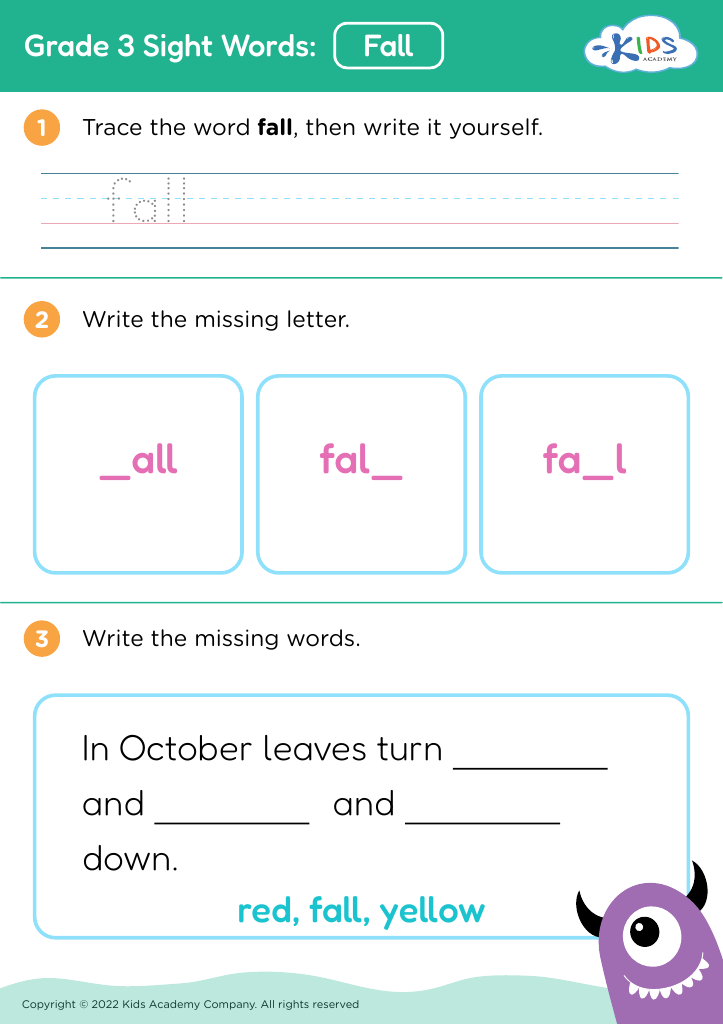
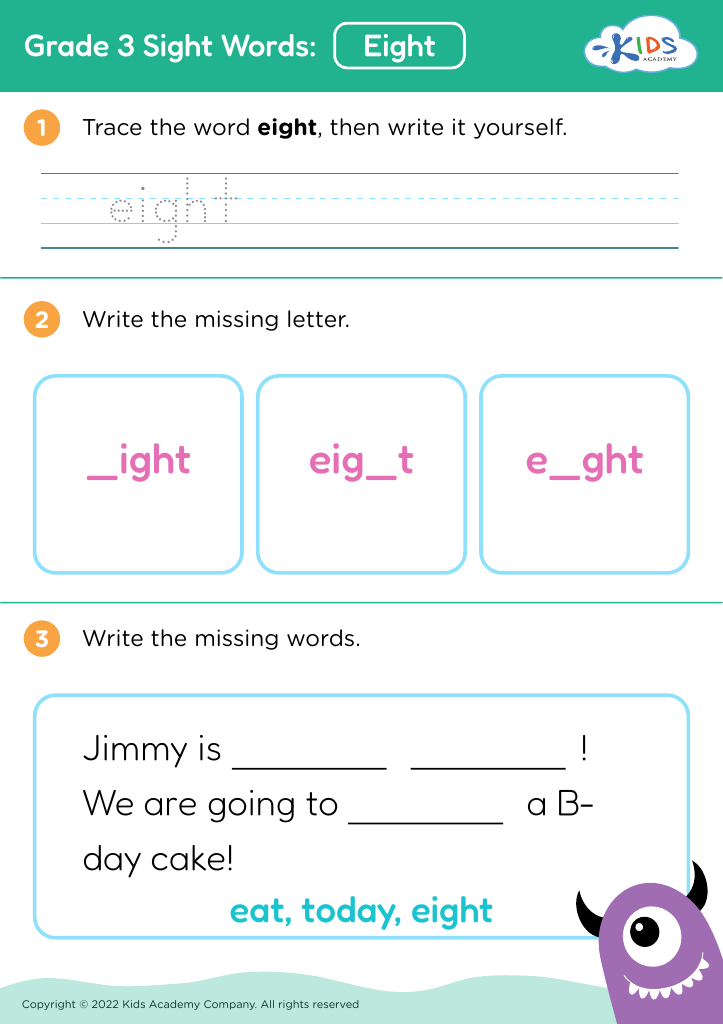
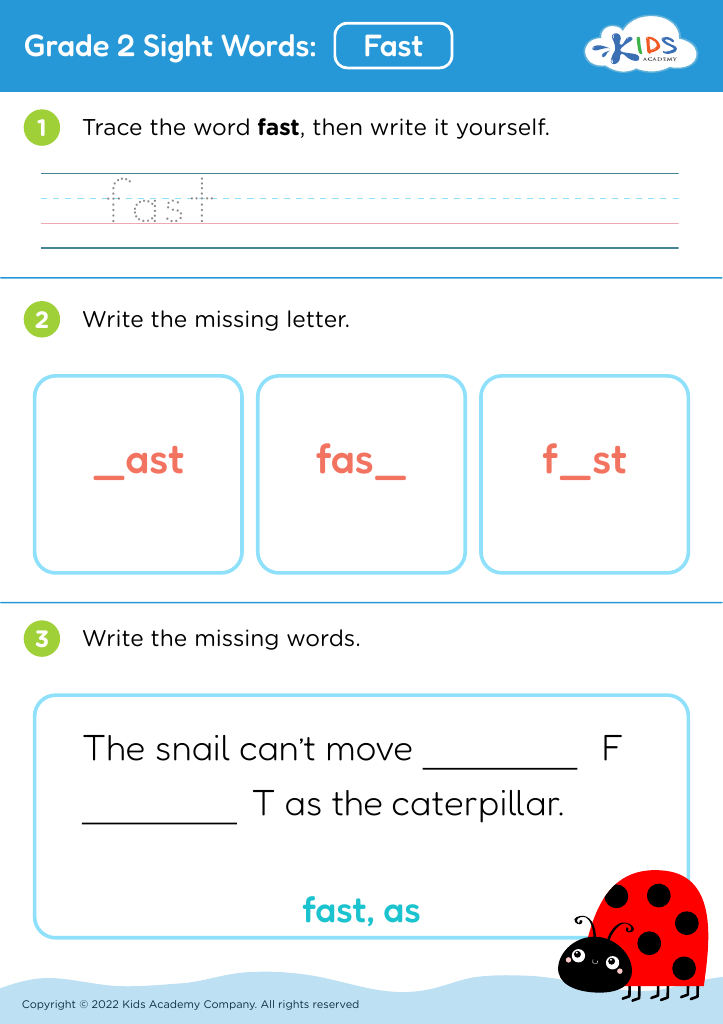
Counting skills and reading abilities represent foundational pillars in early childhood education, particularly for children aged 5-8. Successfully acquiring these skills equips children with the necessary tools to navigate both academic and everyday environments.
Counting skills are more than just memorizing numbers—they cultivate early mathematical reasoning and cognitive development. Early proficiency in counting lays the groundwork for understanding complex mathematical concepts, such as addition, subtraction, and problem-solving skills. The process also strengthens memory and nurtures attention to detail.
Similarly, reading fosters language development, comprehension, and communication abilities. When children become proficient readers, they can better understand instructions, narratives, and their surroundings. This enhances not only their academic growth but also their confidence and self-esteem.
When parents and teachers invest time and resources into nurturing these skills, they help build a robust educational foundation that supports lifelong learning. Engaging with children about counting and reading from an early age encourages curiosity and enthusiasm for knowledge, setting them up for future academic success.
Moreover, developing these skills can detect learning difficulties early on, allowing for timely intervention and support. In essence, caring about counting and reading for young children is about fostering an environment where they are well-prepared for a successful educational journey and beyond.








