Fine Motor Skills Reading Worksheets for Ages 5-8 - Page 3
52 filtered results
-
From - To
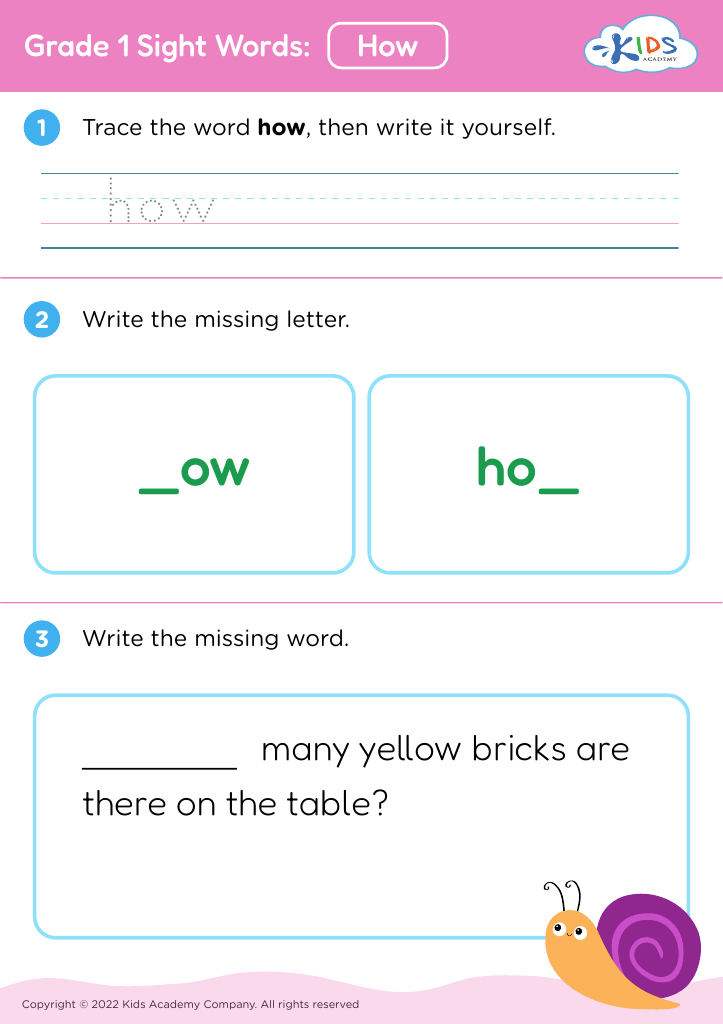
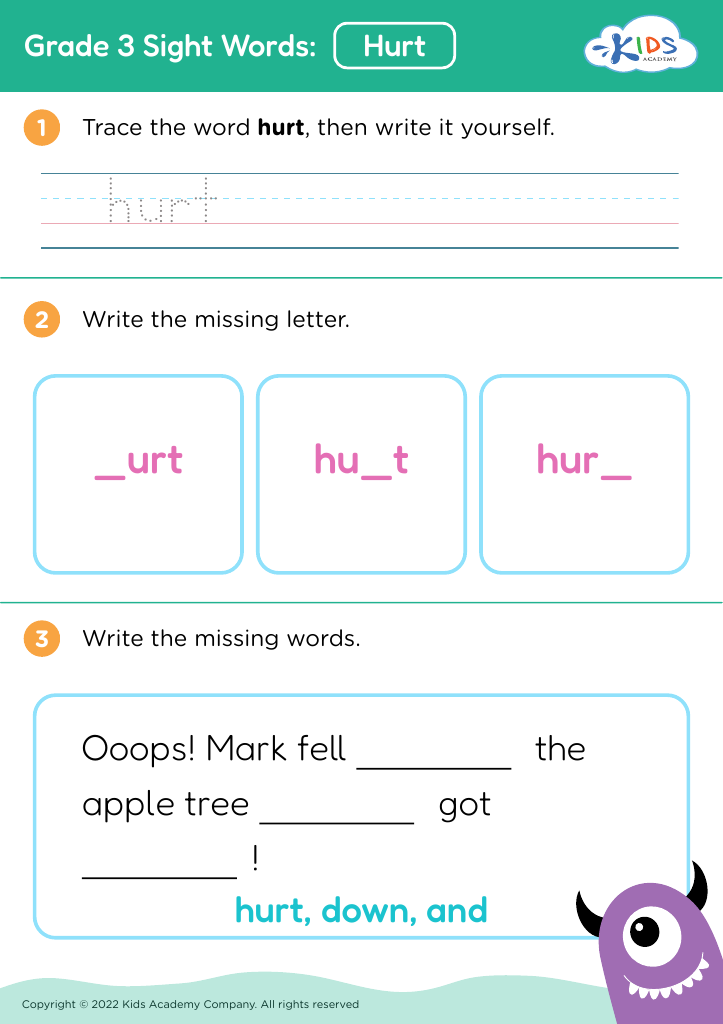
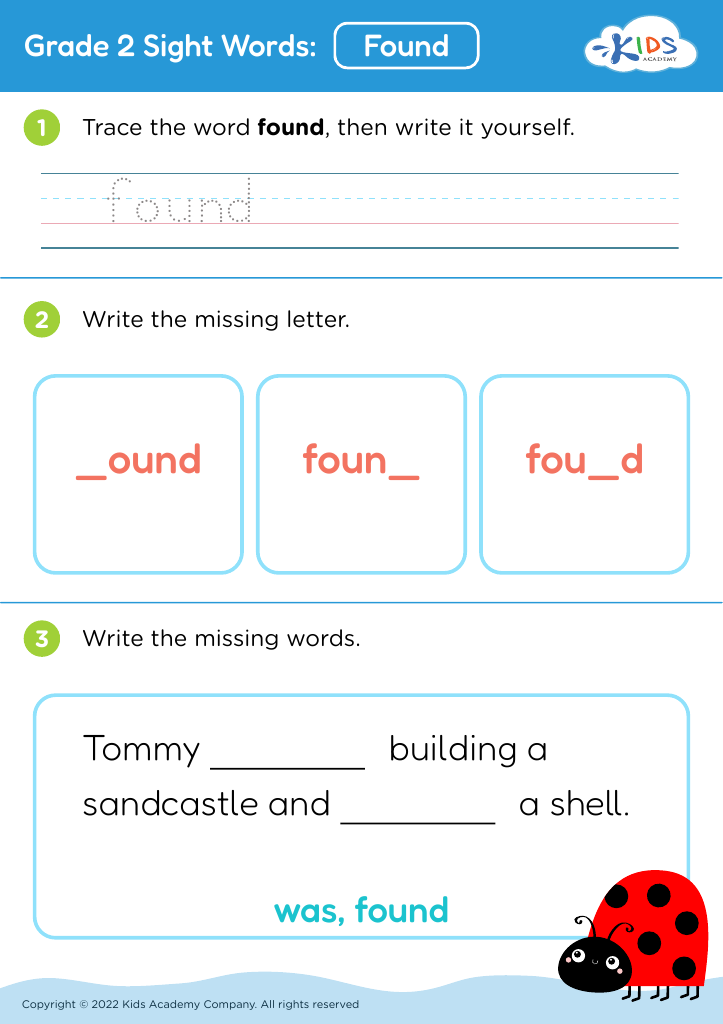
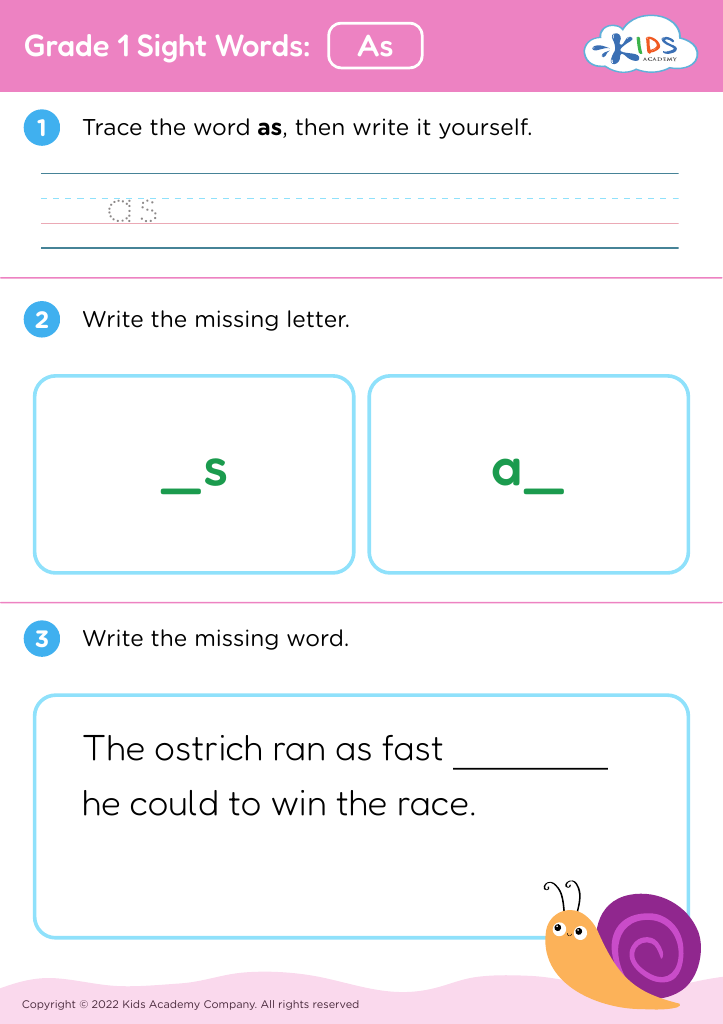








Fine motor skills are essential for children aged 5-8 as they significantly impact reading and academic success. These skills involve the small muscles of the hands and fingers, crucial for tasks like holding a pencil, turning pages, and manipulating letters in early reading activities. Proficient fine motor skills contribute to a child’s ability to write legibly, a skill parallel to reading comprehension and fluency.
By nurturing fine motor skills, parents and teachers can help children develop the coordination and dexterity needed for effective literacy practices. For example, children who can grip a pencil correctly are better equipped to form letters, which directly links to reading proficiency. Additionally, engaging in activities that promote these skills, such as cutting with scissors, drawing, or playing with building blocks, enhances cognitive function and concentration, both vital for learning to read.
Moreover, fostering fine motor skills can boost children's confidence and independence; they become more willing participants in reading and writing activities. Overall, supporting fine motor development is a valuable investment in children's educational journey, laying the groundwork for successful literacy and lifelong learning. Parents and educators play a crucial role in integrating these fun, engaging activities into daily routines, making the process holistic and enjoyable.








