Fraction Addition Reading Worksheets for Ages 5-8
4 filtered results
-
From - To
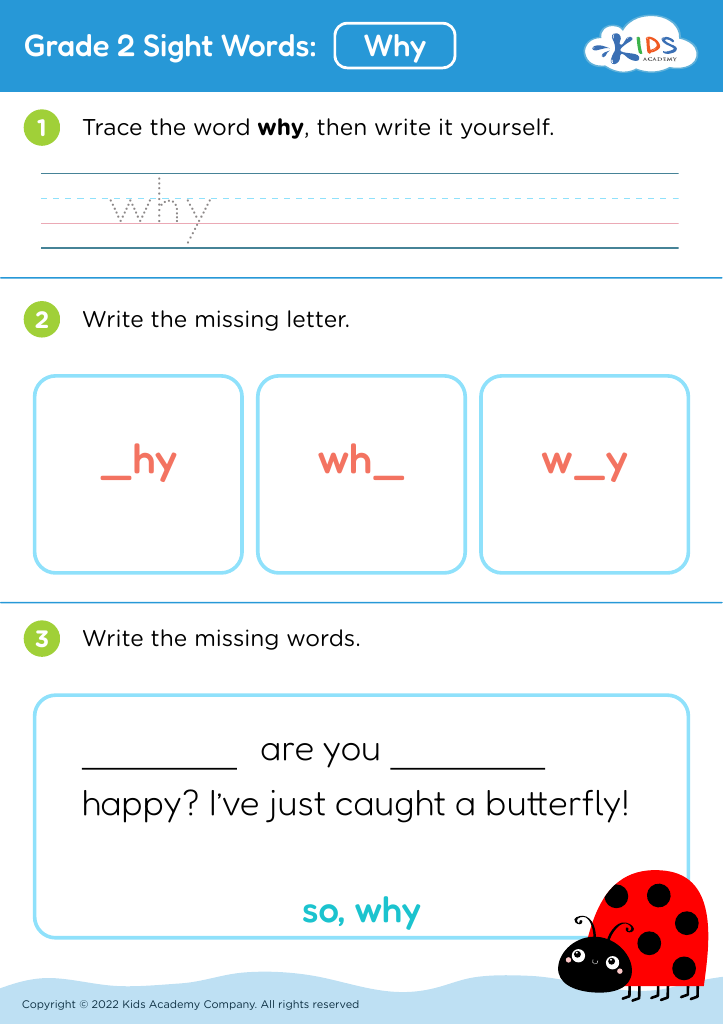
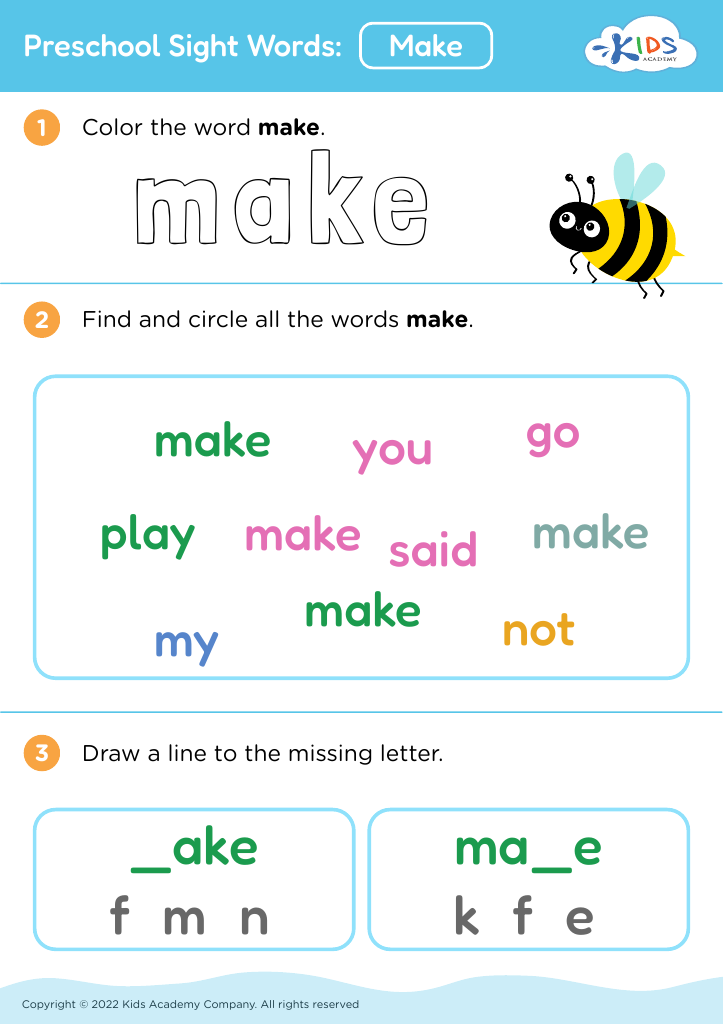
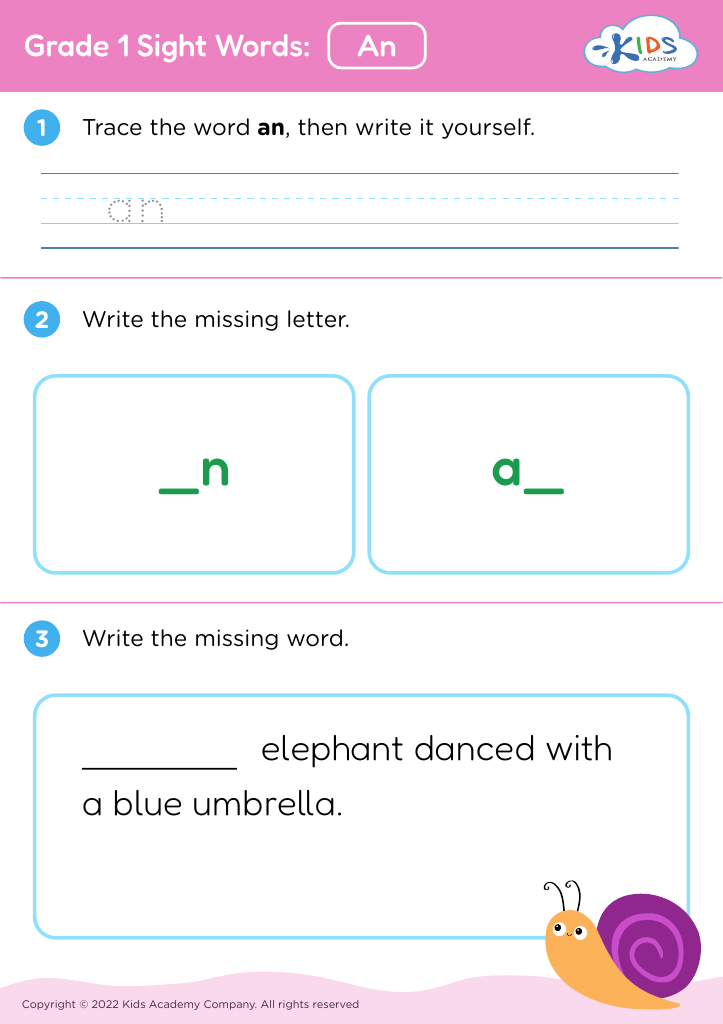
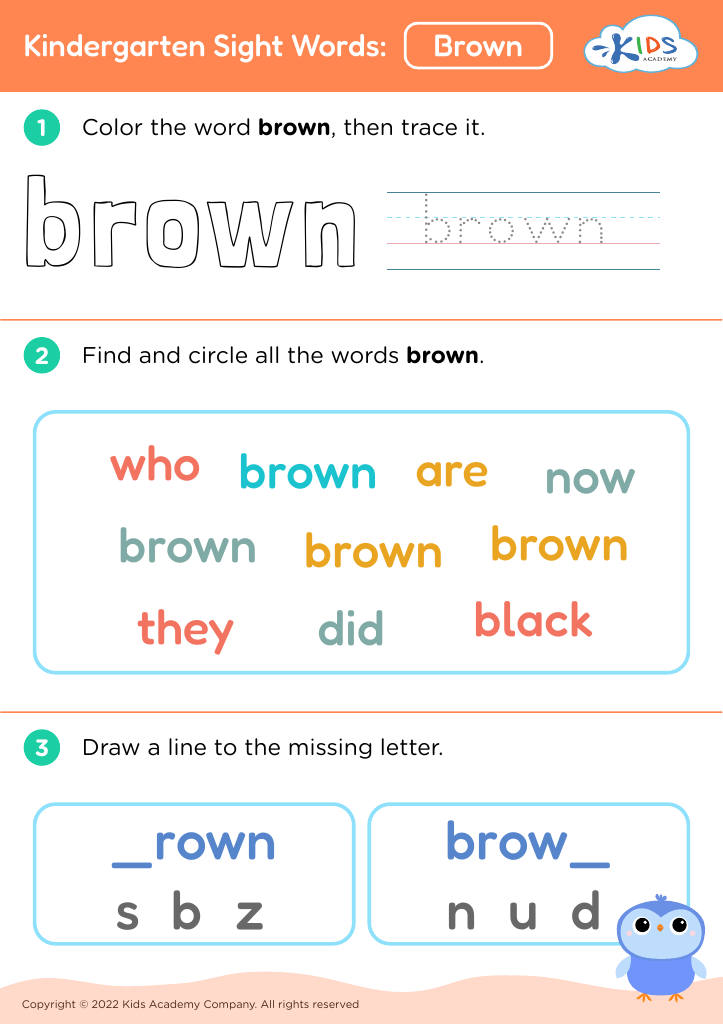
Enhance your child's math skills with our engaging Fraction Addition Reading Worksheets, designed specifically for ages 5-8! These interactive resources combine reading comprehension with practical math exercises, helping young learners grasp the concept of adding fractions in a fun and effective way. Each worksheet features colorful illustrations and relatable scenarios, making math enjoyable while reinforcing key literacy skills. Parents and teachers will appreciate the structured layout, which promotes independent practice and builds confidence in tackling math challenges. Explore our collection today and support your child's academic growth while igniting a love for learning through fractions! Perfect for home or classroom use.




.jpg)


Fraction addition reading is crucial for children aged 5-8 as it lays the foundation for their mathematical understanding and overall academic success. At this young age, children are developing their cognitive abilities, and introducing them to concepts like fractions in a clear and engaging way helps make math accessible and enjoyable.
Understanding fractions is not just about numbers; it's about recognizing parts of a whole, which aids in their reasoning, problem-solving capacity, and critical thinking skills. By incorporating reading into fraction addition, children can relate math concepts to real-life scenarios, making learning more meaningful. For example, stories that involve sharing snacks or dividing toys can illustrate fractions in contexts they understand and relate to.
Parents and teachers should prioritize this area because it facilitates cross-disciplinary learning, reinforcing literacy alongside math. Books, engaging activities, and games that involve fraction addition can help foster a positive attitude toward learning. Building a strong mathematical foundation early on will not only enhance children’s confidence in their skills but also prepare them for more complex mathematical concepts in the future, ensuring they thrive academically. Encouragement from parents and teachers during these formative years sets the stage for lifelong learning and curiosity in mathematics.








