Spelling practice Reading Worksheets for Ages 5-8 - Page 3
58 filtered results
-
From - To
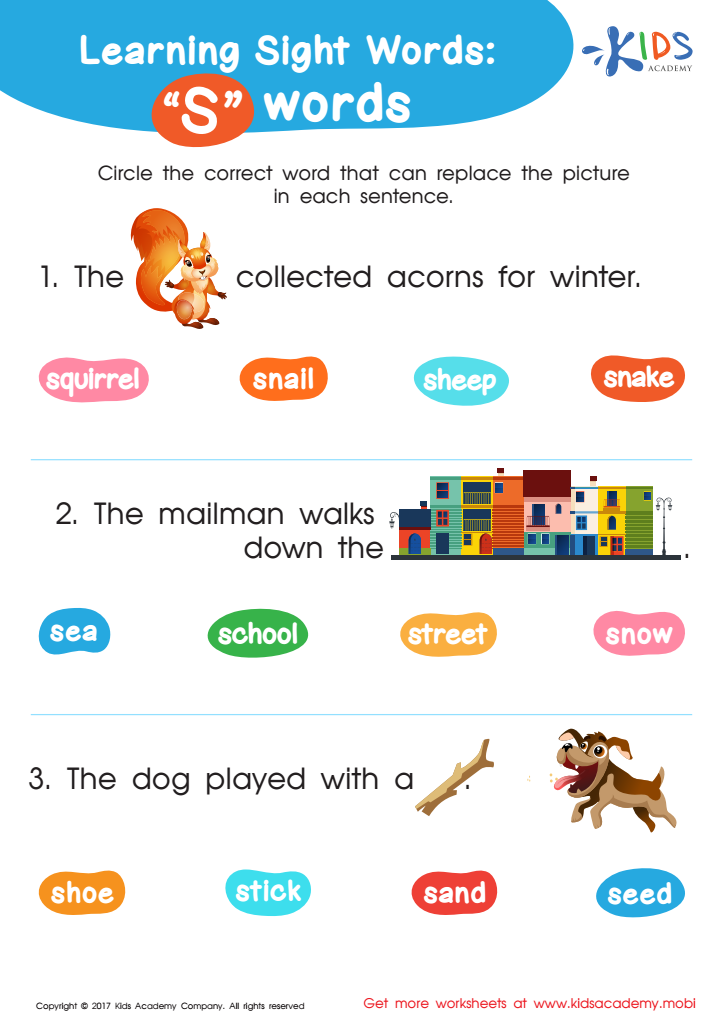
S Words Sight Words Worksheet
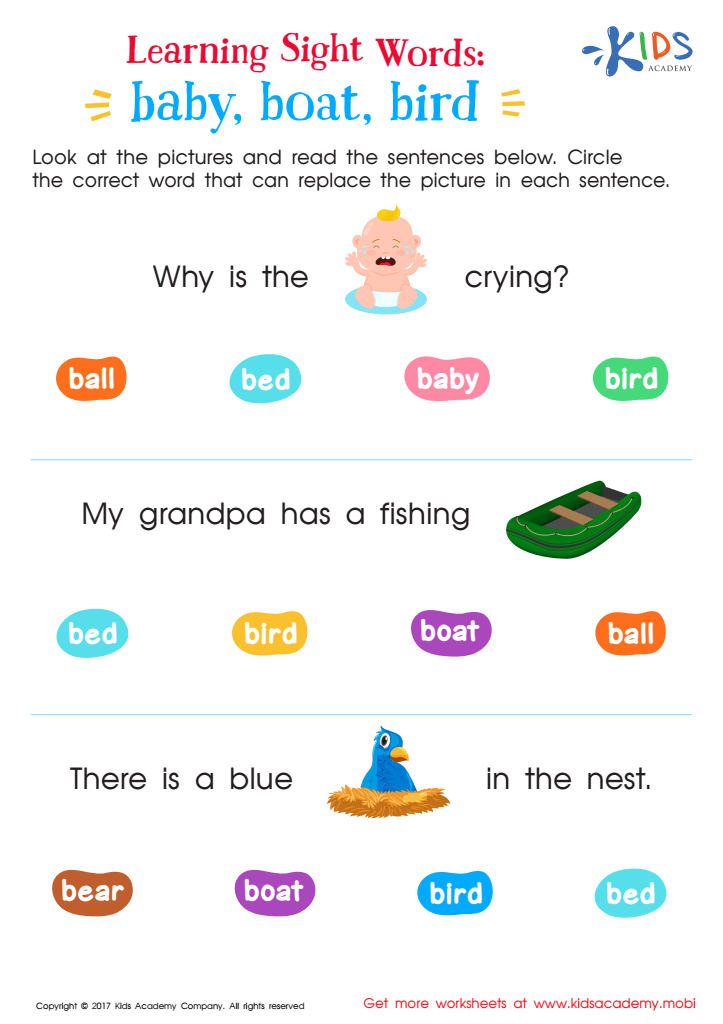
Baby, Boat, Bird Worksheet Sight Words Worksheet
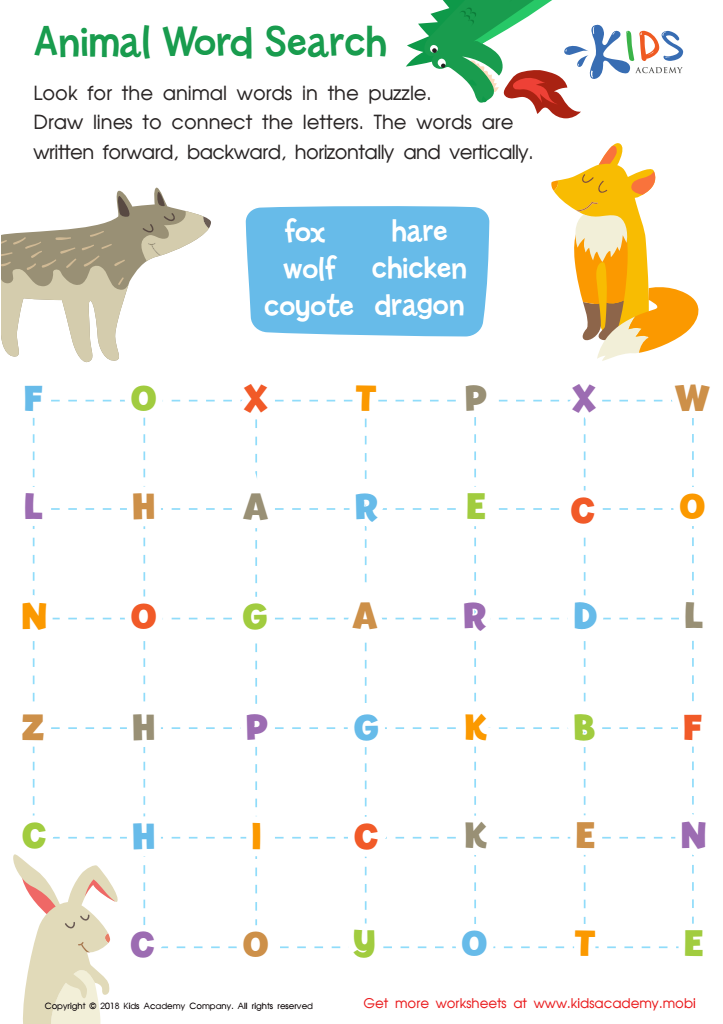
Animal Word Search Worksheet
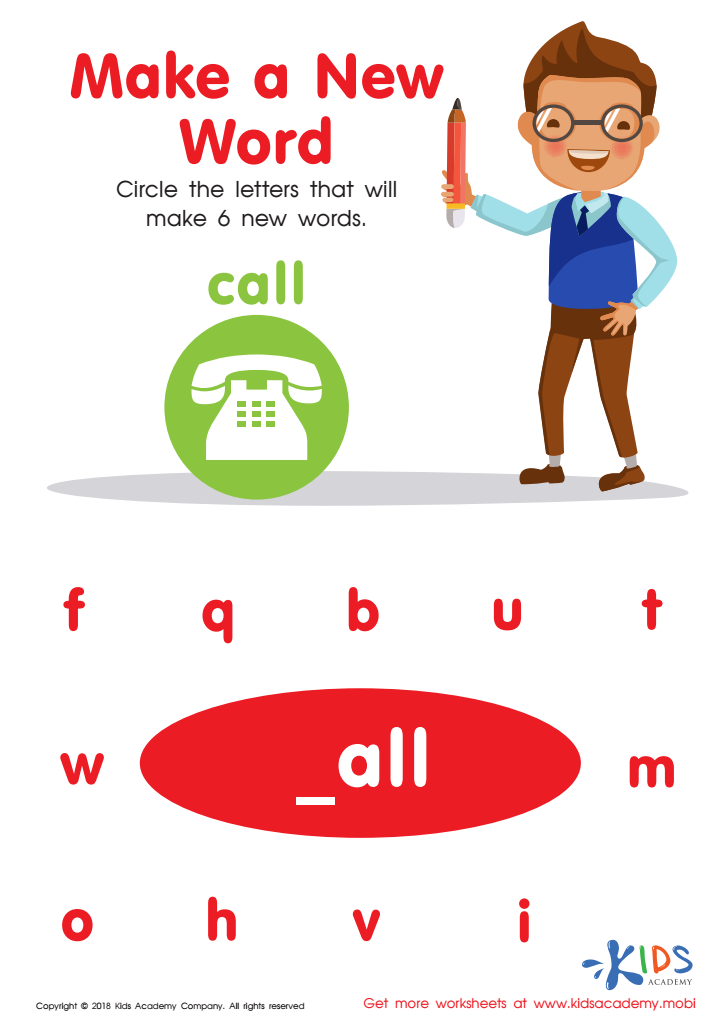
Make a New Word Worksheet
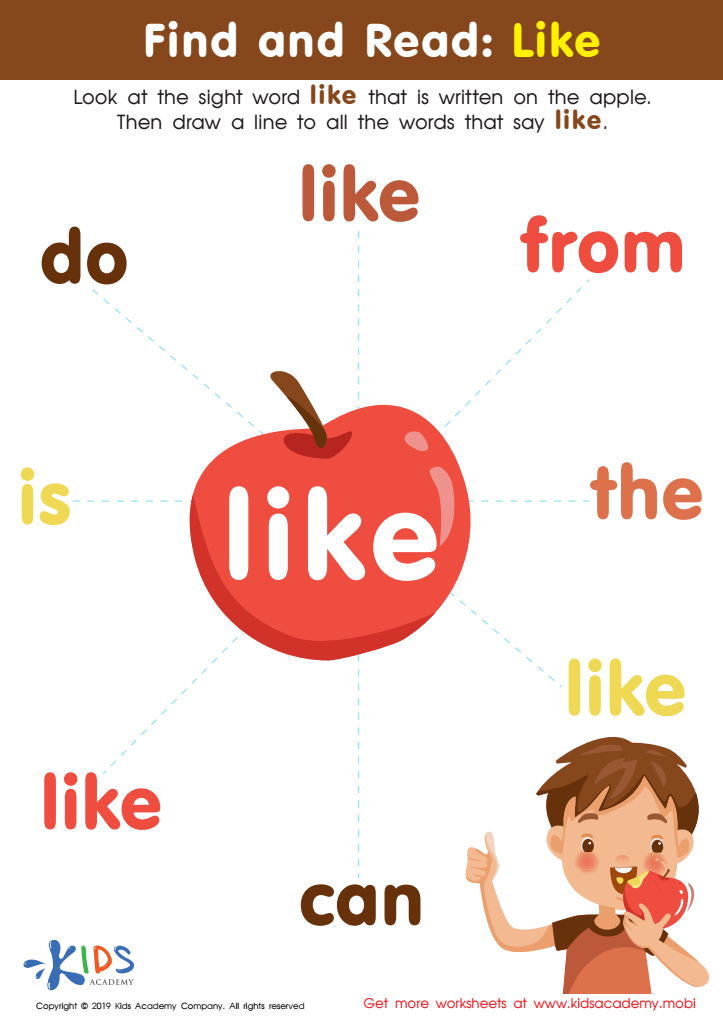
Find and Read: Like Worksheet
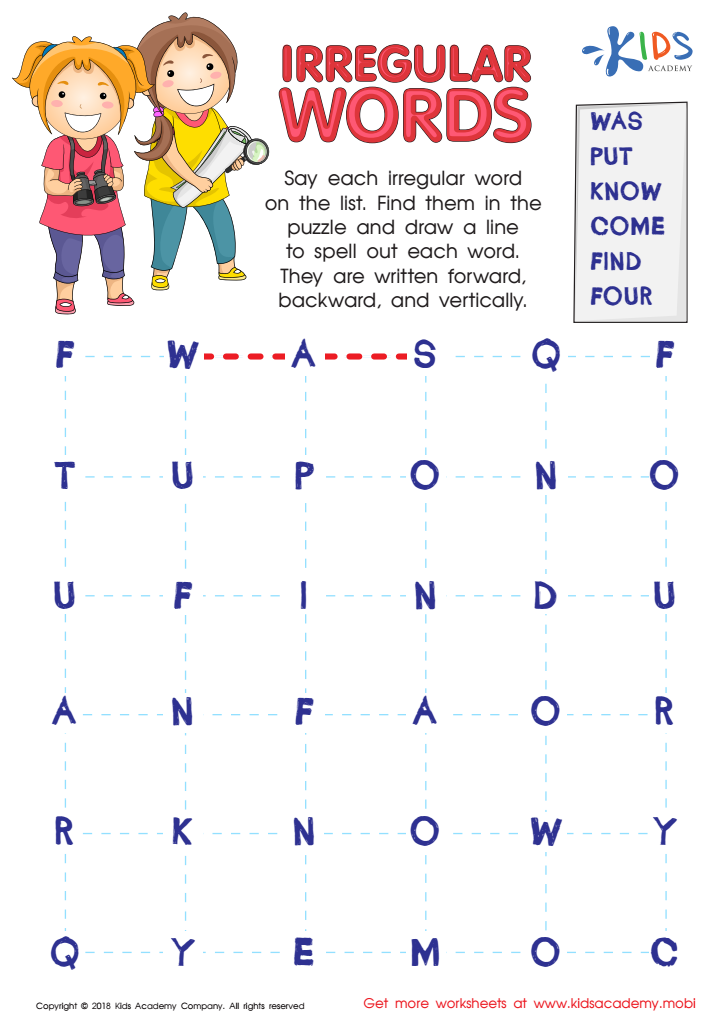
Irregular Words Worksheet
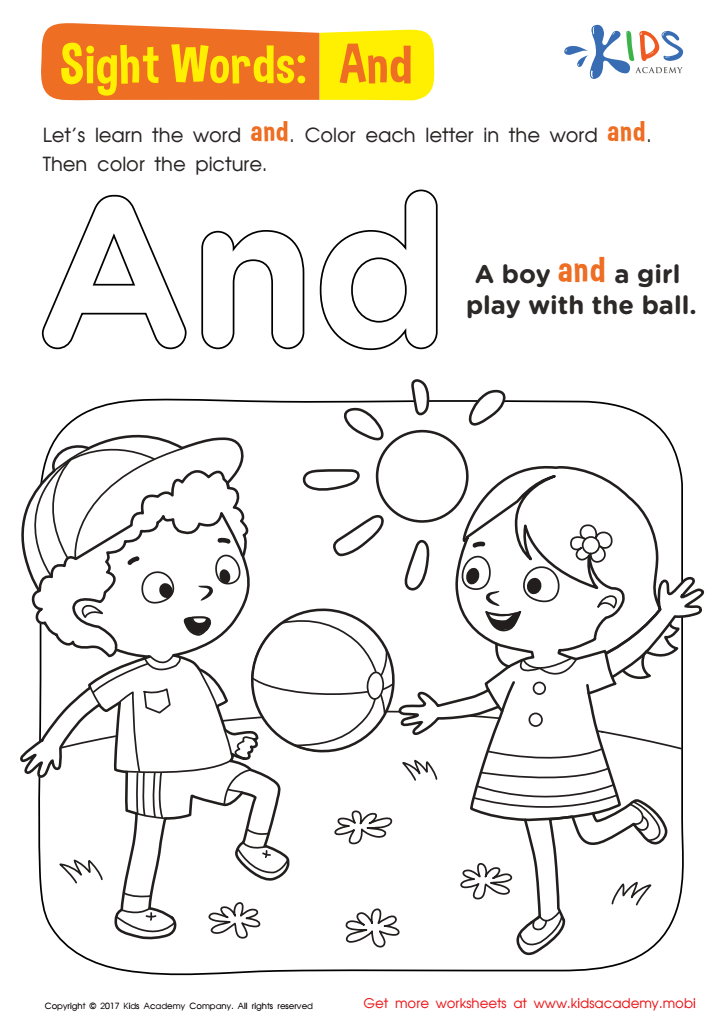
And Worksheet Sight Words Worksheet
 Assign to My Students
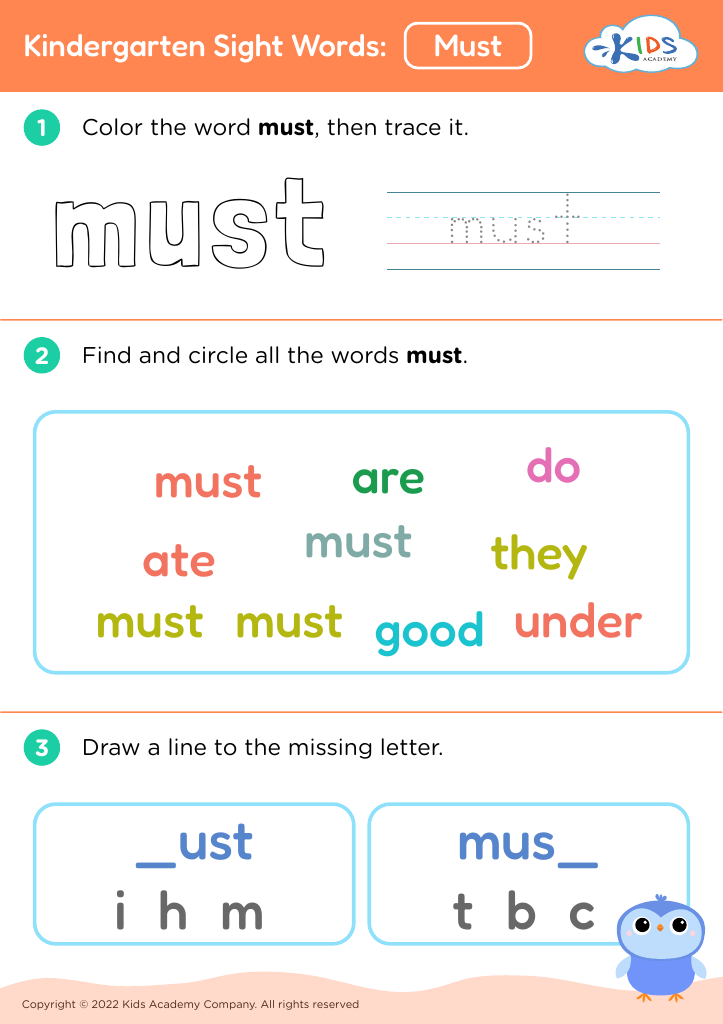
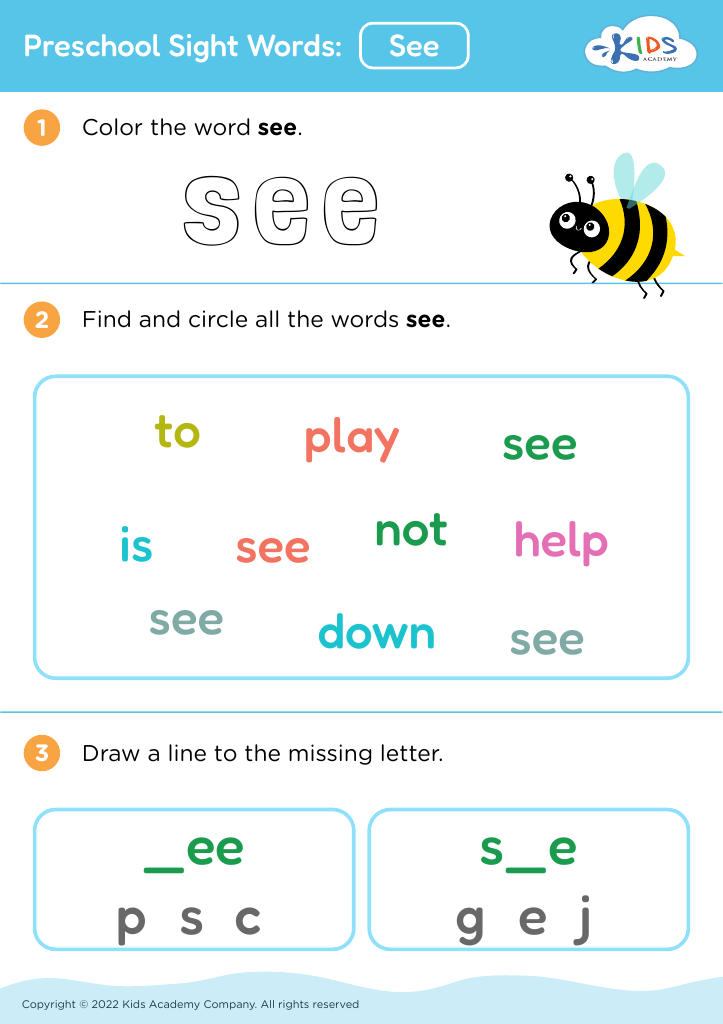
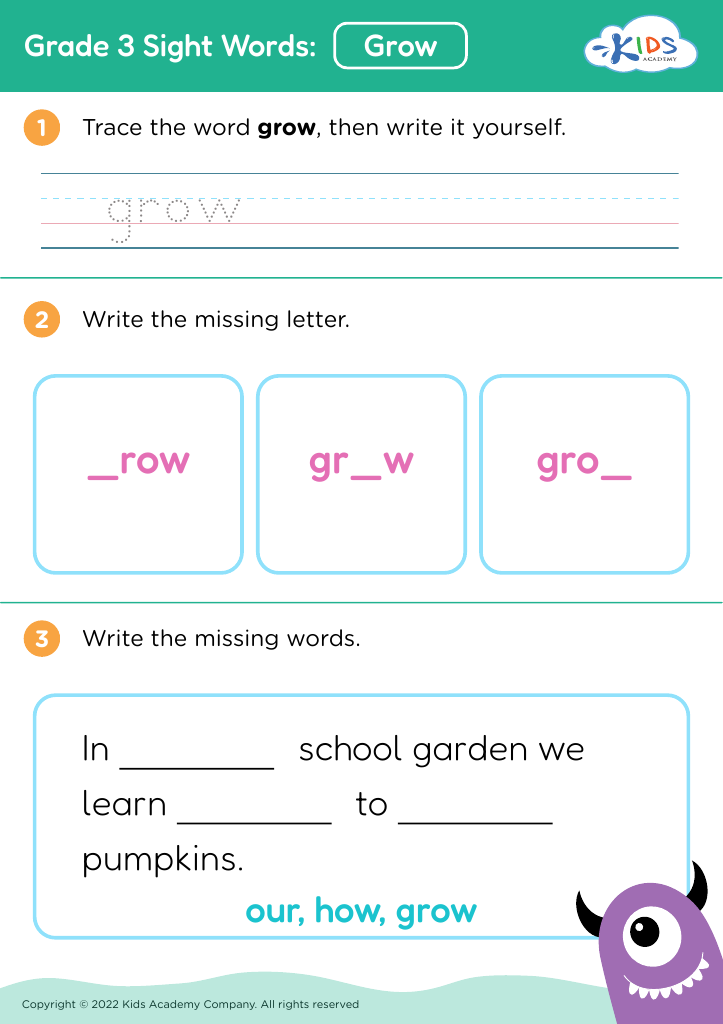








Spelling practice and reading are essential components of literacy development for children aged 5-8, and parents and teachers should prioritize these activities for several reasons. First, learning to spell helps children develop phonemic awareness, enabling them to understand the sounds of language and how letters correspond to those sounds. This foundational skill supports reading fluency and comprehension, allowing children to decode words independently.
Additionally, spelling practice enhances vocabulary development. As children learn to spell words, they become more familiar with their meanings and usage, contributing positively to their overall language skills. This process not only boosts their confidence in written communication but also helps them express themselves more effectively.
Furthermore, regular reading practice helps children internalize spelling patterns and word structures, reinforcing their learning. When children read frequently, they encounter words in context, which aids retention and understanding.
Engaging in spelling and reading activities together fosters a love for literacy, making it a bonding experience for parents and teachers with children. Ultimately, emphasizing spelling and reading during these formative years sets the groundwork for academic success and enhances critical thinking skills, encouraging a lifelong habit of learning.








